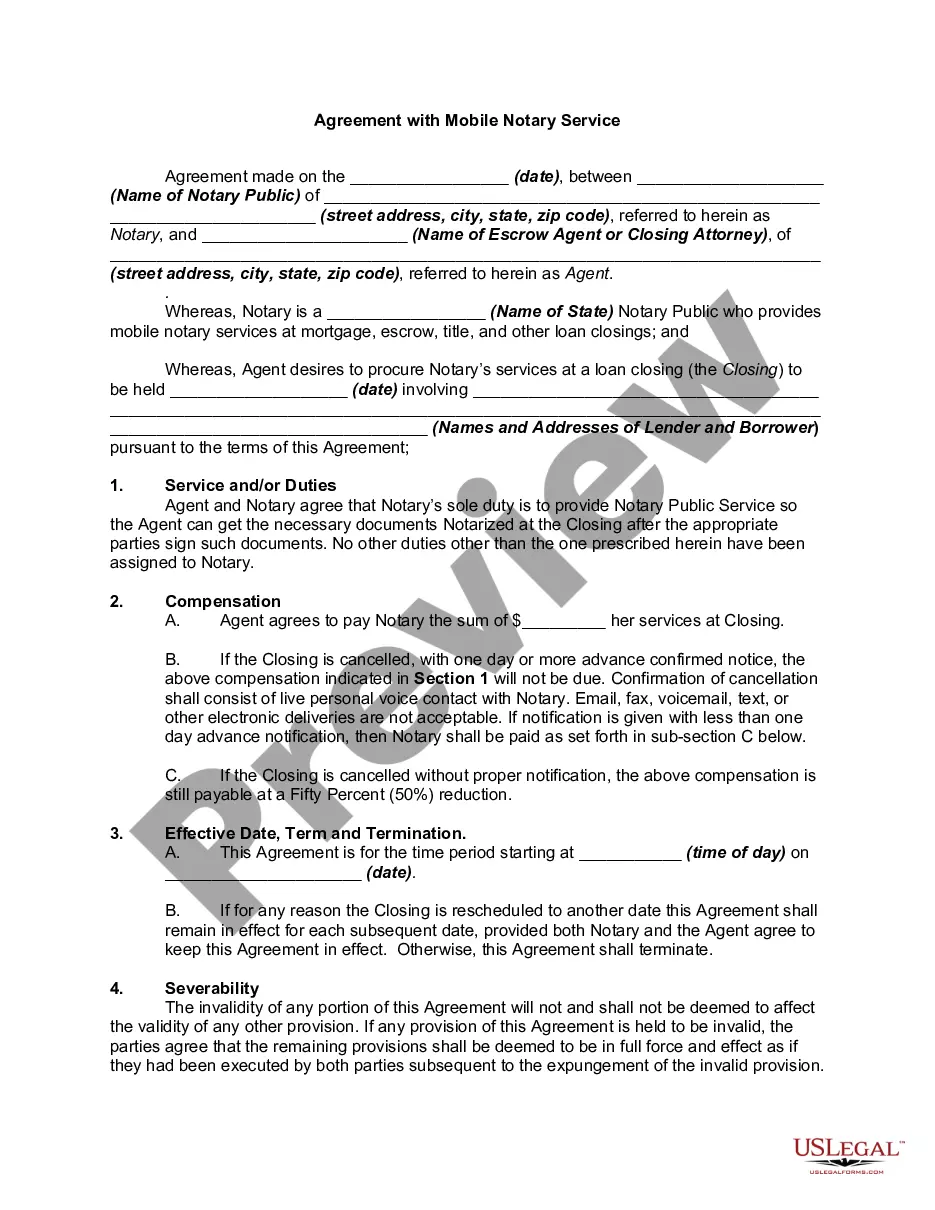
Mobile Notary Fort Lauderdale
Description

Get your form ready online
Our built-in tools help you complete, sign, share, and store your documents in one place.
Make edits, fill in missing information, and update formatting in US Legal Forms—just like you would in MS Word.
Download a copy, print it, send it by email, or mail it via USPS—whatever works best for your next step.
Sign and collect signatures with our SignNow integration. Send to multiple recipients, set reminders, and more. Go Premium to unlock E-Sign.
If this form requires notarization, complete it online through a secure video call—no need to meet a notary in person or wait for an appointment.
We protect your documents and personal data by following strict security and privacy standards.

Make edits, fill in missing information, and update formatting in US Legal Forms—just like you would in MS Word.

Download a copy, print it, send it by email, or mail it via USPS—whatever works best for your next step.

Sign and collect signatures with our SignNow integration. Send to multiple recipients, set reminders, and more. Go Premium to unlock E-Sign.

If this form requires notarization, complete it online through a secure video call—no need to meet a notary in person or wait for an appointment.

We protect your documents and personal data by following strict security and privacy standards.
Looking for another form?








How to fill out Agreement With Mobile Notary Service?
Regardless of whether it's for professional reasons or personal matters, everyone will inevitably face legal circumstances at some stage in their lives. Completing legal documents demands meticulous consideration, starting with selecting the correct form template.
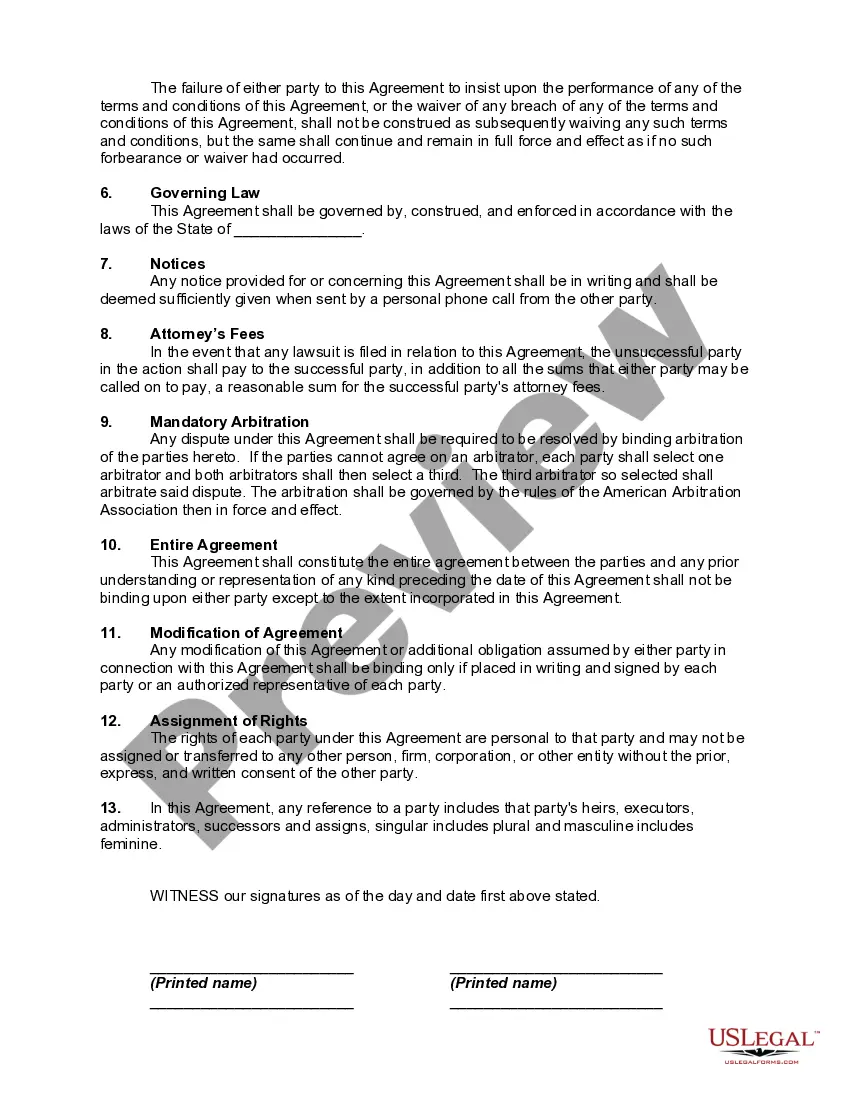
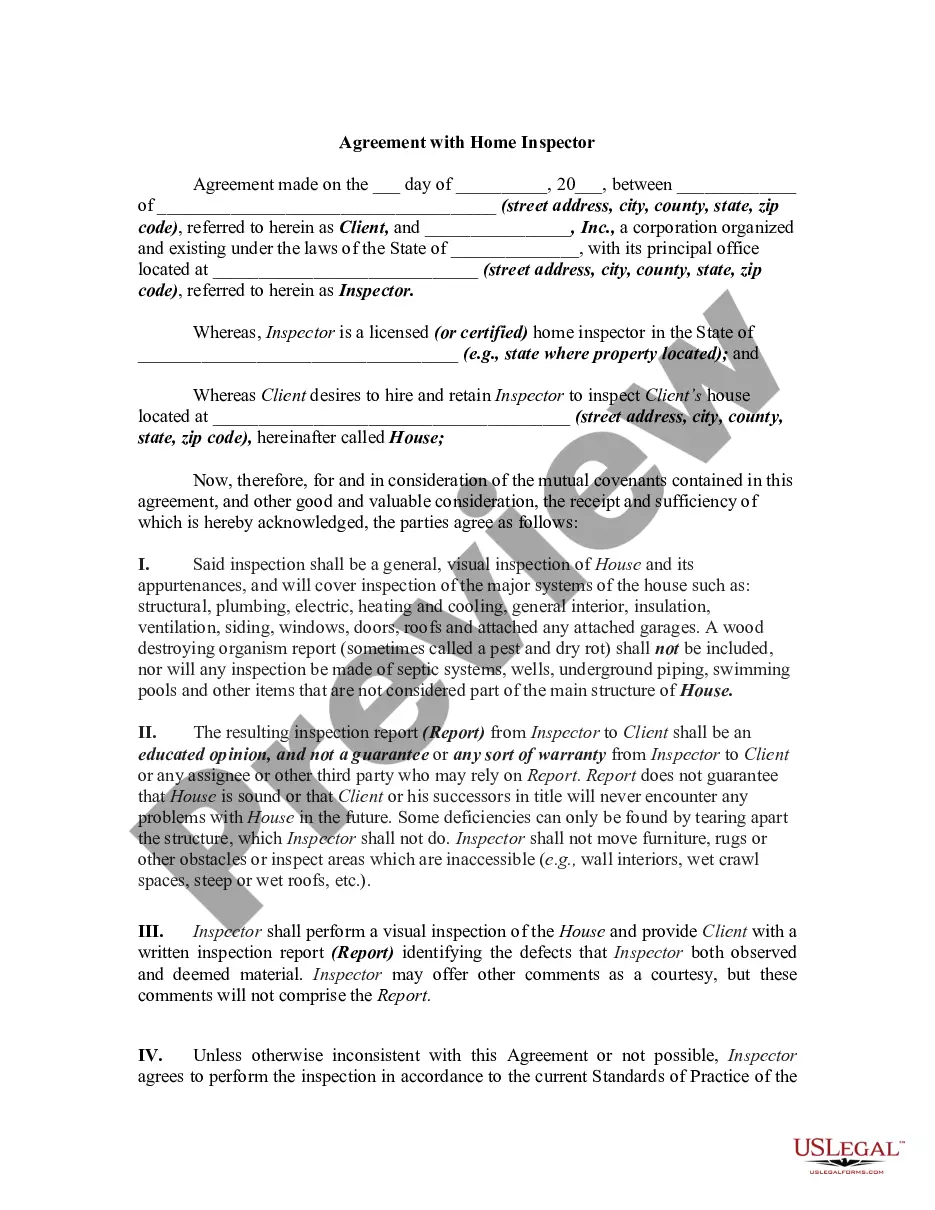
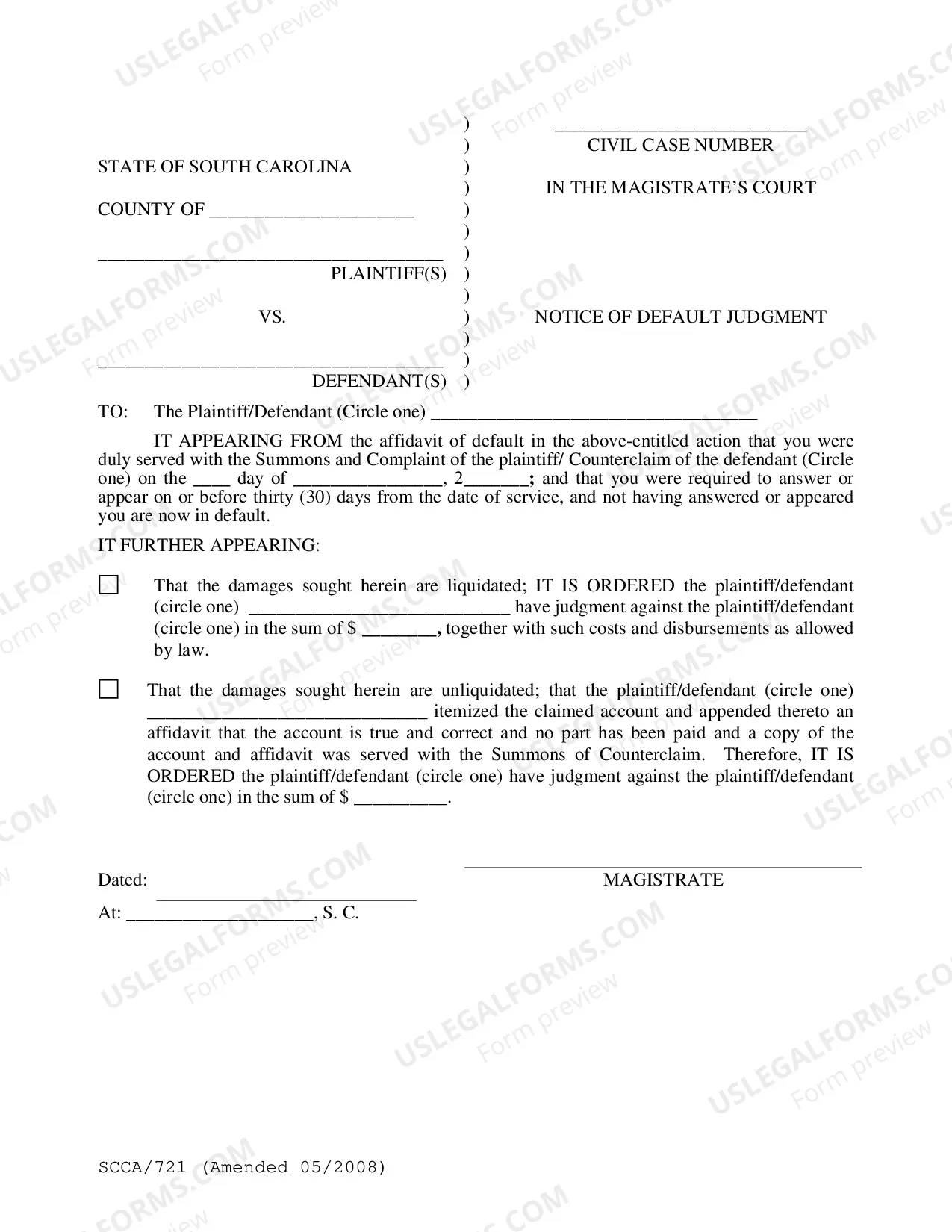
For example, if you select the incorrect version of a Mobile Notary Fort Lauderdale, it will be rejected upon submission. Thus, it is vital to have a trustworthy source for legal documents such as US Legal Forms.
With an extensive catalog from US Legal Forms available, you don’t need to waste time searching online for the right sample. Use the library’s straightforward navigation to find the appropriate form for any circumstance.
- Locate the sample you need by using the search bar or browsing the catalog.
- Review the form’s details to ensure it corresponds to your case, state, and locality.
- Click on the form’s preview to view it.
- If it is the wrong form, return to the search feature to find the Mobile Notary Fort Lauderdale template you need.
- Download the file when it suits your requirements.
- If you possess a US Legal Forms account, simply click Log in to access previously saved templates in My documents.
- If you do not yet have an account, you can obtain the form by clicking Buy now.
- Select the appropriate pricing option.
- Fill out the account registration form.
- Choose your payment method: credit card or PayPal.
- Select the document format you prefer and download the Mobile Notary Fort Lauderdale.
- Once it's saved, you can complete the form using editing software or print it out to fill it in by hand.
Form popularity
FAQ
What must my claim of lien include? You must include a statement of demand, the name of the owners of the property, the name of the person who hired you, a description of the property and a proper verification under oath (notary). ORS 87.035(3)-(4). You must record the lien in the county where the project is located.
Liens are usually filed by one of your general contractor's subcontractors, employees, material suppliers, or equipment rental companies, because the general contractor did not pay for the work performed, materials supplied, or equipment rented. Your general contractor may file a lien if you have not paid him or her.
Under Oregon's laws, those who work on your property or provide labor, equipment, services or materials and are not paid have a right to enforce their claim for payment against your property. This claim is known as a construction lien.
How to File a Mechanic's Lien in Oregon ? Step-By-Step Guide Step 1: Determine if you have the right to file a lien. Step 2: Send notice of right to lien. Step 3: Prepare the lien document. Step 4: File the lien. Step 5: Send notice of lien. Step 6: Secure payment. Step 7: Release the lien.
An original contractor that fails to provide a written contract as required by law, may not place a construction lien against the owner's property. materials, labor, equipment, or services provided to your project from everyone who sends you a Notice of Right to Lien.
Ann. §§ 87.001 through 87.093 constitute Oregon's construction lien law (the Lien Law). The Lien Law gives suppliers of labor, material, professional services, and rental equipment a means of securing their right to be paid for their contribution to, or work on, a construction project.
A judgment lien is created automatically on any debtor property located in the Oregon county where the judgment is entered. For debtor property in another Oregon county, the creditor must record the judgment in the County Clerk Lien Record for the county where the property is located.