Trustee Agente Fiduciario
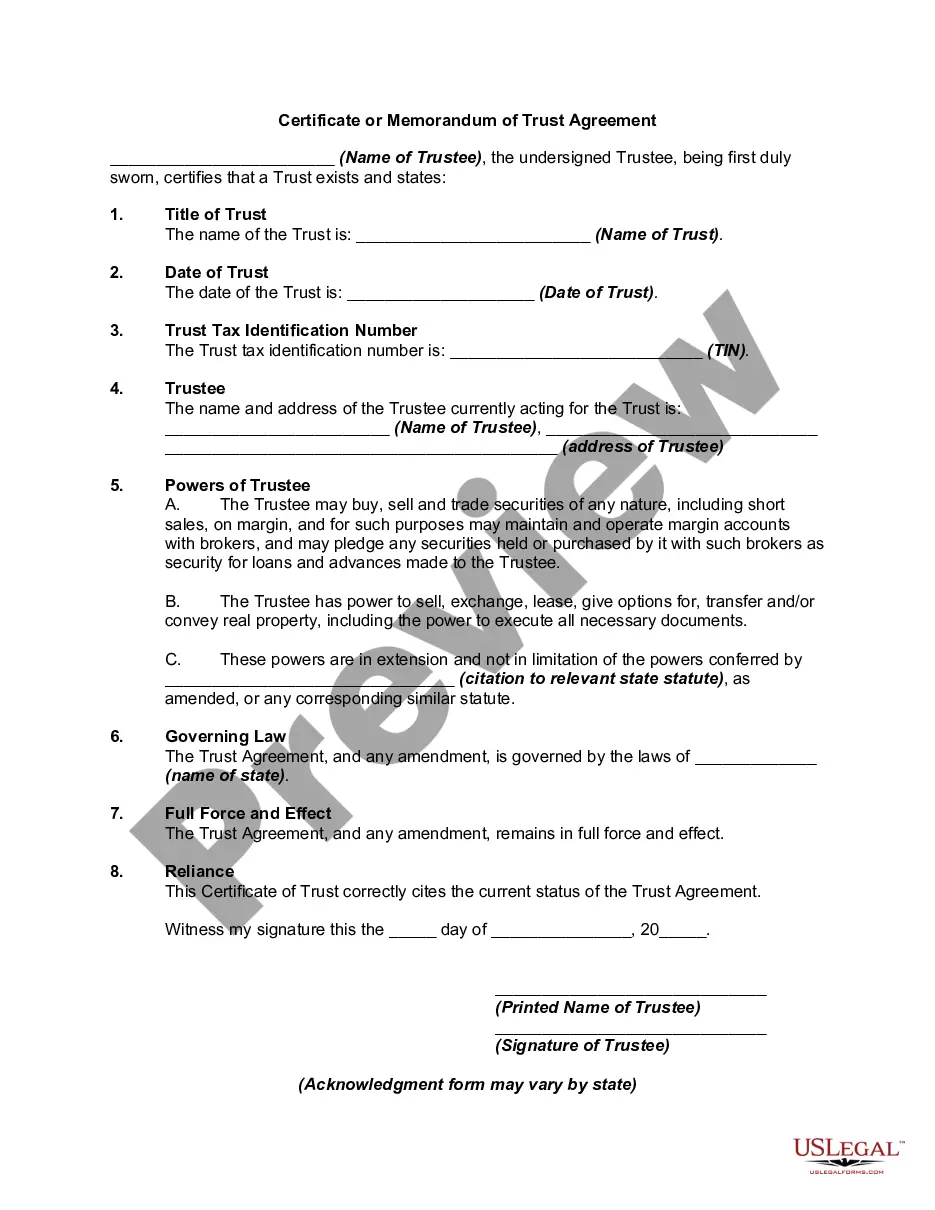
Description
Get your form ready online
Our built-in tools help you complete, sign, share, and store your documents in one place.
Make edits, fill in missing information, and update formatting in US Legal Forms—just like you would in MS Word.
Download a copy, print it, send it by email, or mail it via USPS—whatever works best for your next step.
Sign and collect signatures with our SignNow integration. Send to multiple recipients, set reminders, and more. Go Premium to unlock E-Sign.
If this form requires notarization, complete it online through a secure video call—no need to meet a notary in person or wait for an appointment.
We protect your documents and personal data by following strict security and privacy standards.

Make edits, fill in missing information, and update formatting in US Legal Forms—just like you would in MS Word.

Download a copy, print it, send it by email, or mail it via USPS—whatever works best for your next step.

Sign and collect signatures with our SignNow integration. Send to multiple recipients, set reminders, and more. Go Premium to unlock E-Sign.

If this form requires notarization, complete it online through a secure video call—no need to meet a notary in person or wait for an appointment.

We protect your documents and personal data by following strict security and privacy standards.
Looking for another form?










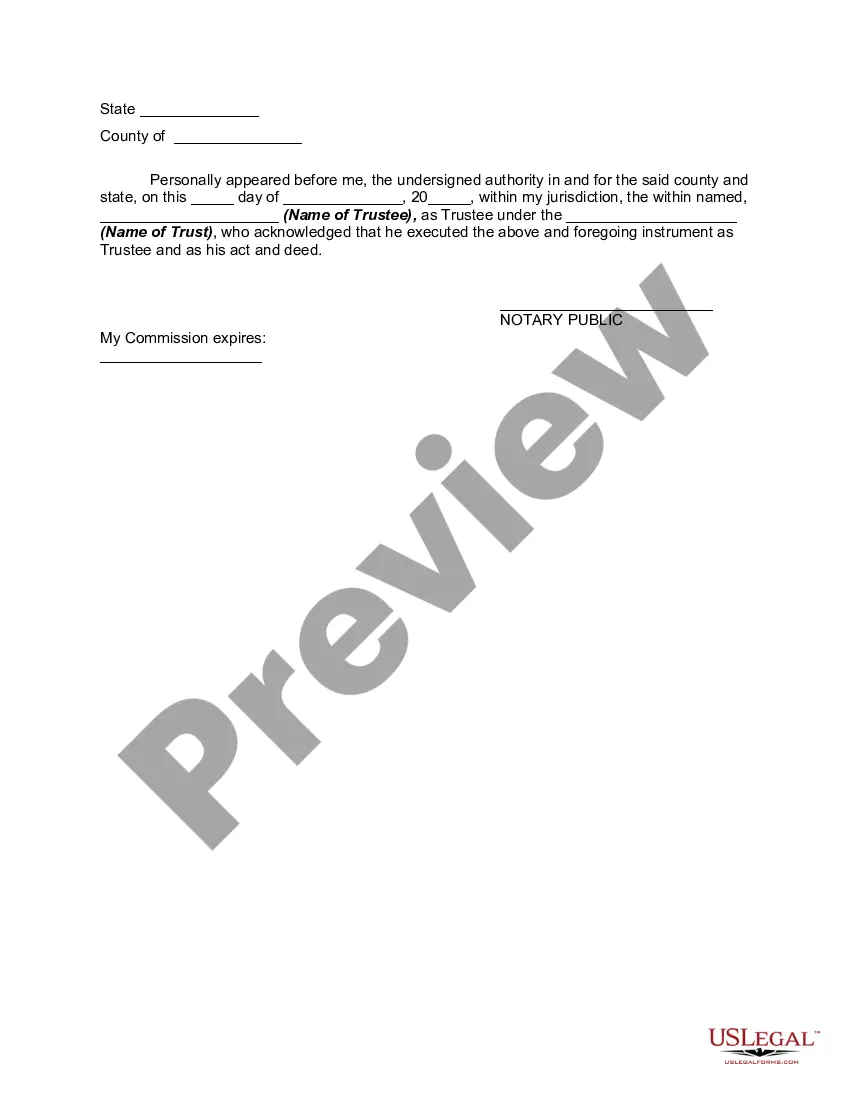
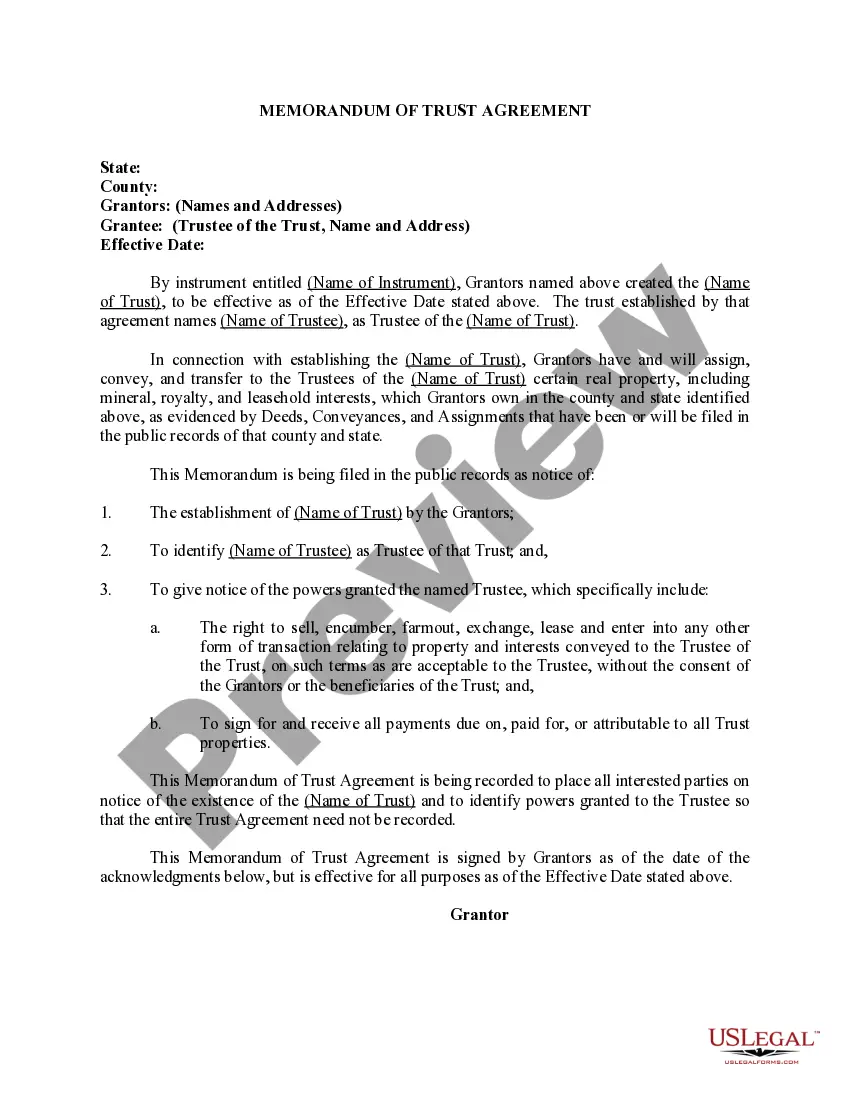
How to fill out Certificate Or Memorandum Of Trust Agreement?
- If you are a returning user, simply log in to your account. Ensure your subscription is active; if not, renew it promptly.
- For first-time users, start by verifying the form description and preview mode to select the document that aligns with your needs and jurisdiction.
- Utilize the search feature if you need an alternative template or to resolve any discrepancies with your selected form.
- Proceed to purchase your chosen document by clicking the 'Buy Now' button and selecting your preferred subscription plan. A user account registration will be necessary.
- Complete your transaction by entering your payment details, either through credit card or PayPal.
- Finally, download your legal form and save it to your device. You can always access it again through the My Forms section of your profile.
By following these steps, you can seamlessly obtain and manage your legal documents. US Legal Forms stands out with its robust collection, making it easier to find the exact templates you need.
Start navigating the vast library today and enjoy peace of mind with accurate, professionally supported documents. Explore US Legal Forms and take the first step towards legal confidence!
Form popularity
FAQ
Choosing a trustee is a significant decision that should consider trustworthiness, financial acumen, and willingness to serve. Ideally, select someone who understands your values and can act in the best interest of the beneficiaries. Often, individuals appoint family members, trusted friends, or professional fiduciaries. For more on selecting the right trustee, check the insights available through USLegalForms.
Filling out an Affidavit of Death of trustee in California involves providing essential details, including the trustee's name, date of death, and trust information. Be aware that this affidavit often requires signatures from witnesses. It's vital to ensure accuracy to facilitate the transition to a new trustee. For a step-by-step guide, explore the resources available at USLegalForms.
To fill out an affidavit of death and heirship, begin by collecting necessary information about the deceased and their heirs. You will typically need to provide names, dates of birth, and relationships of the heirs to the deceased. Make sure to follow any specific state guidelines, as requirements may vary. If you need a detailed guide, USLegalForms can provide templates and support for completing this affidavit.
An affidavit for the death of a trustee is a legal document that confirms the trustee's passing, which may be necessary to manage the trust's assets. This affidavit typically includes details about the trustee's identity, date of death, and specifics about the trust. Filing this document helps ensure a seamless transition to a successor trustee. For assistance with this process, consider resources from USLegalForms.
Yes, a trustee acts as an agent for the beneficiary but within the scope of the trust. This means the trustee must manage the trust assets in the best interest of the beneficiaries while adhering to the terms of the trust. Understanding this relationship is crucial for beneficiaries as it defines their rights and the trustee's obligations. If you need help clarifying roles, USLegalForms can provide valuable insights.
When a trustee dies in California, the administration of the trust may transition to a successor trustee. This process typically requires notifying the beneficiaries and may involve filing an affidavit with the court. It's essential to review the trust document, as it usually outlines the steps to take. For guidance, you can utilize USLegalForms, which offers resources on trust management.
No, an agent and an executor serve different roles in estate management. An executor is responsible for settling a deceased person's estate through the probate process, while an agent assists a trustee in managing a trust. Knowing the distinctions between these roles is essential for effective estate and trust administration.
Reporting trustee income involves accurately documenting any income generated by the trust's assets. This may include dividends, rental income, or interest earned. Utilizing a platform like USLegalForms can simplify the process, helping you understand the necessary forms and filing requirements to ensure compliance with tax laws.
A personal representative is someone appointed to manage a deceased person's estate, while an agent assists a trustee in fulfilling their responsibilities regarding a trust. The key difference lies in their roles; the personal representative deals with probate matters, whereas the agent focuses on trust activities. Understanding these roles can help clarify the estate management process.
Yes, a trustee has a fiduciary duty to act in the best interests of the beneficiaries. This means they must manage trust assets prudently and transparently, always prioritizing the beneficiaries' needs over their own. A breach of fiduciary duty can have serious legal implications, underscoring the importance of adherence to this principle.