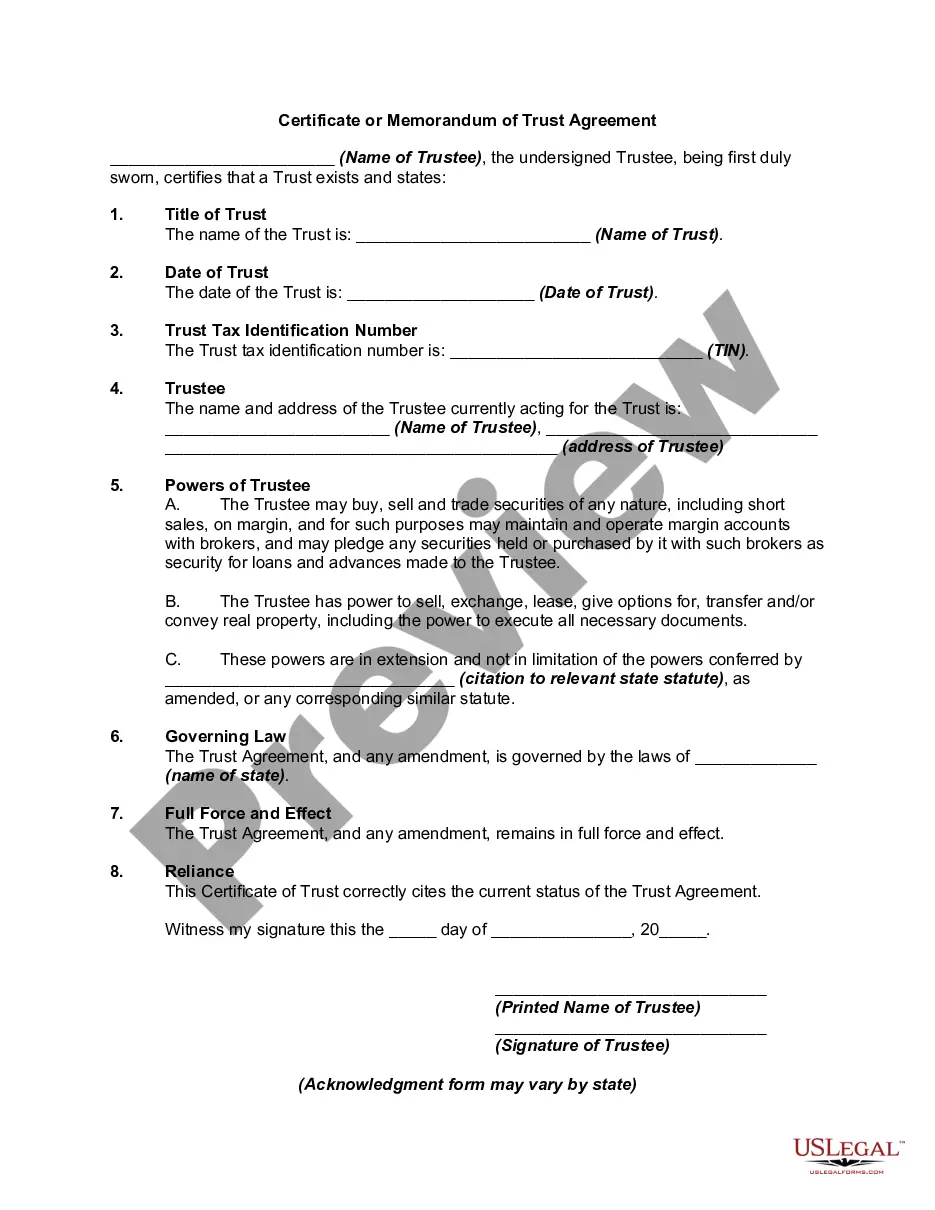
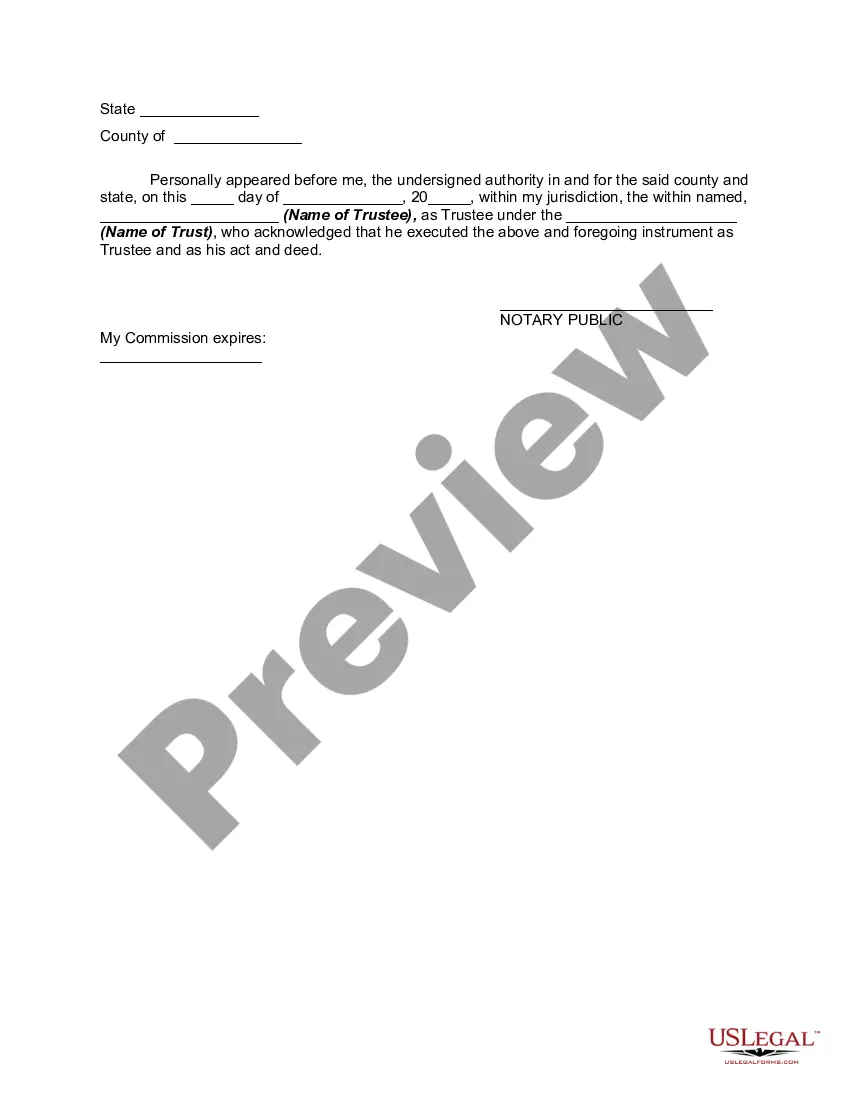
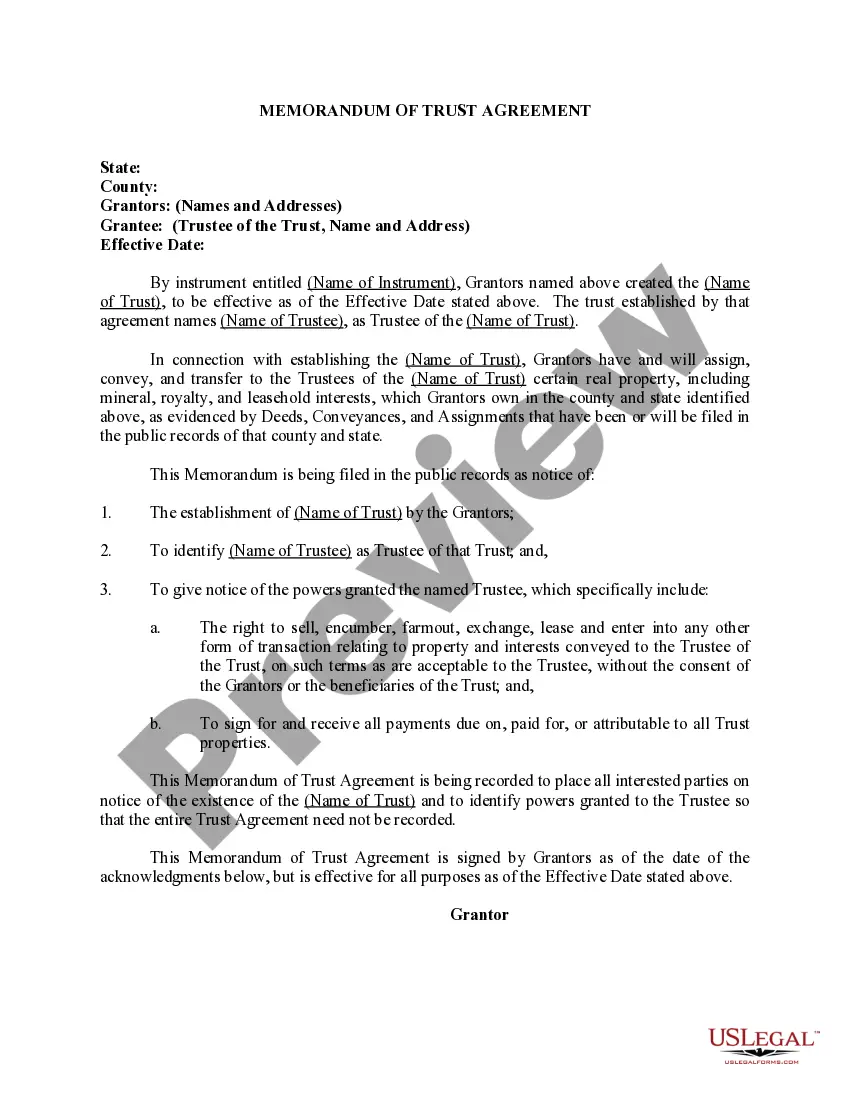
Trust Memorandum With Enclosures
Description
Get your form ready online
Our built-in tools help you complete, sign, share, and store your documents in one place.
Make edits, fill in missing information, and update formatting in US Legal Forms—just like you would in MS Word.
Download a copy, print it, send it by email, or mail it via USPS—whatever works best for your next step.
Sign and collect signatures with our SignNow integration. Send to multiple recipients, set reminders, and more. Go Premium to unlock E-Sign.
If this form requires notarization, complete it online through a secure video call—no need to meet a notary in person or wait for an appointment.
We protect your documents and personal data by following strict security and privacy standards.

Make edits, fill in missing information, and update formatting in US Legal Forms—just like you would in MS Word.

Download a copy, print it, send it by email, or mail it via USPS—whatever works best for your next step.

Sign and collect signatures with our SignNow integration. Send to multiple recipients, set reminders, and more. Go Premium to unlock E-Sign.

If this form requires notarization, complete it online through a secure video call—no need to meet a notary in person or wait for an appointment.

We protect your documents and personal data by following strict security and privacy standards.
Looking for another form?



How to fill out Certificate Or Memorandum Of Trust Agreement?
It’s clear that you can’t become a legal specialist instantly, nor can you determine how to swiftly create a Trust Memorandum With Enclosures without possessing a specialized background.
Assembling legal documents is a lengthy procedure requiring specific training and expertise.
So why not entrust the preparation of the Trust Memorandum With Enclosures to the professionals.
Preview it (if this option is available) and read the accompanying description to determine if the Trust Memorandum With Enclosures is what you’re seeking.
Establish a free account and select a subscription plan to buy the template. Click Buy now. Once the transaction is finalized, you can download the Trust Memorandum With Enclosures, complete it, print it, and send or mail it to the designated individuals or organizations.
- With US Legal Forms, one of the most extensive legal template libraries, you can find anything from court paperwork to templates for internal corporate communication.
- We understand how crucial compliance and adherence to federal and state regulations are.
- That’s why, on our platform, all forms are location-specific and current.
- Here’s how you can begin with our platform and acquire the form you need in just minutes.
- Locate the document you require by utilizing the search bar at the top of the page.
Form popularity
FAQ
A memorandum for a trust is a written document that outlines the terms and conditions associated with a trust agreement. This memorandum can include important information about the trust's purpose, the assets involved, and the responsibilities of the trustee. Including enclosures with the memorandum can provide necessary documentation that supports the trust's details. Utilizing platforms like USLegalForms can help you create this type of trust memorandum with enclosures efficiently.
In a business letter, you can indicate enclosures similar to how you would in a trust memorandum with enclosures. After your signature, write 'Enclosures:' followed by the items you are including. This notation provides clarity and ensures that the recipient knows to look for additional documents. Always keep this section concise and straightforward.
When including enclosures in a trust memorandum with enclosures, mention them towards the end of the document. After your closing statement, simply state 'Enclosures:' followed by your list. This clear indication helps the reader understand that additional documents accompany the memo. This practice enhances organization and professionalism.
To write a list of enclosures for a trust memorandum with enclosures, start by creating a simple, clear list. Make sure to format it as a bulleted or numbered list, detailing each item you are including. This helps recipients quickly identify what documents they will receive. Always remember to cross-reference these items in the body of your memorandum.
A trust consists of four key elements: the grantor, the trustee, the beneficiary, and the trust property. The grantor is the person who creates the trust and transfers assets into it. The trustee manages the trust according to the terms set out in the trust memorandum with enclosures. Lastly, the beneficiary receives the benefits from the trust, ensuring that the assets are used as intended.
Creating an effective format for a trust memorandum with enclosures involves following a structured layout. Start with the heading, followed by the purpose and background sections. Maintain clear headings for each part and use bullet points or numbered lists for clarity if needed. Finally, ensure that any enclosures are referenced appropriately within the memo to guide the reader.
The 5% rule for trusts refers to a guideline for the distribution of trust assets. It suggests that a trustee should not distribute more than 5% of the trust's value in a single year without specific authorization. Understanding this rule is crucial when drafting a trust memorandum with enclosures, as it informs the distribution strategy and ensures compliance with legal standards.
To write a simple trust memorandum with enclosures, start by drafting a concise heading that includes essential details like the date and recipients. Follow this with a brief purpose statement and organize your content into clear sections. Remember to keep your language straightforward, and support your points with relevant enclosures that enhance your message, making it easy for the reader to understand.
Writing a trust memorandum with enclosures involves several steps. First, clearly define the purpose of the memo. Next, structure your content using the six parts outlined earlier, ensuring each section flows logically. Once completed, review your draft for clarity and coherence, and include any necessary enclosures before finalizing the document.
A trust memorandum with enclosures typically includes six key parts: the heading, which identifies the sender and recipient; the purpose statement, explaining the memo's intent; the background section, providing context; the discussion, where the main points are presented; the conclusion, summarizing the findings; and any enclosures, which are additional documents that support the memo. Understanding these parts helps ensure your memorandum is clear and effective.