Difference Between Memorandum Of Understanding And Agreement
Description
Get your form ready online
Our built-in tools help you complete, sign, share, and store your documents in one place.
Make edits, fill in missing information, and update formatting in US Legal Forms—just like you would in MS Word.
Download a copy, print it, send it by email, or mail it via USPS—whatever works best for your next step.
Sign and collect signatures with our SignNow integration. Send to multiple recipients, set reminders, and more. Go Premium to unlock E-Sign.
If this form requires notarization, complete it online through a secure video call—no need to meet a notary in person or wait for an appointment.
We protect your documents and personal data by following strict security and privacy standards.

Make edits, fill in missing information, and update formatting in US Legal Forms—just like you would in MS Word.

Download a copy, print it, send it by email, or mail it via USPS—whatever works best for your next step.

Sign and collect signatures with our SignNow integration. Send to multiple recipients, set reminders, and more. Go Premium to unlock E-Sign.

If this form requires notarization, complete it online through a secure video call—no need to meet a notary in person or wait for an appointment.

We protect your documents and personal data by following strict security and privacy standards.
Looking for another form?
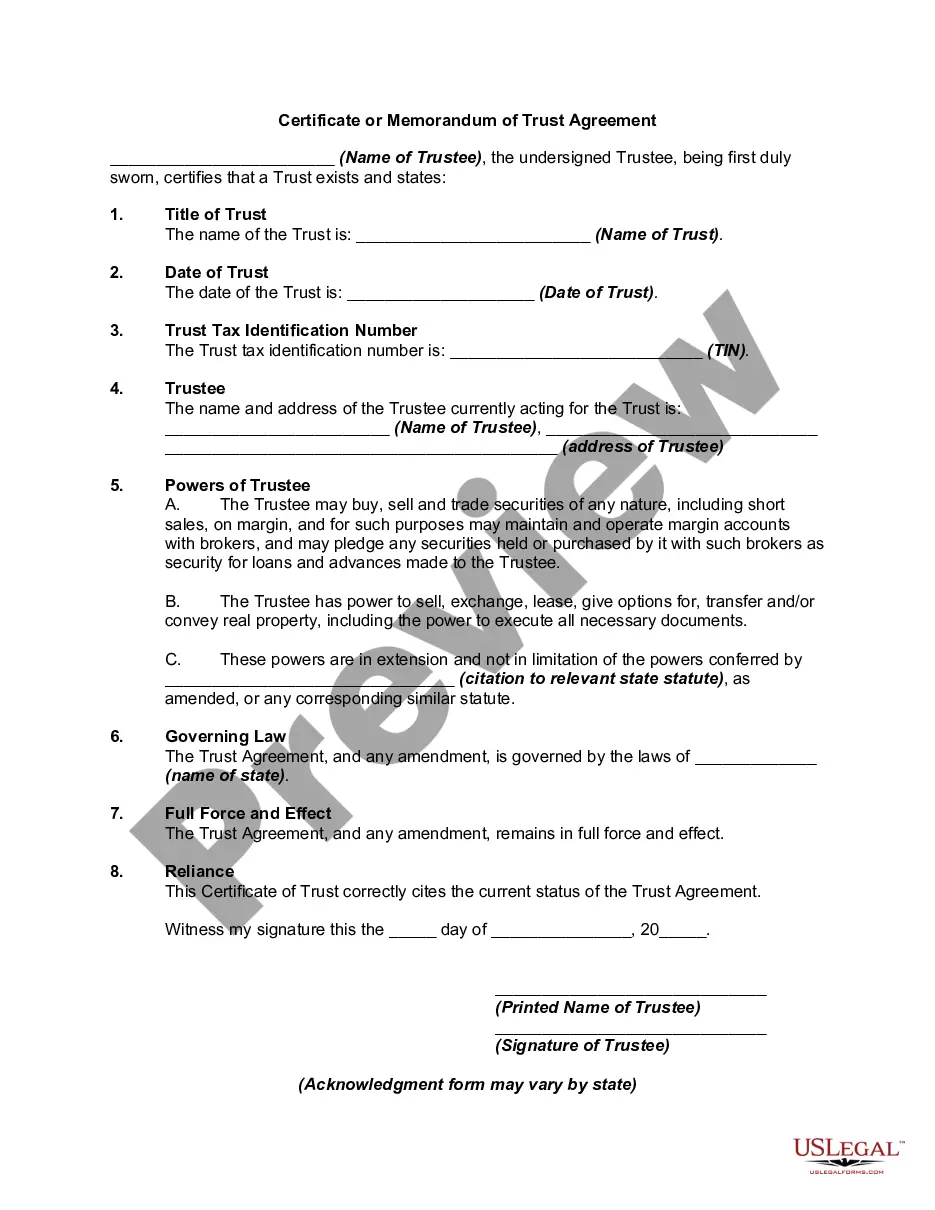
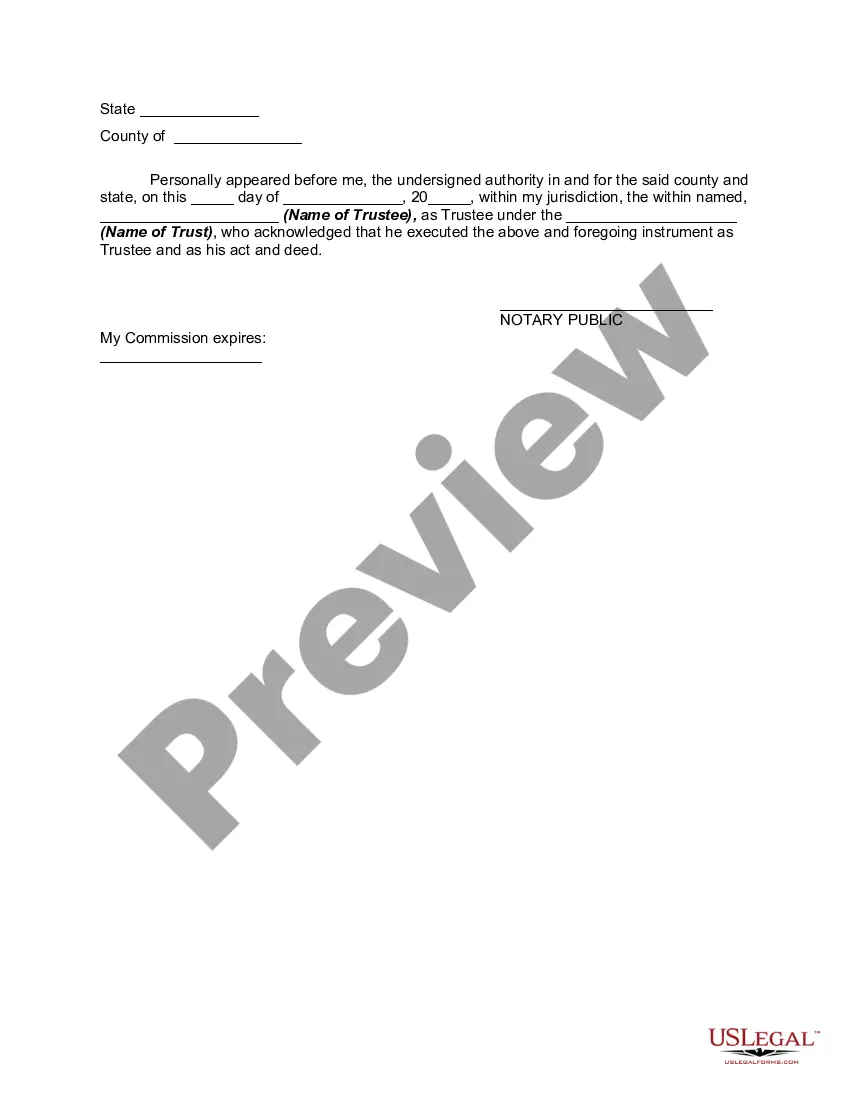
How to fill out Certificate Or Memorandum Of Trust Agreement?
It’s well-known that you can't instantly become a legal authority, nor can you understand how to swiftly prepare Difference Between Memorandum Of Understanding And Agreement without possessing a specialized background.
Creating legal documents is a lengthy procedure that demands specific training and expertise. So why not entrust the preparation of the Difference Between Memorandum Of Understanding And Agreement to professionals.
With US Legal Forms, one of the largest legal template libraries, you can discover anything from court filings to templates for internal business communication.
Start your search again if you require any additional template.
Establish a free account and choose a subscription plan to purchase the template.
- We recognize how vital compliance and adherence to federal and state regulations are.
- That’s why, on our platform, all templates are localized and current.
- Here’s how you can begin with our website and secure the form you require within minutes.
- Locate the document you need using the search bar at the top of the page.
- Preview it (if this feature is available) and read the accompanying description to ascertain whether the Difference Between Memorandum Of Understanding And Agreement is what you seek.
Form popularity
FAQ
Memoranda of Understanding/Agreement (MOU/MOA) MOUs tend to be used for simple common-cause agreements which are not legally binding. MOAs, on the other hand, establish common legal terms that establish a ?conditional agreement? where the transfer of funds for services are anticipated.
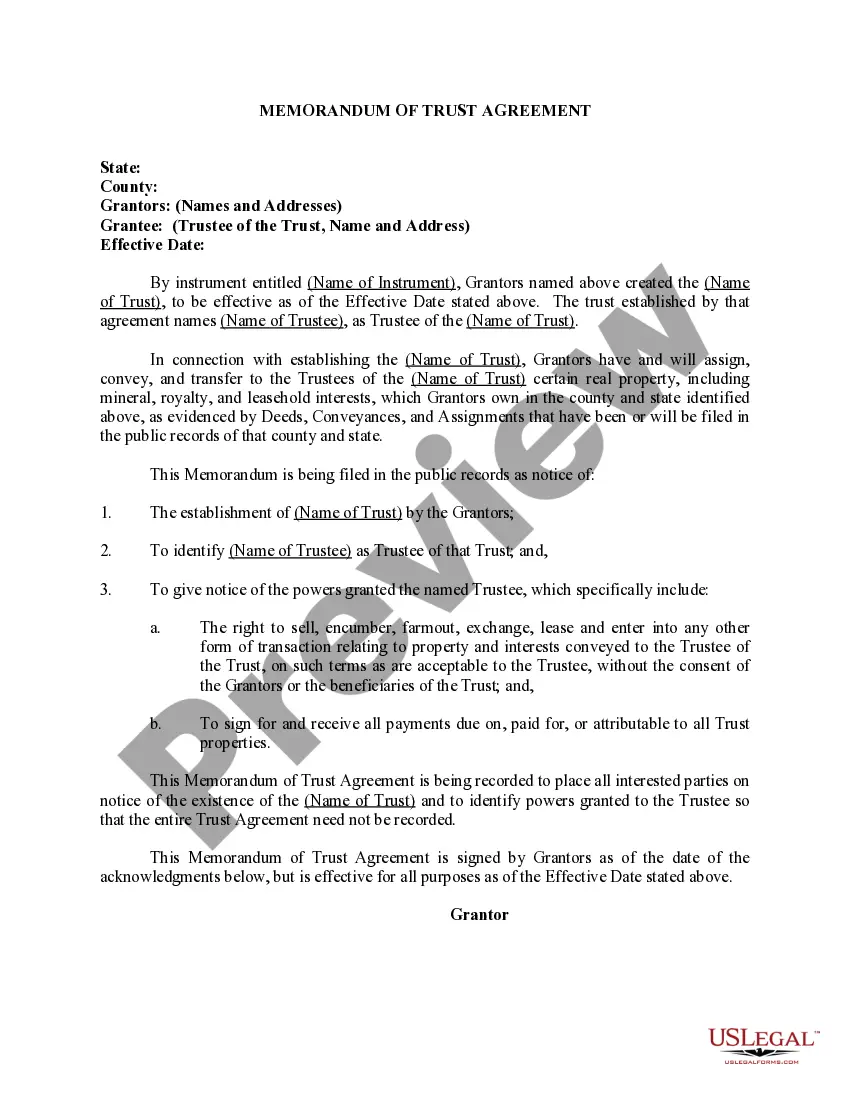
A memorandum of understanding (MOU) is a formal agreement that outlines plans for a common line of action between two or more parties. An MOU is used when companies plan to work together or partner on a project or similar venture.
Here are some more general circumstances for when it's best to use an MOU: If you're not ready to make a legally binding commitment. If the terms of the agreement are still being negotiated. If the agreement is not meant to be long-term. If the parties want to show proof of the understanding for future reference.
An agreement is a formal contract that is legally binding and can be enforced in court, while an MOU is a non-binding document that outlines the general terms and understanding of a relationship.
Similar to a contract, a memorandum of understanding is an agreement between two or more parties. Unlike a contract, however, an MOU need not contain legally enforceable promises. While the parties to a contract must intend to create a legally binding agreement, the parties to an MOU may intend otherwise.