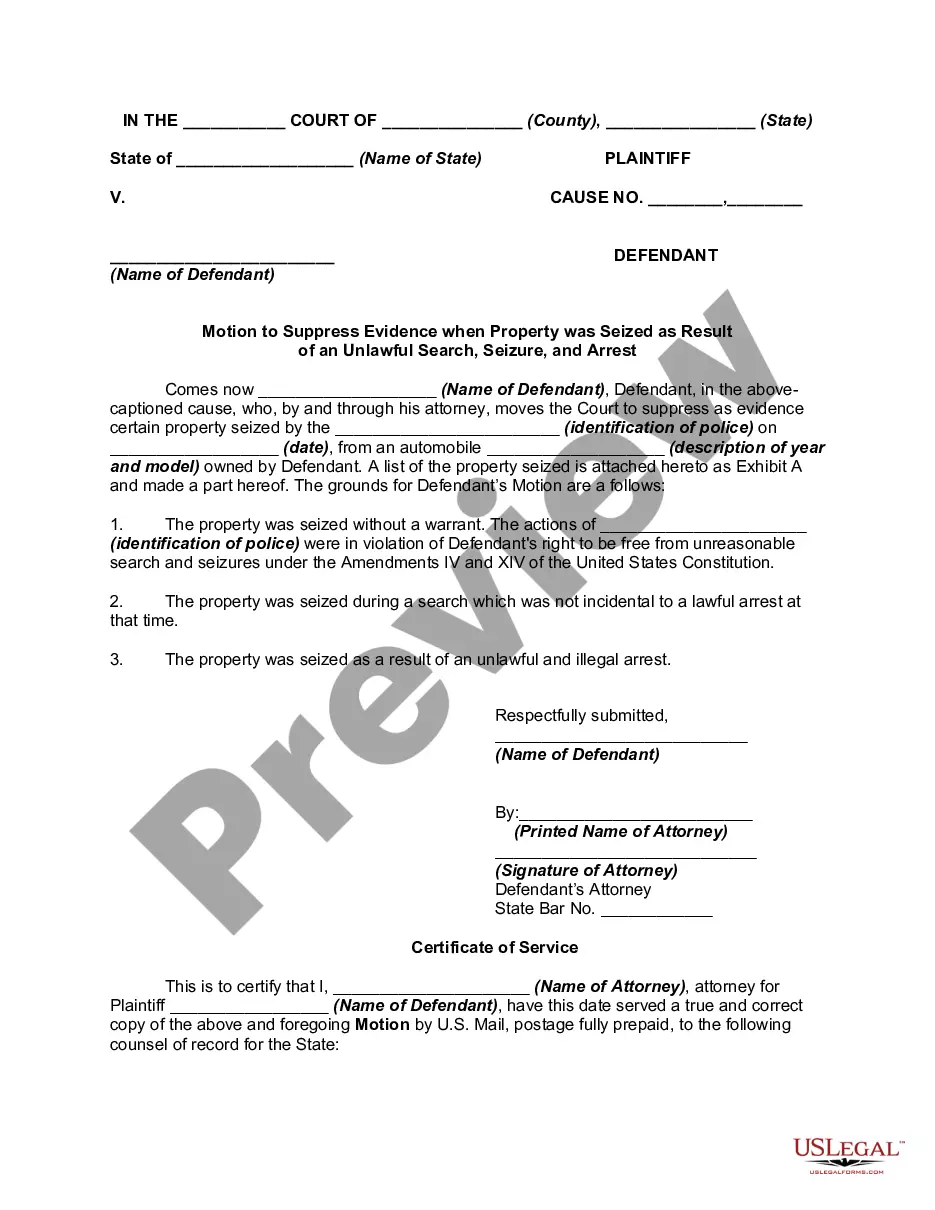
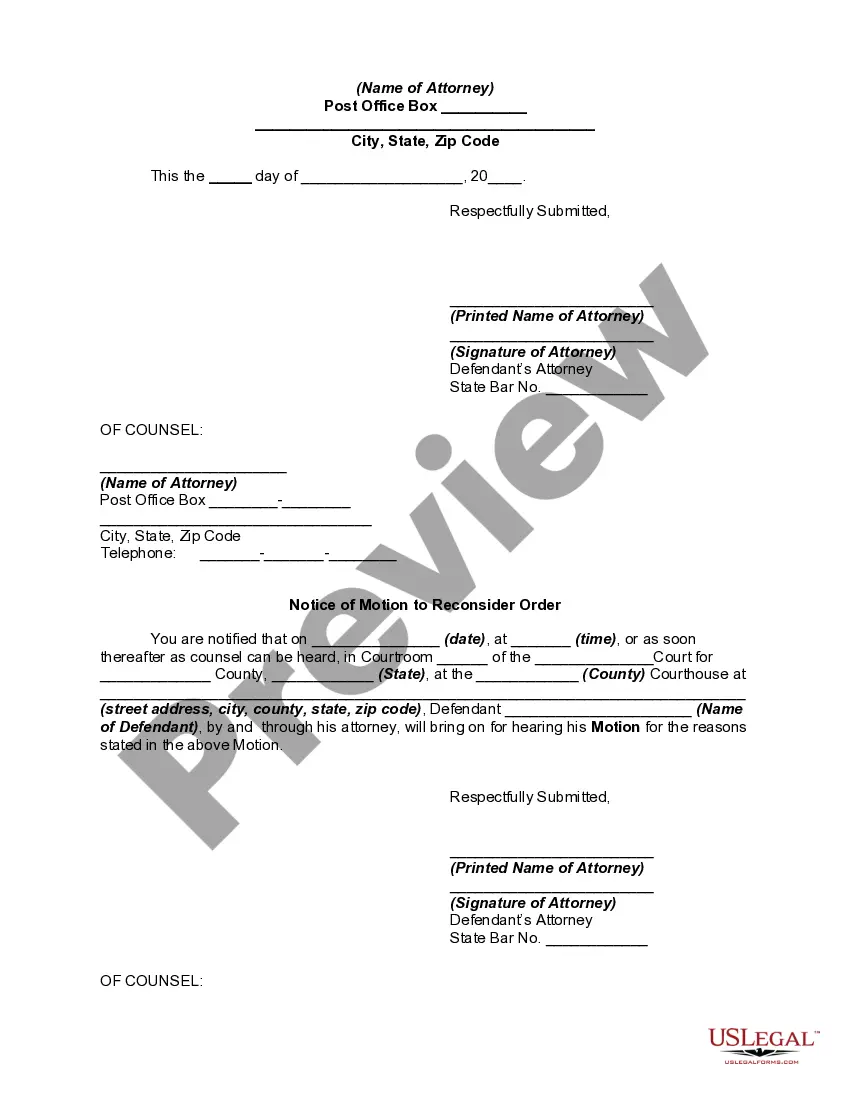
Motions To Suppress Evidence
Description
Get your form ready online
Our built-in tools help you complete, sign, share, and store your documents in one place.
Make edits, fill in missing information, and update formatting in US Legal Forms—just like you would in MS Word.
Download a copy, print it, send it by email, or mail it via USPS—whatever works best for your next step.
Sign and collect signatures with our SignNow integration. Send to multiple recipients, set reminders, and more. Go Premium to unlock E-Sign.
If this form requires notarization, complete it online through a secure video call—no need to meet a notary in person or wait for an appointment.
We protect your documents and personal data by following strict security and privacy standards.

Make edits, fill in missing information, and update formatting in US Legal Forms—just like you would in MS Word.

Download a copy, print it, send it by email, or mail it via USPS—whatever works best for your next step.

Sign and collect signatures with our SignNow integration. Send to multiple recipients, set reminders, and more. Go Premium to unlock E-Sign.

If this form requires notarization, complete it online through a secure video call—no need to meet a notary in person or wait for an appointment.

We protect your documents and personal data by following strict security and privacy standards.
Looking for another form?
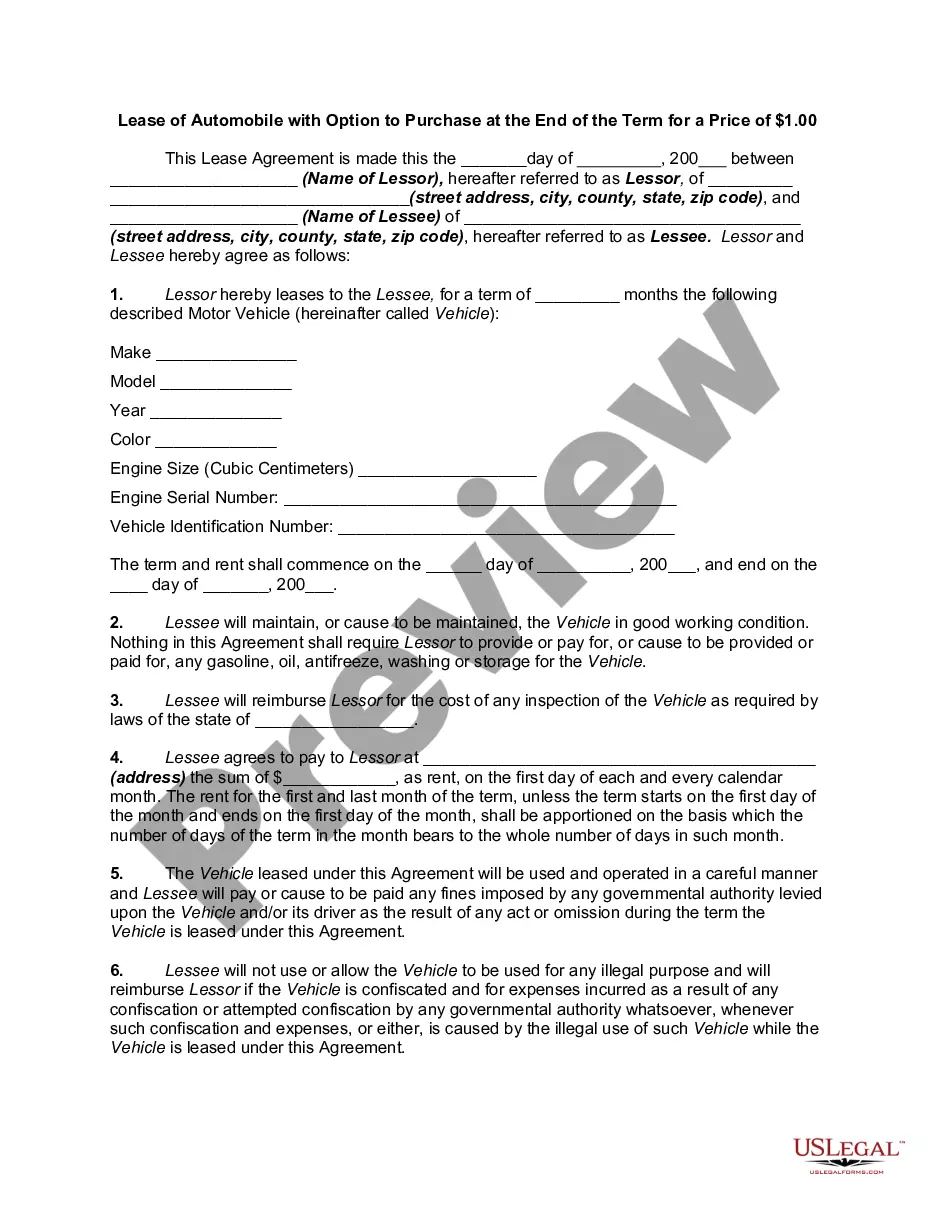
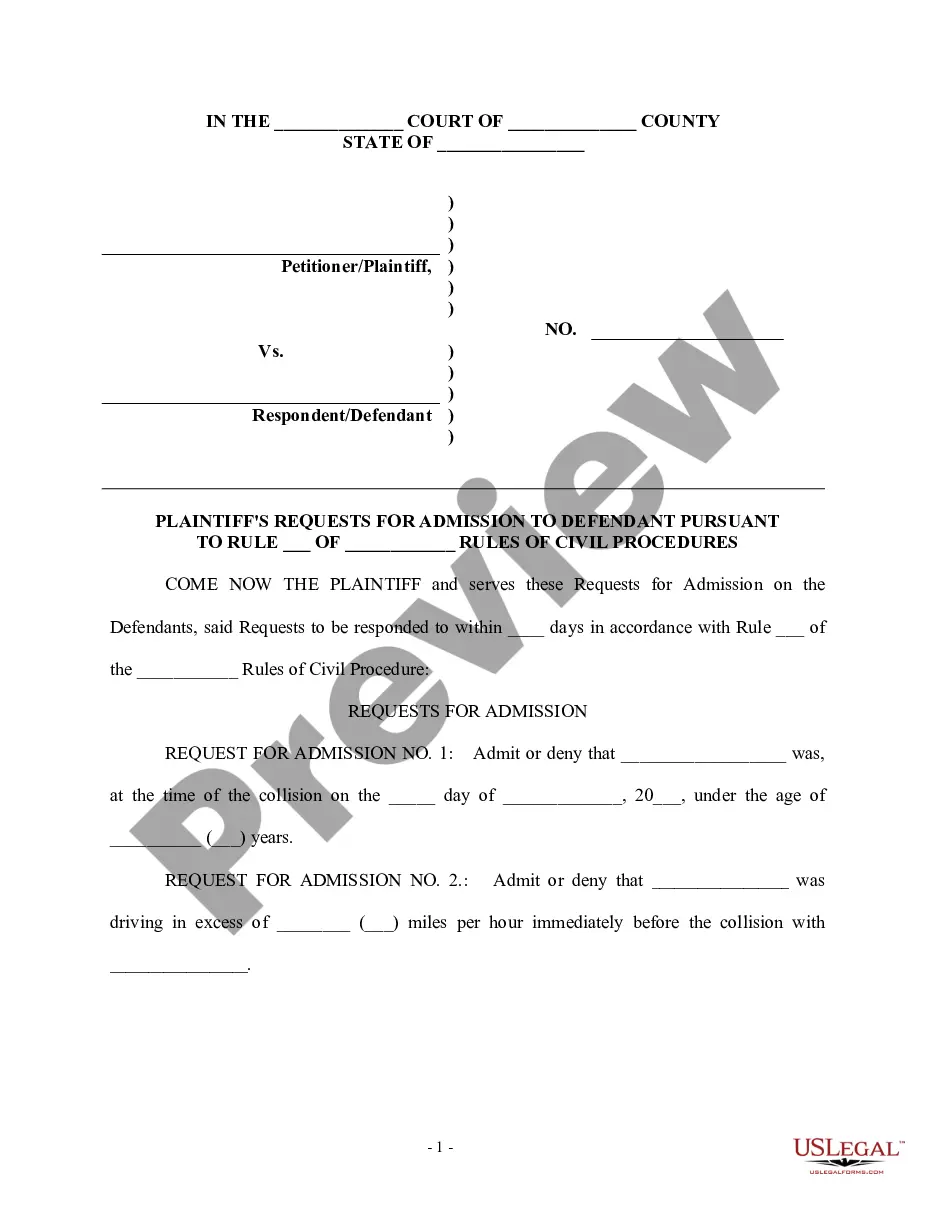
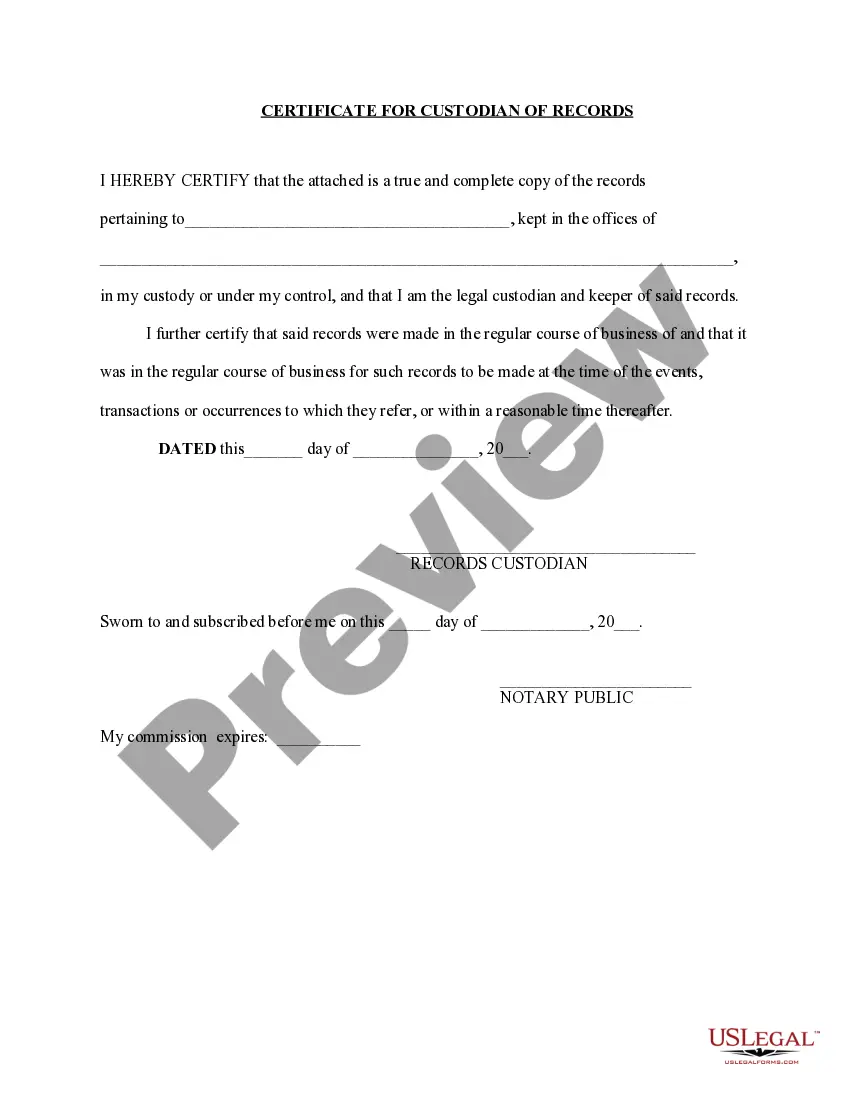
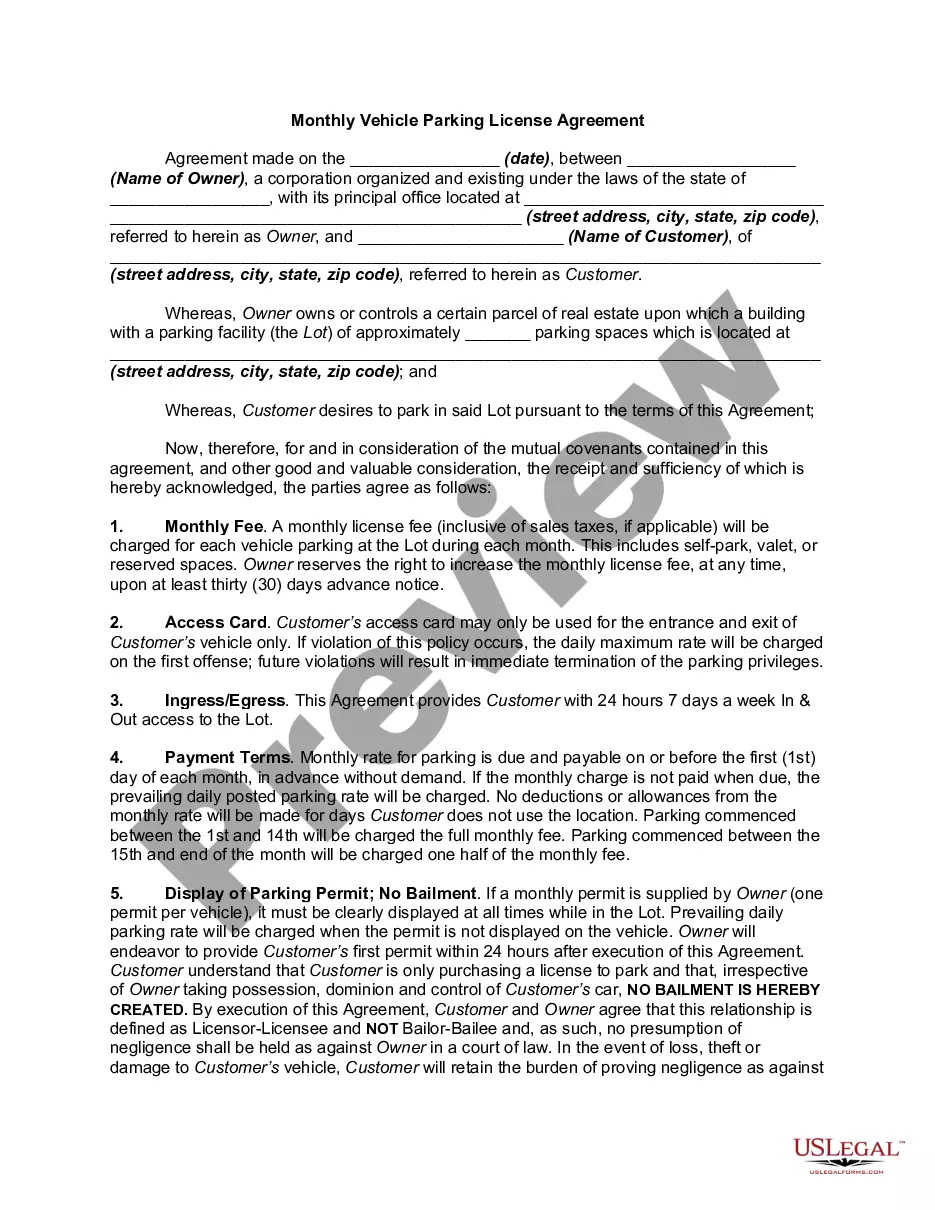
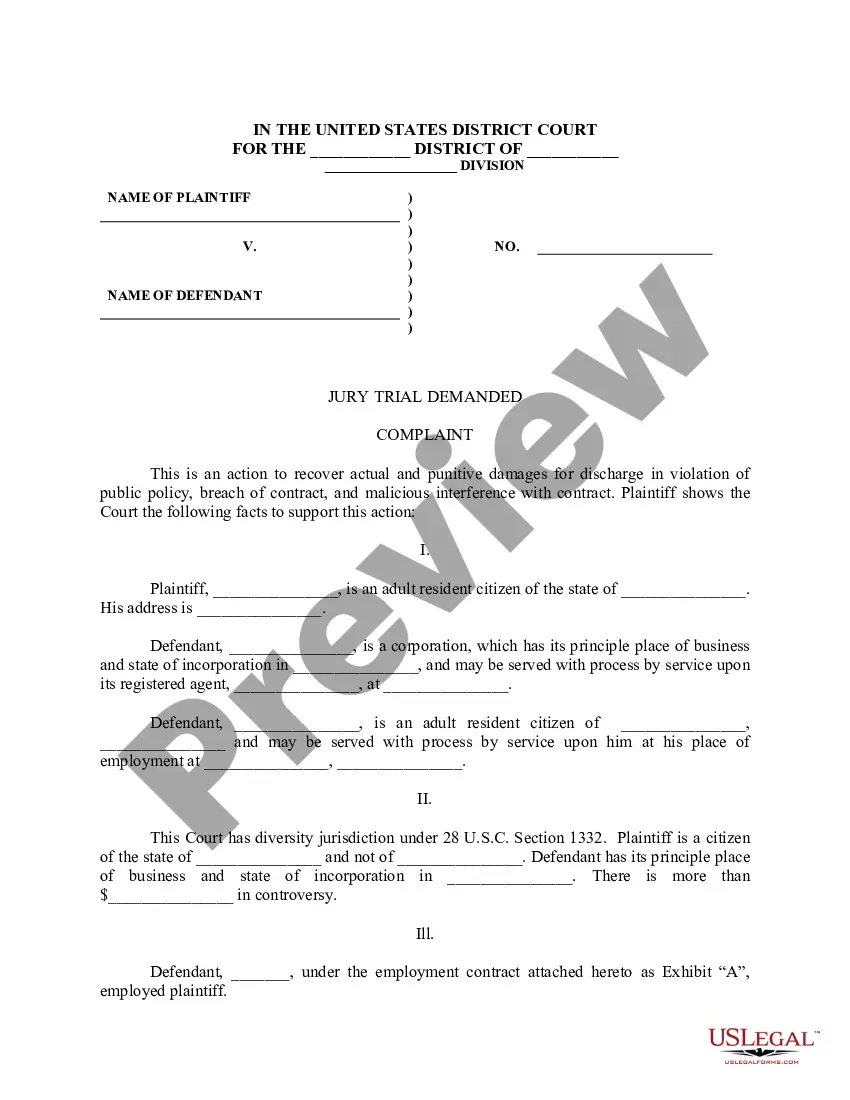
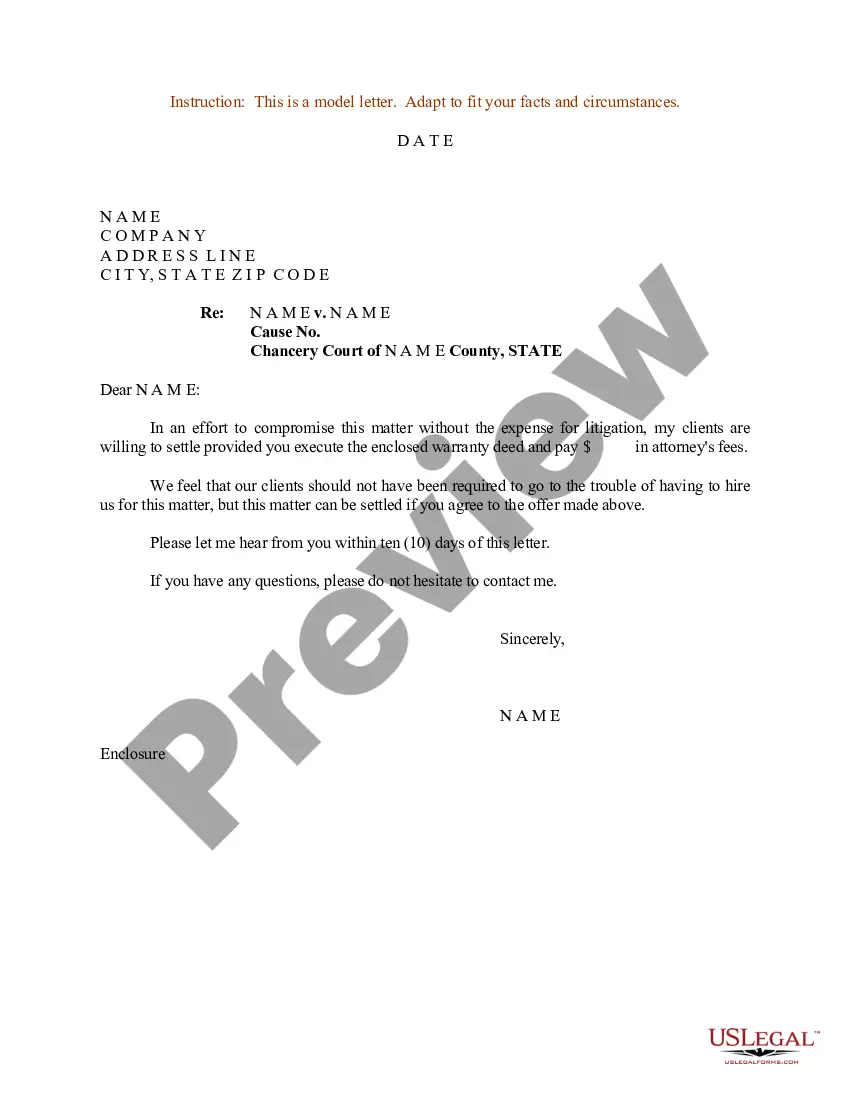
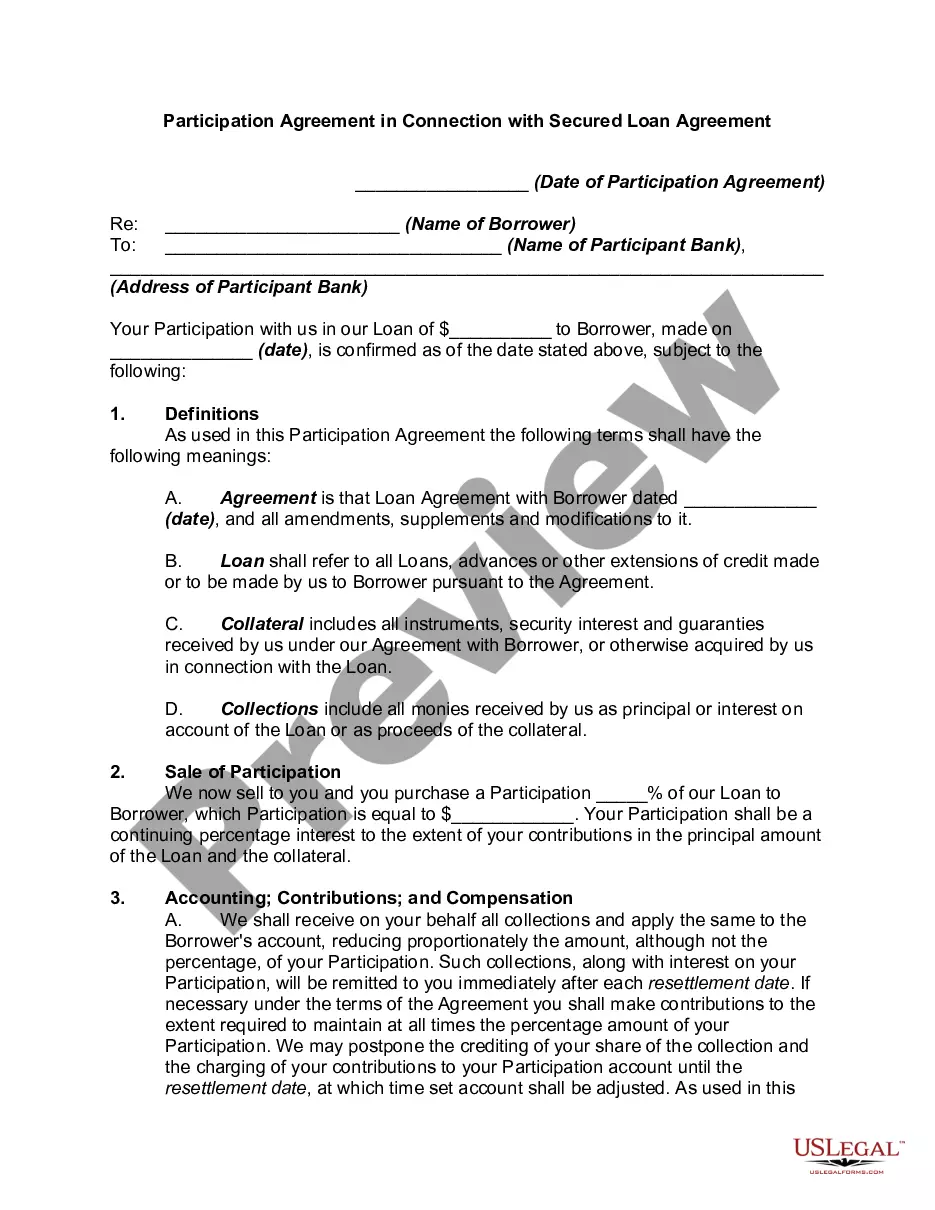
How to fill out Motion To Suppress Evidence When Property Was Seized As Result Of An Unlawful Search, Seizure, And Arrest?
Regardless of whether it is for commercial reasons or personal issues, everyone must confront legal matters at some point in their life.
Completing legal documents requires meticulous care, beginning with selecting the correct form template.
Once downloaded, you can complete the form using editing software or print it and finish it by hand. With a comprehensive US Legal Forms catalog available, you won't need to waste time searching for the right sample online. Utilize the library’s user-friendly navigation to find the correct template for any circumstance.
- For instance, if you select an incorrect version of a Motions To Suppress Evidence, it will be rejected upon submission.
- Thus, it is crucial to find a reliable source of legal documents like US Legal Forms.
- If you need to acquire a Motions To Suppress Evidence template, follow these simple steps.
- Locate the sample you require through the search box or catalog navigation.
- Review the form’s details to confirm it is suitable for your situation, state, and county.
- Click on the form’s preview to see it.
- If it is not the correct form, return to the search option to find the Motions To Suppress Evidence sample you need.
- Download the file once it meets your specifications.
- If you already possess a US Legal Forms account, simply click Log in to retrieve previously saved files in My documents.
- If you have not yet created an account, you can obtain the form by clicking Buy now.
- Choose the relevant pricing option.
- Complete the profile registration form.
- Decide on your payment method: a credit card or PayPal account.
- Select the file format you desire and download the Motions To Suppress Evidence.
Form popularity
FAQ
(b) A motion to suppress may be made for the first time during trial when the State has failed to notify the defendant's counsel or, if he has none, the defendant, sooner than 20 working days before trial, of its intention to use the evidence, and the evidence is: (1) Evidence of a statement made by a defendant; (2) ...
The concept of a motion to suppress is based on the ?exclusionary rule.? The exclusionary rule, grounded in the Fourth Amendment, excludes from trial evidence obtained in violation of a defendant's constitutional rights and protects citizens from unlawful searches and seizures.
The defense files a motion to suppress evidence in superior court, and the judge sets the matter for a hearing.
Any statement that [John Doe] made in direct response to the officer's question about the drug allegation three and half hours after the police arrived must be suppressed because [John Doe] did not make a valid waiver of his Miranda rights.
Motions to Suppress Evidence - California Penal Code Section 1538.5. A Penal Code 1538.5 motion to suppress evidence is a pretrial motion asking the court to exclude evidence obtained by illegal search and seizure. In the United States, everyone is subject to the rule of law, including law enforcement.