Police Report File Form Without Pressing Charges
Description
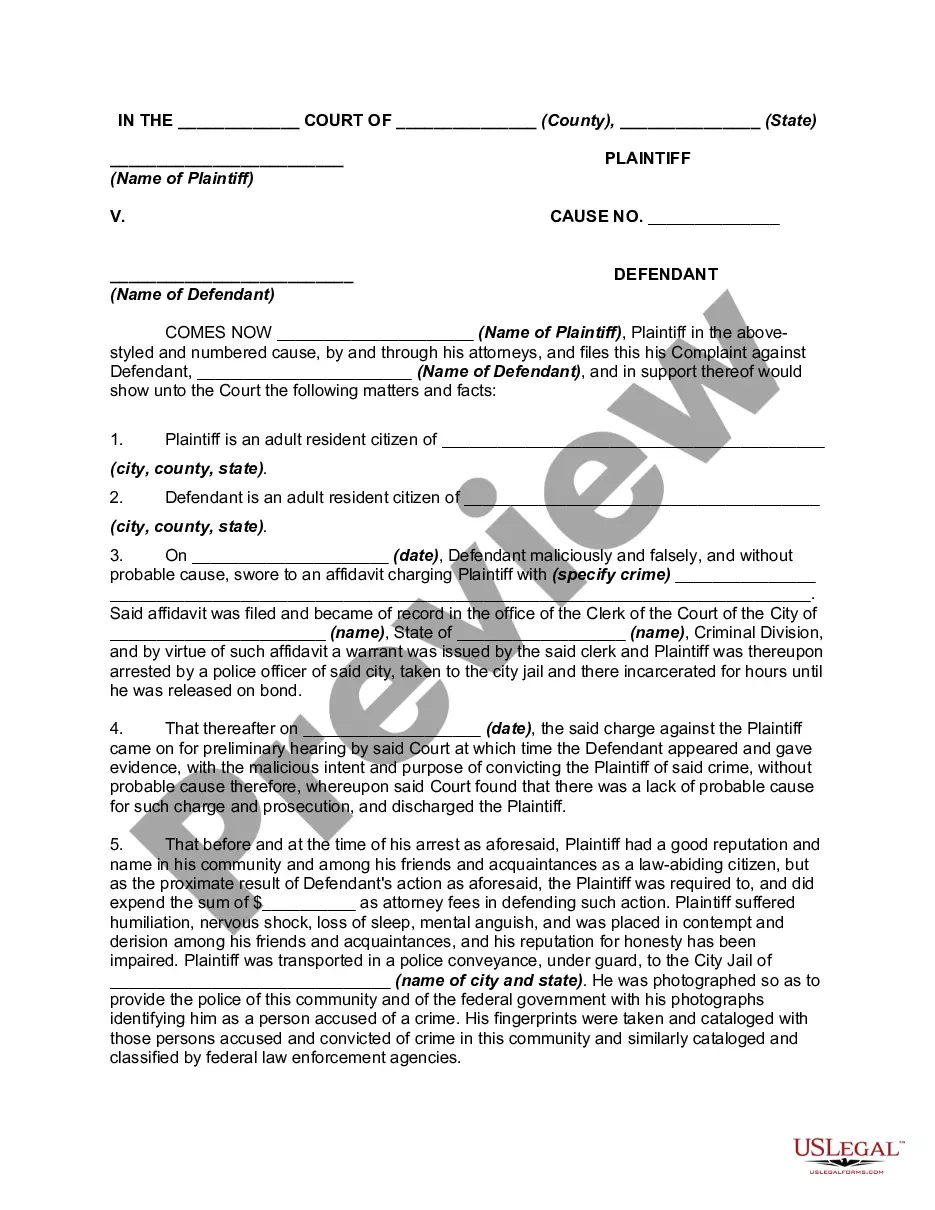
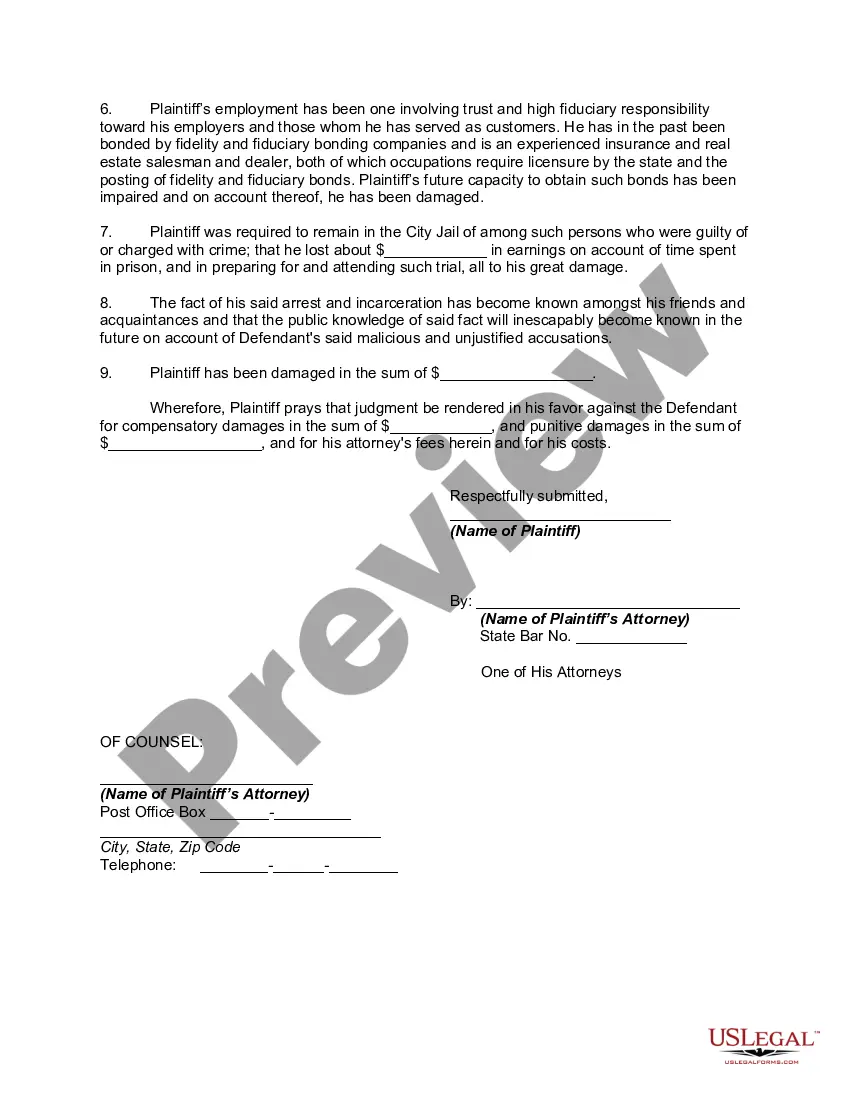

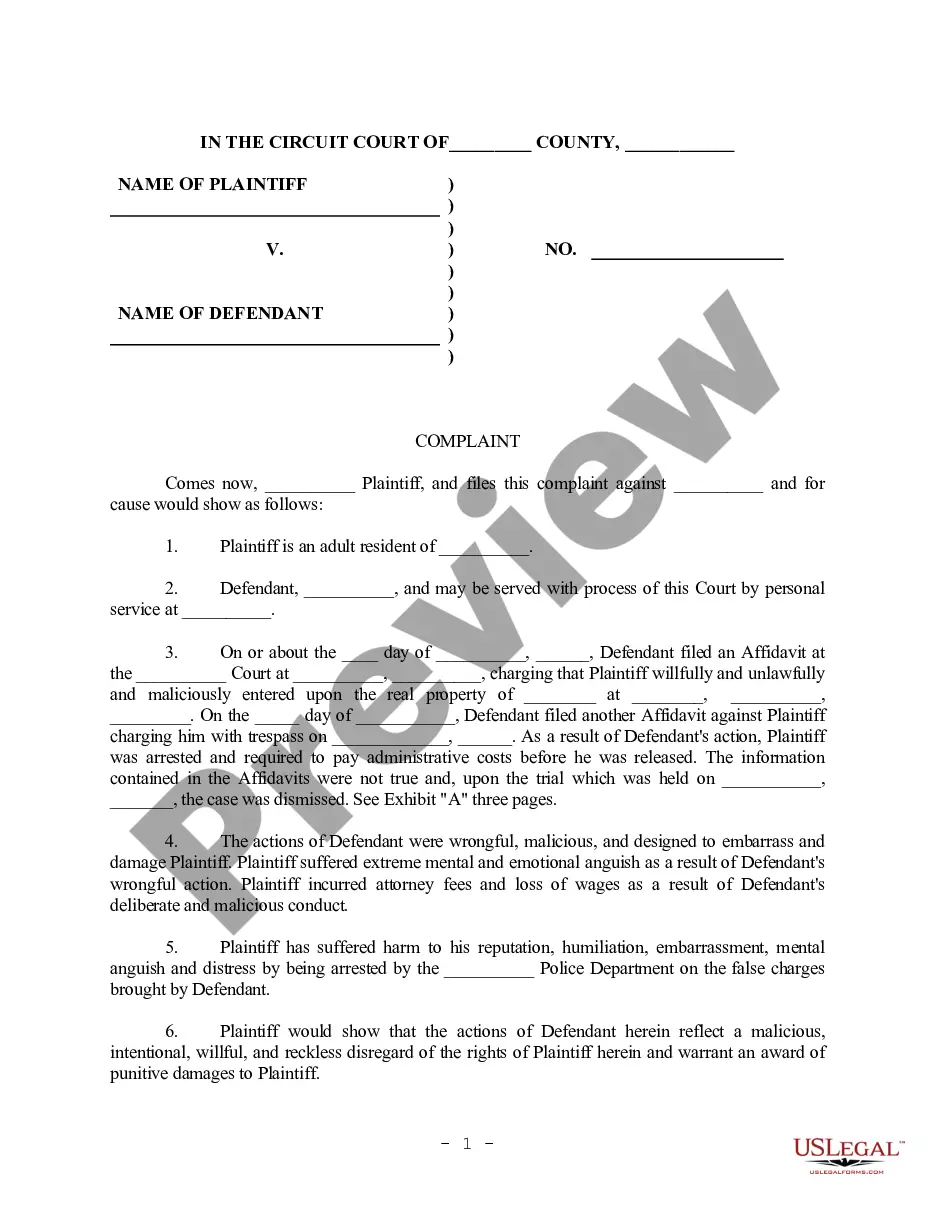
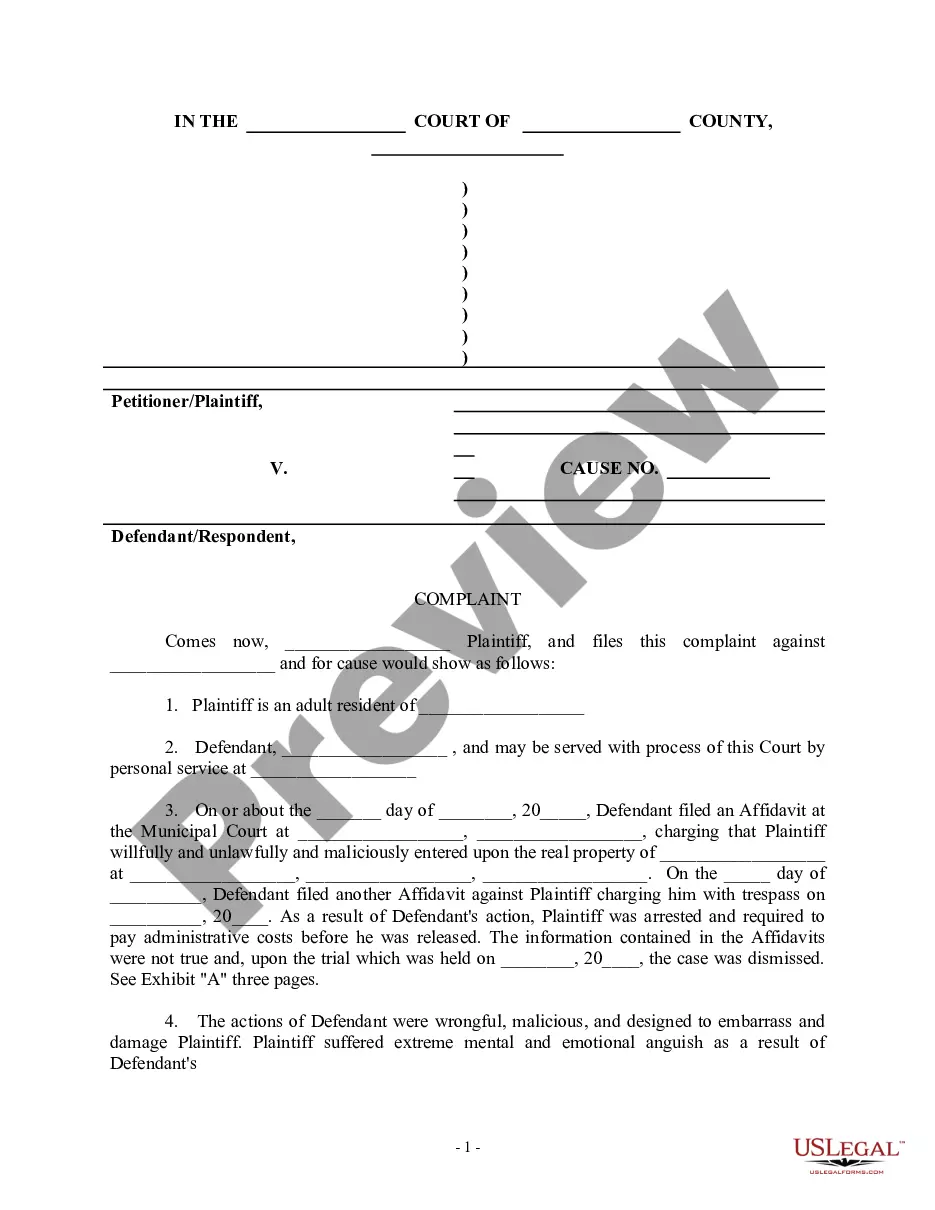
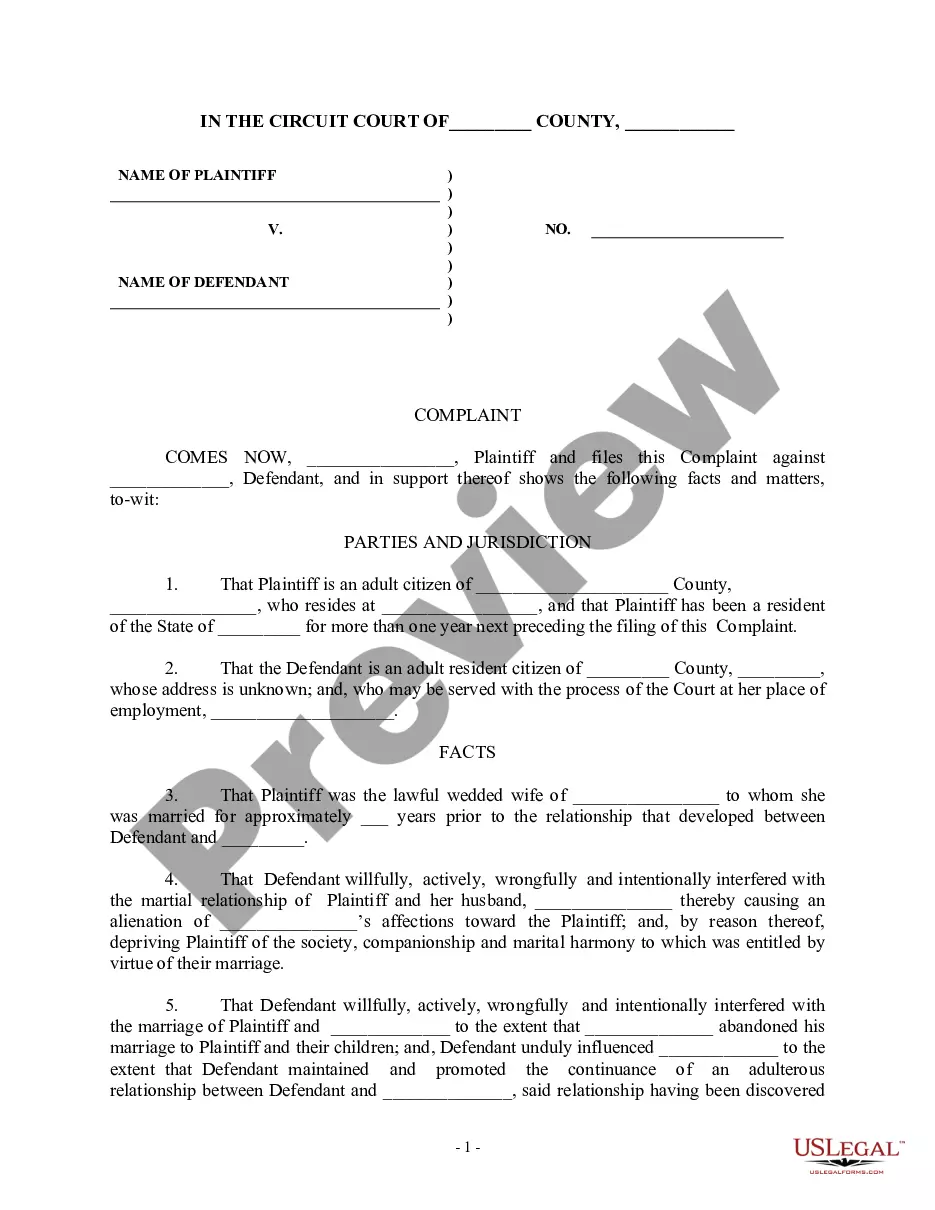
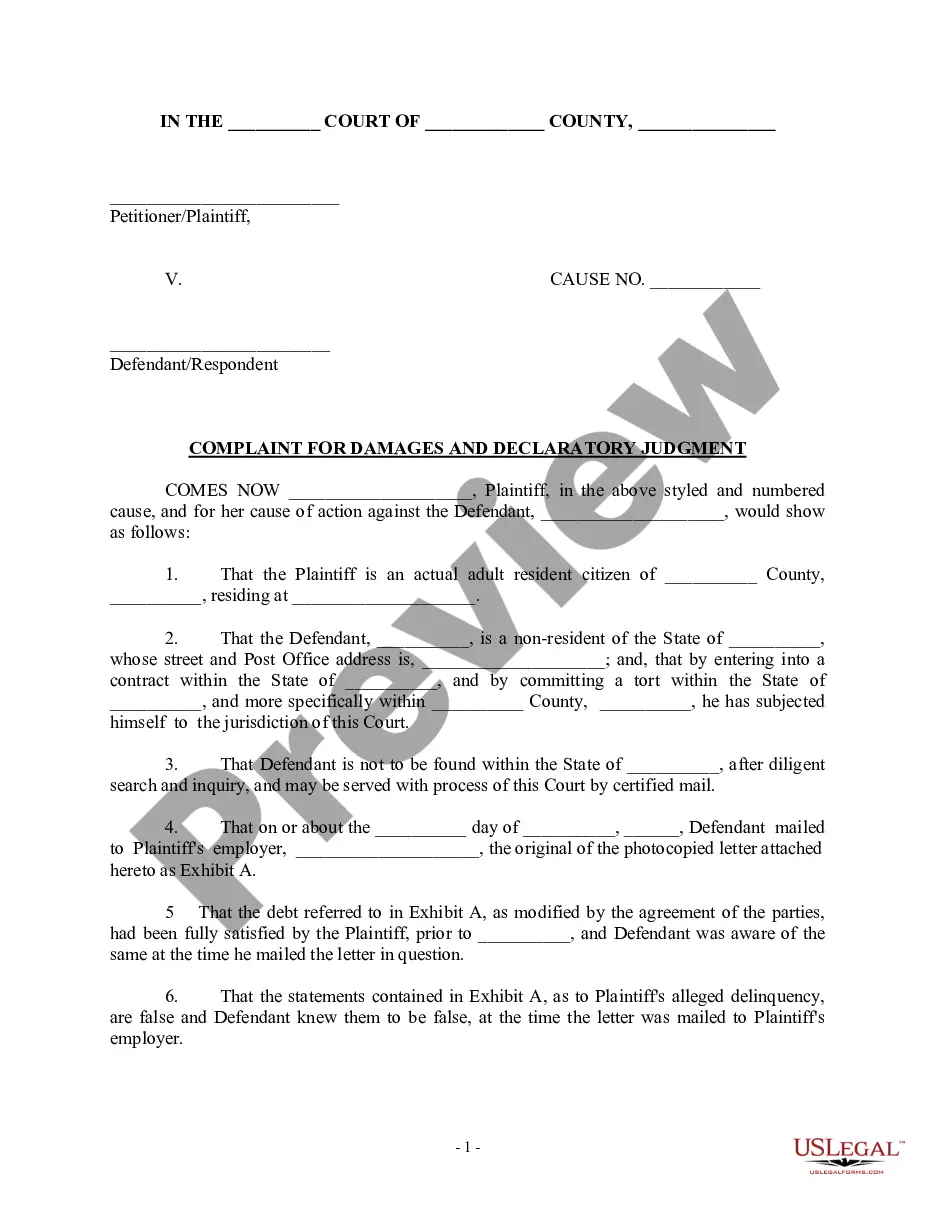
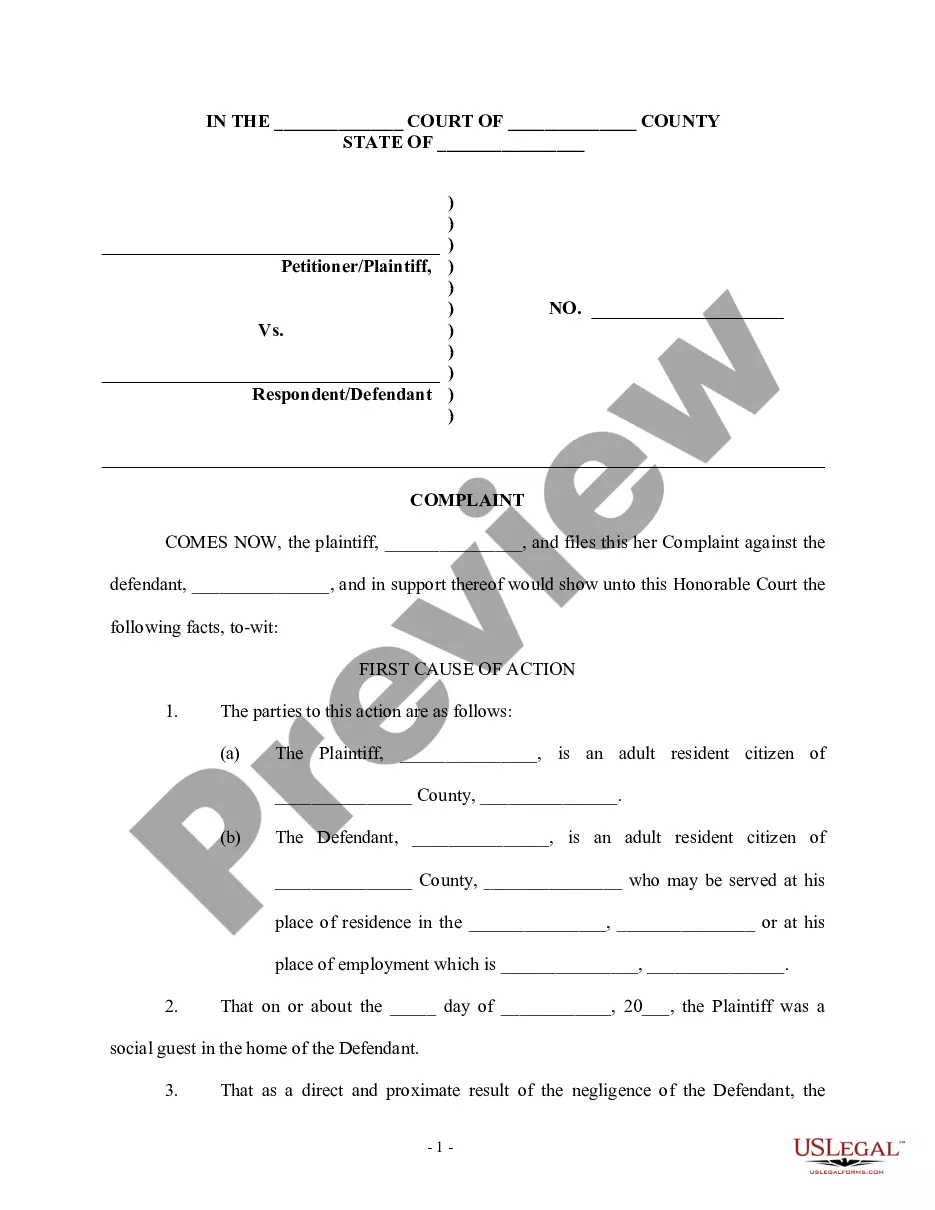
Get your form ready online
Our built-in tools help you complete, sign, share, and store your documents in one place.
Make edits, fill in missing information, and update formatting in US Legal Forms—just like you would in MS Word.
Download a copy, print it, send it by email, or mail it via USPS—whatever works best for your next step.
Sign and collect signatures with our SignNow integration. Send to multiple recipients, set reminders, and more. Go Premium to unlock E-Sign.
If this form requires notarization, complete it online through a secure video call—no need to meet a notary in person or wait for an appointment.
We protect your documents and personal data by following strict security and privacy standards.
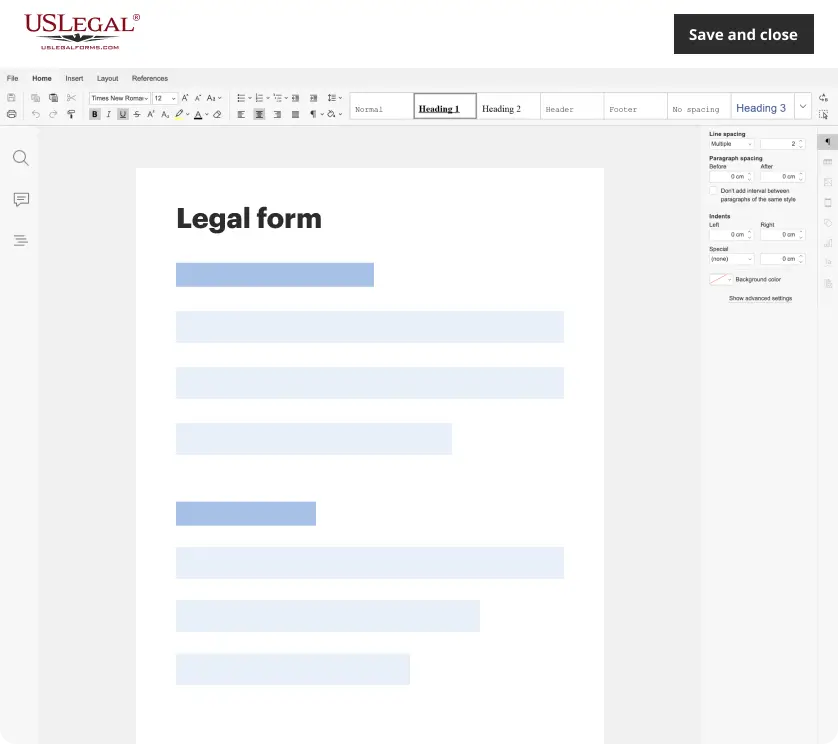
Make edits, fill in missing information, and update formatting in US Legal Forms—just like you would in MS Word.
Download a copy, print it, send it by email, or mail it via USPS—whatever works best for your next step.
Sign and collect signatures with our SignNow integration. Send to multiple recipients, set reminders, and more. Go Premium to unlock E-Sign.
If this form requires notarization, complete it online through a secure video call—no need to meet a notary in person or wait for an appointment.
We protect your documents and personal data by following strict security and privacy standards.
Looking for another form?
How to fill out Complaint For Malicious Prosecution Involving Filing A False Police Report?
Utilizing legal document examples that adhere to federal and state laws is essential, and the web provides numerous choices to select from.
However, what is the benefit of spending time searching for the properly crafted Police Report File Form Without Pressing Charges example online when the US Legal Forms digital library already compiles such templates in one location.
US Legal Forms is the premier online legal resource featuring over 85,000 editable templates created by lawyers for any professional or personal situation. They are easy to navigate with all documents categorized by state and intended use.
All templates found through US Legal Forms are reusable. To redownload and fill out previously saved forms, access the My documents section in your account. Take advantage of the most comprehensive and user-friendly legal document service!
- Our specialists keep up with legislative updates, ensuring that your form is current and compliant when obtaining a Police Report File Form Without Pressing Charges from our site.
- Accessing a Police Report File Form Without Pressing Charges is straightforward and swift for both existing and new users.
- If you already possess an account with an active subscription, Log In and save the document sample you need in your desired format.
- If you are a newcomer to our site, follow the steps outlined below.
- Examine the template using the Preview feature or through the text description to confirm it aligns with your requirements.
Form popularity
FAQ
One potential downside to filing a police report is that it can initiate an investigation, which may impact your privacy. Additionally, if cases lack sufficient evidence, they could be closed quickly, which might leave you feeling unsatisfied. However, using a police report file form without pressing charges can mitigate this concern by giving you control over how the report is handled.
When you file a police report without pressing charges, you create an official record of the event that may be referenced in the future. This report does not obligate you to pursue legal action, but it provides a valuable account of the incident. Utilizing a police report file form without pressing charges allows you to document your experience while weighing your options.
The primary reason prosecutors often choose not to prosecute is insufficient evidence to support the case. If there is a lack of evidence or the information provided in the police report does not substantiate a claim, the prosecutor may decide against moving forward. This is why using a police report file form without pressing charges can help clarify your situation without committing to prosecution right away.
If charges are not pressed, the matter may not move forward in the legal system, but your report can still serve as a record of the incident. This may be important for any future incidents or claims. Remember, filing a police report file form without pressing charges can still be beneficial, as it creates official documentation that may help support your case later.
The best way to make a police report is to contact your local law enforcement agency and provide a clear and accurate account of the incident. Make sure to gather as much information as possible, including dates, times, and witness statements if available. You can use a police report file form without pressing charges to structure your report and ensure all necessary details are included.
Pressing charges is a formal action taken by a victim or the state to initiate prosecution against a suspect. In contrast, filing a police report is simply an account of the incident that may not lead to prosecution. Using a police report file form without pressing charges allows you to record your experience without committing to further legal steps, leaving your options open for the future.
Filing a report involves informing law enforcement about an incident, while pressing charges is a decision made by the prosecutor to pursue legal action against a suspect. When you fill out a police report file form without pressing charges, you simply document the event for records, which may help with future legal considerations. This distinction is important for understanding your rights and potential outcomes.
To fill out a police report effectively, start by gathering all pertinent information such as names, dates, and locations related to the incident. Be clear and detailed while describing what occurred, focusing on factual statements. If you wish to document an incident without pressing charges, ensure you emphasize this in your police report file form without pressing charges. For further assistance, consider using uslegalforms to access templates and guidance specific to your needs.
Obtaining a police report can sometimes prove challenging due to privacy laws and departmental protocols. Certain reports may be withheld from public access, particularly in ongoing investigations. Additionally, if you seek a police report file form without pressing charges, your request might encounter further scrutiny. Understanding the specific policies of your local police department can help clarify any hurdles you might face.
The first step in filing a police report is to determine the nature of the incident and gather relevant information. Once you have the details, find the police report file form without pressing charges on your local police department’s website. You can usually fill it out online or print it for submission. After completing the form, visit the police station or submit it as directed.