Expungement Help
Description
Get your form ready online
Our built-in tools help you complete, sign, share, and store your documents in one place.
Make edits, fill in missing information, and update formatting in US Legal Forms—just like you would in MS Word.
Download a copy, print it, send it by email, or mail it via USPS—whatever works best for your next step.
Sign and collect signatures with our SignNow integration. Send to multiple recipients, set reminders, and more. Go Premium to unlock E-Sign.
If this form requires notarization, complete it online through a secure video call—no need to meet a notary in person or wait for an appointment.
We protect your documents and personal data by following strict security and privacy standards.

Make edits, fill in missing information, and update formatting in US Legal Forms—just like you would in MS Word.

Download a copy, print it, send it by email, or mail it via USPS—whatever works best for your next step.

Sign and collect signatures with our SignNow integration. Send to multiple recipients, set reminders, and more. Go Premium to unlock E-Sign.

If this form requires notarization, complete it online through a secure video call—no need to meet a notary in person or wait for an appointment.

We protect your documents and personal data by following strict security and privacy standards.
Looking for another form?




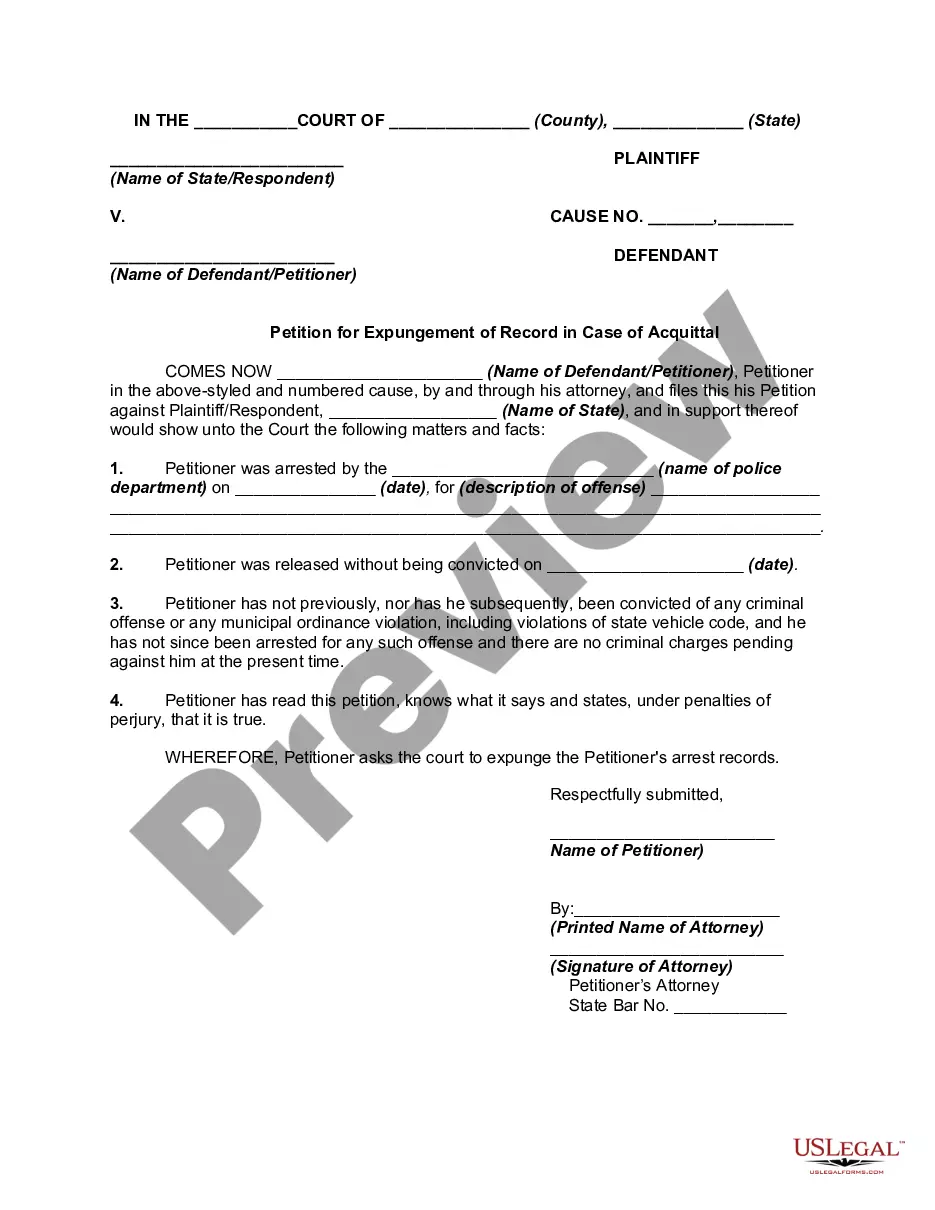
How to fill out Petition For Expungement Of Record In Case Of Acquittal And Release Without Conviction?
- If you're already a US Legal Forms user, log in to your account, confirm your subscription status, and download the expungement form you require.
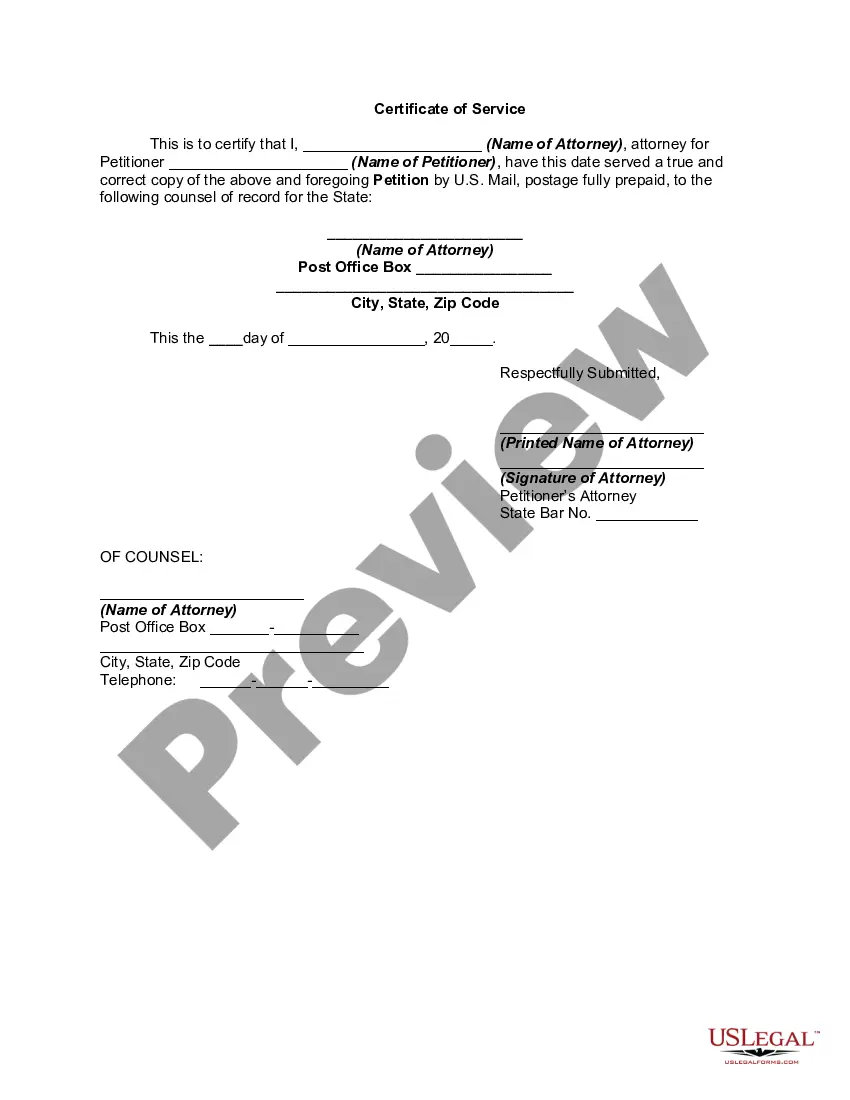
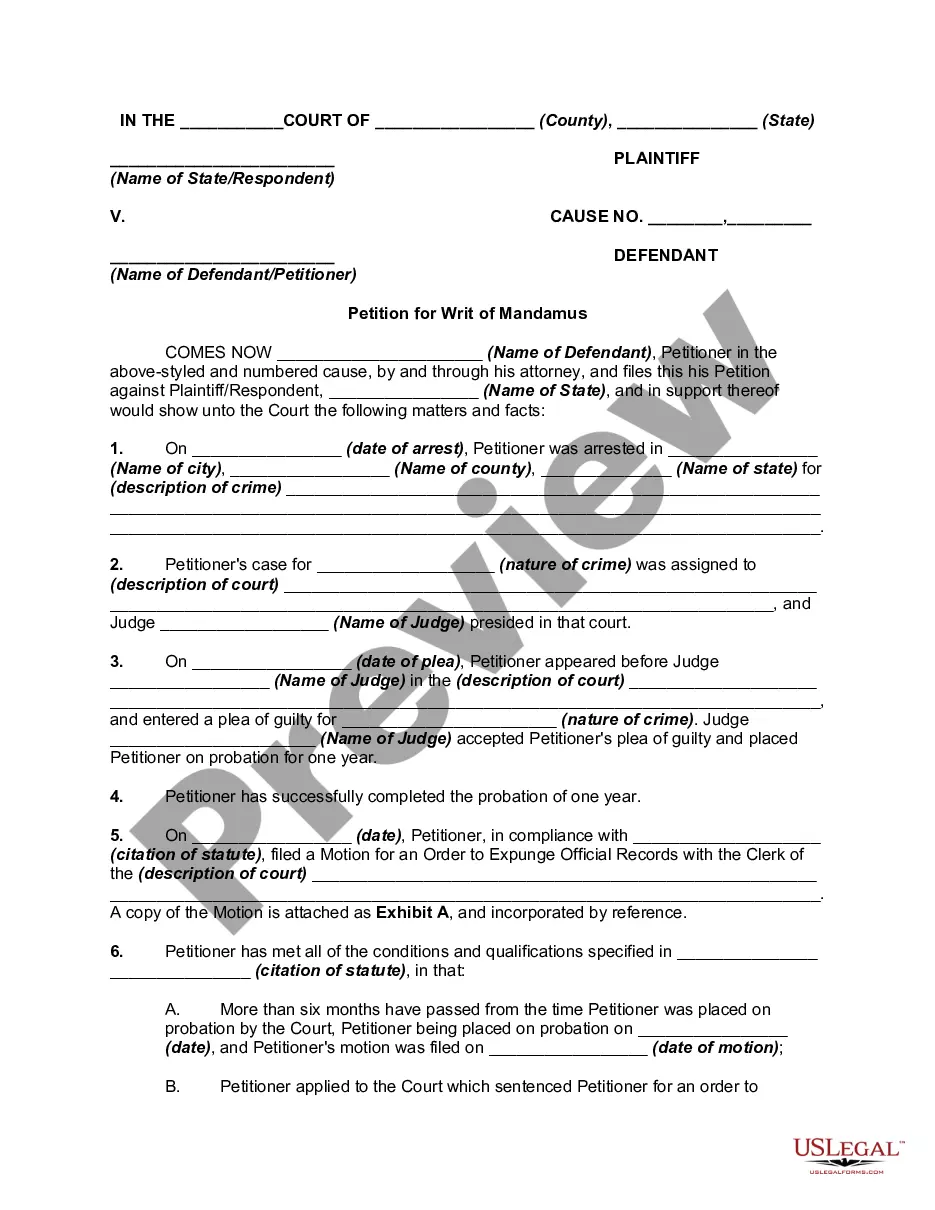
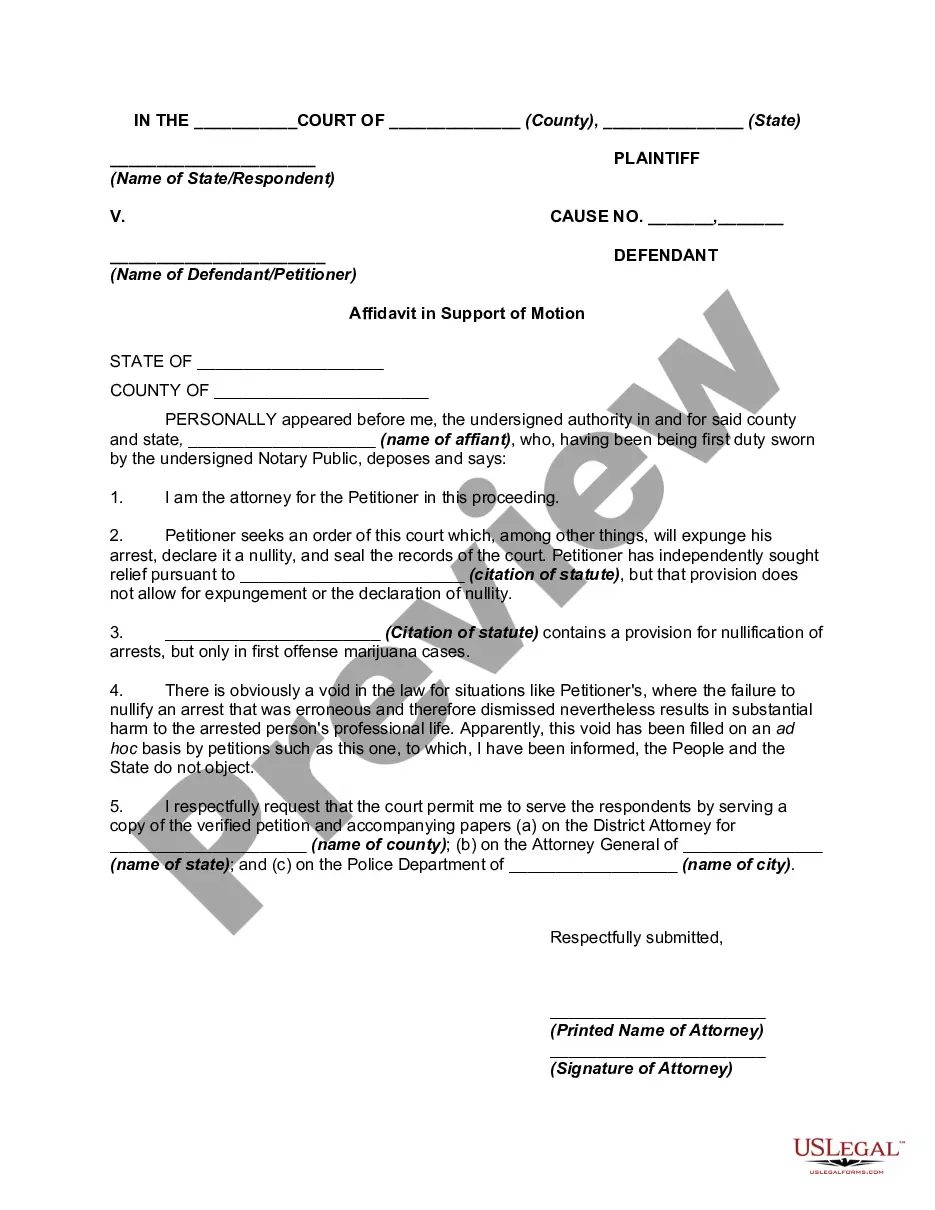
- For first-time users, start by reviewing the Preview mode and description of the needed expungement form. Make sure it aligns with your local jurisdiction.
- If there are any discrepancies or you need a different template, use the Search function to find the correct form.
- Proceed to purchase the document by clicking on the Buy Now button. Select your preferred subscription plan and register for an account.
- Complete your payment using credit card details or your PayPal account.
- Finally, download your completed expungement form. You can also access it anytime in the My Forms section of your profile.
US Legal Forms provides individuals with the tools necessary to navigate the legal document process effortlessly. With a vast array of legal forms available and professional expertise on hand, you can ensure your documents are both accurate and compliant with legal standards.
Start your journey towards a clean slate today with US Legal Forms – your trusted partner in expungement help!
Form popularity
FAQ
To write a letter for expungement help, start by clearly stating your request for record expungement. Include essential details such as your full name, the case number, and the type of offense. It is crucial to describe how you have rehabilitated and why expungement is warranted. Finally, remember to sign the letter and keep a copy for your records; this step is important as it demonstrates your commitment to moving forward.
In Alabama, certain crimes are not eligible for expungement. This includes serious offenses such as murder, sexual offenses, and crimes involving violence. Additionally, any felony convictions that involve a serious injury to another person typically do not qualify for expungement help. If you are unsure about your specific situation, seeking guidance from a legal expert may be beneficial.
In Virginia, certain offenses are ineligible for expungement, including violent felonies, sexual offenses, and certain traffic violations. Additionally, if you have multiple convictions, some may not qualify for expungement. It’s crucial to seek quality expungement help to better understand which of your records are eligible for removal.
The second chance law in Virginia allows individuals to apply for expungement of certain misdemeanor and felony convictions after a designated period. This law aims to provide a fresh start for those who have completed their sentences. If you’re considering this option, obtaining thorough expungement help can facilitate your application process effectively.
In Virginia, not all convictions can be expunged. Generally, you may expunge misdemeanors and certain felony convictions if they meet specific criteria. To understand which of your convictions qualify for expungement, you can seek expungement help from resources like US Legal Forms, which provides tailored support.
Once your record is successfully expunged in Virginia, it should not appear on most background checks. However, certain agencies may still have access to sealed records. For personalized assistance, consider seeking expungement help through platforms like US Legal Forms, which can guide you through the process.
When addressing a judge, it is essential to maintain a respectful tone and use clear, concise language. Begin by introducing yourself and state your request for expungement confidently. Use phrases that show your understanding of the law and express how expungement will benefit your future. If you need additional support, visit US Legal Forms for detailed guidance.
When speaking to a judge for expungement, focus on your personal growth and rehabilitation since your conviction. Clearly express how expungement will allow you to move forward and contribute positively to society. Be honest, direct, and respectful throughout your discussion. For further guidance on what to say, US Legal Forms offers helpful resources.
To write a letter to a judge for expungement, start with a respectful salutation, followed by a clear introduction of your request. Explain the reasons for your application, highlighting your rehabilitation and how expungement would positively impact your life. Keeping it concise and respectful shows your sincerity. US Legal Forms can provide sample letters to guide your writing effectively.
When writing an expungement letter, it’s crucial to clearly state your request and provide details about the case you wish to expunge. Include your full name, case number, and any relevant dates. Be honest and express why you believe an expungement would benefit your future. For templates and further assistance, US Legal Forms offers valuable resources designed to make this process easier.