Writ For Court
Description
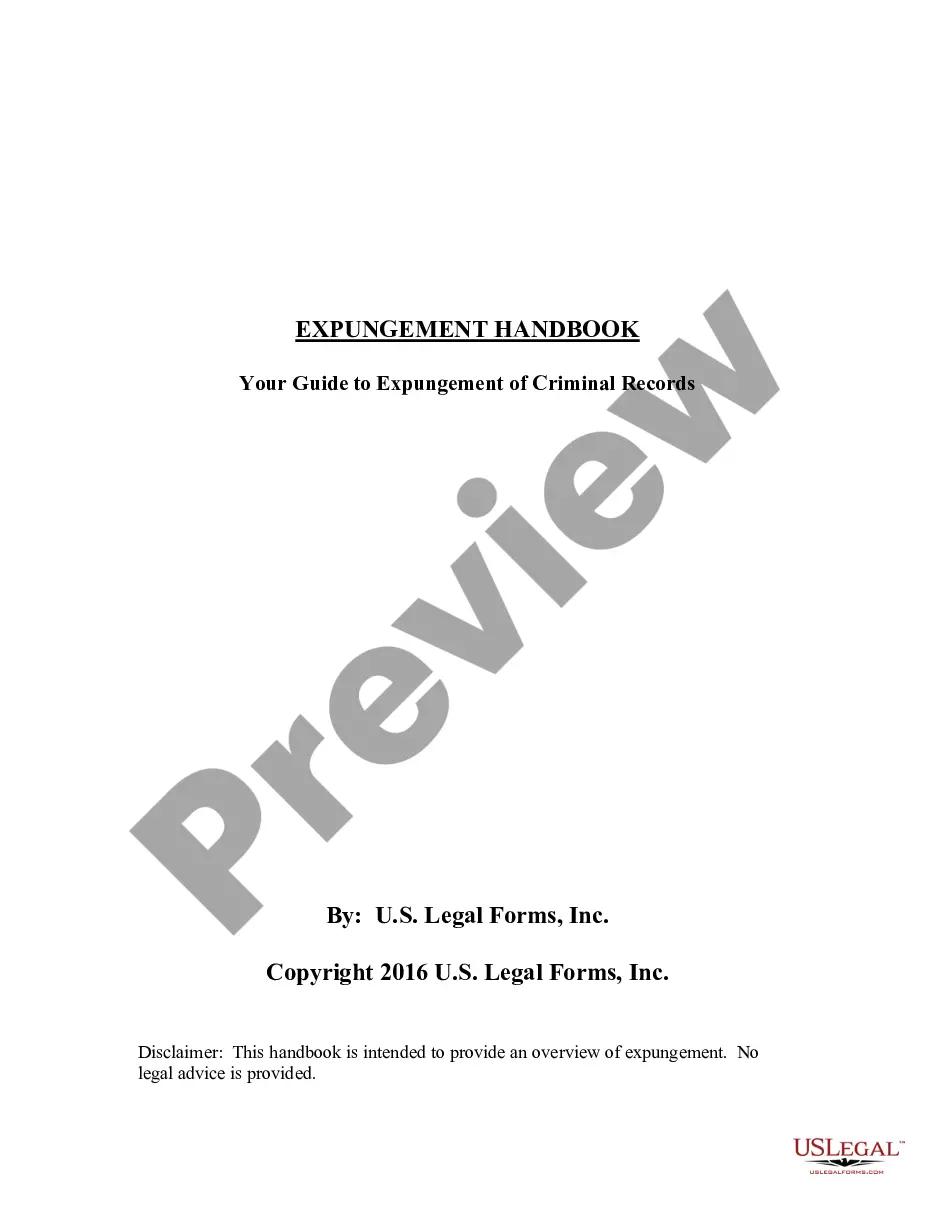
Get your form ready online
Our built-in tools help you complete, sign, share, and store your documents in one place.
Make edits, fill in missing information, and update formatting in US Legal Forms—just like you would in MS Word.
Download a copy, print it, send it by email, or mail it via USPS—whatever works best for your next step.
Sign and collect signatures with our SignNow integration. Send to multiple recipients, set reminders, and more. Go Premium to unlock E-Sign.
If this form requires notarization, complete it online through a secure video call—no need to meet a notary in person or wait for an appointment.
We protect your documents and personal data by following strict security and privacy standards.
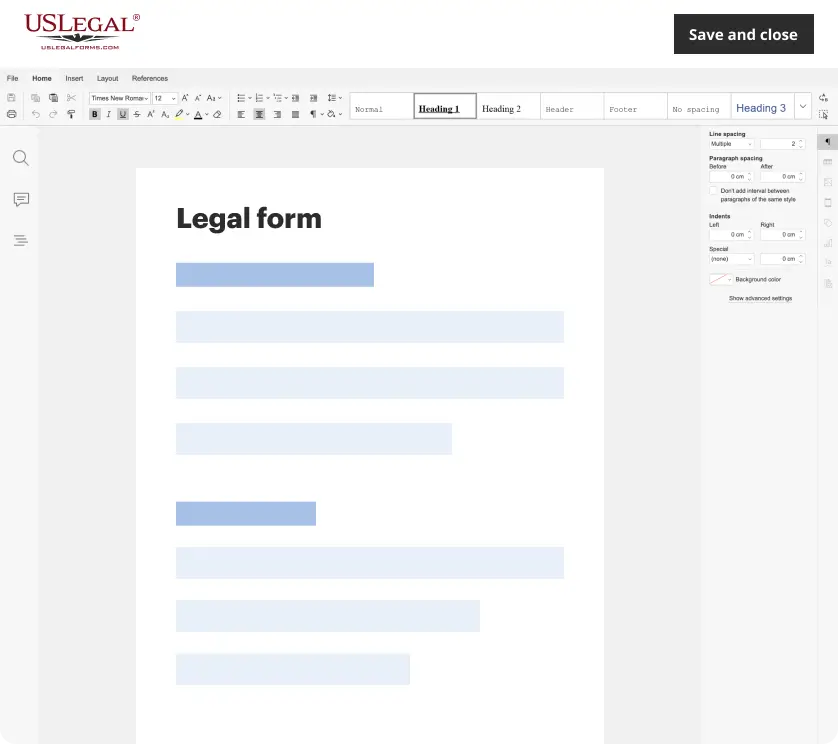
Make edits, fill in missing information, and update formatting in US Legal Forms—just like you would in MS Word.
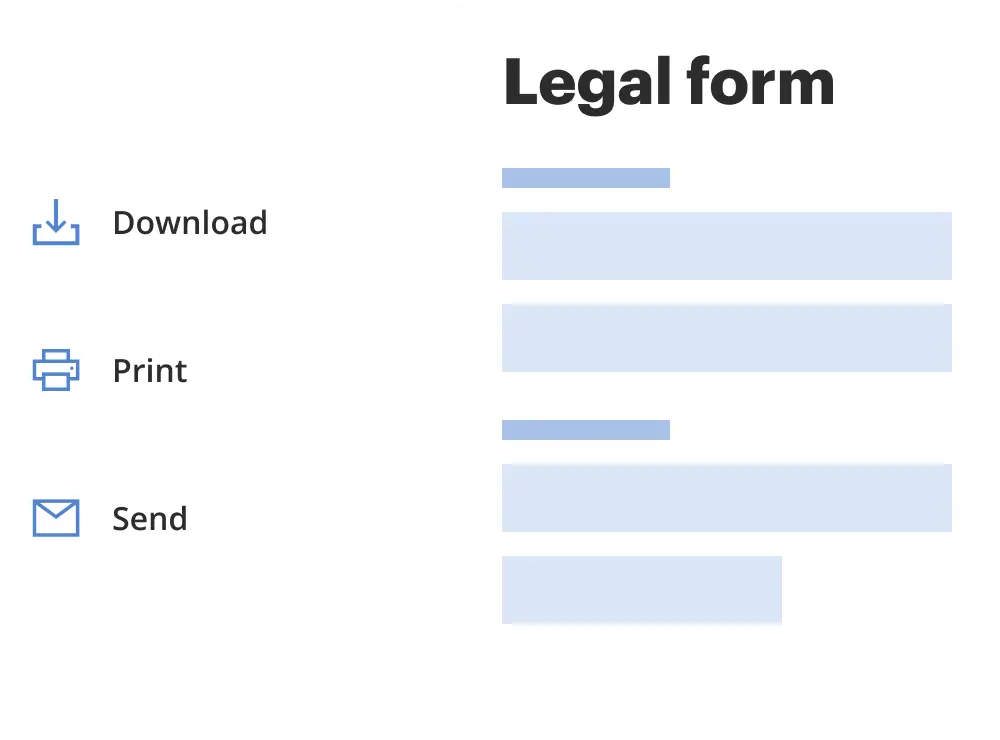
Download a copy, print it, send it by email, or mail it via USPS—whatever works best for your next step.
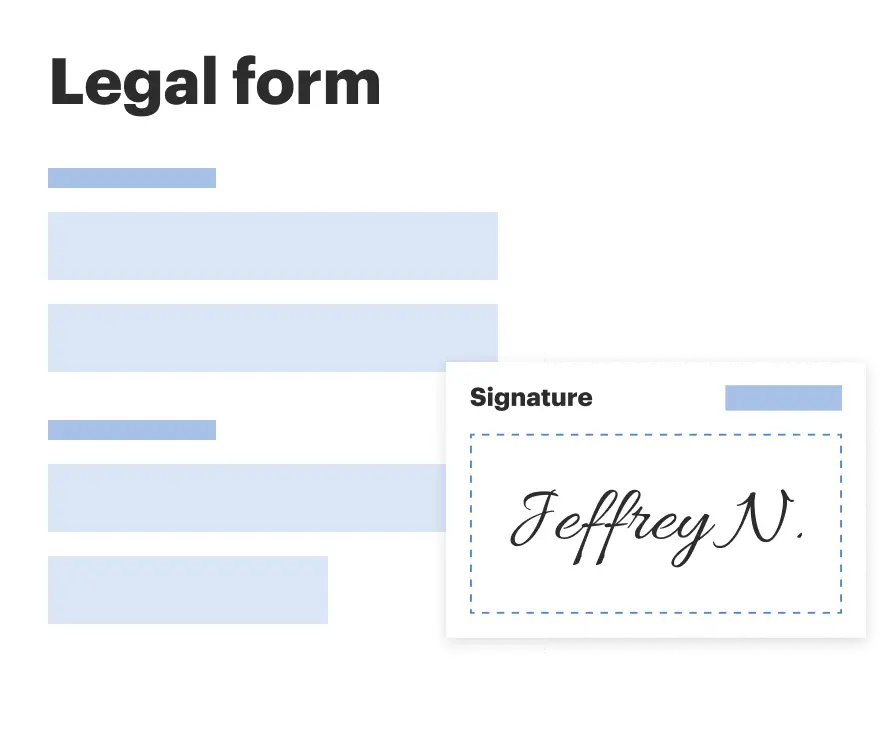
Sign and collect signatures with our SignNow integration. Send to multiple recipients, set reminders, and more. Go Premium to unlock E-Sign.

If this form requires notarization, complete it online through a secure video call—no need to meet a notary in person or wait for an appointment.
We protect your documents and personal data by following strict security and privacy standards.
Looking for another form?
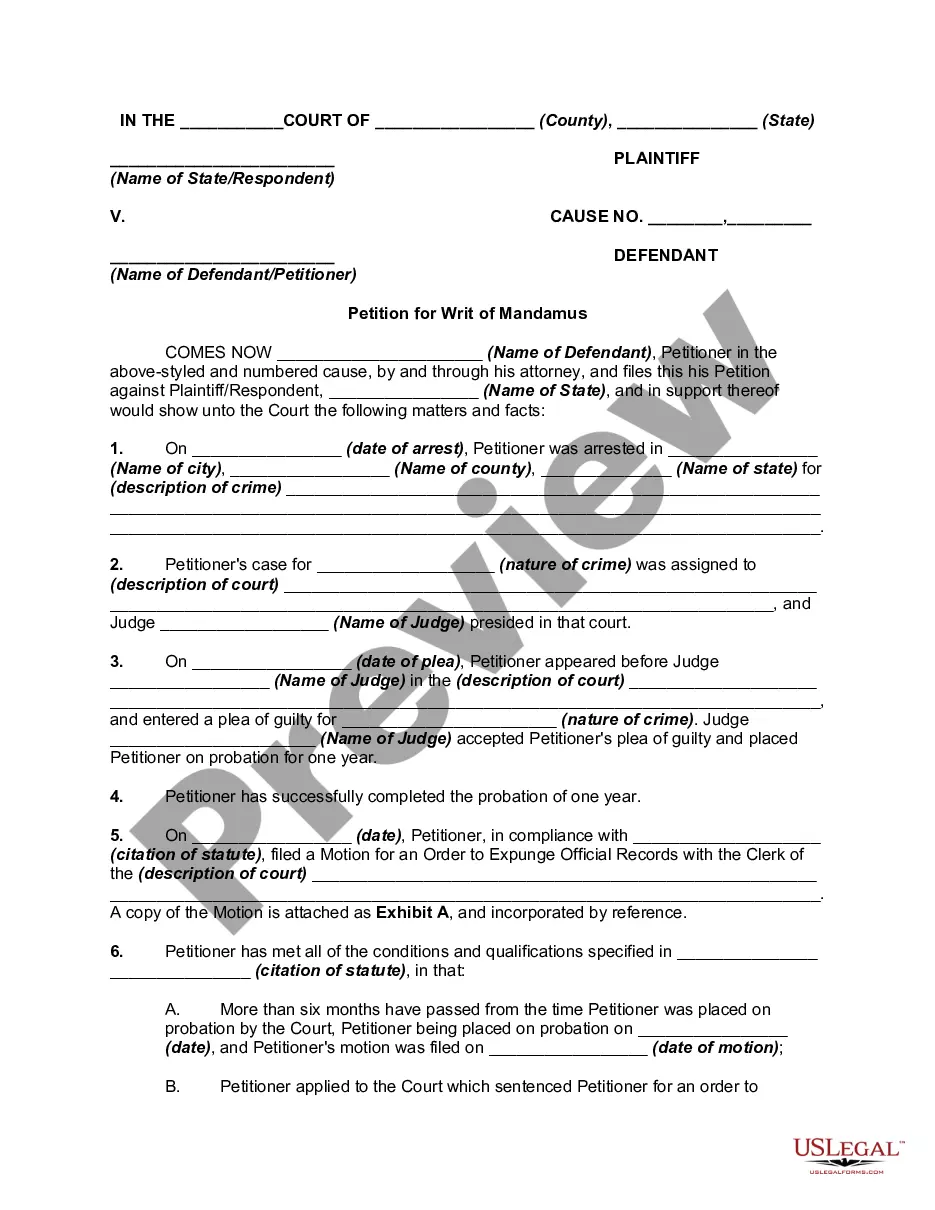
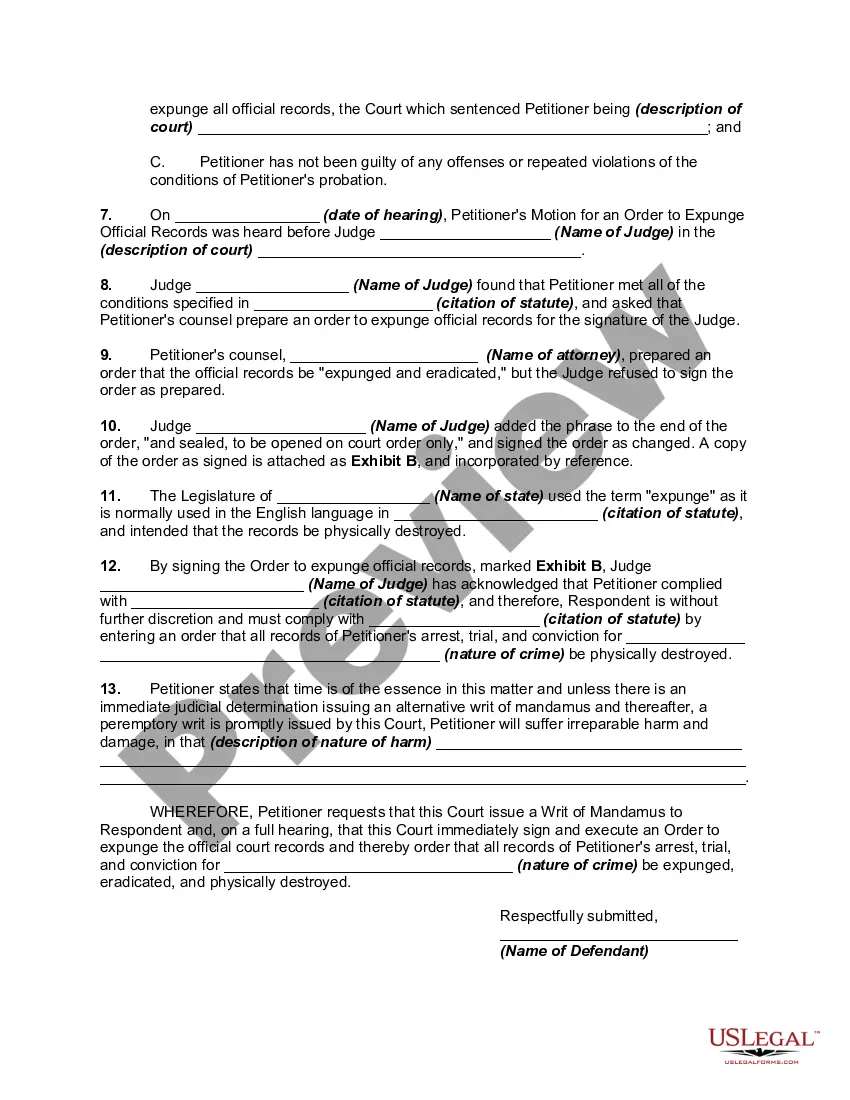
How to fill out Petition For Writ Of Mandamus Or Mandate To Compel Court To Expunge Record Of Arrest, Trial, And Conviction - Expungement?
Utilizing legal templates that comply with federal and local regulations is essential, and the web provides numerous options to select from.
However, what’s the purpose of spending time looking for the appropriate Writ For Court example online when the US Legal Forms digital library already consolidates such templates in one location.
US Legal Forms is the largest online legal repository with over 85,000 fillable templates created by attorneys for any business and personal situation. They are simple to navigate, as all documents are categorized by state and intended purpose.
All templates you find through US Legal Forms are reusable. To re-download and fill out previously saved documents, access the My documents section in your account. Take advantage of the most comprehensive and user-friendly legal document service!
- Our specialists keep abreast of legislative changes, ensuring your documentation is always current and compliant when obtaining a Writ For Court from our site.
- Acquiring a Writ For Court is straightforward and swift for both existing and new users.
- If you possess an account with an active subscription, Log In and download the document template you need in the appropriate format.
- If you are new to our website, follow the steps outlined below.
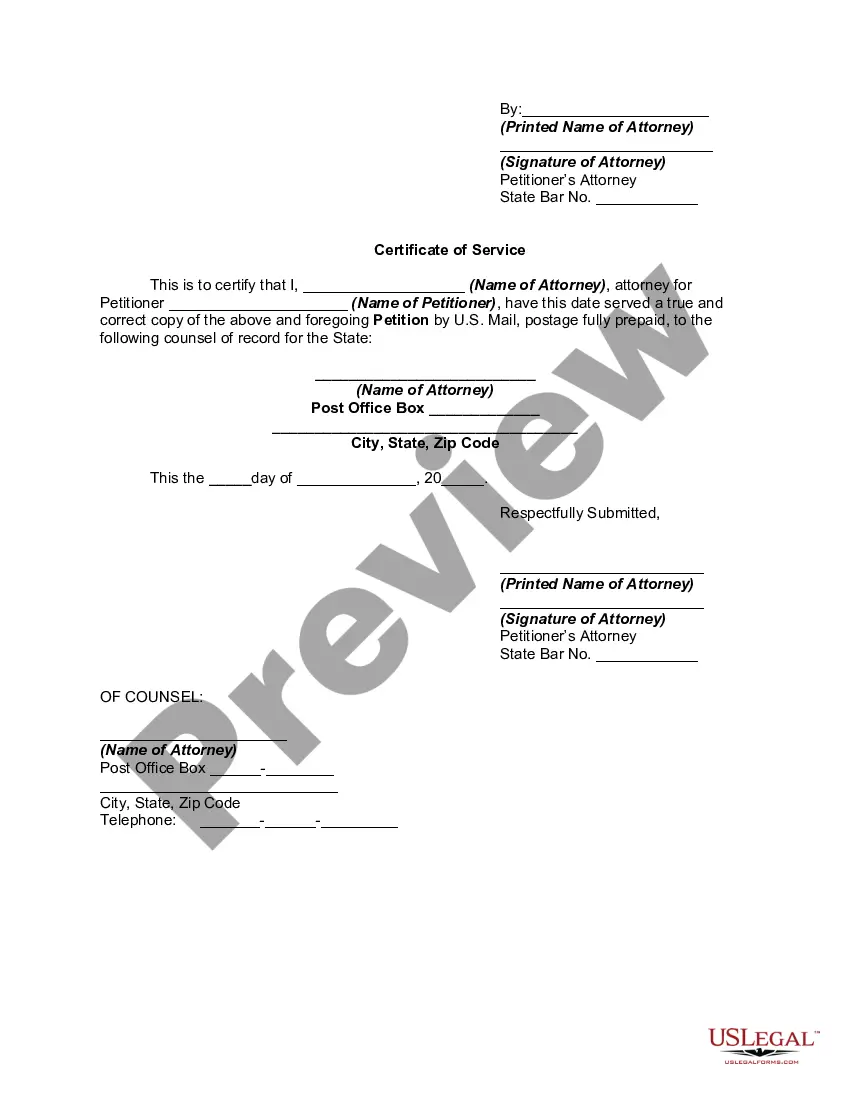
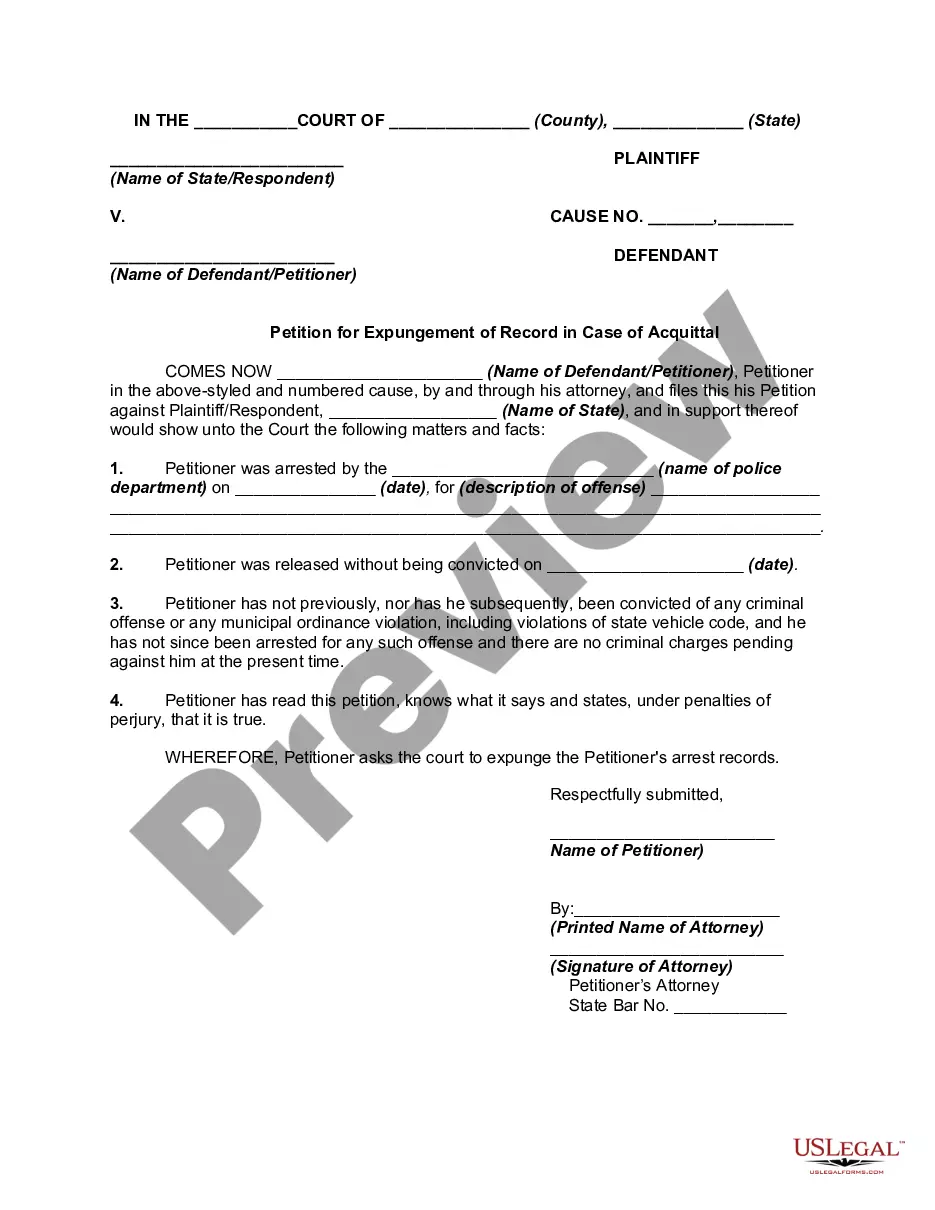
- Review the template using the Preview option or through the text description to confirm it fulfills your requirements.
Form popularity
FAQ
The purpose of writs is to compel actions in accordance with the law and court orders. They ensure compliance and can help individuals enforce their rights or fulfill legal obligations. Writs serve various functions, including securing debts, addressing grievances, or ordering someone to appear in court. Understanding the role of writs for court is vital for anyone involved in legal matters, and platforms like US Legal Forms can provide valuable assistance in this area.
In court, a writ serves as an official command from a judge directing someone to take a specific action. This can include orders to appear in court, enforce payment, or halt certain actions. Writs are essential tools in the judicial process, ensuring that court decisions are enforced and respected. Knowing the significance of a writ for court can help people navigate legal systems with greater confidence.
To be served with a writ means that you have received a formal legal document instructing you to take a specific action. This could involve complying with a court order or appearing in court. Being served with a writ signifies that legal proceedings are underway, and it is crucial to respond appropriately. It's advisable to consult resources like US Legal Forms to understand your rights and obligations regarding writs for court.
When a writ is issued, the court officially directs a party to perform a specified action or face legal penalties. This can involve anything from collecting a debt to enforcing a judgment. At this point, the party receiving the writ must comply with the order to avoid further legal complications. Many turn to services like US Legal Forms to simplify the process of obtaining and understanding writs for court.
No, a writ and a warrant are not the same. A writ is a formal order from a court that directs someone to act, while a warrant is a specific type of writ typically used to authorize law enforcement to arrest a person or search a property. Both documents play important roles in legal processes, but they serve different purposes. Clarity in understanding these terms can help navigate legal matters more effectively.
When a writ is served, it means that the official order from the court has been delivered to the individual required to take action. This process ensures that the person is aware of their legal obligations established by the writ. By serving a writ, the court guarantees that the affected party understands what is required and can address the order appropriately. It’s important to know that service of a writ is a key step in legal proceedings.
Having a writ means that a court has issued a formal order directing someone to take a specific action. This can include anything from demanding payment of a debt to requiring a person to appear in court. Essentially, a writ for court acts as a command that must be followed under law. Understanding the implications of a writ is crucial, as failure to comply can lead to legal consequences.
A motion of writ refers to a request made to the court seeking the issuance or enforcement of a writ. This motion outlines the reasons for the request and establishes the legal basis for obtaining the writ. In essence, it is the mechanism through which a party seeks judicial intervention to resolve an issue effectively. If you need assistance with preparing a motion of writ, consider using UsLegalForms for tailored resources and support.
'Filing a writ' means submitting a formal request to a court to issue a writ that commands someone to act or refrain from acting. This process often involves preparing legal documents and providing supporting evidence for your claim. By filing a writ for court, you initiate a legal procedure that can lead to a more immediate resolution of your legal matter. Utilizing platforms like UsLegalForms can simplify this process, offering actionable templates and guidance.
While both a writ and a motion are legal requests made in court, they differ in function and scope. A motion refers to a request for the court to make a ruling on a specific issue, while a writ for court typically orders action or prohibits action based on legal grounds. Thus, a writ carries more weight as it commands a response or compliance from the recipient. Understanding this difference can help you choose the appropriate legal tool for your situation.