Expunging
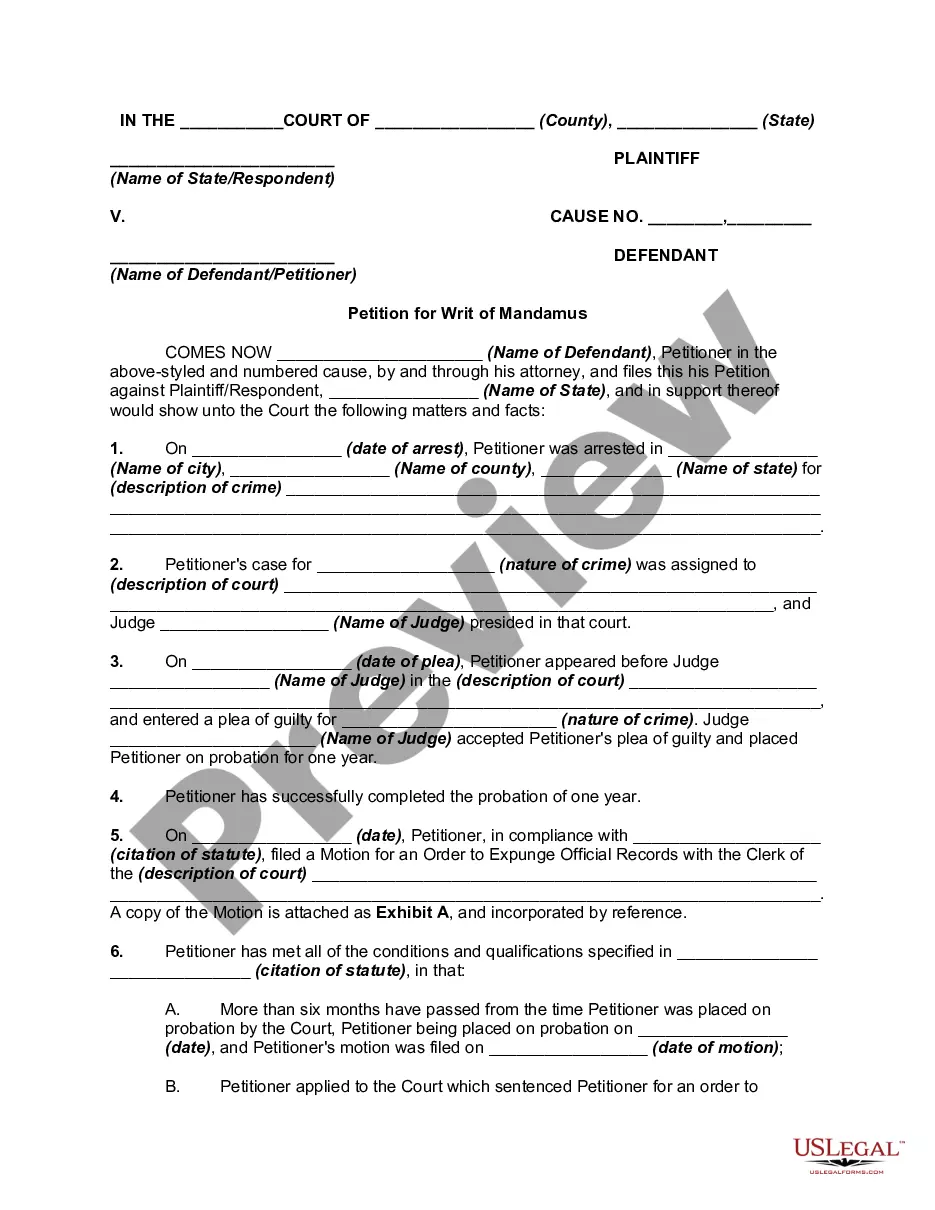
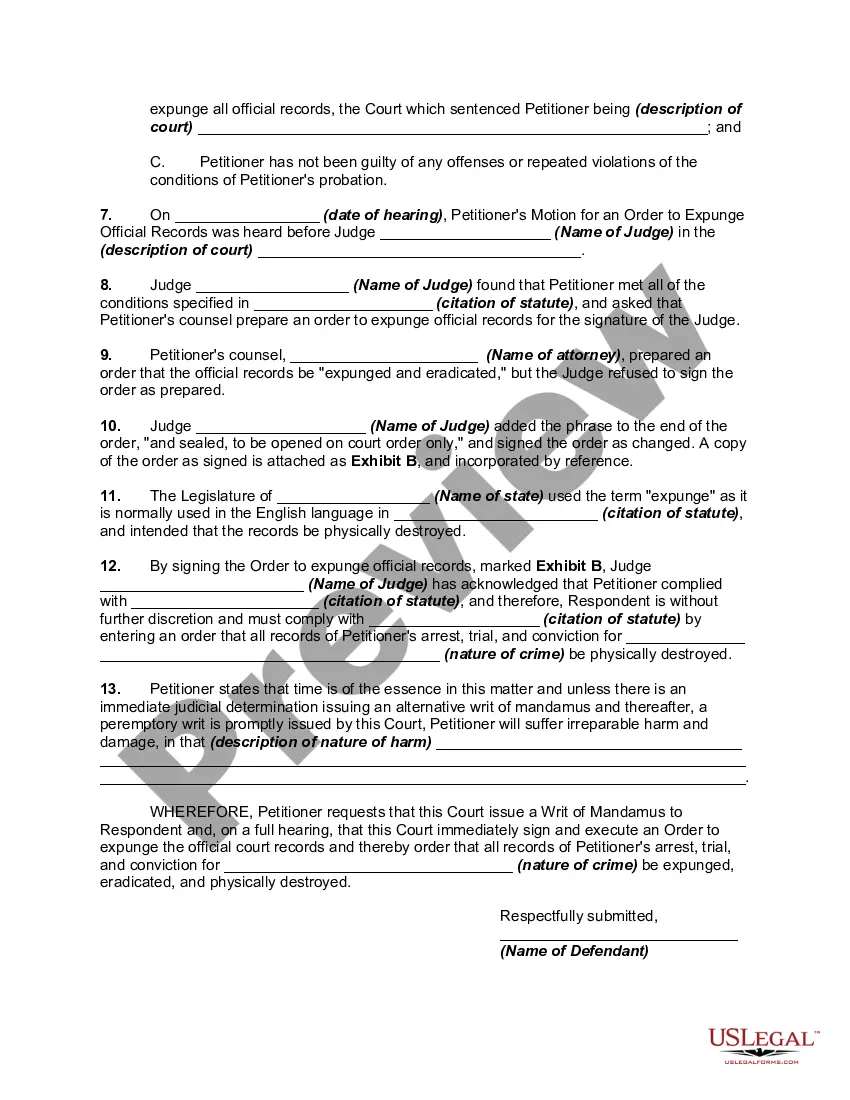
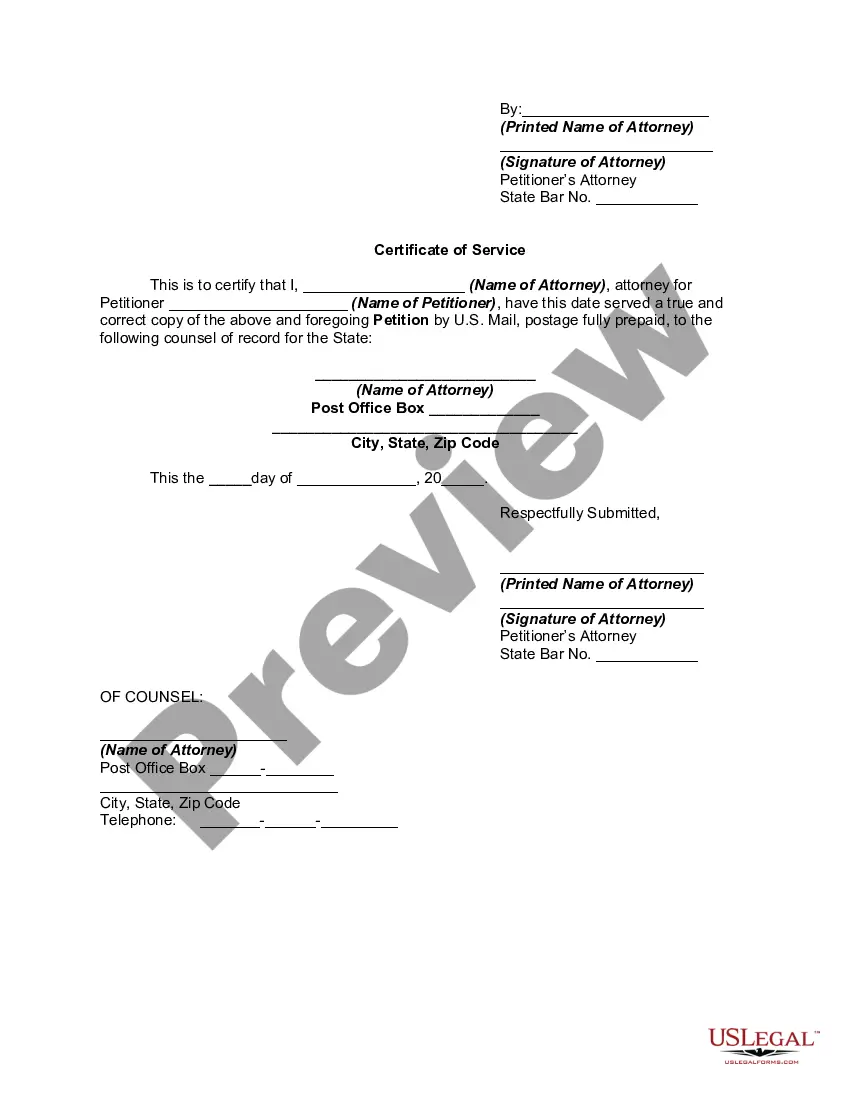
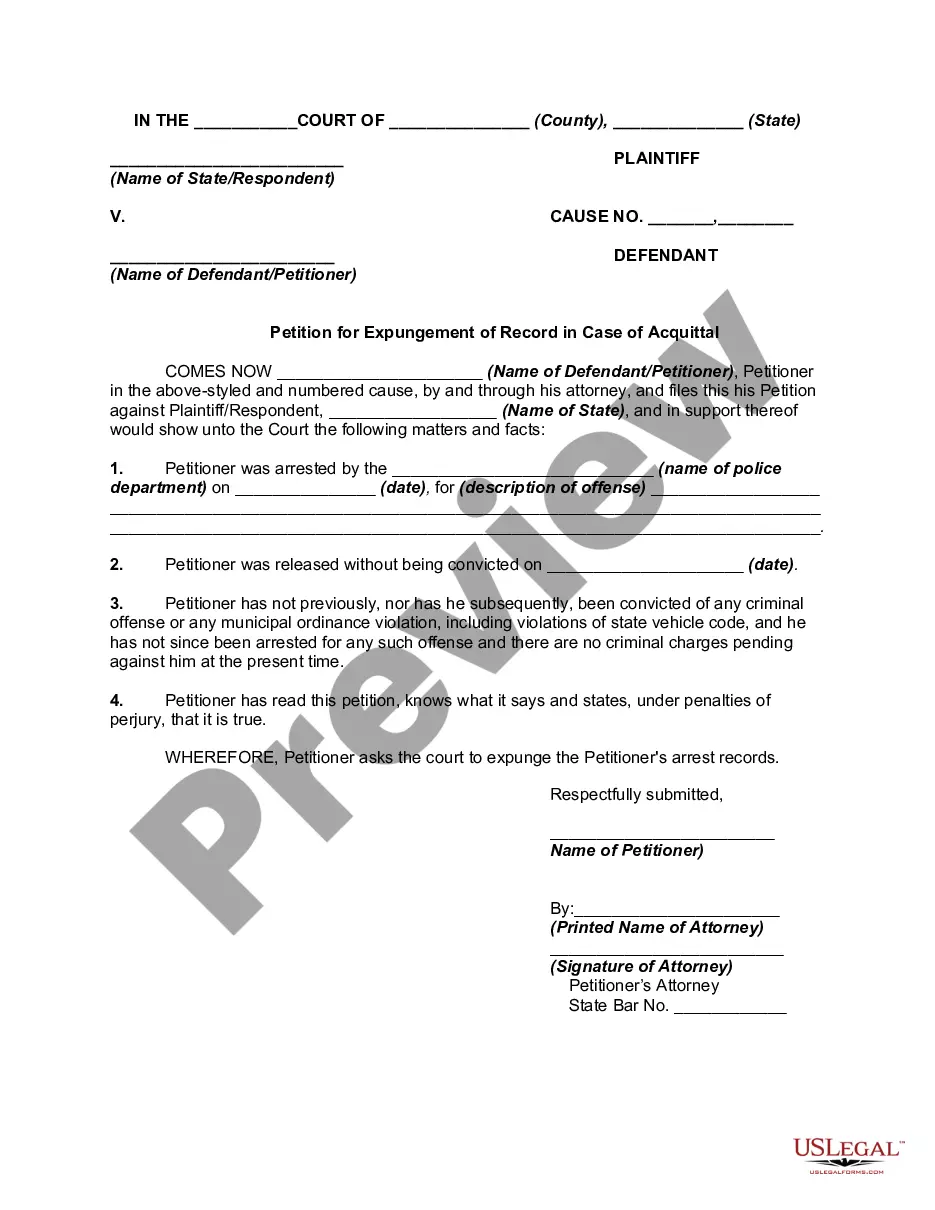
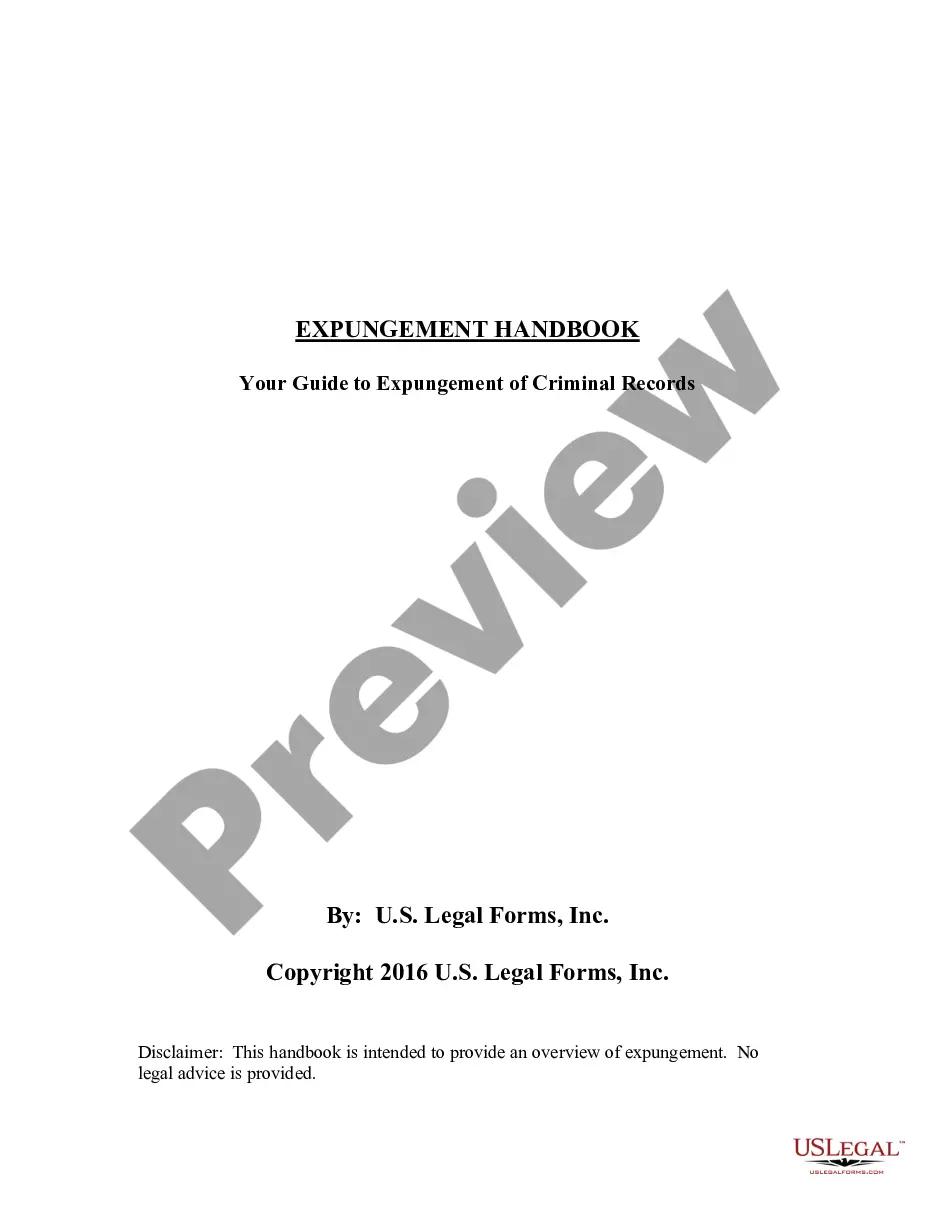
Description
Get your form ready online
Our built-in tools help you complete, sign, share, and store your documents in one place.
Make edits, fill in missing information, and update formatting in US Legal Forms—just like you would in MS Word.
Download a copy, print it, send it by email, or mail it via USPS—whatever works best for your next step.
Sign and collect signatures with our SignNow integration. Send to multiple recipients, set reminders, and more. Go Premium to unlock E-Sign.
If this form requires notarization, complete it online through a secure video call—no need to meet a notary in person or wait for an appointment.
We protect your documents and personal data by following strict security and privacy standards.

Make edits, fill in missing information, and update formatting in US Legal Forms—just like you would in MS Word.

Download a copy, print it, send it by email, or mail it via USPS—whatever works best for your next step.

Sign and collect signatures with our SignNow integration. Send to multiple recipients, set reminders, and more. Go Premium to unlock E-Sign.

If this form requires notarization, complete it online through a secure video call—no need to meet a notary in person or wait for an appointment.

We protect your documents and personal data by following strict security and privacy standards.
Looking for another form?
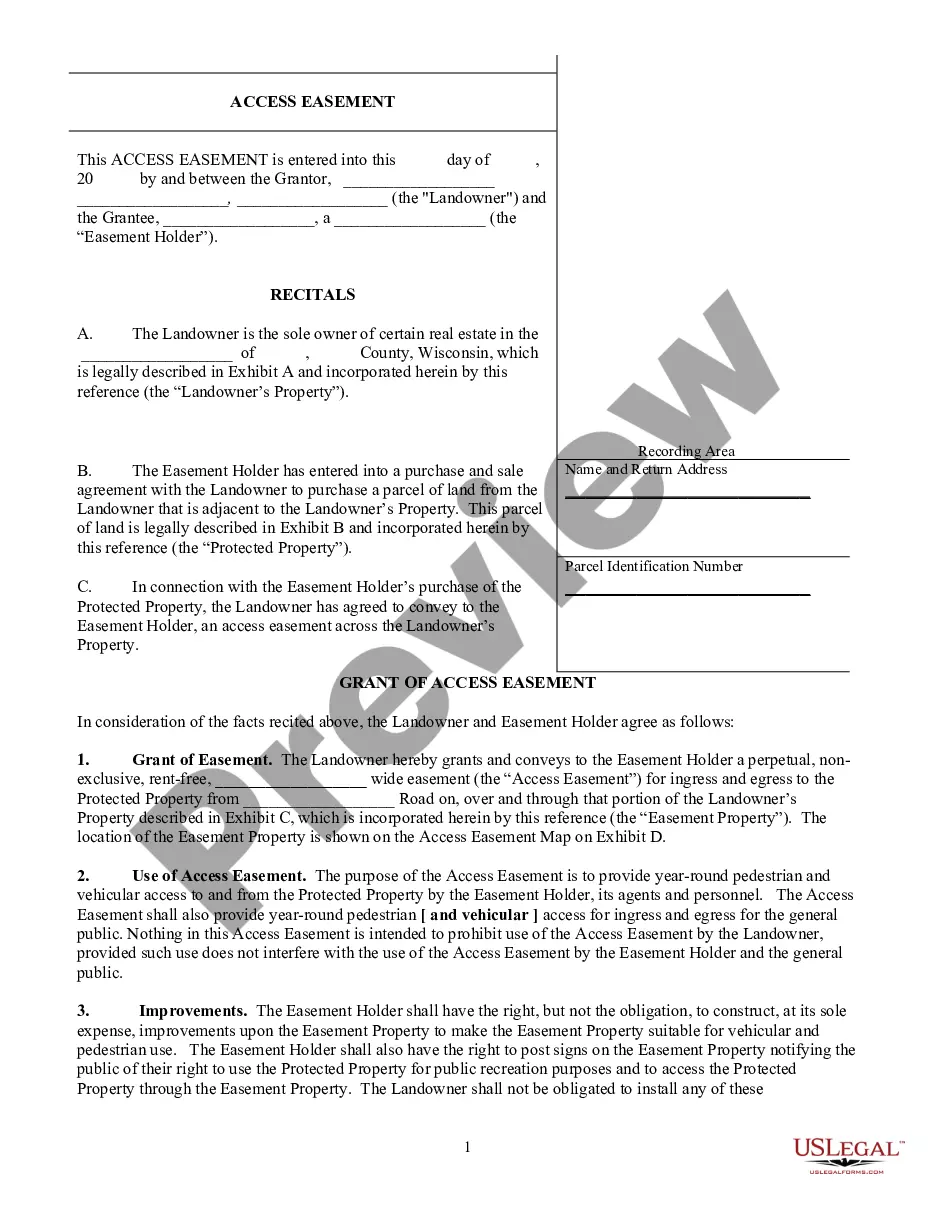






How to fill out Petition For Writ Of Mandamus Or Mandate To Compel Court To Expunge Record Of Arrest, Trial, And Conviction - Expungement?
- If you have an existing account, log in and click 'Download' on your selected form template. Verify that your subscription is active or renew it if necessary.
- If you're new to US Legal Forms, start by browsing the form descriptions in Preview mode. Ensure that you select the appropriate form that aligns with your local jurisdiction requirements.
- If the initial form doesn't meet your needs, use the Search functionality to find the correct one. Once you've identified the right form, proceed to the next step.
- Purchase the document by clicking 'Buy Now' and select a subscription plan that suits you. Remember to create an account for access to the extensive library.
- Complete your purchase using your credit card or PayPal account, and finalize your subscription.
- Download your chosen form and save it on your device. You can also access it anytime from the My Forms section of your profile.
By following these straightforward steps, you can efficiently manage the expunging process with US Legal Forms. The platform not only provides a robust collection of legal forms but also expert guidance to ensure accuracy and compliance.
Don’t wait any longer—start your journey towards a cleaner record today with US Legal Forms!
Form popularity
FAQ
When addressing the judge for expunging your record, present your case clearly and respectfully. Explain how the expungement will positively impact your life, such as improving your employment opportunities. Be honest about your past, demonstrate your personal growth, and show your commitment to maintaining a law-abiding life. If you're unsure about the process, consider using US Legal Forms to guide you through the necessary documentation.
Expunging a record in Minnesota typically takes several months. After you file the petition, the court will set a hearing date, which can take up to 90 days. Once the judge grants your expungement, the process of clearing your record can take additional time. It is important to be patient and ensure you complete all necessary paperwork correctly to avoid delays.
Writing an expungement involves preparing a formal petition to the court, outlining your request to remove specific records. You must include your personal information, details about the offense, and reasons for the expunging. Utilizing USLegalForms can provide you with templates and guidance to ensure your petition is properly crafted.
Typically, criminal records related to misdemeanors and certain felonies can be expunged, along with arrests that did not lead to convictions. The specific eligibility can vary by state, so it is important to review local laws. Consulting with USLegalForms can provide clarity on what records you can potentially expunge.
An example of expunge would be when a juvenile delinquency record is removed from public view after the individual reaches adulthood. This action helps individuals move on without the stigma of past mistakes. Expunging records can lead to better job opportunities and a more secure future.
To expunge means to erase or remove completely, usually referring to a legal record. For instance, one might say, 'The court decided to expunge his criminal record, giving him a fresh start.' Understanding what expunging entails can help you navigate your legal journey effectively.
Yes, you can expunge your record yourself in Indiana, but the process can be complicated. You need to gather the necessary documents and follow specific procedures set by the state. However, using a service like USLegalForms can simplify the expunging process, ensuring that you meet all requirements and deadlines.
Many lower-level misdemeanors and certain non-violent felonies can be expunged in various parts of the US. However, the eligibility for expunging depends on state laws and the nature of the crime. Always consult with legal professionals or utilize resources like US Legal Forms to explore the expunging possibilities tailored to your case.
In Minnesota, certain offenses cannot be expunged, such as serious felonies, most violent crimes, and specific sexual offenses. Expunging in Minnesota is subject to strict guidelines, and navigating these can be challenging. Legal help from platforms like US Legal Forms can make the process easier, helping you understand your options.
Expunge means to erase or remove a record from existence in a legal context. When you successfully go through the expunging process, you eliminate any legal traces of your criminal record. This allows individuals to rebuild their lives without the shadow of past mistakes.