Antonyms For Expunge
Description
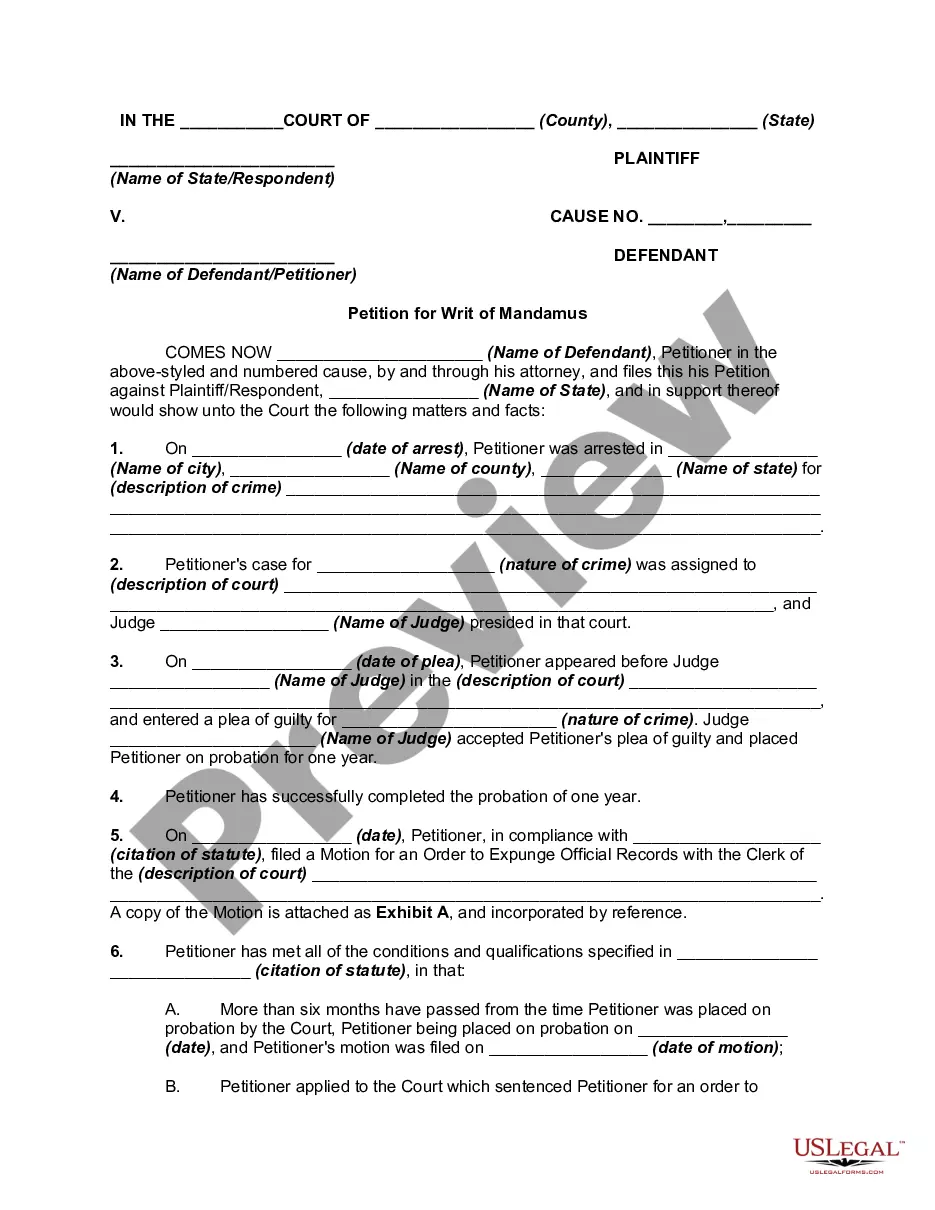
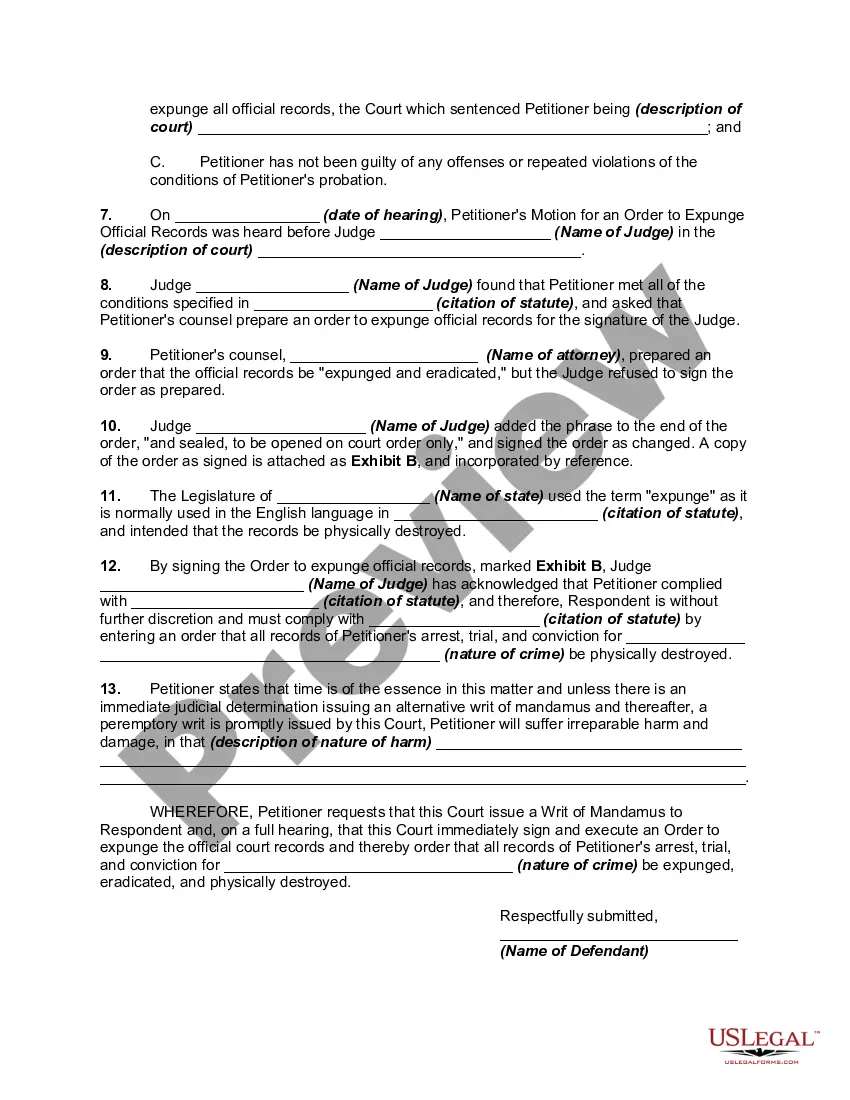
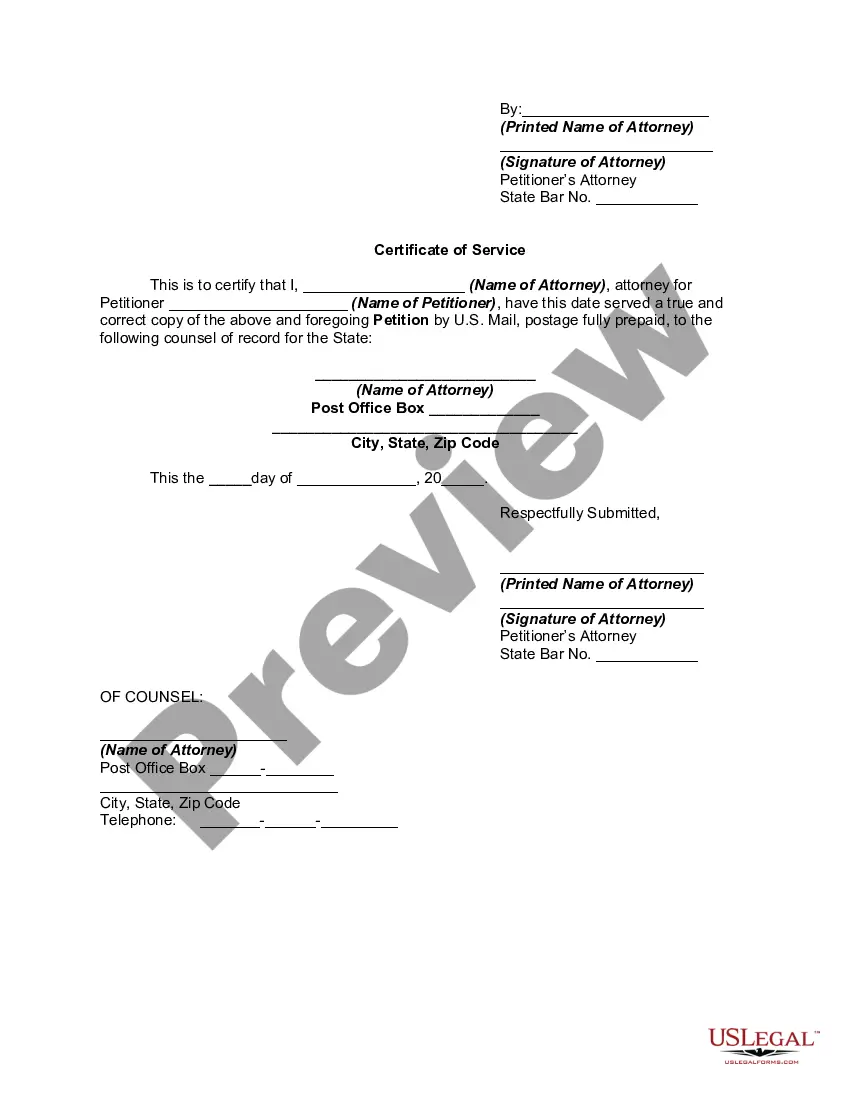
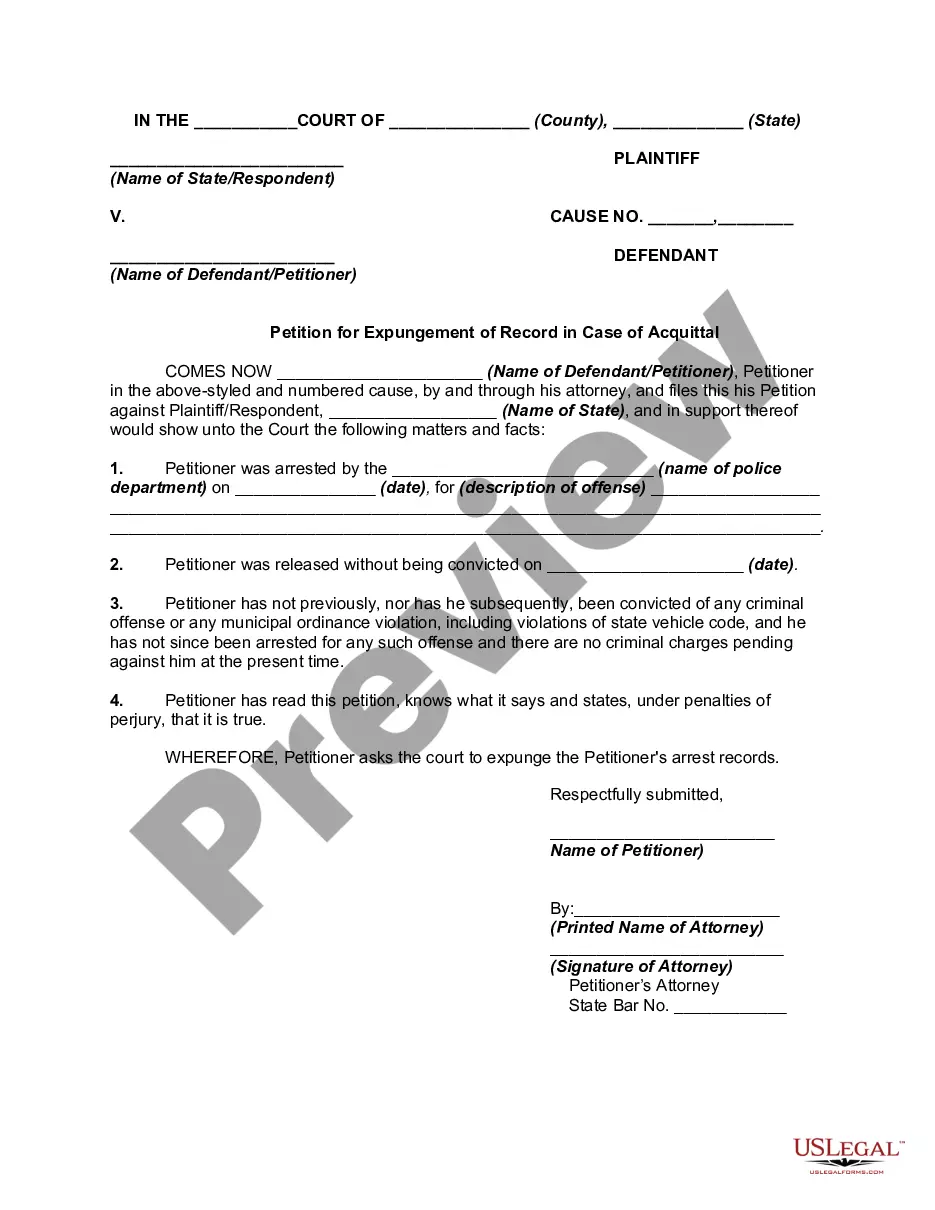
Get your form ready online
Our built-in tools help you complete, sign, share, and store your documents in one place.
Make edits, fill in missing information, and update formatting in US Legal Forms—just like you would in MS Word.
Download a copy, print it, send it by email, or mail it via USPS—whatever works best for your next step.
Sign and collect signatures with our SignNow integration. Send to multiple recipients, set reminders, and more. Go Premium to unlock E-Sign.
If this form requires notarization, complete it online through a secure video call—no need to meet a notary in person or wait for an appointment.
We protect your documents and personal data by following strict security and privacy standards.

Make edits, fill in missing information, and update formatting in US Legal Forms—just like you would in MS Word.

Download a copy, print it, send it by email, or mail it via USPS—whatever works best for your next step.

Sign and collect signatures with our SignNow integration. Send to multiple recipients, set reminders, and more. Go Premium to unlock E-Sign.

If this form requires notarization, complete it online through a secure video call—no need to meet a notary in person or wait for an appointment.

We protect your documents and personal data by following strict security and privacy standards.
Looking for another form?



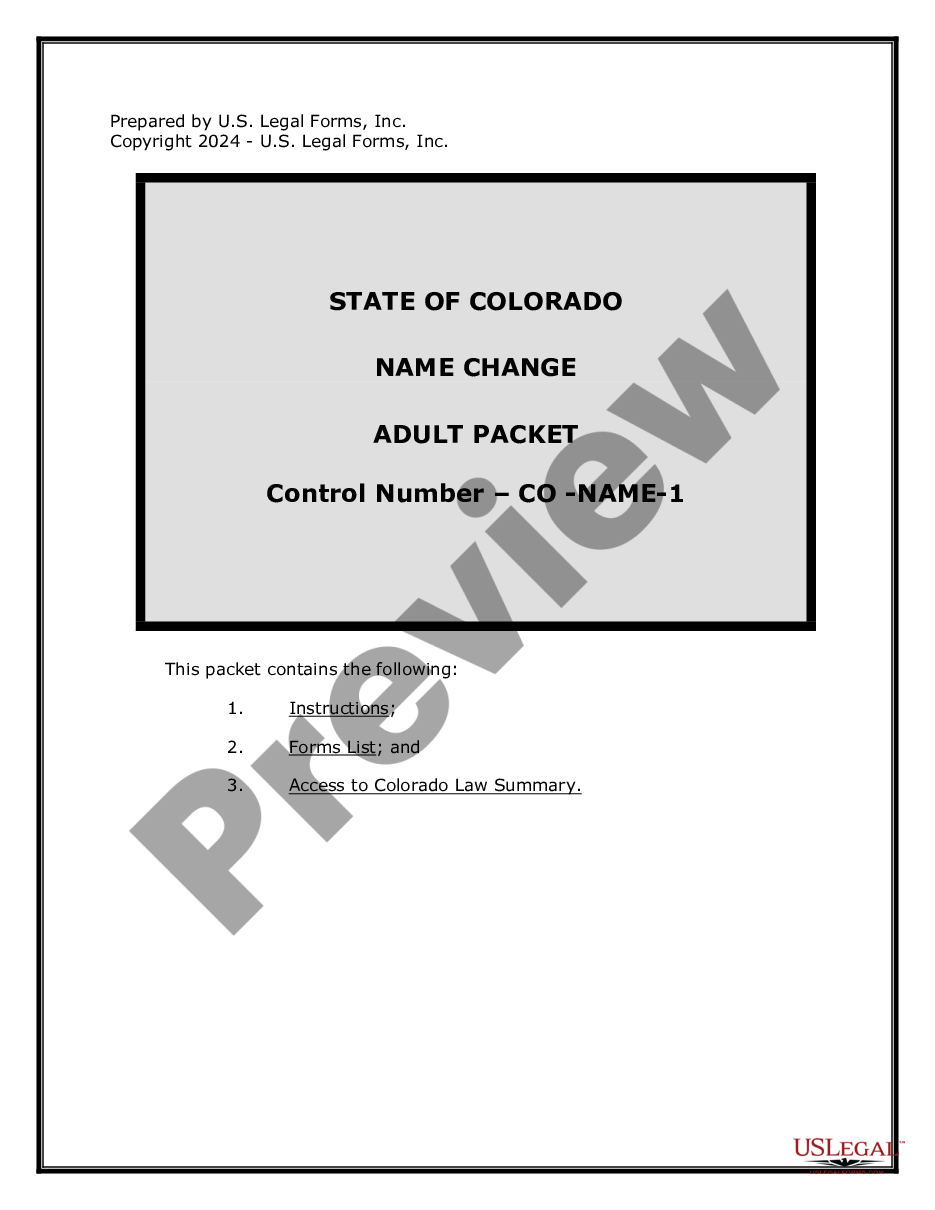
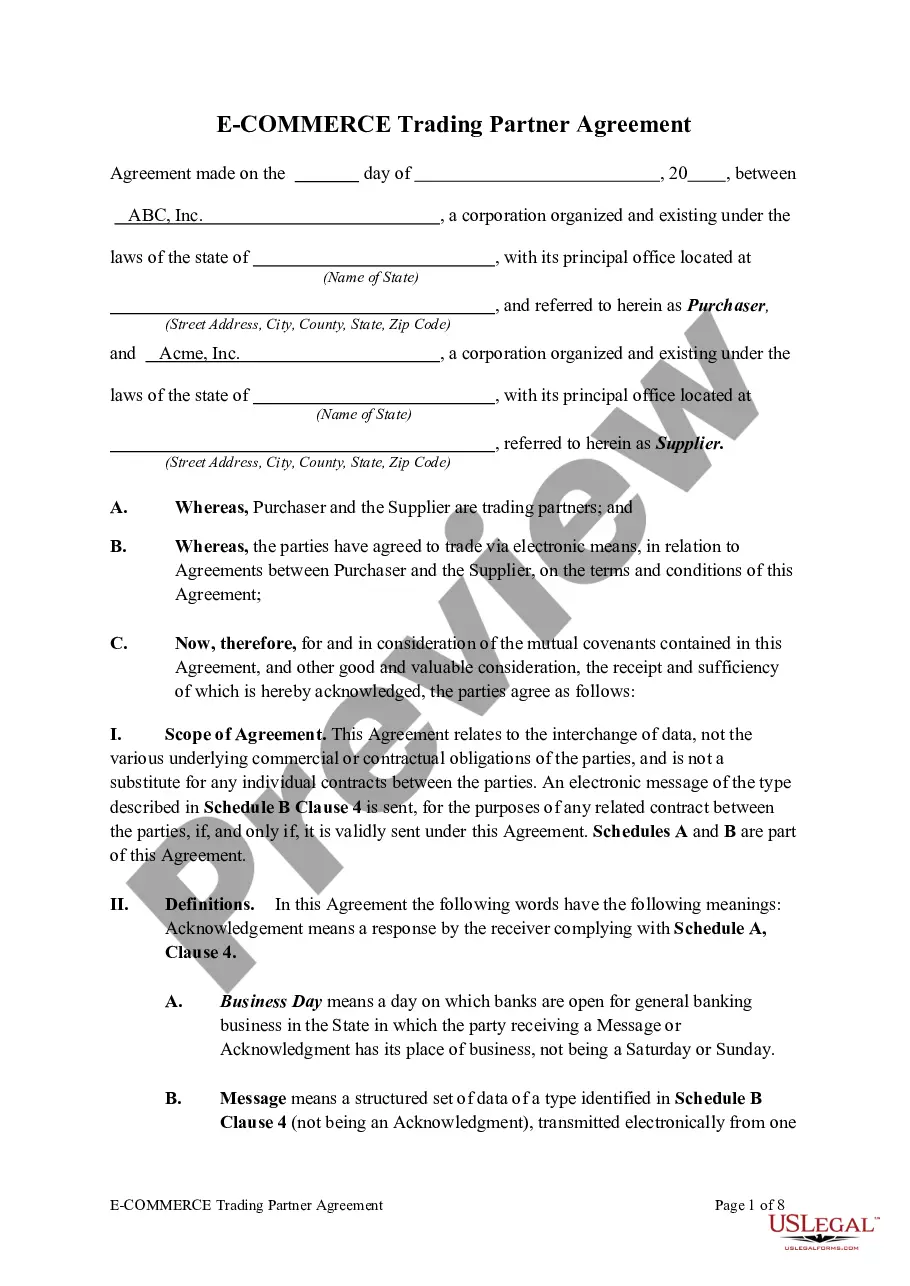





How to fill out Petition For Writ Of Mandamus Or Mandate To Compel Court To Expunge Record Of Arrest, Trial, And Conviction - Expungement?
- Log in to your account if you're a returning user. Ensure your subscription is active. If it's not, renew it according to your payment plan.
- For new users, start by browsing the Preview mode and descriptions of available forms. Make sure the one you pick meets your specific legal needs.
- If you don't find the right form, use the Search tab to explore other options that align with your local jurisdiction.
- Once you identify the appropriate document, click 'Buy Now' to select your preferred subscription plan and register for an account.
- Complete your purchase by entering your payment details, either via credit card or PayPal.
- After purchasing, download your form to your device. You can also access it later in the 'My Forms' section.
By following these steps, you can ensure access to over 85,000 fillable and editable legal forms, plus assistance from premium experts for precise document completion.
Get started with US Legal Forms today and streamline your legal documentation process. Don't hesitate—explore the extensive library now!
Form popularity
FAQ
A motion to expunge is a legal request asking the court to eliminate a criminal record. This motion outlines the reasons for the request and presents evidence supporting the claim. Filing such a motion can seem complex, and using platforms like US Legal Forms can simplify the process. Recognizing antonyms for expunge provides insight into the records that may still be visible after this motion is granted.
A common synonym for expunged is 'erased' or 'removed.' These terms imply a similar meaning, suggesting the elimination of a record from public view. However, it’s crucial to understand that even synonyms can convey different connotations. Exploring antonyms for expunge can give you clarity on what remains after the process is complete.
In Alabama, certain offenses like felonies involving moral turpitude truly cannot be expunged. Violent crimes, serious drug offenses, and some sexual offenses fall into this category. Familiarizing yourself with these limitations can be vital for those seeking to clear their records. Understanding antonyms for expunge may help articulate which records remain accessible.
Yes, expungement can be reversed under certain circumstances. If new evidence emerges, or if a person violates the terms of their expungement, a court may decide to reinstate the record. This highlights the importance of adhering to legal requirements after expungement. Being aware of the antonyms for expunge can assist in grasping the permanence often associated with criminal records.
In Minnesota, certain serious offenses cannot be expunged. These typically include homicide, criminal sexual conduct, and offenses that include registration as a predatory offender. If you are unsure about a specific crime, consulting with a legal expert can provide clarity. Understanding the antonyms for expunge is also helpful in knowing what records may remain public.
Generally, judges cannot access expunged records as these are removed from public view to support your fresh start. Nevertheless, some exceptions may allow certain authorities access under specific conditions. Understanding these nuances can help you navigate your expungement journey more effectively.
To write an expungement request, start with a clear title and integrate your case details. Formulate your request around the key points, such as why expungement is necessary for your future. Using services like USLegalForms can provide structured templates that guide you step by step through this process.
Obtaining an expungement for a dismissed case can be more straightforward compared to other convictions. However, the process can vary based on jurisdiction. With the right resources, such as those provided by USLegalForms, you can navigate this efficiently, ensuring that you understand all legal and procedural requirements.
When you speak to a judge for expungement, convey your understanding of the seriousness of your past actions. Explain how achieving expungement aligns with your future aspirations. It's essential to express that expunging your record contributes to your readiness to reintegrate into society.
Begin your letter with a formal greeting, followed by a clear statement of your intentions regarding expungement. Include relevant details about your case, emphasizing your efforts toward personal growth. Using the word 'expunge' thoughtfully will help clarify your goals while expressing respect for the judicial process.