Squatters Rights For Florida
Description
Get your form ready online
Our built-in tools help you complete, sign, share, and store your documents in one place.
Make edits, fill in missing information, and update formatting in US Legal Forms—just like you would in MS Word.
Download a copy, print it, send it by email, or mail it via USPS—whatever works best for your next step.
Sign and collect signatures with our SignNow integration. Send to multiple recipients, set reminders, and more. Go Premium to unlock E-Sign.
If this form requires notarization, complete it online through a secure video call—no need to meet a notary in person or wait for an appointment.
We protect your documents and personal data by following strict security and privacy standards.

Make edits, fill in missing information, and update formatting in US Legal Forms—just like you would in MS Word.

Download a copy, print it, send it by email, or mail it via USPS—whatever works best for your next step.

Sign and collect signatures with our SignNow integration. Send to multiple recipients, set reminders, and more. Go Premium to unlock E-Sign.

If this form requires notarization, complete it online through a secure video call—no need to meet a notary in person or wait for an appointment.

We protect your documents and personal data by following strict security and privacy standards.
Looking for another form?







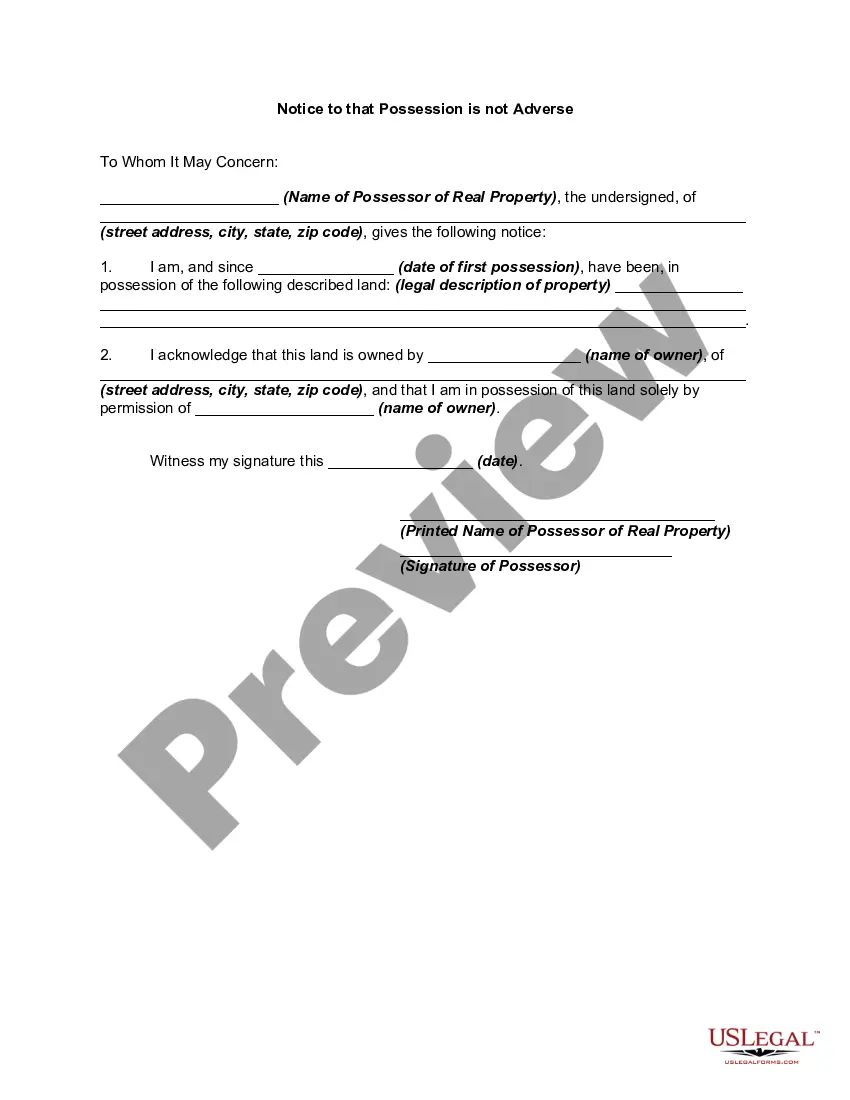
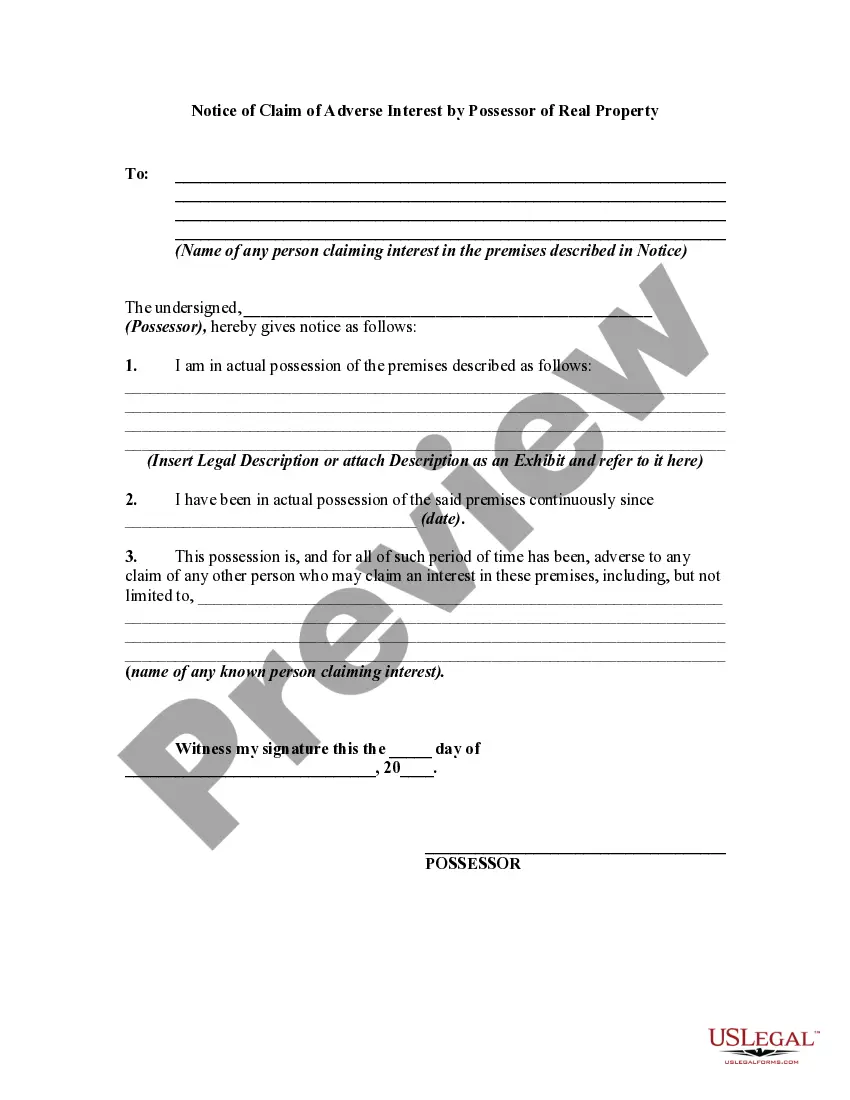
How to fill out Notice To That Possession Is Not Adverse - Squatters Rights?
Regardless of whether it pertains to professional endeavors or personal affairs, everyone must confront legal matters at some point in their lives.
Completing legal documents requires meticulous attention, starting with selecting the appropriate form template.
Once downloaded, you can fill out the form using editing software or print it to complete manually. With an extensive catalog available from US Legal Forms, you won’t need to waste time searching online for the correct template. Utilize the library’s straightforward navigation to find the right template for any situation.
- For example, selecting an incorrect version of a Squatters Rights For Florida will result in rejection once submitted.
- Thus, it is essential to have a reliable source of legal documents like US Legal Forms.
- If you need to obtain a Squatters Rights For Florida template, follow these straightforward steps.
- Locate the necessary template using the search option or catalog browsing.
- Examine the form’s description to verify it aligns with your case, jurisdiction, and area.
- Click on the form’s preview to examine it.
- If it is not the correct form, return to the search feature to find the Squatters Rights For Florida sample you need.
- Acquire the template once it satisfies your requirements.
- If you already possess a US Legal Forms account, click Log in to retrieve previously saved documents in My documents.
- If you do not have an account yet, you can download the form by clicking Buy now.
- Select the appropriate pricing option.
- Fill out the profile registration form.
- Choose your payment method: a credit card or PayPal account.
- Select the document format you desire and download the Squatters Rights For Florida.
Form popularity
FAQ
To claim squatter's rights in Florida, you must occupy the property openly and continuously without the owner's permission for a specific period, usually seven years. It's essential to show that you treated the property as your own, which can include paying taxes or maintaining the premises. Familiarizing yourself with squatters rights for Florida can help you understand your position better. If you're unsure about the legal process, consider using USLegalForms as a reliable resource to guide you through the necessary steps.
The new law in Florida regarding squatters addresses various aspects of property rights and the eviction process. It enhances property owners' ability to reclaim their space more efficiently while ensuring that squatters have certain protections during the process. Understanding squatters rights for Florida helps you stay informed about your legal options and obligations. Staying updated on these laws is crucial if you're a property owner or a potential squatter.
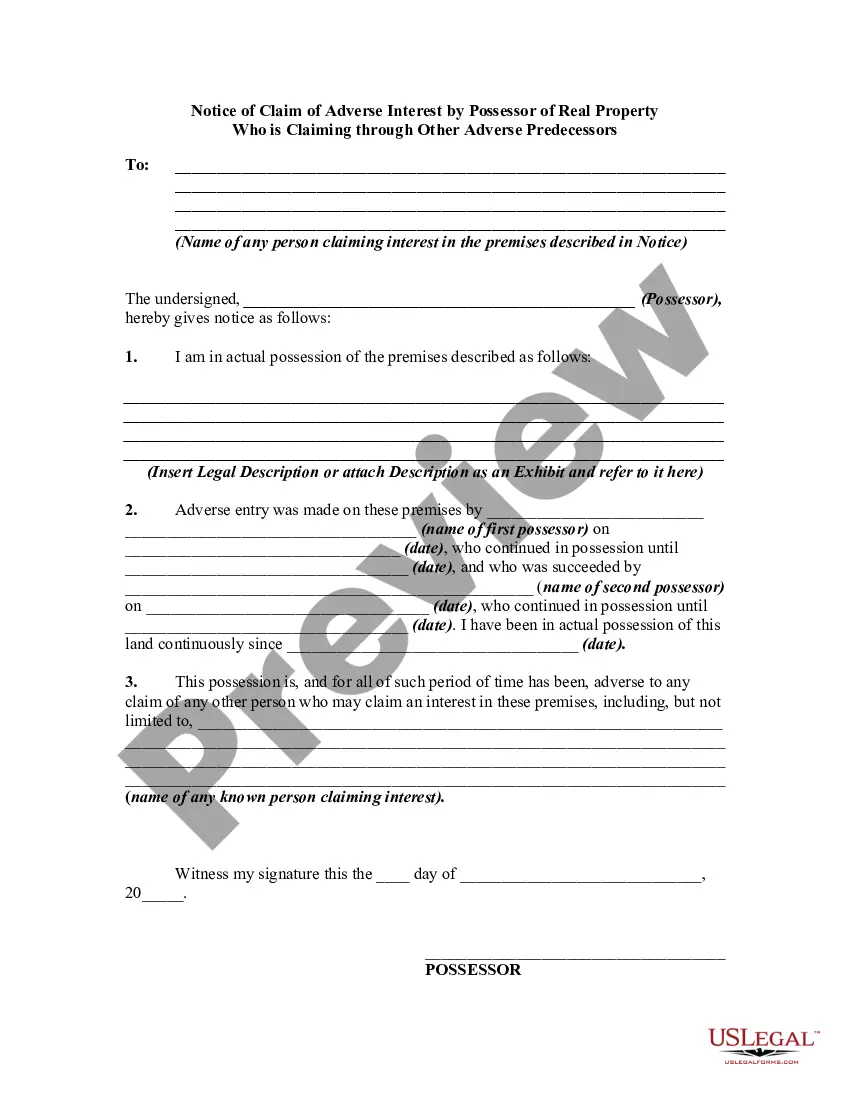
In Florida, to claim squatter's rights, you must occupy the property openly and continuously for a specific period, usually seven years, without the owner’s permission. This period allows you to establish what is known as adverse possession. Keep in mind that meeting all legal requirements is essential; otherwise, your claim may not stand. For additional guidance, consider using uslegalforms to access tools and resources that simplify the process.
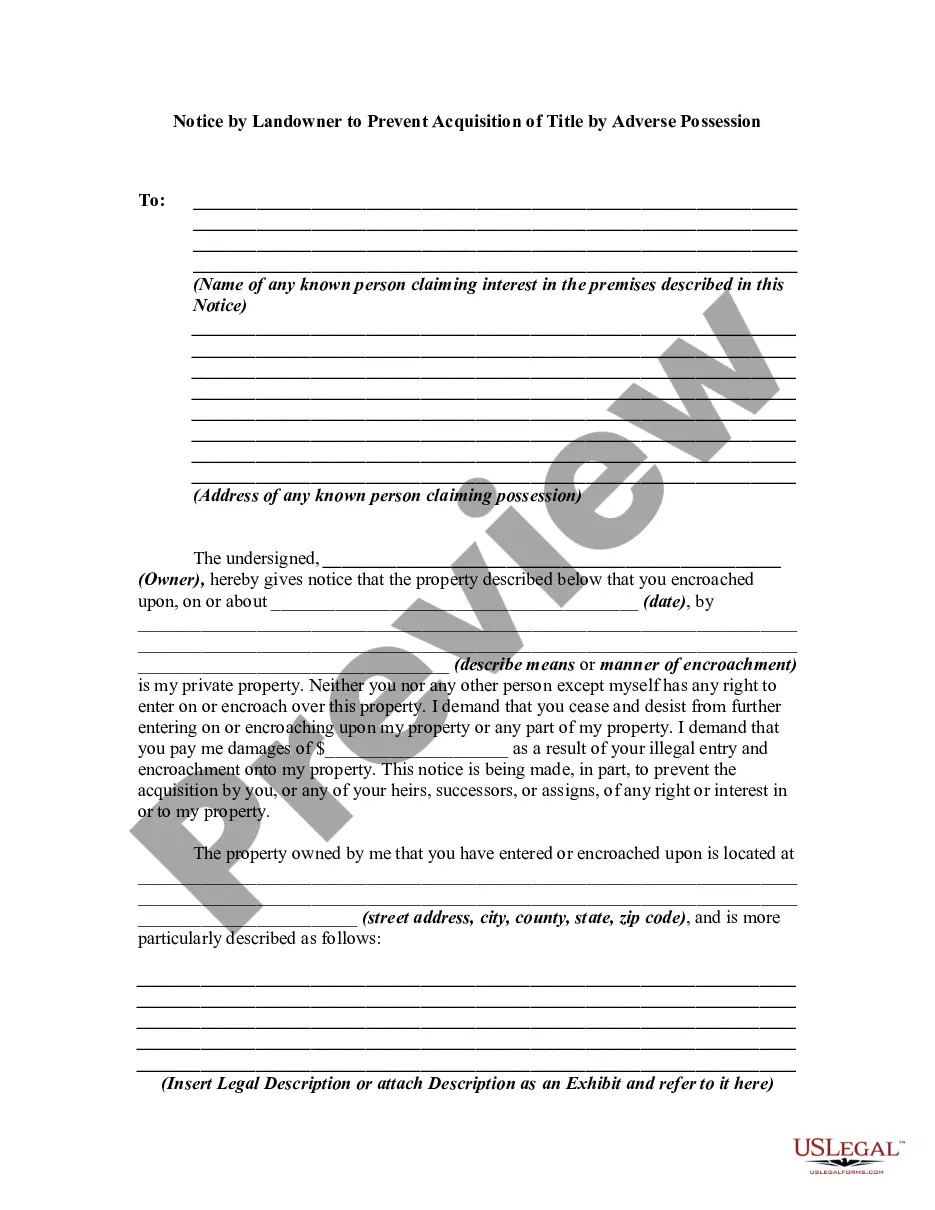
To remove a squatter from your property in Florida, you need to follow legal procedures carefully. Start by gathering evidence that shows the individual does not have permission to stay. Next, file an eviction lawsuit in the local court, which will require you to prove ownership of the property. Remember, understanding your rights related to squatters rights for Florida is crucial during this process.
The eviction process for removing a squatter in Florida can vary in duration, typically taking anywhere from a few weeks to several months. This timeline depends on factors such as court schedules and the specifics of the case. It is essential to follow the legal process to avoid complications. For more comprehensive support, exploring the USLegalForms platform can provide valuable resources to navigate the eviction process efficiently.
Florida's new squatters law introduces clearer guidelines and procedures regarding occupancy without permission. The law aims to balance the rights of property owners and those who may claim adverse possession. Familiarizing yourself with this legislation is crucial for understanding your legal position. Knowing the details of squatters rights for Florida can greatly aid in protecting your property.
To obtain squatters rights in Florida, an individual typically needs to occupy a property openly and continuously for seven years. This duration emphasizes the need for property owners to remain vigilant and proactive in resolving unauthorized occupations. Understanding the timeline and requirements can help you address potential issues quickly. Being informed about squatters rights for Florida protects your property rights.
In Florida, a squatter can claim rights to a property after occupying it for a statutory period, typically seven years. During this time, the squatter must establish a consistent and open presence to claim legal rights. This highlights the importance of promptly addressing unauthorized occupancy. Awareness of squatters rights for Florida can help property owners protect their interests.
Kicking out a squatter in Florida requires legal procedures to ensure compliance with state laws. Property owners cannot simply remove squatters without a valid eviction process, as this could lead to legal troubles. Understanding squatters rights for Florida helps property owners navigate this process effectively. Always consider consulting with a legal expert to expedite the eviction properly.
The new squatter's law in Florida outlines specific provisions regarding property rights for those who occupy a residence without permission. It highlights the importance of understanding how these laws impact property owners and squatters alike. This law emphasizes that property owners must take immediate action if they discover unauthorized occupants. Understanding squatters rights for Florida is essential for both parties involved.