Motion For Contempt For Perjury
Description
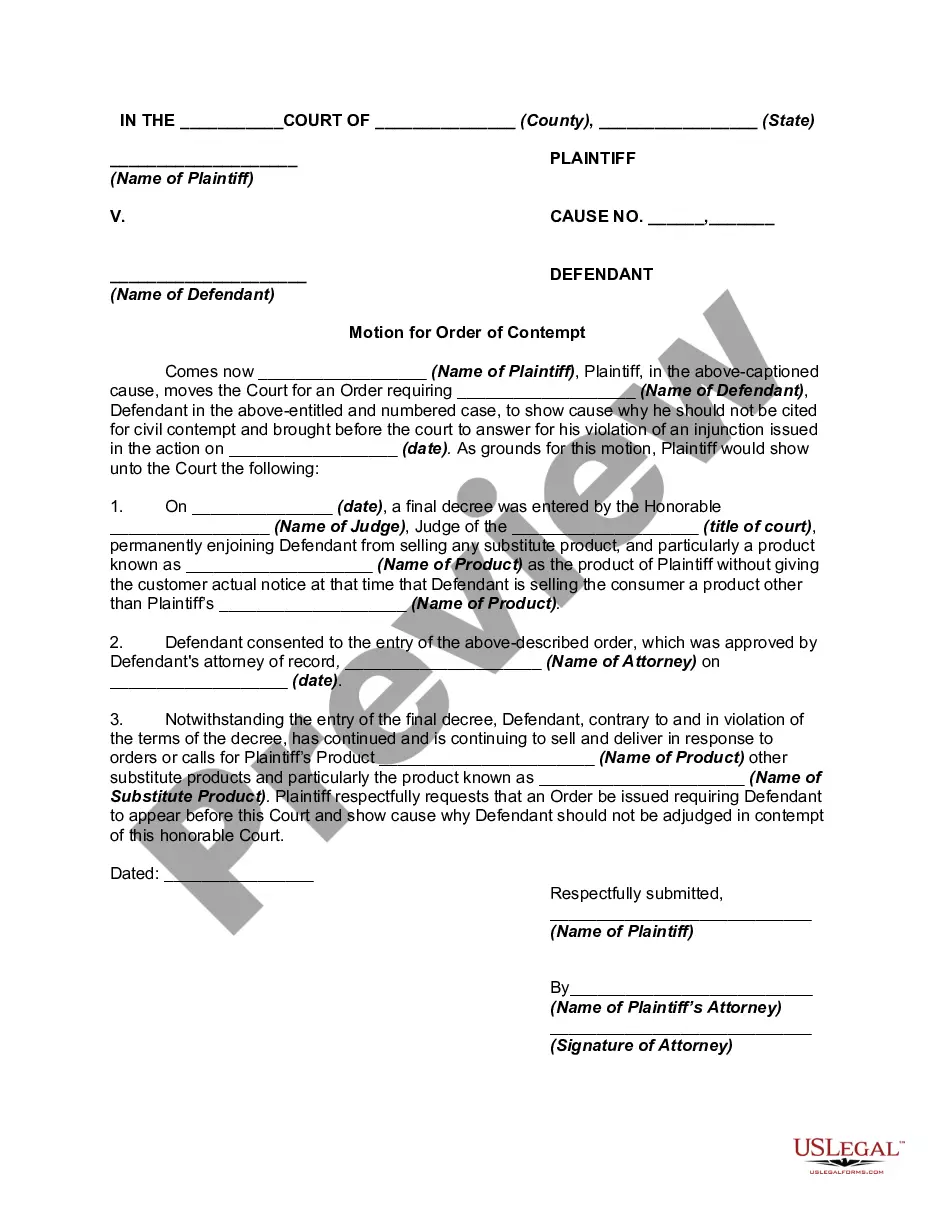
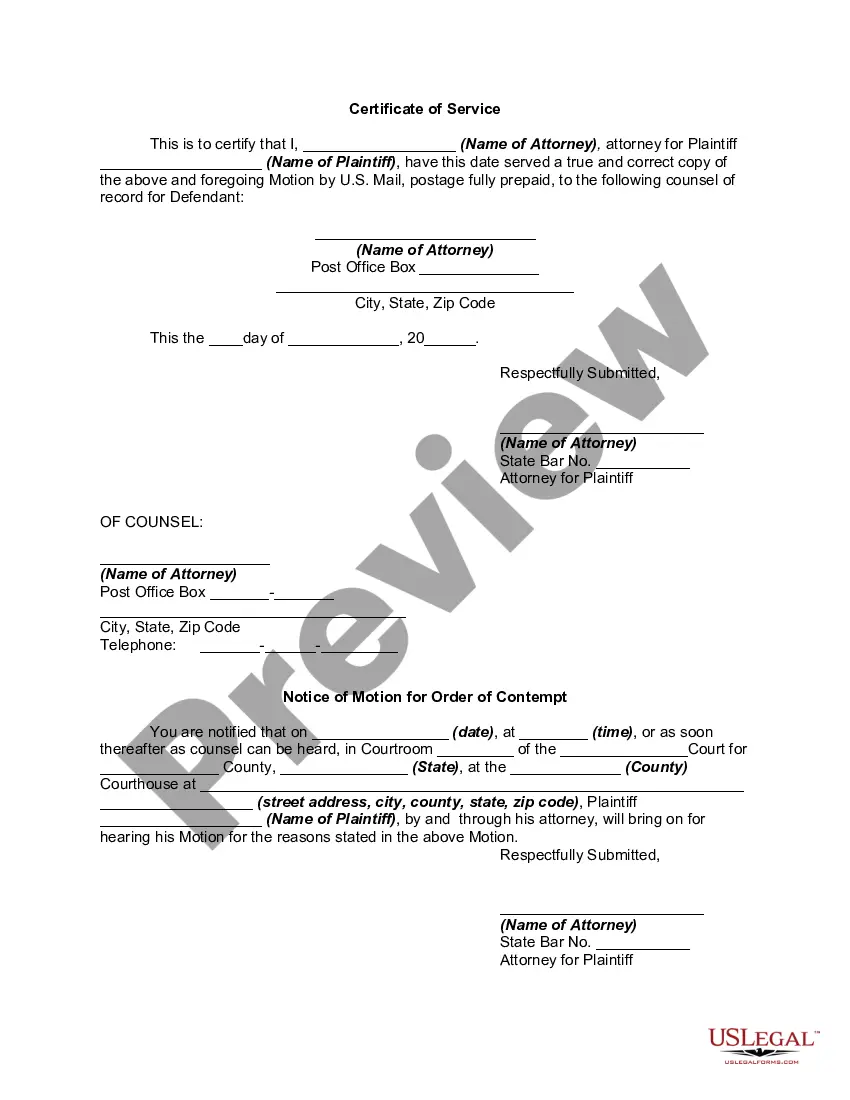

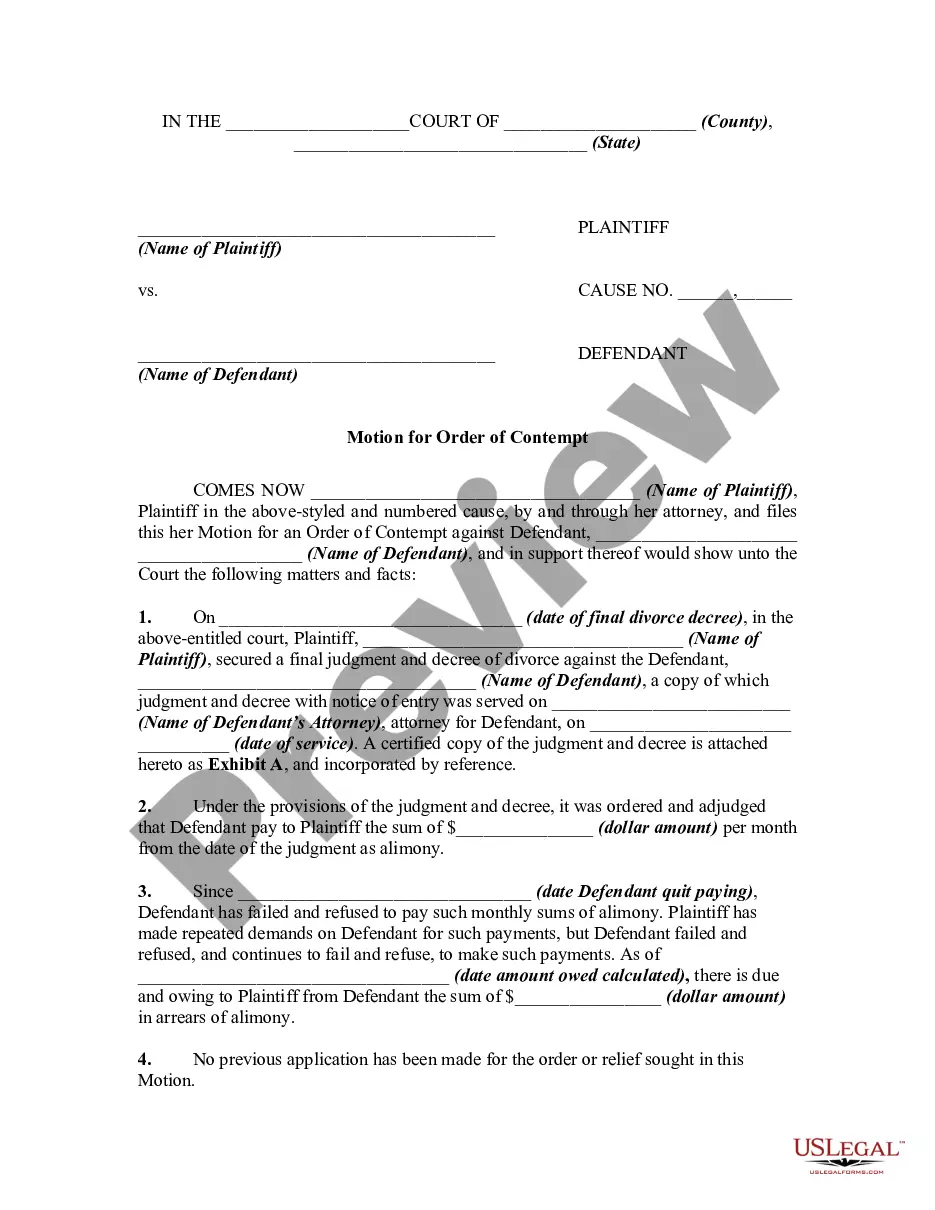
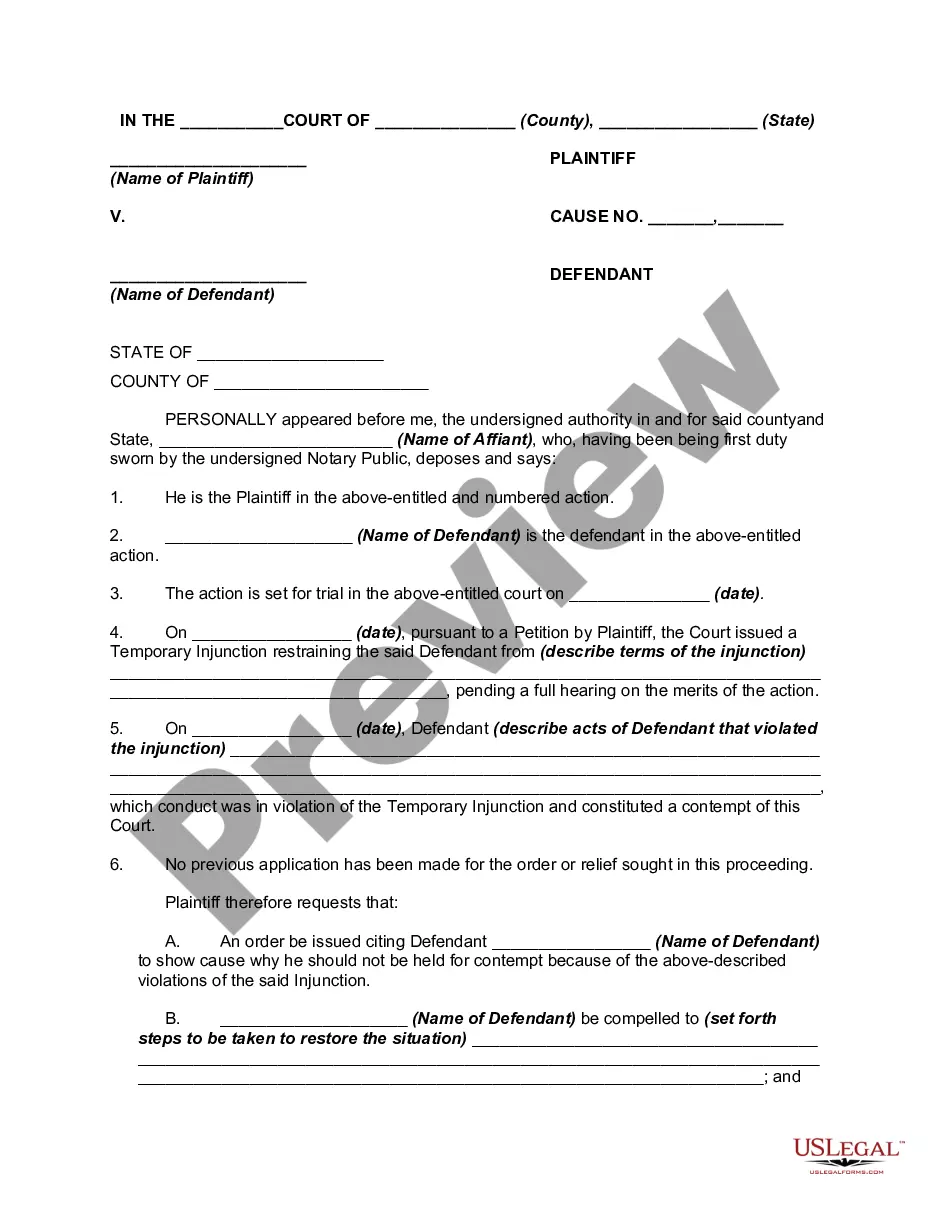
Get your form ready online
Our built-in tools help you complete, sign, share, and store your documents in one place.
Make edits, fill in missing information, and update formatting in US Legal Forms—just like you would in MS Word.
Download a copy, print it, send it by email, or mail it via USPS—whatever works best for your next step.
Sign and collect signatures with our SignNow integration. Send to multiple recipients, set reminders, and more. Go Premium to unlock E-Sign.
If this form requires notarization, complete it online through a secure video call—no need to meet a notary in person or wait for an appointment.
We protect your documents and personal data by following strict security and privacy standards.

Make edits, fill in missing information, and update formatting in US Legal Forms—just like you would in MS Word.

Download a copy, print it, send it by email, or mail it via USPS—whatever works best for your next step.

Sign and collect signatures with our SignNow integration. Send to multiple recipients, set reminders, and more. Go Premium to unlock E-Sign.

If this form requires notarization, complete it online through a secure video call—no need to meet a notary in person or wait for an appointment.

We protect your documents and personal data by following strict security and privacy standards.
Looking for another form?

How to fill out Motion For An Order Of Contempt For Violation Of Injunction?
Whether for business purposes or for personal affairs, everyone has to handle legal situations sooner or later in their life. Filling out legal paperwork needs careful attention, beginning from picking the right form template. For instance, if you pick a wrong version of the Motion For Contempt For Perjury, it will be rejected once you submit it. It is therefore important to have a trustworthy source of legal documents like US Legal Forms.
If you need to obtain a Motion For Contempt For Perjury template, follow these easy steps:
- Find the sample you need by utilizing the search field or catalog navigation.
- Examine the form’s information to ensure it suits your situation, state, and county.
- Click on the form’s preview to see it.
- If it is the wrong document, return to the search function to find the Motion For Contempt For Perjury sample you need.
- Get the file when it matches your requirements.
- If you already have a US Legal Forms account, simply click Log in to access previously saved files in My Forms.
- In the event you don’t have an account yet, you can obtain the form by clicking Buy now.
- Choose the correct pricing option.
- Finish the account registration form.
- Pick your payment method: use a credit card or PayPal account.
- Choose the document format you want and download the Motion For Contempt For Perjury.
- When it is downloaded, you can complete the form with the help of editing software or print it and finish it manually.
With a large US Legal Forms catalog at hand, you do not need to spend time searching for the appropriate sample across the internet. Utilize the library’s simple navigation to get the right template for any situation.
Form popularity
FAQ
Upon responding to a motion for contempt, a defendant may either lodge a defense or he or she may purge the contempt by complying with the court's order and remedying any past due support obligations. The defendant responds by filing an answer. The answer may contain defenses against the contempt action.
The Process of Filing for Contempt The motion explains to the court what the order that has been violated states, and how the other party is violating the order. The motion asks the court to order the other party to appear in court and show cause why he or she should not be punished for disobeying the court's order.
(2) For a second offense, a fine of not more than five hundred dollars, a definite term of imprisonment of not more than sixty days in jail, or both; (3) For a third or subsequent offense, a fine of not more than one thousand dollars, a definite term of imprisonment of not more than ninety days in jail, or both.
Ex Violating Court Orders? Request a Contempt Hearing (Form FL-410) YouTube Start of suggested clip End of suggested clip That. Below that you need to include why you're filing this contempt. So one of the other requiredMoreThat. Below that you need to include why you're filing this contempt. So one of the other required forms that goes along with this is your affidavit of facts constituting.
Under the Federal Rules of Civil Procedure (FRCP) Rule 70, a party that fails to perform a specific act, in ance with a judgment by a court, can be charged with contempt and subsequently penalized.