Weddıng Agreement
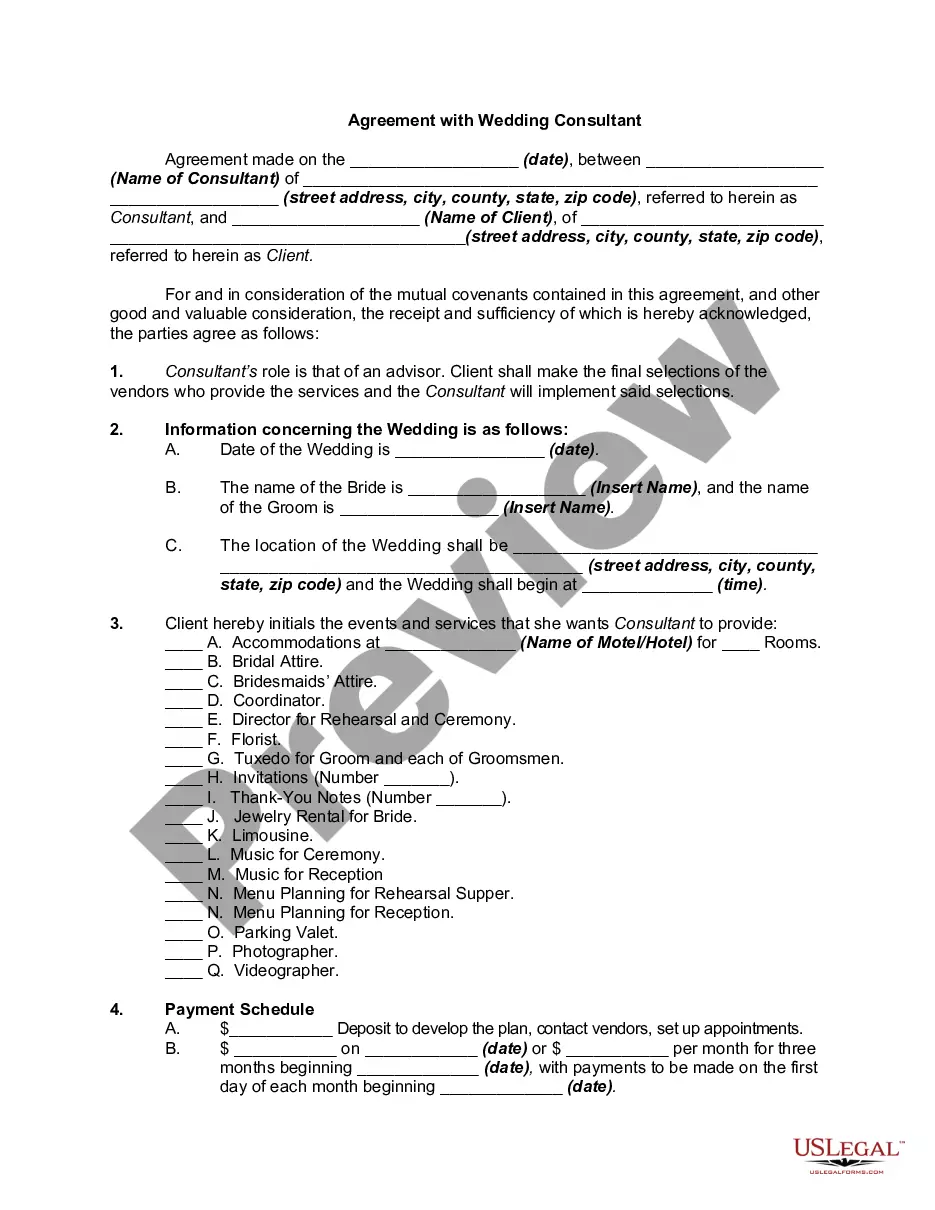
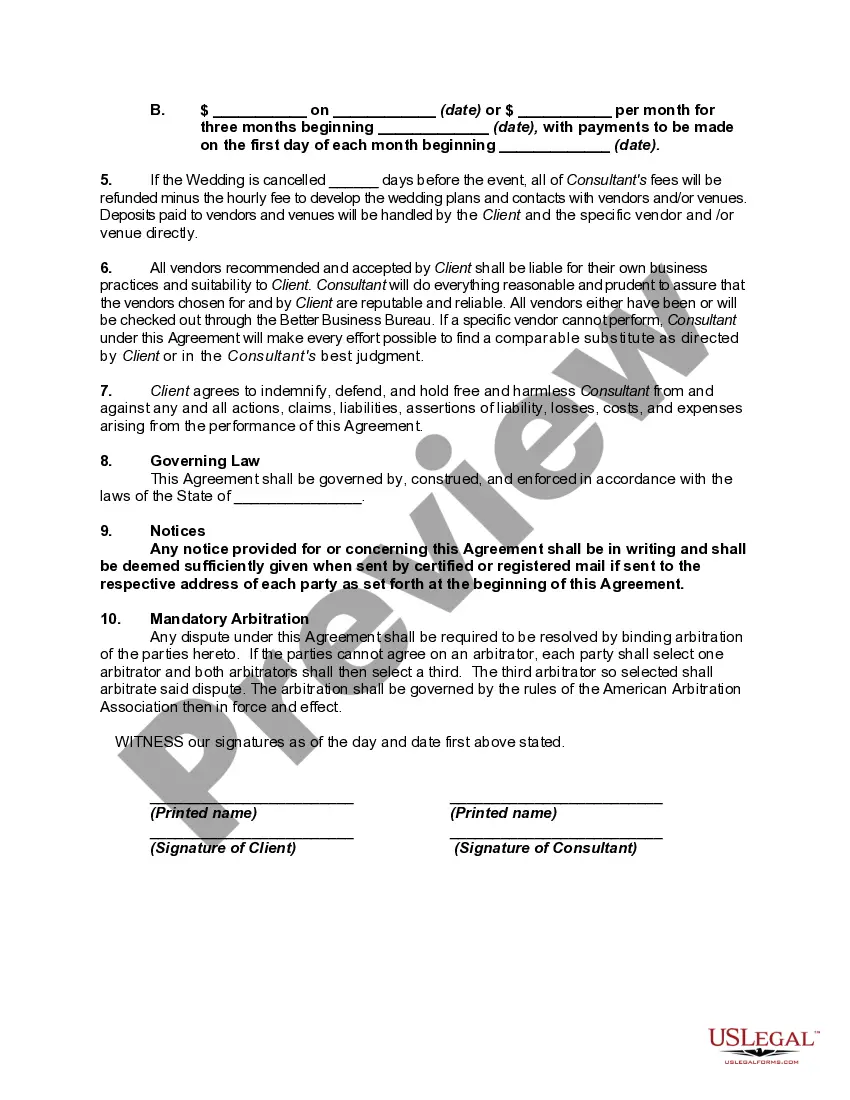
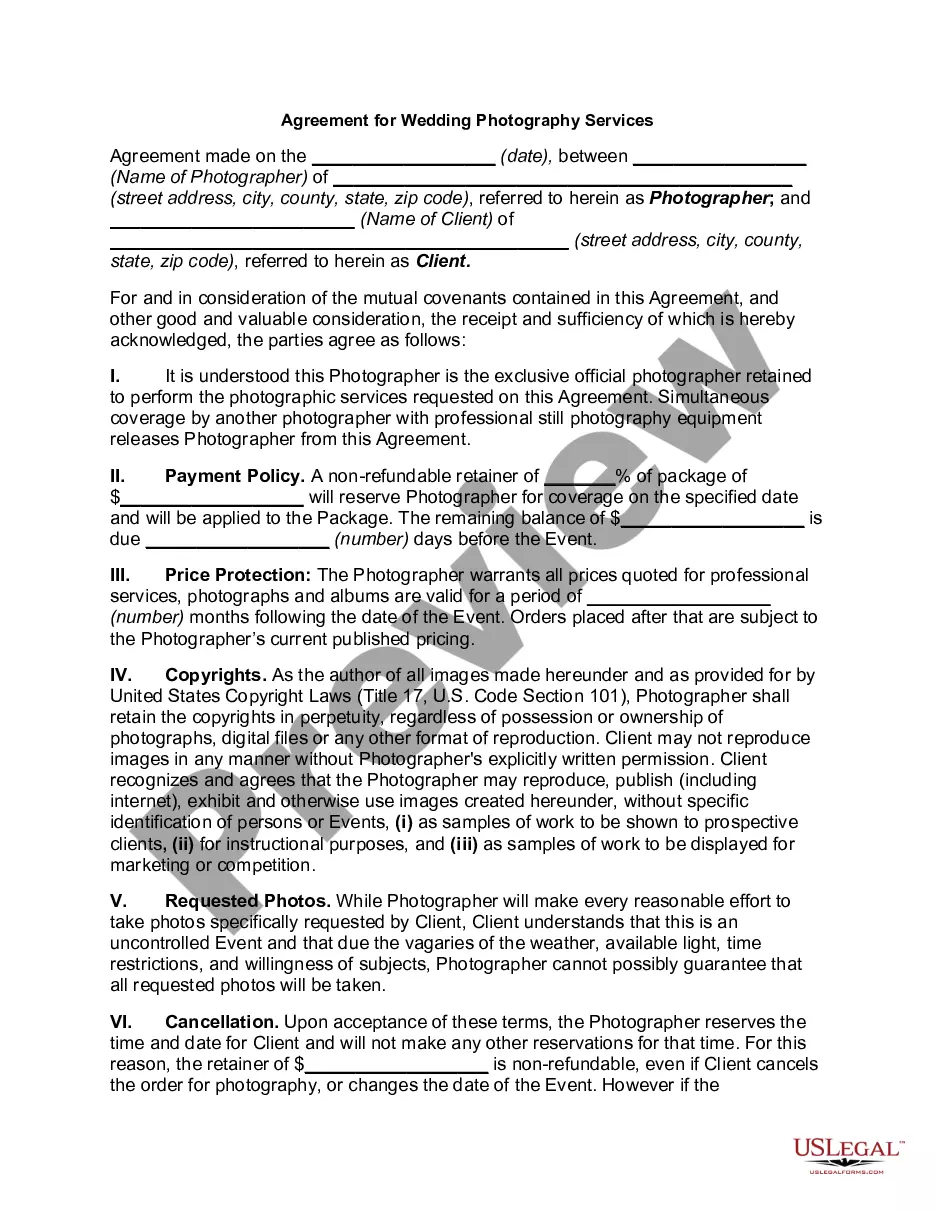
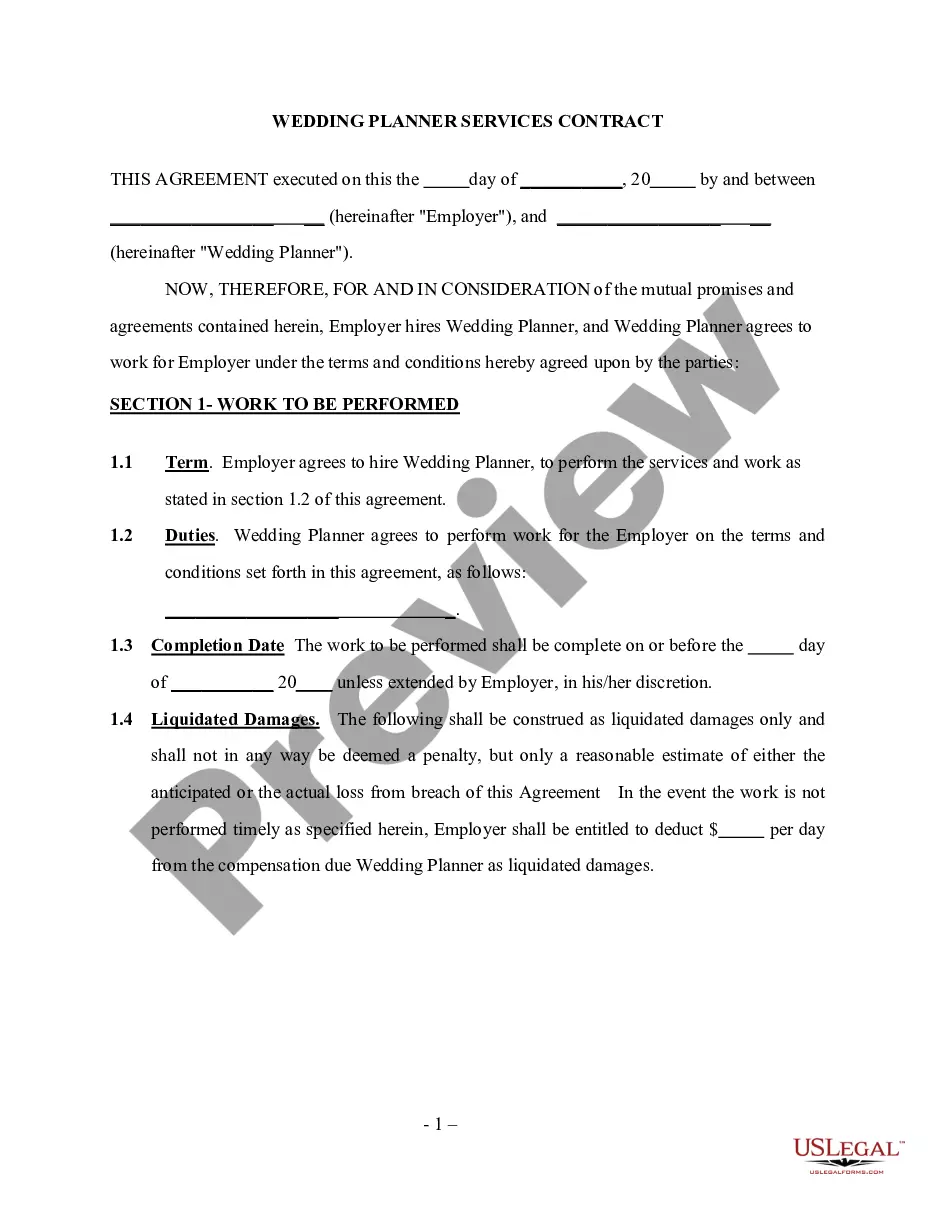
Description
Get your form ready online
Our built-in tools help you complete, sign, share, and store your documents in one place.
Make edits, fill in missing information, and update formatting in US Legal Forms—just like you would in MS Word.
Download a copy, print it, send it by email, or mail it via USPS—whatever works best for your next step.
Sign and collect signatures with our SignNow integration. Send to multiple recipients, set reminders, and more. Go Premium to unlock E-Sign.
If this form requires notarization, complete it online through a secure video call—no need to meet a notary in person or wait for an appointment.
We protect your documents and personal data by following strict security and privacy standards.

Make edits, fill in missing information, and update formatting in US Legal Forms—just like you would in MS Word.

Download a copy, print it, send it by email, or mail it via USPS—whatever works best for your next step.

Sign and collect signatures with our SignNow integration. Send to multiple recipients, set reminders, and more. Go Premium to unlock E-Sign.

If this form requires notarization, complete it online through a secure video call—no need to meet a notary in person or wait for an appointment.

We protect your documents and personal data by following strict security and privacy standards.
Looking for another form?





How to fill out Agreement With Wedding Consultant, Planner Or Coordinator?
- If you are a returning user, simply log in to your account and locate the wedding agreement template you need. Ensure your subscription is active for a seamless download experience.
- For first-time users, begin by exploring the available forms. Use the Preview mode to read the description and ensure it aligns with your state or local requirements.
- If you find any discrepancies, utilize the Search bar at the top to find the appropriate template that fits your specific situation.
- Once you've selected the suitable document, click on the Buy Now button. Choose a subscription plan that works best for you, and create an account to access the full library.
- Proceed to payment by entering your credit card information or using PayPal for a secure transaction.
- Download your wedding agreement to your device for easy access and completion. You can find this document anytime in your My Forms section.
In conclusion, US Legal Forms provides an extensive library with over 85,000 customizable legal documents, making it easier than ever to create a wedding agreement that suits your needs. By following the steps outlined above, you'll have everything you need to make informed decisions and protect your interests.
Don't wait—visit US Legal Forms today to get started on your wedding agreement!
Form popularity
FAQ
A budget of $5000 can work for a simple and small wedding, making it reasonable if you have clear priorities. This budget necessitates careful planning and decision-making to fit essential elements like venue and catering. To make the most out of your wedding agreement, it is advisable to list out your must-haves and find creative ways to include them without overspending.
Writing a wedding agreement involves outlining key details such as date, venue, guest count, and services needed. Be clear about payment terms, cancellation policies, and any deposits required. Using platforms like US Legal Forms can provide you with reliable templates to draft a professional agreement, ensuring you cover all critical aspects to avoid misunderstandings.
For a 100-person wedding, a budget between $20,000 and $30,000 is generally reasonable but can vary based on location and services. This estimate should cover catering, venue, decorations, and entertainment. When creating your wedding agreement, itemize each element to ensure all necessary aspects fit within your total budget. Researching and comparing potential costs will also enhance your planning process.
A budget of $5000 can cover a small, intimate wedding, depending on your location and preferences. This amount often includes essential items such as the venue, officiant, and basic decor. To make the most of your wedding agreement, prioritize your needs and focus on areas that matter most to you. Exploring budget-friendly options can help stretch your funds further.
In California, medical cardholders can grow up to six plants for personal use, as permitted by state law. However, local jurisdictions may impose further restrictions, so be sure to check local regulations. Having a medical card allows for some legal protections, but growing must be done in compliance with the law. A well-drafted Weddıng agreement can help clarify rights and responsibilities when sharing your harvest.
In California, adults aged 21 and over can legally possess up to one ounce of cannabis. When it comes to cultivation, licensed growers can cultivate a specific number of plants based on their license type. Understanding these limitations ensures you remain compliant with the law. If you're considering partnerships, having a solid Weddıng agreement in place can safeguard your interests.
With a cultivation license in California, the number of plants you can grow typically ranges from 6 to 99, depending on the license type. It's vital to assess which category your growth plans fall into. Make sure to stay compliant with local regulations, as they can fluctuate. Incorporating a Weddıng agreement can help ensure all parties are aware of these limits.
The length of a sentence for cannabis-related offenses varies by the specific crime and individual circumstances. Factors include the quantity of cannabis involved and prior criminal history. Knowing the legal landscape is crucial, and consulting with legal experts can help guide you. If you’re drafting a Weddıng agreement, it is wise to include clauses that address compliance with relevant laws.
Home growers generally cannot sell their product to dispensaries unless they have a specific license permitting such sales. California law requires licensed cultivators to meet certain criteria before selling cannabis. If you're considering this route, familiarize yourself with the licensing process and regulations. Establishing a Weddıng agreement can provide clarity on any partnerships you may pursue in the future.
Obtaining a cultivation license in California can be challenging due to stringent regulations and requirements. You'll need to prepare documentation that demonstrates your capability to operate within the legal framework. A thorough understanding of local ordinances is essential, and leveraging resources like the US Legal Forms platform may simplify the process for you. A comprehensive Weddıng agreement can help outline the responsibilities involved.