Probate Of Will In India
Description
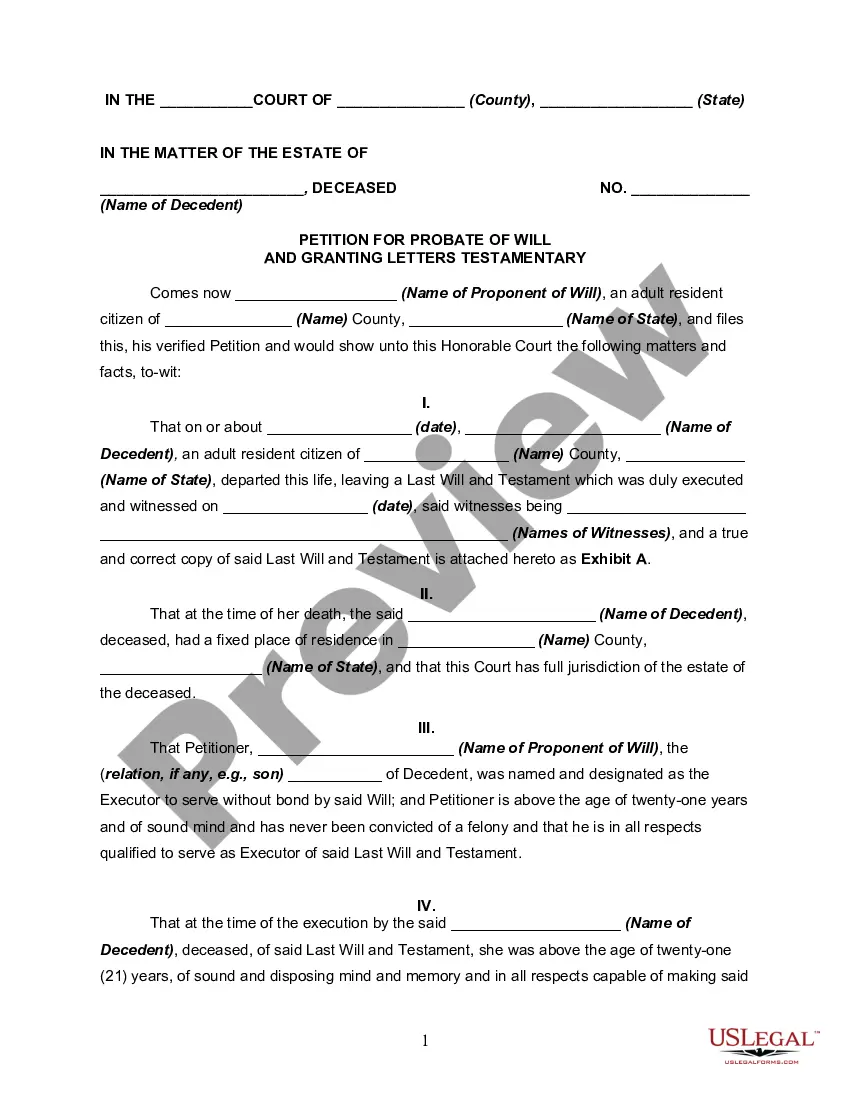

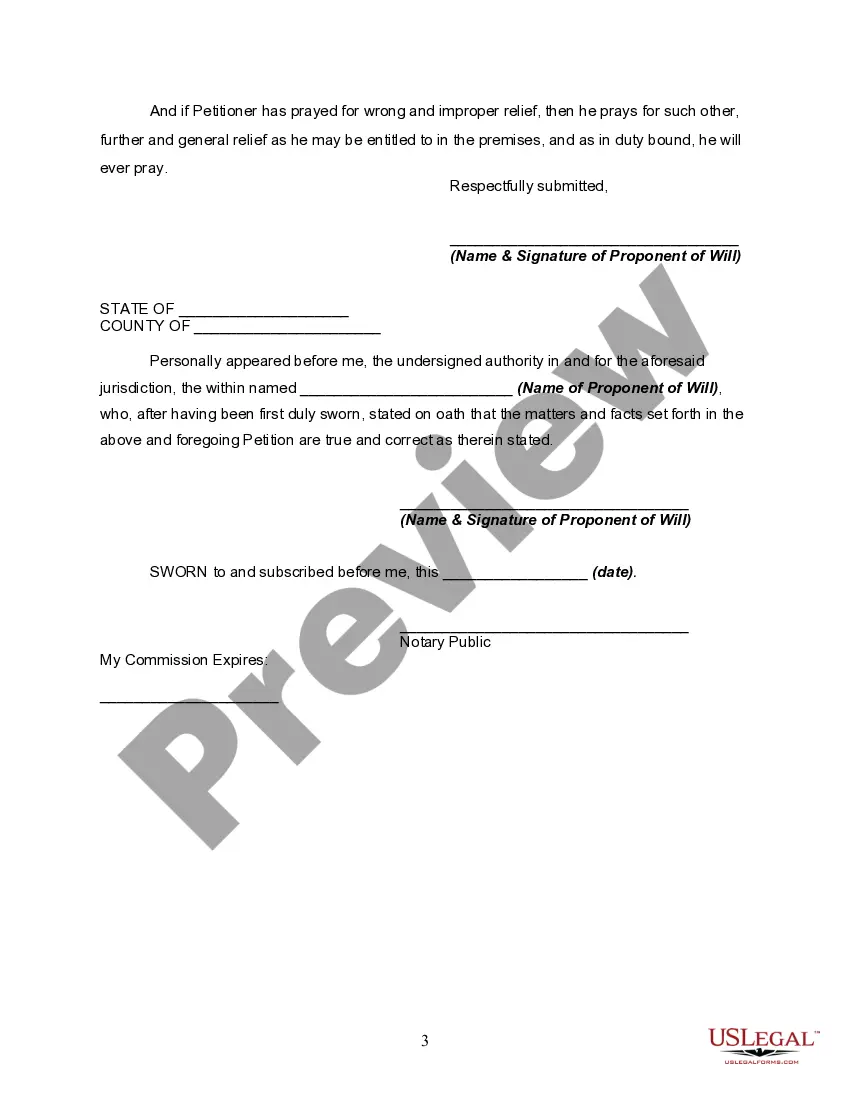
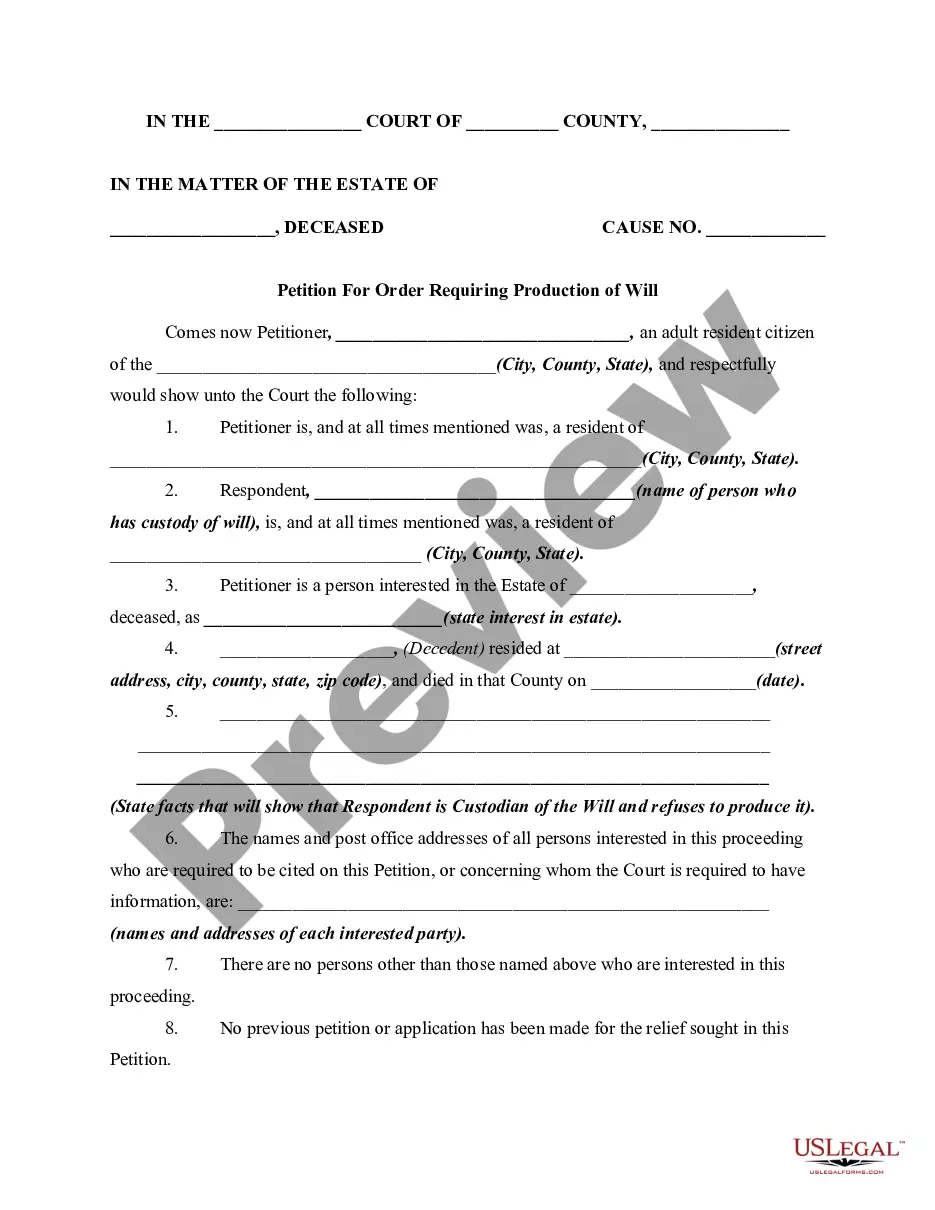

Get your form ready online
Our built-in tools help you complete, sign, share, and store your documents in one place.
Make edits, fill in missing information, and update formatting in US Legal Forms—just like you would in MS Word.
Download a copy, print it, send it by email, or mail it via USPS—whatever works best for your next step.
Sign and collect signatures with our SignNow integration. Send to multiple recipients, set reminders, and more. Go Premium to unlock E-Sign.
If this form requires notarization, complete it online through a secure video call—no need to meet a notary in person or wait for an appointment.
We protect your documents and personal data by following strict security and privacy standards.

Make edits, fill in missing information, and update formatting in US Legal Forms—just like you would in MS Word.

Download a copy, print it, send it by email, or mail it via USPS—whatever works best for your next step.

Sign and collect signatures with our SignNow integration. Send to multiple recipients, set reminders, and more. Go Premium to unlock E-Sign.

If this form requires notarization, complete it online through a secure video call—no need to meet a notary in person or wait for an appointment.

We protect your documents and personal data by following strict security and privacy standards.
Looking for another form?
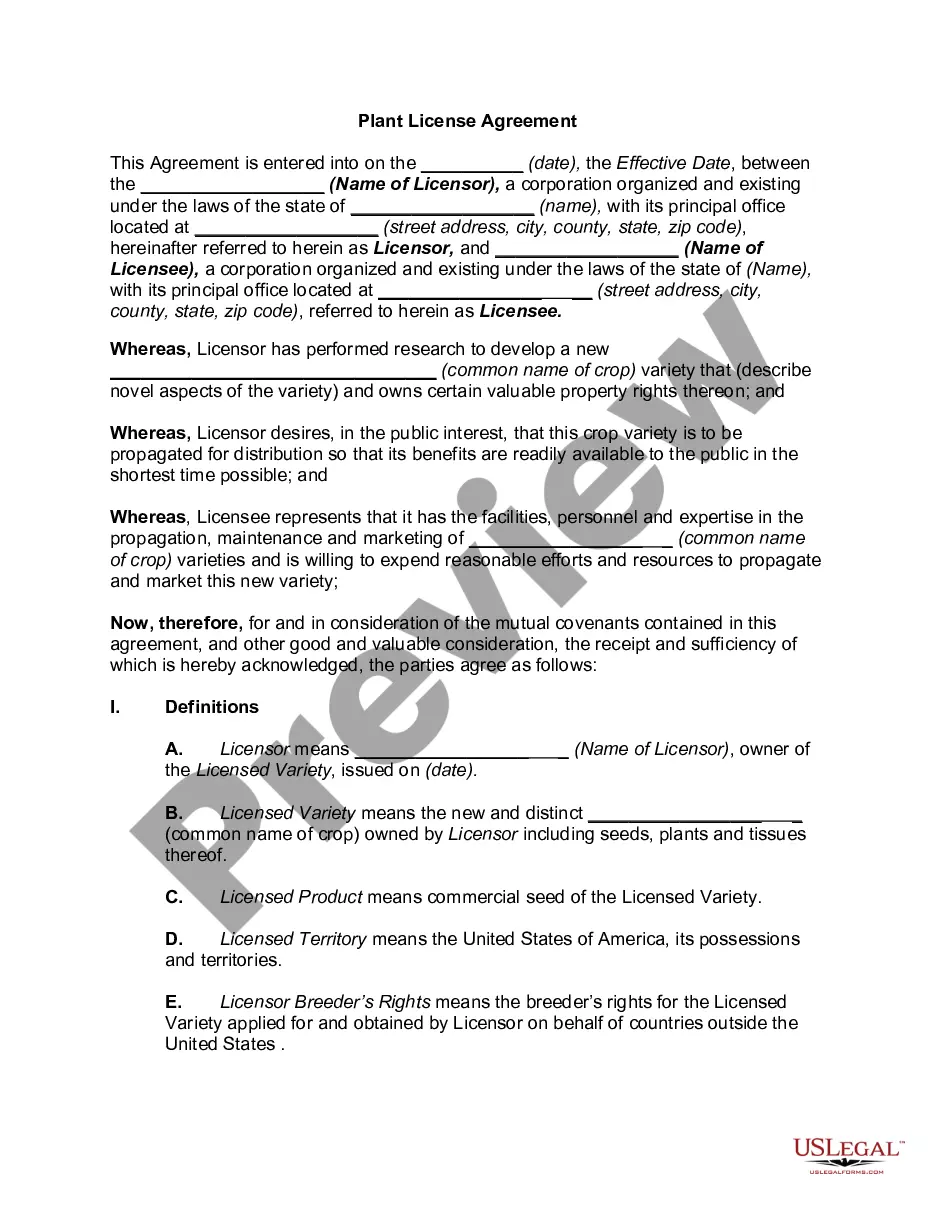
How to fill out Petition To Probate Lost Will?
Whether for commercial reasons or for private issues, everyone has to manage legal circumstances eventually in their life.
Filling out legal documents requires careful consideration, starting from choosing the right form template.
With a comprehensive US Legal Forms catalog at your disposal, you never have to waste time searching for the correct template online. Utilize the library’s easy navigation to find the suitable form for any circumstance.
- For example, if you select an incorrect version of a Probate Of Will In India, it will be rejected once you submit it.
- It is therefore crucial to have a dependable source of legal forms like US Legal Forms.
- If you need to acquire a Probate Of Will In India template, follow these simple steps.
- Obtain the template you require using the search bar or catalog browsing.
- Review the form’s details to ensure it corresponds with your circumstance, state, and area.
- Click on the form’s preview to examine it.
- If it is not the right document, return to the search feature to locate the Probate Of Will In India example you need.
- Acquire the file if it meets your specifications.
- If you already possess a US Legal Forms account, simply click Log in to access previously stored templates in My documents.
- If you do not have an account yet, you can get the form by clicking Buy now.
- Choose the appropriate pricing option.
- Complete the account registration form.
- Select your payment method: you can use a credit card or PayPal.
- Choose the document format you prefer and download the Probate Of Will In India.
- Once it is downloaded, you can fill out the form using editing software or print it and complete it manually.
Form popularity
FAQ
Transferring property before probate in India is often complicated but possible under certain conditions. If the deceased's property is jointly owned or has clear beneficiaries, you may proceed with the transfer. However, this can be risky without obtaining the probate of will in India, so legal advice is recommended for a smooth process.
In India, you typically have up to three years from the date of death to file for probate. This timeline is essential to ensure that the deceased's estate is managed according to their wishes. Delaying the probate of will in India may complicate the distribution of assets, so it is wise to file as soon as possible.
Yes, property can be transferred without probate in India under specific circumstances, such as by utilizing a registered will or through gift deeds. These options help in transferring property seamlessly without undergoing the probate of will in India process. Knowing your options can make property transfer much easier for you.
To transfer a deed without probate, you can utilize mechanisms like transfer on death provisions or joint tenancy arrangements. These methods bypass the probate of will in India, allowing for a direct transfer of ownership. It's crucial to consult with legal professionals to ensure all documents are correctly prepared and executed.
Probate is not required under certain conditions in India, such as when the deceased did not own significant assets or the assets are covered under survivorship laws. Additionally, if the will does not include any movable or immovable properties, probate of will in India may not be necessary. Understanding these exceptions can simplify the legal estate process for you.
In India, after the death of an individual, you typically have 12 months to transfer property. This is crucial for ensuring the deceased's wishes are respected and legal ownership is established. However, if probate of will in India is involved, the process may take longer. It is advisable to act promptly to avoid complications.
The time it takes to probate a will in India can vary significantly based on the complexity of the estate and any potential disputes among heirs. Typically, the process may take anywhere from a few months to several years. To expedite proceedings, consider using platforms like uslegalforms, which can help you gather and submit the necessary documentation efficiently for the probate of will in India.
In India, there is no strict time limit regarding how long you have to probate a will after the death of the testator. However, it is advisable to initiate the probate process as soon as possible, as delays can lead to complications or disputes among heirs. By acting promptly, you can ensure that the probate of will in India proceeds smoothly and efficiently.
Avoiding probate in India can often simplify the process of asset transfer. One effective method is to create a living trust, which allows assets to be transferred without entering probate. Another option is to designate beneficiaries for financial accounts or properties. By utilizing these strategies, you can minimize complications related to the probate of will in India.
To obtain probate of a will in India, you need to file a petition in the appropriate High Court where the deceased lived. This petition should include the original will and details about the deceased's assets and heirs. After submitting the required documents, the court will conduct a hearing, allowing interested parties to present their objections. Once all formalities are completed, the court will issue the probate of will in India, validating the will.