Grant Of Probate Without A Will
Description
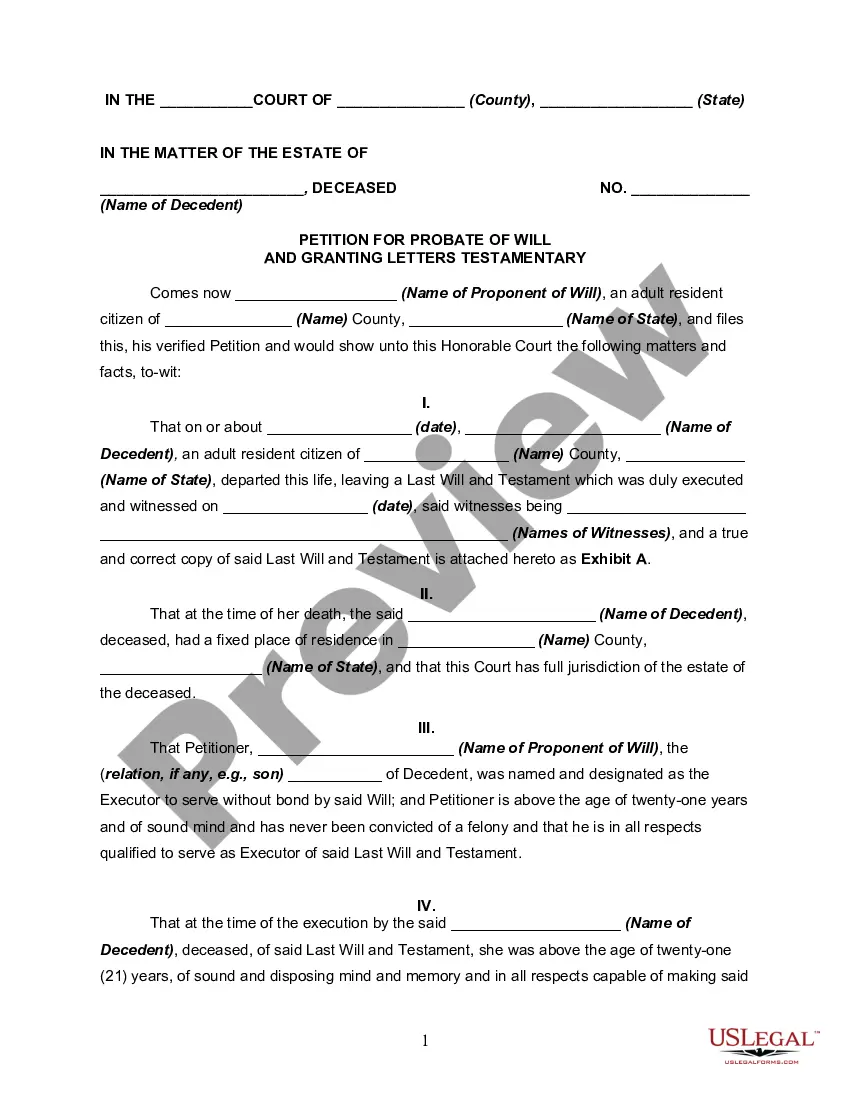
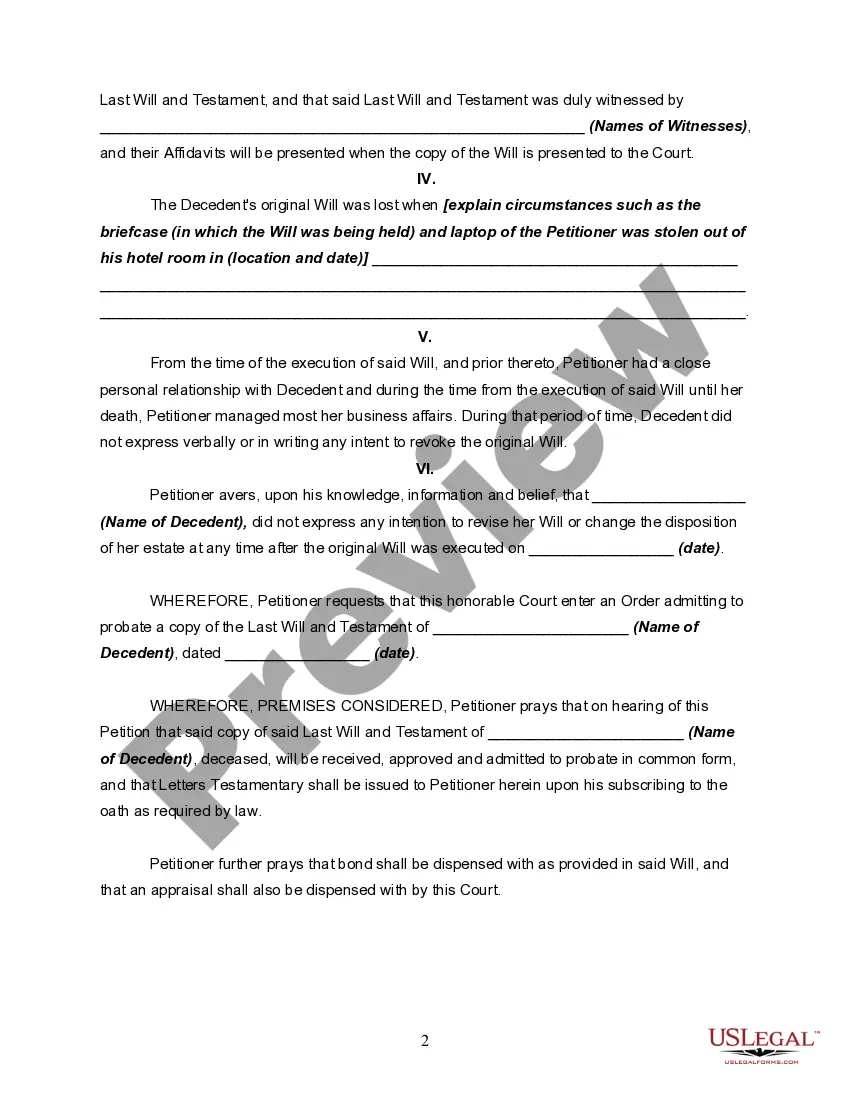
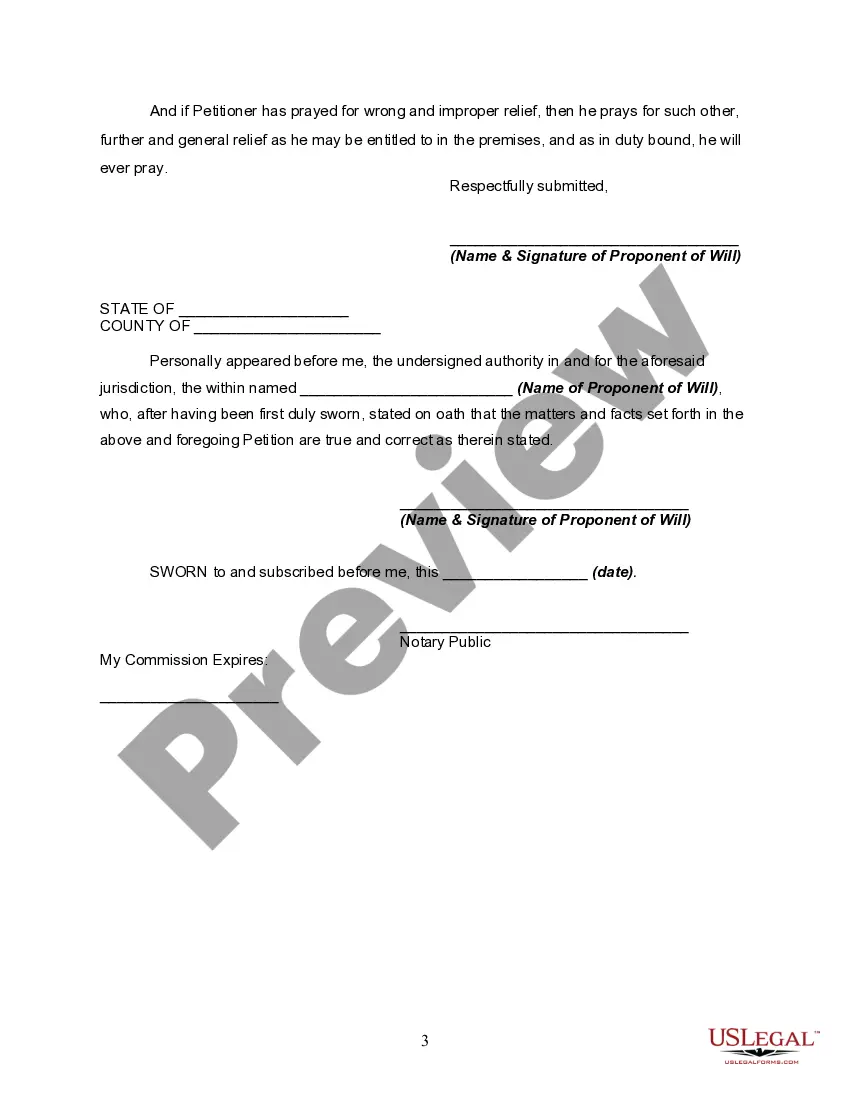
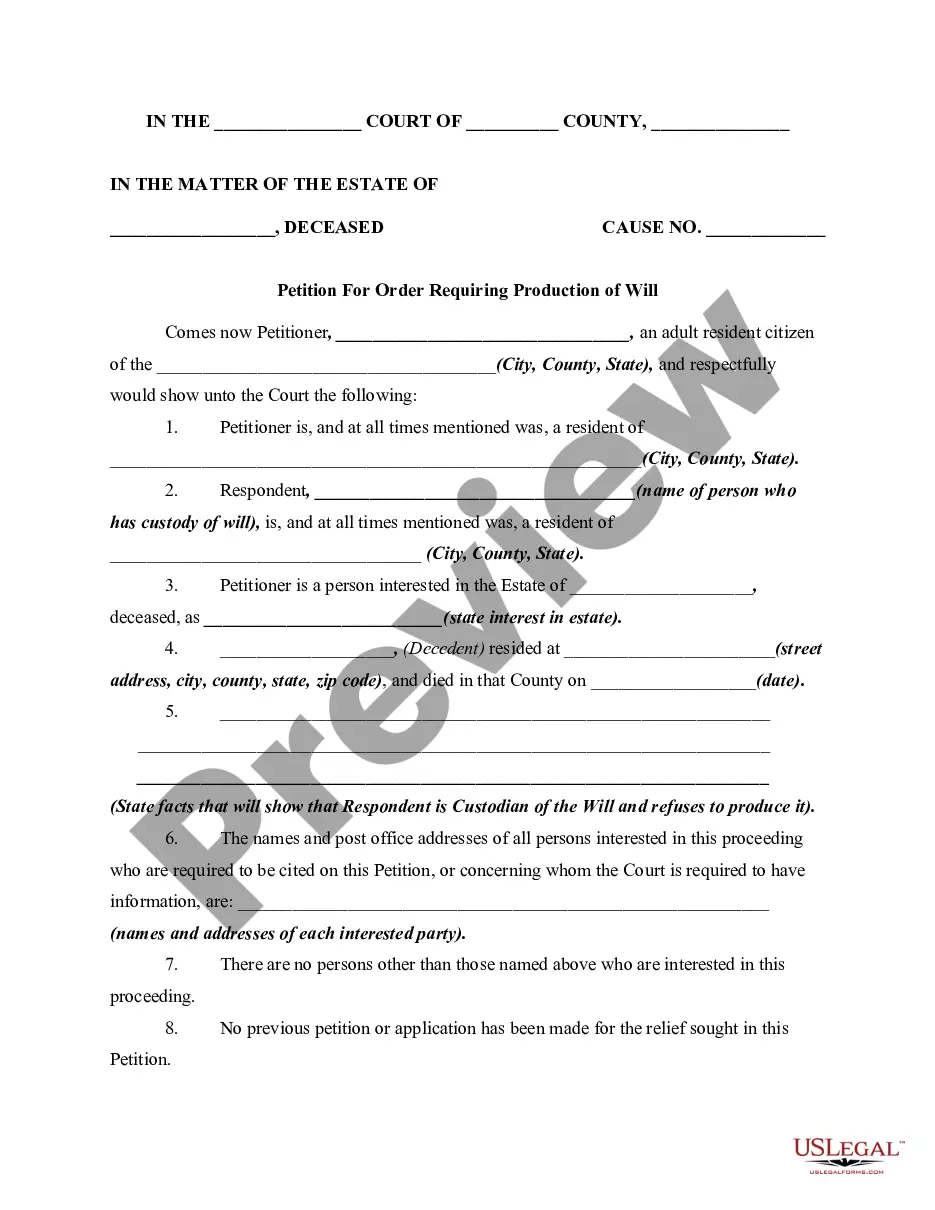

Get your form ready online
Our built-in tools help you complete, sign, share, and store your documents in one place.
Make edits, fill in missing information, and update formatting in US Legal Forms—just like you would in MS Word.
Download a copy, print it, send it by email, or mail it via USPS—whatever works best for your next step.
Sign and collect signatures with our SignNow integration. Send to multiple recipients, set reminders, and more. Go Premium to unlock E-Sign.
If this form requires notarization, complete it online through a secure video call—no need to meet a notary in person or wait for an appointment.
We protect your documents and personal data by following strict security and privacy standards.

Make edits, fill in missing information, and update formatting in US Legal Forms—just like you would in MS Word.

Download a copy, print it, send it by email, or mail it via USPS—whatever works best for your next step.

Sign and collect signatures with our SignNow integration. Send to multiple recipients, set reminders, and more. Go Premium to unlock E-Sign.

If this form requires notarization, complete it online through a secure video call—no need to meet a notary in person or wait for an appointment.

We protect your documents and personal data by following strict security and privacy standards.
Looking for another form?










How to fill out Petition To Probate Lost Will?
It’s well known that you cannot become a legal authority instantly, nor can you quickly learn how to efficiently create a Grant Of Probate Without A Will without having a specific set of skills. Compiling legal documents is a labor-intensive task that demands particular education and expertise.
So why not entrust the drafting of the Grant Of Probate Without A Will to the professionals.
With US Legal Forms, featuring one of the most comprehensive collections of legal documents, you can discover everything from court forms to templates for internal communication.
If you need another document, restart your search.
Create a free account and choose a subscription plan to purchase the template. Click Buy now. Once your payment is completed, you can download the Grant Of Probate Without A Will, complete it, print it, and send or deliver it to the appropriate parties.
- We recognize how vital adherence to federal and state regulations is.
- This is why all templates in our system are tailored to specific locations and are current.
- Begin your journey at our site to obtain the document you need within moments.
- Locate the form you’re seeking using the search field at the top of the site.
- If the preview option is available, review it and examine the accompanying description to determine if Grant Of Probate Without A Will is indeed what you require.
Form popularity
FAQ
To prove the executor of an estate without a will, interested parties must follow the state's intestacy laws. In most cases, the court appoints an administrator who manages the estate according to the law. This process often involves obtaining a grant of probate without a will to validate the appointed administrator’s authority. Utilizing platforms like uslegalforms can guide you in navigating this complex process efficiently.
In Minnesota, when there is no will, the laws of intestacy determine who inherits. Typically, the decedent's spouse and children have priority and will receive the estate. If there are no surviving spouse or children, parents or siblings may inherit next. To facilitate this process, a grant of probate without a will may be necessary to appoint an administrator.
Filing for a grant of probate without a will can seem daunting, but it is manageable. Start by gathering the necessary documents, including the death certificate and any assets belonging to the deceased. Next, complete the relevant forms required by the probate court in your state. It is crucial to follow the legal procedures accurately, and using platforms like US Legal Forms can simplify the process by providing the correct forms and guidance tailored to your situation.
If there is no will in New Jersey, the inheritance follows the state's intestacy laws. Typically, the spouse and children inherit first, and if none exist, other relatives may benefit. It’s essential to initiate a grant of probate without a will to facilitate this process and address potential claims from various family members. Understanding the rules can help navigate these challenges.
In New Jersey, you should file for probate within nine months after the date of death when there is no will. Timely filing is crucial to avoid complications in asset distribution. A grant of probate without a will is necessary to start this legal process and ensure that the estate is handled correctly. Being aware of this timeline can save you time and effort.
In New Jersey, the next of kin typically includes the spouse, children, parents, and siblings. If there is a will, the decedent's wishes may take precedence. But if there is no will, intestacy laws will guide the inheritance process. Understanding this hierarchy is essential when seeking a grant of probate without a will.
An executor cannot solely decide who inherits if there is no will. Instead, state intestacy laws dictate the distribution of assets. However, the executor is responsible for ensuring that the distribution follows these laws, often with guidance from the grant of probate without a will. Knowing this can simplify the responsibilities of an executor.
In Indiana, probate is triggered when someone dies with assets in their name solely. This means if the deceased had real estate, personal belongings, or financial accounts, probate will likely be necessary. Normally, a grant of probate without a will is sought to manage and distribute these assets legally. It's vital to understand this process to ensure rightful claims.
Yes, if you have no will in New Jersey, you can still inherit property through the state's intestacy laws. Your inheritance depends on your relation to the deceased. This process may require obtaining a grant of probate without a will to facilitate asset distribution efficiently. It’s crucial to understand your rights in this situation.
When someone passes away in Georgia without a will, the state’s intestacy laws govern the distribution of their assets. Typically, the surviving spouse and children take priority. If there are no descendants, parents and siblings may receive inheritance. Seeking guidance on the grant of probate without a will can provide clarity on this process.