To Whom It May Concern Letter
Description
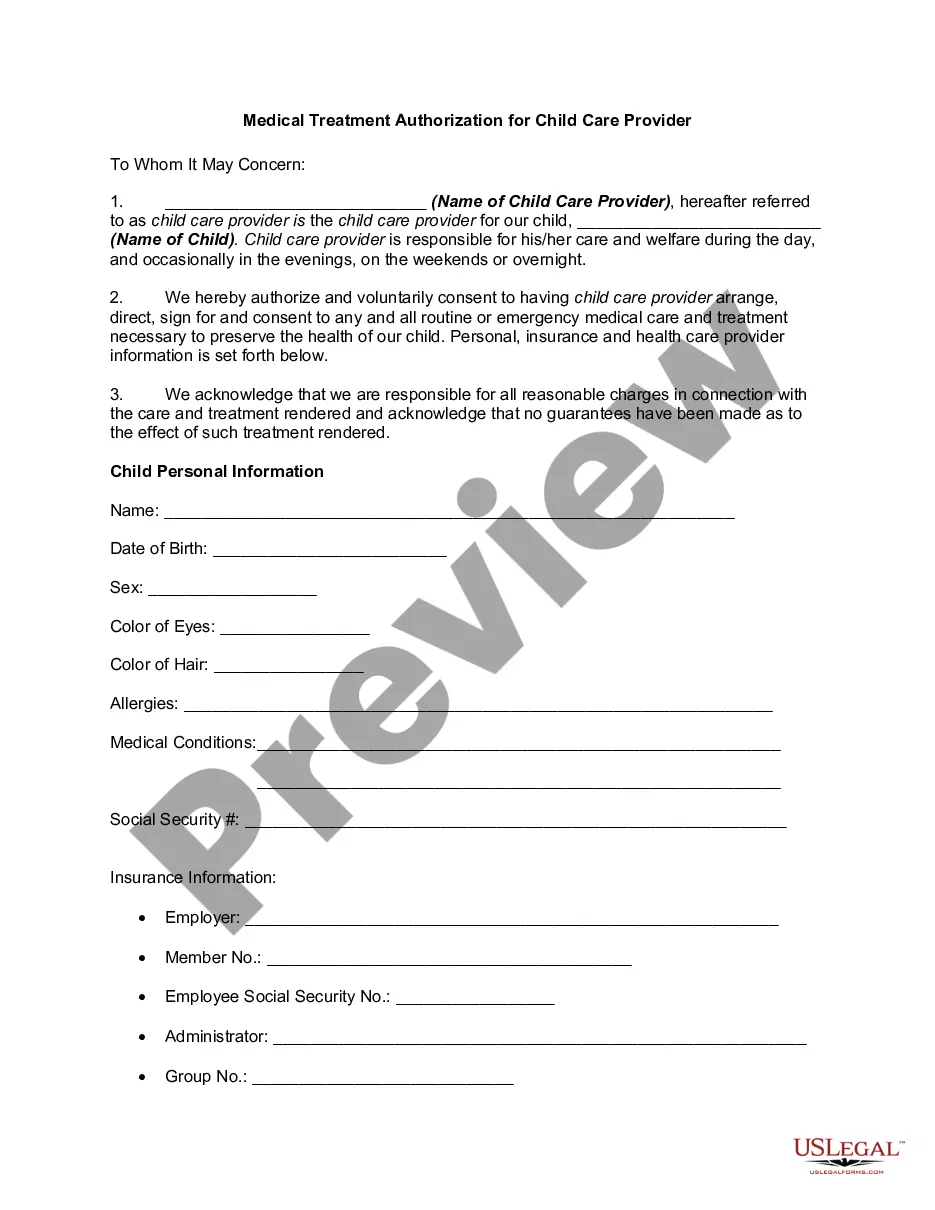

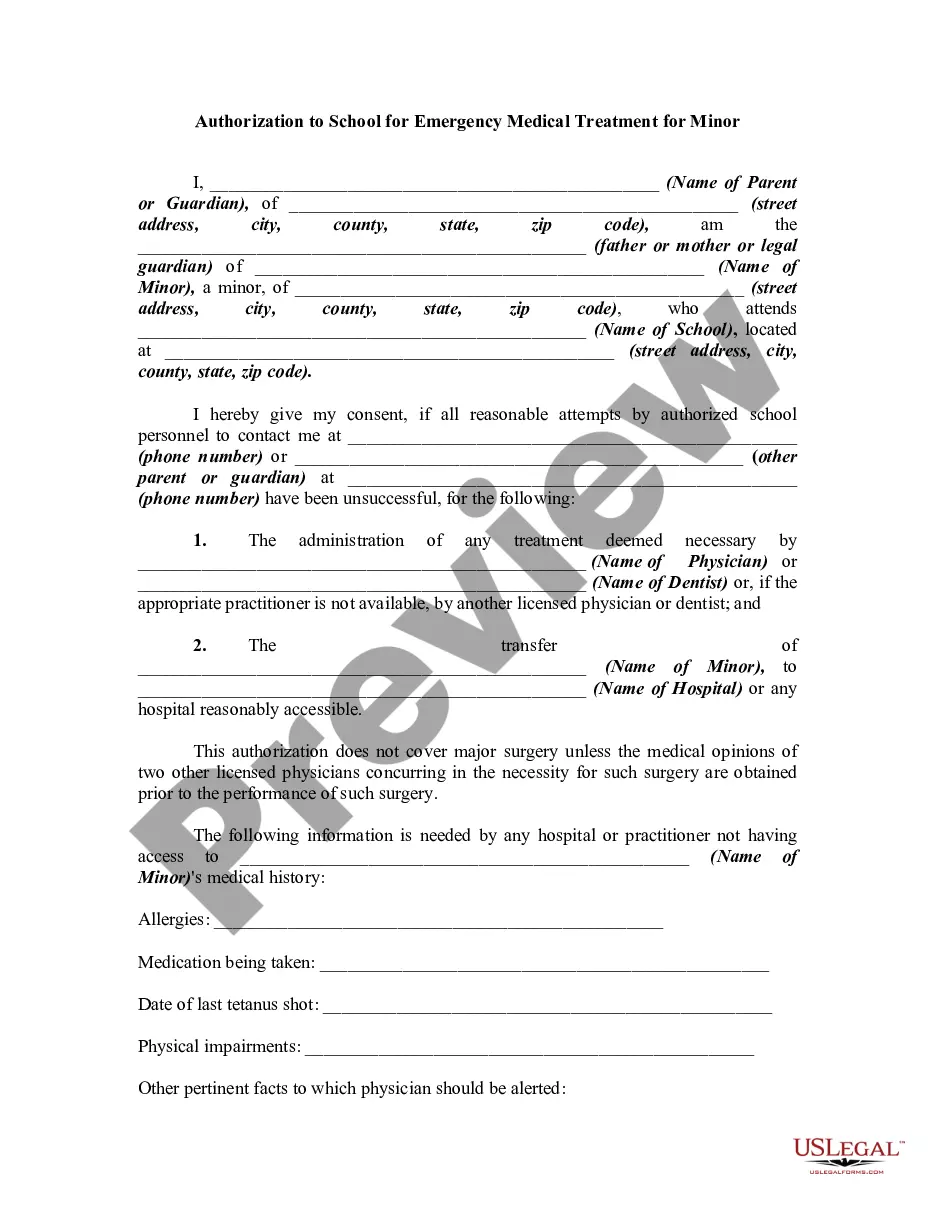
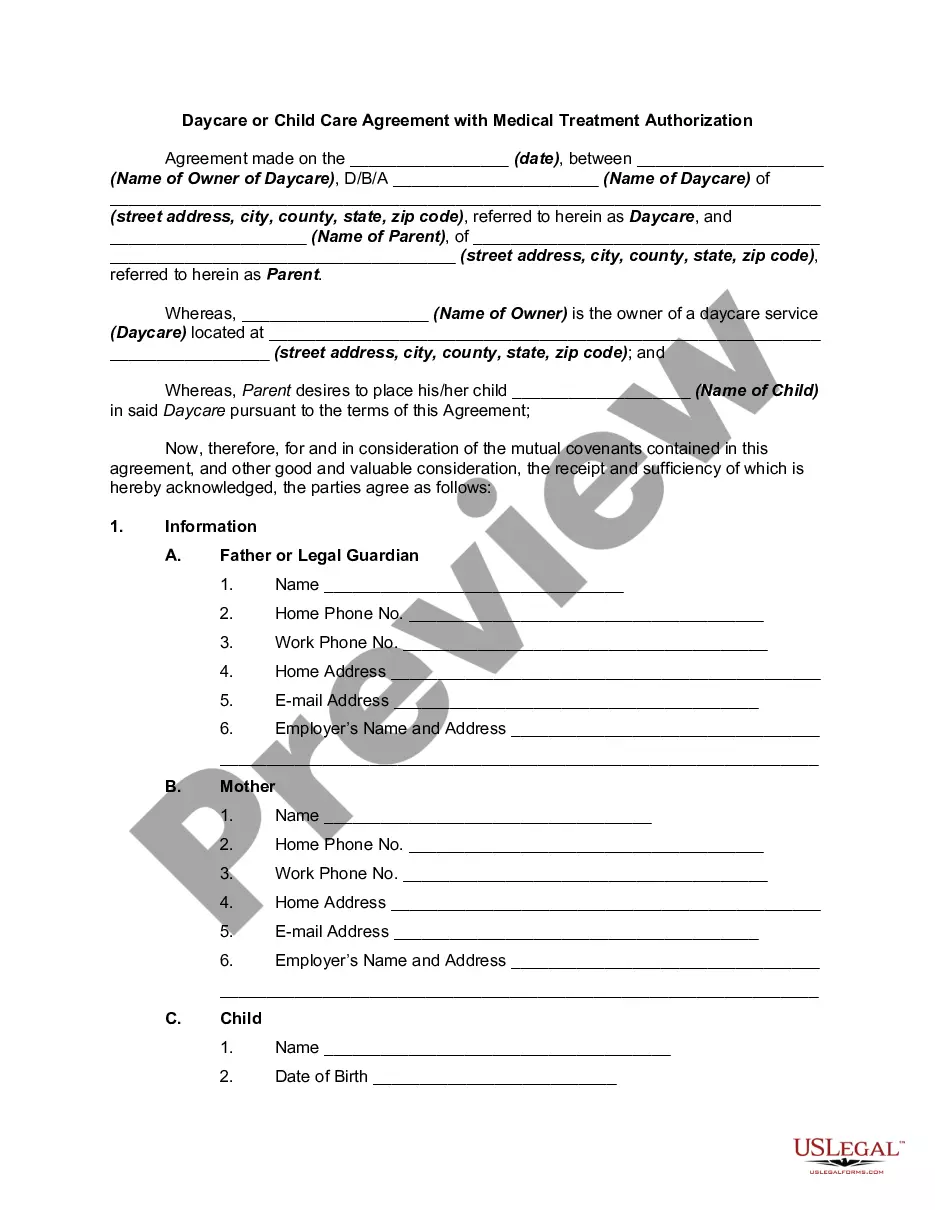
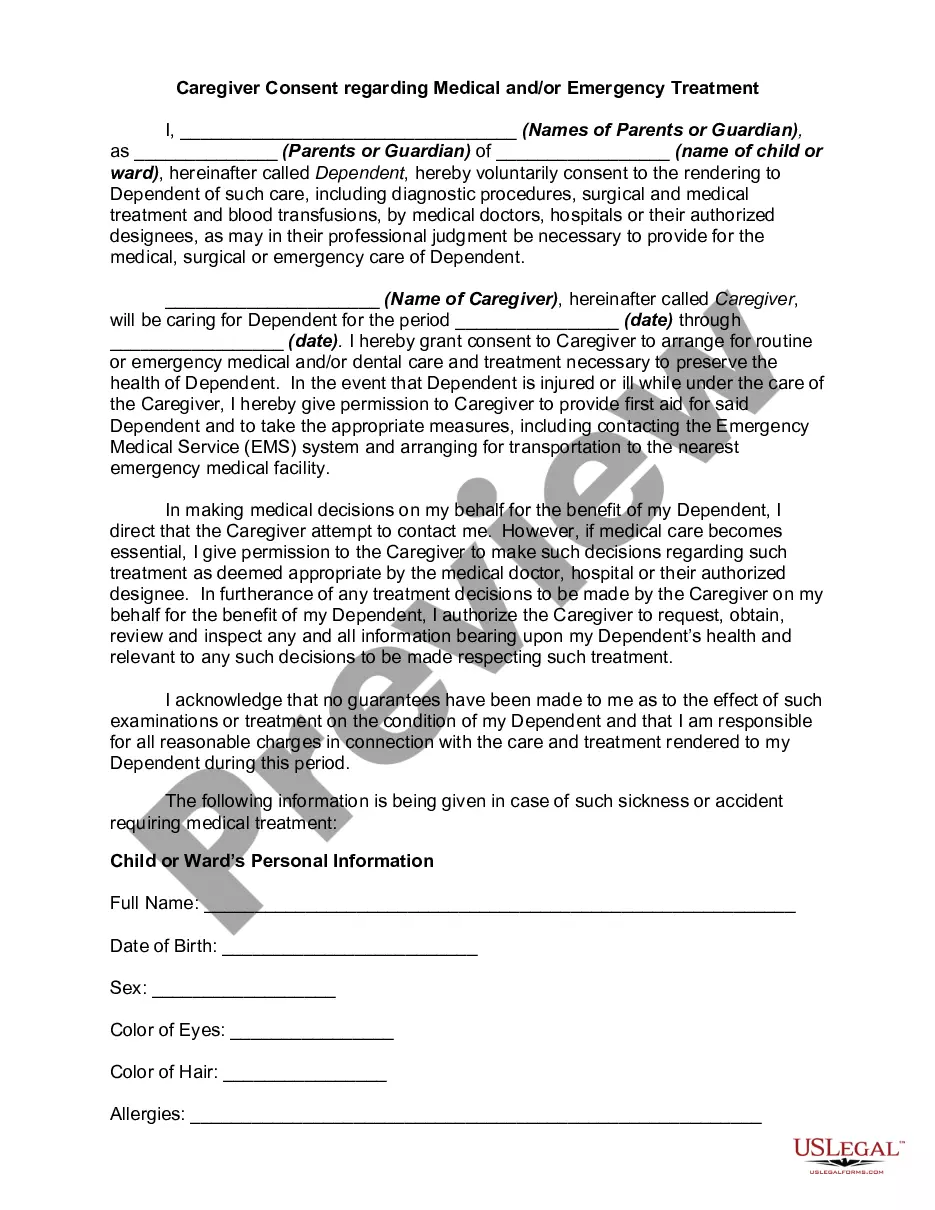
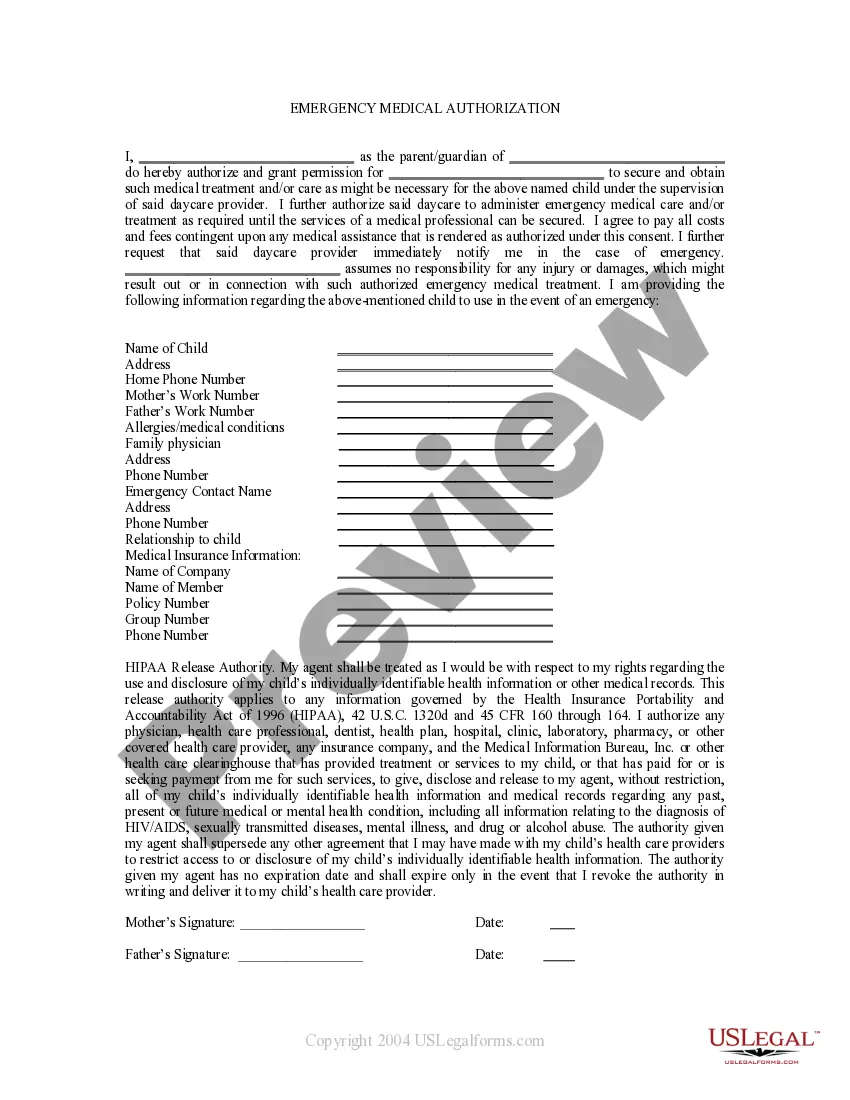
Get your form ready online
Our built-in tools help you complete, sign, share, and store your documents in one place.
Make edits, fill in missing information, and update formatting in US Legal Forms—just like you would in MS Word.
Download a copy, print it, send it by email, or mail it via USPS—whatever works best for your next step.
Sign and collect signatures with our SignNow integration. Send to multiple recipients, set reminders, and more. Go Premium to unlock E-Sign.
If this form requires notarization, complete it online through a secure video call—no need to meet a notary in person or wait for an appointment.
We protect your documents and personal data by following strict security and privacy standards.

Make edits, fill in missing information, and update formatting in US Legal Forms—just like you would in MS Word.

Download a copy, print it, send it by email, or mail it via USPS—whatever works best for your next step.

Sign and collect signatures with our SignNow integration. Send to multiple recipients, set reminders, and more. Go Premium to unlock E-Sign.

If this form requires notarization, complete it online through a secure video call—no need to meet a notary in person or wait for an appointment.

We protect your documents and personal data by following strict security and privacy standards.
Looking for another form?
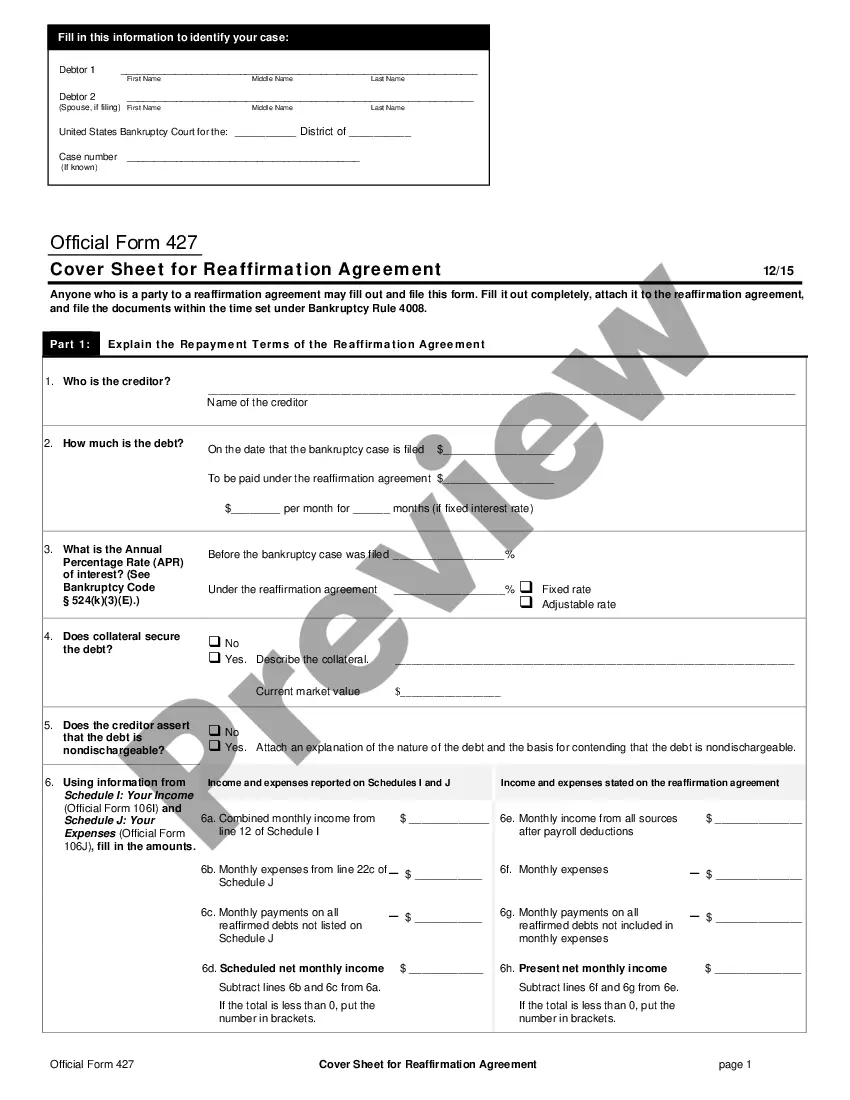






How to fill out Medical Treatment Authorization For Day Care Or Child Care Provider?
- Log in to your US Legal Forms account if you’ve used the service before. Ensure your subscription is active for seamless access.
- If you are a new user, start by browsing the extensive library of over 85,000 legal forms to find the right template for your needs.
- Use the Preview mode to review the form description and confirm it meets your requirements and complies with local jurisdiction.
- If needed, utilize the Search tab to find additional templates that may suit your situation better.
- Once you have the right form, click on 'Buy Now' and choose your preferred subscription plan while creating an account for full access.
- Enter your payment details to complete the transaction and obtain access to the form.
- Download the template directly to your device and access it anytime from 'My Forms' in your profile.
With US Legal Forms, you benefit from a robust collection of documents, outpacing competitors with more forms at a similar cost. Plus, access premium experts for guidance in completing your legal documents correctly.
Now that you know how to obtain your 'To whom it may concern letter,' start the process today and ensure you have the proper documentation ready when needed!
Form popularity
FAQ
Using 'to whom it may concern' is still correct, particularly in formal situations that call for a neutral salutation. Many businesses and organizations continue to accept this phrase in official communications. However, personalization is preferred whenever possible for stronger engagement. Ultimately, in your 'to whom it may concern letter,' maintain professionalism while considering the audience's preferences.
Yes, it is still okay to write 'to whom it may concern,' especially in formal communications where a specific recipient is unknown. This phrase serves as a neutral and respectful opener for various contexts, including legal documents and official correspondence. That said, it is best practice to personalize your greetings whenever possible to enhance your connection with the reader. Whether you choose to adapt it or use it as is, your 'to whom it may concern letter' remains a valid choice.
A more modern way to replace 'to whom it may concern' could be using 'Dear Department/Role' or even just 'Hello' in less formal contexts. This shift towards personalization helps engage the reader more effectively. If your goal is formality and you lack a specific contact, 'to whom it may concern' remains an acceptable choice. After all, your 'to whom it may concern letter' is still relevant in many situations.
The correct grammar for 'to whom it may concern' is to keep the phrase intact as it is grammatically correct in formal settings. The use of 'whom' is appropriate because it refers to an object, making it ideal for a formal introduction. By sticking to this traditional form, your 'to whom it may concern letter' can maintain a high level of professionalism. You can trust that using this phrase correctly enhances your communication.
To write 'to whom it may concern' correctly, start with the phrase at the top of your letter or email, followed by a colon. It’s essential to ensure the capitalization is correct, as it shows respect for formal writing. Additionally, make sure to follow this salutation with a concise message that clearly conveys your intent. This establishes clarity and professionalism in your 'to whom it may concern letter.'
The modern version of 'to whom it may concern' is often a more personalized greeting, such as addressing a specific name or title. Instead of using a generic salutation, consider researching who will read your letter. This approach makes your communication feel more direct and relevant. However, if a specific name is unavailable, using 'to whom it may concern' is still widely accepted as a formal greeting.
To professionally write a 'To Whom It May Concern' letter, maintain a formal tone throughout your document. Begin with the salutation, and follow with a clear introduction of your purpose or request. Conclude with a polite closing, and consider using USLegalForms to ensure that your document meets professional standards and conveys your message effectively.
Starting a cover letter with 'To Whom It May Concern' is often discouraged because it lacks personalization. Employers appreciate knowing that you have made an effort to identify the right person to address. Using a specific name shows diligence and can engage the reader more effectively than a generic salutation.
To write a 'To Whom It May Concern' letter in a cover letter, start with the phrase as your salutation followed by a comma. Ensure that the body of your letter is concise and clearly states your purpose, whether it’s for employment, a reference, or another request. USLegalForms provides templates that can help you create this type of letter effectively.
When concluding a letter that begins with 'To Whom It May Concern', you should use a professional closing such as 'Sincerely' or 'Best regards'. Follow the closing with your name and any relevant contact information. This signature helps maintain professionalism and ensures the recipient knows how to reach you.