Tenant Insurance With Liability
Description
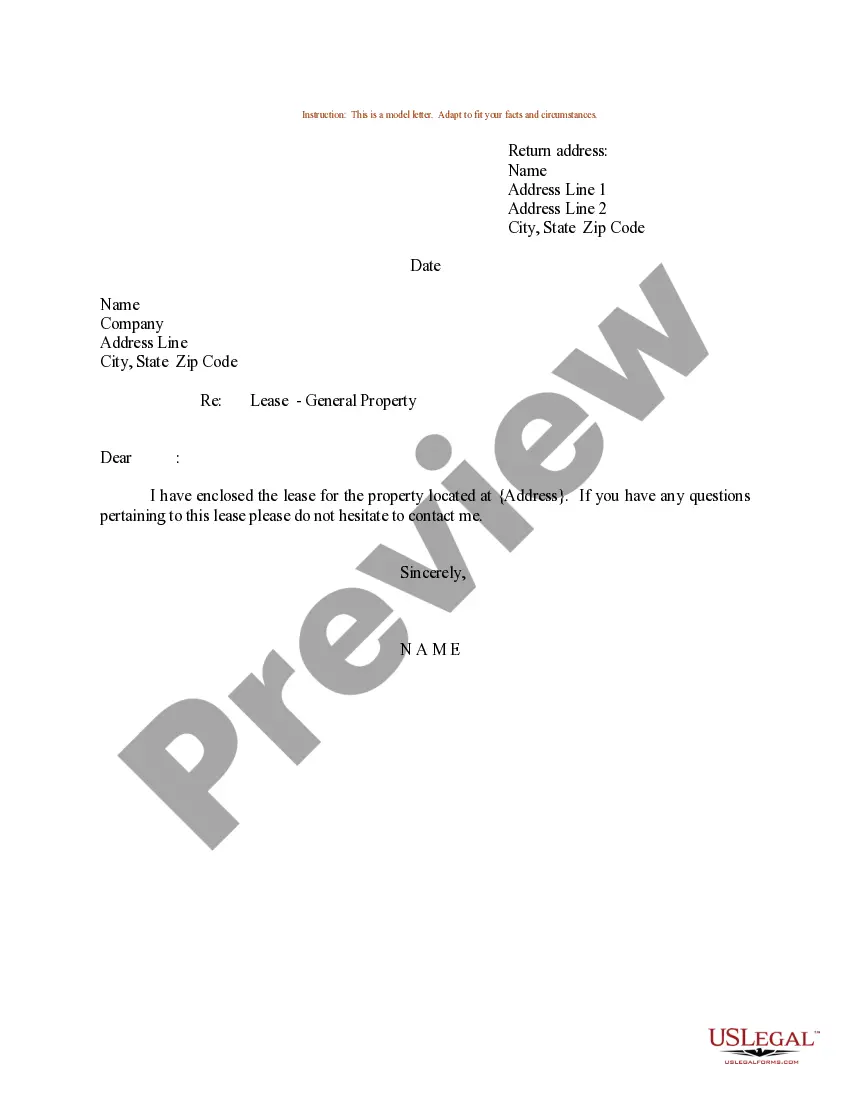
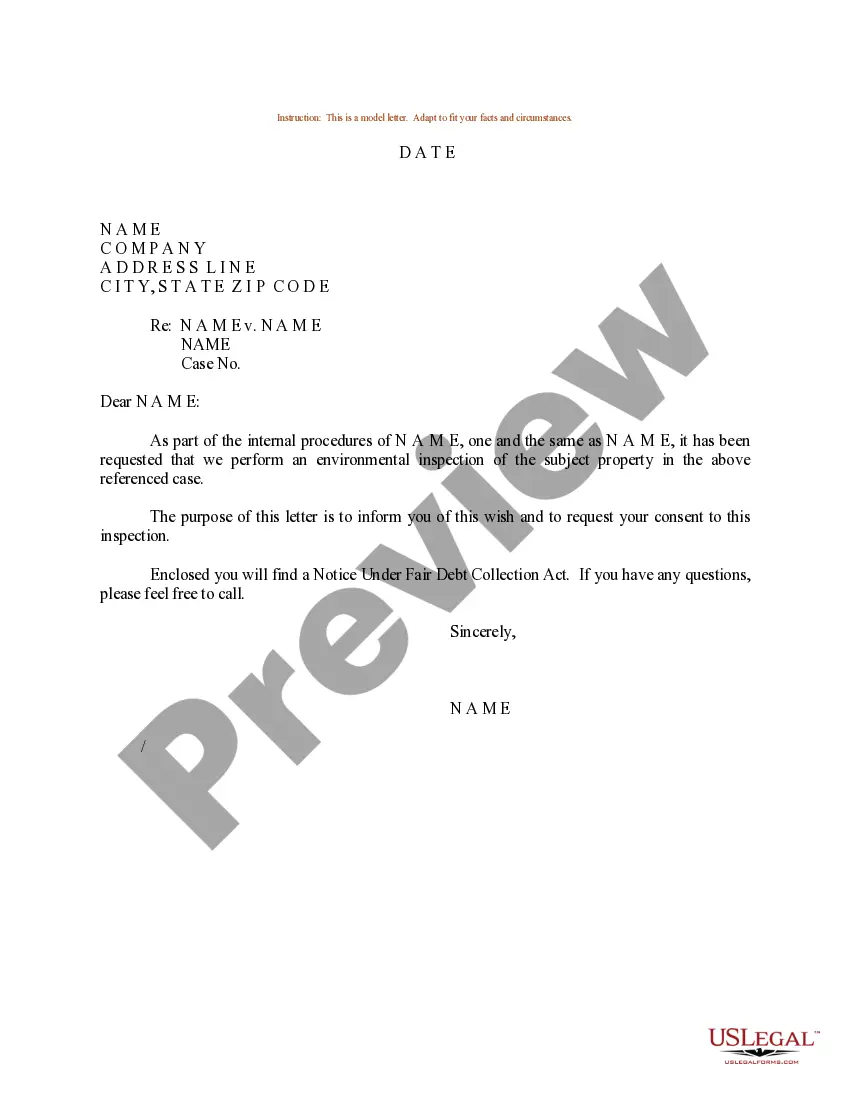

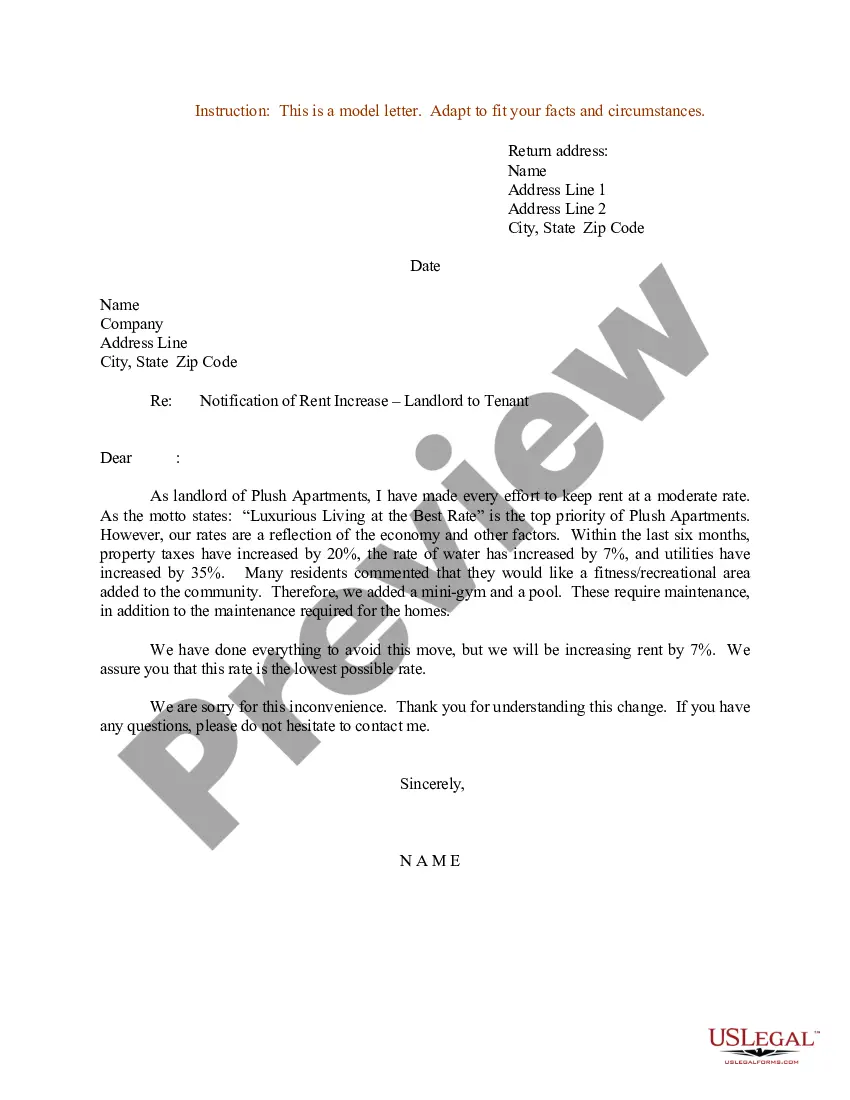
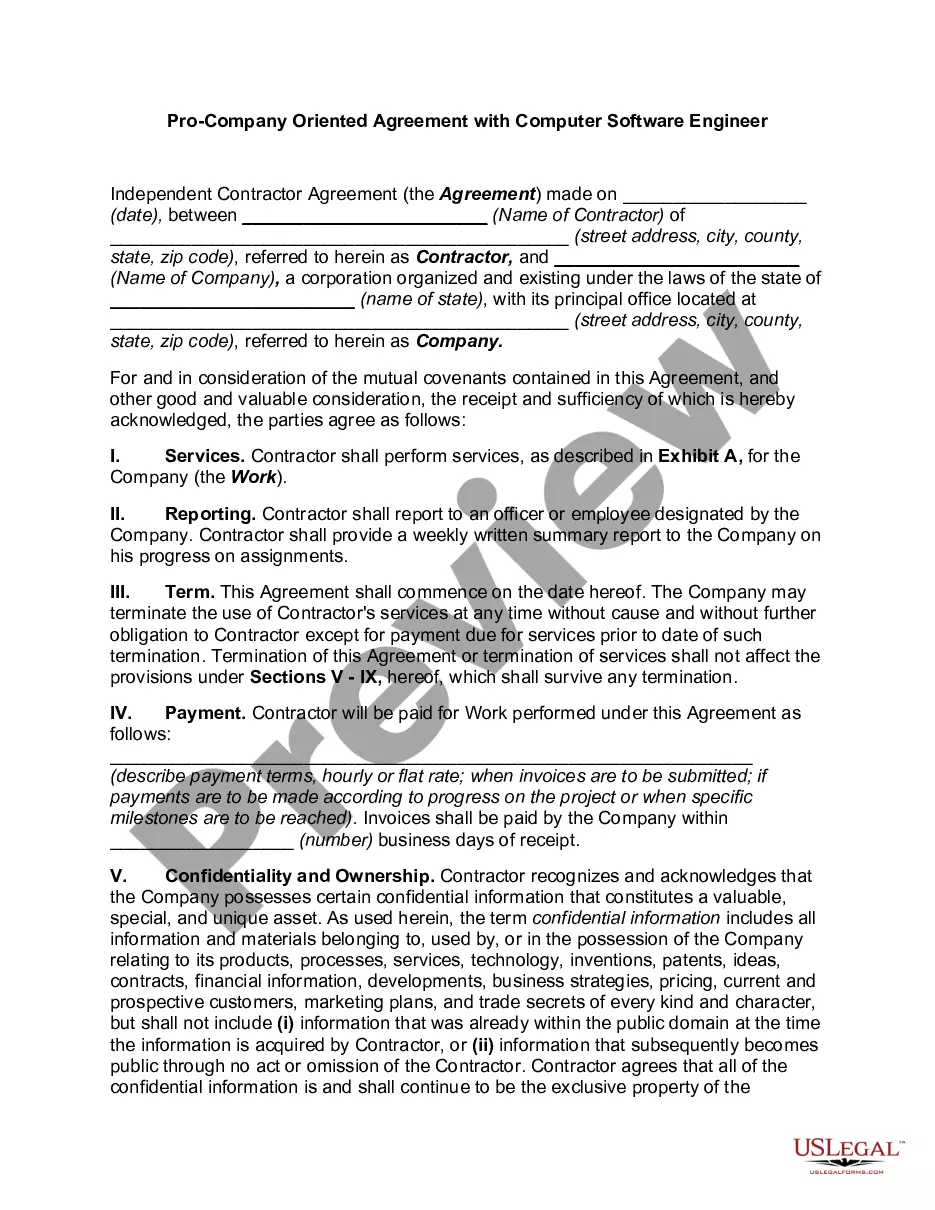
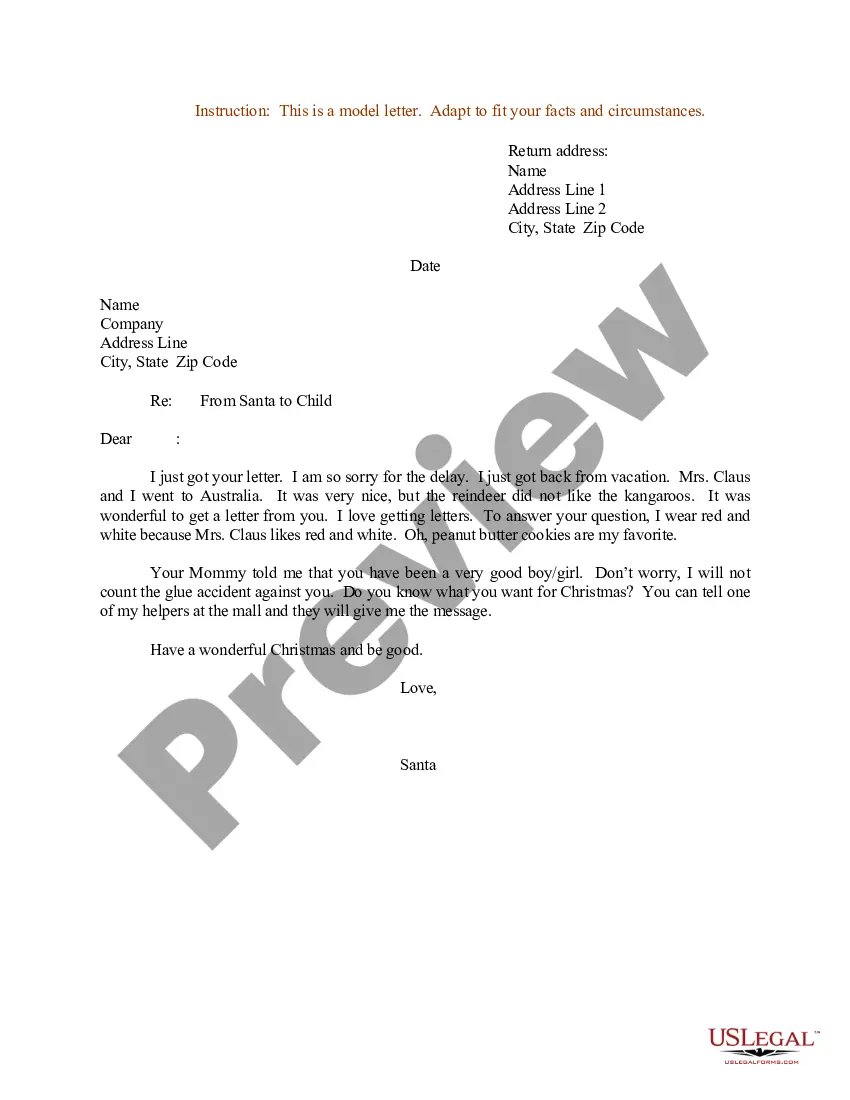
How to fill out Sample Letter For Request To Include Landlord In Tenant's Liability Insurance?
- Log in to your existing US Legal Forms account to access saved documents. Ensure your subscription is active; if not, renew it via your payment plan.
- If you're a new user, start by reviewing the Preview mode and descriptions of available forms. This helps you select the one that aligns with your requirements and local regulations.
- Should you find that the selected form doesn’t suit your needs, utilize the Search bar to locate the correct template.
- Once you’ve found the right document, click the Buy Now button to choose your subscription plan. You'll need to create an account for full access.
- Proceed with your payment by entering your credit card information or using PayPal, completing your purchase.
- After the transaction, download the document to your device for easy editing. You can find it later in the My Forms section under your profile.
By following these steps, you can effortlessly obtain the legal documents essential for your tenant insurance with liability. US Legal Forms simplifies this process, ensuring you have easy access to over 85,000 customizable legal templates.
Take action today and ensure your tenant insurance needs are met with our user-friendly forms. Start your journey with US Legal Forms now!
Form popularity
FAQ
An example of tenant liability includes a scenario where a guest slips and falls in your apartment due to an unaddressed hazard, such as a wet floor. In this case, tenant insurance with liability would cover their medical costs and any resulting legal fees if they decide to sue. This type of coverage is crucial for protecting yourself from significant financial losses associated with such accidents. With the right liability coverage, you can enjoy renting your home with confidence.
The amount of liability coverage you should have in your renters insurance depends on your individual needs and circumstances. Typically, a minimum of $100,000 is recommended, but many find that $300,000 or more can provide better peace of mind. When selecting tenant insurance with liability, consider your assets and potential risks that may arise in your rental property. It's wise to review your situation with an insurance professional, who can provide tailored advice.
Liability in renters insurance refers to the coverage that protects you against legal claims for damages you may cause to others. If someone gets injured in your rental property or their belongings get damaged due to your actions, tenant insurance with liability can help cover their medical expenses or property repairs. This type of coverage ensures that you are financially protected against potentially costly lawsuits and claims. It's important to understand this aspect to safeguard your interests while renting.
Tenant insurance with liability generally does not cover non-negligent accidental damage, such as wear and tear. Additionally, policies usually exclude coverage for certain high-risk items, like jewelry or collectibles, unless specifically added. Lastly, natural disasters like floods may not be included in standard policies, necessitating separate coverage. Always read your policy to understand your exclusions.
Yes, filing a claim can lead to an increase in your tenant insurance with liability premiums. Insurance companies evaluate your claims history when setting your rates, and multiple claims can signal higher risk. To minimize this potential increase, consider your claim's size and whether it impacts your long-term financial strategy. Stay informed about your policy terms regarding claims.
Whether it's worth filing a claim on your tenant insurance with liability depends on the severity of your loss. If the damages are significant, filing may provide the necessary support to recover financially. However, for smaller losses, it may be more beneficial to cover costs out-of-pocket to avoid potential premium increases. Assess the damage and your policy benefits before deciding.
Filing a claim on your tenant insurance with liability can lead to increased premiums in the future. Insurance companies often view claims as a higher risk, which might raise your costs. Additionally, not all claims guarantee full reimbursement, and deductibles can cut into any potential payout. Hence, it’s essential to evaluate your specific situation before proceeding.
Making a claim on your tenant insurance with liability can be worth it, especially if you face significant loss or damage. Your policy can help cover costs that might otherwise impact your financial stability. However, always weigh the potential increase in premiums against the value of your claim. Understand your specific policy details and consider consulting with a professional.
Typically, renters insurance with liability offers personal liability coverage that ranges from $100,000 to $300,000. This coverage helps protect you in case someone is injured or their property is damaged while in your rental space. Many policies allow you to adjust your coverage limit based on your comfort level and financial situation. Staying informed about these options ensures you choose a plan that suits your lifestyle and provides adequate protection.
Renters insurance, often referred to as tenant insurance with liability, covers a wide range of personal property losses, like theft and damage. In contrast, tenant liability insurance specifically protects you against claims from others if they are injured in your rented space. While renters insurance includes liability coverage, tenant liability insurance can offer more focused protection for potential legal costs. Understanding these differences can help you choose the best coverage for your needs.