Tenant Allowance
Description
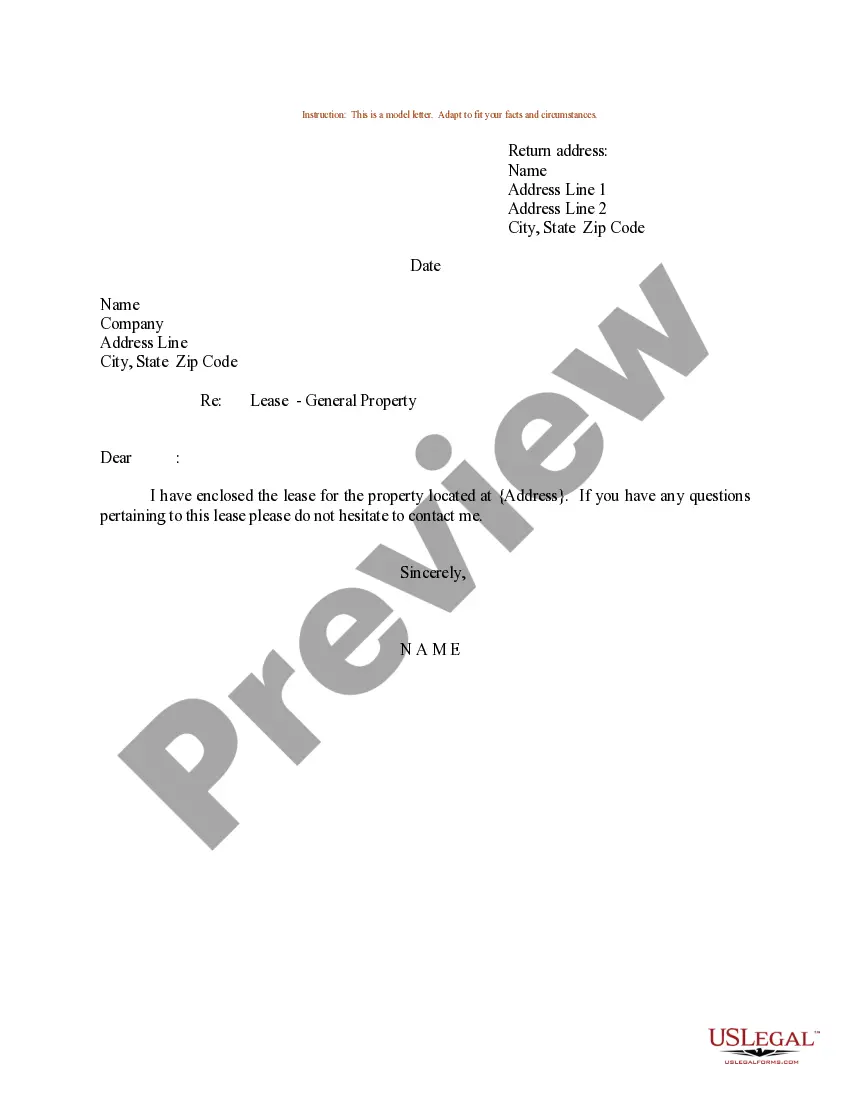
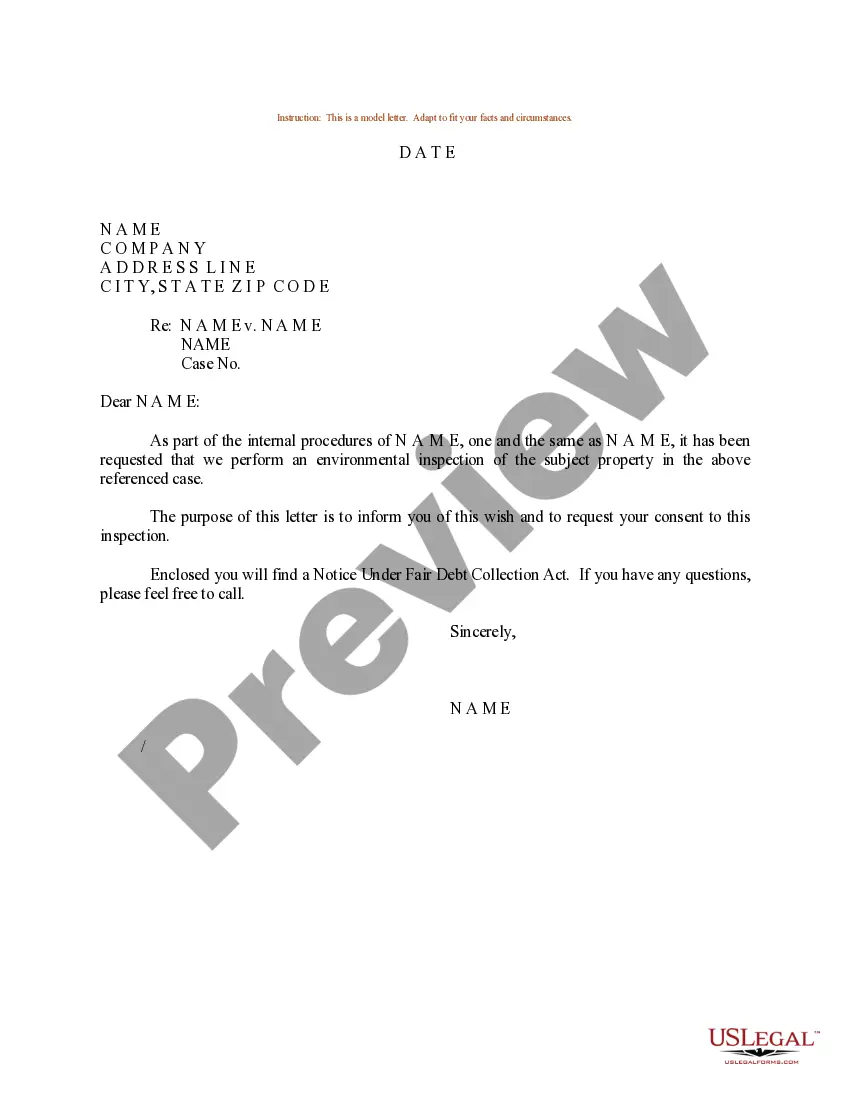
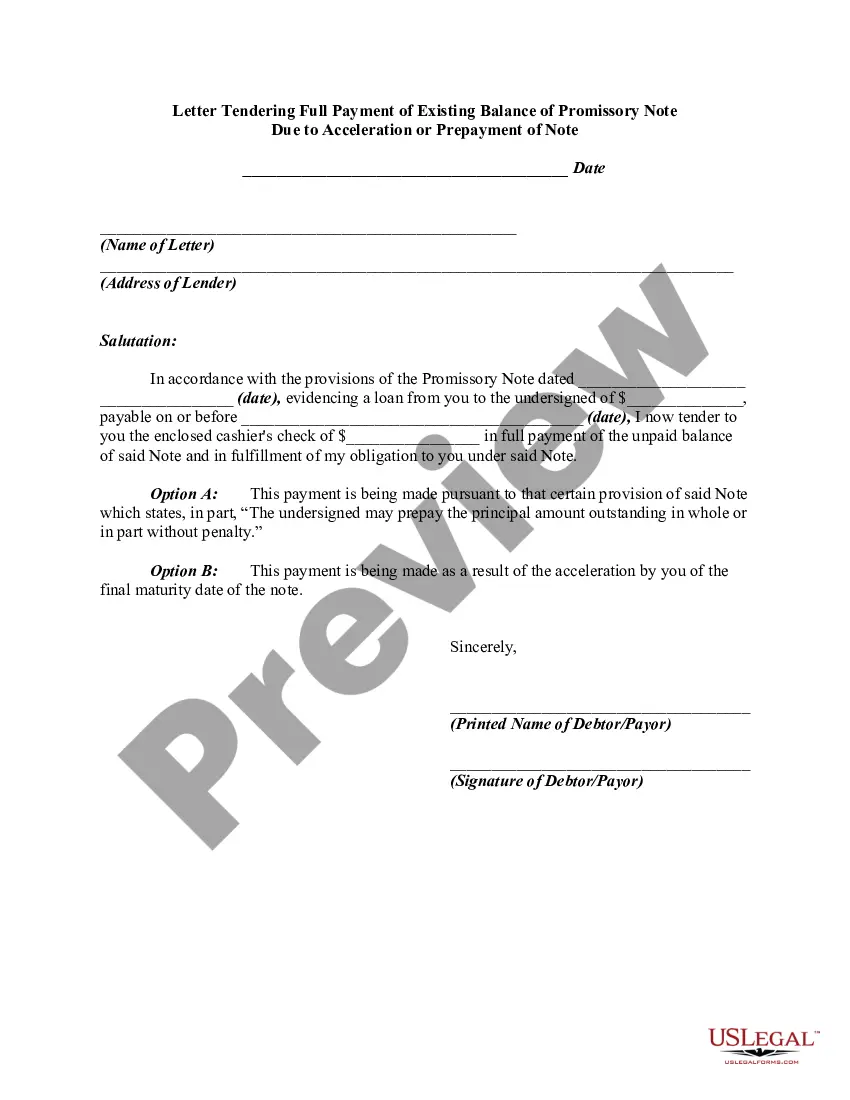
How to fill out Sample Letter For Request To Include Landlord In Tenant's Liability Insurance?
- Log into your US Legal Forms account and ensure your subscription is active. If you need a renewal, follow the payment procedure based on your plan.
- Review the form preview and description carefully to confirm that it matches your local jurisdiction's requirements for tenant allowances.
- If you don't find the appropriate form, utilize the Search tab to look for alternatives that might suit your needs better.
- Select the form you need and proceed by clicking the Buy Now button. Choose a subscription plan that works for you and create an account to gain full access to the library.
- Complete your payment using your credit card or PayPal account to finalize your subscription.
- Once your purchase is processed, download the tenant allowance form to your device. It's also accessible anytime in the My Forms section of your profile.
By following these steps, you can effortlessly obtain the tenant allowance documents you need. US Legal Forms not only streamlines the process but also provides users with the assurance of high-quality, legally sound forms. Don't hesitate to explore the available resources today!
Get started with US Legal Forms now to make your legal document process simpler and more efficient.
Form popularity
FAQ
To calculate tenant allowance, start by reviewing your lease agreement, as it usually specifies the allowance amount. Next, consider the space you are renting and the types of improvements needed. Then, divide the total allowance by the square footage of the leased area to determine the allowance per square foot. This approach helps you understand the financial support available for your tenant improvements.
To report a tenant improvement allowance effectively, compile detailed documentation of how the funds were utilized. Ensure your records show any receipts and invoices incurred during the improvement process. This practice simplifies the reporting process, especially during tax season.
Tenant allowances work by providing financial assistance from landlords to help tenants customize their rental spaces. This arrangement is beneficial for both parties; tenants receive necessary funds for improvements, while landlords attract and retain quality tenants. Understanding this can deepen your negotiating power.
To record a tenant improvement allowance, begin by entering the allowance amount as an asset in your accounting books. Then, during the lease period, adjust your entries to reflect amortization, ensuring you accurately represent this financial aspect over time.
When recording a tenant improvement allowance in accounting, you treat it as a lease incentive or asset. First, note the allowance amount on your balance sheet. Next, amortize it over the lease term, which spreads the expense evenly and reflects its gradual use.
A common example of a tenant improvement allowance is when a landlord offers $50,000 for a commercial tenant to customize their rented space. This amount covers construction costs, interior design, or other renovations. Knowing this can help you negotiate the best terms for your lease.
To report a tenant improvement allowance, start by documenting the total amount provided for improvements. Keep records of receipts and contracts related to the renovations. This information will help ensure accurate reporting on your financial statements and tax returns.
A tenant allowance is a financial commitment from the landlord to the tenant, typically aimed at facilitating necessary improvements to a leased space. This allowance can significantly impact the tenant's experience and operational efficiency. It is essential that tenants fully understand the terms of their tenant allowance during negotiation. Utilizing a platform like US Legal Forms can help ensure you navigate these terms effectively and secure a favorable lease.
A tenant installation allowance is a budget provided by landlords to cover the costs associated with setting up a space for a new tenant. This allowance can help tenants customize their workspace and ensure it meets their specific operational needs. Tenants should negotiate for this allowance as it is vital for aligning the space with their branding and functionality. Make sure to clearly outline how this allowance will be used in your lease.
The allowance for installation usually covers costs related to the setup of fixtures, equipment, or specific improvements in a rental space. Depending on the lease agreement, this can include electrical work, plumbing updates, or other necessary installations. Tenants often seek clarity on what expenses are covered under this allowance. Therefore, it's beneficial to discuss expectations with landlords before signing the lease.