Qualified Income Trust With A Trust
Description
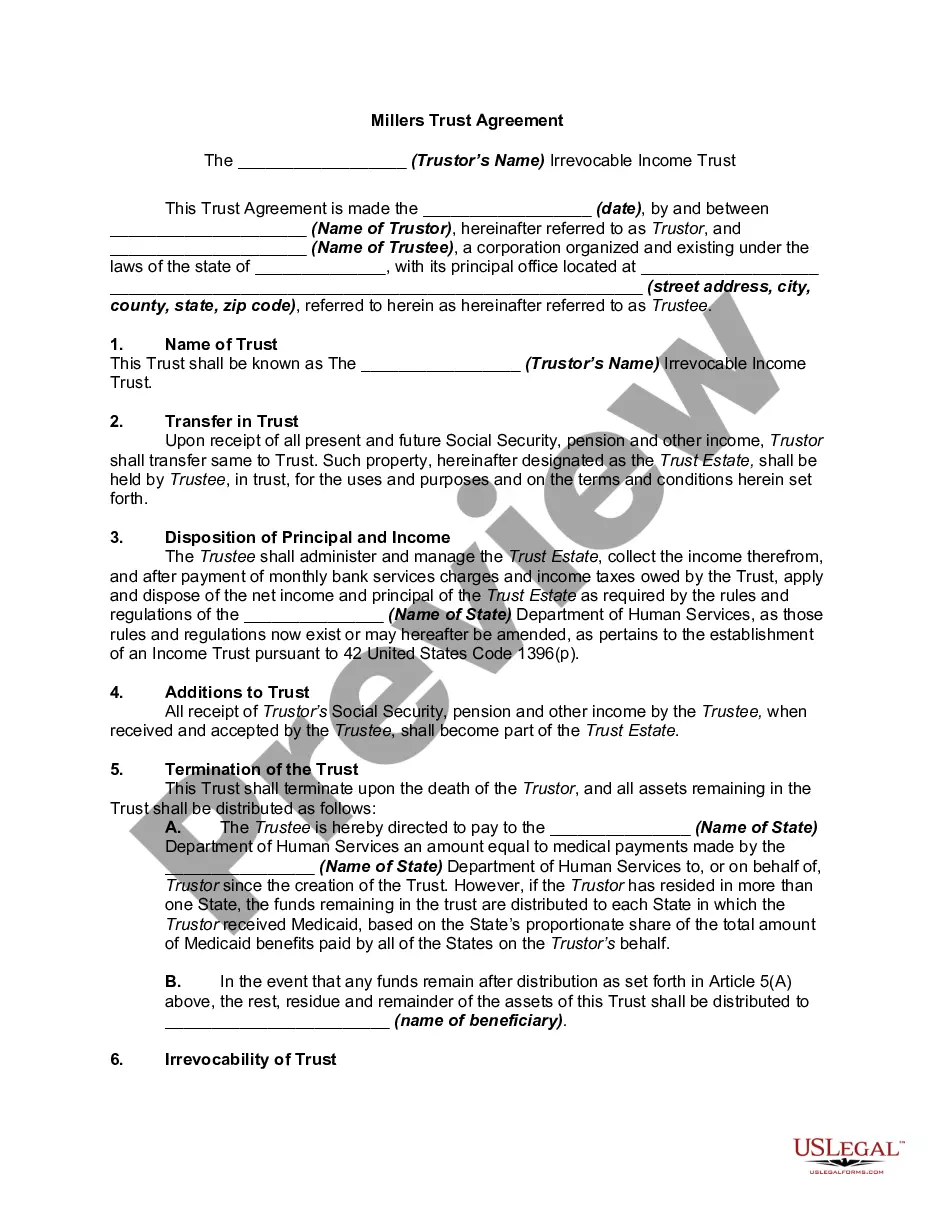
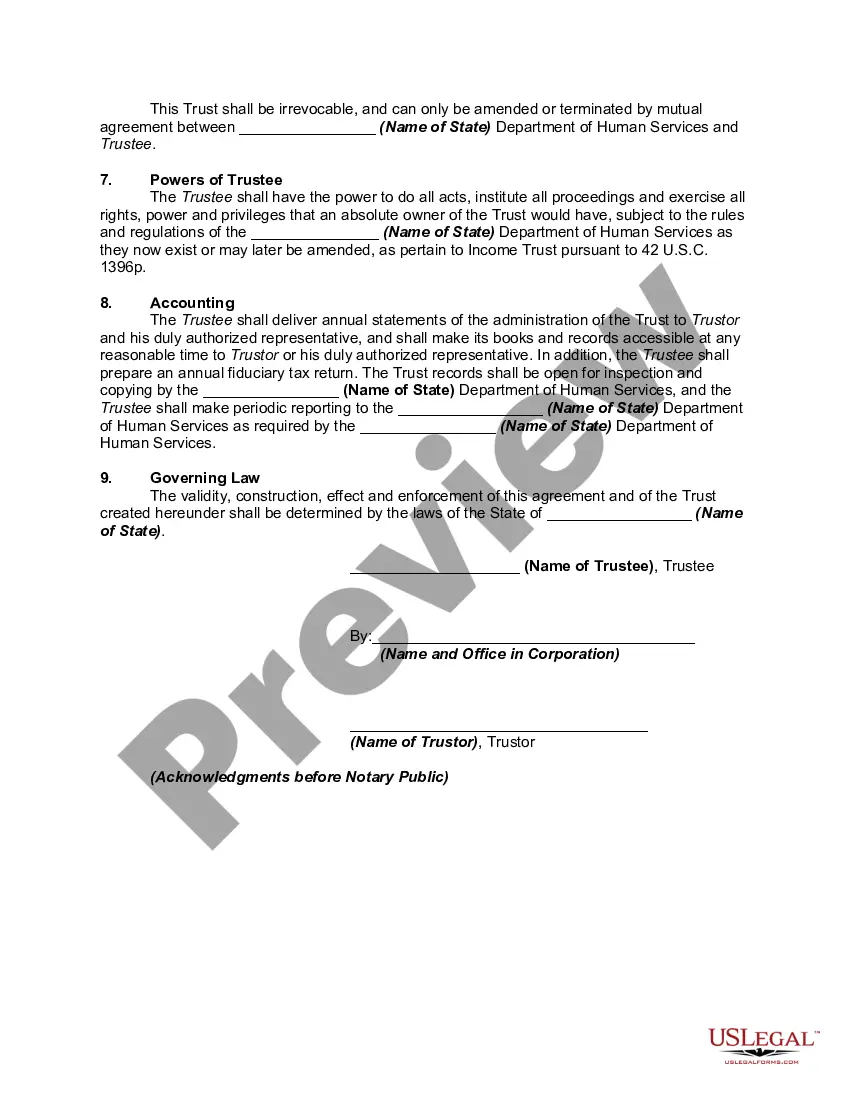
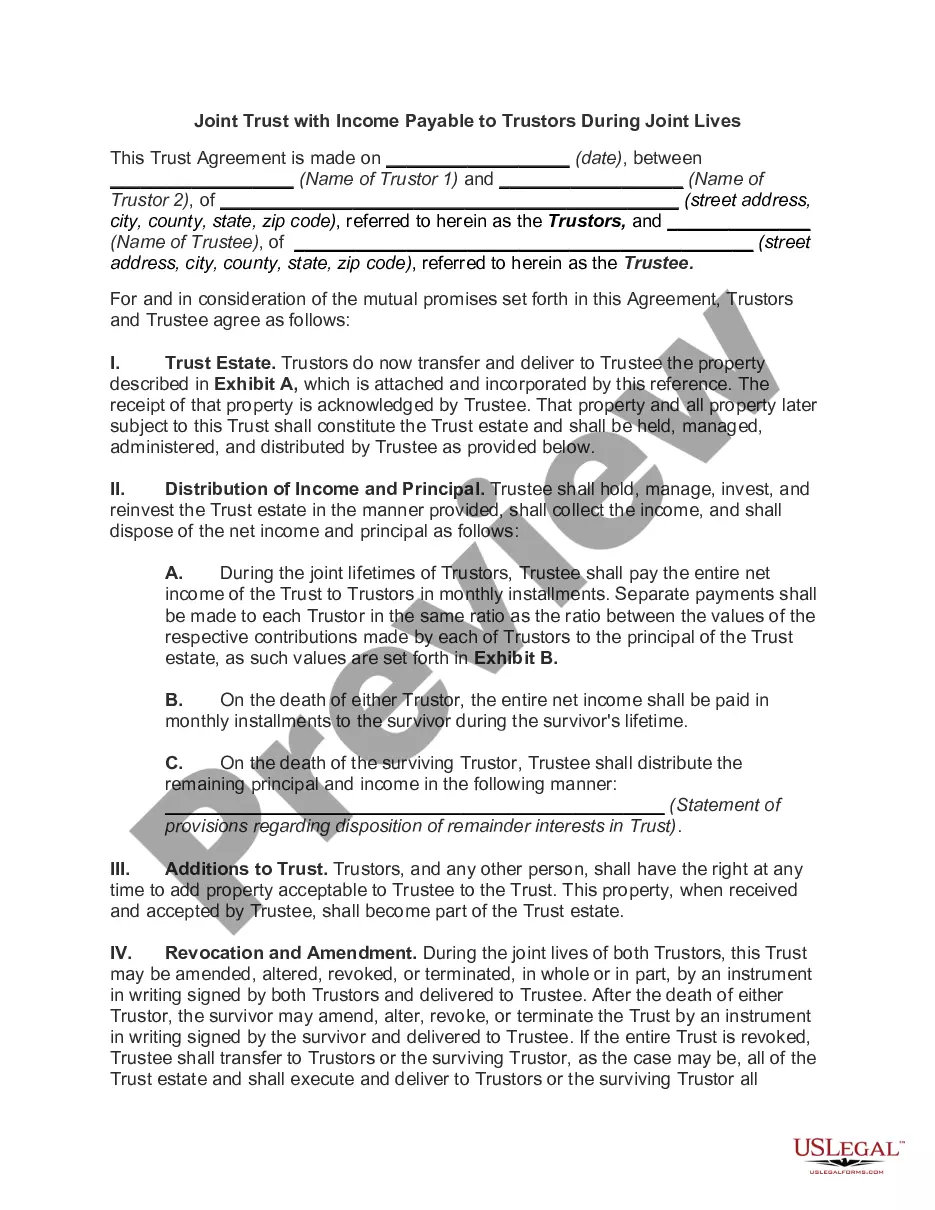

Get your form ready online
Our built-in tools help you complete, sign, share, and store your documents in one place.
Make edits, fill in missing information, and update formatting in US Legal Forms—just like you would in MS Word.
Download a copy, print it, send it by email, or mail it via USPS—whatever works best for your next step.
Sign and collect signatures with our SignNow integration. Send to multiple recipients, set reminders, and more. Go Premium to unlock E-Sign.
If this form requires notarization, complete it online through a secure video call—no need to meet a notary in person or wait for an appointment.
We protect your documents and personal data by following strict security and privacy standards.

Make edits, fill in missing information, and update formatting in US Legal Forms—just like you would in MS Word.

Download a copy, print it, send it by email, or mail it via USPS—whatever works best for your next step.

Sign and collect signatures with our SignNow integration. Send to multiple recipients, set reminders, and more. Go Premium to unlock E-Sign.

If this form requires notarization, complete it online through a secure video call—no need to meet a notary in person or wait for an appointment.

We protect your documents and personal data by following strict security and privacy standards.
Looking for another form?
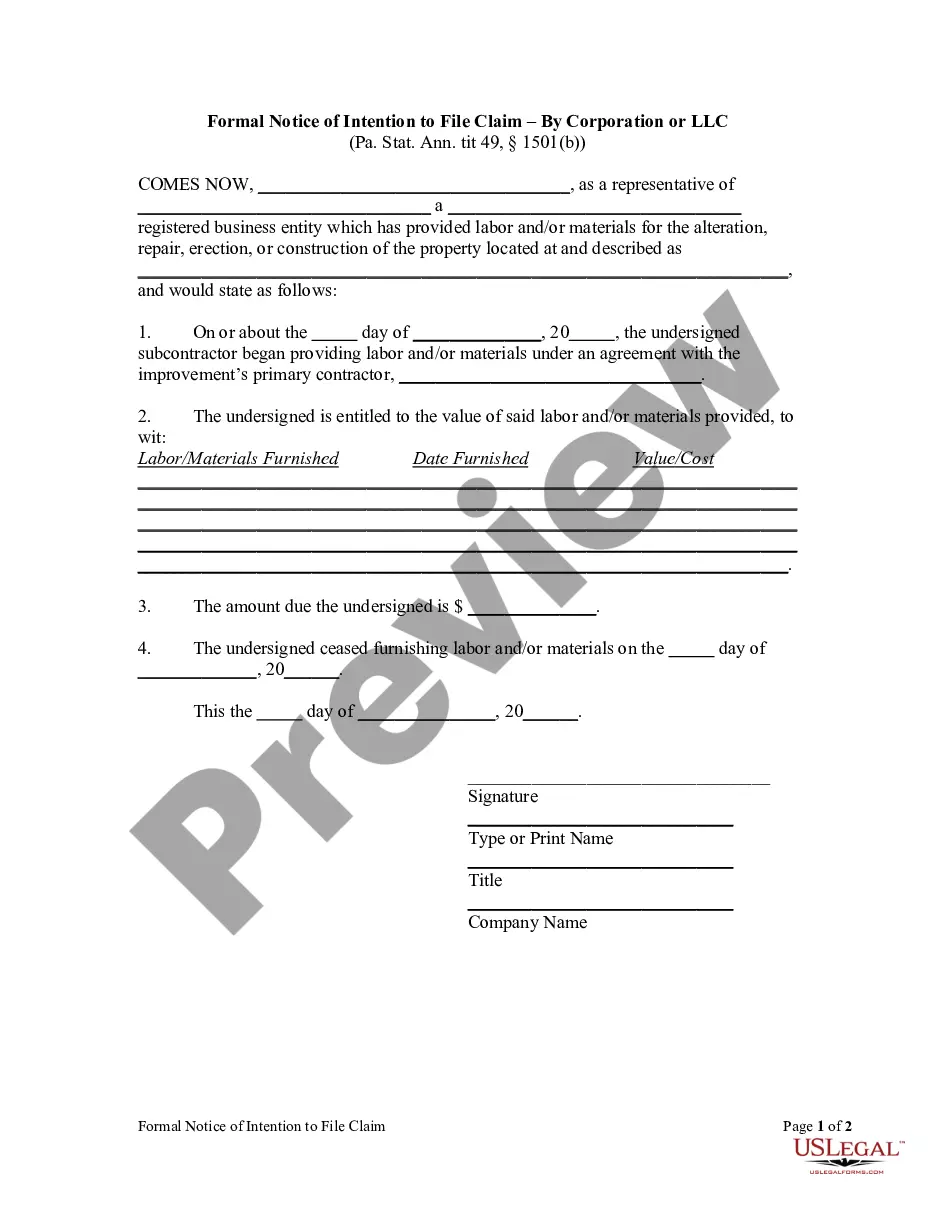


How to fill out Qualified Income Miller Trust?
- Login to your US Legal Forms account if you're a returning user. Ensure your subscription is active to access the necessary templates.
- Browse through the extensive library of legal forms. Check the preview mode and read the descriptions to select the right qualified income trust.
- If the form isn't a perfect match, utilize the search feature to find alternative templates that meet your specific needs.
- Choose the document you require, and click the 'Buy Now' button. Opt for a subscription plan that suits you and create an account if this is your first visit.
- Complete your purchase using a credit card or PayPal. Ensure all payment details are entered accurately to avoid issues.
- Once your payment is confirmed, download the form straight to your device. You can always retrieve it later from your account in the 'My Forms' section.
Following these steps ensures you have the correct legal documentation at your fingertips. US Legal Forms streamlines the process, allowing you to focus on what matters most without the stress of legal paperwork.
Ready to get started? Visit US Legal Forms today and explore the robust collection of templates available for all your legal needs.
Form popularity
FAQ
Upon the death of the individual, a qualified income trust with a trust requires careful handling of its assets. Typically, the remaining assets within the trust become part of the deceased's estate, subject to Medicaid claims and other debts. Beneficiaries must manage these assets according to state laws and the specific terms of the trust. Working with a legal expert can help ensure compliance and facilitate a smooth transition for heirs.
A qualified income trust with a trust, also known as a QIT, allows individuals to protect their income for Medicaid eligibility. This type of trust essentially holds excess income above the Medicaid limit, ensuring that beneficiaries can qualify for necessary medical benefits. By funneling this income into the trust, you can meet the state's requirements while still maintaining access to essential services. Ultimately, it is a practical solution to navigate the complex Medicaid application process.
One significant mistake parents often make is failing to clearly define the terms and conditions of the trust fund. Without clear instructions, beneficiaries might misuse the funds or face complications in distributing assets. Additionally, overlooking the importance of regular updates can lead to outdated provisions that no longer reflect your family’s needs. Using a qualified income trust with a trust and consulting with a professional can help avoid these pitfalls, ensuring that your wishes are honored.
Creating a valid trust involves several key requirements. First, you need a clear intention to create a trust, which can be expressed verbally or in writing. Second, you must name a trustee who will manage the trust assets. Third, you should specify the beneficiaries who will receive the trust's benefits. Fourth, trust property must be identified and transferred into the trust. Lastly, a valid trust requires compliance with state laws, making a qualified income trust with a trust a smart choice when structured correctly.
To determine if a trust is qualified, you should analyze its adherence to federal and state laws. A qualified income trust with a trust typically meets specific requirements regarding income limits and asset types. In contrast, a nonqualified trust may fail to comply with these regulations. Ensuring compliance not only secures eligibility for Medicaid benefits but also protects your assets.
The rules for a qualified income trust with a trust include specific guidelines that dictate how income must be managed and reported. Generally, the trust must be established in a certain manner to comply with state and federal regulations, and you must use the funds appropriately for medical expenses and other qualified needs. Familiarizing yourself with these rules can help you avoid pitfalls and maximize your benefits.
Reporting income from a qualified income trust with a trust is relatively straightforward. You will typically receive a Schedule K-1 form, which details your share of the trust's income to report on your tax return. It’s essential to keep accurate records of all transactions to ensure proper reporting and compliance with tax regulations.
Using a qualified income trust with a trust involves transferring certain income into the trust to ensure compliance with Medicaid eligibility requirements. You can deposit excess income that exceeds the set limits into the trust, which helps you or a loved one qualify for long-term care assistance. Regular contributions to the trust can help in managing funds while still qualifying for necessary benefits.
A Qualified Income Trust with a trust must meet specific criteria, including having a sole beneficiary and ensuring that the trust income does not exceed state-imposed limits. Additionally, the trust must be irrevocable, meaning it cannot be altered once established. These requirements help ensure that the trust serves its purpose effectively and complies with Medicaid regulations.
Funds in a Qualified Income Trust with a trust can be used for various essential expenses, including housing costs, medical bills, and necessary living expenses. This provides flexibility while ensuring you remain compliant with Medicaid regulations. By utilizing QIT funds wisely, beneficiaries can maintain their financial stability without jeopardizing their eligibility for assistance.