Create A Trust For Life Insurance
Description
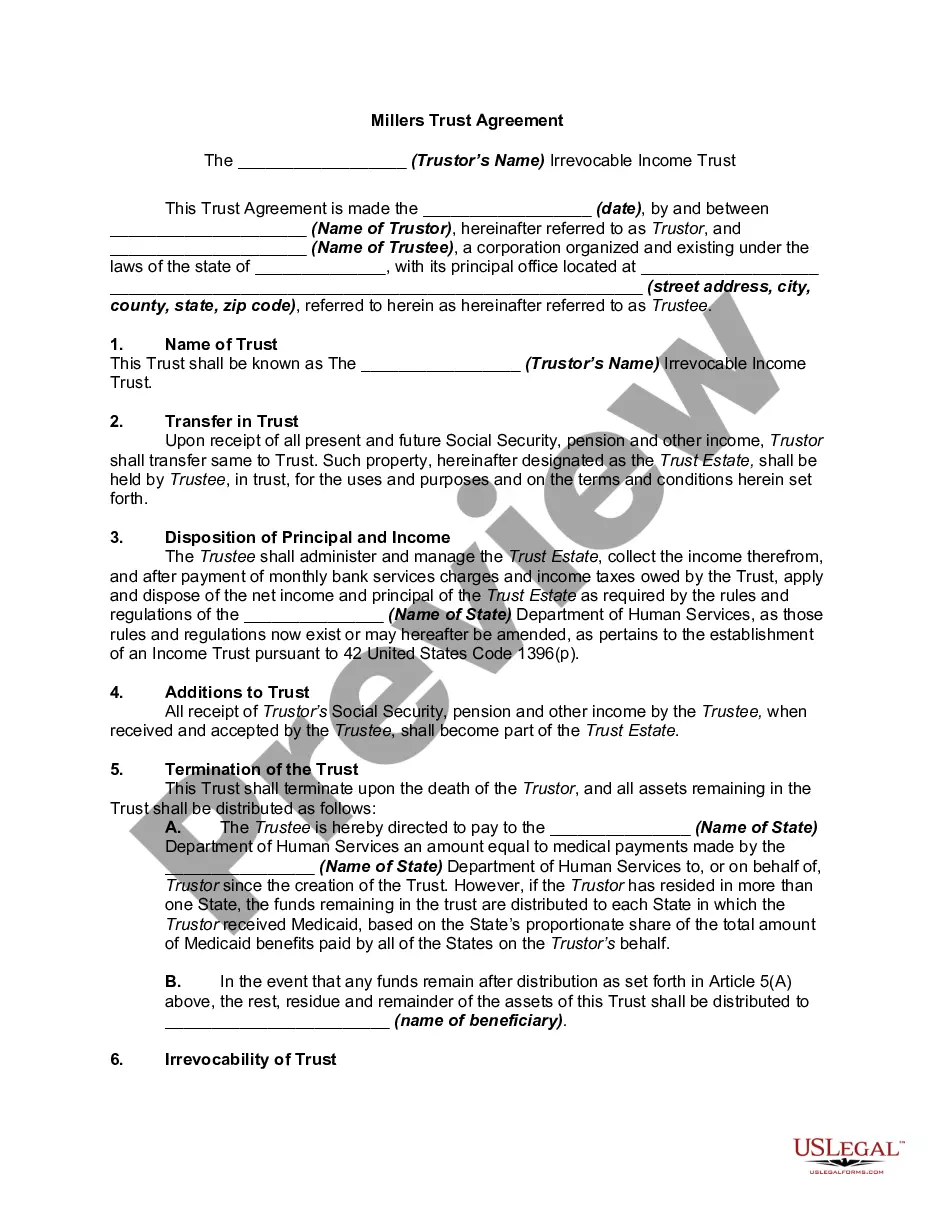
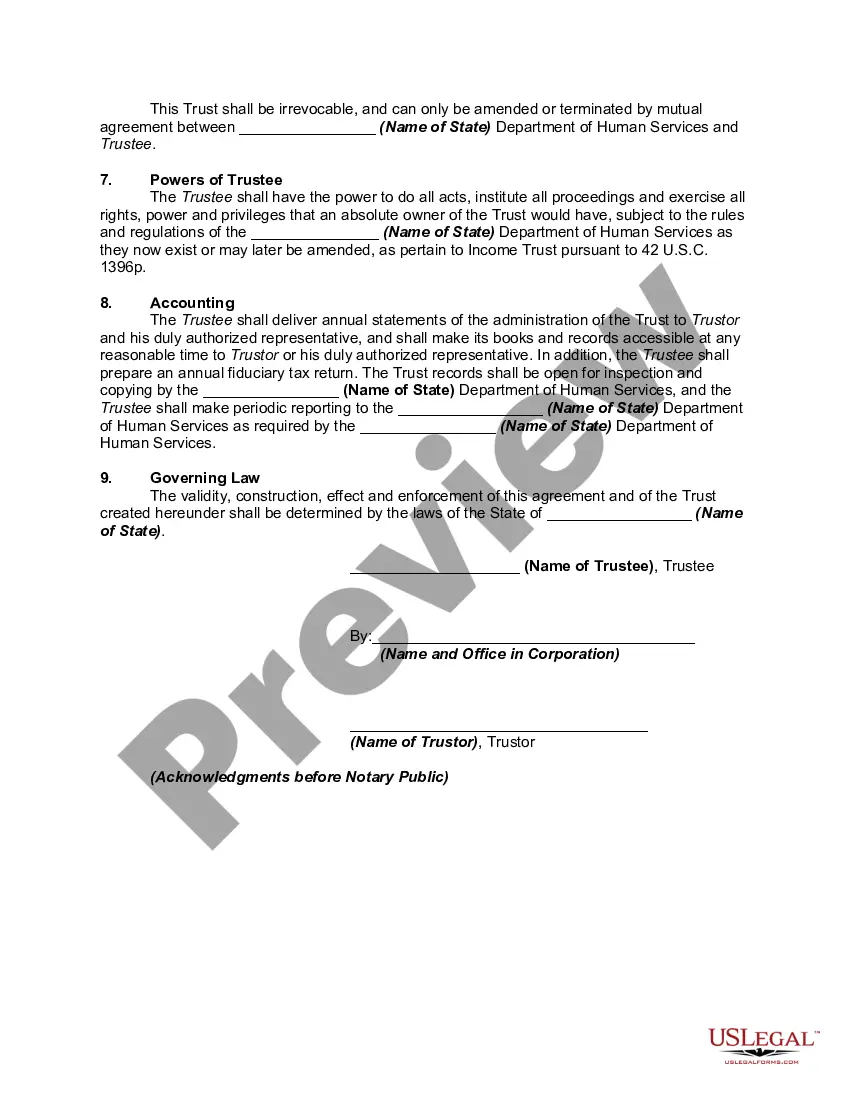
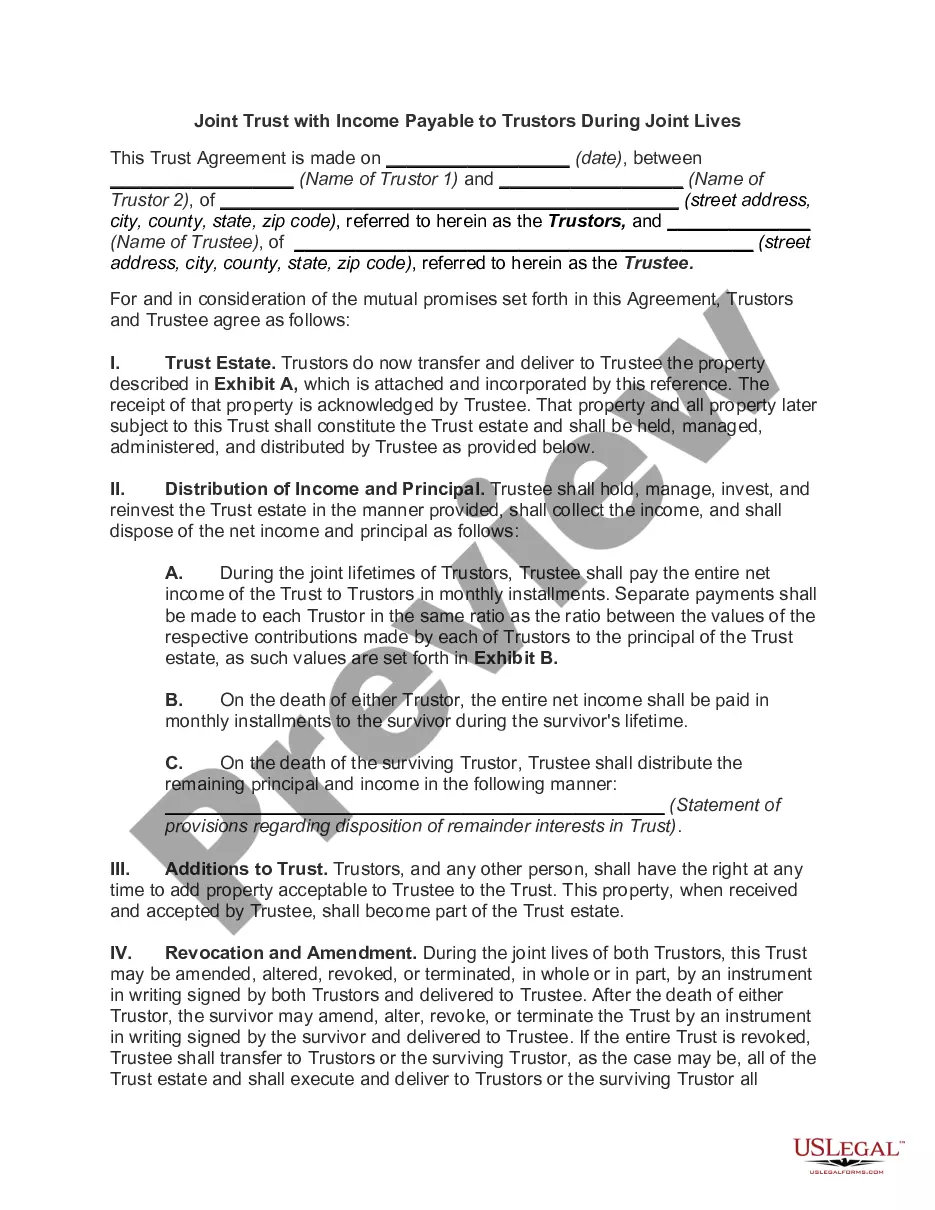

Get your form ready online
Our built-in tools help you complete, sign, share, and store your documents in one place.
Make edits, fill in missing information, and update formatting in US Legal Forms—just like you would in MS Word.
Download a copy, print it, send it by email, or mail it via USPS—whatever works best for your next step.
Sign and collect signatures with our SignNow integration. Send to multiple recipients, set reminders, and more. Go Premium to unlock E-Sign.
If this form requires notarization, complete it online through a secure video call—no need to meet a notary in person or wait for an appointment.
We protect your documents and personal data by following strict security and privacy standards.

Make edits, fill in missing information, and update formatting in US Legal Forms—just like you would in MS Word.

Download a copy, print it, send it by email, or mail it via USPS—whatever works best for your next step.

Sign and collect signatures with our SignNow integration. Send to multiple recipients, set reminders, and more. Go Premium to unlock E-Sign.

If this form requires notarization, complete it online through a secure video call—no need to meet a notary in person or wait for an appointment.

We protect your documents and personal data by following strict security and privacy standards.
Looking for another form?



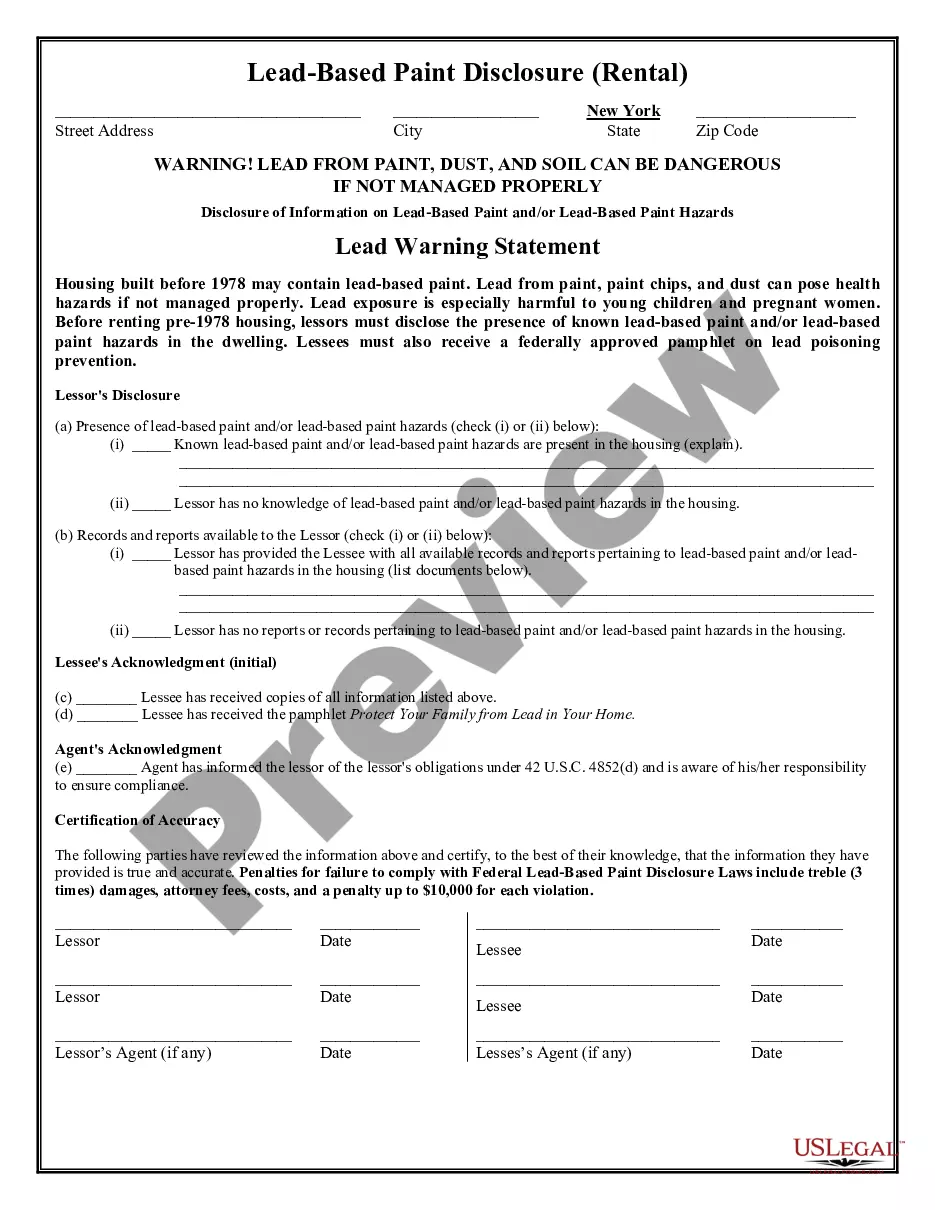




How to fill out Qualified Income Miller Trust?
Creating legal documents from the ground up can frequently be daunting.
Some situations may demand extensive research and significant financial investment.
If you’re looking for a more direct and budget-friendly method of drafting Create A Trust For Life Insurance or any other documentation without unnecessary complications, US Legal Forms is always available to assist you.
Our online repository of over 85,000 current legal forms encompasses nearly every facet of your financial, legal, and personal matters. With just a few clicks, you can swiftly access state- and county-compliant forms meticulously assembled for you by our legal professionals.
Review the form previews and descriptions to confirm you are on the document you seek. Ensure that the template you pick adheres to the regulations and laws applicable in your state and county. Select the appropriate subscription option to purchase the Create A Trust For Life Insurance. Download the form, then fill it out, sign it, and print it. US Legal Forms boasts an impeccable reputation and over 25 years of expertise. Join us today and make document completion a simpler and more efficient process!
- Utilize our website whenever you require a trustworthy and dependable service from which you can effortlessly find and download the Create A Trust For Life Insurance.
- If you’re familiar with our services and have previously established an account, simply Log In to your account, select the form, and download it or re-download it anytime from the My documents section.
- Don’t possess an account? No problem. It only takes a few minutes to sign up and navigate the catalog.
- Before diving straight into downloading Create A Trust For Life Insurance, keep these suggestions in mind.
Form popularity
FAQ
One significant issue with naming a trust as the beneficiary of a life insurance policy is the complexity it brings to settling claims. Life insurance proceeds will go into the trust, which must adhere to specific administrative requirements. This situation could delay the distribution of funds to your beneficiaries. To navigate these challenges, creating a trust for life insurance and understanding the stipulations involved is crucial.
Filling out a trust form might seem daunting at first, but it's quite manageable. Start by gathering essential information, such as the names of beneficiaries, the trustee, and details about the life insurance policy. Once you have everything, you can proceed to use you can create a trust for life insurance effectively with platforms like US Legal Forms, which provide user-friendly templates and guidance to ensure accuracy.
Creating a trust for life insurance can be a smart choice for many individuals. It allows for better control over the distribution of benefits to your heirs and can help avoid probate. However, whether it's the right decision for you depends on your financial situation and estate planning goals. Consulting a professional can guide you through the benefits and potential drawbacks.
While there are advantages to creating a trust for life insurance, there are also some disadvantages you should consider. One key drawback is the potential loss of control over the policy, as the trust becomes the owner. Additionally, there may be costs involved in setting up the trust and ongoing administrative fees. It's essential to weigh these factors before deciding to create a trust for life insurance.
Yes, you can put your life insurance into a trust, and doing so can provide significant benefits for your estate planning. By creating a trust for life insurance, you ensure that the proceeds are managed according to your wishes after your passing. This setup can also help bypass probate, enabling your beneficiaries to receive their inheritance more quickly. Consider using platforms like US Legal Forms to create a trust for life insurance conveniently and ensure all legal requirements are met.
The 3 year rule for a life insurance trust refers to the IRS regulation that affects how life insurance proceeds are taxed. Specifically, if you create a trust for life insurance and then pass away within three years of transferring the policy to that trust, the death benefit may still be included in your taxable estate. To avoid complications, it is crucial to plan ahead and understand how to create a trust for life insurance effectively. This helps you manage your estate and potentially save on taxes.
Setting up a trust for your life insurance involves several straightforward steps. First, determine the type of trust that fits your needs, such as a revocable or irrevocable trust. Next, consult with a legal professional or use a reliable platform like US Legal Forms to create the trust documents. Once established, you can then transfer your policy to the trust, ensuring that your loved ones receive the benefits as intended without complications.
One disadvantage of naming a trust as the beneficiary of a life insurance policy is the potential for added administrative costs. When you create a trust for life insurance, it may require ongoing management, which could reduce the overall funds available to your beneficiaries. It's essential to weigh the benefits against these costs. Furthermore, delays in distributing the funds could occur if the trust requires legal processing, possibly affecting your beneficiaries' immediate financial needs.
Yes, you can put your life insurance in trust. By doing this, you help ensure that the funds reach your beneficiaries smoothly. When you create a trust for life insurance, it can protect the proceeds from creditors and taxes, allowing your loved ones to receive the full amount. This strategy not only facilitates a structured distribution but also enhances financial security for the future.
One significant downfall of having a trust is the potential for ongoing management challenges. Trustees must responsibly handle the trust's assets, and this task can become overwhelming without proper planning. Furthermore, some beneficiaries may feel entitled or question decisions made by the trustee. To navigate these issues, understanding how to create a trust for life insurance can establish clear guidelines and expectations.