Bathroom Design
Description
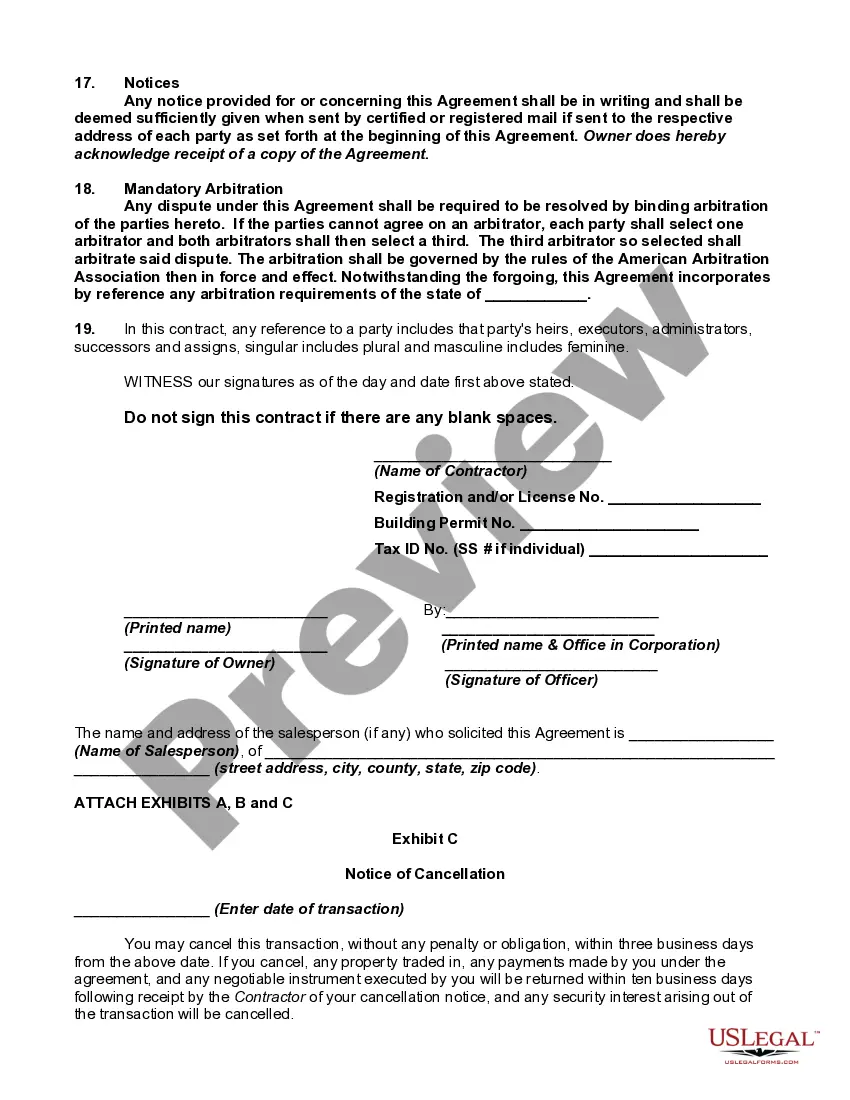
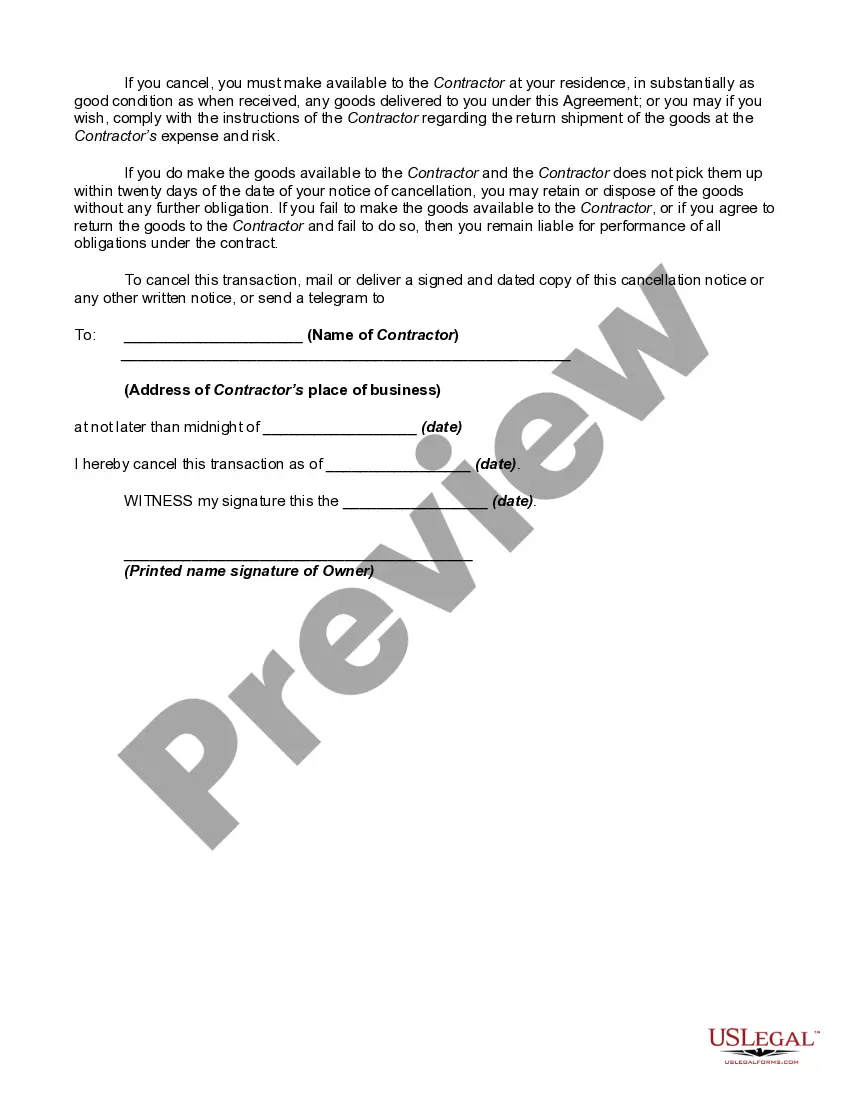
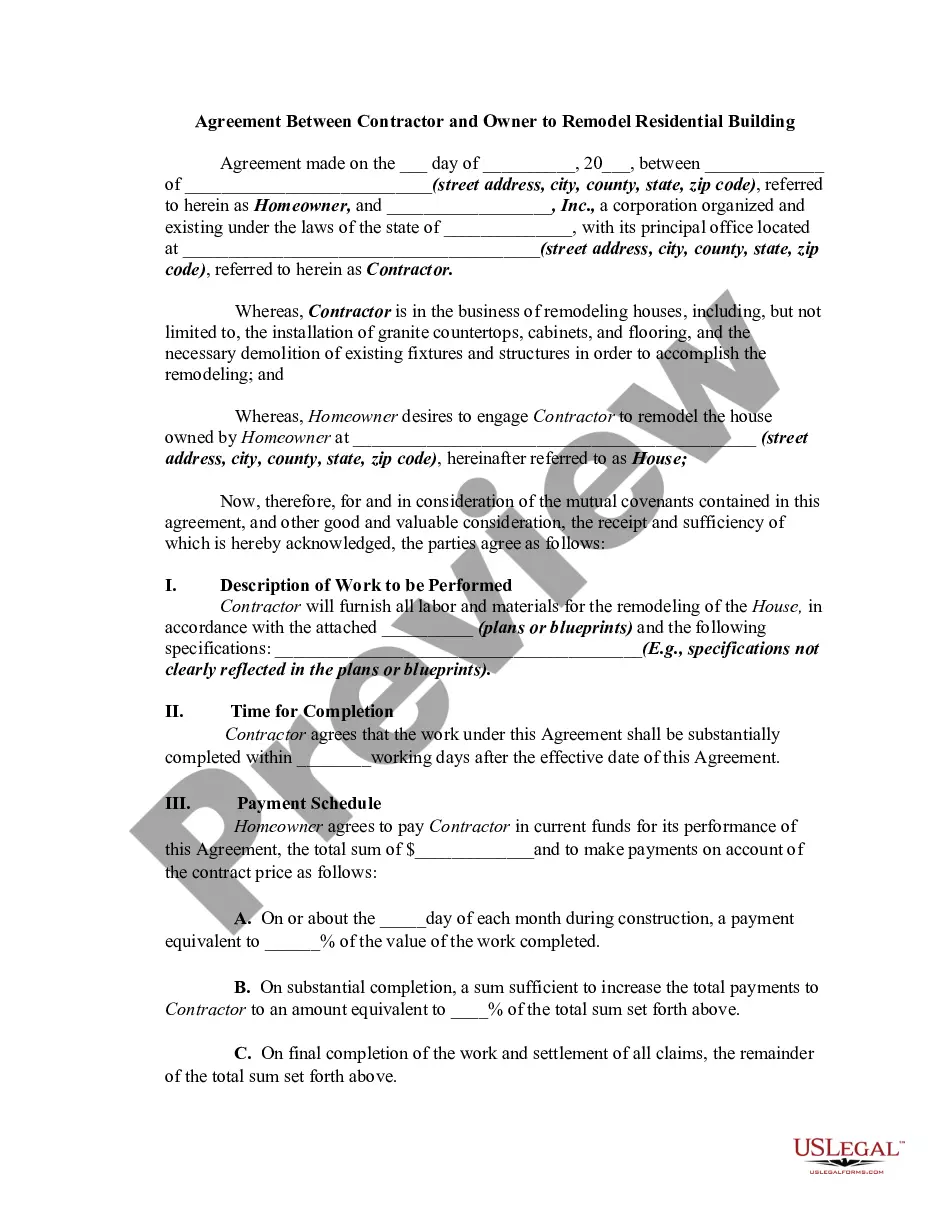
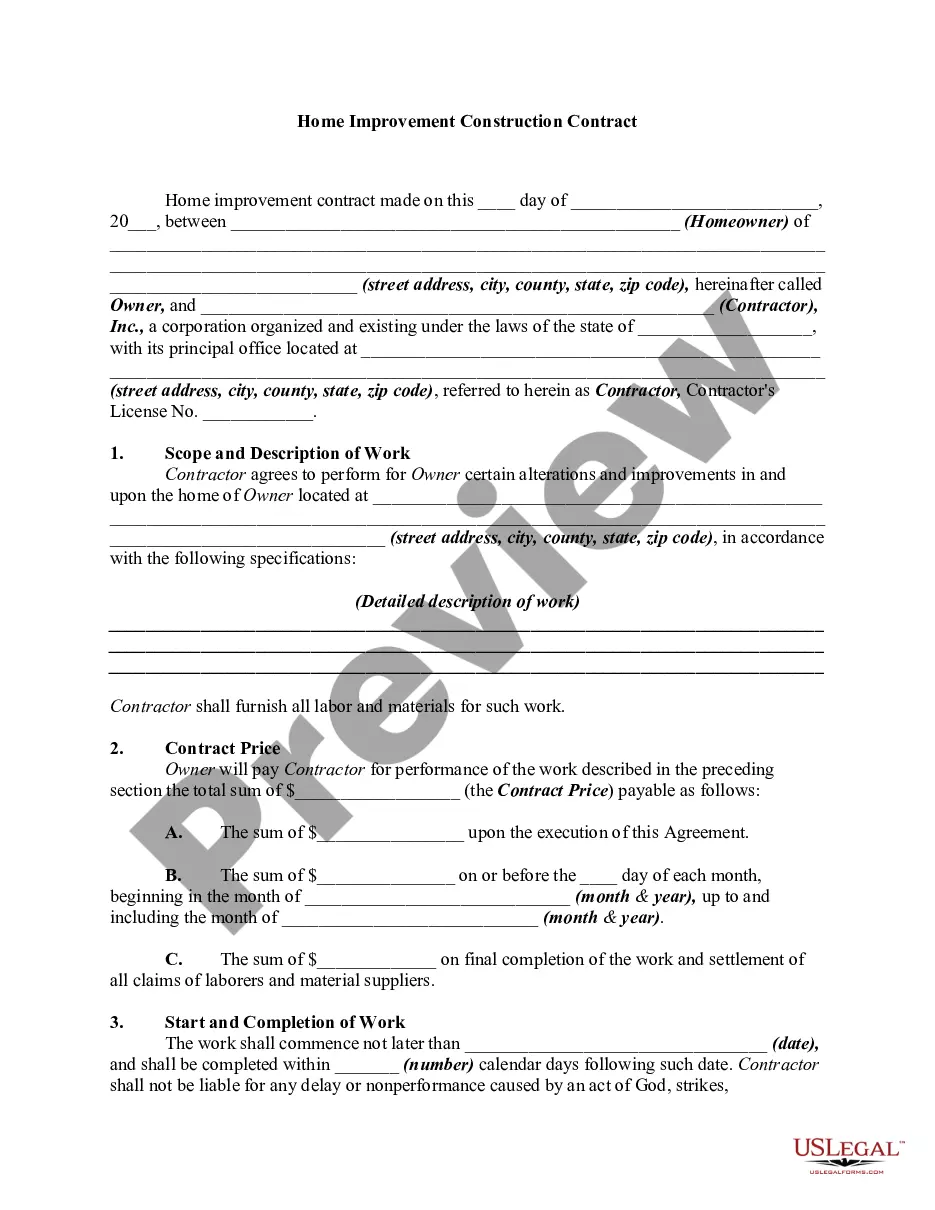
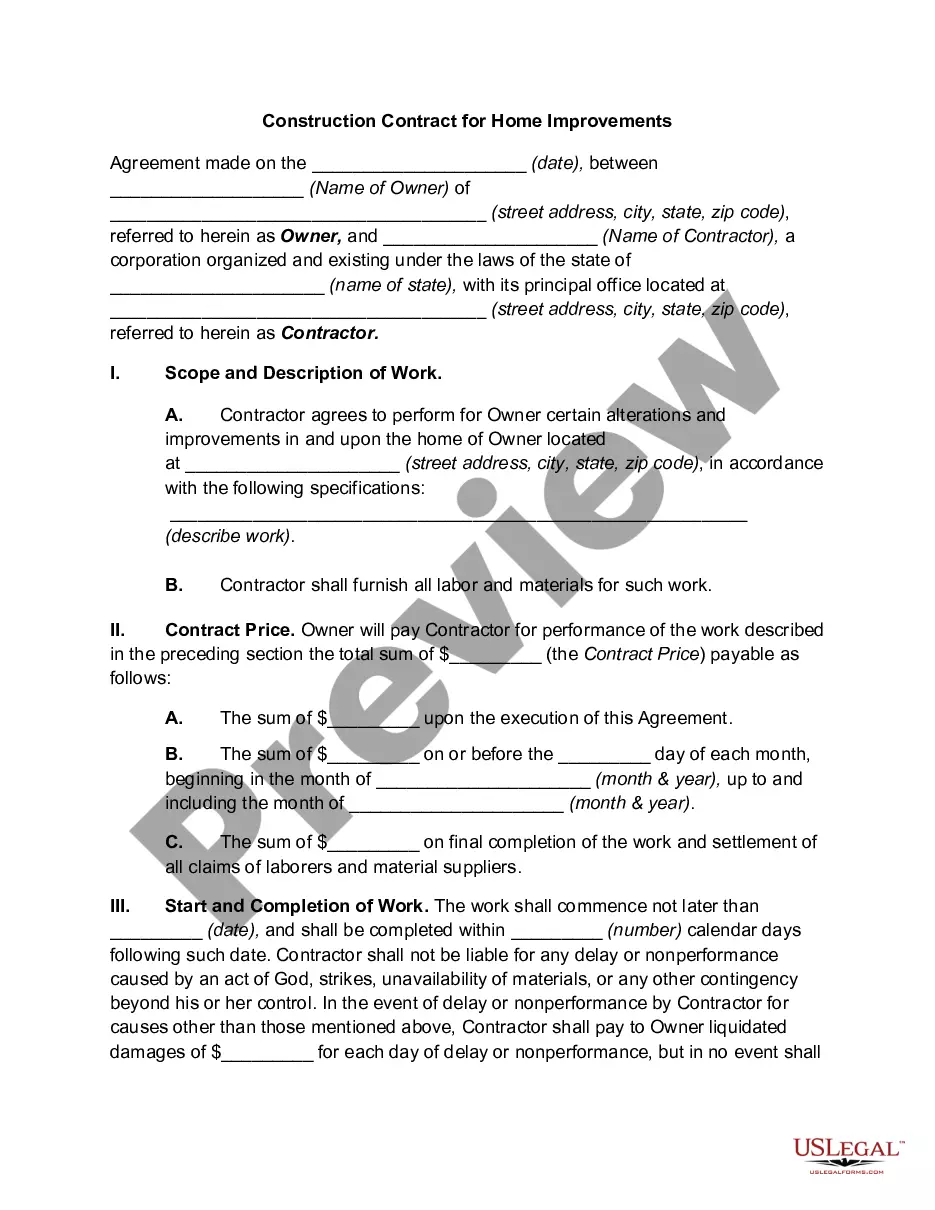
Get your form ready online
Our built-in tools help you complete, sign, share, and store your documents in one place.
Make edits, fill in missing information, and update formatting in US Legal Forms—just like you would in MS Word.
Download a copy, print it, send it by email, or mail it via USPS—whatever works best for your next step.
Sign and collect signatures with our SignNow integration. Send to multiple recipients, set reminders, and more. Go Premium to unlock E-Sign.
If this form requires notarization, complete it online through a secure video call—no need to meet a notary in person or wait for an appointment.
We protect your documents and personal data by following strict security and privacy standards.

Make edits, fill in missing information, and update formatting in US Legal Forms—just like you would in MS Word.

Download a copy, print it, send it by email, or mail it via USPS—whatever works best for your next step.

Sign and collect signatures with our SignNow integration. Send to multiple recipients, set reminders, and more. Go Premium to unlock E-Sign.

If this form requires notarization, complete it online through a secure video call—no need to meet a notary in person or wait for an appointment.

We protect your documents and personal data by following strict security and privacy standards.
Looking for another form?
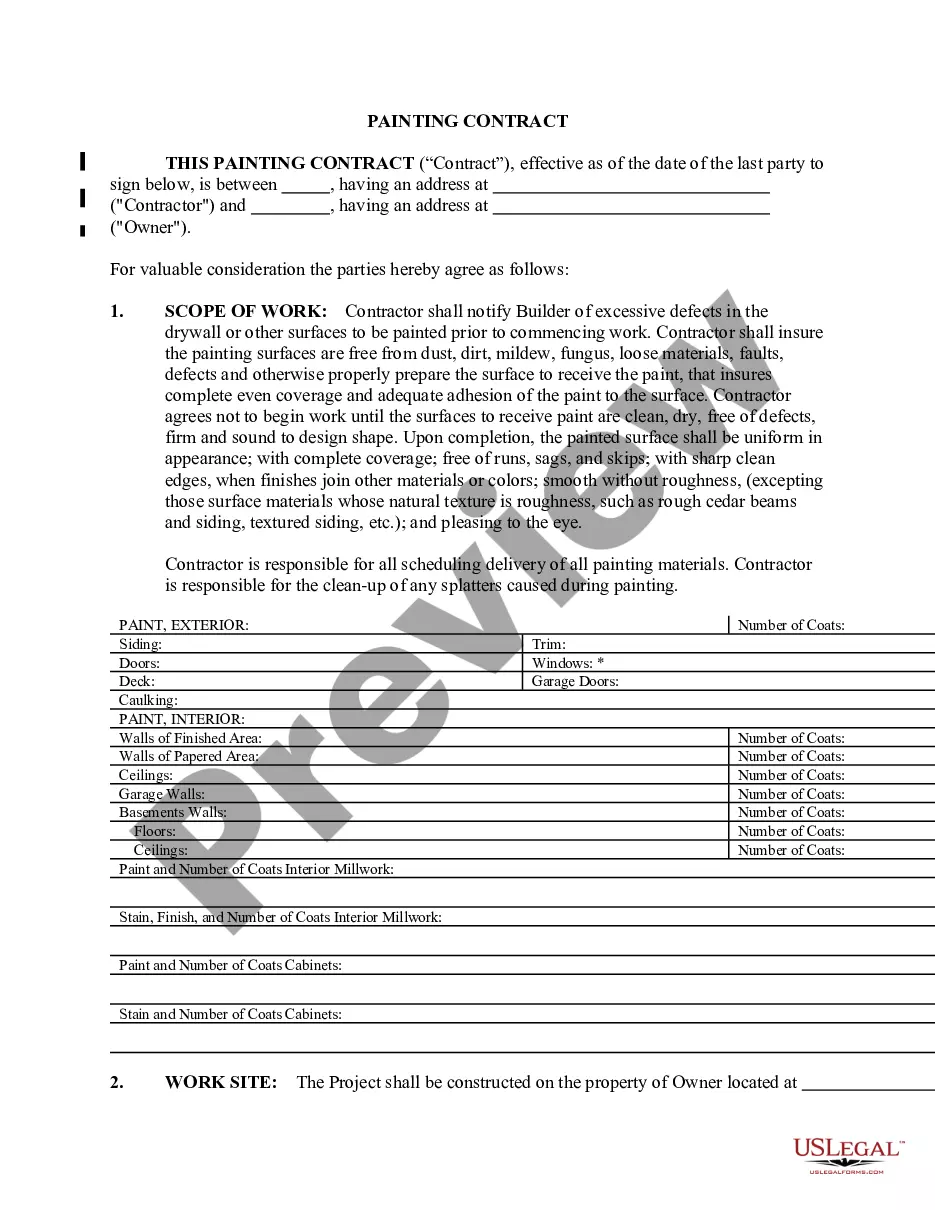
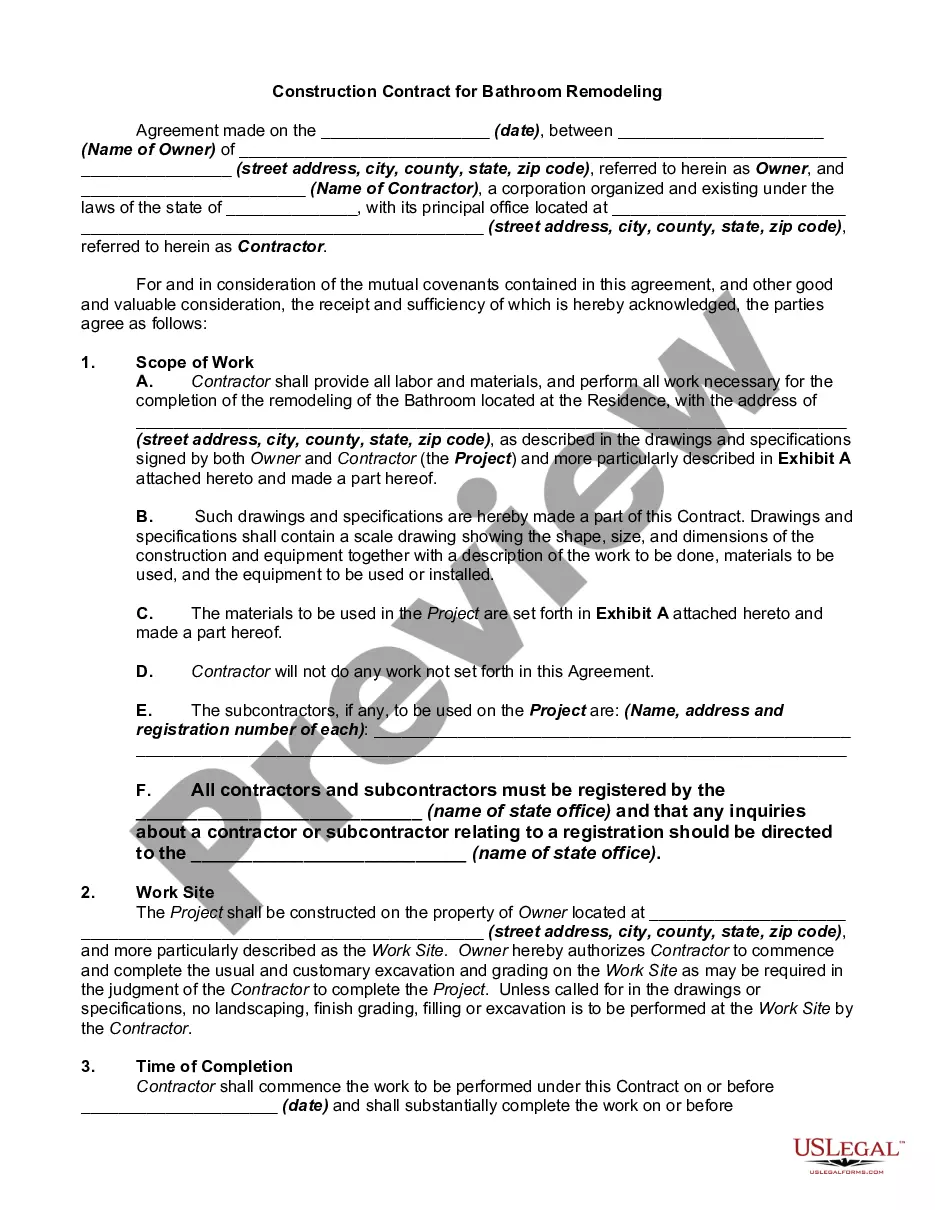
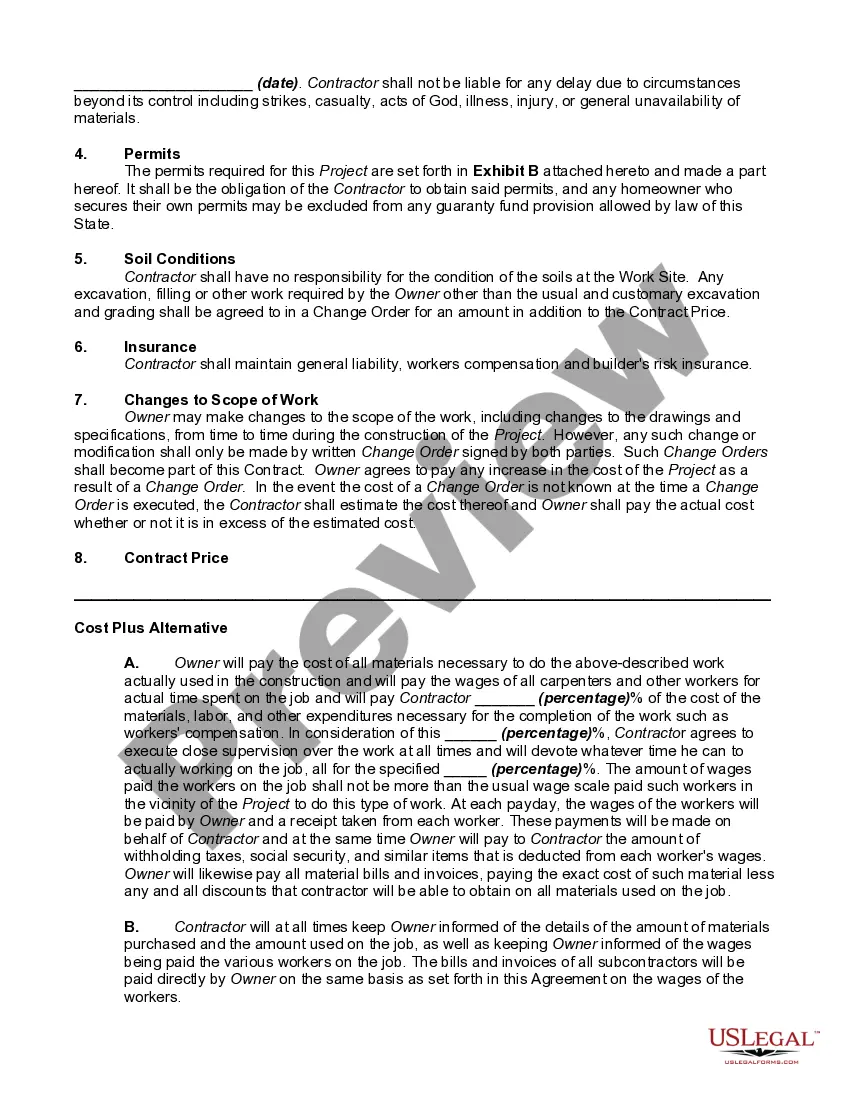
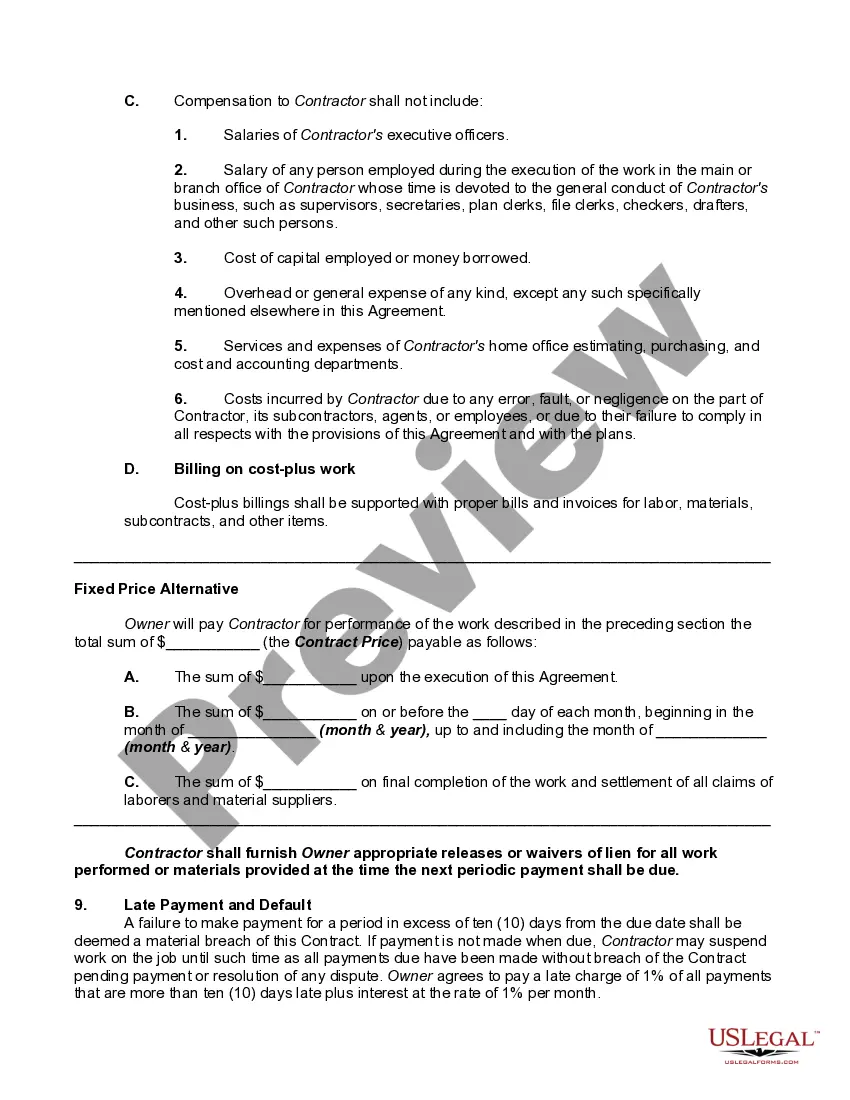
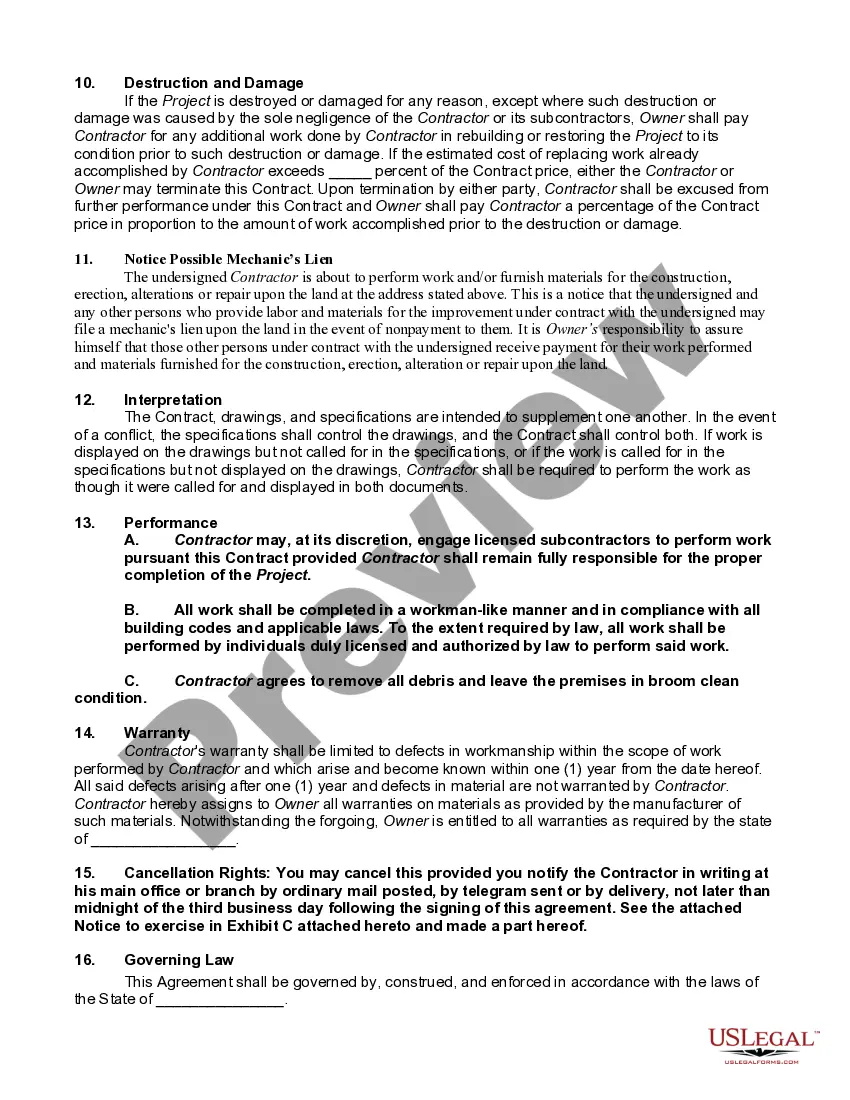
How to fill out Construction Contract For Bathroom Remodeling?
- Log into your US Legal Forms account if you're a returning user. Ensure your subscription is active; renew if necessary.
- For first-time users, examine the preview and description of your desired form to ensure it matches your bathroom design project requirements.
- If adjustments are needed, utilize the Search tab to find the most suitable template.
- Select your document by clicking the Buy Now button and choose a subscription plan that fits your needs, creating an account to access resources.
- Complete your purchase by entering your payment information via credit card or PayPal.
- Finally, download your chosen form. You can access it anytime later in the My Forms section of your profile for easy completion.
Incorporating US Legal Forms into your bathroom design projects empowers you to focus on creativity while ensuring that all legal bases are covered. With its vast library and professional support, achieving the documentation you need has never been easier.
Start your bathroom design journey today by visiting US Legal Forms and accessing the right tools for your project!
Form popularity
FAQ
Choosing the right bathroom design involves understanding your personal style, functionality needs, and budget constraints. Start by collecting inspiration from various sources to see what resonates with you. Once you have a vision, you can explore practical aspects like materials and color schemes. If you're unsure, platforms like US Legal Forms offer resources and templates to guide you through the design process.
A bathroom may look outdated due to old fixtures, dull color palettes, or inefficient layouts. Elements like tile patterns, lighting, and cabinetry style can also contribute to this perception. To elevate the look, consider modernizing your space with current trends in bathroom design, such as sleek finishes and open storage solutions. Familiarizing yourself with contemporary designs can help you create a more inviting atmosphere.
When deciding on a bathroom layout, consider your space and how you use it daily. Think about essential features such as the toilet, sink, and shower or bathtub, and ensure they flow in a way that provides ease of movement. You might also want to think about storage options to keep the design functional. Exploring different bathroom design options online can inspire your layout choices.
Designing a bathroom involves several essential rules that ensure functionality and safety. Always adhere to local plumbing and electrical codes for installations. Additionally, maintain adequate space for movement and accessibility around fixtures. Furthermore, consider natural light and ventilation to create a comfortable atmosphere. Using the US Legal Forms platform, you can find legal resources to ensure compliance with necessary regulations.
Begin your bathroom design journey by identifying your needs. Think about how you use the space and what changes might improve functionality. Afterward, sketch a basic layout that considers plumbing, lighting, and ventilation. Organizing your thoughts and priorities will guide you towards a more efficient and satisfying design.
Yes, there are several apps available that can assist you with bathroom design. These apps offer features like 3D modeling and virtual reality to visualize your space before making any changes. Many also include a catalog of products to help streamline your choices. Using these tools makes the process more interactive and can save you valuable time.
When you start your bathroom design, first determine your budget and the overall style you want to achieve. Next, consider the layout, focusing on the placement of fixtures and storage. After that, select materials and colors that enhance your design vision, while ensuring everything meets local building codes. Additionally, you can use online resources, including our US Legal Forms platform, to access helpful tips and guidelines.
The correct order for remodeling a bathroom starts with demolition and preparation of the space. Next, tackle plumbing and electrical work before proceeding with drywall installation and flooring. After completing these foundational elements, focus on fixtures, cabinetry, and finishing touches. Following this sequence ensures a smooth renovation and a stunning bathroom design.
The ideal bathroom layout often features a separate shower and bathtub, providing flexibility for users. Ideally, place the toilet in a discreet area, allowing for privacy while maintaining accessibility. A balanced layout maximizes natural light and ventilation, significantly enhancing your bathroom design. It creates a pleasant and inviting space for relaxation and personal care.
Universal design standards for bathrooms focus on accessibility and ease of use for all individuals, regardless of age or ability. Key features include wider doorways, grab bars, and adjustable shower heads. Prioritize non-slip flooring and adequate lighting to enhance safety and functionality. Integrating these standards into your bathroom design creates an inclusive environment for everyone.