Agreement And Disagreement
Description
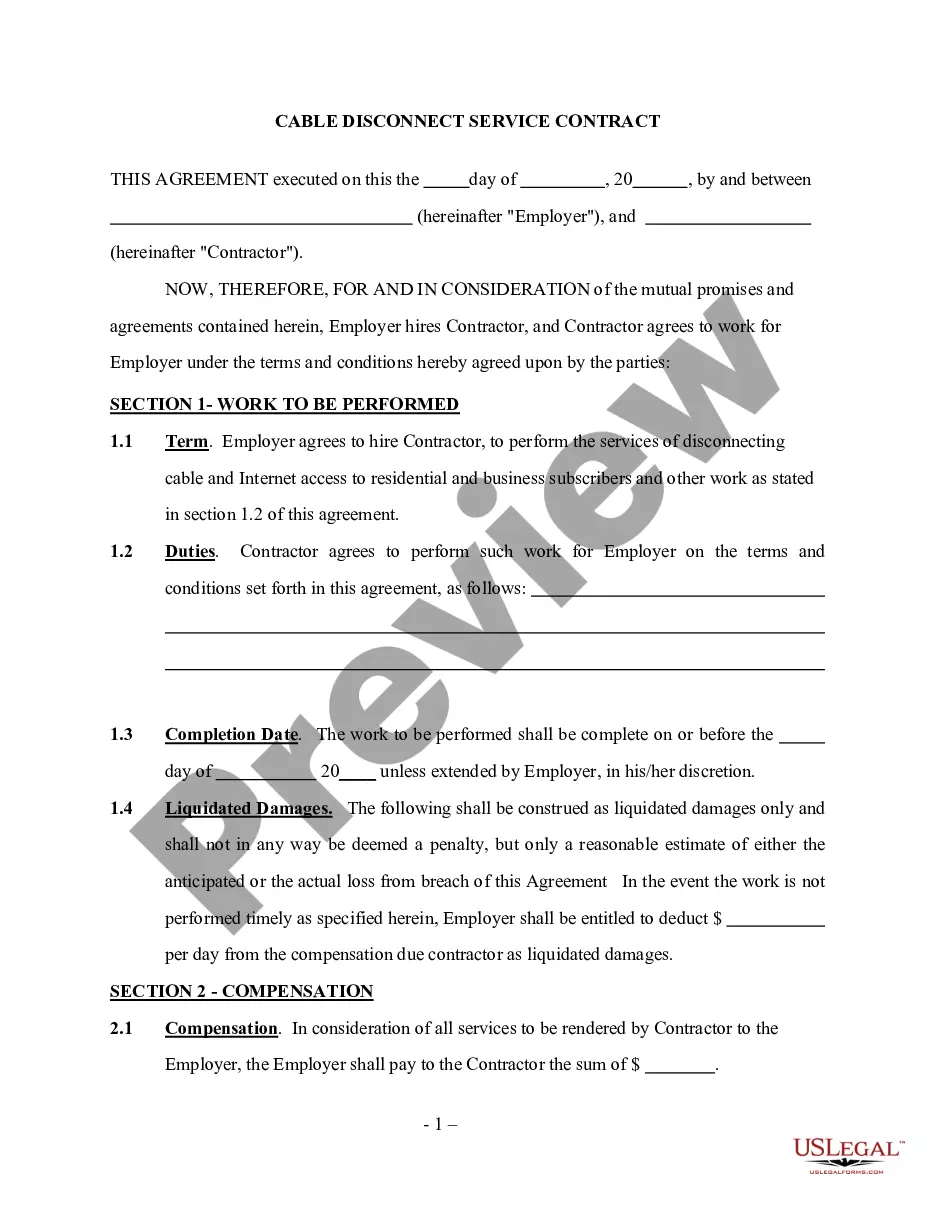
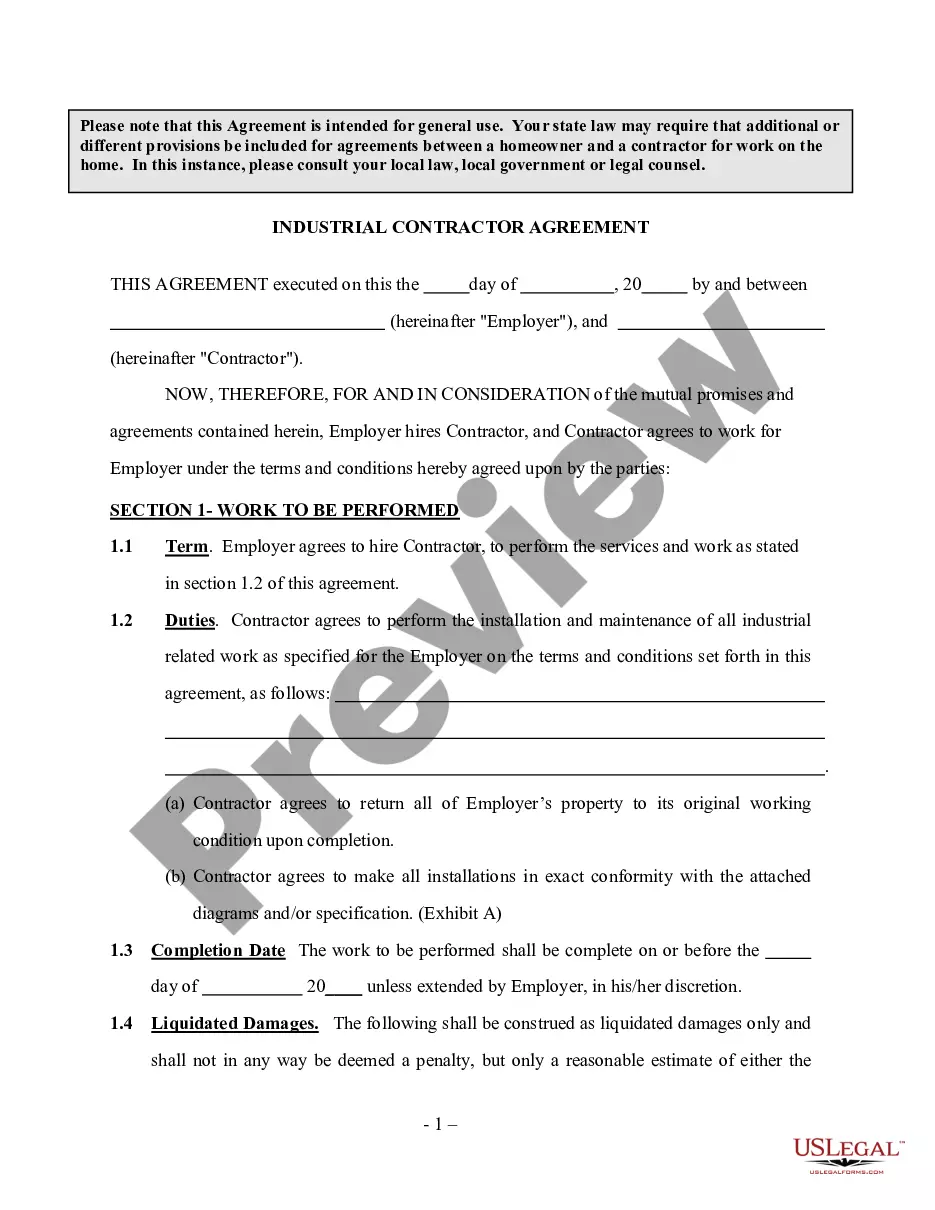
Get your form ready online
Our built-in tools help you complete, sign, share, and store your documents in one place.
Make edits, fill in missing information, and update formatting in US Legal Forms—just like you would in MS Word.
Download a copy, print it, send it by email, or mail it via USPS—whatever works best for your next step.
Sign and collect signatures with our SignNow integration. Send to multiple recipients, set reminders, and more. Go Premium to unlock E-Sign.
If this form requires notarization, complete it online through a secure video call—no need to meet a notary in person or wait for an appointment.
We protect your documents and personal data by following strict security and privacy standards.

Make edits, fill in missing information, and update formatting in US Legal Forms—just like you would in MS Word.

Download a copy, print it, send it by email, or mail it via USPS—whatever works best for your next step.

Sign and collect signatures with our SignNow integration. Send to multiple recipients, set reminders, and more. Go Premium to unlock E-Sign.

If this form requires notarization, complete it online through a secure video call—no need to meet a notary in person or wait for an appointment.

We protect your documents and personal data by following strict security and privacy standards.
Looking for another form?

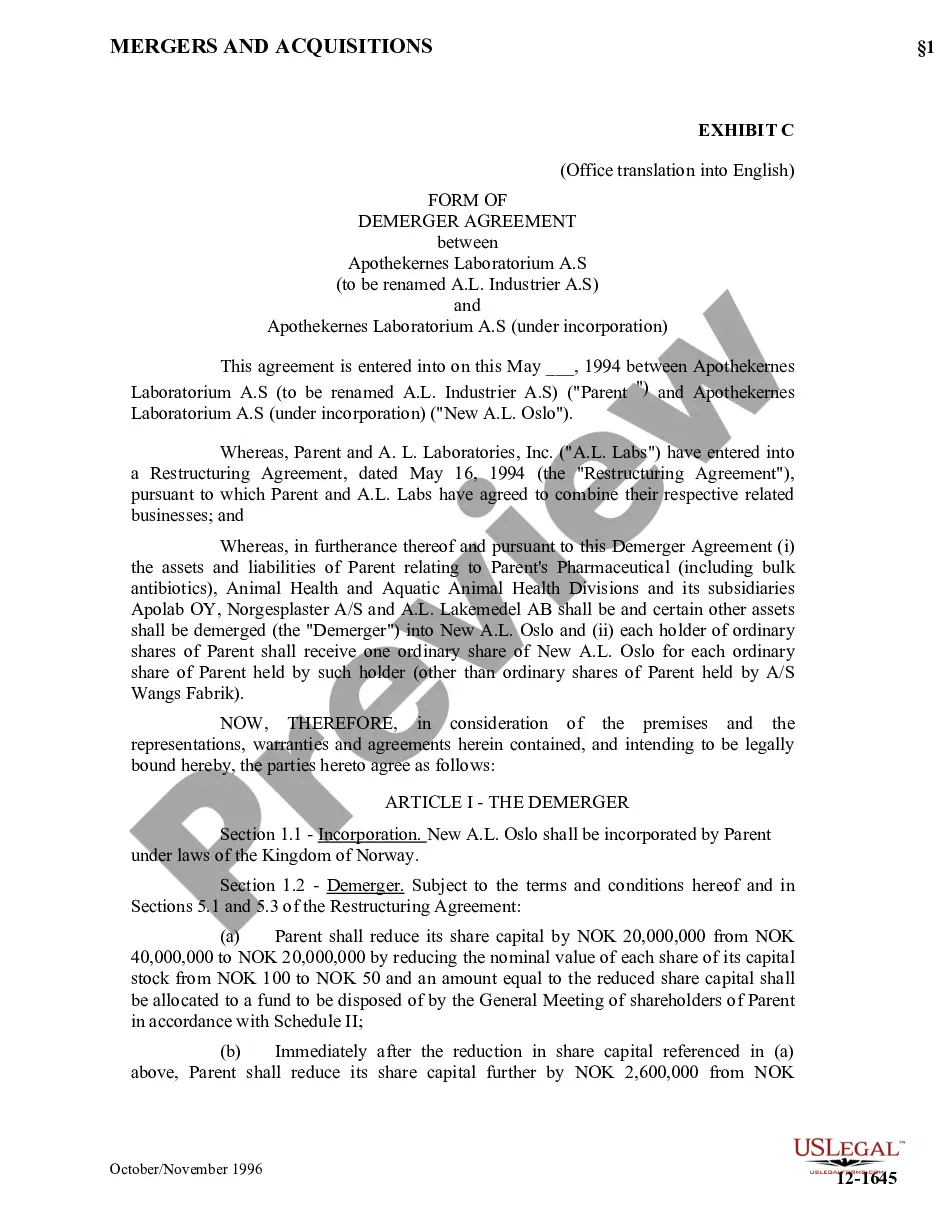







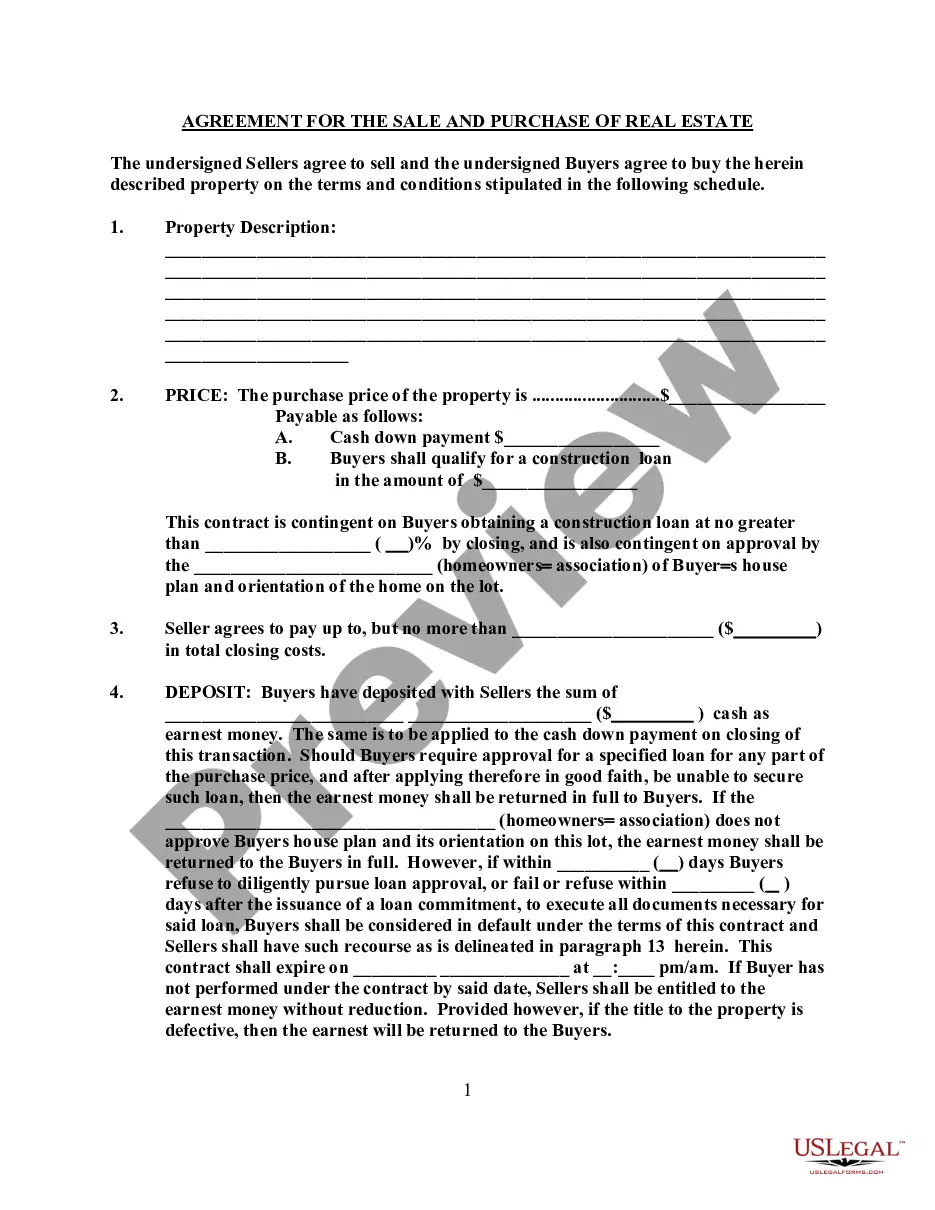
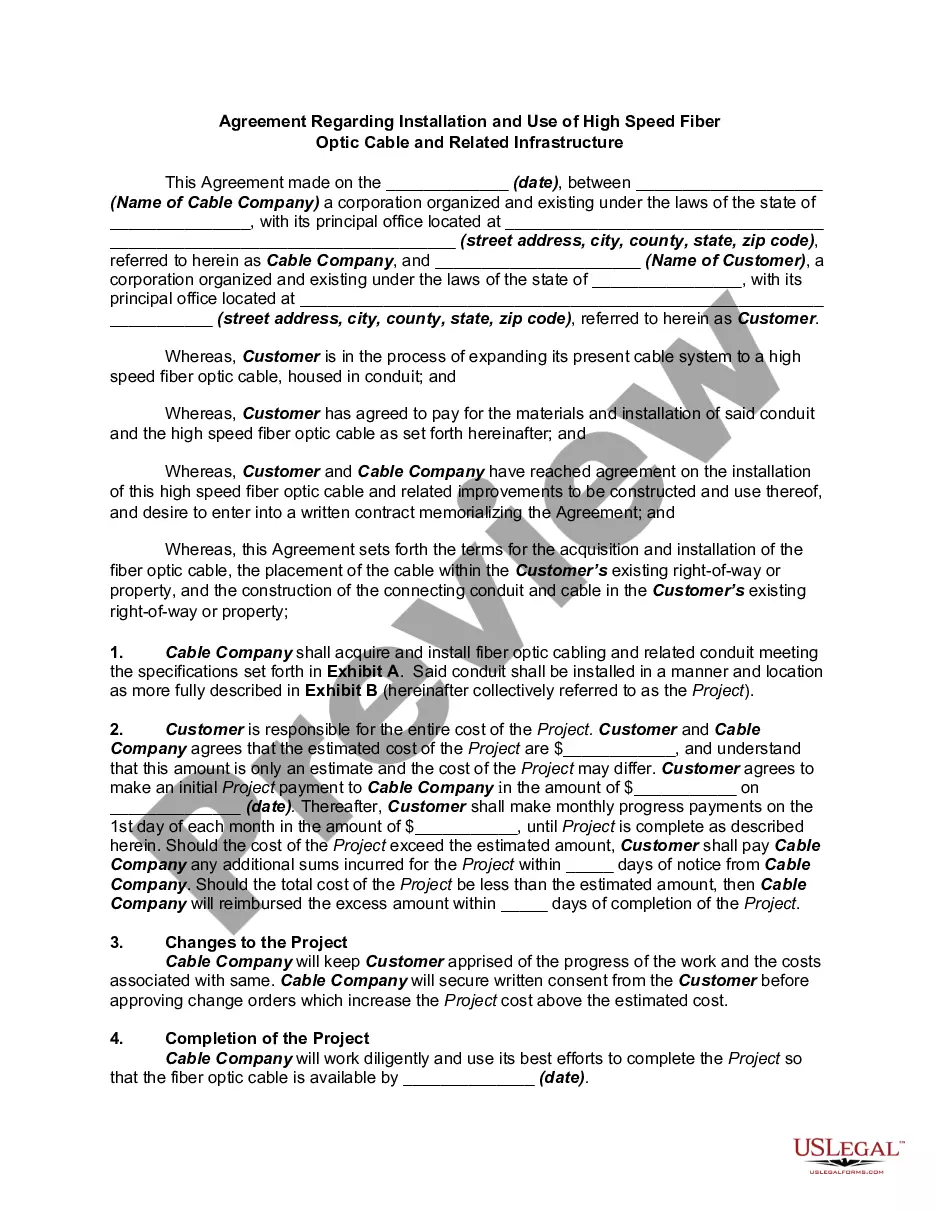
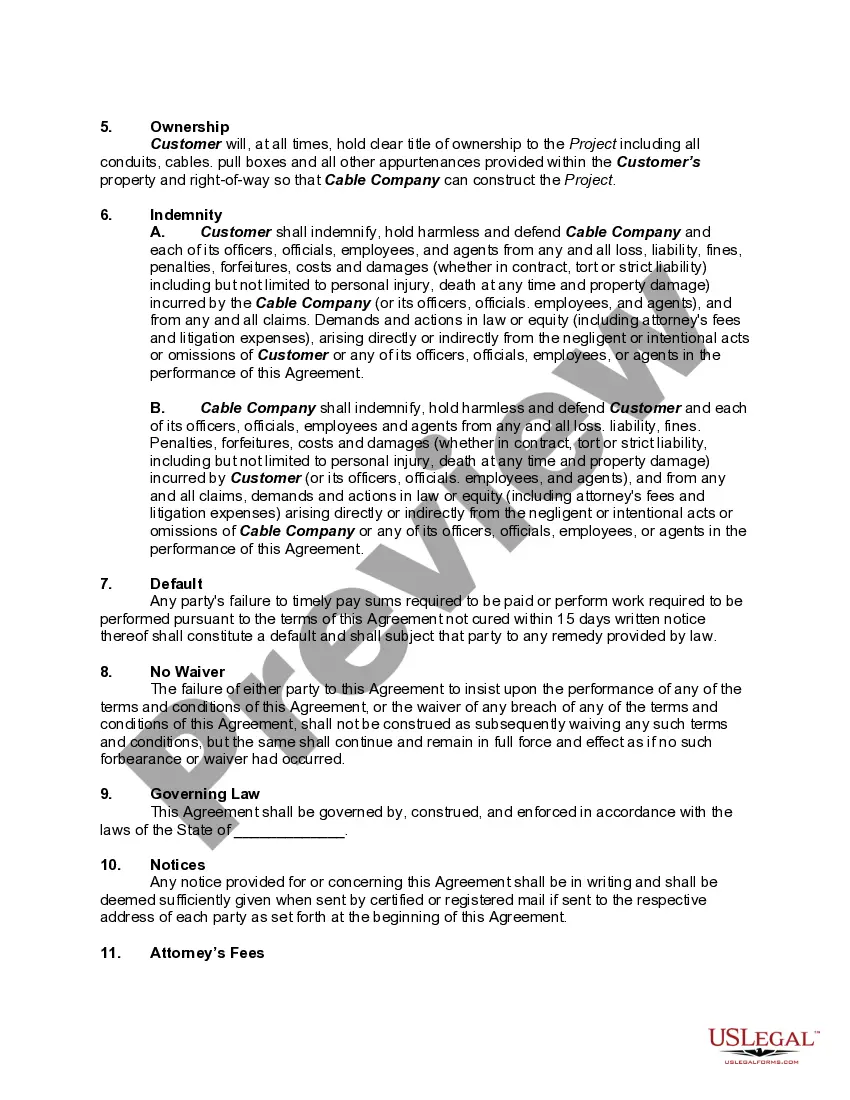
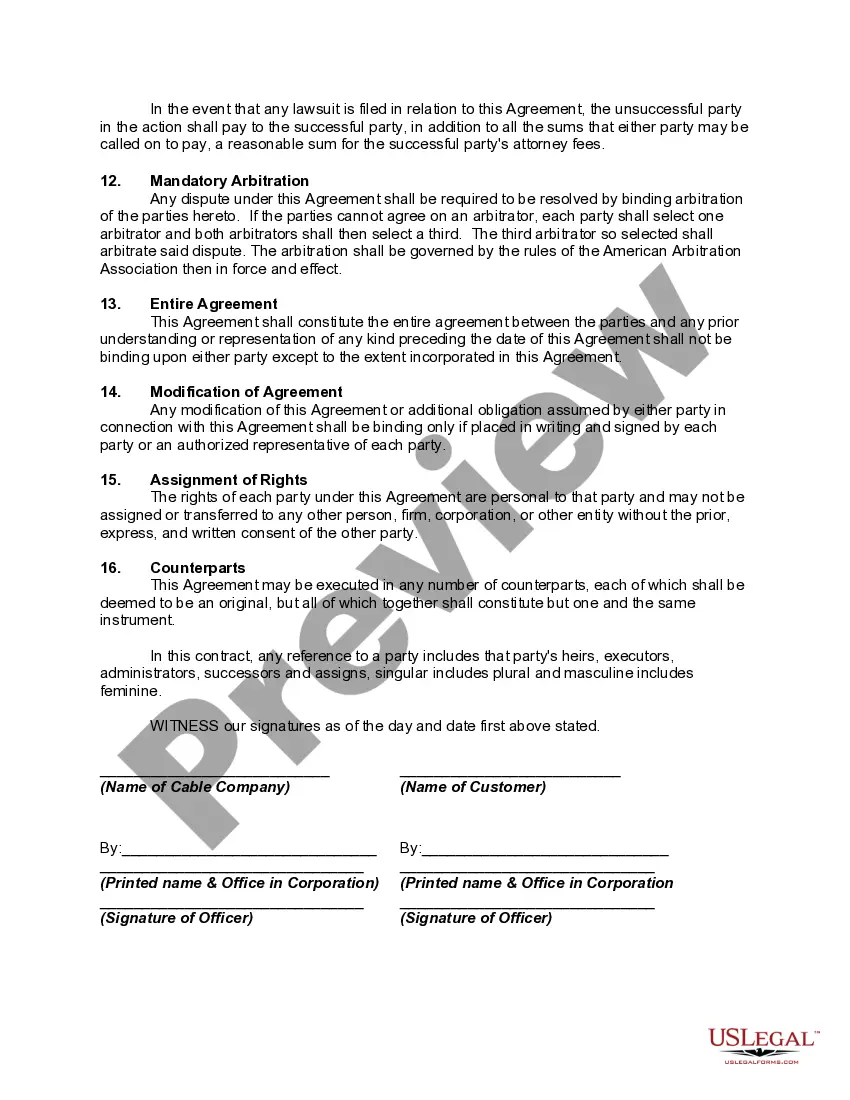
How to fill out Agreement Regarding Installation And Use Of High Speed Fiber Optic Cable And Related Infrastructure - Self-Employed?
- Log into your US Legal Forms account if you're an existing user. Make sure your subscription is active before proceeding to download.
- If it's your first time, begin by exploring the Preview mode and form descriptions to ensure your selected document meets your legal requirements.
- In case you need a different form, utilize the Search function to find the appropriate document that aligns with your needs.
- Select your desired document and click the Buy Now button. Choose a subscription plan that best suits your usage.
- Complete your purchase by providing payment details through credit card or PayPal.
- Download the completed form onto your device. You can access it anytime from the My Forms section in your profile.
By following these simple steps, you can navigate the process of acquiring legal forms through US Legal Forms seamlessly.
Start today and experience the convenience of having vast legal resources at your fingertips. Visit US Legal Forms now!
Form popularity
FAQ
To both agree and disagree means recognizing that in a conversation, there can be elements of truth in multiple viewpoints. This concept allows individuals to honor shared beliefs while presenting their own contradictory ideas. It fosters a more complex discussion that appreciates diversity in thought. Understanding this dynamic can enhance your communication skills, particularly in negotiations or relationships.
Expressing partial agreement often involves acknowledging certain facts while presenting different viewpoints. You could say, 'I agree with your first point, but I think we should consider this perspective.' This tactic highlights areas of consensus while inviting discussion on contrasting ideas. By doing so, you create space for dialogue, making it easier to navigate the nuances of agreement and disagreement.
You might also use the term 'let's leave it at that' as a way to express agreement to disagree. This phrase signifies a mutual understanding that while opinions vary, there's no need for further debate. It encapsulates the idea of respecting each other’s viewpoints without reaching a consensus. Such phrases can be helpful in avoiding conflicts while preserving relationships.
A common alternative to 'agree to disagree' is 'let's put our differences aside.' This phrase suggests that you are willing to respect opposing views while acknowledging that consensus may not be possible. It emphasizes the value of maintaining a positive relationship despite differing opinions. This approach can lead to more harmonious discussions in both personal and professional settings.
To convey simultaneous agreement and disagreement, you might say, 'I agree with parts of your argument, but I have some different views on other aspects.' This clearly indicates that while you find value in the other person's opinion, there are still points where you diverge. Engaging in this manner encourages comprehensive conversations about the topic at hand. Remember, recognizing agreement and disagreement can enhance mutual respect.
When you express that you both agree and disagree, you can use phrases like 'I see your point, but I also have my reservations.' This allows for a respectful exchange of ideas and acknowledges differing perspectives. It's important to communicate clearly when discussing agreements and disagreements to foster understanding. Consider using this tactic in discussions to promote constructive dialogue.
To politely agree to disagree, you can say something like, 'I appreciate your insights, and while we see things differently, I value our discussion.' This expression shows that you respect differing opinions, which is crucial in maintaining healthy professional relationships concerning agreement and disagreement.
To agree in a professional way, summarize the other person's points and then voice your agreement clearly. For instance, 'I concur with your assessment of the situation and support your proposed solution.' This manner of agreeing fosters collaboration while reinforcing the concept of agreement and disagreement.
When expressing a disagreement professionally, use phrases like, 'I understand your viewpoint, but I have a different perspective.' This approach demonstrates respect for the discussion and emphasizes that agreement and disagreement can coexist without compromising professionalism.
To write a disagreement statement, clearly outline the points of contention, and state your perspective in a calm and respectful manner. For example, you could write, 'I respectfully disagree with the proposed strategy as I believe it overlooks critical market factors.' This method conveys your stance on the agreement and disagreement without causing conflict.