Federal Court Motion To Dismiss For Failure To Prosecute
Description
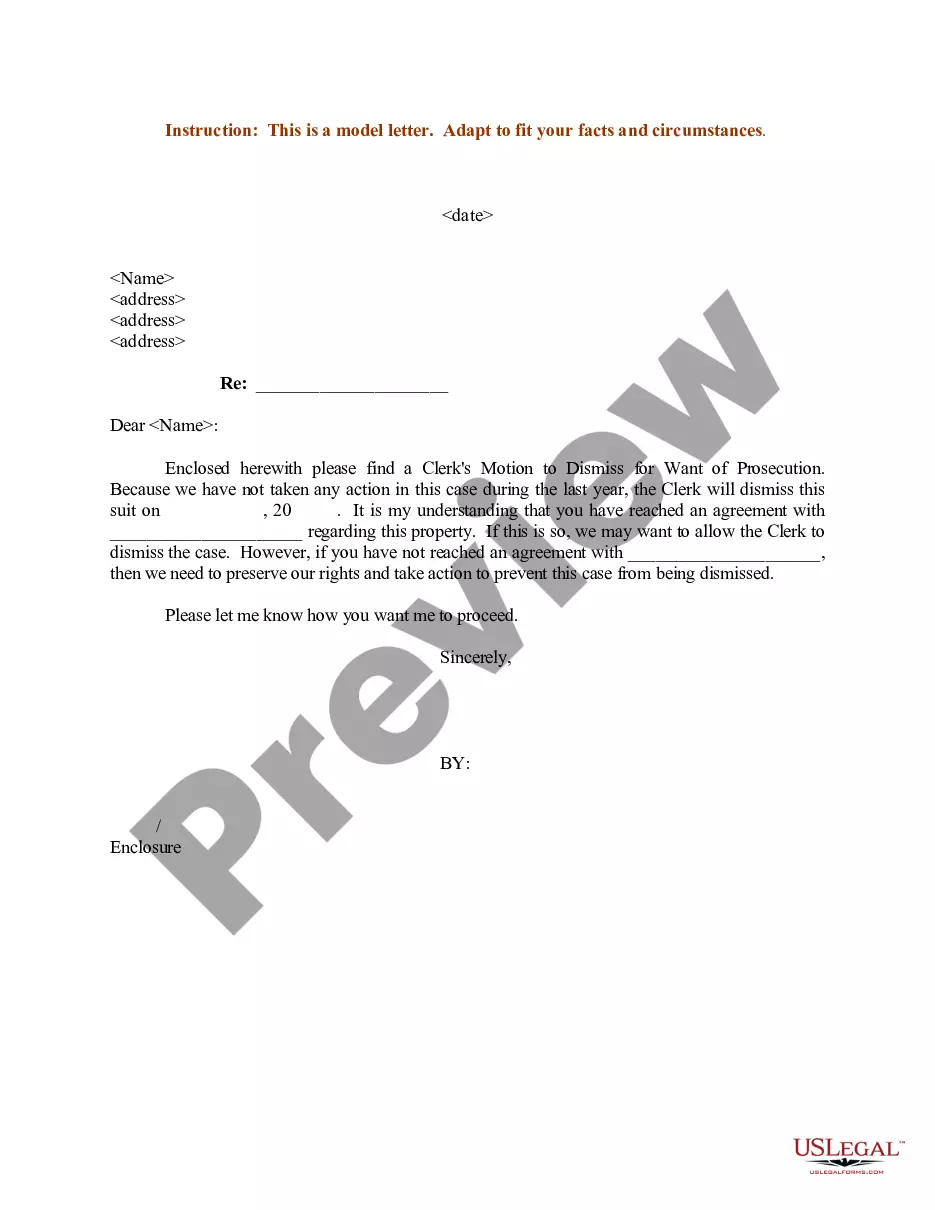
Get your form ready online
Our built-in tools help you complete, sign, share, and store your documents in one place.
Make edits, fill in missing information, and update formatting in US Legal Forms—just like you would in MS Word.
Download a copy, print it, send it by email, or mail it via USPS—whatever works best for your next step.
Sign and collect signatures with our SignNow integration. Send to multiple recipients, set reminders, and more. Go Premium to unlock E-Sign.
If this form requires notarization, complete it online through a secure video call—no need to meet a notary in person or wait for an appointment.
We protect your documents and personal data by following strict security and privacy standards.

Make edits, fill in missing information, and update formatting in US Legal Forms—just like you would in MS Word.

Download a copy, print it, send it by email, or mail it via USPS—whatever works best for your next step.

Sign and collect signatures with our SignNow integration. Send to multiple recipients, set reminders, and more. Go Premium to unlock E-Sign.

If this form requires notarization, complete it online through a secure video call—no need to meet a notary in person or wait for an appointment.

We protect your documents and personal data by following strict security and privacy standards.
Looking for another form?
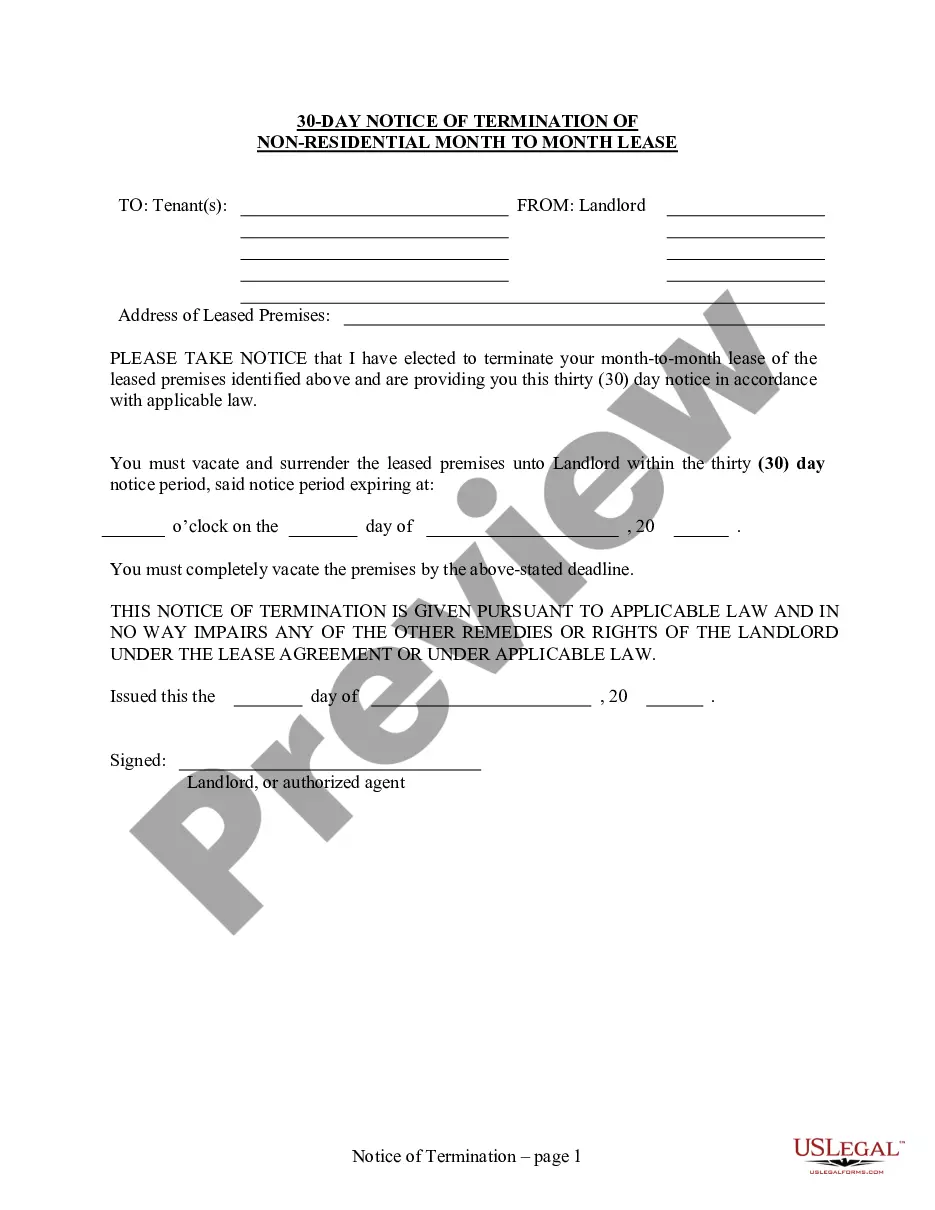
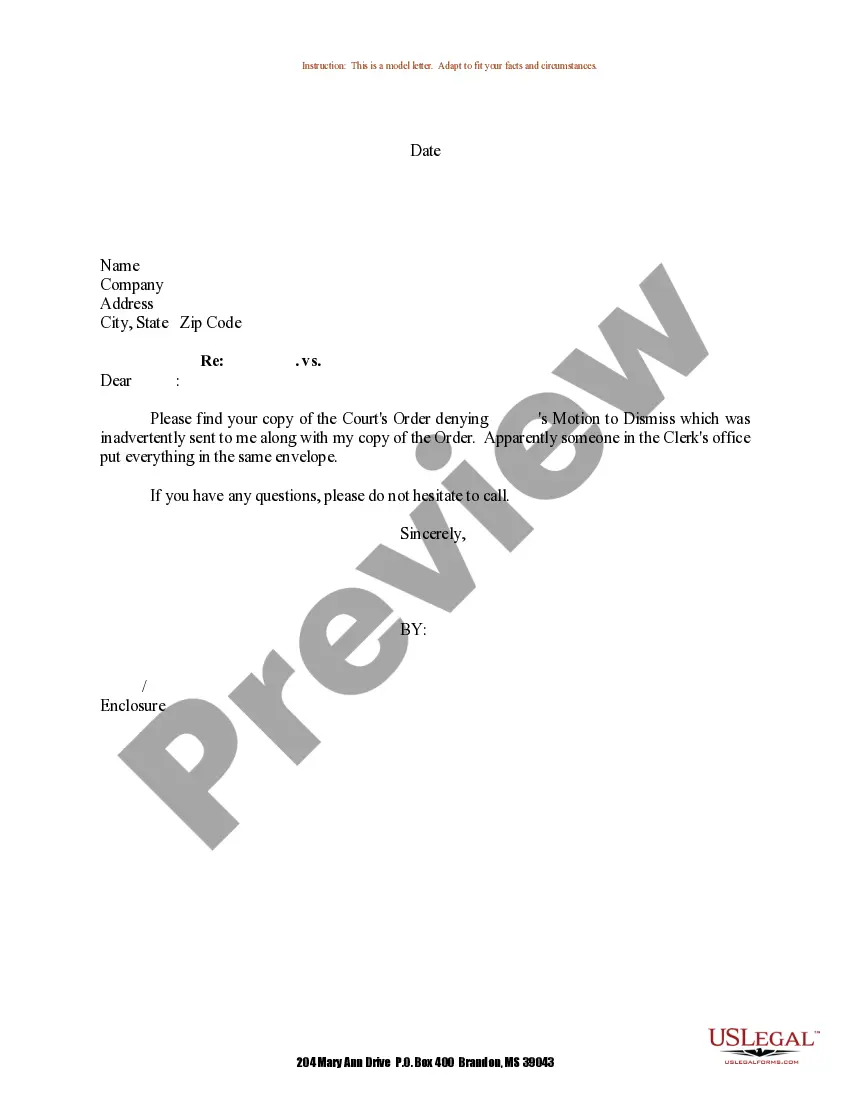
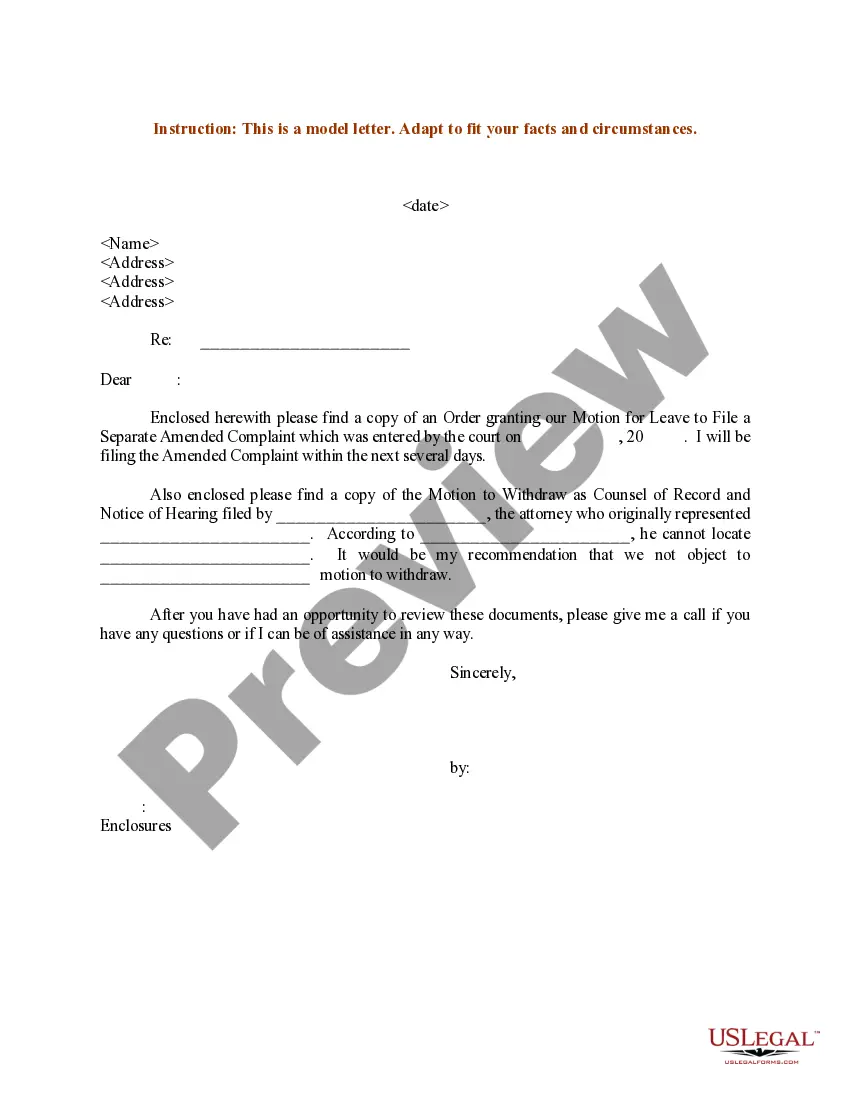
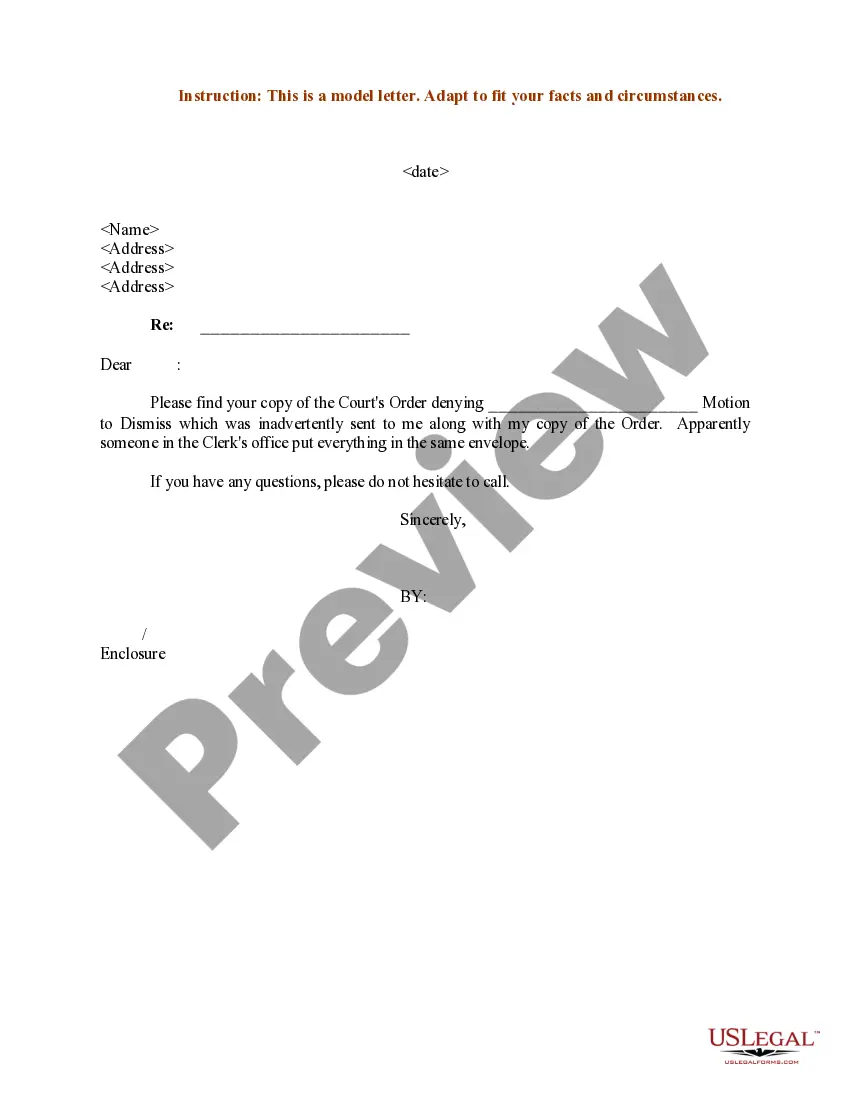
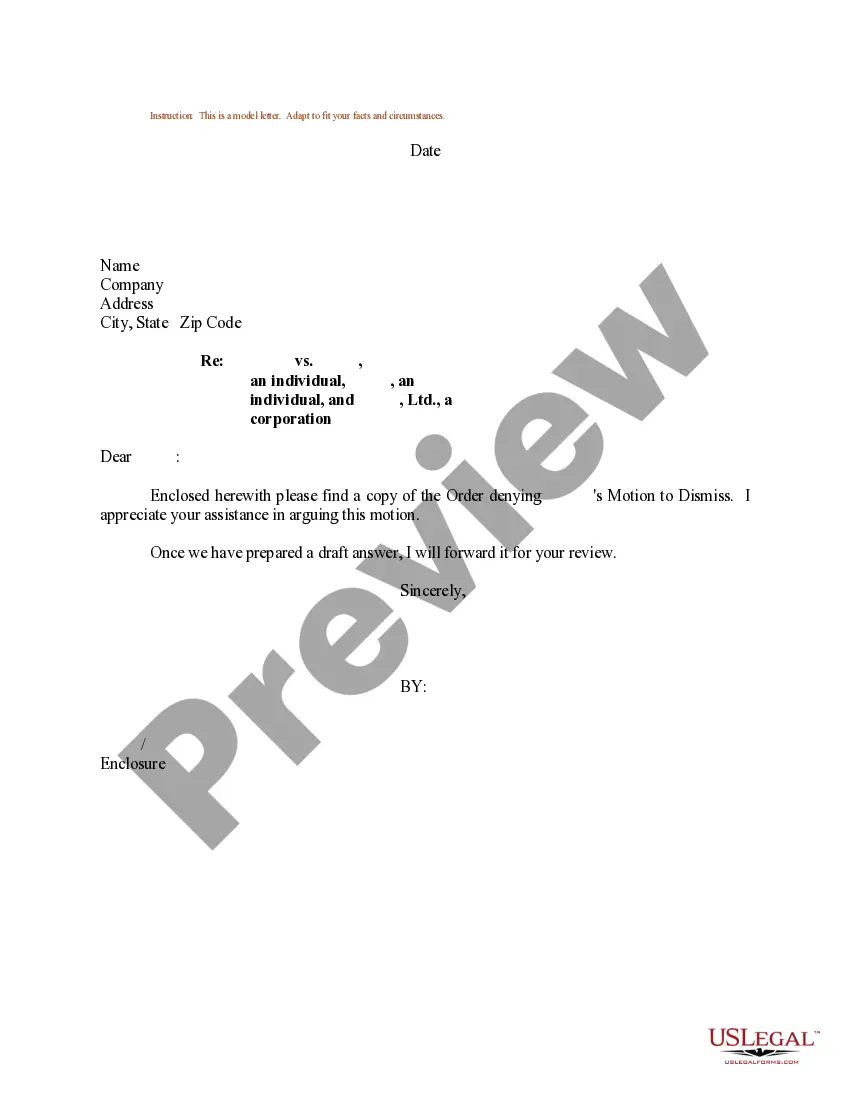
How to fill out Sample Letter For Court Order Denying Motion To Dismiss Case?
It’s clear that you cannot become a legal expert instantly, nor can you swiftly acquire the skills to draft a Federal Court Motion To Dismiss For Failure To Prosecute without a specialized background.
Preparing legal documents is a lengthy procedure that demands specific education and expertise. So why not entrust the creation of the Federal Court Motion To Dismiss For Failure To Prosecute to the experts.
With US Legal Forms, one of the most comprehensive legal template collections, you can access everything from court documents to templates for internal business communication.
If you require a different form, restart your search.
Register for a complimentary account and select a subscription plan to acquire the form. Choose Buy now. After the transaction is completed, you can obtain the Federal Court Motion To Dismiss For Failure To Prosecute, fill it out, print it, and send it or mail it to the appropriate individuals or entities.
- We recognize the significance of compliance and adherence to federal and state laws.
- That’s why, on our website, all templates are location-specific and current.
- Here’s how to begin with our platform and obtain the form you need in just minutes.
- Find the document you require using the search bar at the top of the page.
- Preview it (if this option is available) and read the accompanying description to assess whether the Federal Court Motion To Dismiss For Failure To Prosecute is what you’re seeking.
Form popularity
FAQ
To properly write a motion to dismiss, start by clearly identifying the case and the parties involved. Your motion should detail the reasons for dismissal, supported by relevant legal arguments and case law. It’s essential to format the document according to court rules. You can find helpful templates and examples on US Legal Forms, making it easier to craft a solid federal court motion to dismiss for failure to prosecute.
While it is possible to file a motion to dismiss without a lawyer, having legal representation can greatly enhance your chances of success. A lawyer can provide valuable insights into the specific requirements for a federal court motion to dismiss for failure to prosecute and help you navigate the complexities of court procedures. If you choose to proceed without a lawyer, ensure you thoroughly understand the process and requirements.
Writing a motion requires clarity and conciseness. Begin with a strong introduction that outlines your request, followed by a detailed explanation of the reasons behind your motion. Use clear headings and maintain a logical flow throughout the document. Platforms like US Legal Forms provide templates that can help you structure your federal court motion to dismiss for failure to prosecute effectively.
The standard for a motion to dismiss typically revolves around whether the complaint presents sufficient facts that, if true, would entitle the plaintiff to relief. In the context of a federal court motion to dismiss for failure to prosecute, the court will examine if the plaintiff's actions demonstrate a lack of intent to pursue the case. Understanding this standard can help you formulate a more effective motion.
You should file a motion to dismiss in federal court when you believe that the case lacks sufficient grounds to proceed. This can occur if the plaintiff fails to prosecute or if there are procedural issues that warrant dismissal. It’s crucial to understand the timing, as filing this motion too late can impact your case. Always consider consulting with a legal expert when preparing a federal court motion to dismiss for failure to prosecute.
To fill out a motion to dismiss form, start by clearly stating the grounds for your motion. Make sure to include relevant details such as case number, parties involved, and the specific legal basis for your request. You can utilize resources from a platform like US Legal Forms, which offers templates to guide you through the process of creating a federal court motion to dismiss for failure to prosecute.
A motion to dismiss for failure to prosecute is a request made to the court to terminate a case due to a party's inaction. This motion highlights the importance of actively pursuing your claims in federal court. By filing this motion, the opposing party seeks to resolve the case efficiently, ensuring that the court does not waste resources on inactive cases. Utilizing platforms like USLegalForms can help you understand how to effectively file such motions and navigate the legal landscape.
Rule 41(b) allows the court to dismiss a case for failure to prosecute or comply with court orders. This type of dismissal is often initiated when a party does not make timely progress in their case, which can frustrate the court and other parties involved. A motion to dismiss for failure to prosecute under Rule 41(b) reinforces the need for diligence in legal proceedings. Knowing how this rule applies can aid you in maintaining an active role in your case.
Federal Rule 41 allows a plaintiff to voluntarily dismiss their case without prejudice, meaning they can refile later. This rule also enables the court to dismiss cases for failure to prosecute, ensuring that cases do not linger indefinitely. A dismissal under this rule can streamline the legal process, allowing both parties to focus on more pressing matters. Familiarizing yourself with Rule 41 can empower you in managing your legal strategies.
In federal court, grounds for a motion to dismiss can include lack of jurisdiction, failure to state a claim upon which relief can be granted, and other procedural deficiencies. A motion to dismiss for failure to prosecute specifically addresses situations where a party does not actively pursue their case. This motion serves as a tool for the court to maintain efficiency in the judicial process. Understanding these grounds can help you navigate the complexities of federal court effectively.