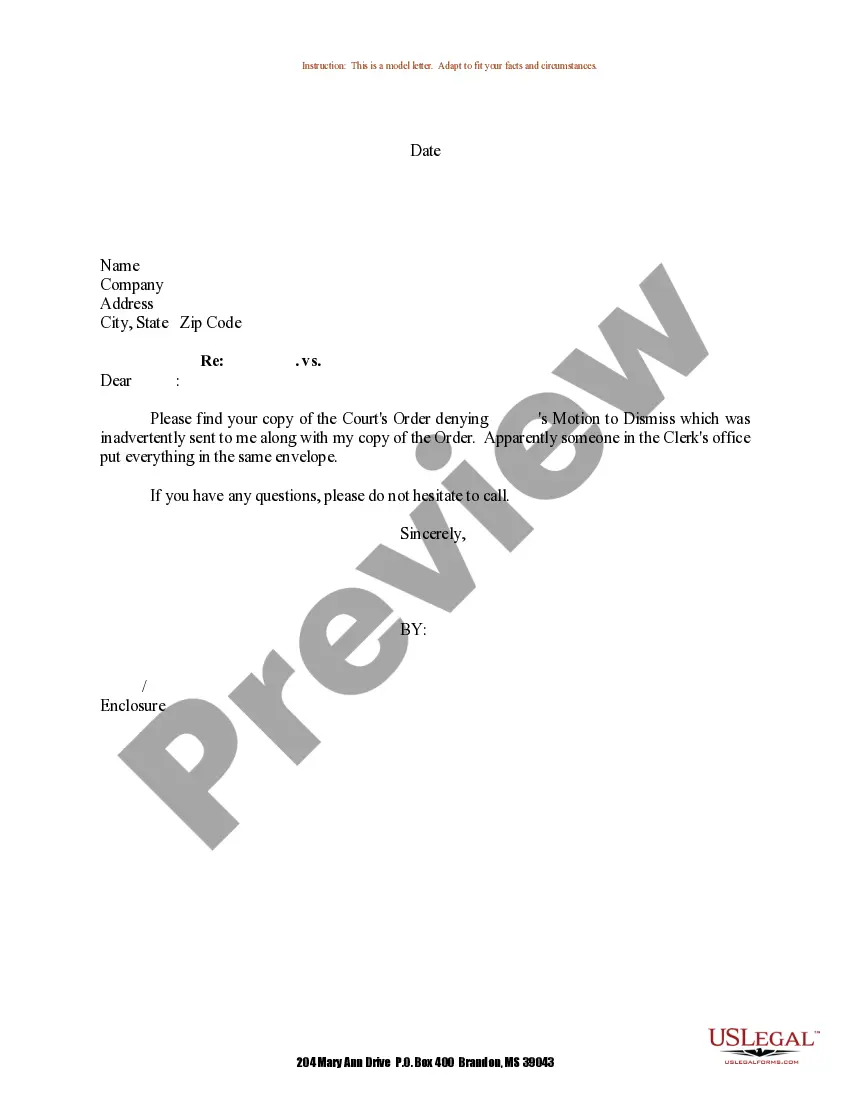
Court Dismiss Order With A Credit Card
Description
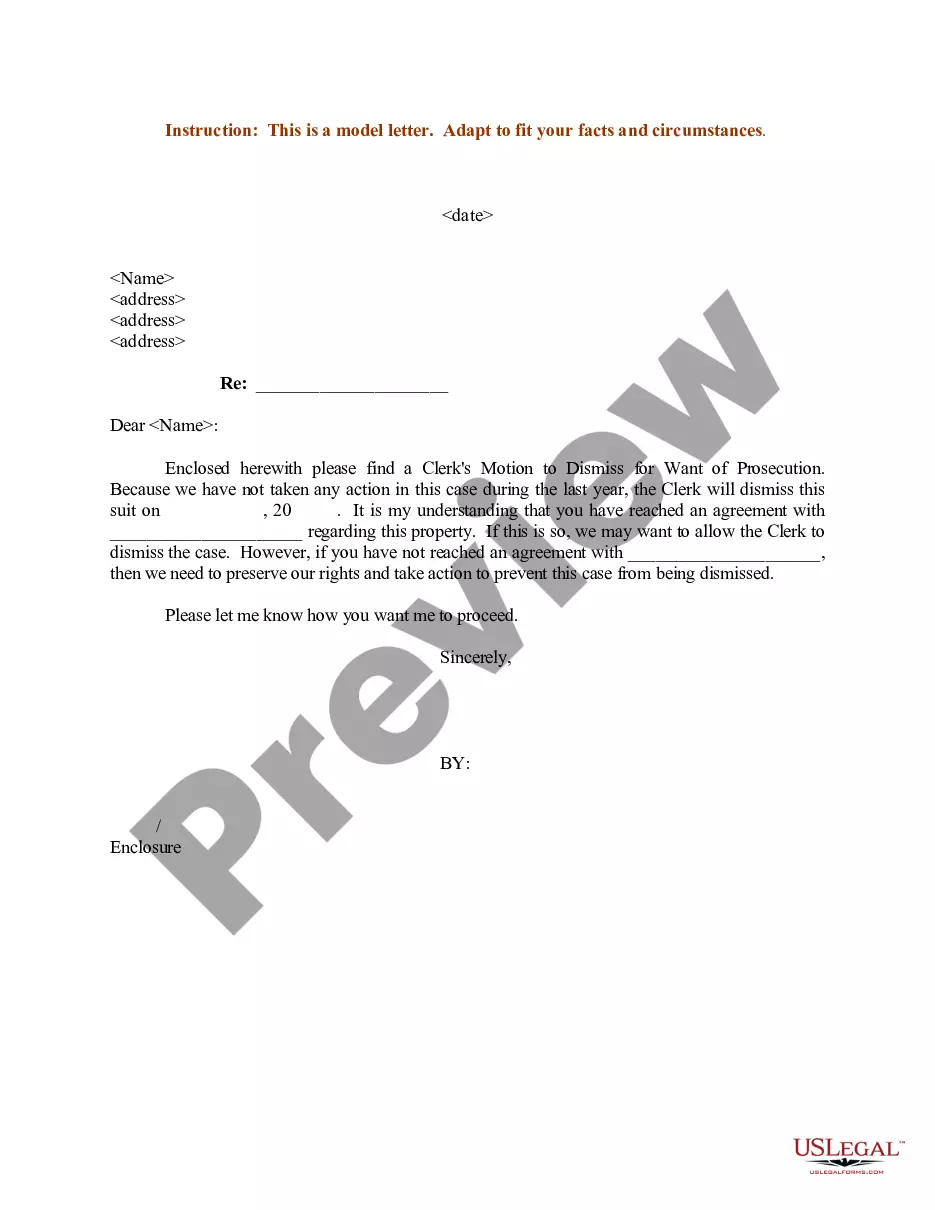
Get your form ready online
Our built-in tools help you complete, sign, share, and store your documents in one place.
Make edits, fill in missing information, and update formatting in US Legal Forms—just like you would in MS Word.
Download a copy, print it, send it by email, or mail it via USPS—whatever works best for your next step.
Sign and collect signatures with our SignNow integration. Send to multiple recipients, set reminders, and more. Go Premium to unlock E-Sign.
If this form requires notarization, complete it online through a secure video call—no need to meet a notary in person or wait for an appointment.
We protect your documents and personal data by following strict security and privacy standards.

Make edits, fill in missing information, and update formatting in US Legal Forms—just like you would in MS Word.

Download a copy, print it, send it by email, or mail it via USPS—whatever works best for your next step.

Sign and collect signatures with our SignNow integration. Send to multiple recipients, set reminders, and more. Go Premium to unlock E-Sign.

If this form requires notarization, complete it online through a secure video call—no need to meet a notary in person or wait for an appointment.

We protect your documents and personal data by following strict security and privacy standards.
Looking for another form?
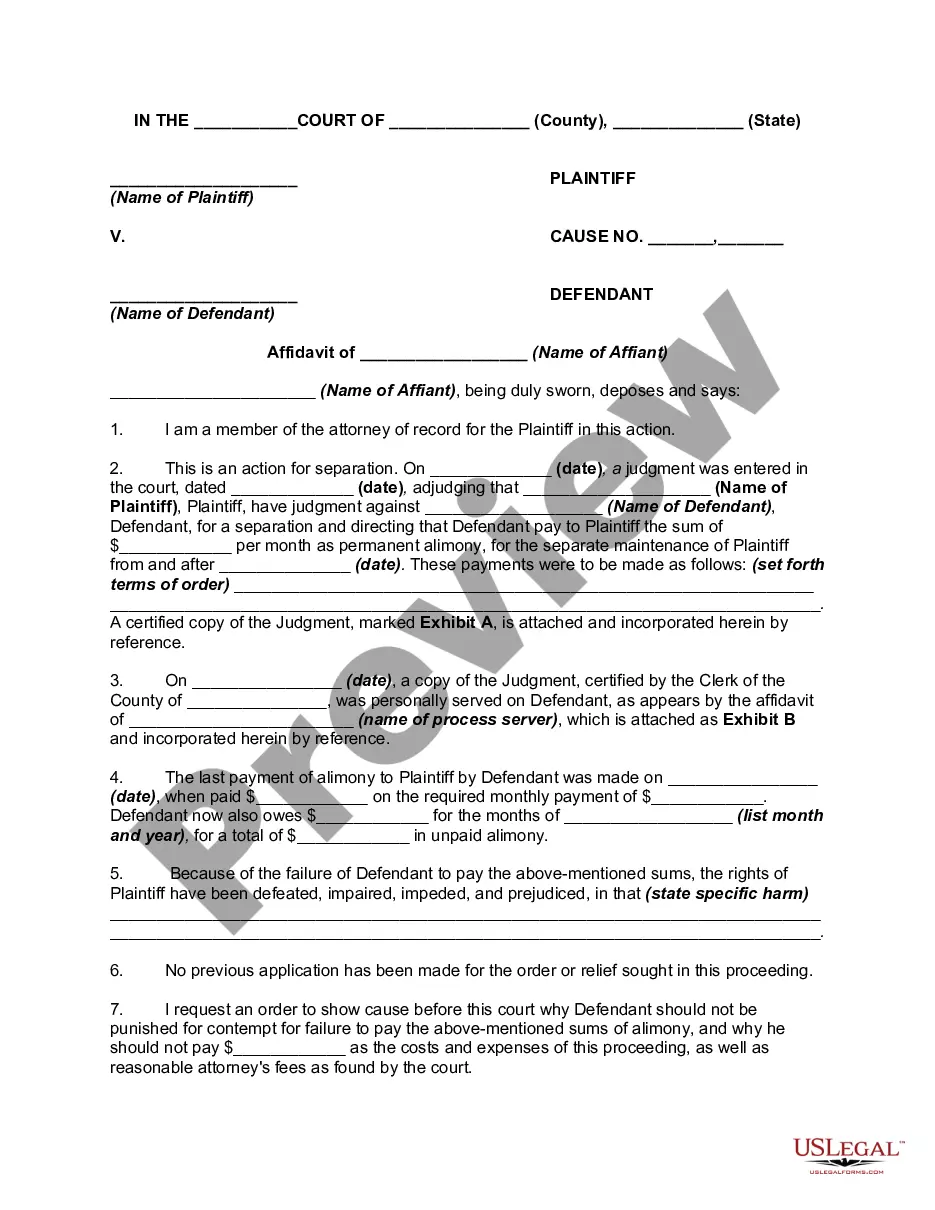
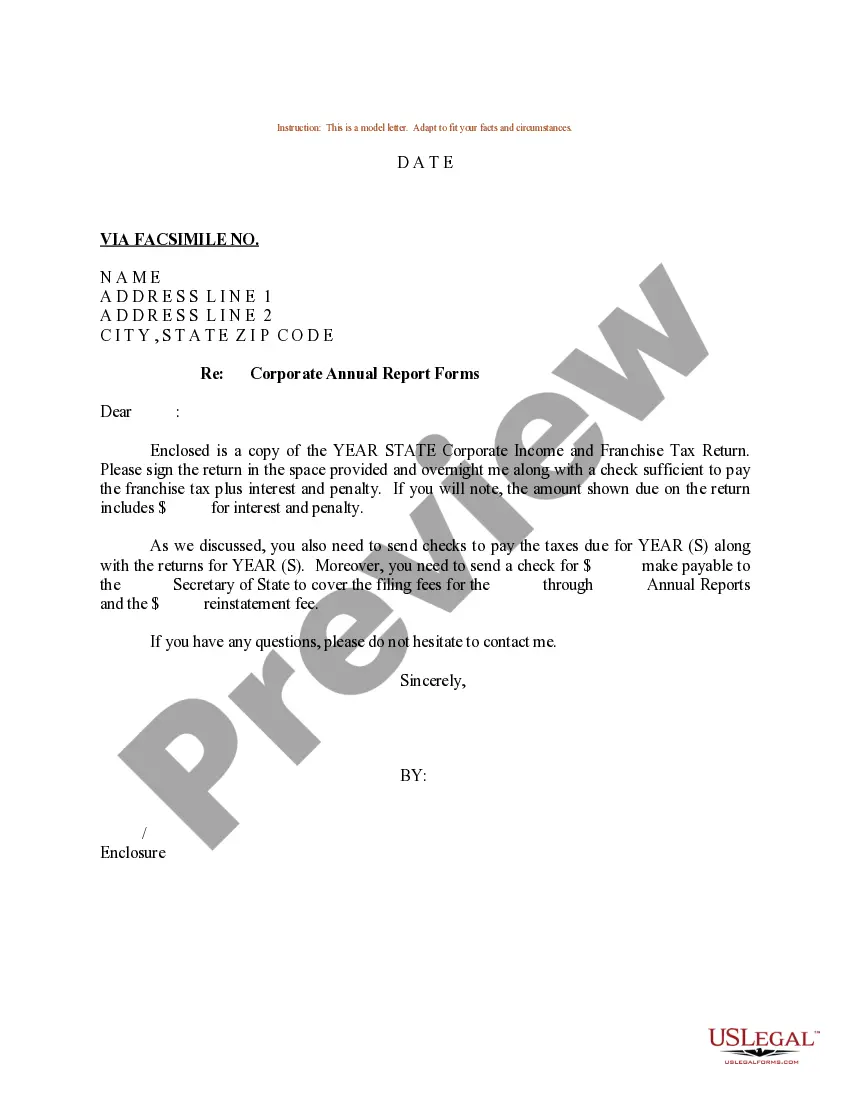
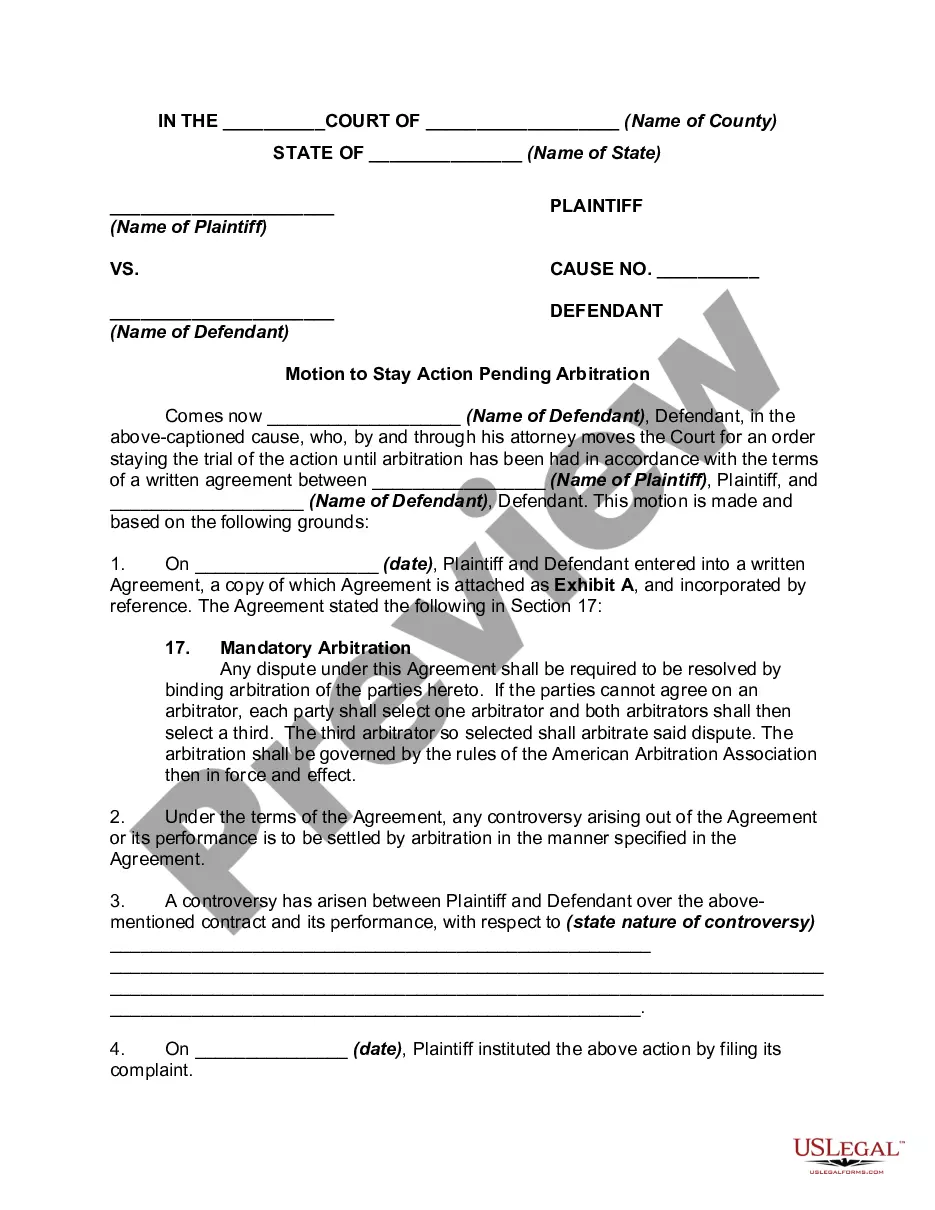
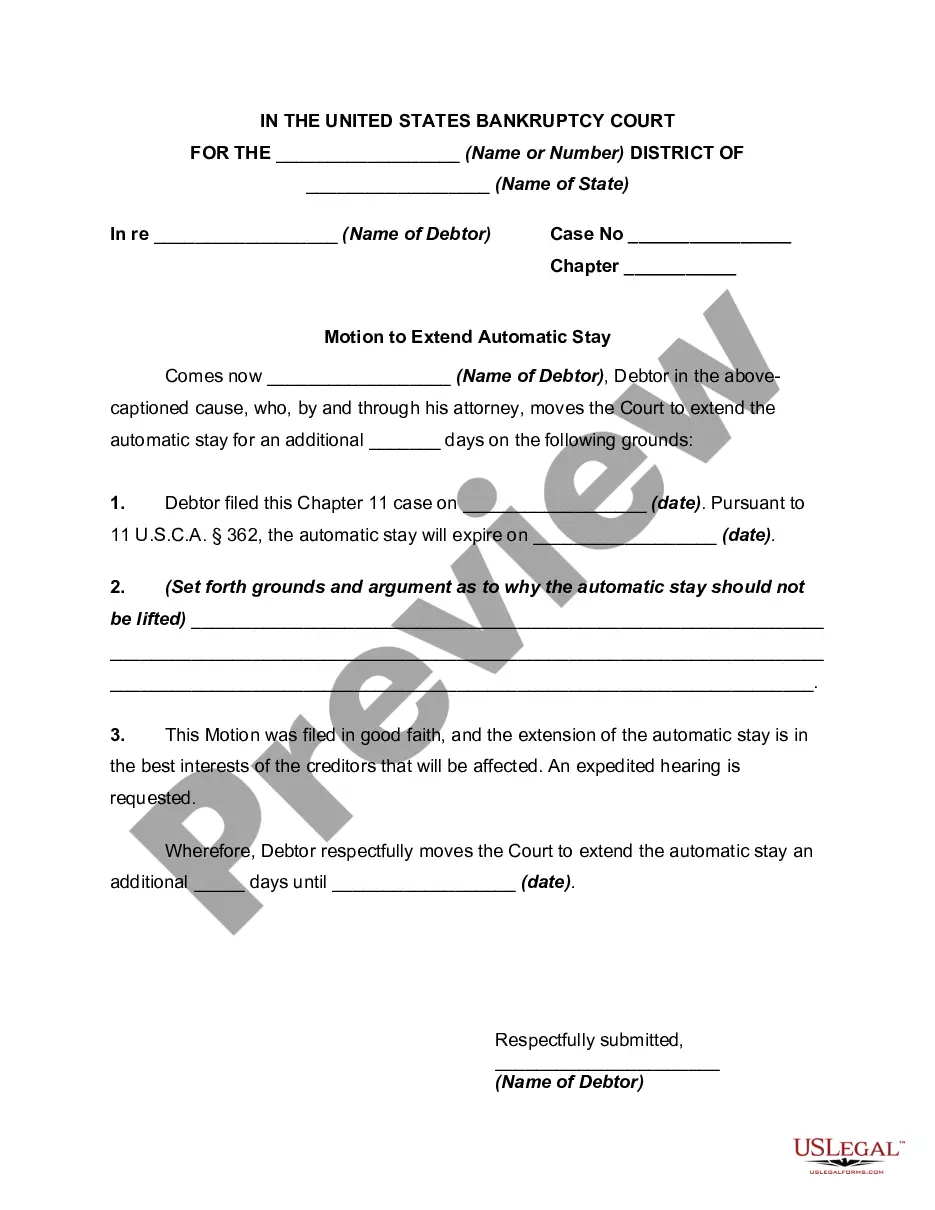
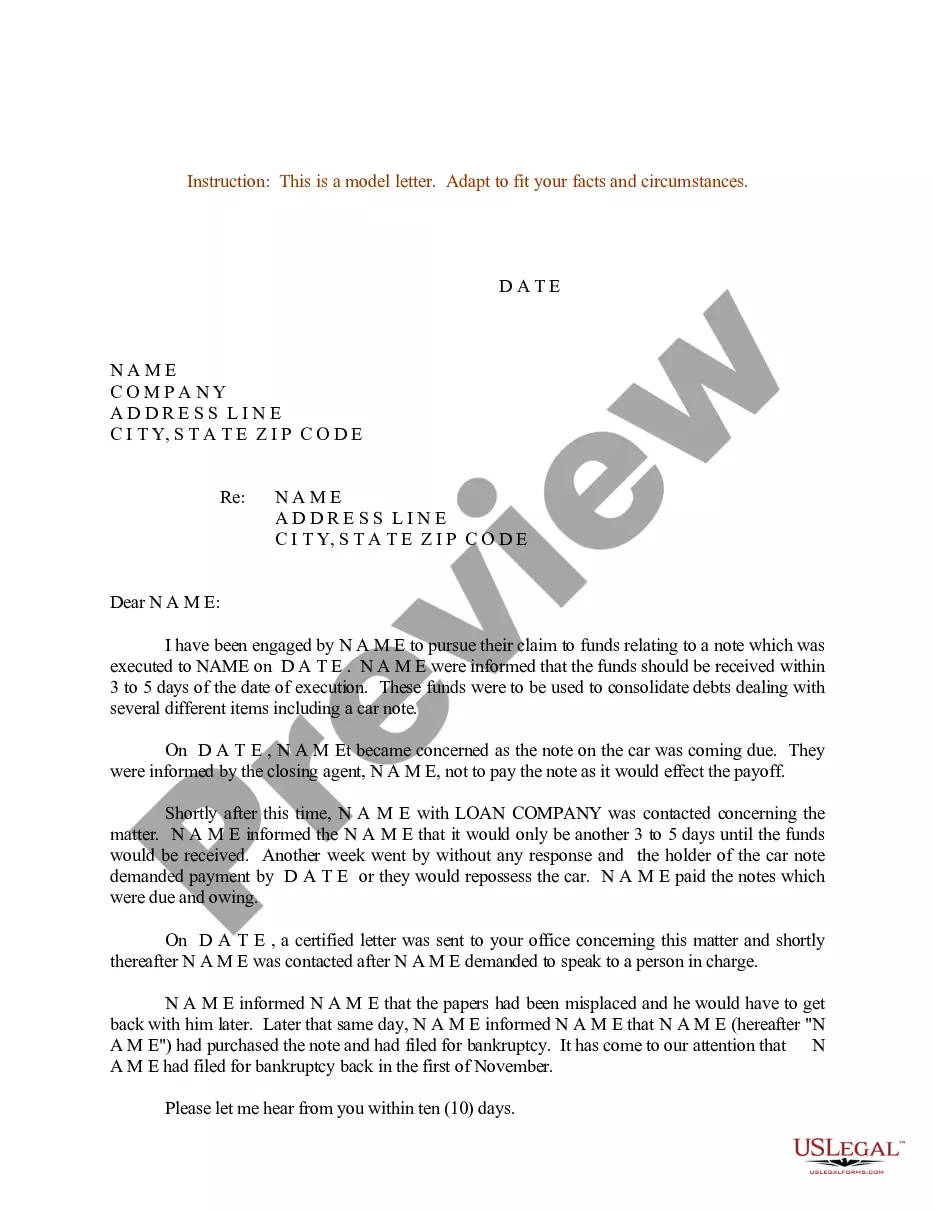
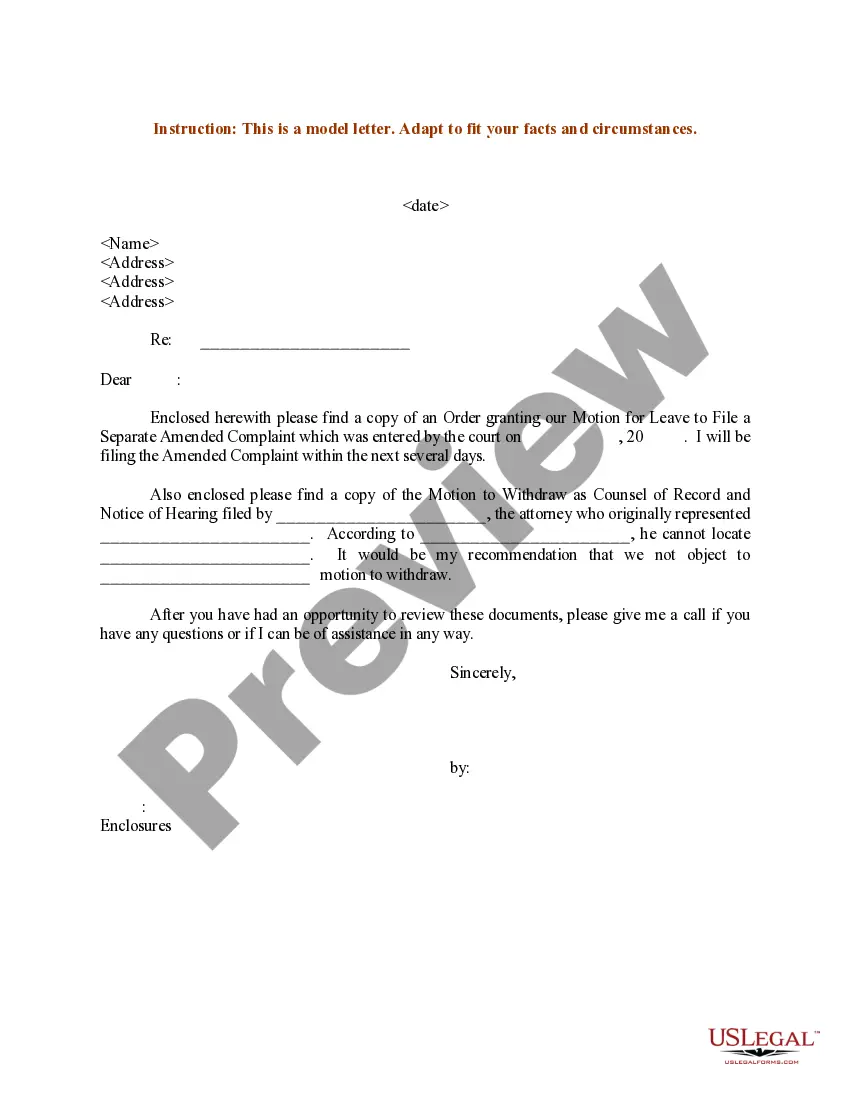
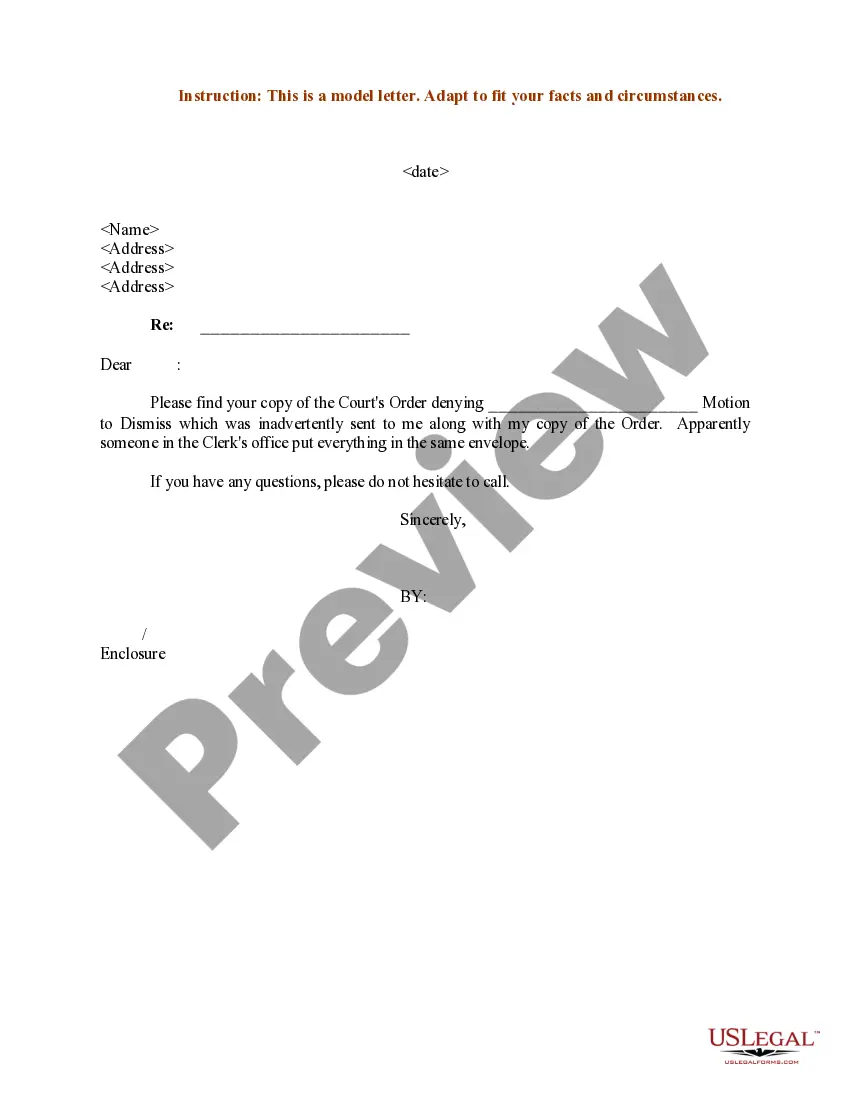
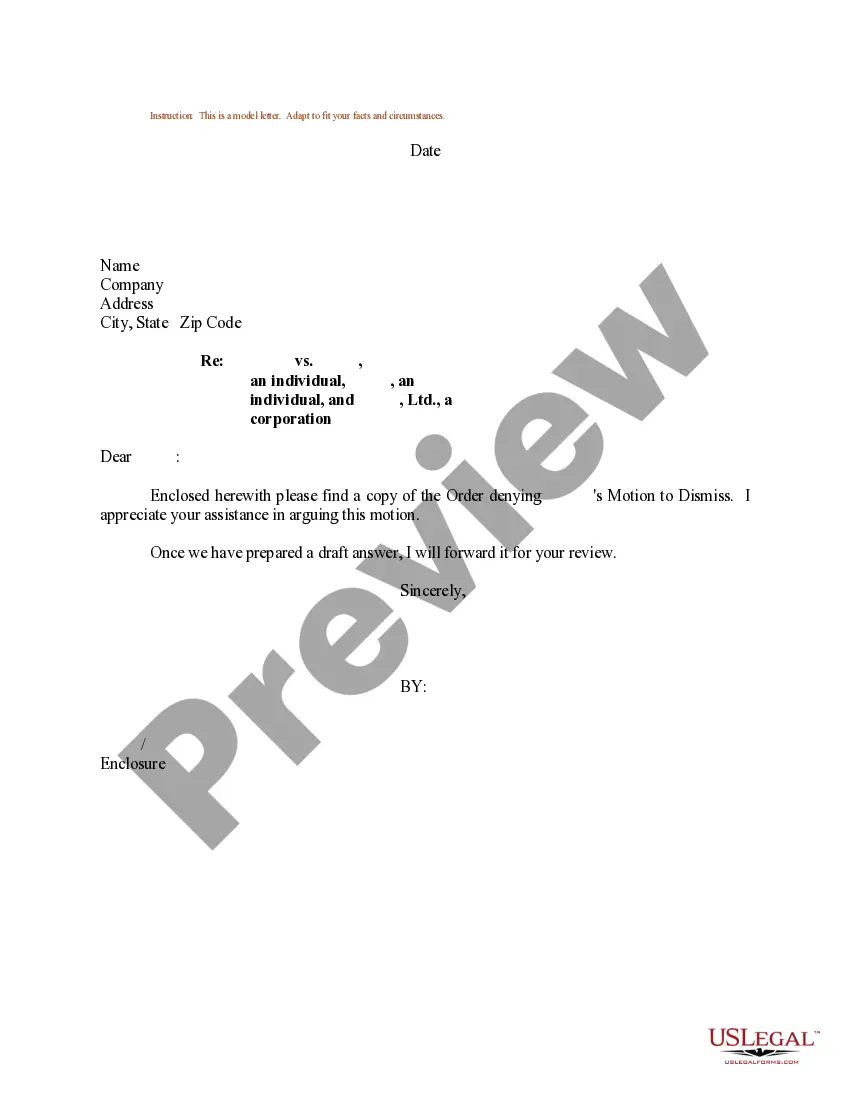
How to fill out Sample Letter For Court Order Denying Motion To Dismiss Case?
Whether for commercial reasons or for personal matters, everyone eventually has to handle legal circumstances in their lifetime.
Filling out legal documents necessitates meticulous scrutiny, starting with selecting the appropriate form template.
With a comprehensive US Legal Forms library available, you don't have to waste time searching for the correct template online. Utilize the library's easy navigation to find the suitable form for any circumstance.
- Obtain the template you require by utilizing the search bar or catalog navigation.
- Review the information of the form to verify its appropriateness for your case, state, and county.
- Click on the form’s preview to view it.
- If it is the wrong form, return to the search feature to find the Court Dismiss Order With A Credit Card sample you need.
- Acquire the template if it meets your specifications.
- If you have a US Legal Forms account, click Log in to access any previously saved templates in My documents.
- If you do not possess an account yet, you may acquire the form by clicking Buy now.
- Choose the appropriate pricing option.
- Complete the account setup form.
- Select your payment method: either use a credit card or a PayPal account.
- Choose the document format you prefer and download the Court Dismiss Order With A Credit Card.
- Once downloaded, you can fill out the form using editing software or print it and complete it manually.
Form popularity
FAQ
A motion to dismiss is a formal request for a court to dismiss a case. The reasons for a dismissal vary greatly. Settlement: Approximately 95% of civil cases reach settlements at some stage (can be before, after, or during the trial).
If you pay off your debt or negotiate an agreement with the debt collector to pay a lesser amount before going to trial, you can settle your case and have it dismissed.
File the Request for Dismissal with the court Bring the originals and copies of the Request for Dismissal to the clerk at the courthouse where the case was originally filed. They will file the forms and return the copy to you. Keep the copy for your records.
If you pay off your debt or negotiate an agreement with the debt collector to pay a lesser amount before going to trial, you can settle your case and have it dismissed.
A Dismissal Order ends the case. Upon dismissal the ?automatic stay? ends and creditors may start to collect debts unless a discharge is entered before the dismissal and the discharge is not revoked by the court. An Order of Dismissal does not free the debtor from any debt.