Temporary Custody To Avoid Cps For Emotional Distress
Description
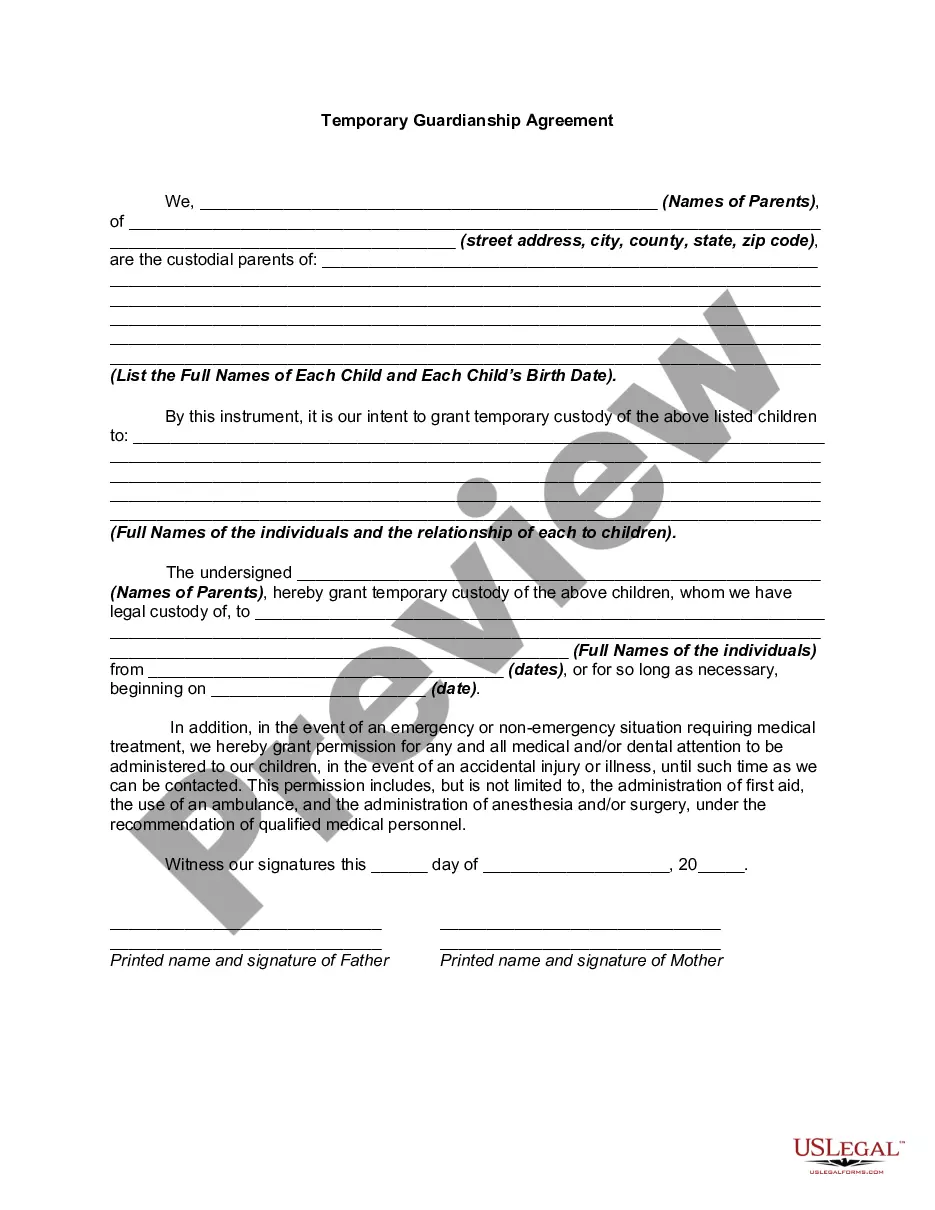
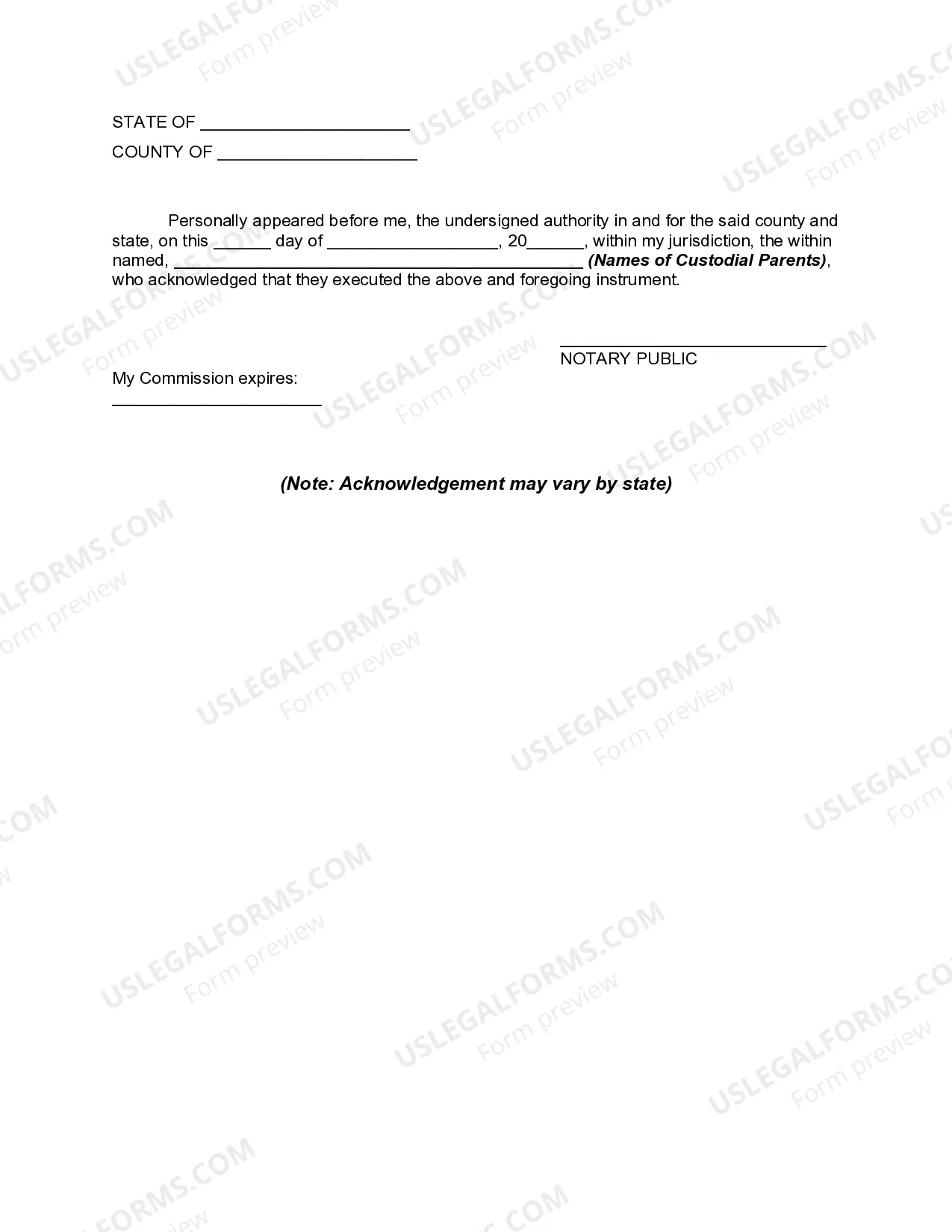
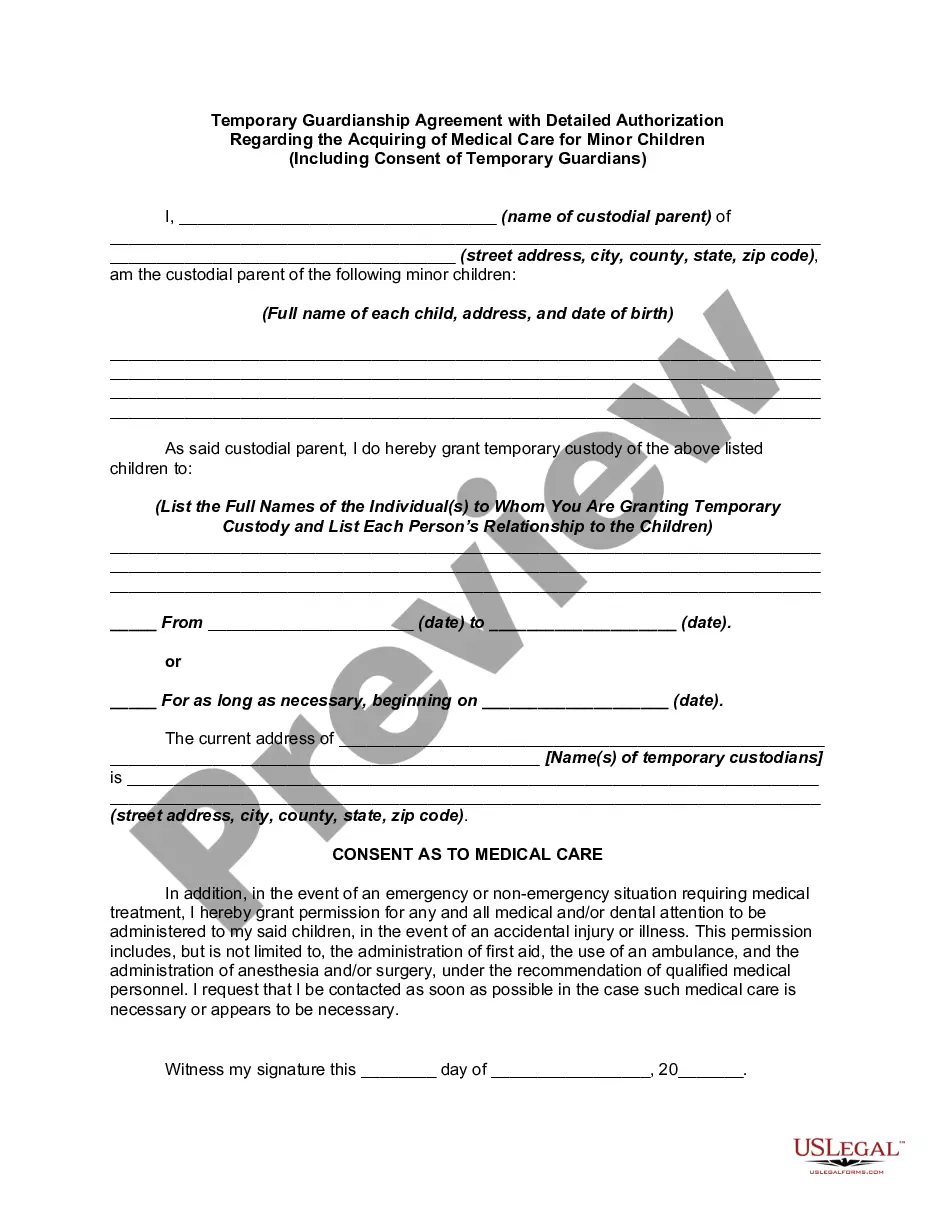
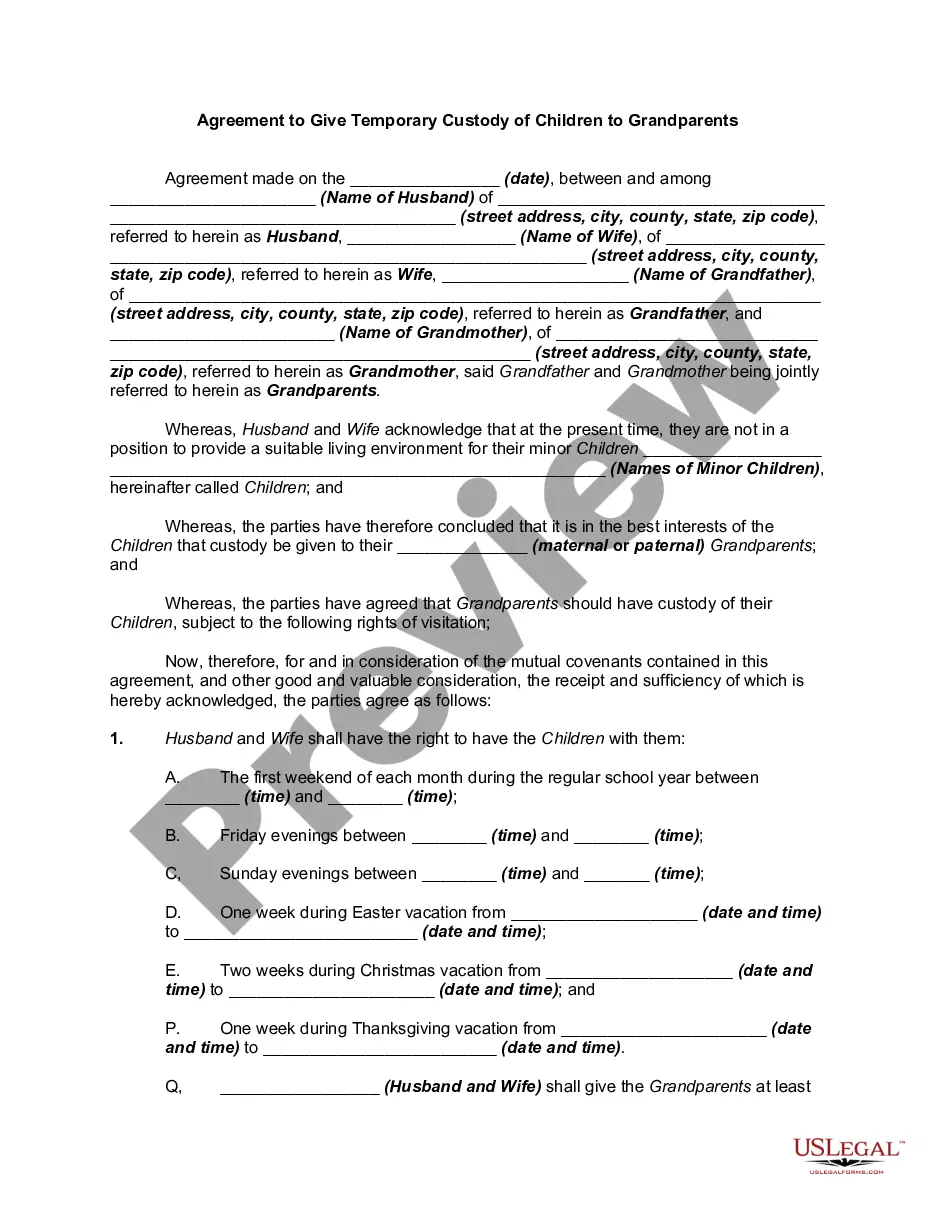
Get your form ready online
Our built-in tools help you complete, sign, share, and store your documents in one place.
Make edits, fill in missing information, and update formatting in US Legal Forms—just like you would in MS Word.
Download a copy, print it, send it by email, or mail it via USPS—whatever works best for your next step.
Sign and collect signatures with our SignNow integration. Send to multiple recipients, set reminders, and more. Go Premium to unlock E-Sign.
If this form requires notarization, complete it online through a secure video call—no need to meet a notary in person or wait for an appointment.
We protect your documents and personal data by following strict security and privacy standards.

Make edits, fill in missing information, and update formatting in US Legal Forms—just like you would in MS Word.

Download a copy, print it, send it by email, or mail it via USPS—whatever works best for your next step.

Sign and collect signatures with our SignNow integration. Send to multiple recipients, set reminders, and more. Go Premium to unlock E-Sign.

If this form requires notarization, complete it online through a secure video call—no need to meet a notary in person or wait for an appointment.

We protect your documents and personal data by following strict security and privacy standards.
Looking for another form?


How to fill out Temporary Guardianship Agreement?
Managing legal documents can be challenging, even for the most adept experts.
When you are looking for a Temporary Custody To Prevent Cps For Emotional Hardship and lack the time to search for the accurate and current version, the procedures can be overwhelming.
Obtain access to a wealth of articles, guides, and manuals that are closely related to your circumstances and requirements.
Conserve time and effort in locating the documents you require, and utilize US Legal Forms' advanced search and Preview function to find Temporary Custody To Prevent Cps For Emotional Hardship and download it.
Leverage the US Legal Forms web catalogue, backed by 25 years of expertise and reliability. Change your everyday document management into a seamless and user-friendly experience today.
- If you have a monthly membership, Log In to your US Legal Forms account, search for the document, and download it.
- Visit the My documents tab to see the documents you've saved previously and manage your folders as desired.
- If it’s your first experience with US Legal Forms, create an account to enjoy unlimited access to all the platform's benefits.
- Here are the steps to follow after acquiring the form you need.
- Verify that this is the correct form by previewing it and reviewing its details.
- Access state- or county-specific legal and business paperwork.
- US Legal Forms meets all requirements you might have, from personal to business documents, all accessible in one location.
- Employ sophisticated tools to complete and manage your Temporary Custody To Prevent Cps For Emotional Hardship.
Form popularity
FAQ
One of the biggest mistakes in a custody battle is failing to communicate effectively with the other parent or authorities involved. Emotional outbursts and hostility can harm your chances in court. Additionally, neglecting to gather necessary documentation regarding your parenting abilities can weaken your position. By using legal resources effectively, including options like temporary custody to avoid CPS for emotional distress, you can navigate this challenging process more smoothly.
A temporary emergency custody order in NY is an order changing or assigning temporary custody of a child from one person to another if the child is in imminent danger.
(1) The child has been abandoned. (2) It is necessary in an emergency to protect the child because the child, or a sibling or parent of the child, is subjected to or threatened with mistreatment or abuse.
An emergency custody order may be granted in Pennsylvania if: A child was threatened or subjected to abuse or serious physical neglect.
Emergency orders (also called "ex parte" orders) set a temporary custodial arrangement due to emergency circumstances, such as child abuse or threat of parental kidnapping. These orders may also include protective measures, require a parent to participate in drug testing or counseling, and more.
The custodial parent is in police custody, jail, or has been imprisoned. A child has been taken to another state or country without the permission of the other parent and/or the courts. A child has been physically or mentally abused by the parent or anyone staying at, or with access to the home.