Documents For Guardianship With Dementia
Description
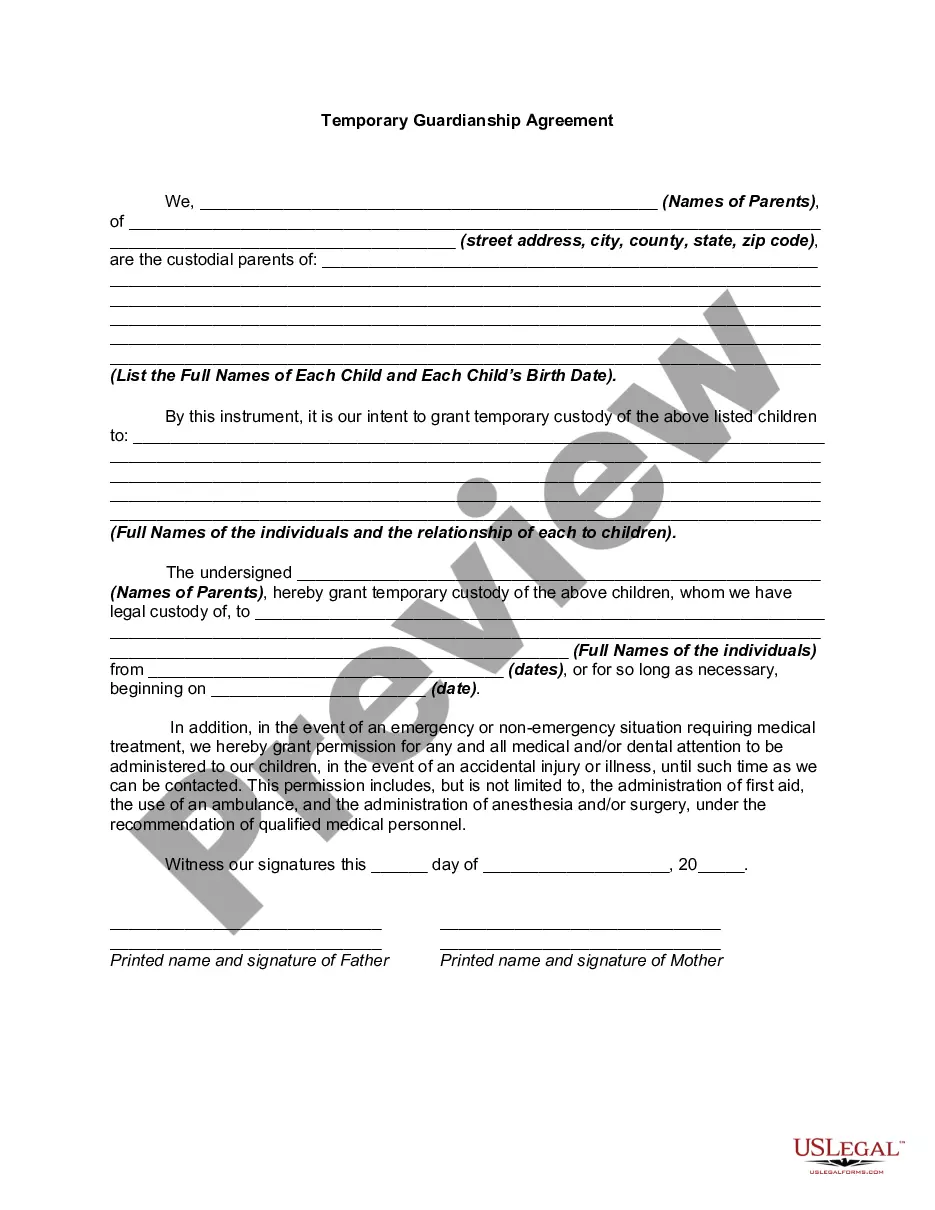
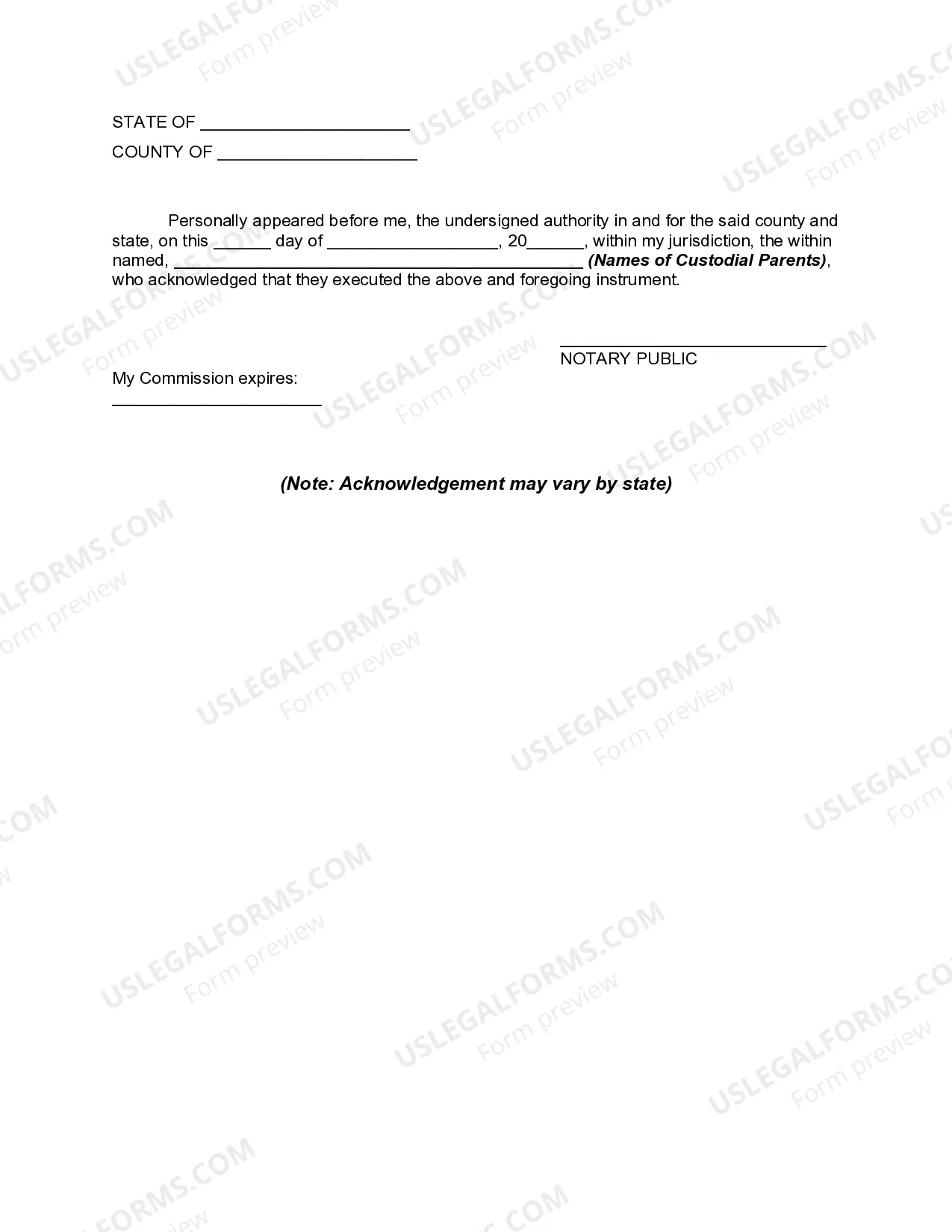
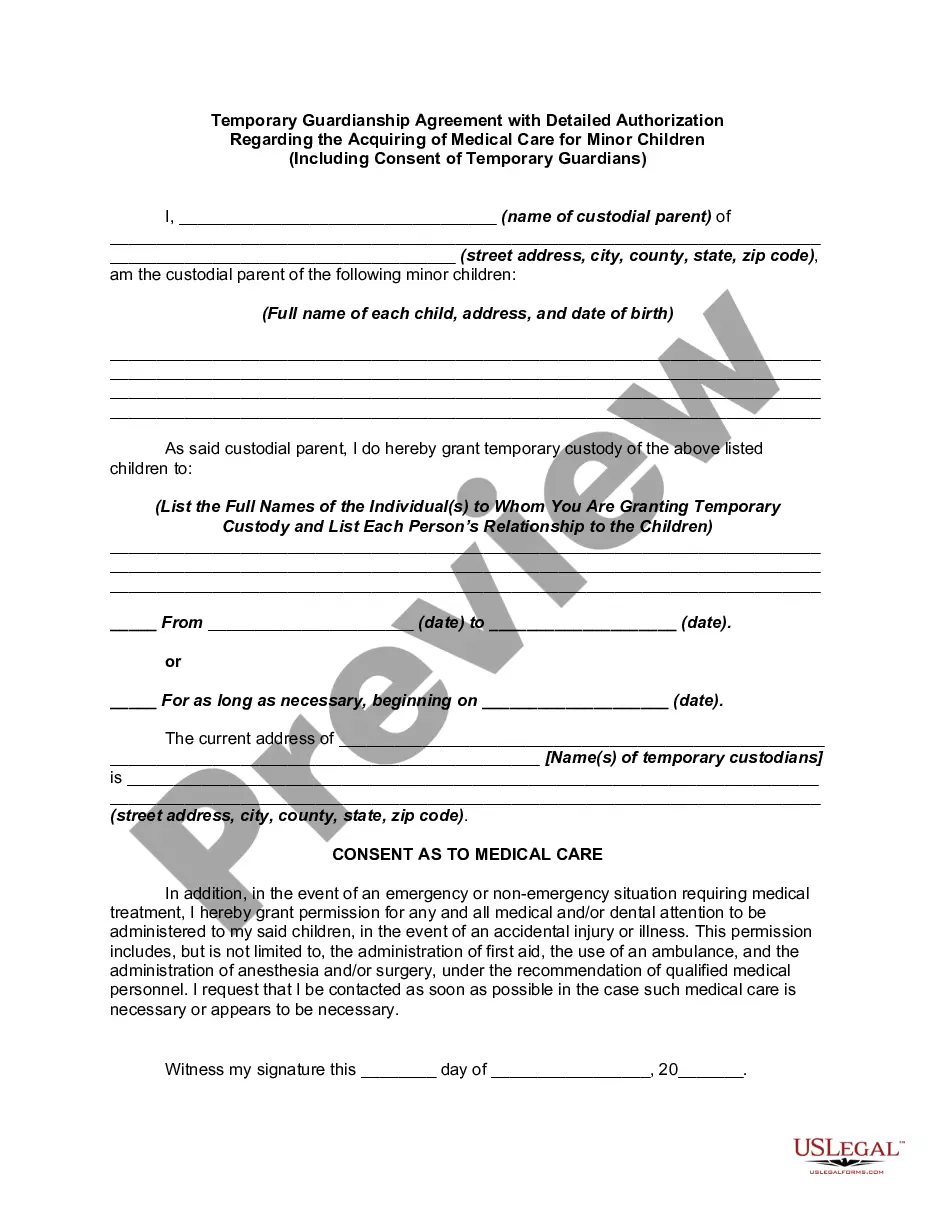
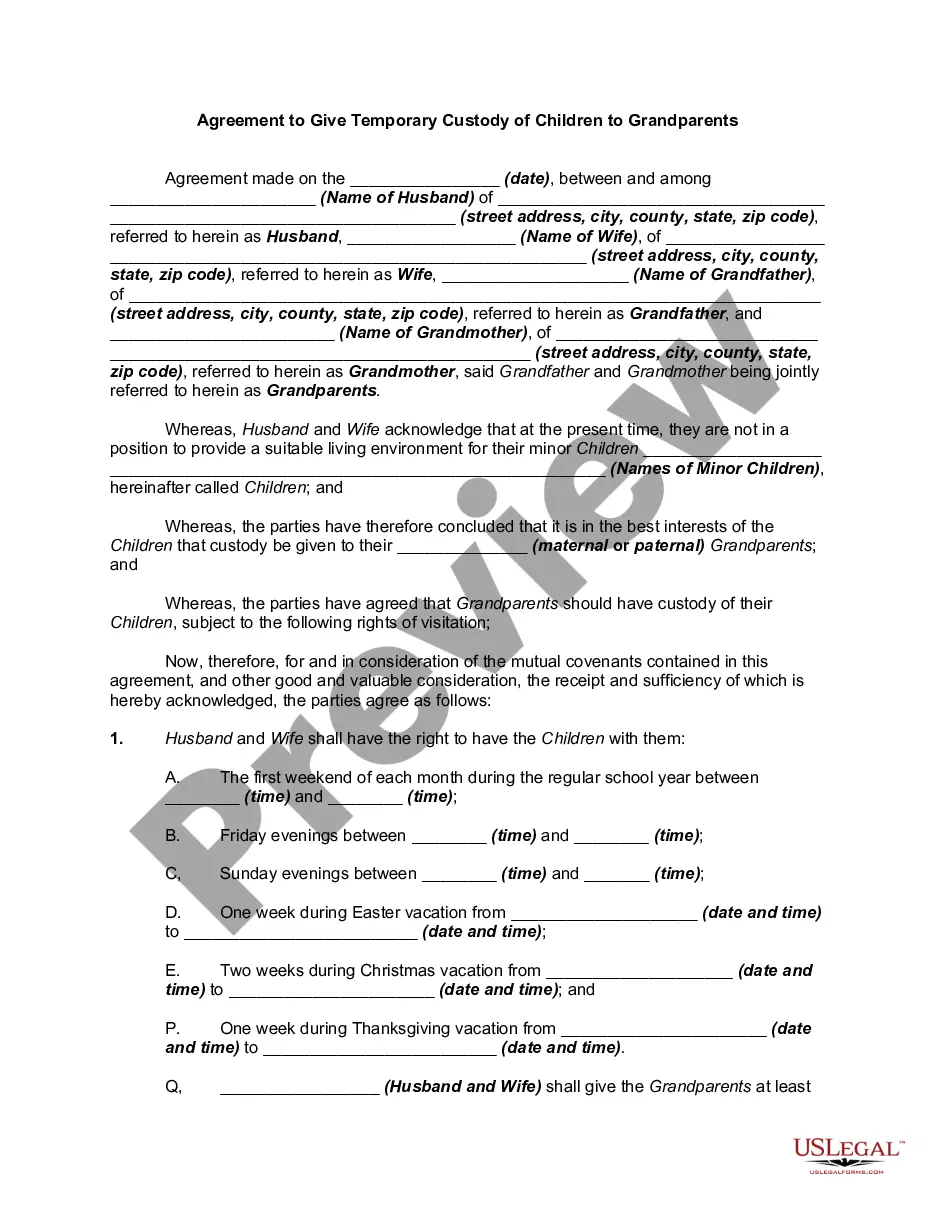
Get your form ready online
Our built-in tools help you complete, sign, share, and store your documents in one place.
Make edits, fill in missing information, and update formatting in US Legal Forms—just like you would in MS Word.
Download a copy, print it, send it by email, or mail it via USPS—whatever works best for your next step.
Sign and collect signatures with our SignNow integration. Send to multiple recipients, set reminders, and more. Go Premium to unlock E-Sign.
If this form requires notarization, complete it online through a secure video call—no need to meet a notary in person or wait for an appointment.
We protect your documents and personal data by following strict security and privacy standards.

Make edits, fill in missing information, and update formatting in US Legal Forms—just like you would in MS Word.

Download a copy, print it, send it by email, or mail it via USPS—whatever works best for your next step.

Sign and collect signatures with our SignNow integration. Send to multiple recipients, set reminders, and more. Go Premium to unlock E-Sign.

If this form requires notarization, complete it online through a secure video call—no need to meet a notary in person or wait for an appointment.

We protect your documents and personal data by following strict security and privacy standards.
Looking for another form?


How to fill out Temporary Guardianship Agreement?
The Papers For Guardianship With Dementia that you see on this site is a versatile official template created by experienced attorneys in compliance with federal and local laws.
For over 25 years, US Legal Forms has supplied individuals, companies, and lawyers with more than 85,000 authenticated, state-specific documents for any business and personal situation.
Enroll in US Legal Forms to have verified legal templates for all of life’s situations readily available.
- Locate the document you require and examine it.
- Scan through the example you searched and preview it or check the form description to ensure it meets your needs. If it doesn’t, use the search bar to find the suitable one. Click Buy Now when you have discovered the template you need.
- Register and sign in.
- Choose the pricing option that fits you and establish an account. Employ PayPal or a credit card to make a swift payment. If you already have an account, Log In and review your subscription to proceed.
- Receive the editable template.
Form popularity
FAQ
Power of attorney As long as the person living with dementia has legal capacity (the ability to understand and appreciate the consequences of his or her actions) he or she should take part in legal planning.
The standard procedure in many Courts when a defendant is found unable to stand trial is a commitment to a mental hospital for ?restoration of competence to stand trial.? Restoration is impossible for a person with a progressive dementia whose deficits are the cause of the finding of incompetence.
A person with dementia may still have legal capacity if they can understand the nature and consequences of their decisions. However, as the disease progresses, the person may become incapacitated and unable to make decisions on their own behalf.
Introduction: The five-word test (5WT) is a serial verbal memory test with semantic cuing. It is proposed to rapidly evaluate memory of aging people and has previously shown its sensitivity and its specificity in identifying patients with AD.
Older adults with dementia who are victims of crime should be evaluated for their ability to remember emotional events in their lives, and based on the results, allowed to provide testimony about the criminal events.