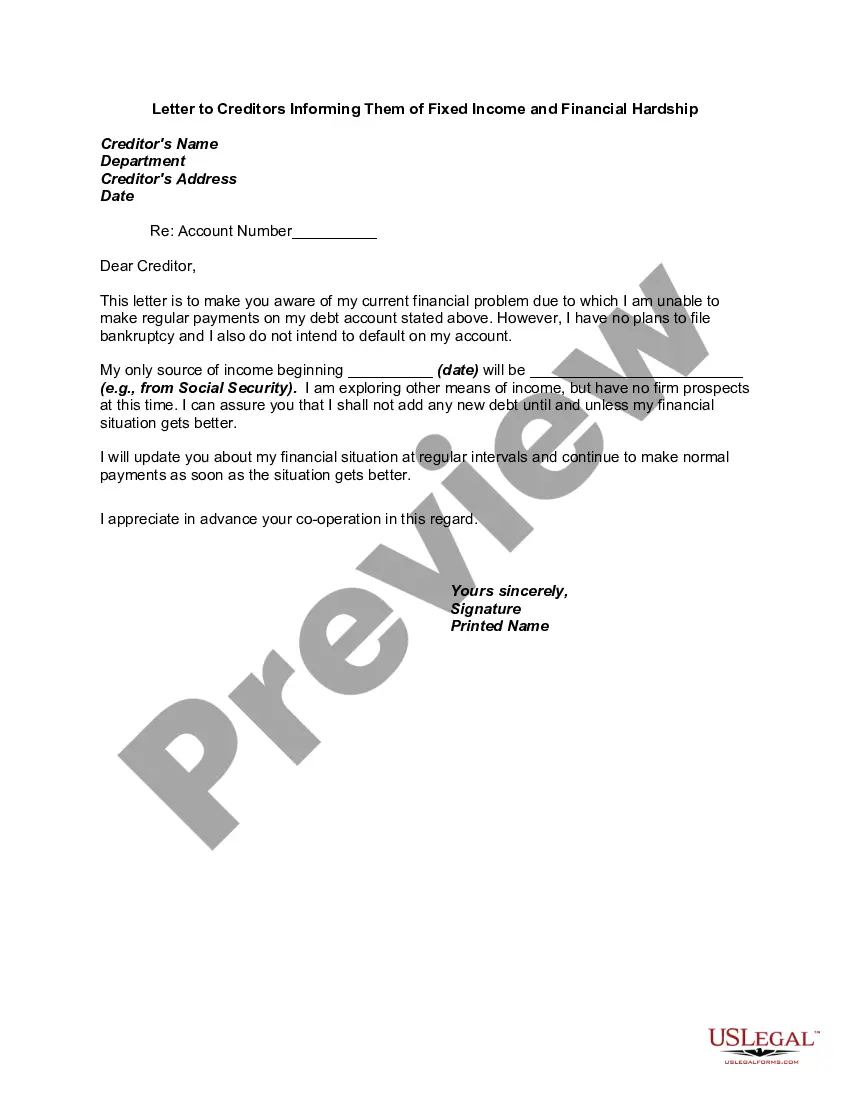
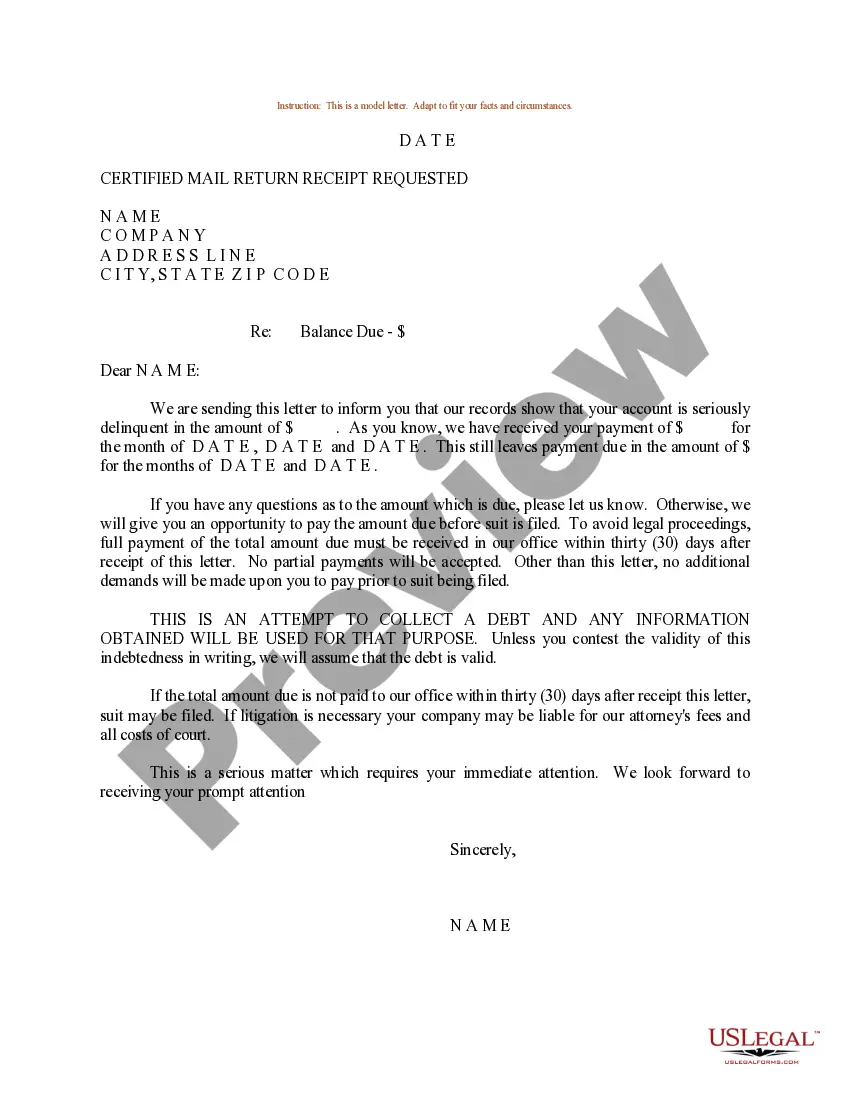
Letter To Creditors Nursing Home
Description
Get your form ready online
Our built-in tools help you complete, sign, share, and store your documents in one place.
Make edits, fill in missing information, and update formatting in US Legal Forms—just like you would in MS Word.
Download a copy, print it, send it by email, or mail it via USPS—whatever works best for your next step.
Sign and collect signatures with our SignNow integration. Send to multiple recipients, set reminders, and more. Go Premium to unlock E-Sign.
If this form requires notarization, complete it online through a secure video call—no need to meet a notary in person or wait for an appointment.
We protect your documents and personal data by following strict security and privacy standards.

Make edits, fill in missing information, and update formatting in US Legal Forms—just like you would in MS Word.

Download a copy, print it, send it by email, or mail it via USPS—whatever works best for your next step.

Sign and collect signatures with our SignNow integration. Send to multiple recipients, set reminders, and more. Go Premium to unlock E-Sign.

If this form requires notarization, complete it online through a secure video call—no need to meet a notary in person or wait for an appointment.

We protect your documents and personal data by following strict security and privacy standards.
Looking for another form?
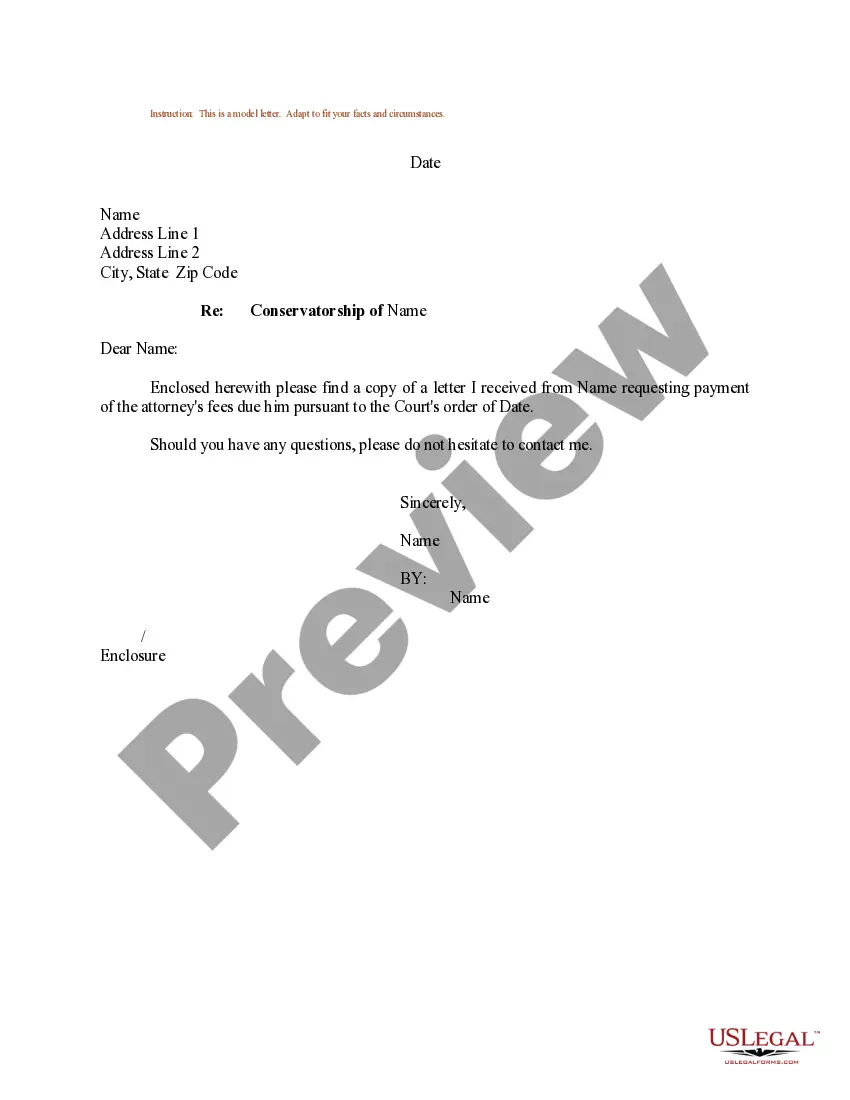
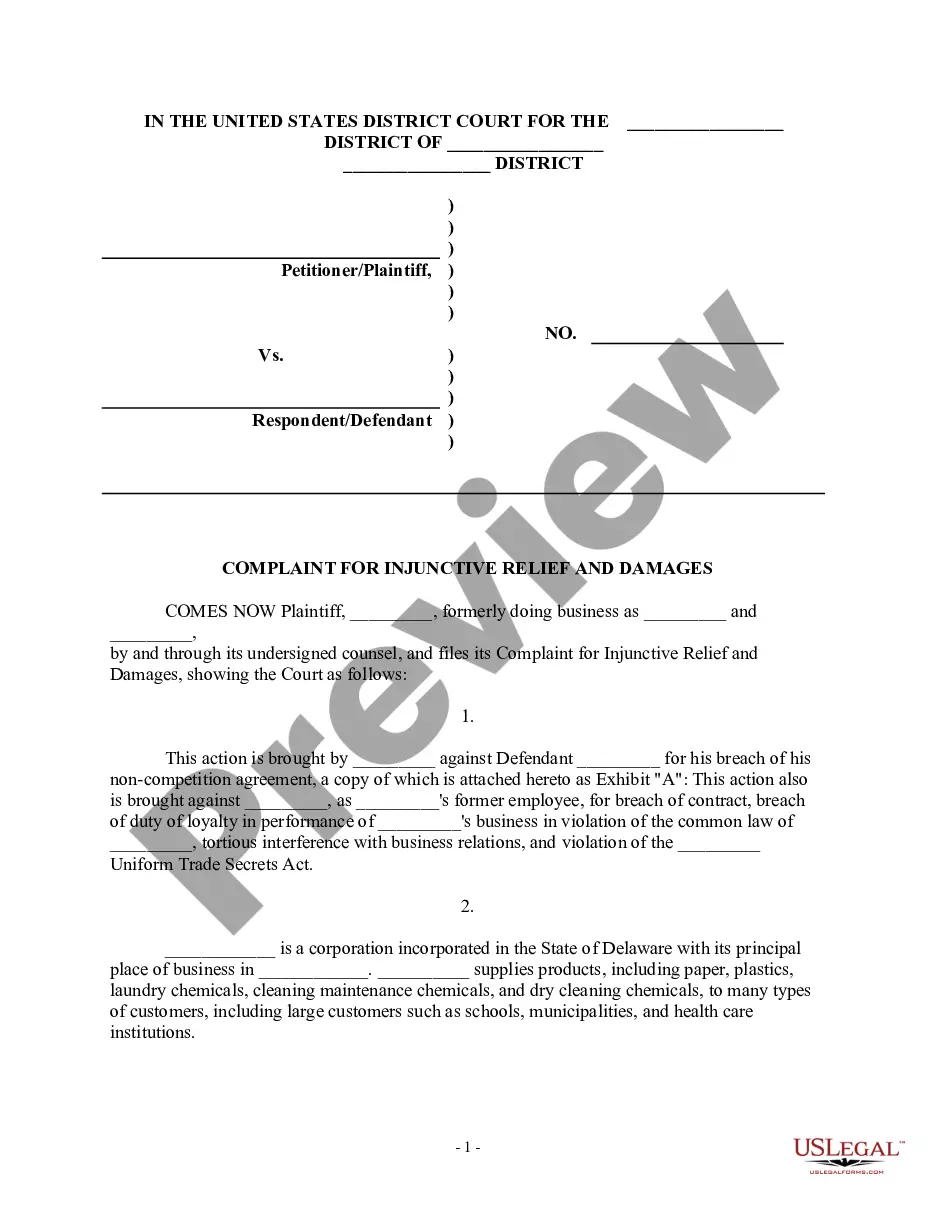
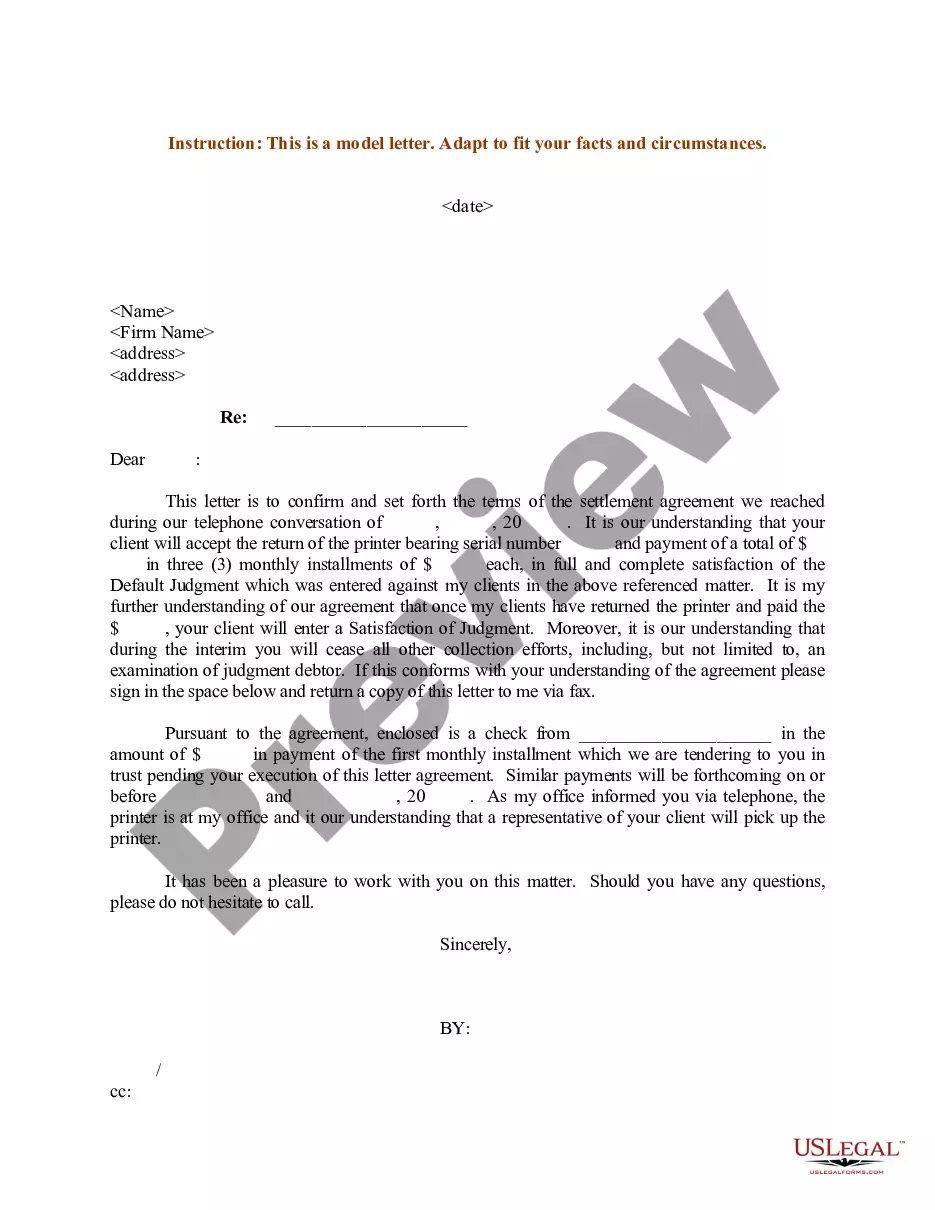
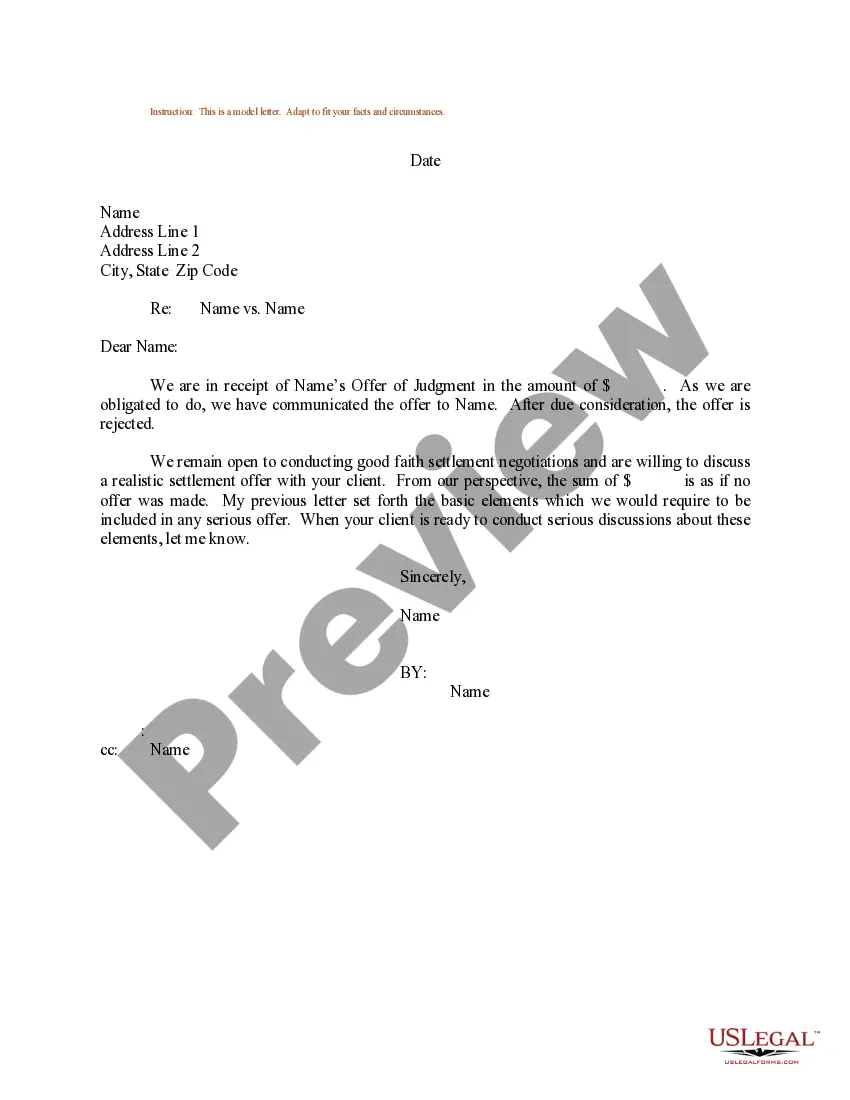
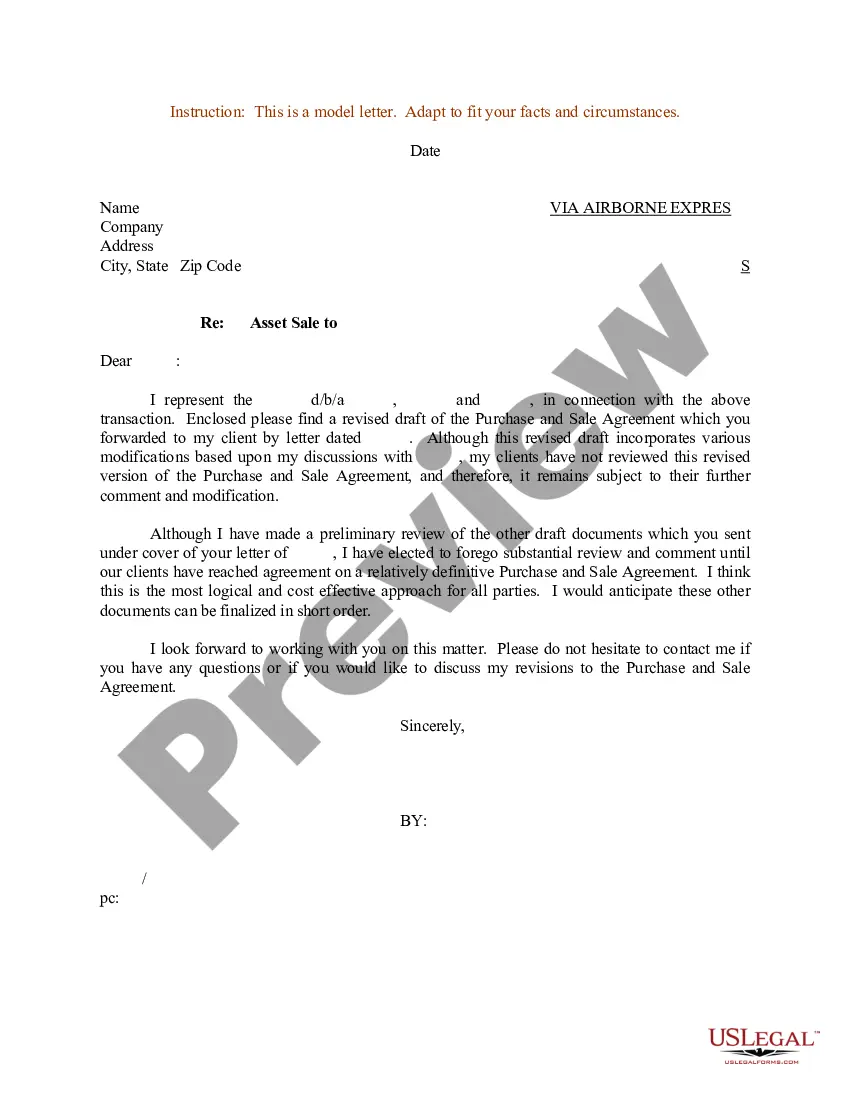
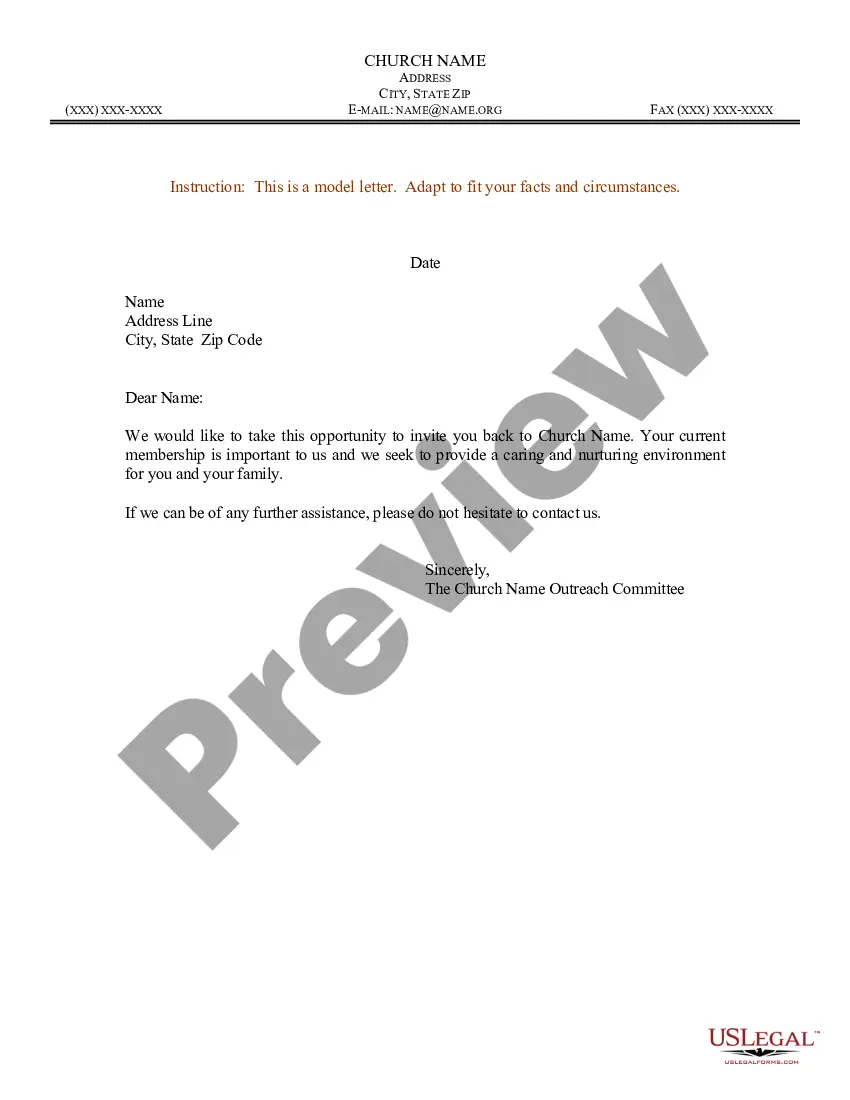

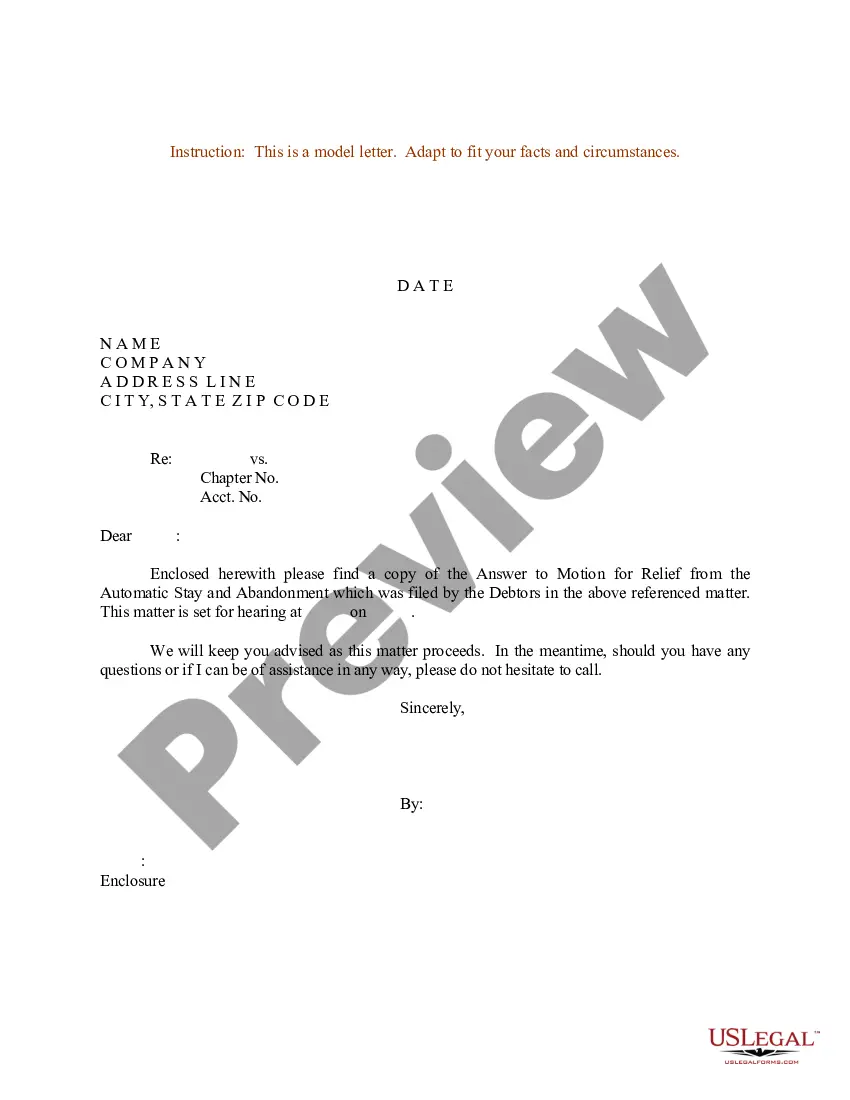
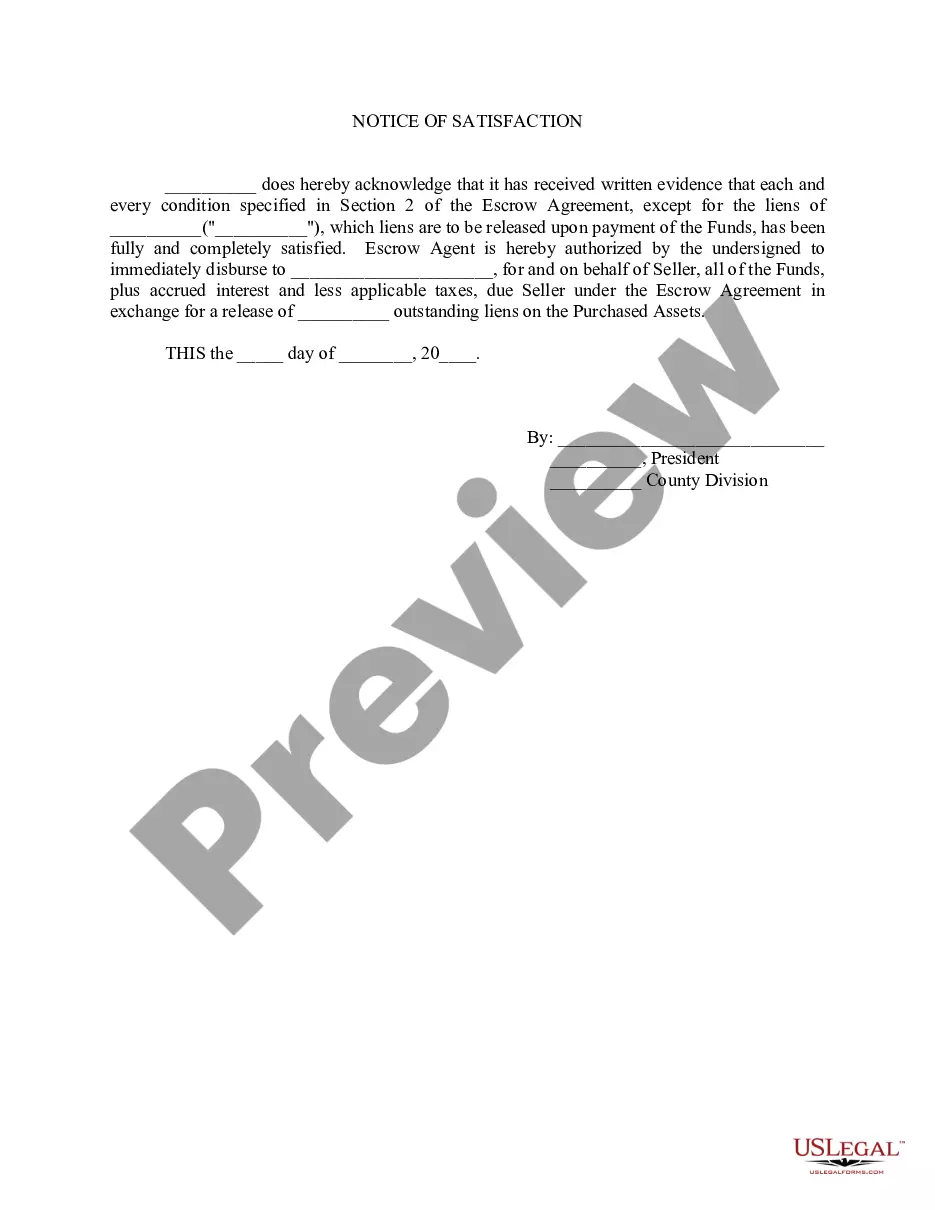
How to fill out Letter To Creditors Informing Them Of Fixed Income And Financial Hardship?
Obtaining a go-to resource for accessing the latest and most suitable legal templates is half the challenge of navigating through bureaucracy. Selecting the appropriate legal documents demands precision and careful consideration, which is why it is crucial to obtain samples of Letter To Creditors Nursing Home exclusively from trustworthy sources, like US Legal Forms. An incorrect template will squander your time and prolong the situation you are facing. With US Legal Forms, you have minimal reasons to worry. You can review and verify all the information regarding the document’s applicability and significance for your situation and in your jurisdiction.
Follow these steps to complete your Letter To Creditors Nursing Home.
Eliminate the stress that comes with your legal documentation. Explore the extensive US Legal Forms catalog where you can locate legal samples, verify their applicability to your situation, and download them instantly.
- Utilize the catalog navigation or search function to find your template.
- Examine the document’s details to ensure it meets the standards of your state and locality.
- Check the form preview, if available, to confirm that the form is indeed the one you need.
- Return to the search and look for the appropriate document if the Letter To Creditors Nursing Home does not meet your specifications.
- Once you are confident about the form’s applicability, proceed to download it.
- If you are a registered user, click Log in to verify and retrieve your chosen forms in My documents.
- If you do not currently have an account, click Buy now to acquire the form.
- Choose the payment plan that aligns with your needs.
- Move forward to the registration to complete your purchase.
- Finalize your order by selecting a payment method (credit card or PayPal).
- Choose the file format for downloading Letter To Creditors Nursing Home.
- After obtaining the form on your device, you can modify it using the editor or print it out and complete it by hand.
Form popularity
FAQ
File your complaint in the clerk's office of the District Court, Boston Municipal Court (BMC), or Superior Court in the county where you'll be filing your case.
A complaint where the plaintiff (or, in limited cases, the plaintiff's counsel) swears to the allegations, demonstrating to a court that the plaintiff has investigated the charges against the defendant and found them to be of substance.
Superior Court filing fees ActionFeeFiling Fee (each plaintiff): Complaint, Third Party Complaint, Petition or Other Action, Motion to Intervene as Plaintiff (plus $20.00 security fee for each civil case (G.L.c. 262, § 4A) and a $15.00 surcharge (G.L.c. 262, § 4C))$240.00Filing Petition to County Commissioners$30.001 more row
The filing fee for small claims of $500 and under is $40. The filing fee for claims of $501 to $2000 is $50. The filing fee for claims of $2001 to $5000 is $100. The filing fee for claims of $5001 to $7000 is $150.
Pro se litigation follows the same procedural rules as other claims, without help from an attorney. The individual must first file an official complaint against the party he or she wants to sue. This occurs through the District Court Clerk's Office.
To sue someone in Massachusetts, you have to file a complaint with the clerk of the court. A complaint is not a specific form. It is a document that contains a short statement of the facts showing your claim and why you are entitled to relief and a demand for judgment granting that relief.
Small claims courts provide a simple, informal and inexpensive option for resolving cases where the claim is $7,000 or less. You may only bring a small claim in the court for the location where either the plaintiff or the defendant lives or has a place of business or employment.
The thing to remember is that the Massachusetts statute of limitations is three years from the time the cause of action accrues. Most of the time you can forget the fancy words in the last sentence but remember three years from the time of the accident is the deadline in Massachusetts.