180 Day Speedy Trial Rule
Description
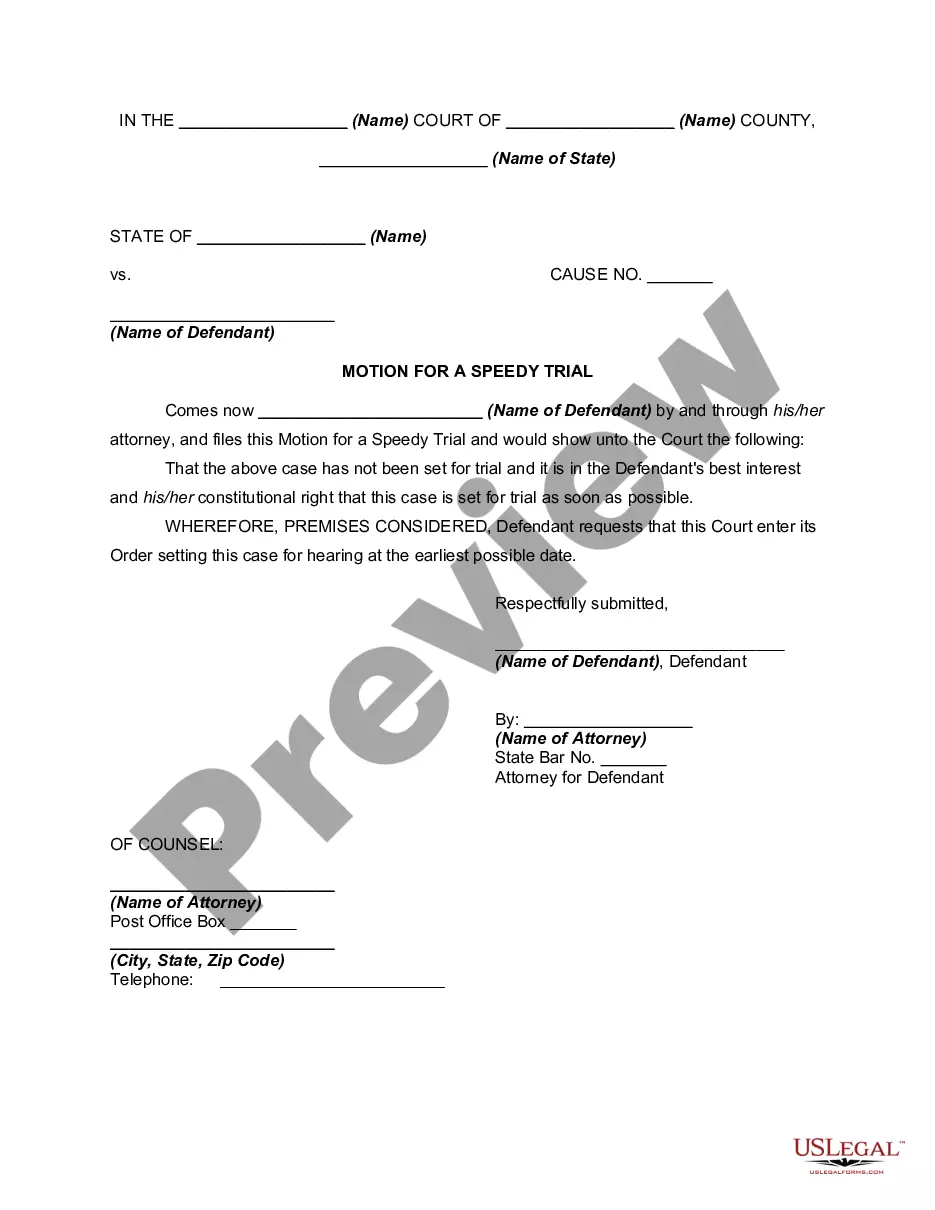
Get your form ready online
Our built-in tools help you complete, sign, share, and store your documents in one place.
Make edits, fill in missing information, and update formatting in US Legal Forms—just like you would in MS Word.
Download a copy, print it, send it by email, or mail it via USPS—whatever works best for your next step.
Sign and collect signatures with our SignNow integration. Send to multiple recipients, set reminders, and more. Go Premium to unlock E-Sign.
If this form requires notarization, complete it online through a secure video call—no need to meet a notary in person or wait for an appointment.
We protect your documents and personal data by following strict security and privacy standards.

Make edits, fill in missing information, and update formatting in US Legal Forms—just like you would in MS Word.

Download a copy, print it, send it by email, or mail it via USPS—whatever works best for your next step.

Sign and collect signatures with our SignNow integration. Send to multiple recipients, set reminders, and more. Go Premium to unlock E-Sign.

If this form requires notarization, complete it online through a secure video call—no need to meet a notary in person or wait for an appointment.

We protect your documents and personal data by following strict security and privacy standards.
Looking for another form?

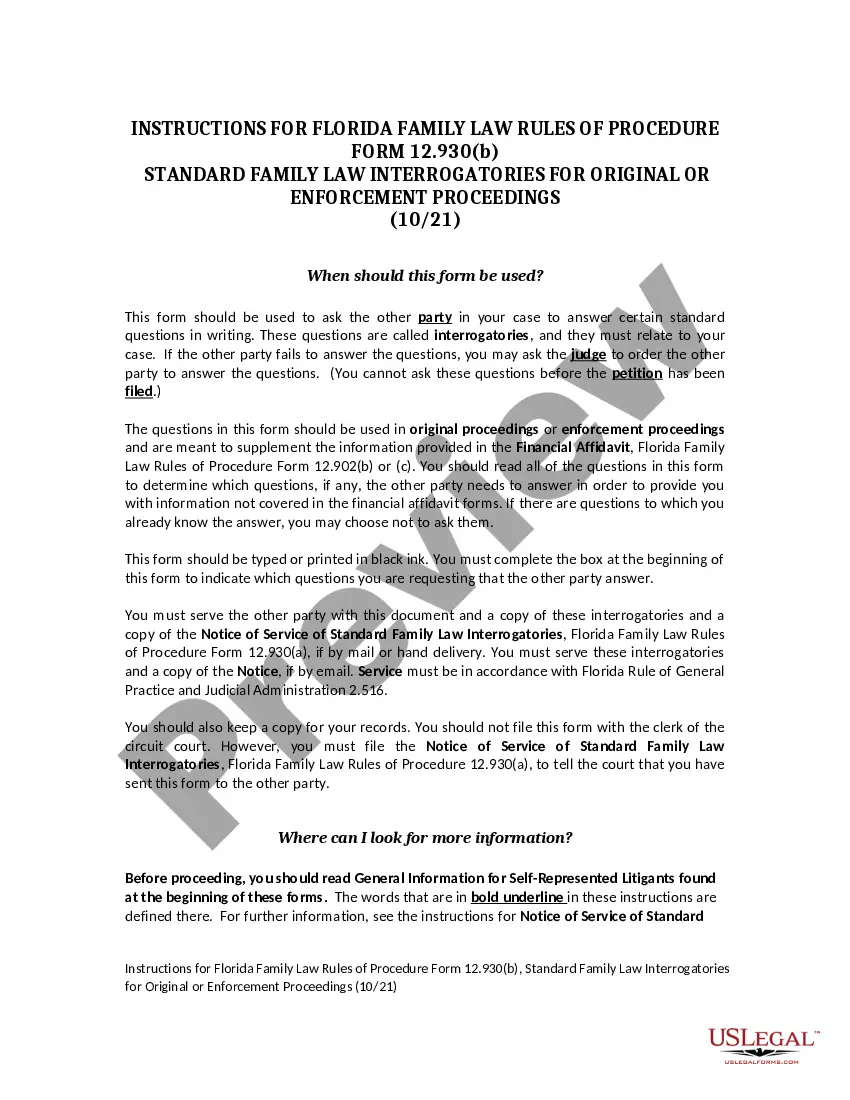
How to fill out Motion For A Speedy Trial?
Accessing legal documents that adhere to federal and local regulations is vital, and the web provides a multitude of choices.
However, what’s the benefit of spending time searching for the accurately prepared 180 Day Speedy Trial Rule example online when the US Legal Forms digital library already compiles such documents in one location.
US Legal Forms is the premier online legal repository with over 85,000 fillable forms crafted by legal professionals for any business and personal situation.
Review the template using the Preview feature or through the text description to ensure it meets your requirements.
- They are simple to navigate with all files categorized by state and intended use.
- Our experts stay updated with legal modifications, ensuring your documents are current and compliant when obtaining a 180 Day Speedy Trial Rule from our site.
- Acquiring a 180 Day Speedy Trial Rule is straightforward and quick for both existing and new users.
- If you possess an account with an active subscription, Log In and download the document template you need in the desired format.
- If you are new to our platform, follow the steps outlined below.
Form popularity
FAQ
One of the main reasons for the right to a speedy trial is to prevent a defendant from being held in custody for a long time, only to eventually be found innocent. If the defendant is denied bail or cannot pay the bail amount, they will remain in jail until their trial date.
(an appellate court weighs the following four factors to determine if there is a Sixth Amendment speedy trial violation: (1) the length of the delay; (2) the reasons for the delay; (3) the accused's demand for a speedy trial; and (4) the prejudice to the accused).
Defendants who want to assert their right to a speedy trial must: demand (ask for) a speedy trial. object to continuances beyond statutory time limits for trial, and. file a speedy trial motion when the prosecution or court delays the trial.
[32] After Betterman, some courts have analyzed postconviction delay using Barker v. Wingo's four factors: length of delay, reason for delay, defendant's assertion of his right, and prejudice to the defendant. Other courts have used United States v.
The SC in the case of Pankaj Kumar v. State of Maharastra, AIR 2008 SC 3077 held that "the right to speedy trial in all criminal persecutions is an inalienable right under Article 21 of the Constitution.