Notice Of Attornment Example
Description
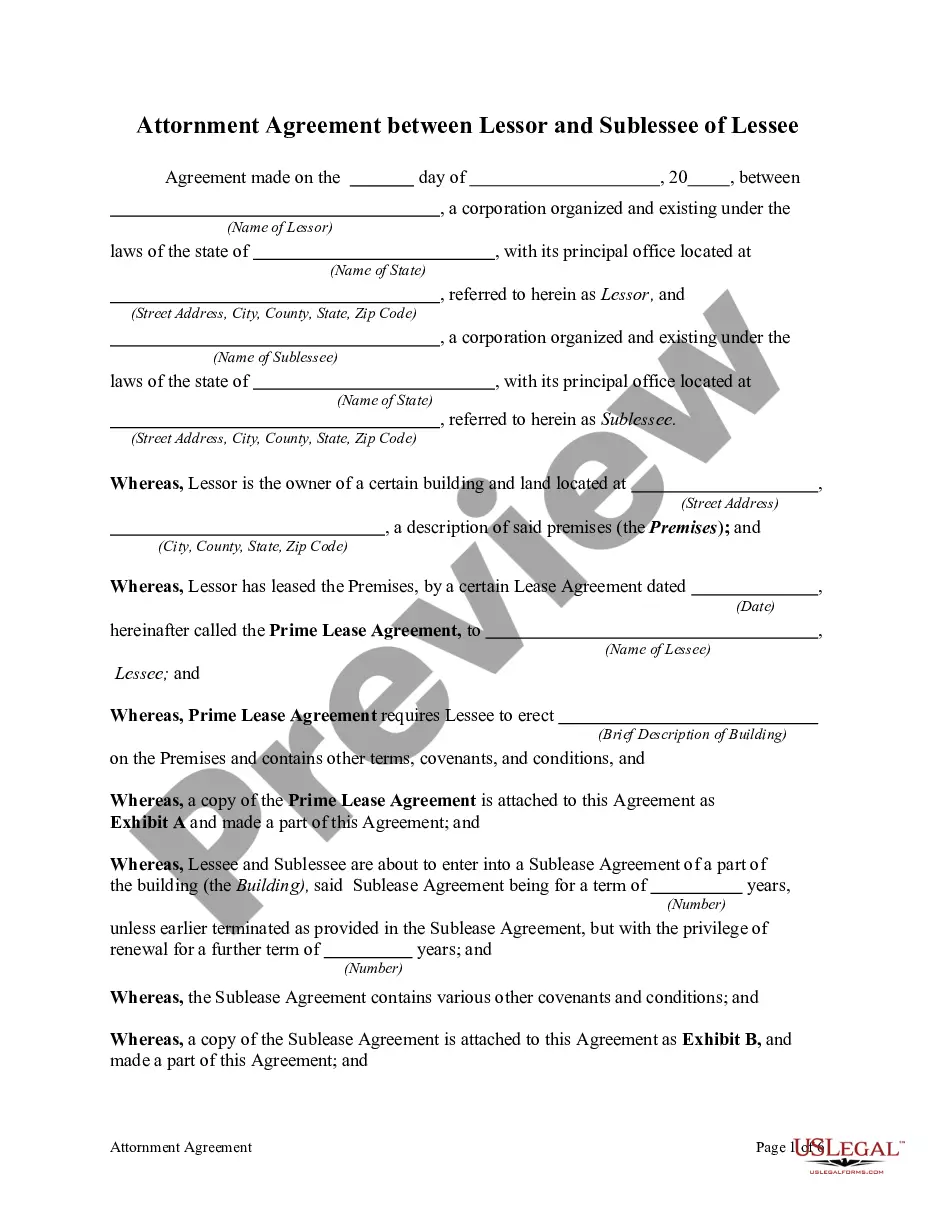
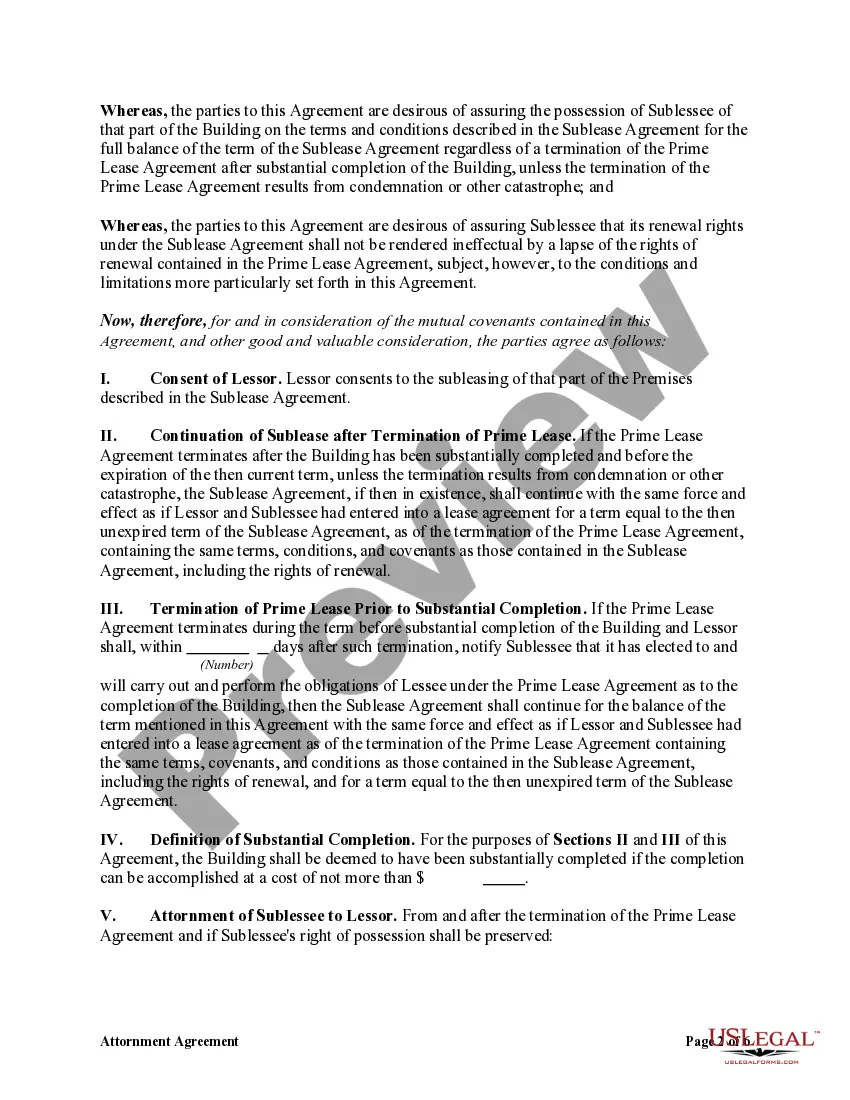
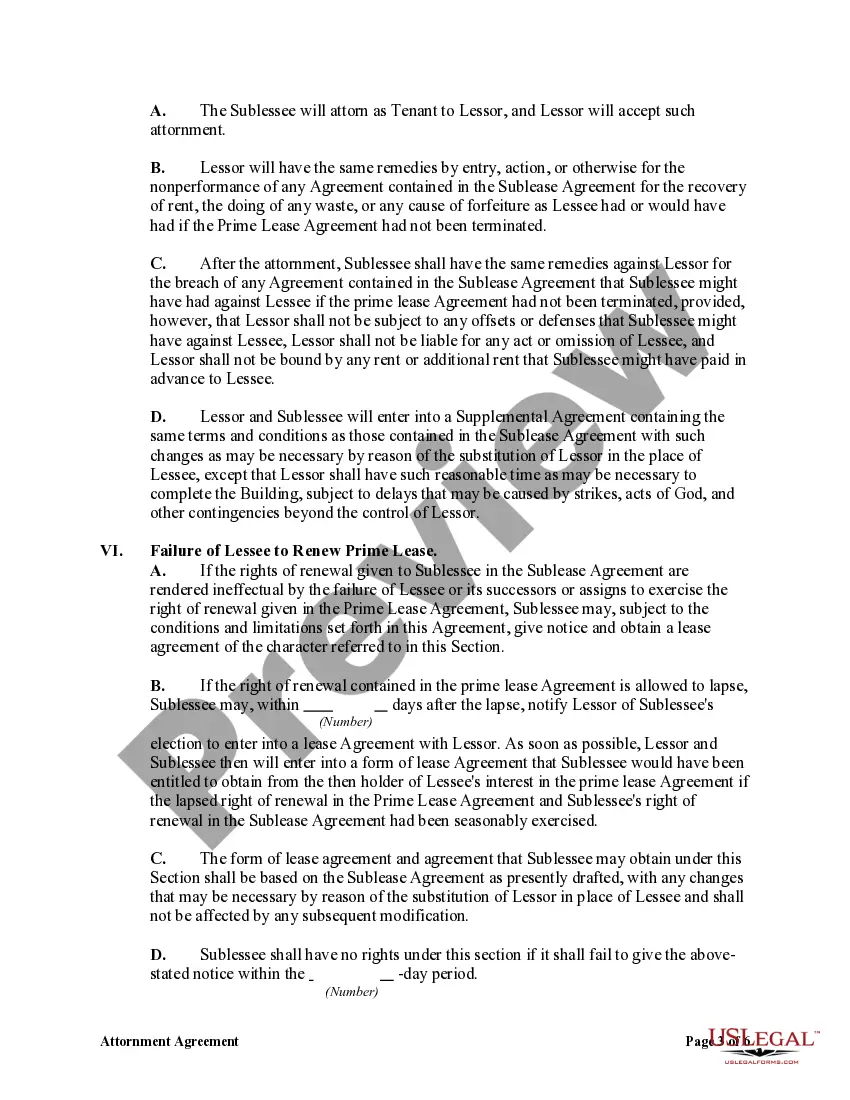
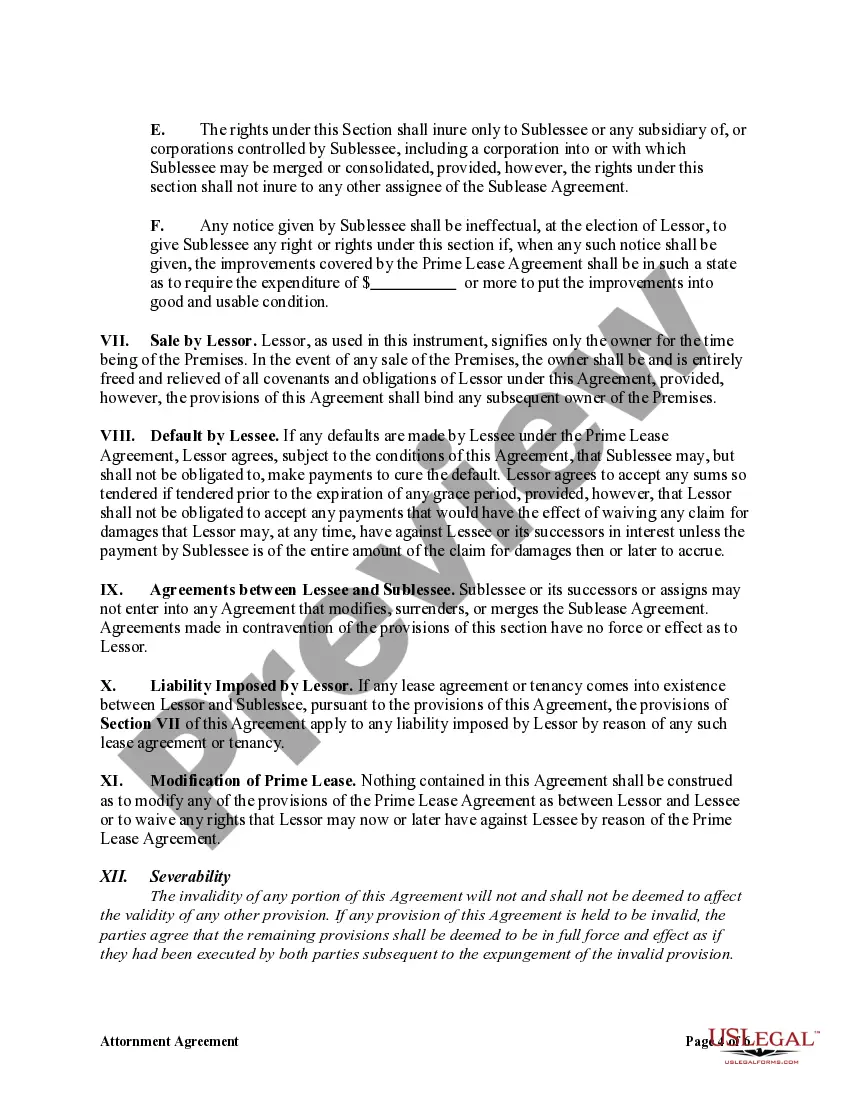
Get your form ready online
Our built-in tools help you complete, sign, share, and store your documents in one place.
Make edits, fill in missing information, and update formatting in US Legal Forms—just like you would in MS Word.
Download a copy, print it, send it by email, or mail it via USPS—whatever works best for your next step.
Sign and collect signatures with our SignNow integration. Send to multiple recipients, set reminders, and more. Go Premium to unlock E-Sign.
If this form requires notarization, complete it online through a secure video call—no need to meet a notary in person or wait for an appointment.
We protect your documents and personal data by following strict security and privacy standards.

Make edits, fill in missing information, and update formatting in US Legal Forms—just like you would in MS Word.

Download a copy, print it, send it by email, or mail it via USPS—whatever works best for your next step.

Sign and collect signatures with our SignNow integration. Send to multiple recipients, set reminders, and more. Go Premium to unlock E-Sign.

If this form requires notarization, complete it online through a secure video call—no need to meet a notary in person or wait for an appointment.

We protect your documents and personal data by following strict security and privacy standards.
Looking for another form?
How to fill out Attornment Agreement Between Lessor And Sublessee Of Lessee?
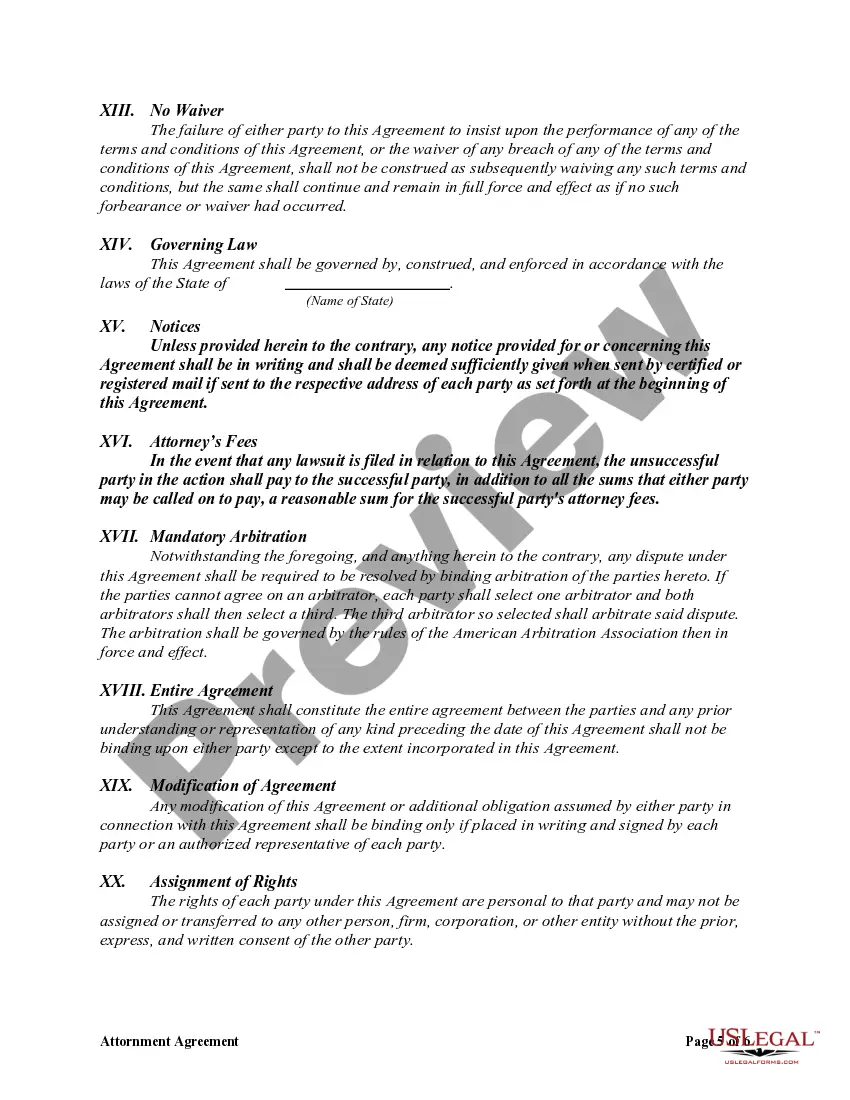
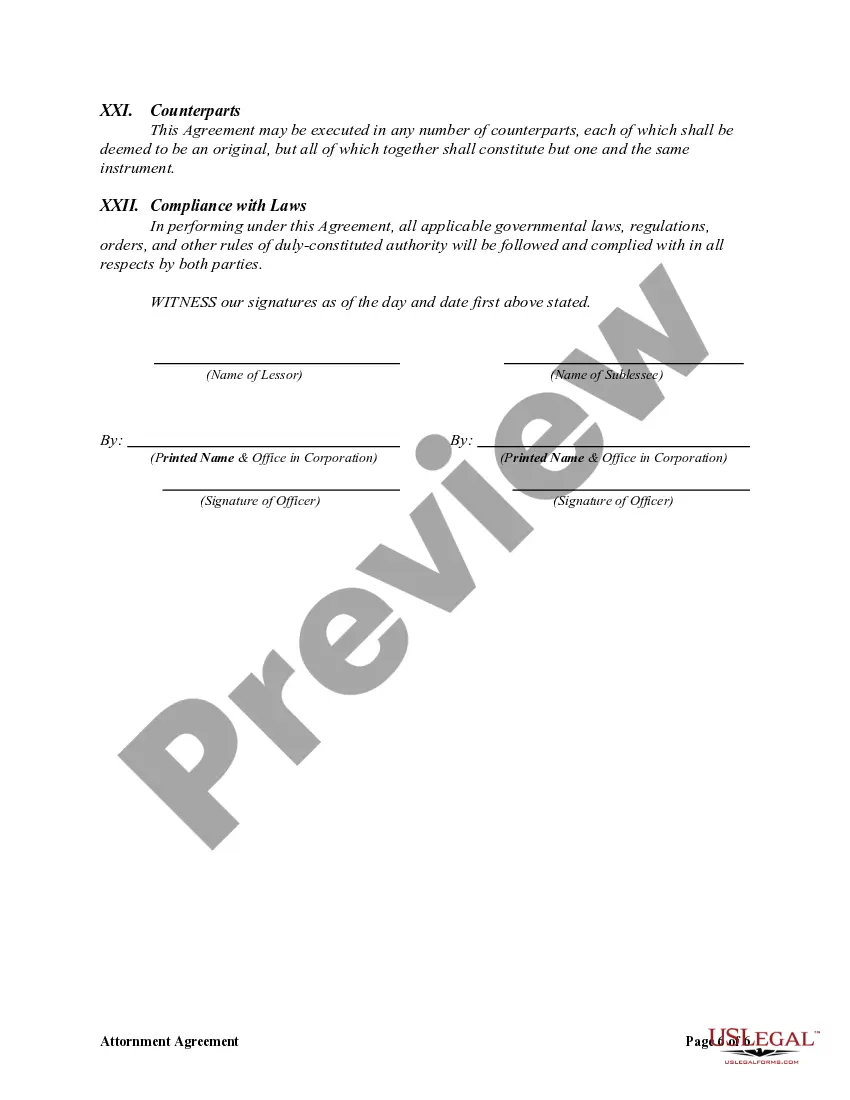
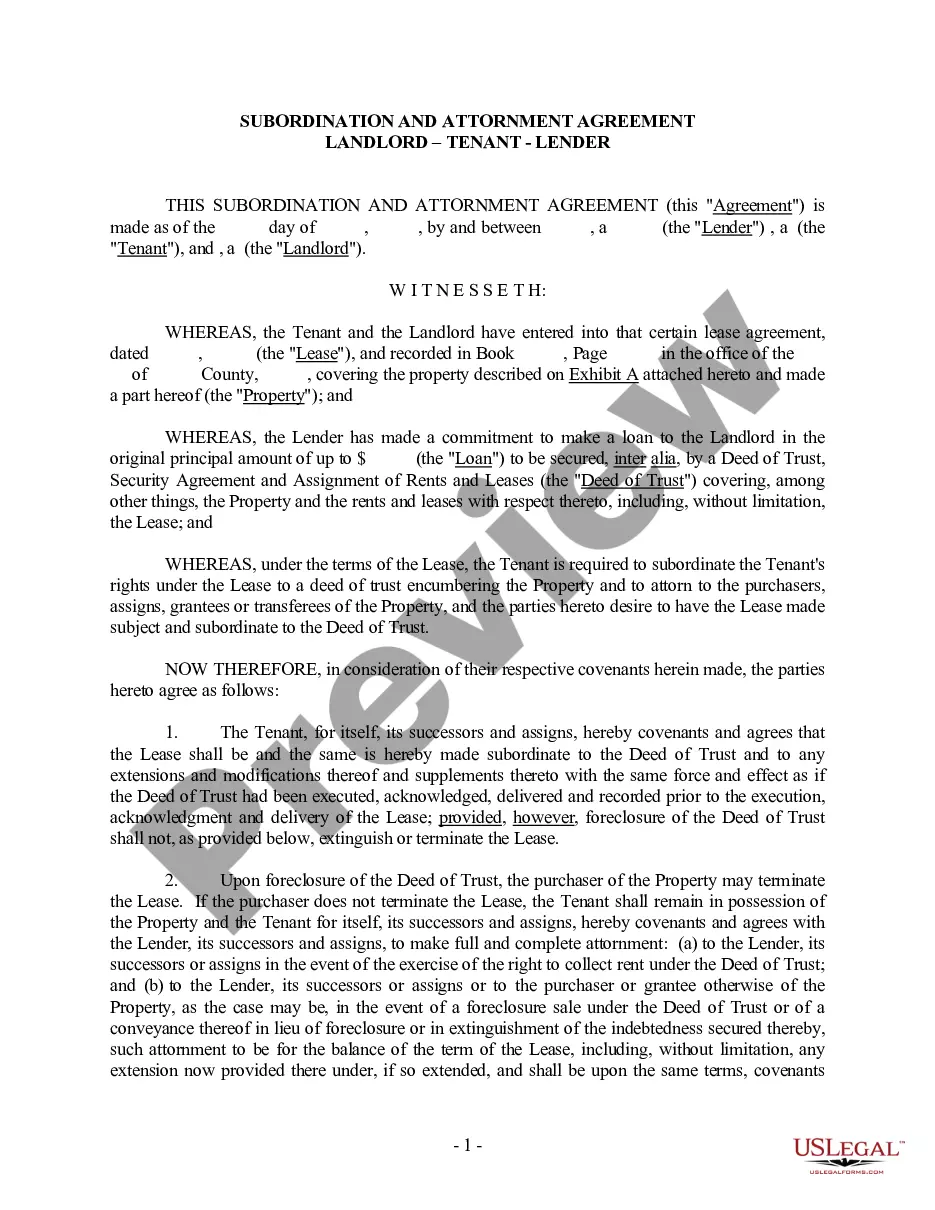
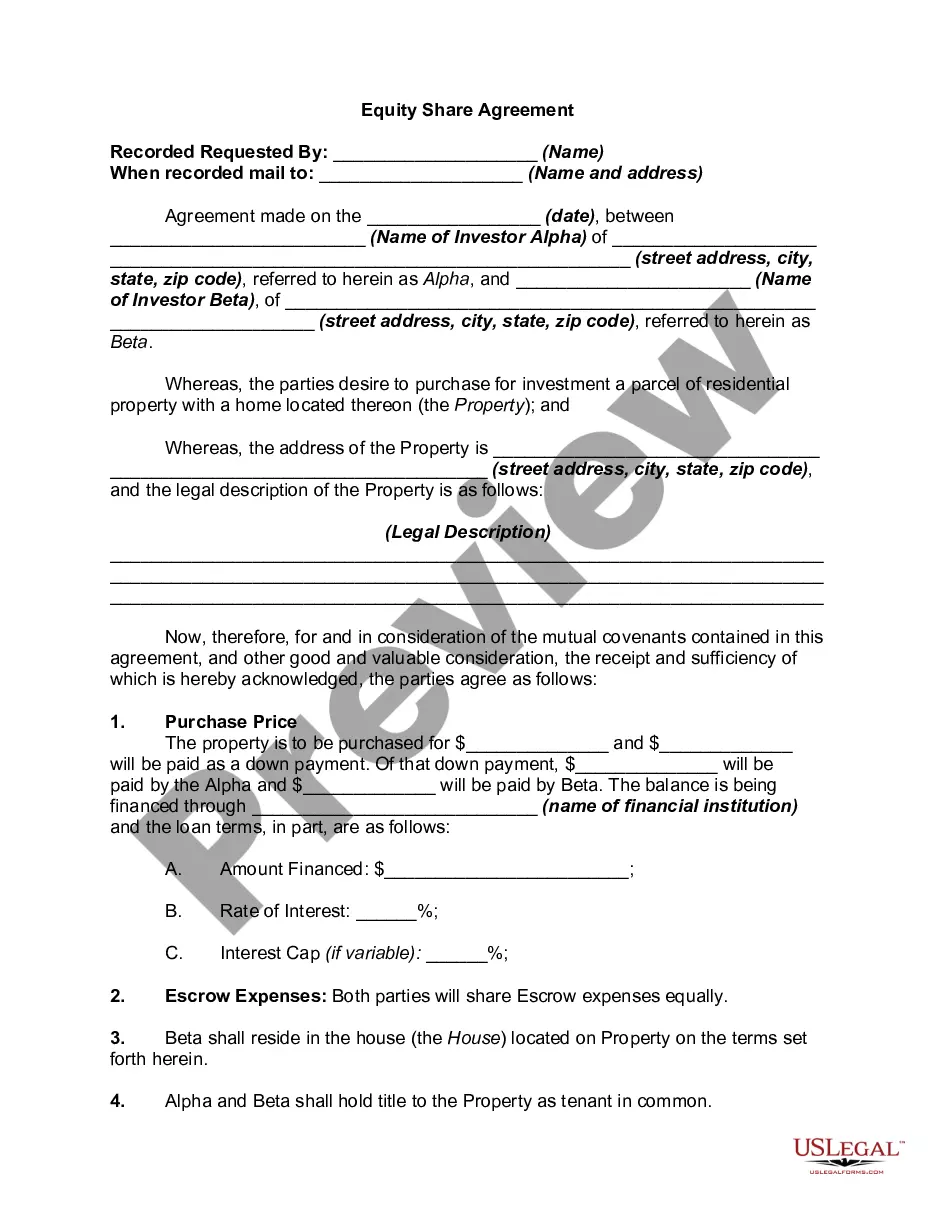
The Sample Notice Of Attornment displayed on this site is a reusable official template created by experienced attorneys in accordance with federal and state legislation and guidelines.
For over 25 years, US Legal Forms has been delivering individuals, businesses, and lawyers with over 85,000 authenticated, state-specific documents for various business and personal needs. It is the quickest, simplest, and most trustworthy method to obtain the necessary documentation, as the service ensures the highest degree of data protection and anti-malware safety.
Become a subscriber of US Legal Forms to gain access to verified legal templates for all of life's situations whenever you need them.
- Search for the document you require and examine it.
- Choose the subscription plan that works for you and set up an account.
- Select the format you prefer for your Notice Of Attornment Sample and save it on your device.
- Print the template to fill it out manually, or use an online comprehensive PDF editor to swiftly and correctly complete and sign your document with a legally-binding electronic signature.
- Access the same document again whenever necessary.
Form popularity
FAQ
In real estate, subordination refers to the process of lowering the priority of a lien or claim. Attornment, on the other hand, is the acknowledgment by a tenant of a new landlord after the transfer of property ownership. An example of this can be found in the Notice of attornment example, which illustrates how tenants agree to new lease terms under a different property owner. Understanding these concepts can help clarify tenant rights and responsibilities when property ownership changes.
Breaking a commercial lease should be approached with caution, and typically, valid reasons include lease violations by the landlord or significant property issues that impair business operations. Another acceptable reason may involve changes in business circumstances that necessitate relocation. It's beneficial to consult resources like US Legal Forms to find an appropriate notice of attornment example that can aid you in managing these situations effectively, ensuring compliance with legal standards.
In legal terms, attornment refers to the act of a tenant acknowledging a new landlord as the lawful owner of the property. This acknowledgment maintains the lease agreement's validity, ensuring that the tenant continues to fulfill their obligations under the lease with the new owner. A comprehensive notice of attornment example highlights how this process safeguards both tenant and landlord interests.
An option to renew clause primarily provides the tenant with the right to extend the lease for an additional period under specified conditions. This option benefits tenants by offering security, allowing them to remain in the property they have developed a connection with. By understanding a notice of attornment example, tenants can also be better prepared when negotiating lease terms that include renewal options.
The attornment clause serves a crucial role in a commercial lease by establishing an agreement between the tenant and the new owner of the property. Essentially, when the property changes hands, this clause allows the tenant to legally recognize the new owner, ensuring a smooth transition of rights and responsibilities. A well-crafted notice of attornment example clarifies this relationship, preventing disputes and promoting continuity in the tenant's occupancy.
In law, to attorn means to acknowledge and accept a new landlord or property owner. This acceptance typically occurs when a property changes hands, and the tenant agrees to continue complying with the lease terms. A practical understanding of this term, as illustrated in a Notice of attornment example, can enhance legal clarity and reinforce tenant and landlord relationships.
For a buyer, obtaining attornment letters is crucial to secure rental income and confirm tenant rights following a property acquisition. These letters ensure that tenants acknowledge the new landlord and agree to continue as per the existing lease. Buyers can benefit from a Notice of attornment example to guide them in obtaining and drafting these letters effectively.
The purpose of an attornment clause in a lease is to establish the tenant's commitment to the landlord, regardless of property ownership changes. This clause protects both parties by ensuring that the lease remains enforceable even when the property is sold. Referencing a Notice of attornment example can help clarify the benefits of including such a clause in lease agreements.
A letter of attornment for a tenant is a formal notice that verifies the tenant's acknowledgment of a new property owner. This document assures the new landlord of the tenant's recognition and compliance with the existing lease. Utilizing a Notice of attornment example can facilitate this process and provide a clear guide for both tenants and landlords.
In a lease, attornment refers to a tenant's acceptance of a new landlord after a property ownership change. It signifies the tenant's commitment to continue fulfilling lease obligations. Understanding the concept of attornment through a Notice of attornment example helps clarify its importance in maintaining the lease agreement.