Attornment Letter To Tenant
Description
Get your form ready online
Our built-in tools help you complete, sign, share, and store your documents in one place.
Make edits, fill in missing information, and update formatting in US Legal Forms—just like you would in MS Word.
Download a copy, print it, send it by email, or mail it via USPS—whatever works best for your next step.
Sign and collect signatures with our SignNow integration. Send to multiple recipients, set reminders, and more. Go Premium to unlock E-Sign.
If this form requires notarization, complete it online through a secure video call—no need to meet a notary in person or wait for an appointment.
We protect your documents and personal data by following strict security and privacy standards.

Make edits, fill in missing information, and update formatting in US Legal Forms—just like you would in MS Word.

Download a copy, print it, send it by email, or mail it via USPS—whatever works best for your next step.

Sign and collect signatures with our SignNow integration. Send to multiple recipients, set reminders, and more. Go Premium to unlock E-Sign.

If this form requires notarization, complete it online through a secure video call—no need to meet a notary in person or wait for an appointment.

We protect your documents and personal data by following strict security and privacy standards.
Looking for another form?








Form popularity
FAQ
When writing a letter to get someone out of your house, start by stating your reasons for asking them to leave, and be sure to specify the date you expect them to vacate. It’s helpful to frame your request with kindness, as this can encourage a smoother departure. Consider using an attornment letter to tenant format as a guide to ensure you communicate your expectations clearly and formally. Always end on a positive note to maintain a respectful relationship.
To write a letter from landlord to tenant to vacate, begin with the date and address the tenant directly. Clearly define the reasons for requesting them to vacate, and provide a specific deadline for when they should leave. You may also reference an attornment letter to tenant, which can serve as a formal reminder of their lease obligations. Keeping the letter concise and respectful will foster a better response.
When writing a move out message to your landlord, start by expressing gratitude for the time spent in the property. State your intended move-out date and mention any obligations you plan to fulfill, such as cleaning or repairs. Incorporating references to an attornment letter to tenant might clarify your planned actions in your message. It's important to be clear and polite, ensuring a smooth transition.
To write a vacate letter to a tenant, begin by clearly stating the intent to terminate the lease agreement. Include essential details, such as the exact date the tenant must vacate the property and the reason for the decision. Using an attornment letter to tenant can reinforce your intention by formally notifying them of their responsibilities. Make sure to keep the tone professional and courteous to maintain good relations.
A letter of atonement is different from an attornment letter; it typically expresses regret for past actions and seeks forgiveness. While it may not directly relate to tenancy, clear communication is essential in any landlord-tenant relationship. If a landlord wants to maintain a positive relationship, understanding the distinction between such letters is beneficial.
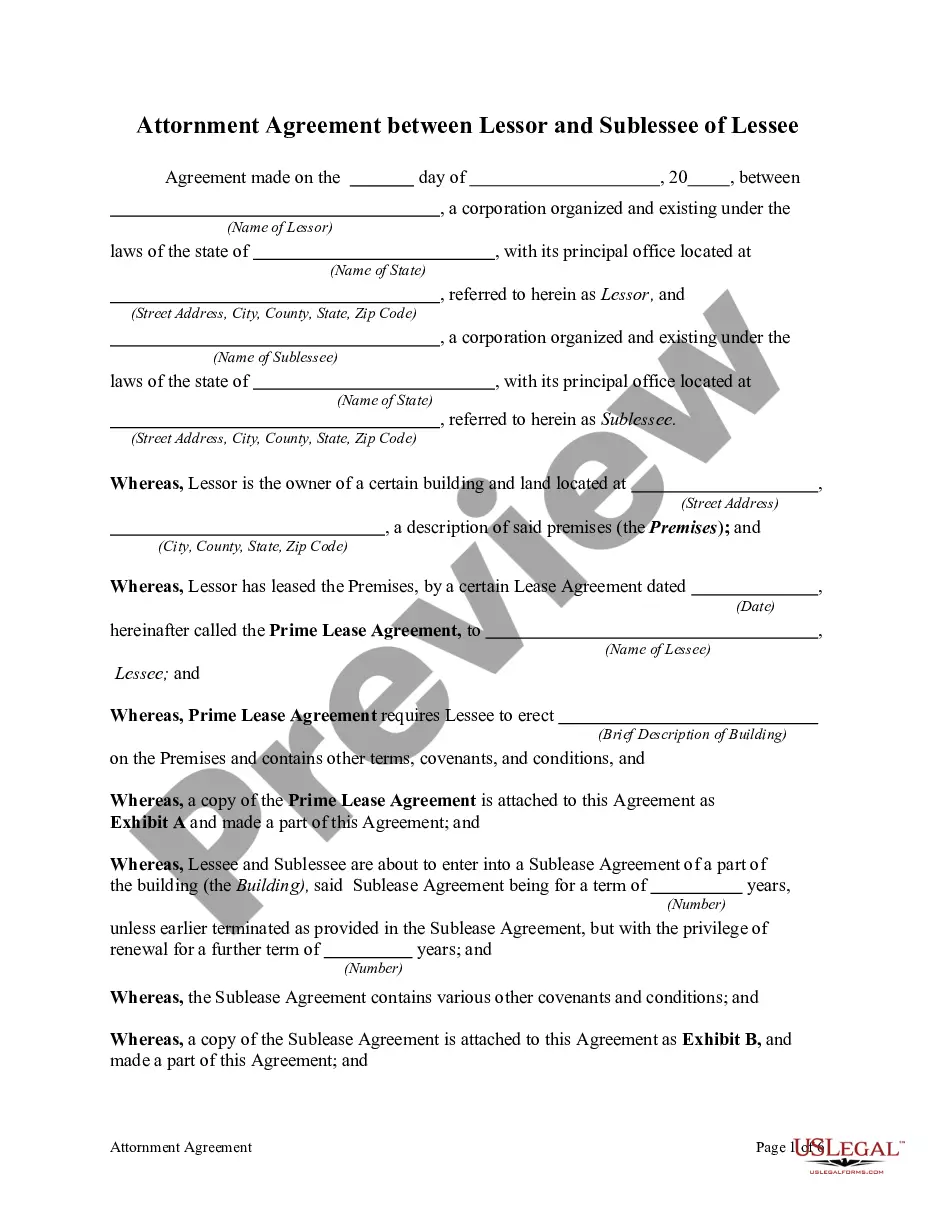
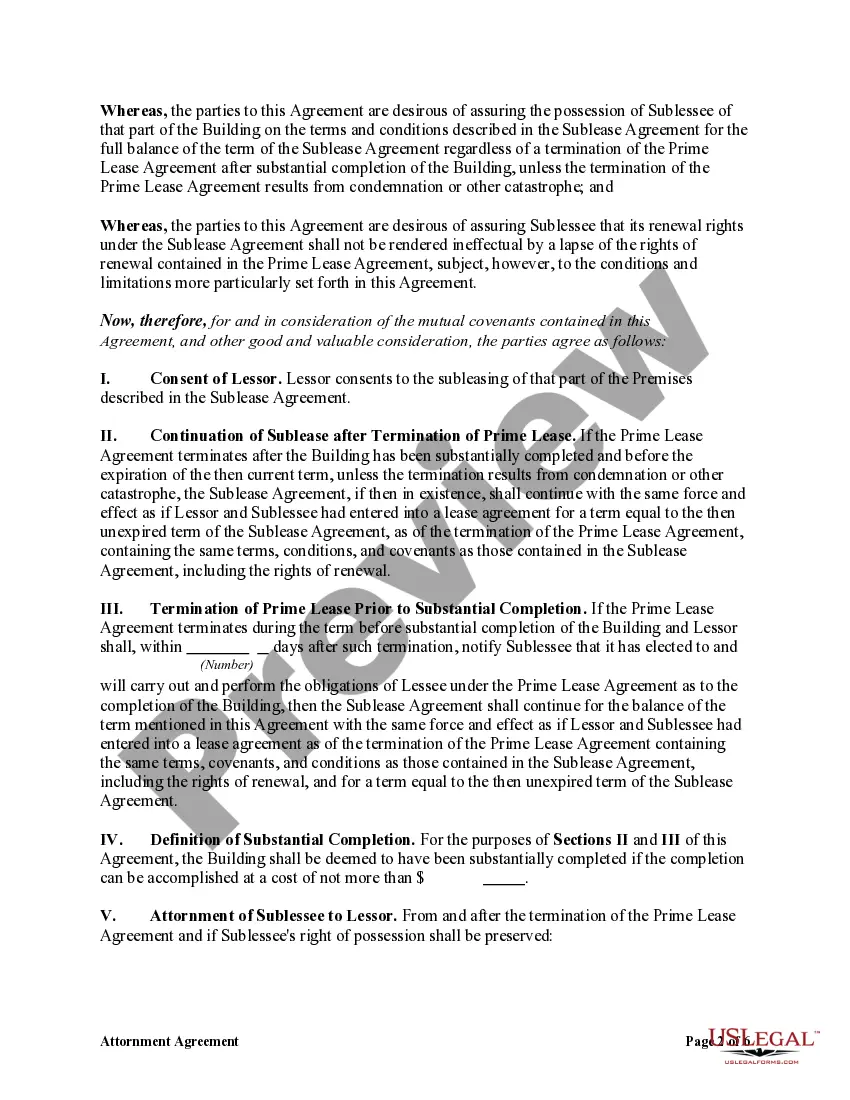
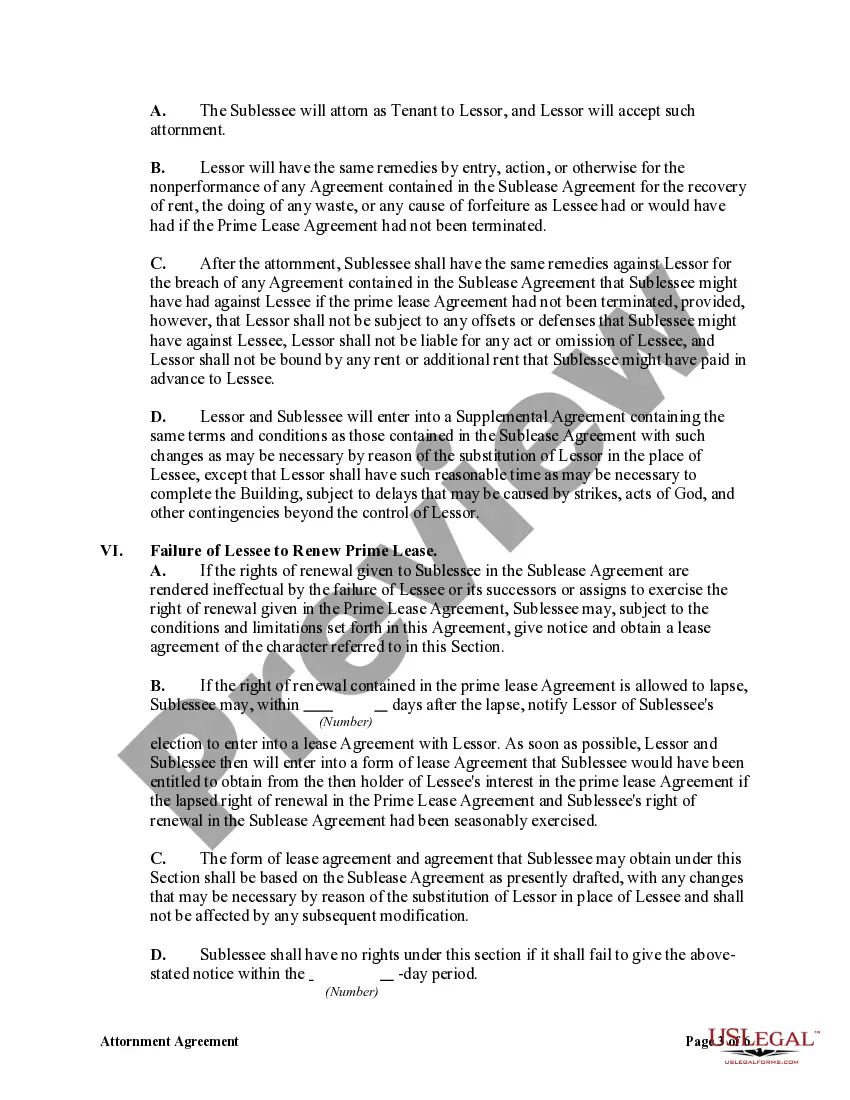
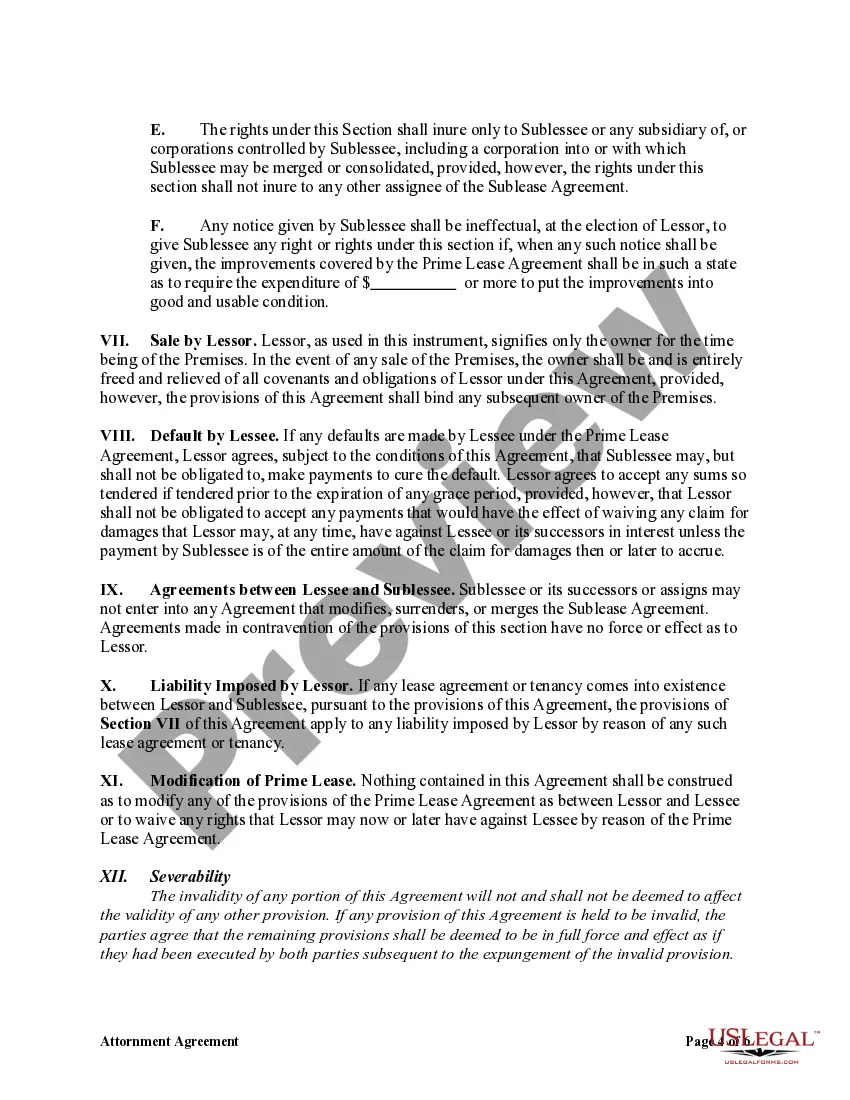
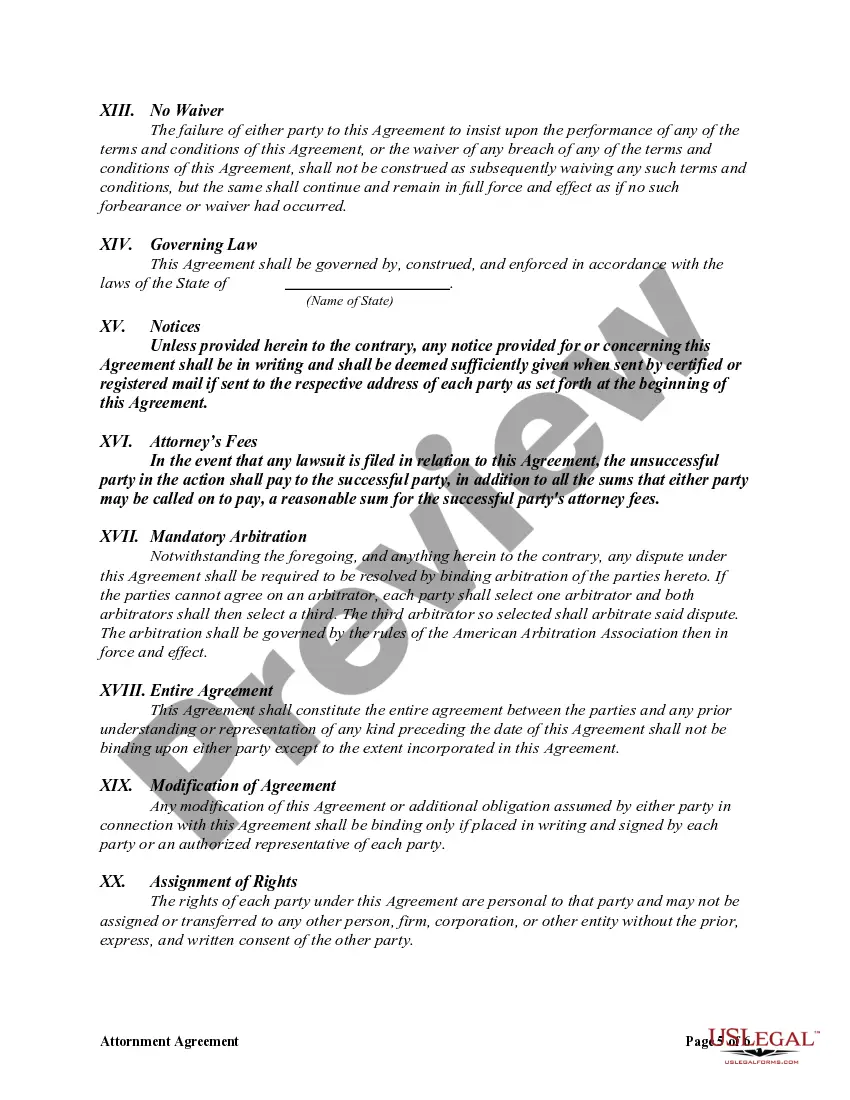
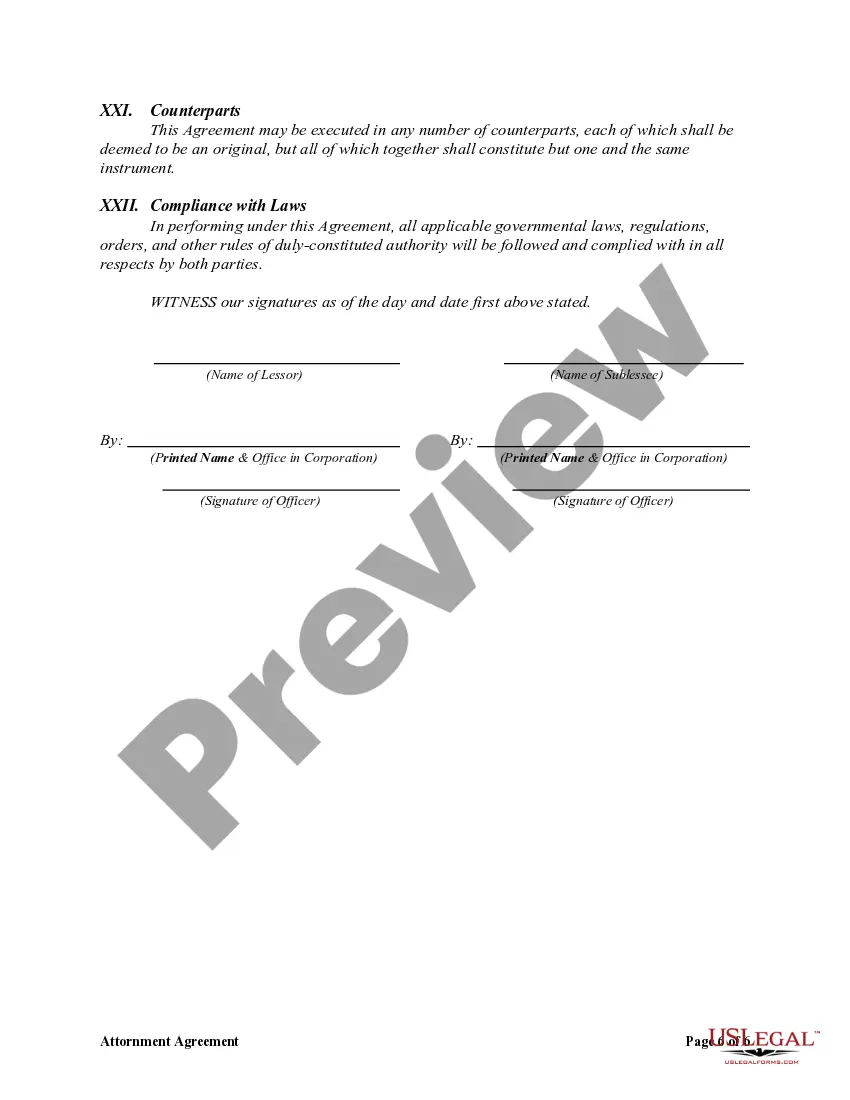
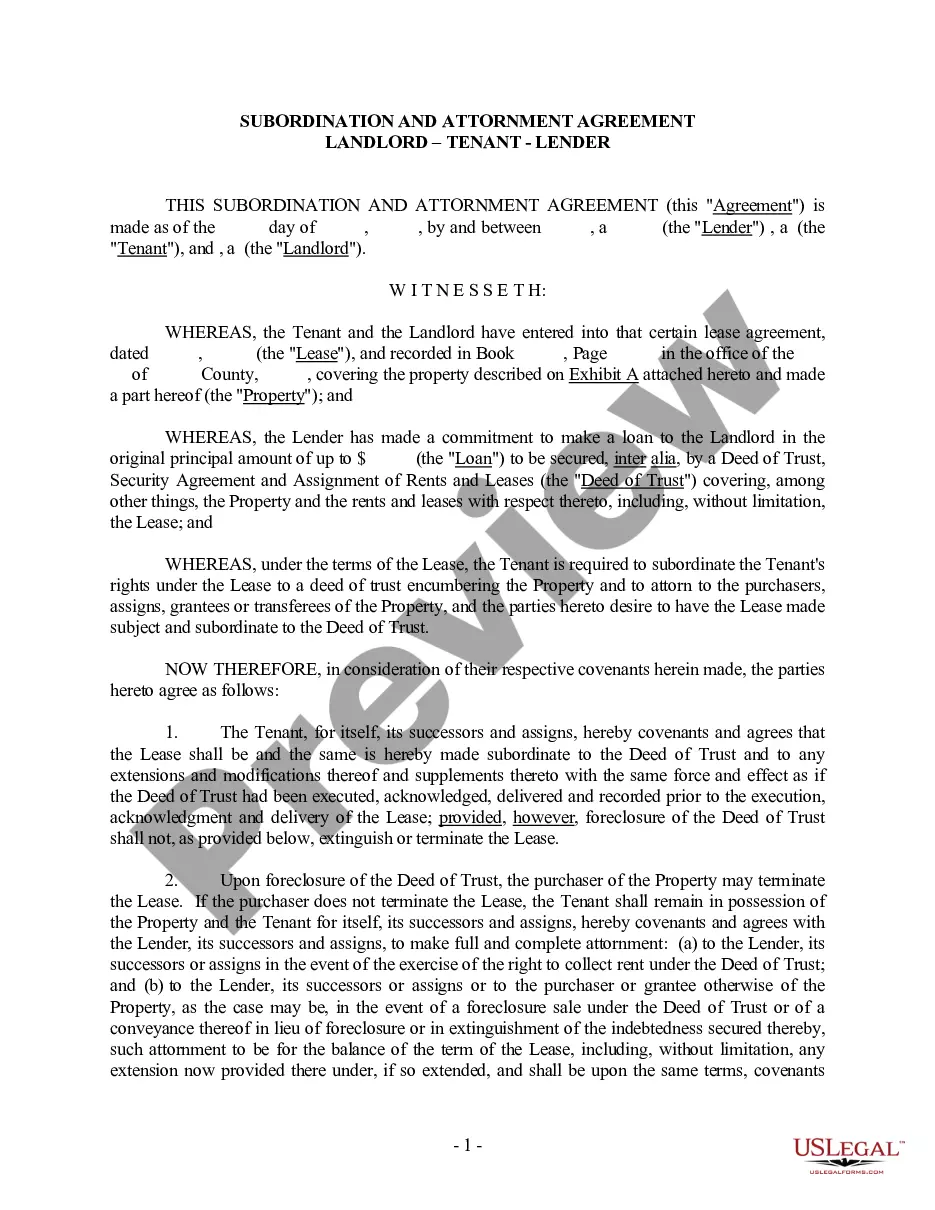
An attornment letter serves as a formal notice from a landlord to a tenant, confirming a change in ownership. This letter often includes instructions for where to send future rent payments and may reaffirm the terms of the lease. By using an attornment letter to tenant, landlords can establish a clear and legal acknowledgment of the tenancy under new ownership.
A termination letter to a tenant informs them of the end of their lease or tenancy. This letter should clearly state the reason for termination, the date by which the tenant must vacate, and any next steps they need to follow. Using a well-structured termination letter can help landlords ensure a smooth transition and minimize disputes.
Attornment refers to the legal acknowledgment by a tenant of a new landlord's rights. It establishes a relationship between the tenant and the new landlord after property ownership changes. When tenants receive an attornment letter to tenant, they formally recognize the new landlord, ensuring that rental agreements remain valid despite ownership changes.
A good tenant letter is clear, concise, and respectful. For instance, a letter addressing a minor issue like a maintenance request should outline the problem, the necessary timeline for resolving it, and appreciation for the tenant's cooperation. Such letters can serve as effective communication tools, similar to when issuing an attornment letter to tenant.
When writing a letter to a tenant, begin with a professional greeting and clearly state your intent. Provide essential information such as lease details, property rules, or any required actions from the tenant. Closing with a courteous remark fosters a positive relationship and reinforces the message of important documents like an attornment letter to tenant.
