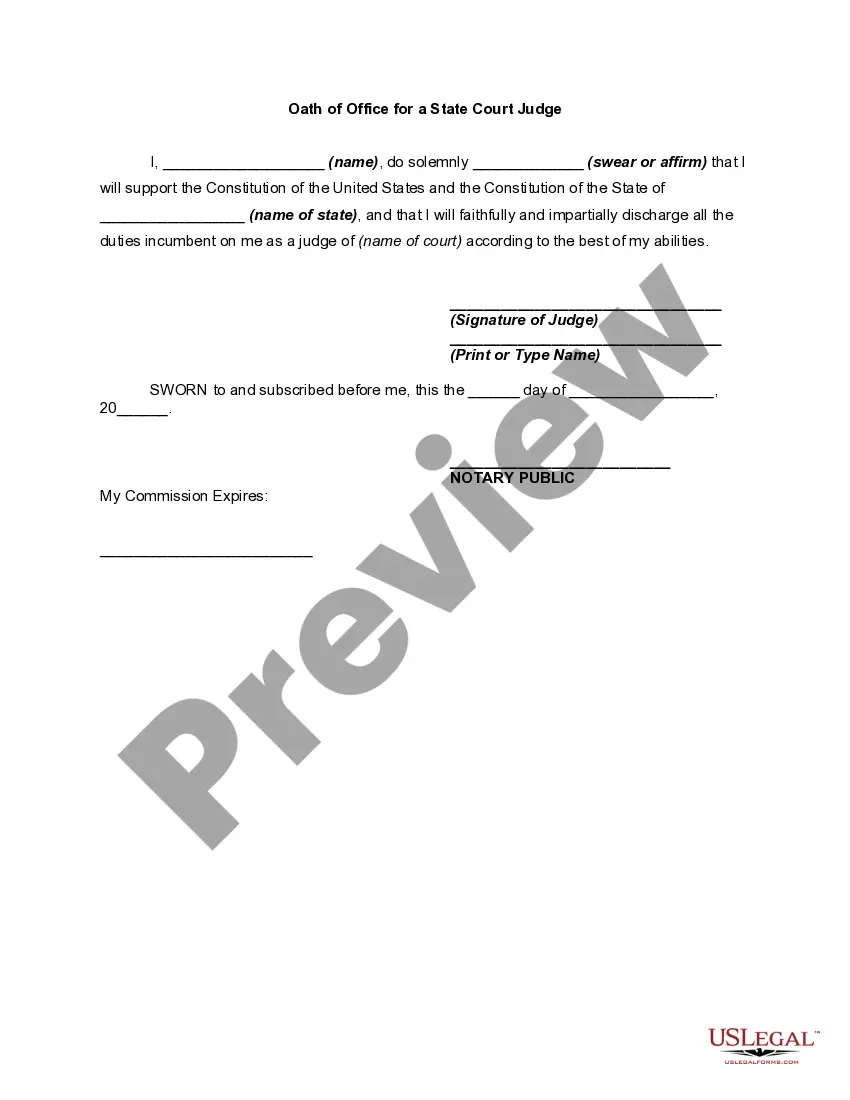
State Court Oath For Atheist
Description
Get your form ready online
Our built-in tools help you complete, sign, share, and store your documents in one place.
Make edits, fill in missing information, and update formatting in US Legal Forms—just like you would in MS Word.
Download a copy, print it, send it by email, or mail it via USPS—whatever works best for your next step.
Sign and collect signatures with our SignNow integration. Send to multiple recipients, set reminders, and more. Go Premium to unlock E-Sign.
If this form requires notarization, complete it online through a secure video call—no need to meet a notary in person or wait for an appointment.
We protect your documents and personal data by following strict security and privacy standards.

Make edits, fill in missing information, and update formatting in US Legal Forms—just like you would in MS Word.

Download a copy, print it, send it by email, or mail it via USPS—whatever works best for your next step.

Sign and collect signatures with our SignNow integration. Send to multiple recipients, set reminders, and more. Go Premium to unlock E-Sign.

If this form requires notarization, complete it online through a secure video call—no need to meet a notary in person or wait for an appointment.

We protect your documents and personal data by following strict security and privacy standards.
Looking for another form?
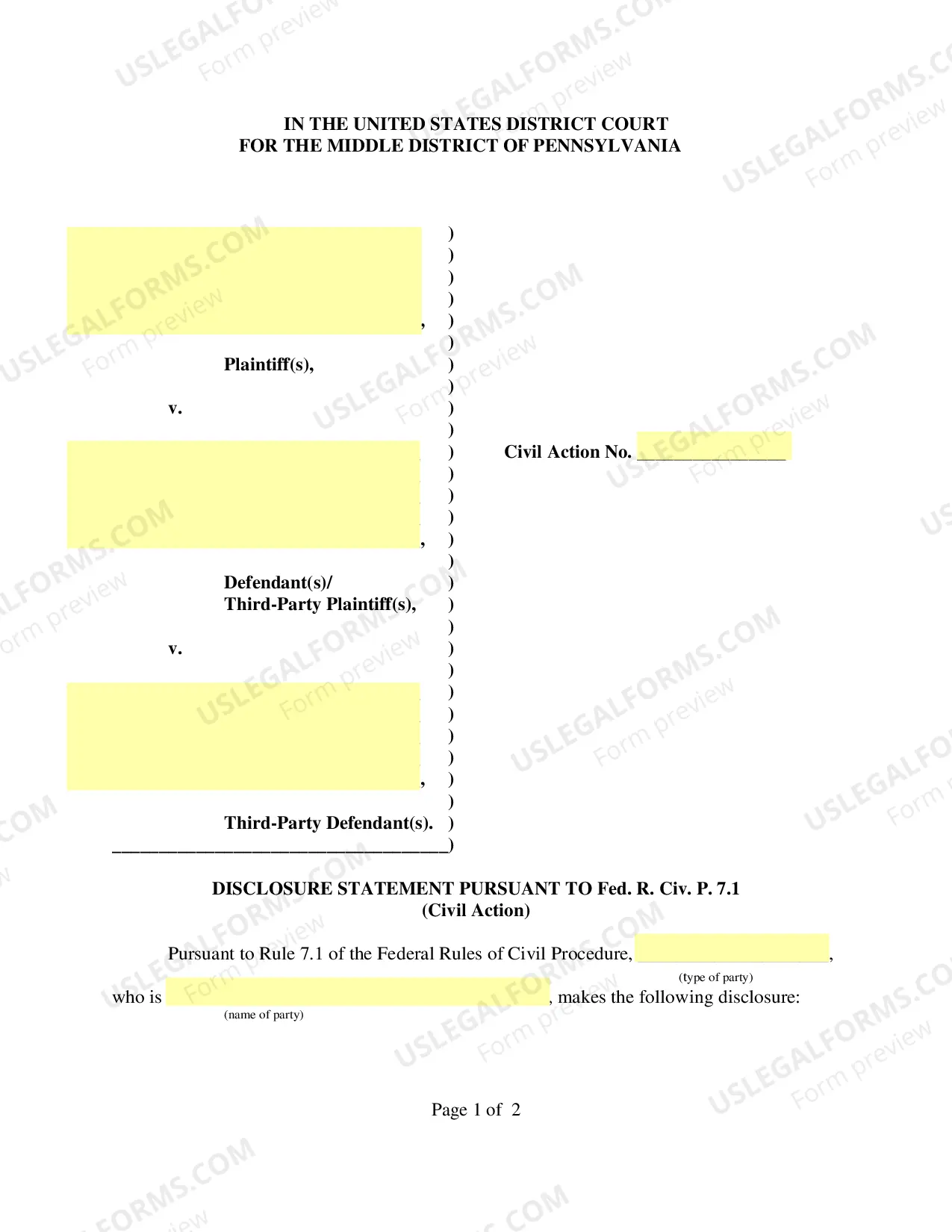
How to fill out Oath Of Office For A State Court Judge?
Acquiring legal templates that adhere to federal and state regulations is essential, and the internet provides a multitude of choices to select from.
However, what is the advantage of spending time searching for the suitable State Court Oath For Atheist example online when the US Legal Forms digital repository already consolidates such templates in one spot.
US Legal Forms is the premier online legal database featuring over 85,000 editable templates created by attorneys for various professional and personal situations.
- They are straightforward to navigate with all documents organized by state and purpose.
- Our experts ensure they stay informed on legislative changes, so you can be confident your documents are current and compliant when obtaining a State Court Oath For Atheist from our site.
- Acquiring a State Court Oath For Atheist is quick and easy for both existing and new users.
- If you have an account with an active subscription, Log In and download the required document template in the desired format.
- If you are new to our site, follow the instructions below.
Form popularity
FAQ
Atheists do not have to swear on the Bible in court, as the legal system respects personal beliefs. In fact, state court oaths for atheists often allow individuals to affirm their commitment to telling the truth without invoking a religious text. Many courts provide an option for a secular affirmation, which is both valid and recognized. It's important to know your rights when facing a state court oath as an atheist, and platforms like USLegalForms can help guide you through the process.
Determining which religion has won the most court cases is complex and varies by context. Historically, many legal cases have involved the First Amendment rights of various religious groups, including Christians, Jews, and others. However, outcomes depend on specific cases rather than a clear tally of wins by a particular faith, which highlights the importance of legal representation for all beliefs. Platforms like US Legal Forms can provide resources and documents to help individuals navigate the legal system effectively.
When someone sneezes, atheists often respond with 'God bless you' or simply say 'bless you' out of habit, but they may also use secular alternatives like 'cheers' or 'take care'. The goal is to express concern and care for the individual without religious context. Using these alternatives helps foster a comfortable environment for those who prefer secular expressions. Engaging in thoughtful conversation about language can promote understanding among different belief systems.
Atheists can take the state court oath for atheist by making a solemn affirmation instead of a religious oath. They usually declare their commitment to tell the truth without invoking a deity. This option respects their beliefs while maintaining the integrity of the legal process. It's crucial for atheists to know that courts often provide this alternative, ensuring they can participate fully in legal matters.
As an atheist, you typically do not swear on a religious text in court. Instead, you can choose to affirm your commitment to tell the truth, often by simply stating your intention. This alternative aligns perfectly with the State court oath for atheist, as it allows individuals to participate fully in the justice system without compromising their beliefs. Checking with the court beforehand can clarify expectations.
Swearing in an atheist in court involves allowing them to affirm their testimony without a religious context. Courts often provide a secular affirmation instead of a traditional oath, enabling atheists to comply with legal standards while remaining true to their beliefs. This practice aligns with the concept of the State court oath for atheist, ensuring everyone is treated equitably. Consult local court rules for specific procedures.
The legal requirements for oath taking vary by jurisdiction but generally require that the individual testify truthfully. In many states, a person can take an oath based on their beliefs, including secular affirmations. For those who identify as atheists, procedures like the State court oath for atheist provide options that respect their views without compromising legal obligations. Always check local laws to ensure compliance.
To successfully engage in a debate with an atheist, focus on presenting clear, logical arguments. Use facts, historical examples, and personal experiences to emphasize your points. Additionally, remain respectful and open-minded, as this fosters a constructive dialogue. Addressing the concept of the State court oath for atheist can also showcase the legal framework that respects diverse beliefs.
Yes, the Supreme Court has recognized atheism as a legitimate belief system. This recognition affirms that atheism can function similarly to a religion in terms of freedom of expression. Therefore, individuals identifying as atheists are entitled to the same legal protections concerning oaths, including the State court oath for atheist. This ensures fairness in the legal system for all beliefs.
In state courts, atheists do not have to swear on a holy book or religious text. Instead, they can choose to affirm their testimony by making a solemn declaration. This declaration serves as a state court oath for atheist individuals, ensuring they uphold truthfulness without invoking religious references. This option promotes inclusivity and respects diverse beliefs, allowing all individuals to participate equally in the legal process.