Business For Sale With Property
Description
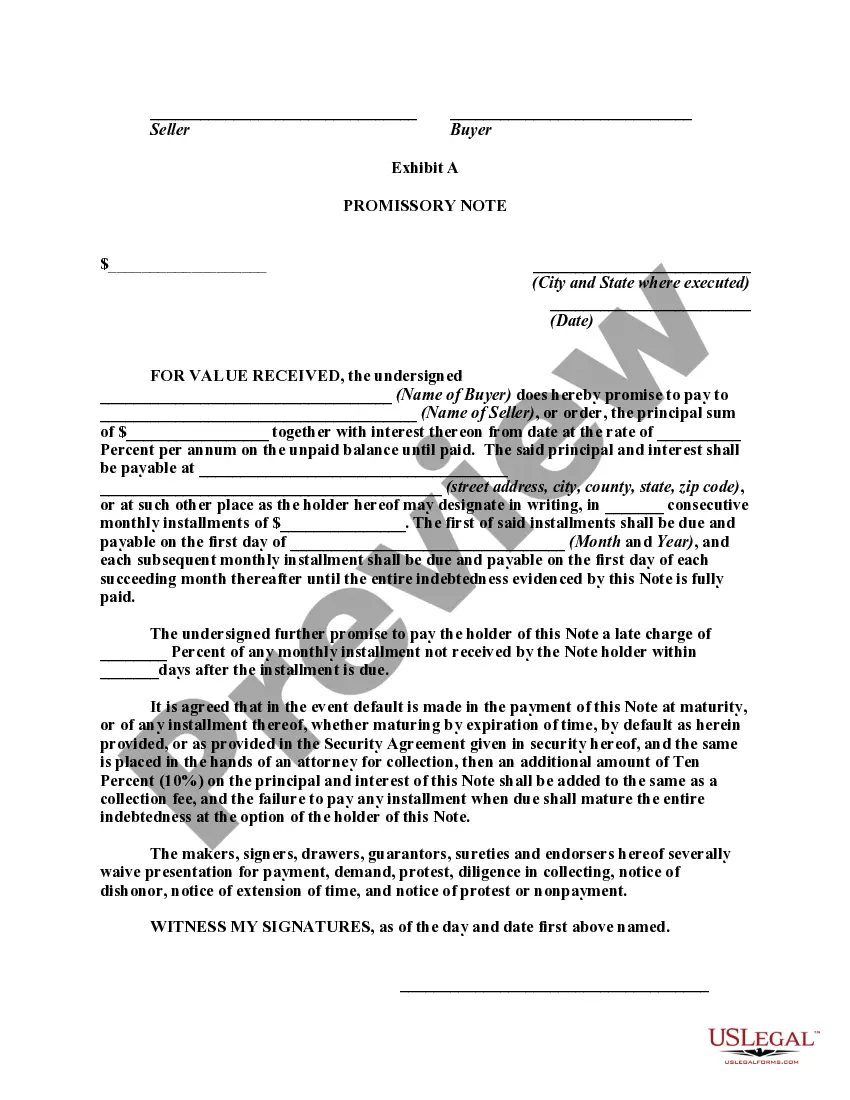

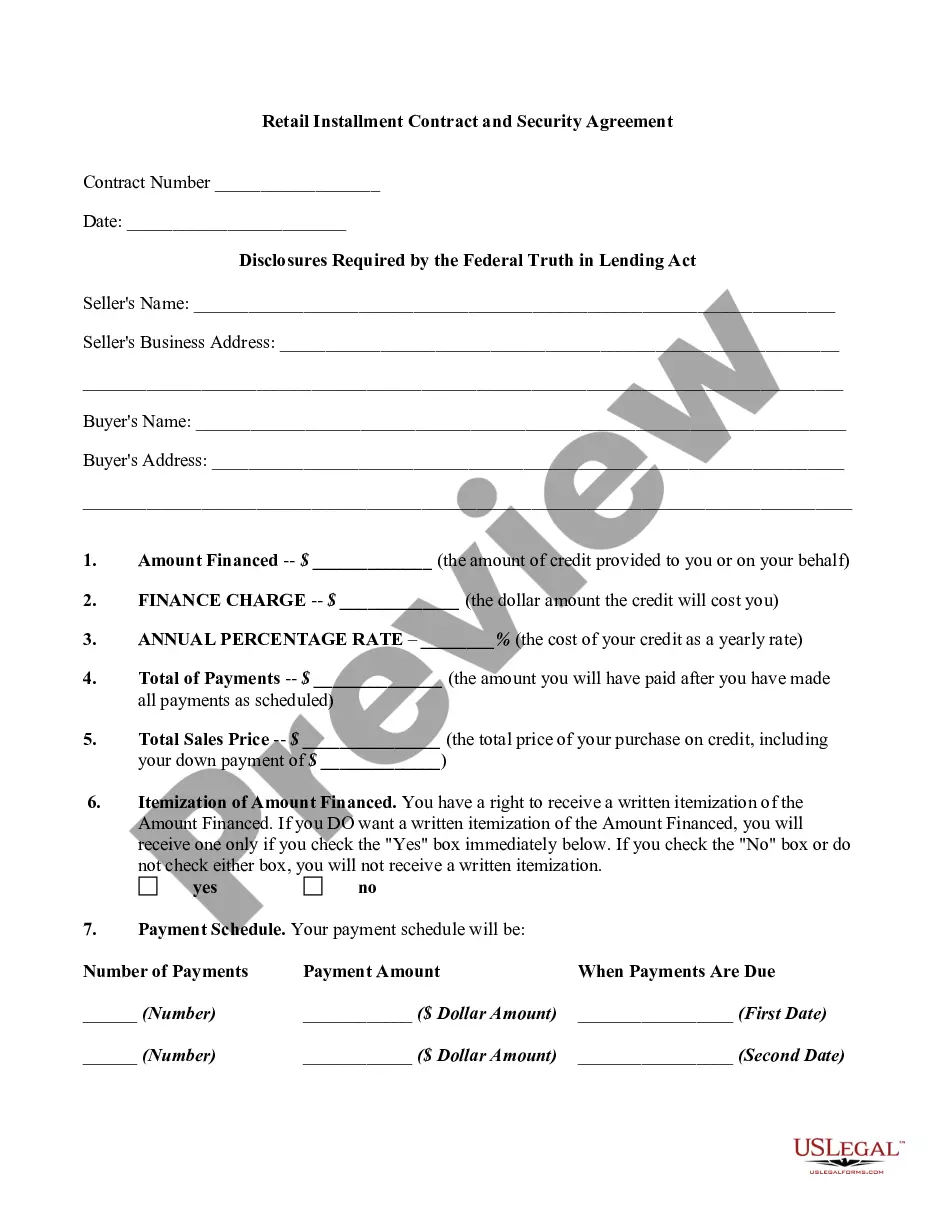
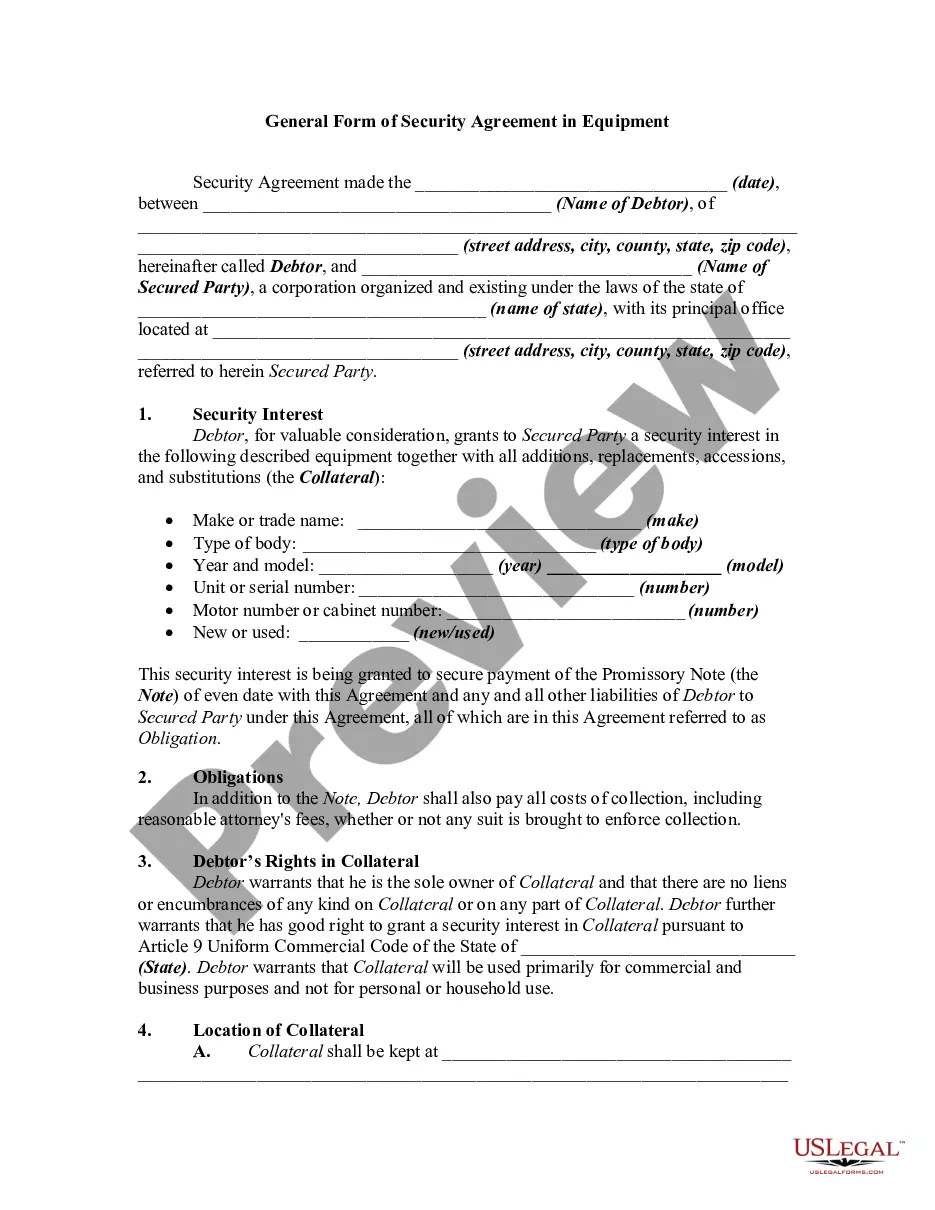
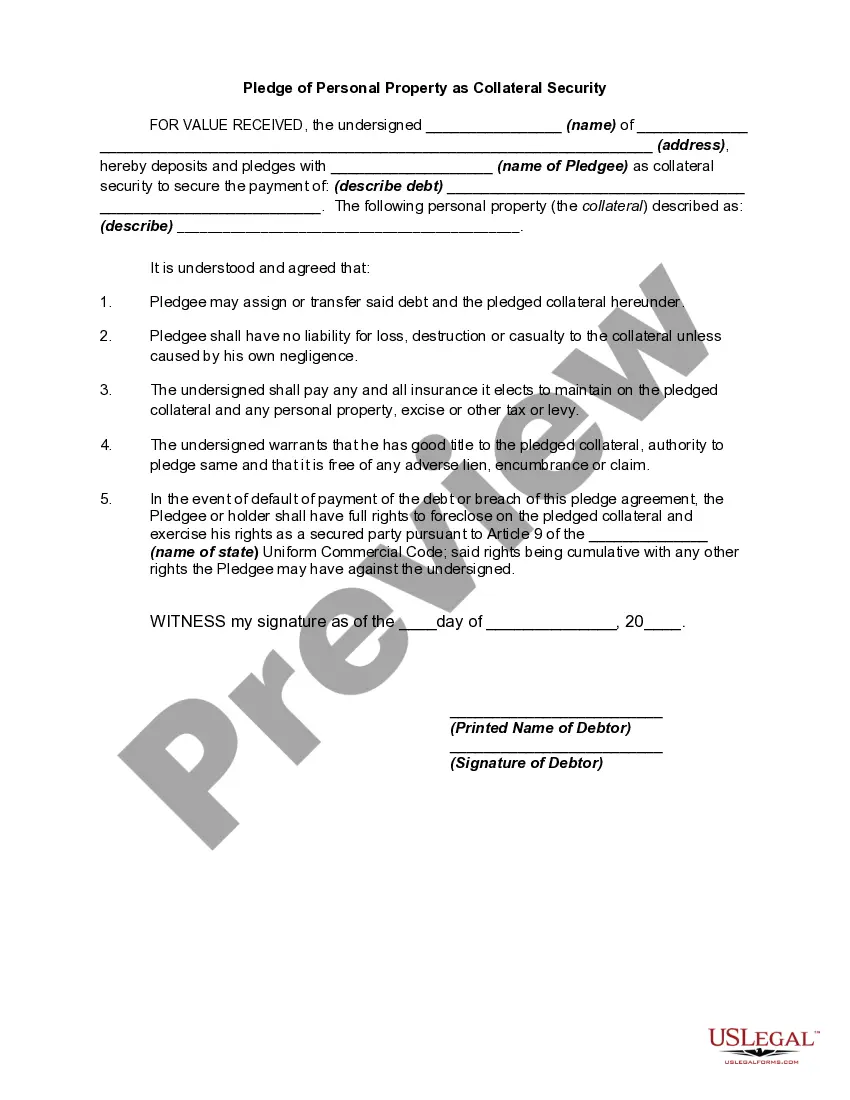
Get your form ready online
Our built-in tools help you complete, sign, share, and store your documents in one place.
Make edits, fill in missing information, and update formatting in US Legal Forms—just like you would in MS Word.
Download a copy, print it, send it by email, or mail it via USPS—whatever works best for your next step.
Sign and collect signatures with our SignNow integration. Send to multiple recipients, set reminders, and more. Go Premium to unlock E-Sign.
If this form requires notarization, complete it online through a secure video call—no need to meet a notary in person or wait for an appointment.
We protect your documents and personal data by following strict security and privacy standards.

Make edits, fill in missing information, and update formatting in US Legal Forms—just like you would in MS Word.

Download a copy, print it, send it by email, or mail it via USPS—whatever works best for your next step.

Sign and collect signatures with our SignNow integration. Send to multiple recipients, set reminders, and more. Go Premium to unlock E-Sign.

If this form requires notarization, complete it online through a secure video call—no need to meet a notary in person or wait for an appointment.

We protect your documents and personal data by following strict security and privacy standards.
Looking for another form?



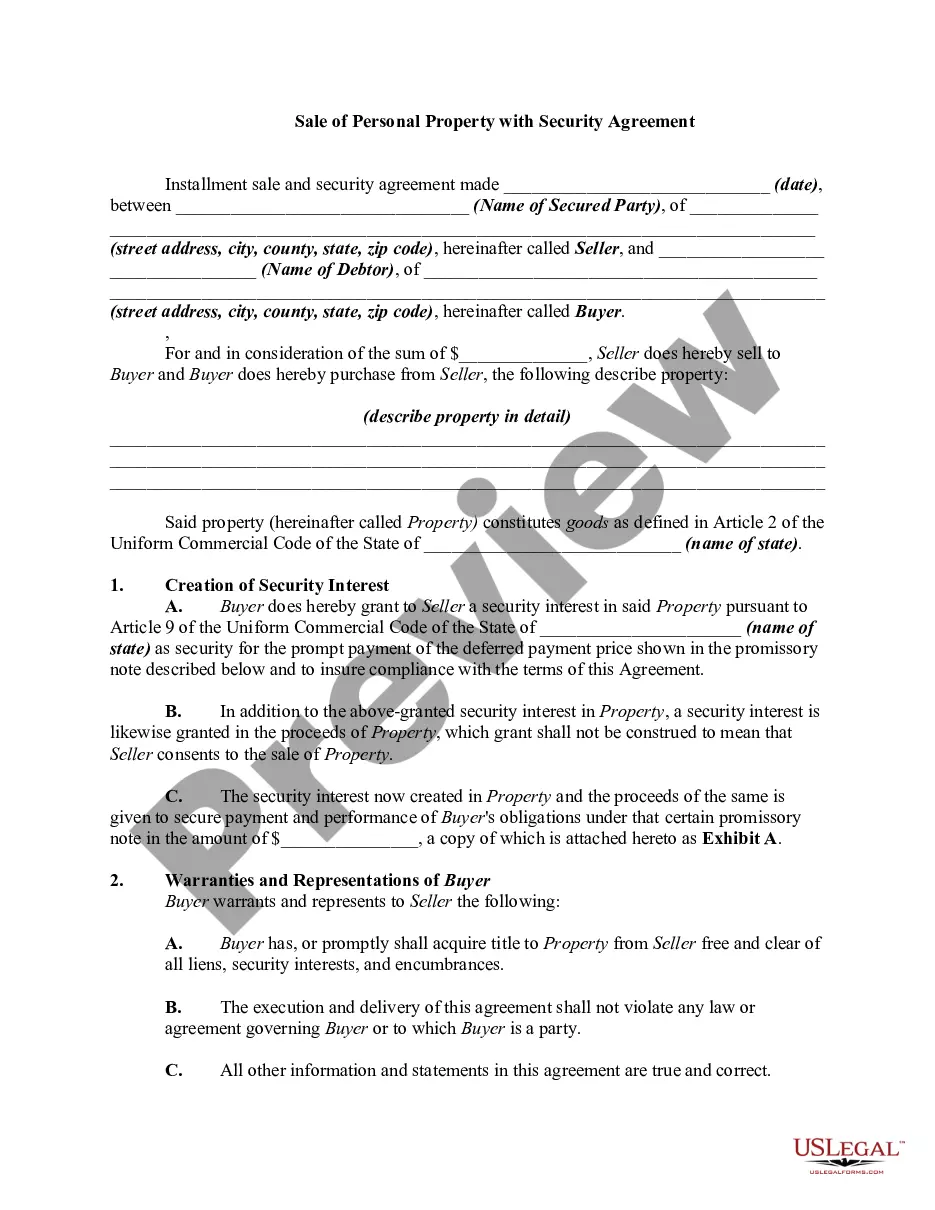
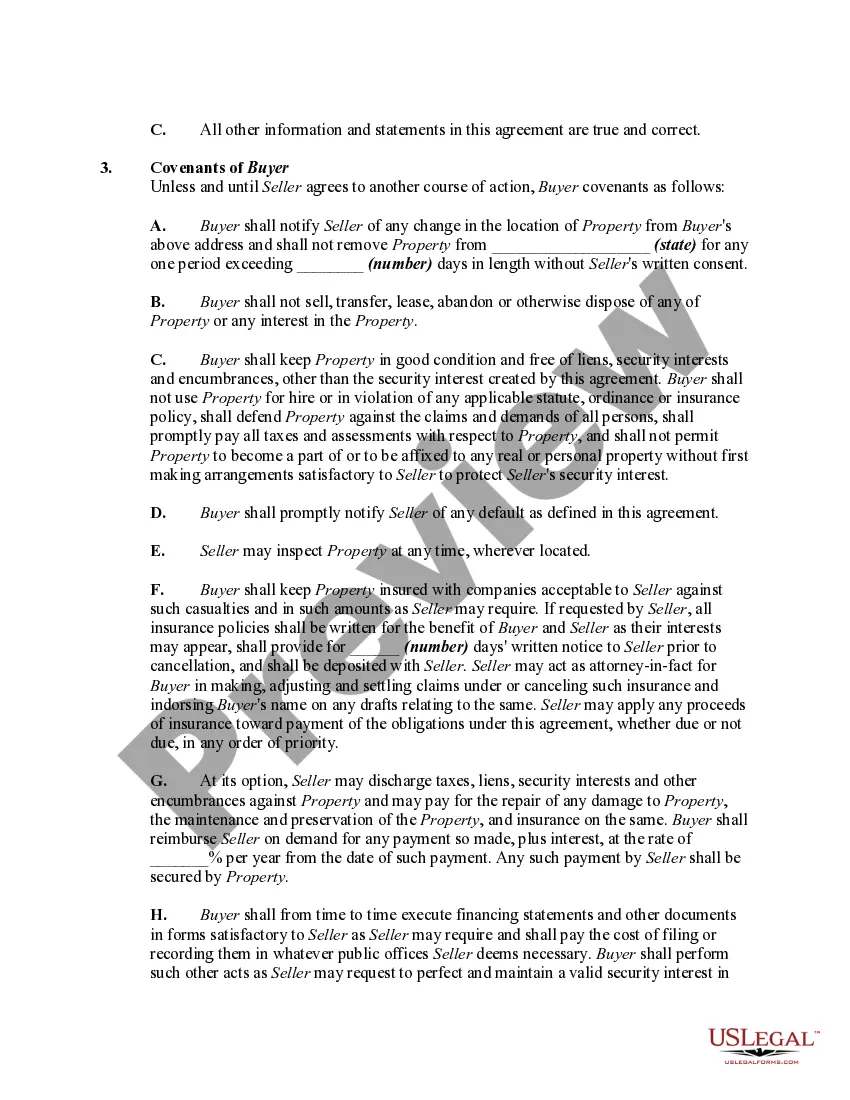
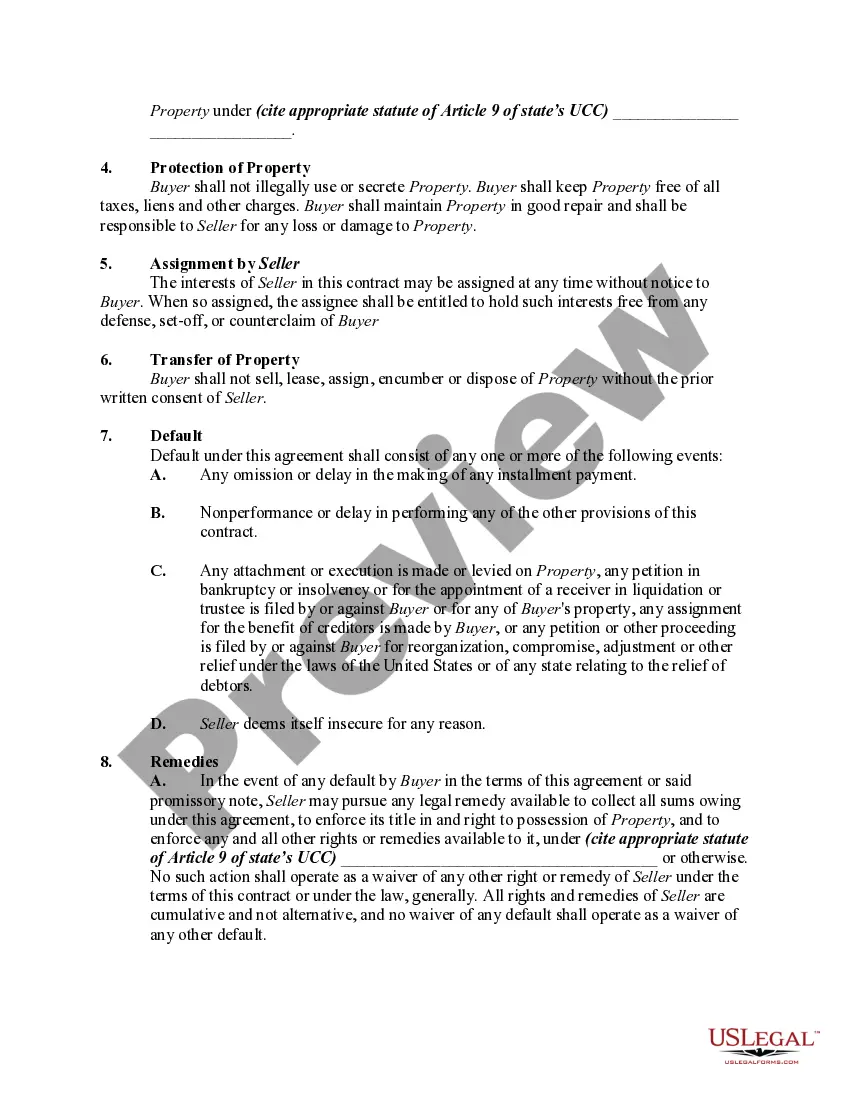
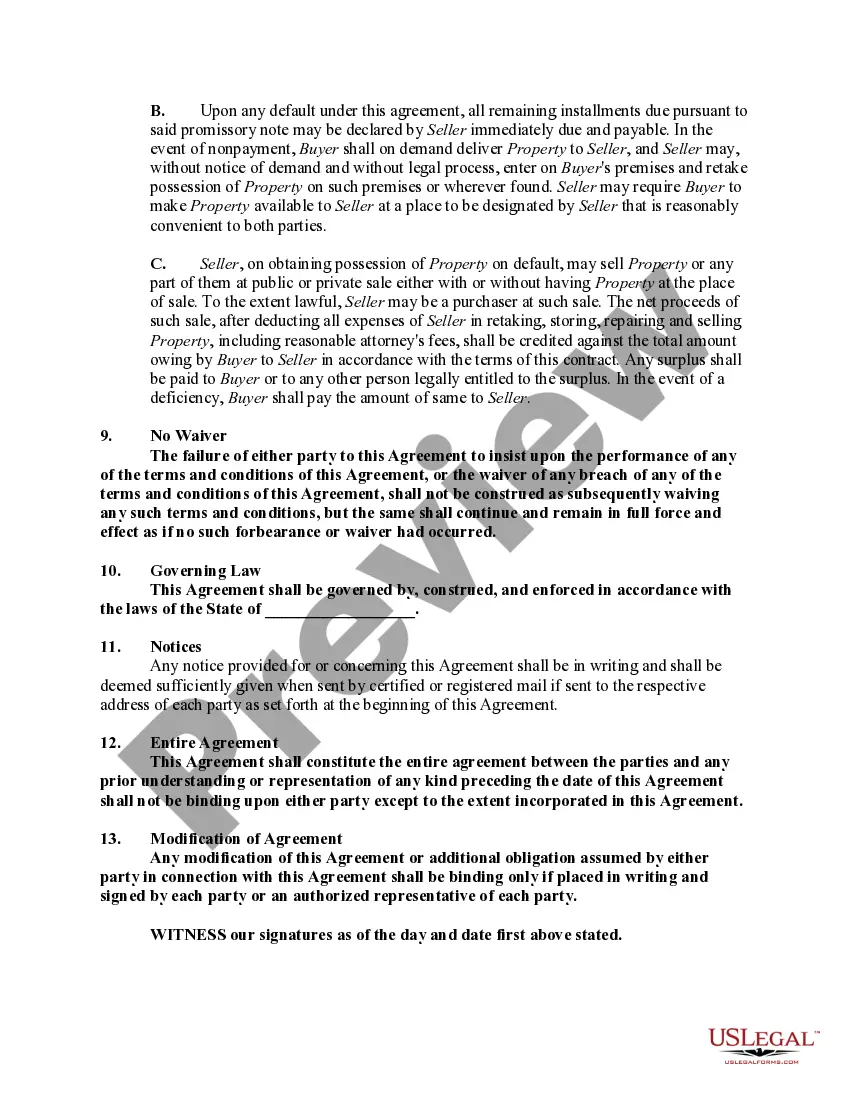
How to fill out Sale Of Personal Property With Security Agreement?
- If you already have an account, log in and download the required form by selecting the 'Download' button. Ensure your subscription is current; if not, renew it based on your payment plan.
- Begin by reviewing the Preview mode and description of your chosen form. Confirm it aligns with your needs and meets your jurisdiction's criteria.
- In case of discrepancies, utilize the Search tab to find an alternative template that fits your requirements.
- Purchase the selected document by clicking 'Buy Now' and choose your preferred subscription plan. Registration will grant you access to the full library.
- Complete your purchase by entering your payment details via credit card or PayPal.
- Finally, download the form to your device and access it anytime from the My Forms section of your profile.
US Legal Forms not only provides a vast collection of over 85,000 editable legal documents but also connects users with premium experts for assistance, ensuring your documents are completed accurately and legally.
Take control of your business purchase journey today! Access US Legal Forms and simplify your documentation process.
Form popularity
FAQ
When selling business property, you will typically report the sale on IRS Form 4797, 'Sales of Business Property.' This form helps you calculate and report the gain or loss from the sale. It's advisable to seek professional guidance to ensure accuracy and compliance with all tax obligations.
Yes, an LLC can write off property taxes on properties it owns. This deduction applies to properties used for business purposes, which can include commercial buildings and land. To maximize these deductions, keep thorough records and consult with a financial advisor who specializes in business taxation.
To avoid capital gains tax on a business for sale with property, consider using a 1031 exchange. This strategy allows you to defer taxes by reinvesting the proceeds from the sale into a similar property. Consult a tax professional to ensure you meet the necessary requirements and timelines, which can vary based on individual circumstances.
People often put their house under an LLC to establish a layer of liability protection and to separate their personal assets from business risks. This structure can protect your home from lawsuits tied to your business, especially if you are actively involved in a business for sale with property. Furthermore, it can simplify the estate planning process and develop a clear line of ownership.
You can avoid capital gains tax on a business sale by utilizing the primary residence exclusion if the property has been your primary residence for at least two out of the last five years. Additionally, consider reinvesting proceeds into a similar property through a 1031 exchange to defer taxes. As a business owner with property for sale, it's wise to consult a tax professional for tailored strategies.
To put a property under an LLC, first establish the LLC by filing necessary documents with your state. Next, draft a deed that transfers the property ownership from your name to the LLC's name, ensuring to record this deed with the local property office. This structured approach not only protects the property but can also enhance your business for sale with property.
When selling property, the transaction must be reported to the IRS using IRS Form 4797 or Schedule D, depending on the nature of the asset. You are required to report the profit or loss from the sale, which can impact your overall tax liability. If your business for sale with property qualifies, you may also be able to exclude certain gains under the current tax laws.
One disadvantage of placing property in an LLC is the potential for increased costs and administrative burdens, including ongoing state fees and compliance requirements. Additionally, transferring a property into an LLC may trigger due-on-sale clauses in some mortgage agreements. However, the benefits of liability protection and potential tax advantages often outweigh these concerns when considering a business for sale with property.
To put your property into an LLC, you start by forming the LLC through your state’s business filing agency. After forming the LLC, you can transfer ownership of the property into the LLC by executing a new deed, which must be recorded with your local county office. This process provides liability protection and may offer tax benefits when managing your business for sale with property.
Yes, you can see if a business is for sale by visiting popular business-for-sale websites. These sites typically provide detailed listings, images, and property information. Additionally, connecting with local business brokers can provide insight into businesses that are not publicly listed yet.