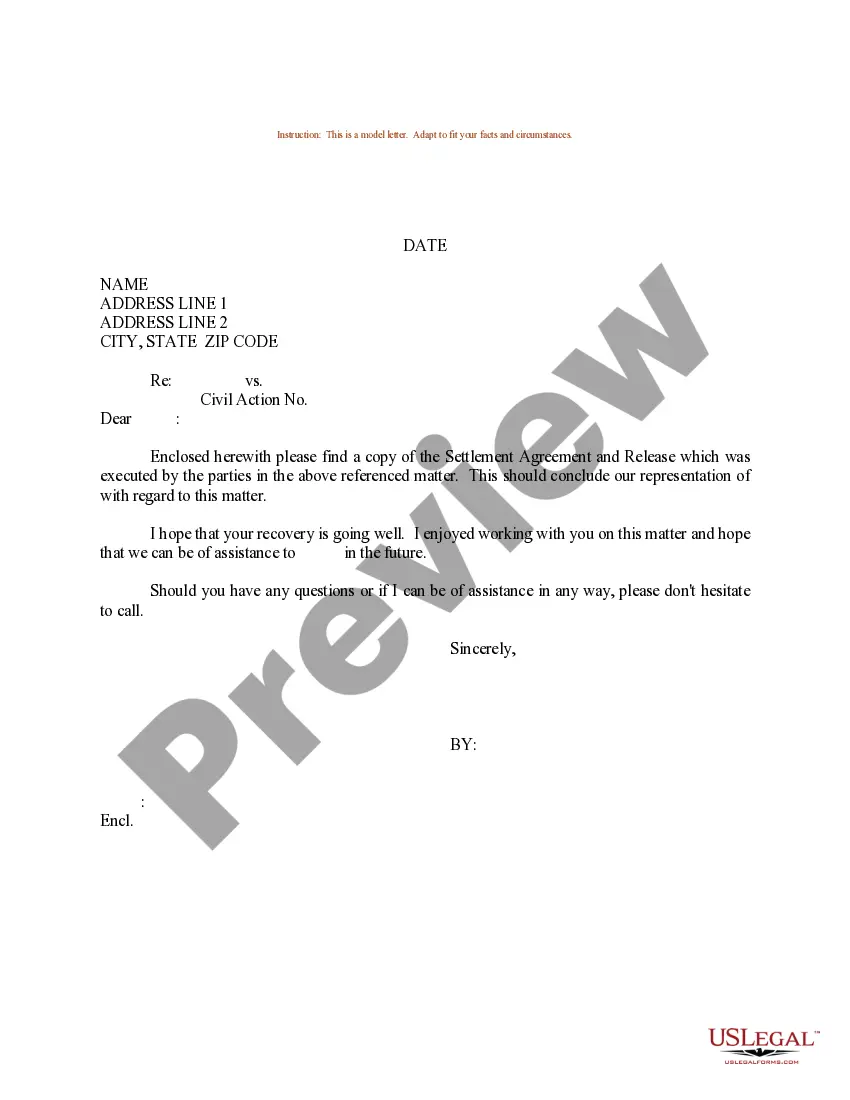
Settlement Agreement With Confidentiality Clause
Description
Get your form ready online
Our built-in tools help you complete, sign, share, and store your documents in one place.
Make edits, fill in missing information, and update formatting in US Legal Forms—just like you would in MS Word.
Download a copy, print it, send it by email, or mail it via USPS—whatever works best for your next step.
Sign and collect signatures with our SignNow integration. Send to multiple recipients, set reminders, and more. Go Premium to unlock E-Sign.
If this form requires notarization, complete it online through a secure video call—no need to meet a notary in person or wait for an appointment.
We protect your documents and personal data by following strict security and privacy standards.

Make edits, fill in missing information, and update formatting in US Legal Forms—just like you would in MS Word.

Download a copy, print it, send it by email, or mail it via USPS—whatever works best for your next step.

Sign and collect signatures with our SignNow integration. Send to multiple recipients, set reminders, and more. Go Premium to unlock E-Sign.

If this form requires notarization, complete it online through a secure video call—no need to meet a notary in person or wait for an appointment.

We protect your documents and personal data by following strict security and privacy standards.
Looking for another form?
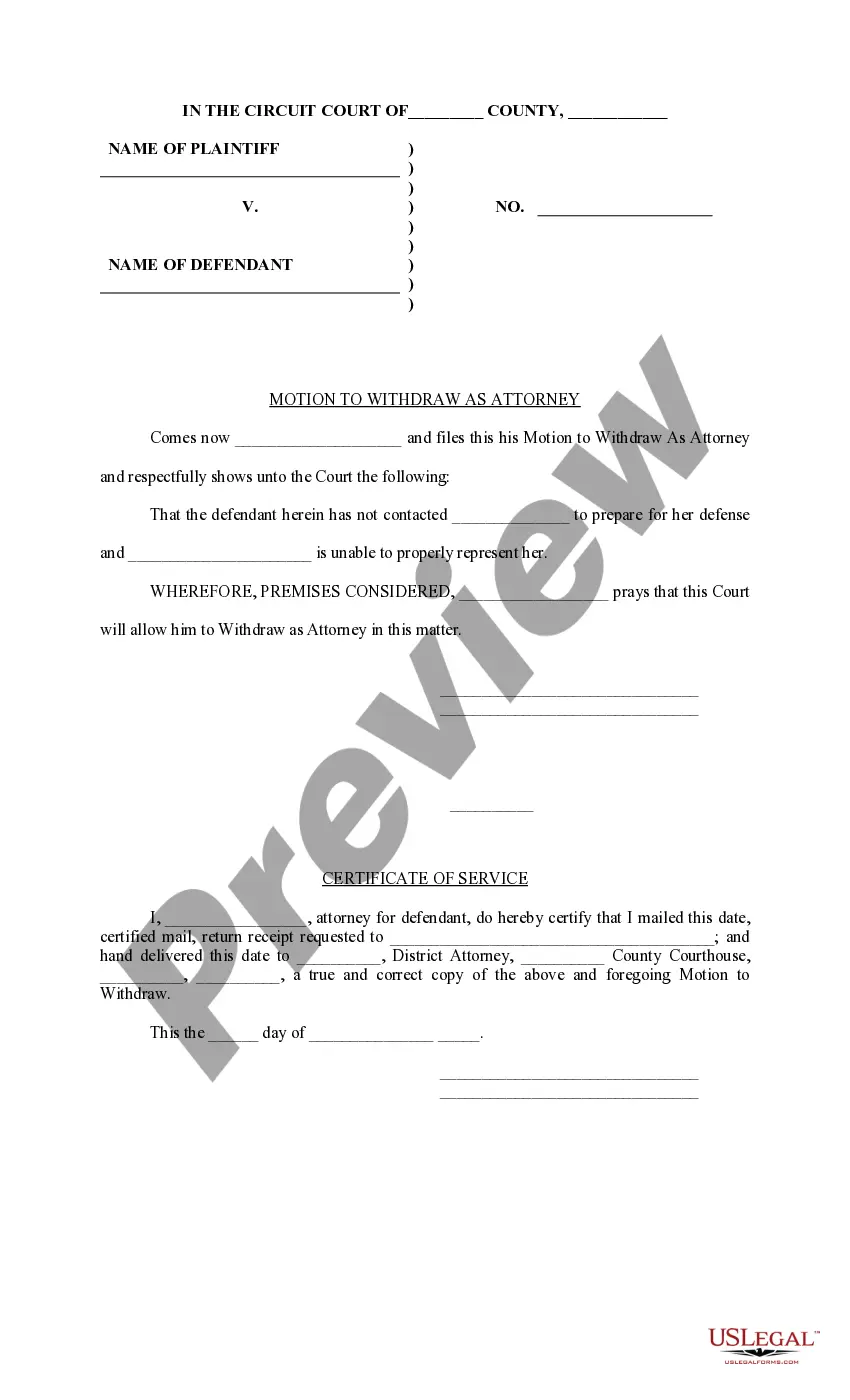

How to fill out Sample Letter For Settlement Agreement And Release?
- If you have previously used US Legal Forms, log into your account to download your template. Ensure that your subscription is active; if not, renew it according to your payment plan.
- For first-time users, start by checking the preview mode and the description of the form. Confirm it meets your needs and complies with your local jurisdiction.
- If the selected template doesn't align with your requirements, utilize the search tab to find a suitable one that fits your criteria.
- Once you have the correct form, click on the Buy Now button and select a subscription plan that fits your needs. You will need to register for an account to access the full library.
- Complete your purchase by entering your credit card or PayPal information to finalize the subscription.
- After the payment process, download your form to your device, and access it anytime from the My Forms section in your profile.
Utilizing US Legal Forms not only provides access to a vast collection of legal documents but also ensures you receive precise, editable templates with the support of premium experts. This distinctive advantage allows for a tailored legal experience.
In conclusion, obtaining a settlement agreement with a confidentiality clause is an efficient process with US Legal Forms. Access comprehensive resources to ensure your legal documents are properly executed. Start your journey today by visiting US Legal Forms!
Form popularity
FAQ
To fill out a confidentiality agreement, begin by entering the names of the parties involved and the date of agreement. Then, specify the confidential information that needs to be protected and describe the obligations of each party regarding that information. Make sure to review the terms carefully to ensure both parties understand their responsibilities under the settlement agreement with confidentiality clause, then sign and date the document.
A sample confidentiality clause in a settlement agreement might read: 'The parties agree to keep the terms of this settlement confidential and shall not disclose them to any third party, except as required by law.' This provision helps maintain the privacy of the agreement while safeguarding the interests of all parties involved. By using a sample as a guide, you can create your own effective settlement agreement with confidentiality clause.
The confidentiality clause in a settlement agreement ensures that the parties involved do not disclose specific details about the settlement terms or related discussions. This clause protects sensitive information and prevents misunderstandings that could arise from public knowledge. By including such a clause, both parties can negotiate more freely and reach a resolution that works best for them.
To write a simple confidentiality agreement, start by clearly identifying the parties involved and the purpose of the agreement. Next, explicitly state what information needs to be kept confidential, and outline the duration of the confidentiality obligation. It's important to include any exceptions, such as information that is publicly available, to create a comprehensive agreement for a settlement agreement with confidentiality clause.
A confidentiality clause in a settlement agreement with confidentiality clause typically outlines that the parties involved must keep specific information private. For instance, it may specify that both parties cannot disclose the terms of the settlement or any sensitive information shared during negotiations. This protects the parties from potential reputational harm and encourages open communication during the settlement process.
A confidential settlement statement outlines the terms and agreements reached between parties, combined with a pledge that this information will not be disclosed without proper authorization. In the context of a settlement agreement with a confidentiality clause, this document serves to protect sensitive information from being shared publicly. This type of statement not only summarizes the settlement's key points but also reinforces the commitment to confidentiality as part of the negotiation process.
Five examples of confidentiality can include the following: protecting trade secrets, safeguarding client information, ensuring attorney-client communications remain private, keeping financial details undisclosed, and securing personal data from public exposure. In a settlement agreement with a confidentiality clause, these measures ensure that sensitive information does not become publicly accessible. Each example plays a vital role in maintaining trust and integrity between parties involved.
To write a confidentiality clause, start by clearly defining what information will be kept confidential. Then, specify the obligations of each party regarding the handling of that information. In a settlement agreement with a confidentiality clause, it is crucial to include the consequences for breaching this confidentiality, thereby ensuring that all terms are understood and agreed upon by both parties.
A good confidentiality statement emphasizes the importance of keeping sensitive information private. It typically might include a declaration that both parties will not share the terms of the settlement agreement with confidentiality clause with any unauthorized individuals. For example, a statement could read, 'Both parties agree to maintain the confidentiality of the terms and conditions of this settlement, ensuring that no details are discussed publicly.'
A confidentiality disclaimer can outline that any shared information in the context of a settlement agreement with a confidentiality clause remains private and may not be disclosed without permission. This disclaimer assures parties involved that the specifics of the agreement are protected. For instance, you might say, 'The undersigned agree that all information regarding this settlement is confidential and shall not be disclosed to any third party without prior consent.'