Confidentiality For Minors In Therapy
Description
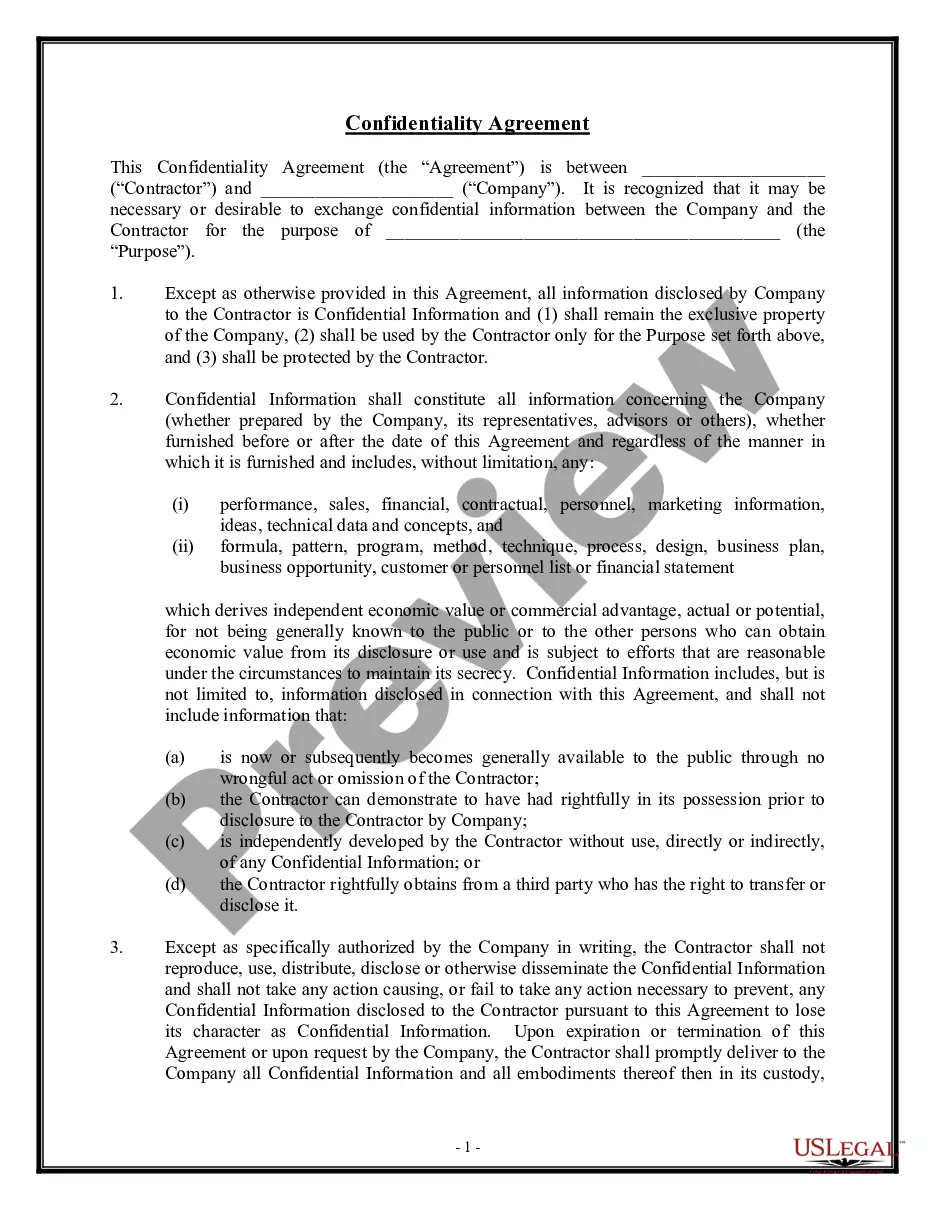
Get your form ready online
Our built-in tools help you complete, sign, share, and store your documents in one place.
Make edits, fill in missing information, and update formatting in US Legal Forms—just like you would in MS Word.
Download a copy, print it, send it by email, or mail it via USPS—whatever works best for your next step.
Sign and collect signatures with our SignNow integration. Send to multiple recipients, set reminders, and more. Go Premium to unlock E-Sign.
If this form requires notarization, complete it online through a secure video call—no need to meet a notary in person or wait for an appointment.
We protect your documents and personal data by following strict security and privacy standards.

Make edits, fill in missing information, and update formatting in US Legal Forms—just like you would in MS Word.

Download a copy, print it, send it by email, or mail it via USPS—whatever works best for your next step.

Sign and collect signatures with our SignNow integration. Send to multiple recipients, set reminders, and more. Go Premium to unlock E-Sign.

If this form requires notarization, complete it online through a secure video call—no need to meet a notary in person or wait for an appointment.

We protect your documents and personal data by following strict security and privacy standards.
Looking for another form?









How to fill out Confidentiality And Nondisclosure Agreement - General?
Steering through the red tape of official documents and formats can be challenging, particularly if one does not engage in that on a professional basis.
Even selecting the suitable format to obtain a Confidentiality For Minors In Therapy will require a considerable amount of time, as it must be accurate and precise to the final detail.
However, you will have to invest considerably less time picking a fitting template if it originates from a source you can trust.
- US Legal Forms is a platform that streamlines the procedure of finding the appropriate documents online.
- US Legal Forms serves as a single destination where you can acquire the most recent samples of forms, seek their application, and retrieve these examples for completion.
- This is a repository with over 85K forms applicable in various professional domains.
- When searching for a Confidentiality For Minors In Therapy, you will not have to question its relevance since all the forms are validated.
- An account with US Legal Forms ensures you have all the necessary samples at your fingertips.
- You can save them in your history or add them to the My documents collection.
- Access your stored documents from any gadget by clicking Log In at the library site.
- If you still lack an account, you can always search again for the template you require.
Form popularity
FAQ
Yes, You Can Really Tell Your Therapist About Your Substance Use. To answer the question, yes, you can talk to your counselor about using illicit, addictive substances. Unless you are a threat to your own life or the life of another, a licensed substance abuse counselor is sworn to confidentiality.
"The therapist is not obligated to tell your parents, but they are mandated by law to report any suspected sexual abuse. Since the law specifically refers to 'suspected,' it is not up to the therapist to determine whether the abuse actually occurred.
For therapy to be optimally effective, a person must be able to disclose their thoughts, feelings, experiences, and behaviors without fear of judgment. They must also be confident that their therapist will not share this information with third parties.
You should never tell your therapist lies. You may want to stop the conversation the moment your therapist starts bringing up topics you are not ready for. It could be because thinking about it hurts your feelings, or that you honestly believe that you do not have the answers they're searching for.
You have the right not to disclose any confidential communications between you and your psychotherapist in a California criminal jury trial; and. You have the right to prevent your therapist from disclosing any such confidential communications.