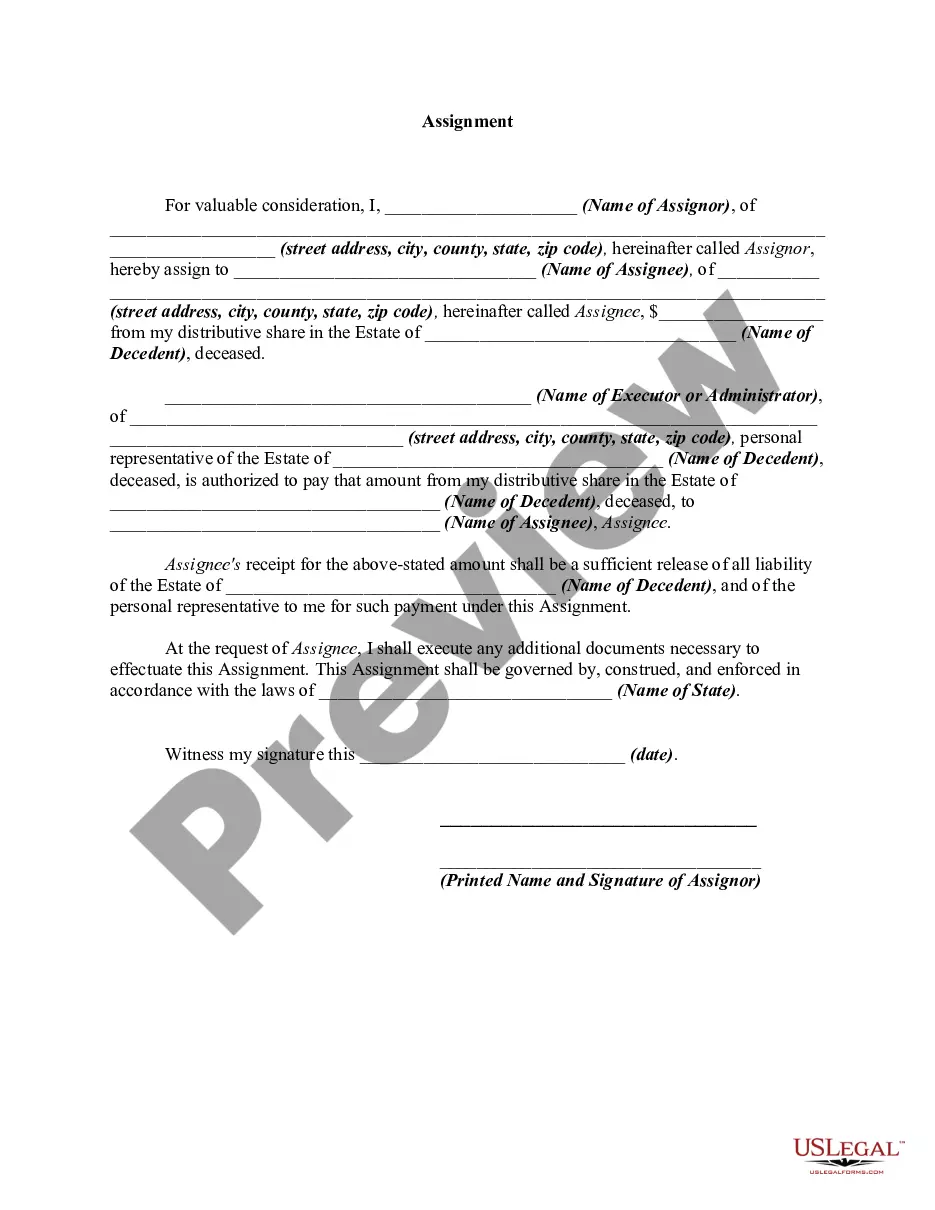
Estate Order Pay Withholding
Description
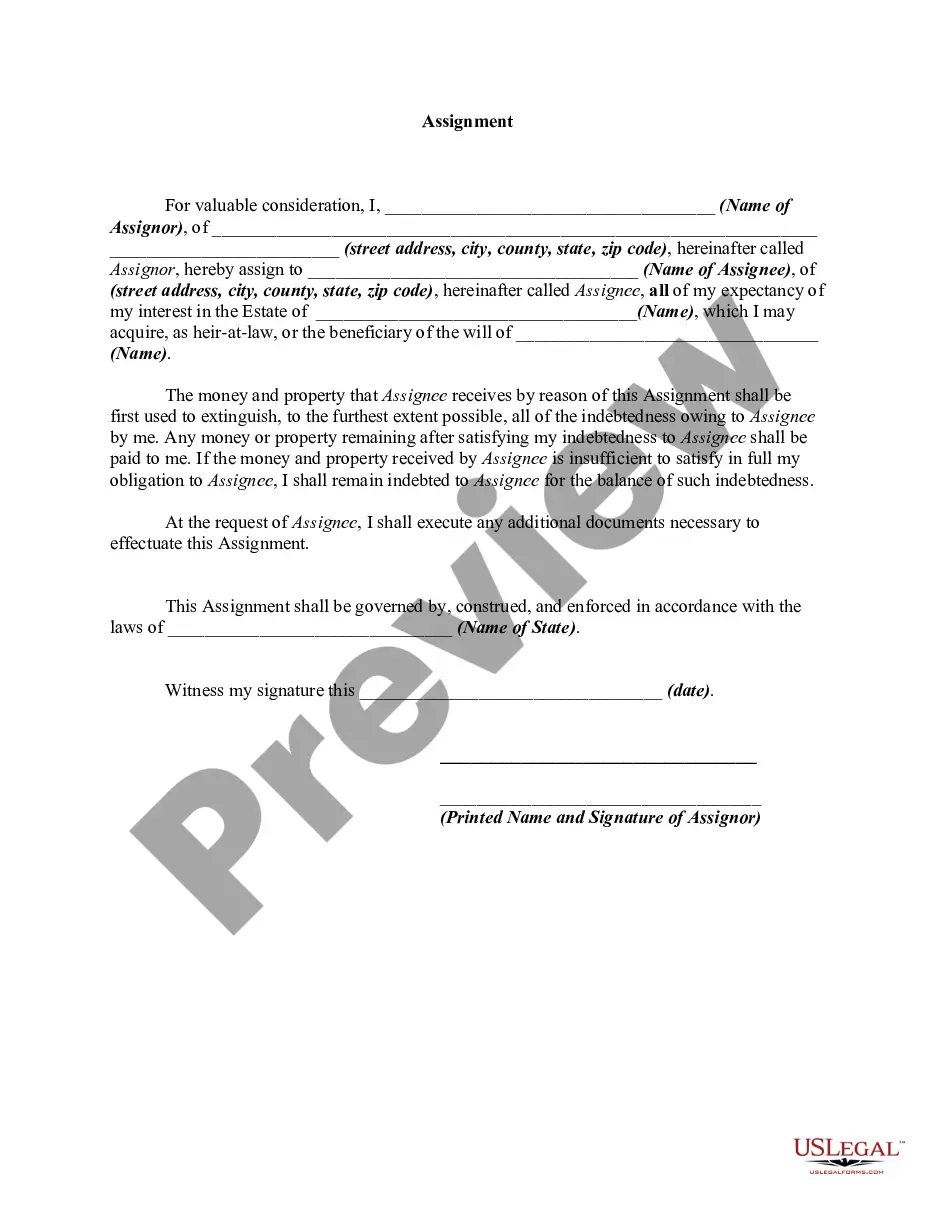
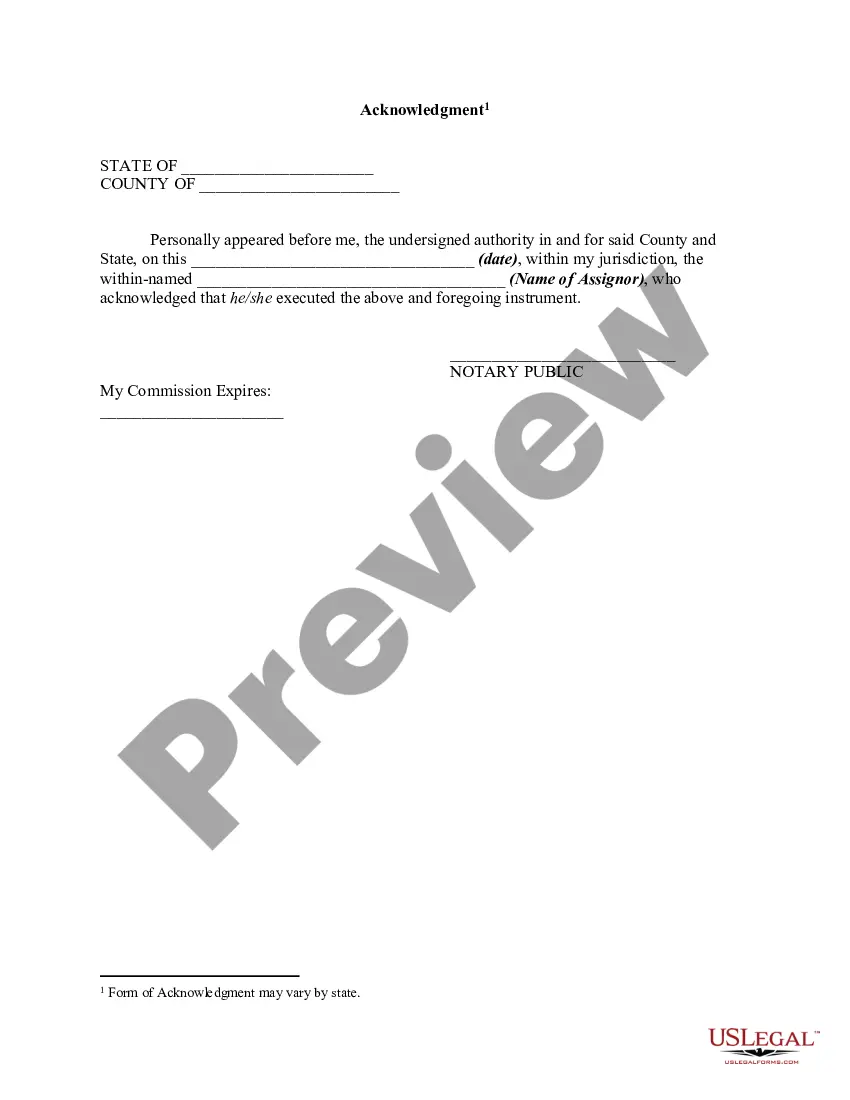
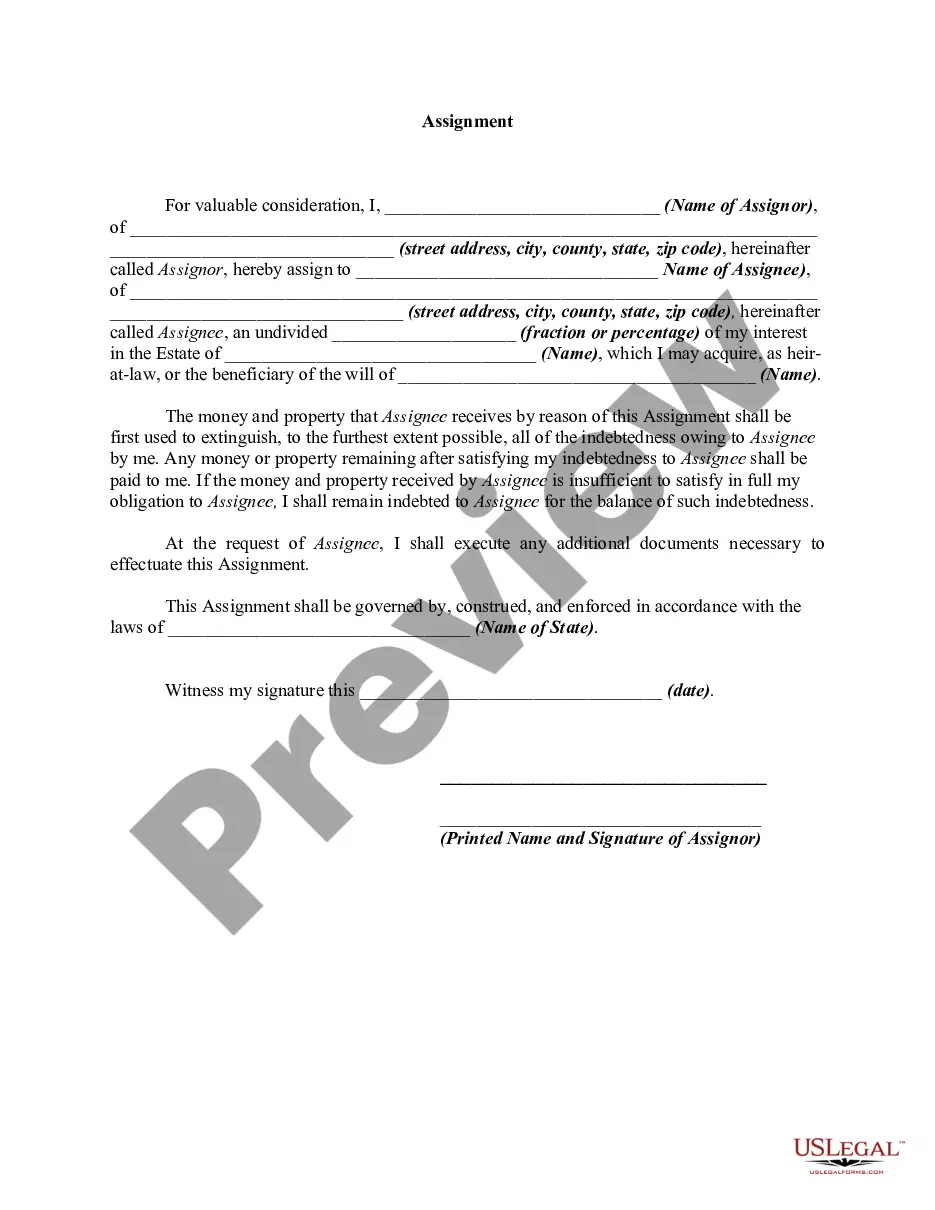
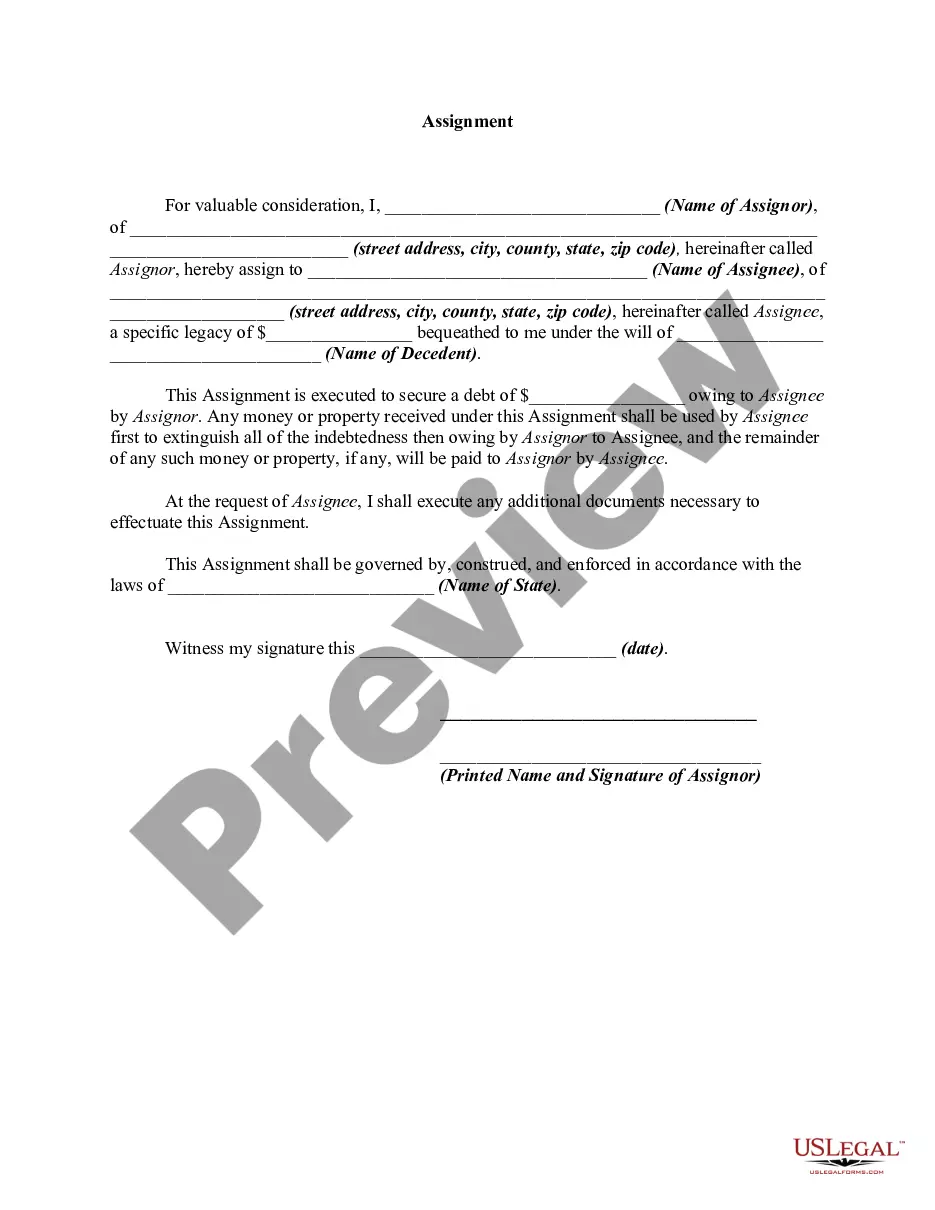
Get your form ready online
Our built-in tools help you complete, sign, share, and store your documents in one place.
Make edits, fill in missing information, and update formatting in US Legal Forms—just like you would in MS Word.
Download a copy, print it, send it by email, or mail it via USPS—whatever works best for your next step.
Sign and collect signatures with our SignNow integration. Send to multiple recipients, set reminders, and more. Go Premium to unlock E-Sign.
If this form requires notarization, complete it online through a secure video call—no need to meet a notary in person or wait for an appointment.
We protect your documents and personal data by following strict security and privacy standards.

Make edits, fill in missing information, and update formatting in US Legal Forms—just like you would in MS Word.

Download a copy, print it, send it by email, or mail it via USPS—whatever works best for your next step.

Sign and collect signatures with our SignNow integration. Send to multiple recipients, set reminders, and more. Go Premium to unlock E-Sign.

If this form requires notarization, complete it online through a secure video call—no need to meet a notary in person or wait for an appointment.

We protect your documents and personal data by following strict security and privacy standards.
Looking for another form?





How to fill out Assignment Of All Of Expected Interest In Estate In Order To Pay Indebtedness?
Whether for commercial reasons or for individual concerns, everyone must handle legal matters at some point in their life.
Filling out legal documents demands meticulous focus, starting with choosing the appropriate template.
With a comprehensive US Legal Forms catalog available, you don’t have to waste time searching for the correct template online. Utilize the library’s user-friendly navigation to find the right form for any situation.
- For instance, if you select an incorrect version of an Estate Order Pay Withholding, it will be denied once submitted.
- Thus, it is crucial to have a trustworthy source of legal documents like US Legal Forms.
- If you need an Estate Order Pay Withholding template, follow these straightforward steps.
- Locate the template you require by using the search box or catalog navigation.
- Review the form’s details to confirm it aligns with your circumstances, state, and county.
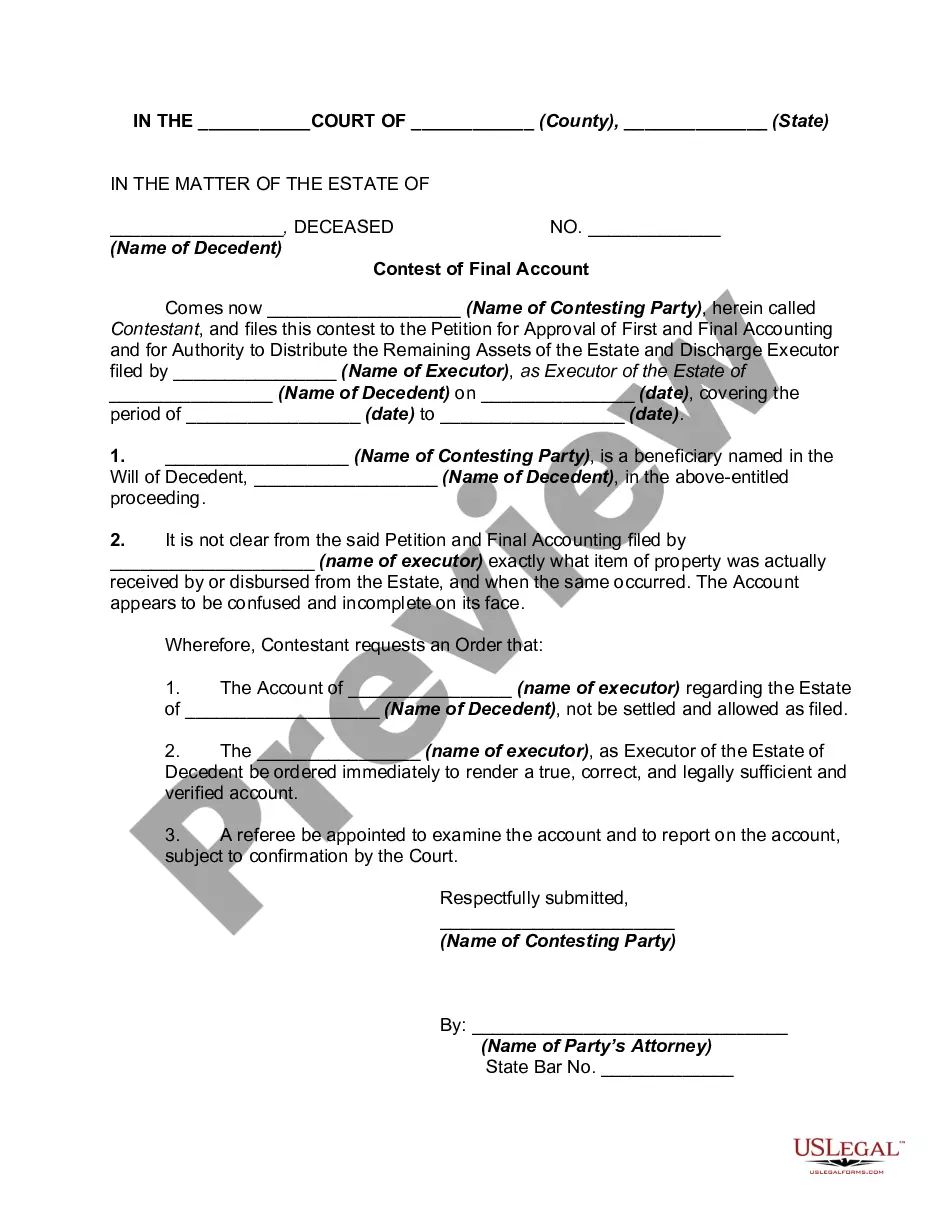
- Click on the form’s preview to examine it.
- If it is the incorrect document, return to the search feature to find the Estate Order Pay Withholding template you need.
- Obtain the file when it satisfies your criteria.
- If you possess a US Legal Forms account, simply click Log in to access previously saved templates in My documents.
- If you do not have an account yet, you can download the form by clicking Buy now.
- Select the appropriate pricing option.
- Complete the account registration form.
- Choose your payment method: you can use a credit card or PayPal account.
- Select the document format you desire and download the Estate Order Pay Withholding.
- Once saved, you can fill out the form using editing software or print it and complete it manually.
Form popularity
FAQ
Income tax on income generated by assets of the estate of the deceased. If the estate generates more than $600 in annual gross income, you are required to file Form 1041, U.S. Income Tax Return for Estates and Trusts. An estate may also need to pay quarterly estimated taxes.
The personal representative of an estate is an executor, administrator, or anyone else in charge of the decedent's property. The personal representative is responsible for filing any final individual income tax return(s) and the estate tax return of the decedent when due.
Aside from the taxes that an estate pays, beneficiaries may be responsible for paying taxes on the property that they inherit. Tax liability attaches to and moves with estate assets. Therefore, beneficiaries will be responsible for any tax liability not already paid by the estate.
What if no one pays the deceased person's taxes? Executors need to handle tax debts during the probate process very carefully. If you don't file the right returns or pay the decedent's taxes correctly out of the estate, the IRS can hold you personally responsible for the tax debt.
If payments were made in the same year the employee died, the employer must withhold Social Security and Medicare taxes on the payments and report them only as Social Security and Medicare wages on the employee's Form W-2 to ensure that proper Social Security and Medicare credit is received.