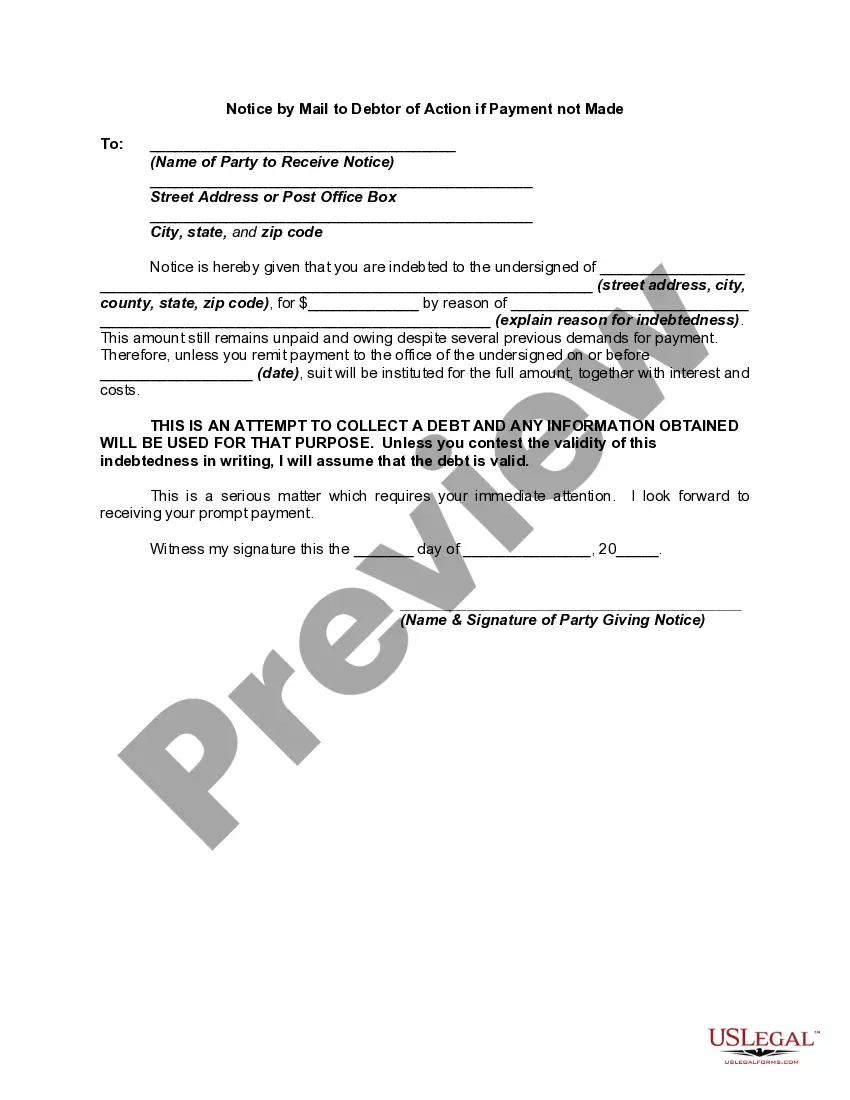
Notice To Individual Debtor With Primarily Consumer Debts
Description
Get your form ready online
Our built-in tools help you complete, sign, share, and store your documents in one place.
Make edits, fill in missing information, and update formatting in US Legal Forms—just like you would in MS Word.
Download a copy, print it, send it by email, or mail it via USPS—whatever works best for your next step.
Sign and collect signatures with our SignNow integration. Send to multiple recipients, set reminders, and more. Go Premium to unlock E-Sign.
If this form requires notarization, complete it online through a secure video call—no need to meet a notary in person or wait for an appointment.
We protect your documents and personal data by following strict security and privacy standards.

Make edits, fill in missing information, and update formatting in US Legal Forms—just like you would in MS Word.

Download a copy, print it, send it by email, or mail it via USPS—whatever works best for your next step.

Sign and collect signatures with our SignNow integration. Send to multiple recipients, set reminders, and more. Go Premium to unlock E-Sign.

If this form requires notarization, complete it online through a secure video call—no need to meet a notary in person or wait for an appointment.

We protect your documents and personal data by following strict security and privacy standards.
Looking for another form?
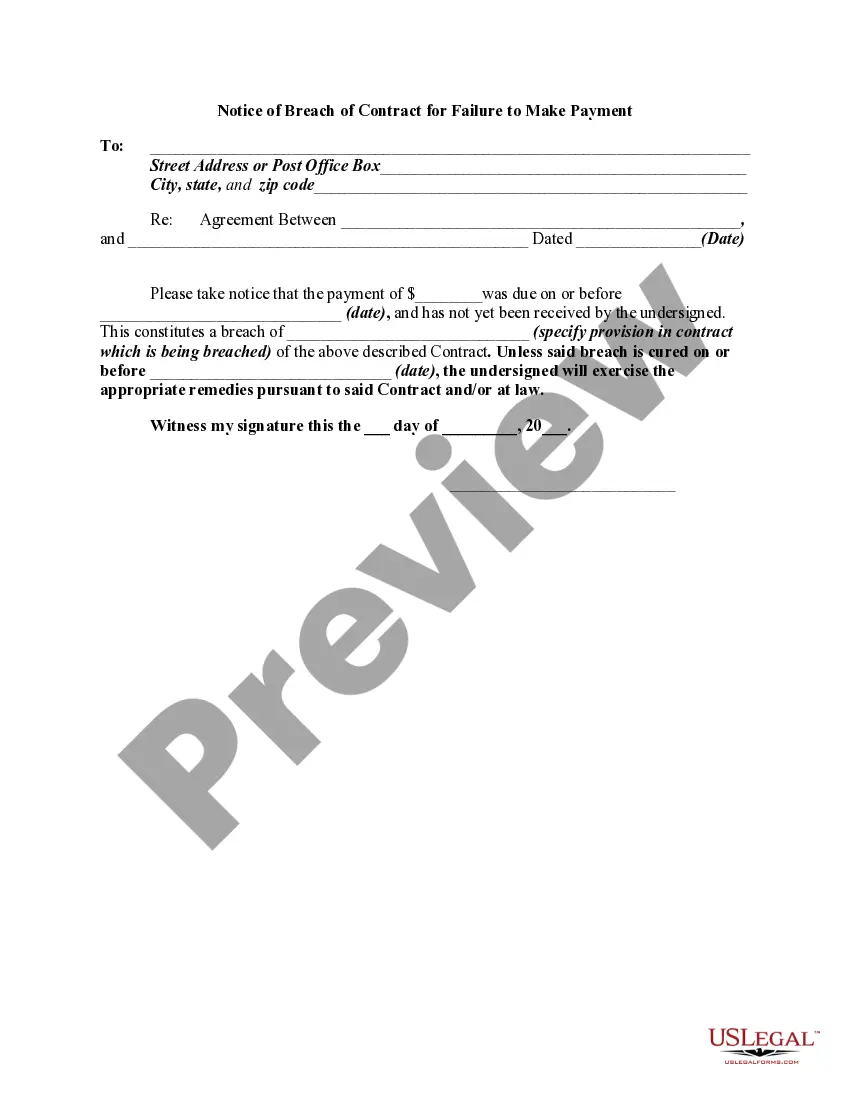
How to fill out Notice By Mail To Debtor Of Action If Payment Not Made?
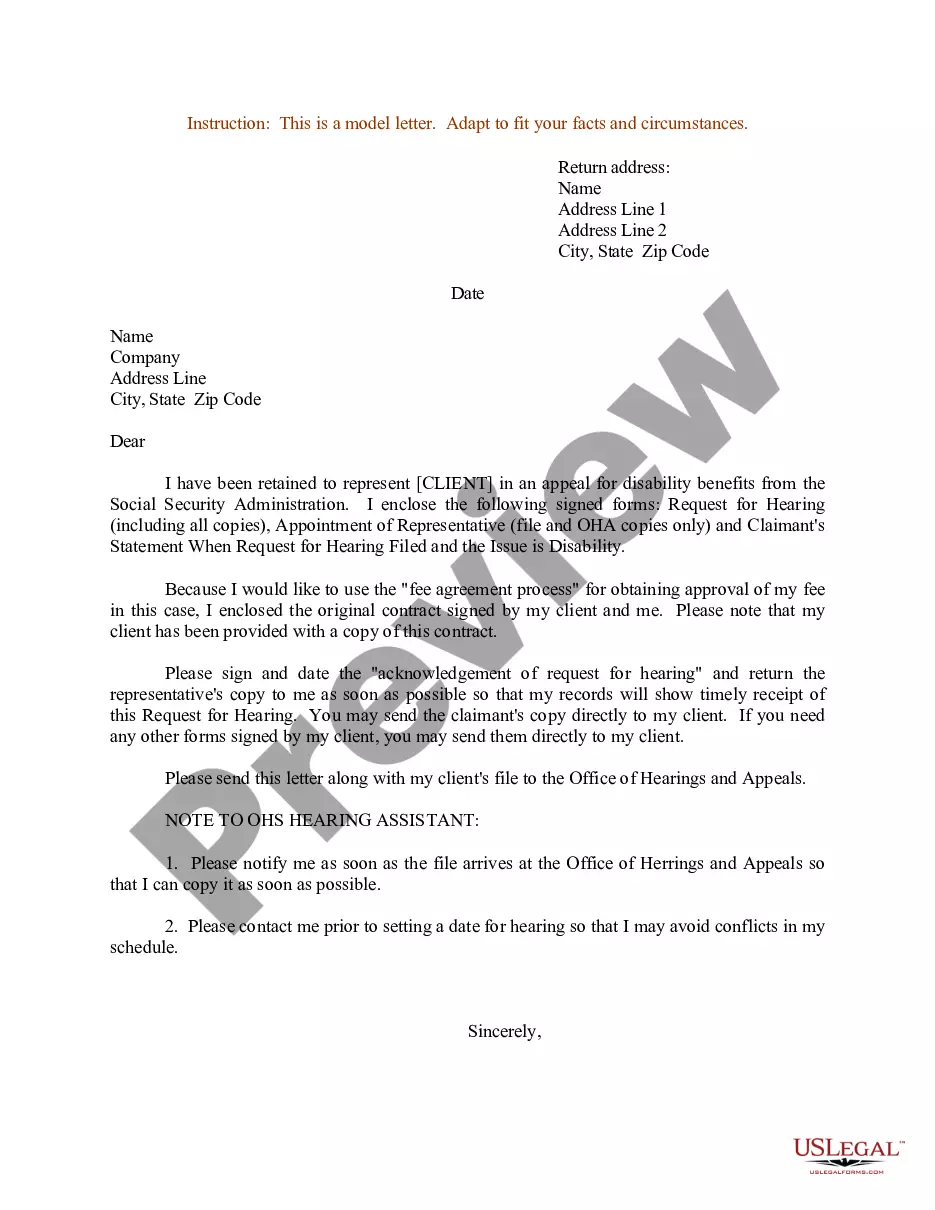
The Notification To Personal Debtor With Mainly Consumer Obligations you see on this page is a reusable legal framework created by professional attorneys in accordance with federal and local statutes and regulations.
For over 25 years, US Legal Forms has supplied individuals, enterprises, and legal professionals with more than 85,000 authenticated, state-specific documents for any business and personal circumstance. It’s the quickest, easiest, and most reliable method to acquire the paperwork you require, as the service ensures the utmost level of data protection and anti-malware safeguards.
Choose the format you prefer for your Notification To Personal Debtor With Mainly Consumer Obligations (PDF, DOCX, RTF) and save the document on your device. Print out the template to fill it out manually. Alternatively, use an online versatile PDF editor to quickly and accurately complete and sign your form with a legally-binding electronic signature. Use the same document again whenever necessary. Access the My documents tab in your profile to redownload any previously saved documents.
- Search for the document you require and review it.
- Examine the file you searched and preview it or read the form description to ensure it meets your requirements. If it doesn't, use the search bar to find the suitable one. Click Buy Now when you have found the template you need.
- Sign up and Log In.
- Select the pricing plan that works for you and create an account. Use PayPal or a credit card to make a swift payment. If you already possess an account, Log In and check your subscription to continue.
- Obtain the editable template.
Form popularity
FAQ
A finding of "presumption of abuse" alerts the bankruptcy court to the fact that a debtor filing a Chapter 7 case has sufficient income to pay into a Chapter 13 repayment plan. (By definition, a Chapter 7 debtor's income is too low to repay creditors.)
Key Elements to Include in the Letter It should include the name and contact information of the debtor, the date of the filing, the court where the bankruptcy was filed, the case number, and the type of bankruptcy filed. It should also provide information about the bankruptcy trustee and the meeting of creditors.
The means test requires disclosure of the debtor's income and expenses. If the debtor's current income is greater than the median in that region, then there is a ?presumption of abuse.? That, is the law presumes that the debtor can pay but is unwilling to do so.
Background. A chapter 13 bankruptcy is also called a wage earner's plan. It enables individuals with regular income to develop a plan to repay all or part of their debts. Under this chapter, debtors propose a repayment plan to make installments to creditors over three to five years.
Only an individual with regular income that owes, on the date of the filing of the petition, noncontingent, liquidated debts of less than $2,750,000 or an individual with regular income and such individual's spouse, except a stockbroker or a commodity broker, that owe, on the date of the filing of the petition, ...