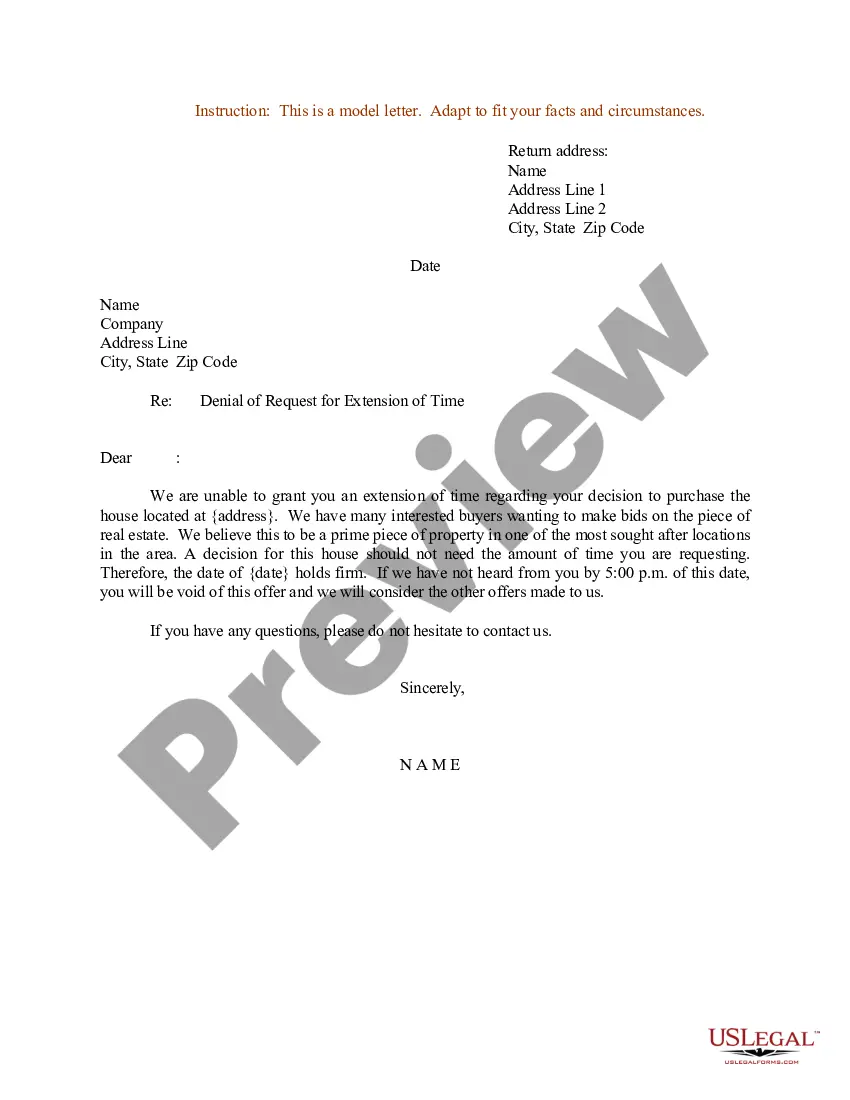
Sample Letter Denying Claim For Damages
Description
Get your form ready online
Our built-in tools help you complete, sign, share, and store your documents in one place.
Make edits, fill in missing information, and update formatting in US Legal Forms—just like you would in MS Word.
Download a copy, print it, send it by email, or mail it via USPS—whatever works best for your next step.
Sign and collect signatures with our SignNow integration. Send to multiple recipients, set reminders, and more. Go Premium to unlock E-Sign.
If this form requires notarization, complete it online through a secure video call—no need to meet a notary in person or wait for an appointment.
We protect your documents and personal data by following strict security and privacy standards.

Make edits, fill in missing information, and update formatting in US Legal Forms—just like you would in MS Word.

Download a copy, print it, send it by email, or mail it via USPS—whatever works best for your next step.

Sign and collect signatures with our SignNow integration. Send to multiple recipients, set reminders, and more. Go Premium to unlock E-Sign.

If this form requires notarization, complete it online through a secure video call—no need to meet a notary in person or wait for an appointment.

We protect your documents and personal data by following strict security and privacy standards.
Looking for another form?
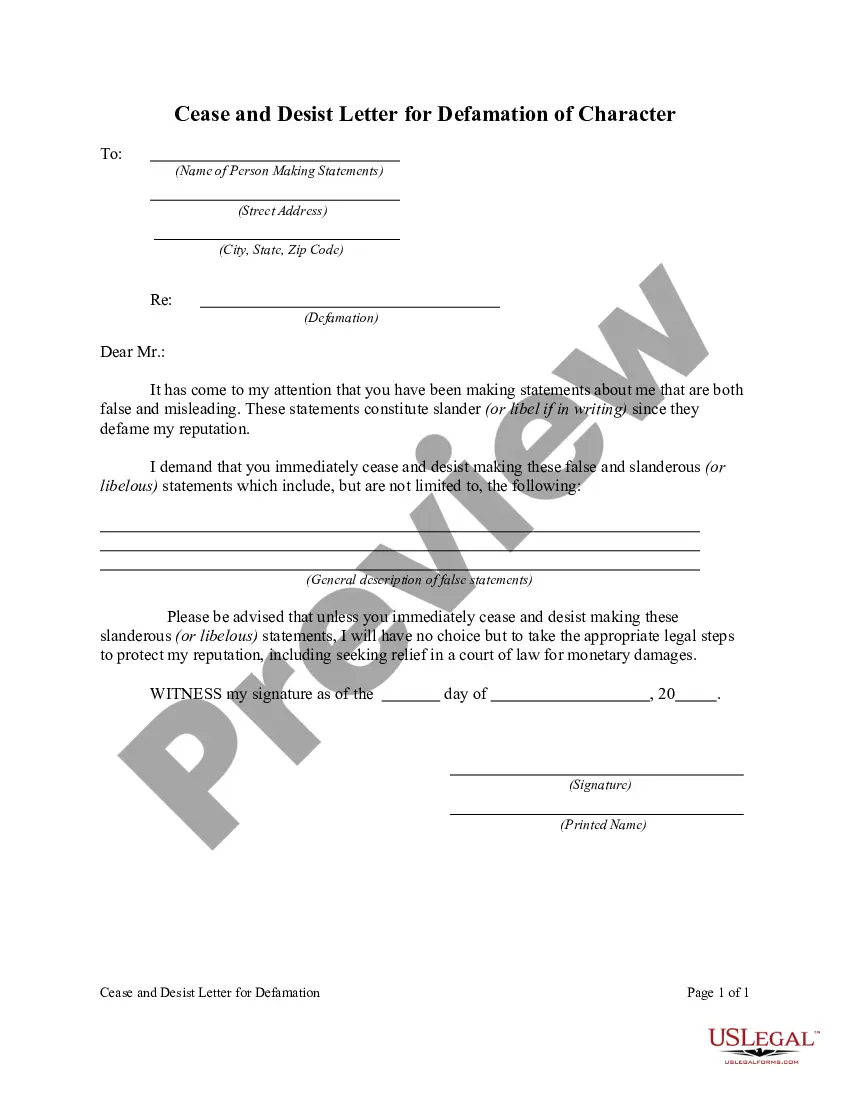
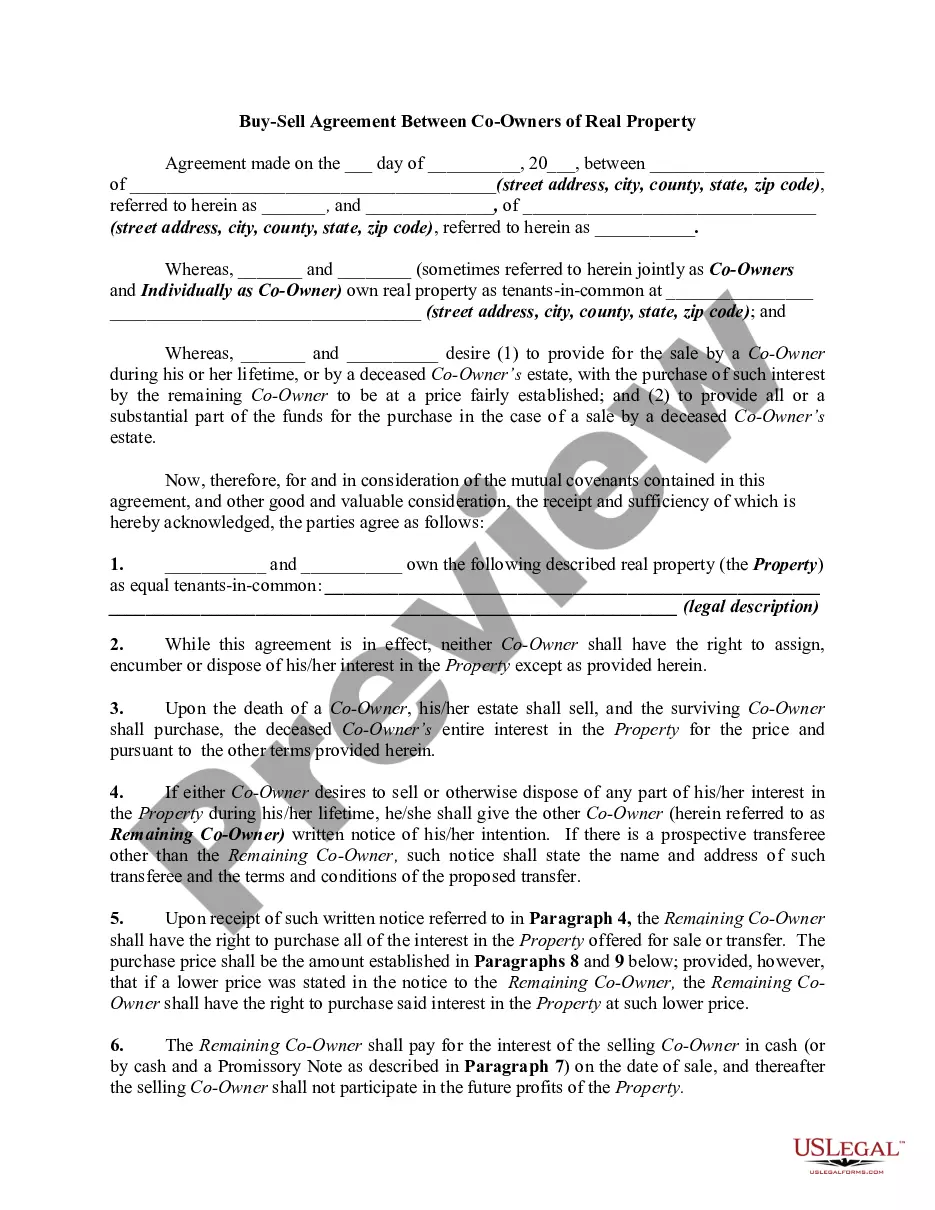
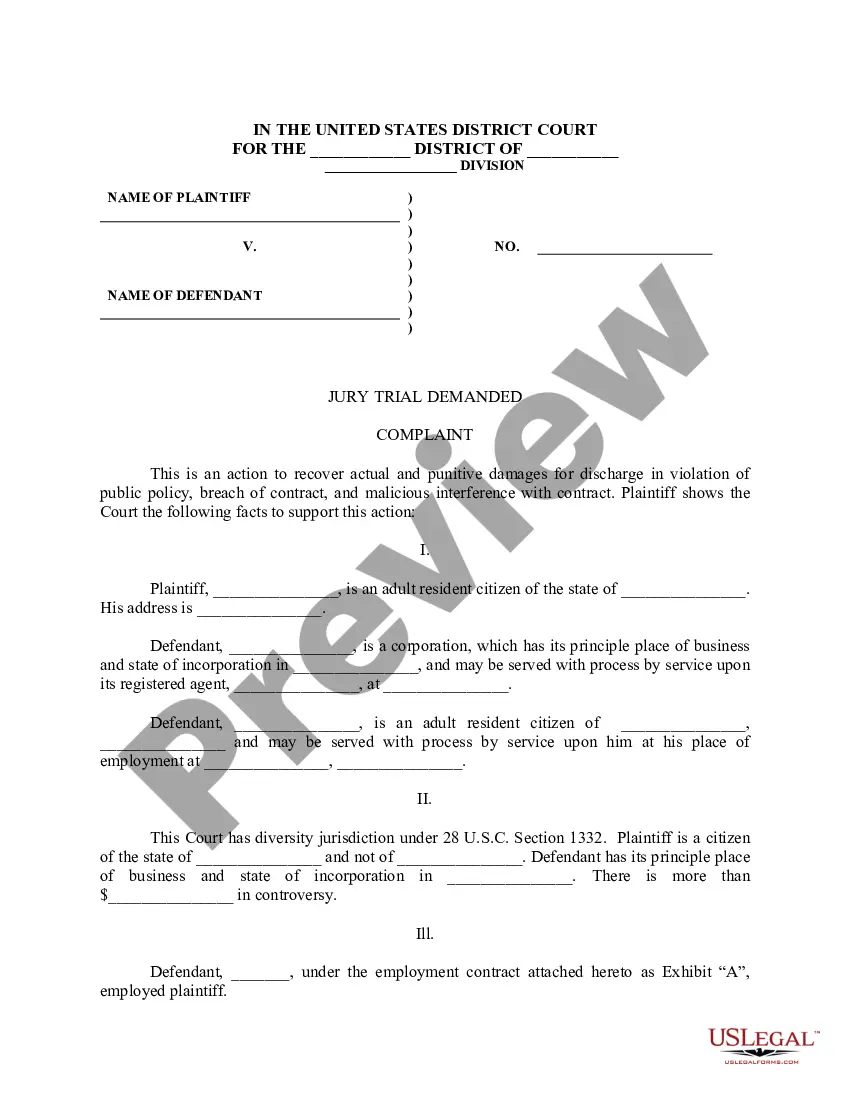
How to fill out Sample Letter For Denial Of Request For Time Extension - Purchase Of Home?
Legal documentation management can be daunting, even for the most proficient professionals.
When you are looking for a Sample Letter Refusing Claim For Damages and don't have the time to devote to finding the suitable and current version, the procedures might be anxiety-inducing.
US Legal Forms covers any requirements you may have, ranging from personal to commercial documentation, all in one location.
Employ advanced features to fill out and manage your Sample Letter Refusing Claim For Damages.
Here are the steps to follow after acquiring the form you need: Verify that it is the correct document by previewing it and reviewing its details.
- Gain entry to a valuable resource hub of articles, guides, manuals, and materials relevant to your circumstances and needs.
- Conserve time and effort locating the documents you require, and utilize US Legal Forms' sophisticated search and Preview function to find the Sample Letter Refusing Claim For Damages and download it.
- If you have a monthly subscription, Log In to your US Legal Forms account, search for the form, and download it.
- Check the My documents section to review the documents you have previously downloaded and organize your files as needed.
- If this is your first experience with US Legal Forms, create an account and enjoy unlimited access to all the features of the library.
- Utilize a comprehensive online form repository which can be transformative for anyone aiming to navigate these matters effectively.
- US Legal Forms is a leading provider in online legal documents, featuring more than 85,000 state-specific forms accessible at any time.
- Access forms that are tailored to your state or county needs.
Form popularity
FAQ
When writing a damage claim letter, be sure to include key details such as the date of the incident, involved parties, and a description of the damages. Clearly state the amount you are claiming and provide supporting documentation, like photos or receipts. A well-structured letter increases the likelihood of a prompt response. For an effective example, refer to our sample letter denying claim for damages.
To reject a claim politely, express appreciation for the claim submission first. Then calmly explain the reasons for the rejection, ensuring transparency in your decision-making process. Close the letter on a positive note, inviting any further questions or clarifications. Our resource offers a sample letter denying claim for damages that can help you achieve a polite and professional rejection.
Respectfully declining professionally involves using a calm and courteous tone in your communication. Start by acknowledging the request, then clearly state your decision to decline, and provide a brief explanation if appropriate. This approach fosters understanding and maintains good relationships. A sample letter denying claim for damages can help you frame a respectful decline.
To professionally deny a claim, ensure that your letter is clear and straightforward. Use polite language and maintain a professional tone throughout the correspondence. Provide reasons for the denial, referencing any relevant documentation. A sample letter denying claim for damages can serve as a valuable resource to create a well-structured response.
An example of a denied claim can be a health insurance claim where coverage does not exist for certain treatments. For instance, if a policy does not cover a specific procedure, and a claim for that procedure is submitted, it may be denied. A well-crafted denial letter could explain this decision clearly and help the claimant understand the reasoning. Our platform provides a sample letter denying claim for damages to guide you in these situations.
To write a denial letter claim, start by clearly stating your intent to deny the claim. Include specific details about the claim, such as the claim number and the date submitted. You should reference any relevant policies or agreements that contribute to your decision. For template assistance, consider using our resource for a sample letter denying claim for damages.
To write a damage claim, start by outlining the specifics of the incident and the damages sustained. Include any relevant evidence, such as photographs or witness statements, to support your claim. Using a sample letter denying claim for damages can guide you in crafting a professional and persuasive claim letter that meets legal standards.
When writing a damage statement, describe the incident in detail, including what happened, when it occurred, and the specific damages incurred. It's important to remain factual and avoid emotional language. Utilize examples or templates, like a sample letter denying claim for damages, to structure your statement effectively, ensuring your points are clear and concise.
To write a good claim letter, start by clearly stating the reason for your claim. Use a direct and respectful tone, providing all necessary details, including any relevant policy numbers or dates. Additionally, include supporting documentation to strengthen your position, and consider using a sample letter denying claim for damages as a reference to ensure clarity and effectiveness.
Denying something professionally involves being direct yet courteous. Start by acknowledging the request or claim, then clearly state your decision with reasoning. Using a sample letter denying claim for damages can help you frame your message appropriately. Always conclude with a note of appreciation for understanding, fostering a positive relationship despite the denial.