Residential Home Purchase With Learning Disabilities
Description
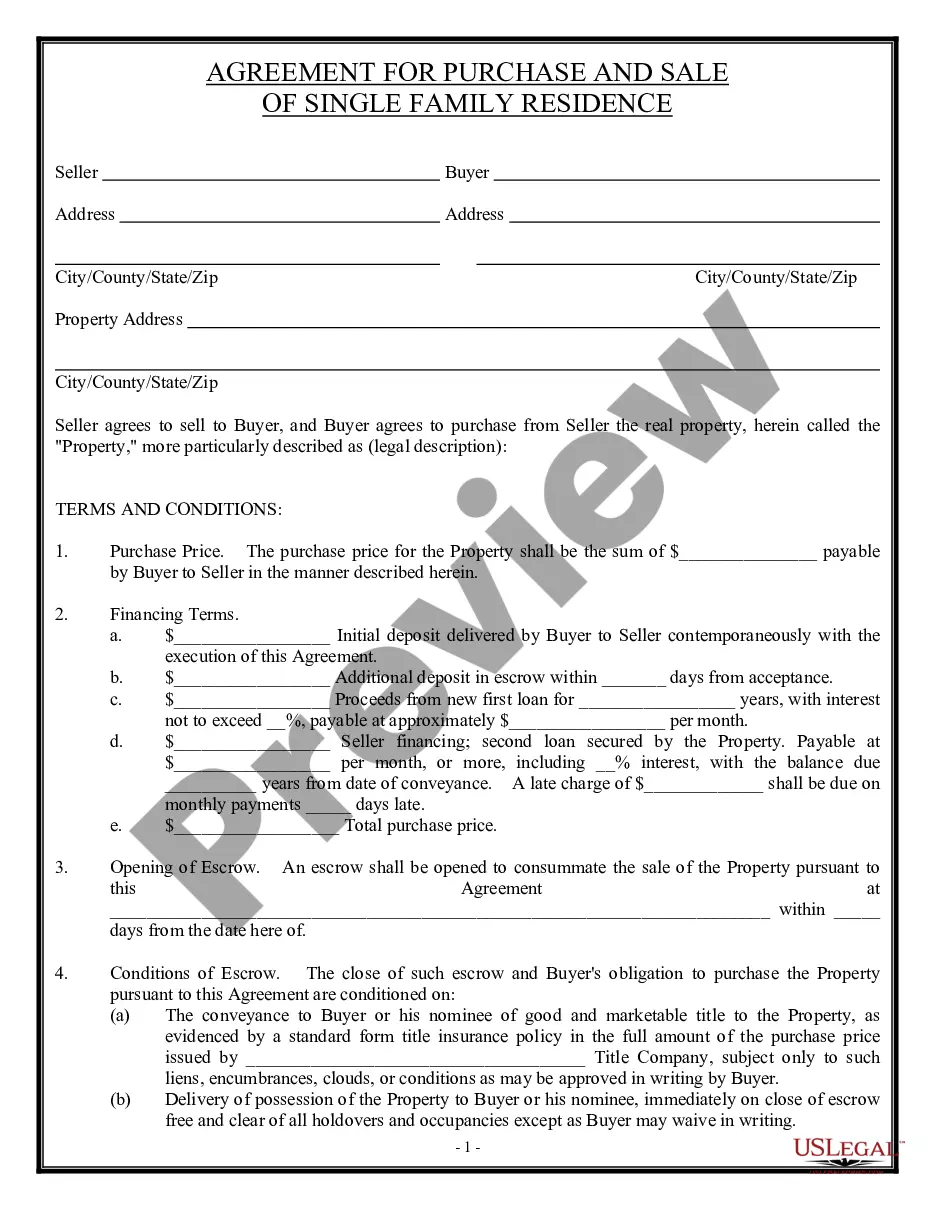
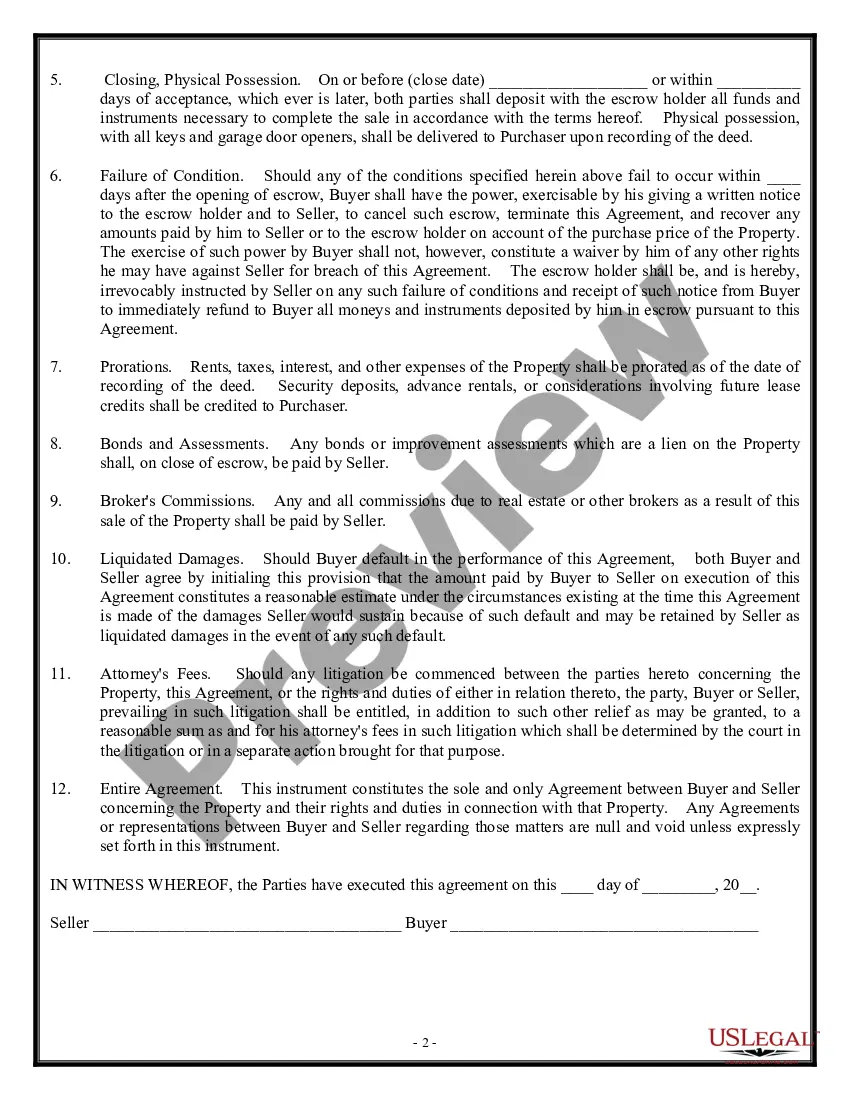

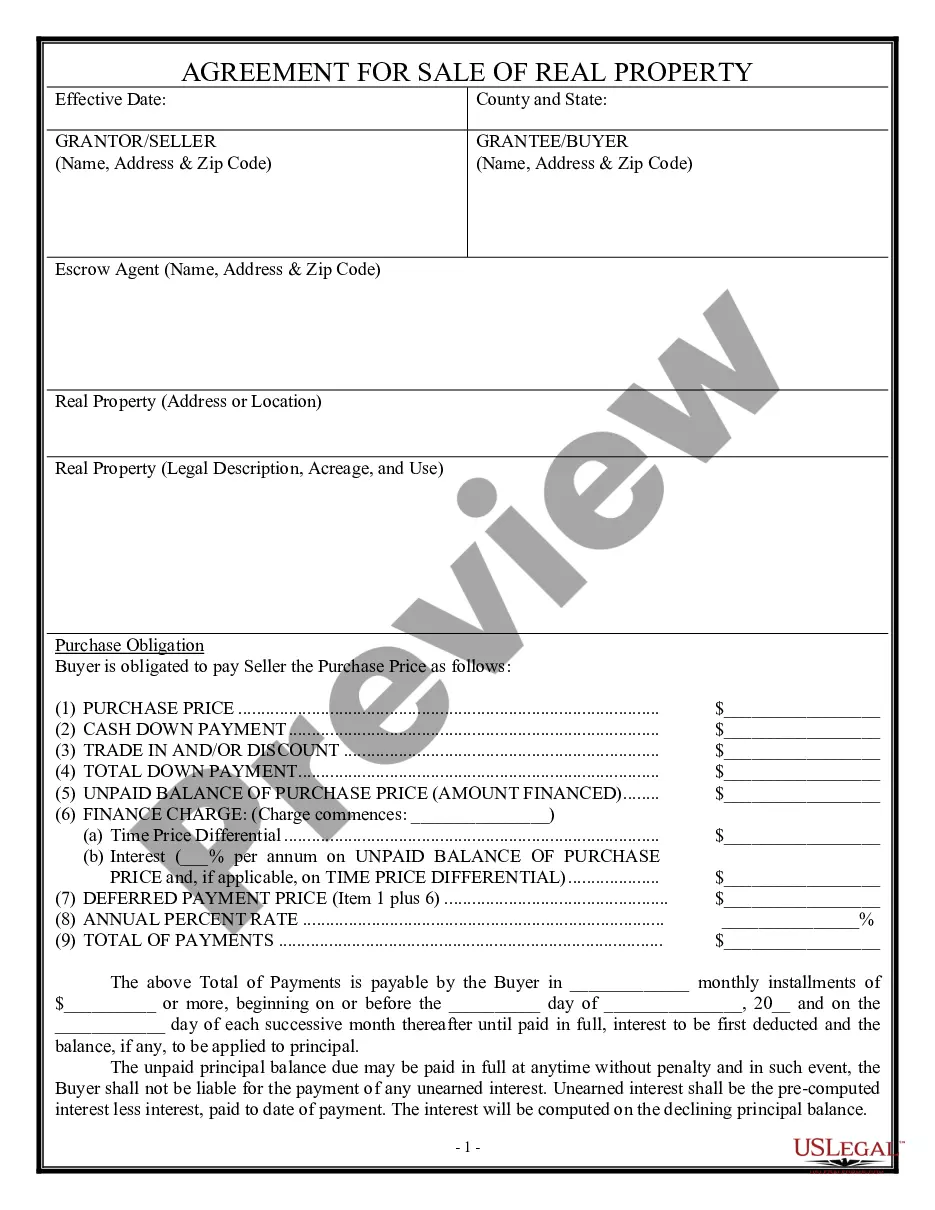
Get your form ready online
Our built-in tools help you complete, sign, share, and store your documents in one place.
Make edits, fill in missing information, and update formatting in US Legal Forms—just like you would in MS Word.
Download a copy, print it, send it by email, or mail it via USPS—whatever works best for your next step.
Sign and collect signatures with our SignNow integration. Send to multiple recipients, set reminders, and more. Go Premium to unlock E-Sign.
If this form requires notarization, complete it online through a secure video call—no need to meet a notary in person or wait for an appointment.
We protect your documents and personal data by following strict security and privacy standards.

Make edits, fill in missing information, and update formatting in US Legal Forms—just like you would in MS Word.

Download a copy, print it, send it by email, or mail it via USPS—whatever works best for your next step.

Sign and collect signatures with our SignNow integration. Send to multiple recipients, set reminders, and more. Go Premium to unlock E-Sign.

If this form requires notarization, complete it online through a secure video call—no need to meet a notary in person or wait for an appointment.

We protect your documents and personal data by following strict security and privacy standards.
Looking for another form?








How to fill out Agreement For Sale, Short Form - Residential?
The Residential Home Acquisition With Learning Disabilities you observe on this page is a reusable formal document crafted by professional attorneys in accordance with federal and state regulations.
For over 25 years, US Legal Forms has supplied individuals, organizations, and legal practitioners with more than 85,000 verified, state-specific templates for any business and personal circumstance. It is the quickest, most straightforward, and most reliable method to obtain the documents you require, as the service ensures bank-level data security and anti-malware safeguards.
Subscribe to US Legal Forms to have verified legal documents for all of life's situations at your disposal.
- Browse for the document you require and examine it.
- Look through the sample you sought and preview it or review the template description to confirm it meets your needs. If it does not, use the search bar to find the correct one. Click Buy Now once you have located the template you need.
- Subscribe and sign in.
- Select the pricing option that fits you and create an account. Use PayPal or a credit card for a swift payment. If you already possess an account, Log In and verify your subscription to proceed.
- Obtain the fillable template.
- Choose the format you desire for your Residential Home Acquisition With Learning Disabilities (PDF, Word, RTF) and download the document to your device.
- Complete and sign the document.
- Print the template to fill it out by hand. Alternatively, utilize an online multifunctional PDF editor to quickly and accurately complete and sign your form with an eSignature.
- Download your paperwork once again.
- Utilize the same document again whenever necessary. Access the My documents tab in your profile to redownload any previously downloaded forms.
Form popularity
FAQ
To obtain a diagnosis for a learning disability, you should seek an evaluation from a licensed psychologist or educational specialist. This process usually includes interviews, assessment tests, and sometimes, feedback from teachers or family members. Understanding this process is crucial for anyone looking to make informed decisions about a residential home purchase with learning disabilities.
Getting diagnosed with a learning disability involves a series of steps, starting with a consultation with a qualified professional. He or she will conduct assessments to determine specific learning difficulties. This diagnosis can be beneficial when considering a residential home purchase with learning disabilities, as it can inform the selection of supportive living arrangements.
Adults with learning disabilities can engage in a variety of activities, including part-time or full-time work, volunteering, or pursuing hobbies. These activities promote socialization and personal growth, enhancing life quality. Choosing the right setting through a residential home purchase with learning disabilities is vital for fostering these enriching experiences.
Yes, many individuals with a learning disability can live independently, depending on the nature and severity of their condition. It is essential to identify and develop their skills to manage daily activities successfully. In fact, taking the right steps towards a residential home purchase with learning disabilities can empower individuals to create a nurturing living environment that suits their needs.
Catering to learners with a learning disability requires patience, understanding, and the right resources. You can create a supportive environment by customizing teaching methods, using visual aids, and providing ample time for tasks. These approaches can be applied effectively in the context of a residential home purchase with learning disabilities, ensuring that the new home is conducive to learning.
To qualify for a learning disability, you typically need to undergo a comprehensive evaluation by a qualified professional, such as a psychologist or educational specialist. This evaluation often includes standardized tests that assess various aspects of learning and functioning. Understanding the requirements can help enhance your residential home purchase with learning disabilities, as you explore suitable housing options.
Yes, a person with a learning disability can live alone, provided they have access to the necessary resources and support systems. Making a residential home purchase with learning disabilities may involve additional planning, but it is certainly possible. Utilizing platforms like uslegalforms can help simplify the home-buying process, enabling independent living.
Dealing with learning disabilities as an adult involves identifying personal challenges and seeking appropriate solutions. Utilizing resources such as uslegalforms can provide clarity when navigating complex processes, like a residential home purchase with learning disabilities. Support groups and educational programs can also offer invaluable assistance in addressing these challenges.
Many people with disabilities can live independently, particularly with the right accommodations and support. Independence in a residential home purchase with learning disabilities is achievable when individuals are equipped with the necessary tools and resources. Investing time in learning about available programs can facilitate a smooth transition to independent living.
Supporting parents with learning disabilities involves providing resources and understanding their unique challenges. Offering assistance in planning for a residential home purchase can significantly reduce stress. Encouraging them to use available tools, like those found at uslegalforms, can empower these parents in making informed decisions.