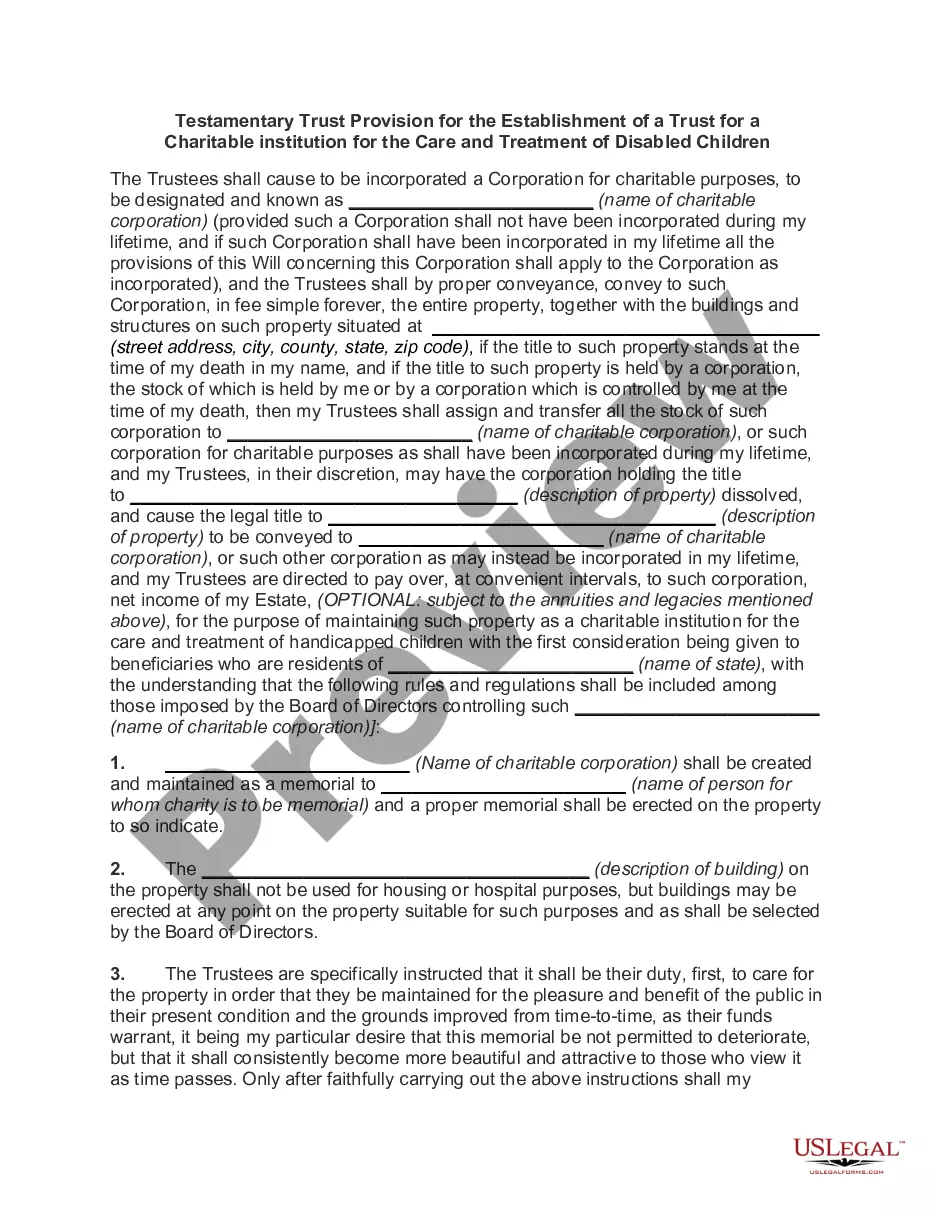
Testamentary Trust Document For Trust
Description
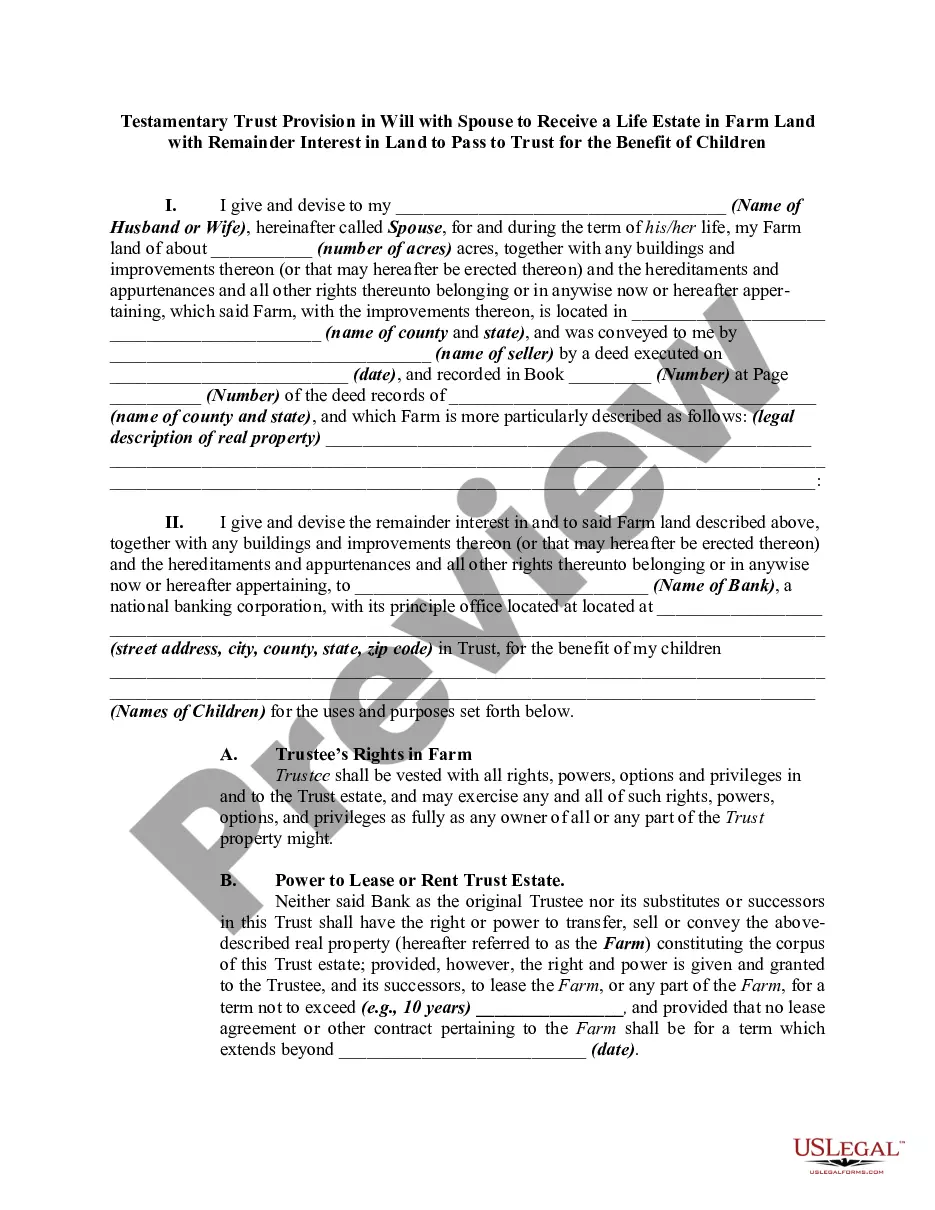
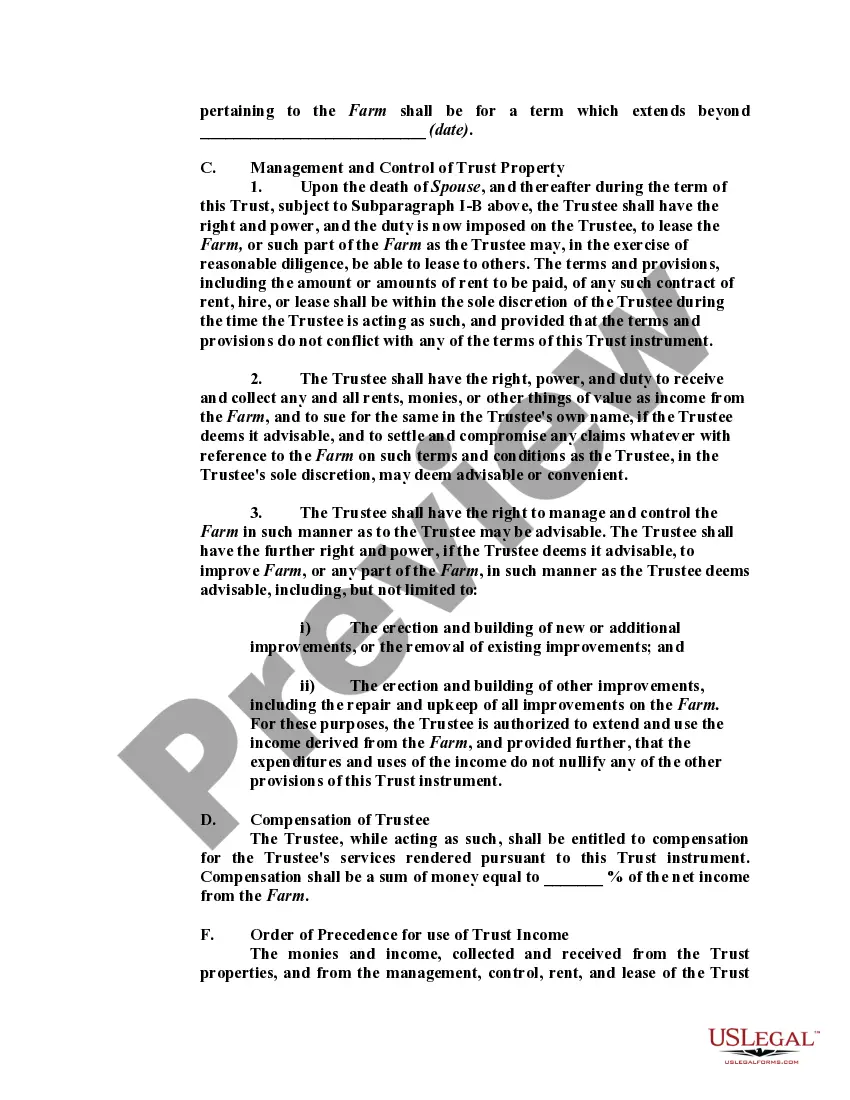
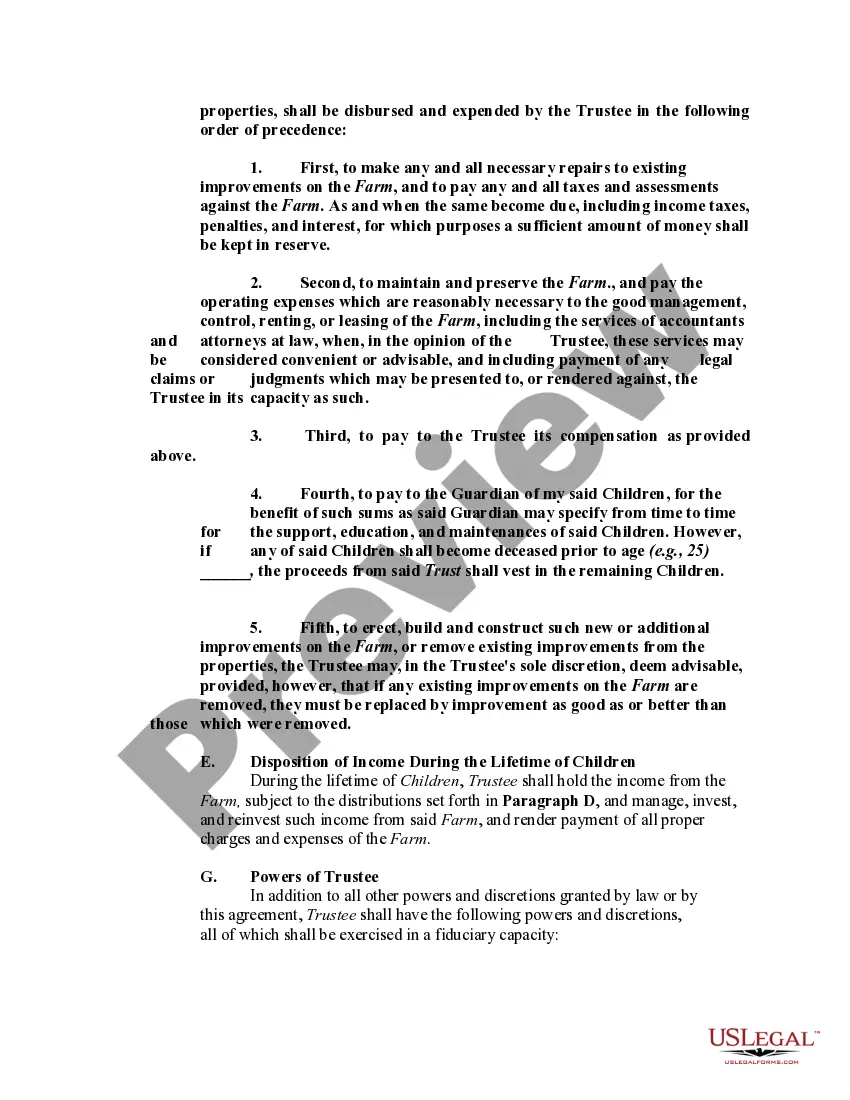
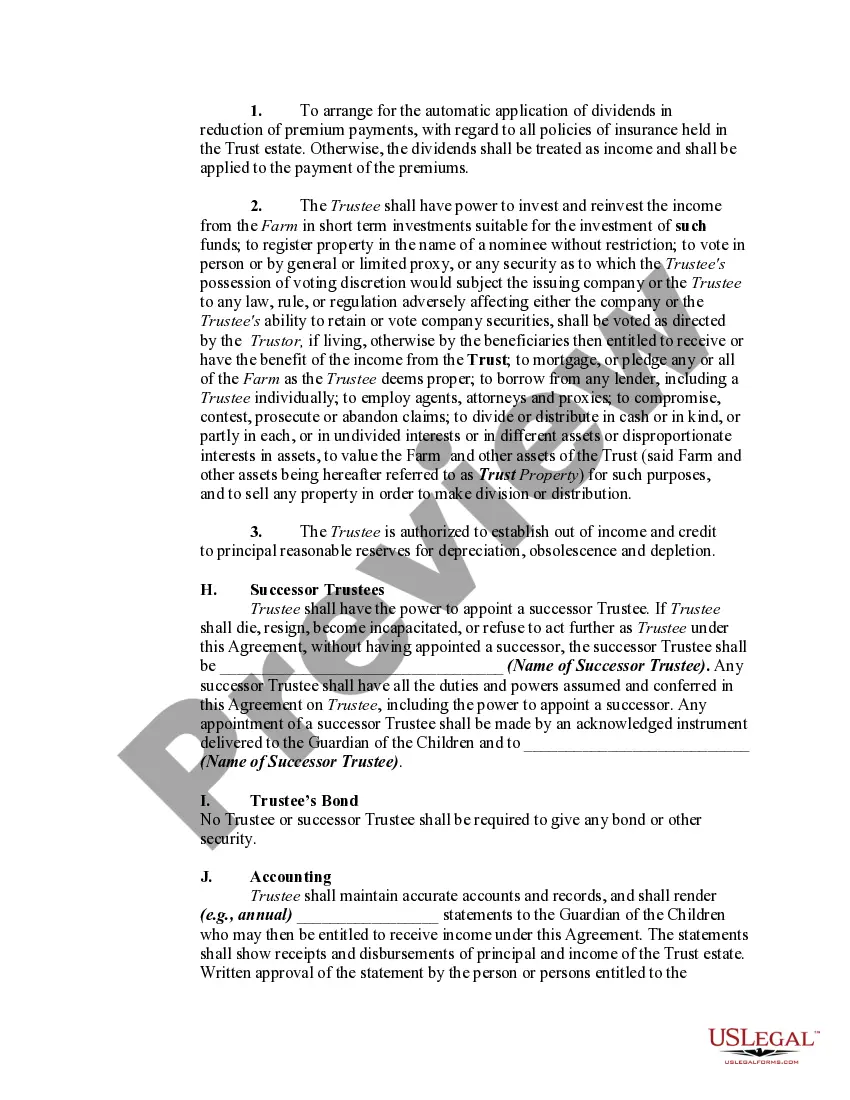
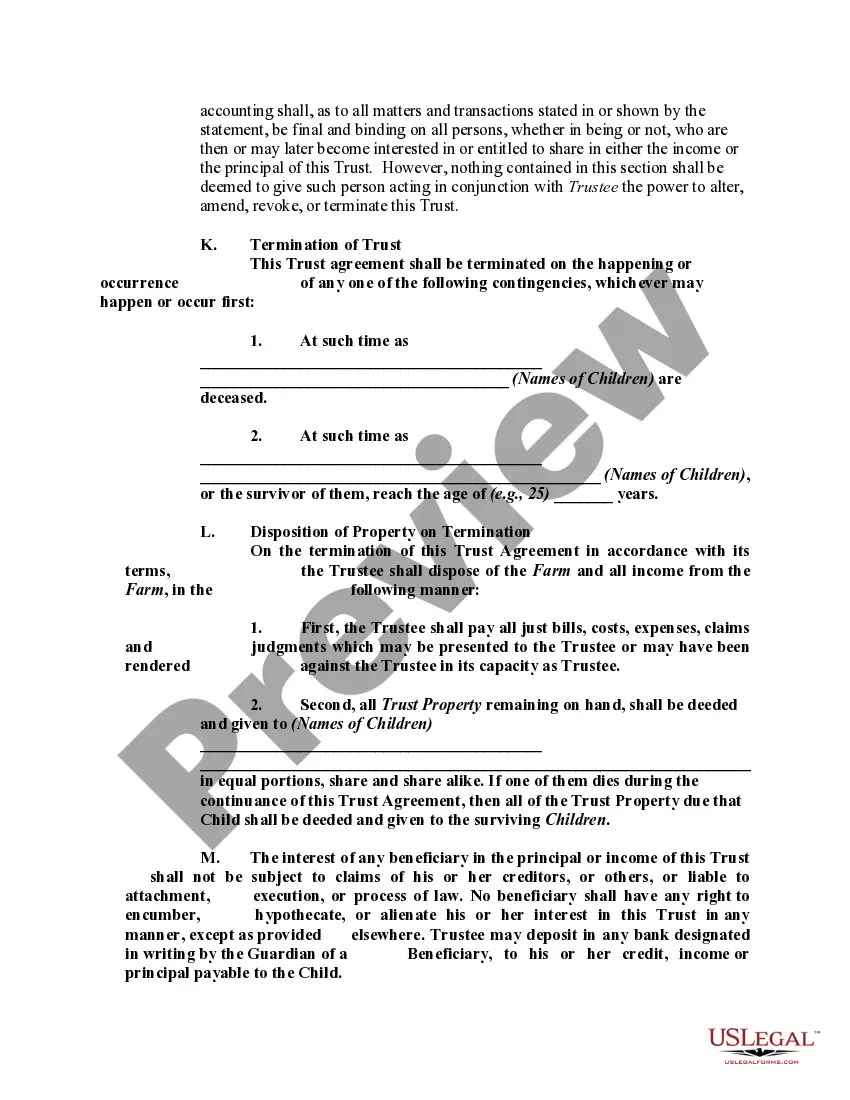
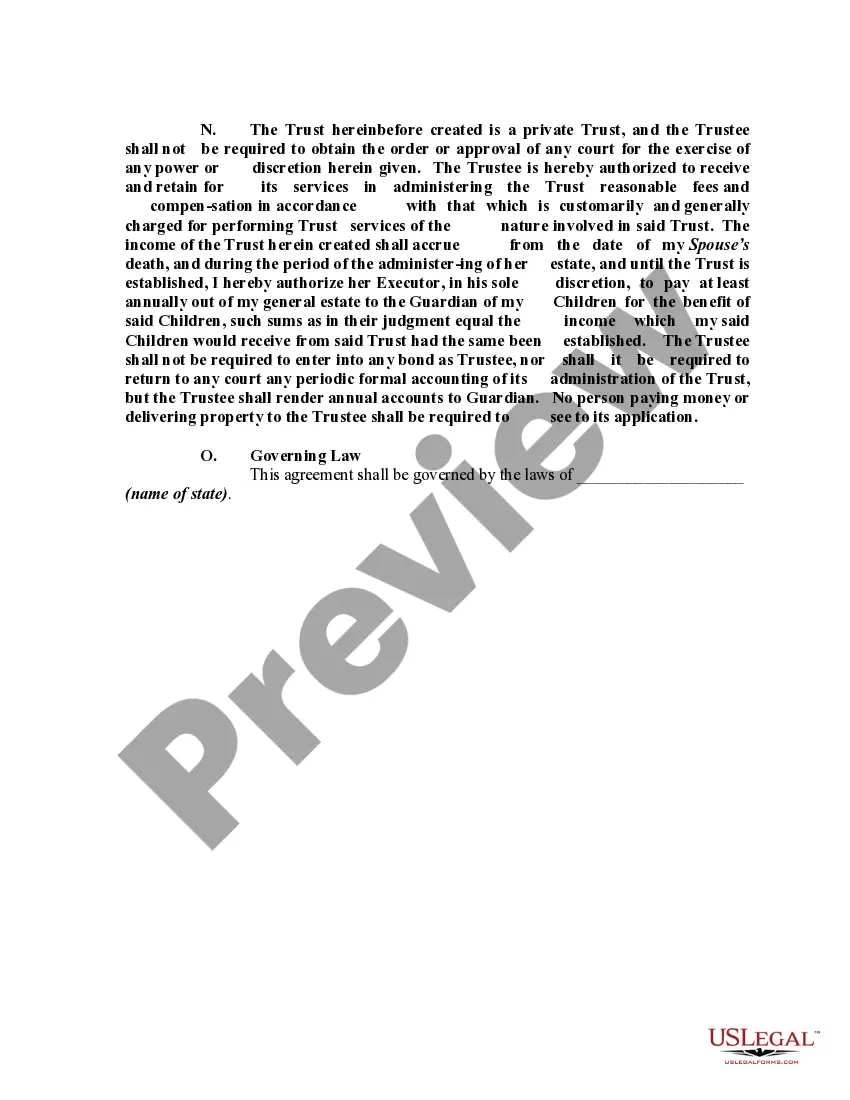
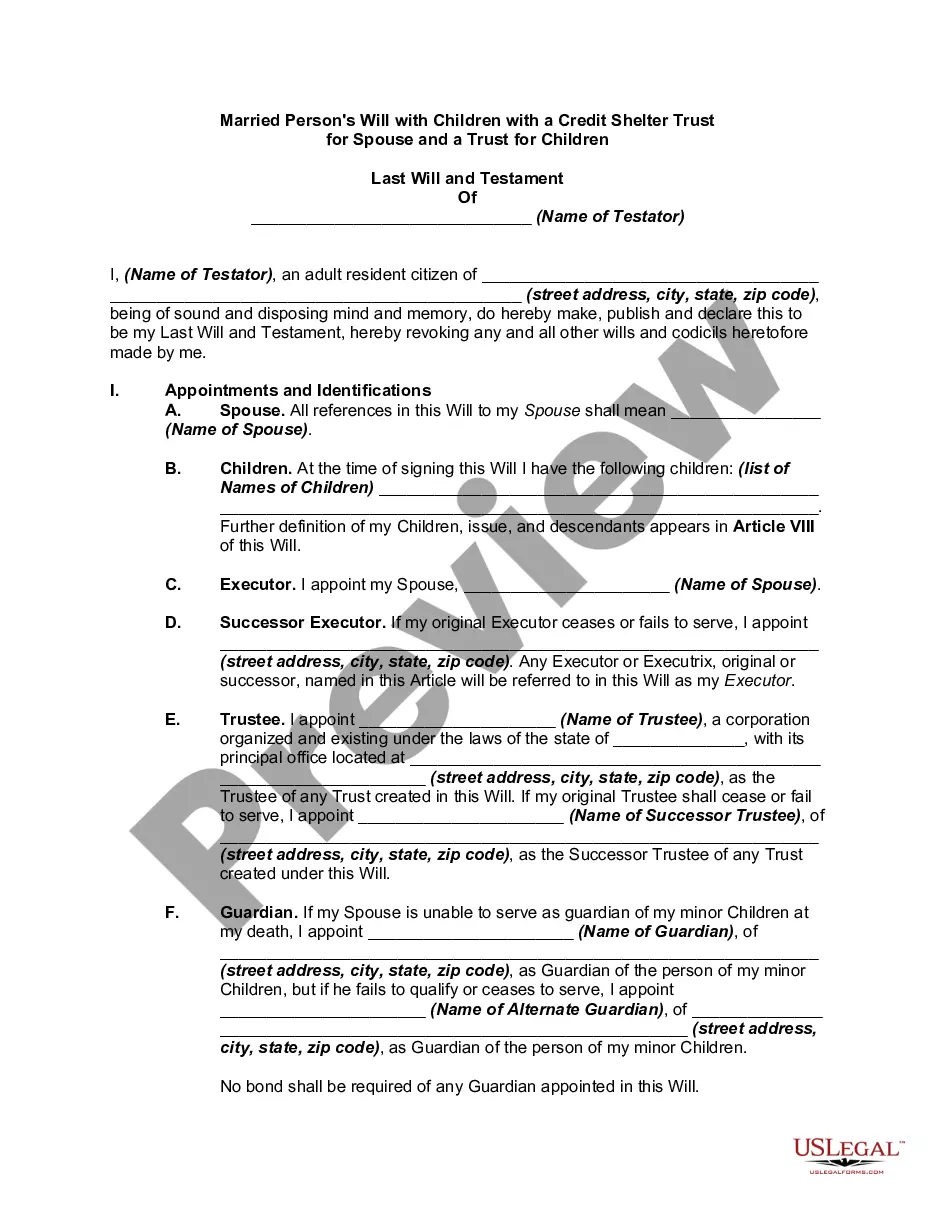
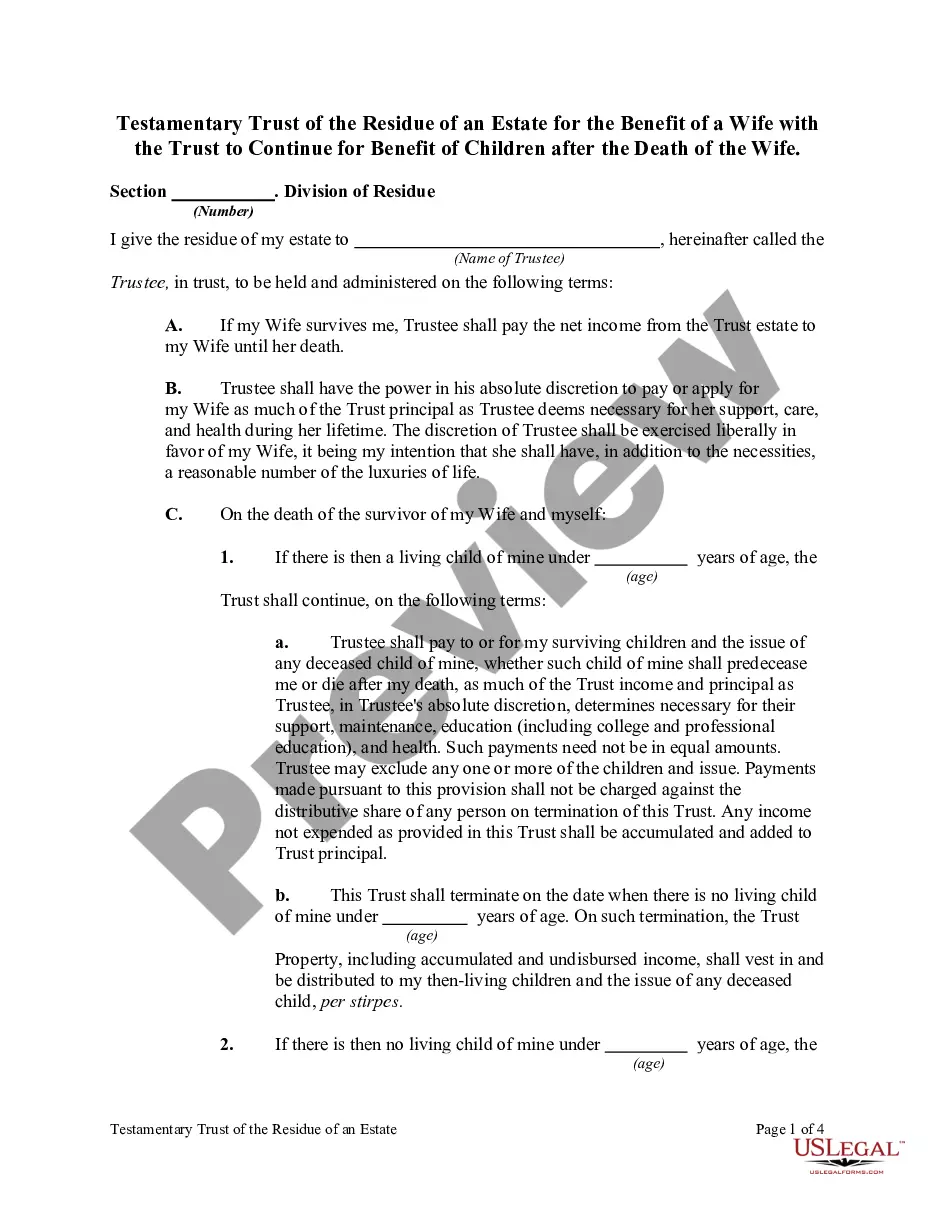

Get your form ready online
Our built-in tools help you complete, sign, share, and store your documents in one place.
Make edits, fill in missing information, and update formatting in US Legal Forms—just like you would in MS Word.
Download a copy, print it, send it by email, or mail it via USPS—whatever works best for your next step.
Sign and collect signatures with our SignNow integration. Send to multiple recipients, set reminders, and more. Go Premium to unlock E-Sign.
If this form requires notarization, complete it online through a secure video call—no need to meet a notary in person or wait for an appointment.
We protect your documents and personal data by following strict security and privacy standards.

Make edits, fill in missing information, and update formatting in US Legal Forms—just like you would in MS Word.

Download a copy, print it, send it by email, or mail it via USPS—whatever works best for your next step.

Sign and collect signatures with our SignNow integration. Send to multiple recipients, set reminders, and more. Go Premium to unlock E-Sign.

If this form requires notarization, complete it online through a secure video call—no need to meet a notary in person or wait for an appointment.

We protect your documents and personal data by following strict security and privacy standards.
Looking for another form?
How to fill out Testamentary Trust Provision In Will With Spouse To Receive A Life Estate In Farm Land With Remainder Interest In Land To Pass To Trust For The Benefit Of Children?
Managing legal documents can be perplexing, even for the most adept experts.
When you are seeking a Testamentary Trust Document For Trust and don’t have the opportunity to devote time to finding the correct and current version, the process can be challenging.
US Legal Forms accommodates any requirements you may have, from personal to business paperwork, all in one location.
Utilize advanced tools to complete and manage your Testamentary Trust Document For Trust.
Here are the steps to follow after obtaining the form you need: Confirm it is the correct form by previewing it and reading its details. Ensure that the template is valid in your state or county. Choose Buy Now when you are ready. Select a subscription option. Choose the format you require, then Download, complete, eSign, print, and send your document. Take advantage of the US Legal Forms online database, backed by 25 years of experience and trustworthiness. Change your everyday document management into a straightforward and user-friendly process today.
- Access a resource library of articles, guides, and materials pertinent to your circumstances and needs.
- Save time and energy searching for the documents you require, and use US Legal Forms’ sophisticated search and Review feature to find Testamentary Trust Document For Trust and obtain it.
- If you possess a membership, Log In to your US Legal Forms account, locate the form, and retrieve it.
- Check your My documents tab to review the documents you previously downloaded and organize your folders as needed.
- If it is your first time using US Legal Forms, create a complimentary account and gain unlimited access to all the benefits of the library.
- A comprehensive online form database could be a game-changer for those wanting to address these matters effectively.
- US Legal Forms is a leading provider of web legal forms, boasting over 85,000 state-specific legal forms accessible at any moment.
- With US Legal Forms, you can access state- or county-specific legal and business documents.
Form popularity
FAQ
How is a testamentary trust created? A testamentary trust is provided for in a last will by the ?settlor,? who appoints a ?trustee? to manage the funds in the trust until the ?beneficiary,? or person receiving the money, takes over.
Sample Wording for a Testamentary Trust Will "All property left to Johnny Doe in this will shall be held in a separate trust for Johnny Doe until he reaches the age of twenty five and shall only devolve upon him at that time.
To create the actual testamentary trust, the settlor must select the trustee and the beneficiary. Then, the settlor selects which assets are to be placed in the trust. This also includes the specification of how and when these assets are disbursed to the beneficiary.
Disadvantages of a Testamentary Trust Lack of Privacy: Testamentary trusts are part of a person's will, which becomes public record upon their death. This means that the details of the trust and its beneficiaries are accessible to the public.
These elements are: Intention to create a trust; Permissible purpose for the trust; Identification of beneficiaries; and. Existence of trust res.