Test For Testamentary Capacity
Description
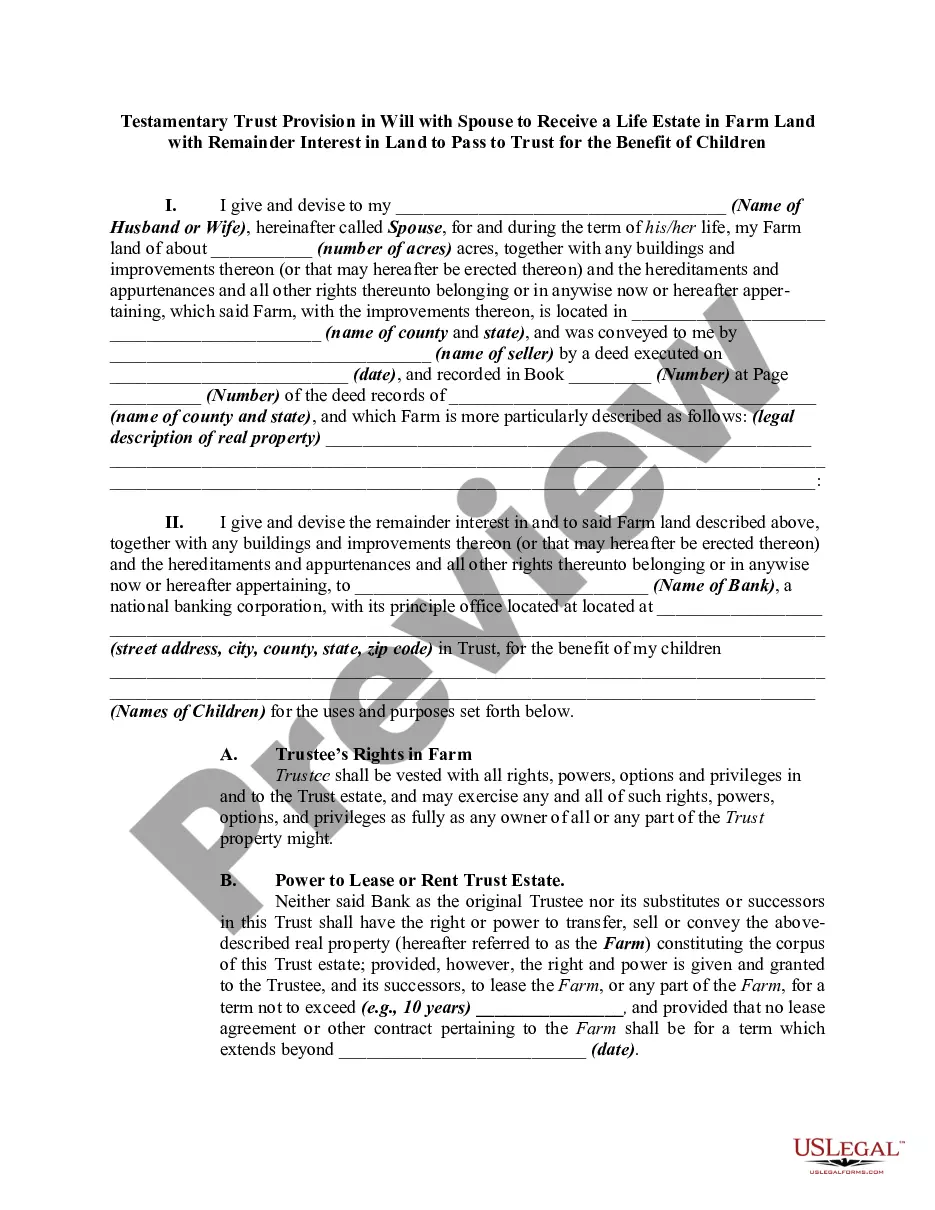
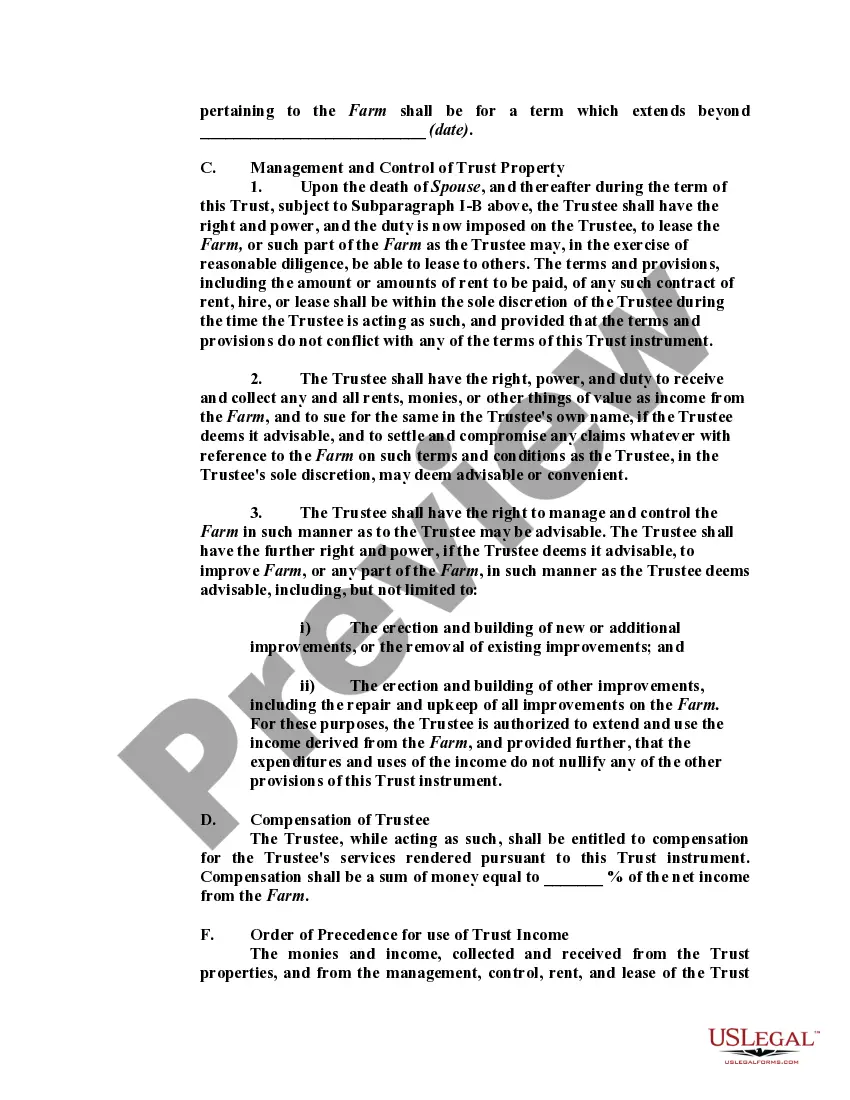
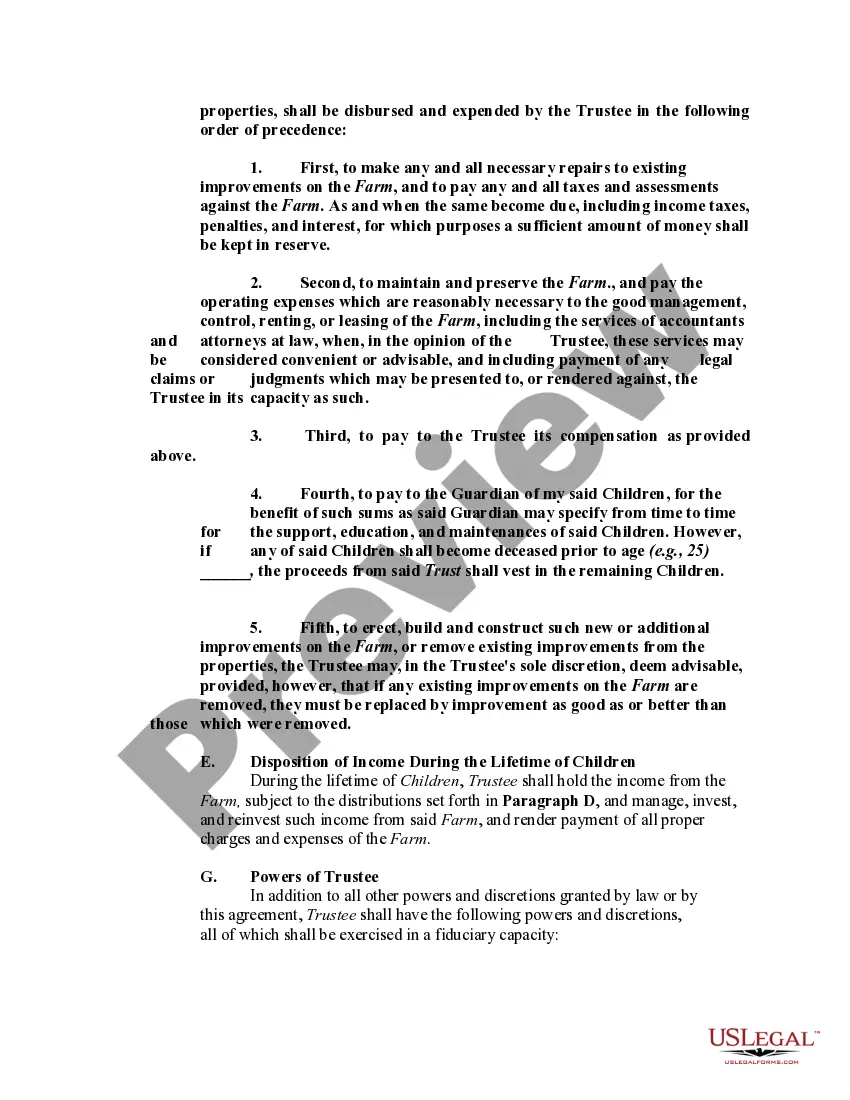
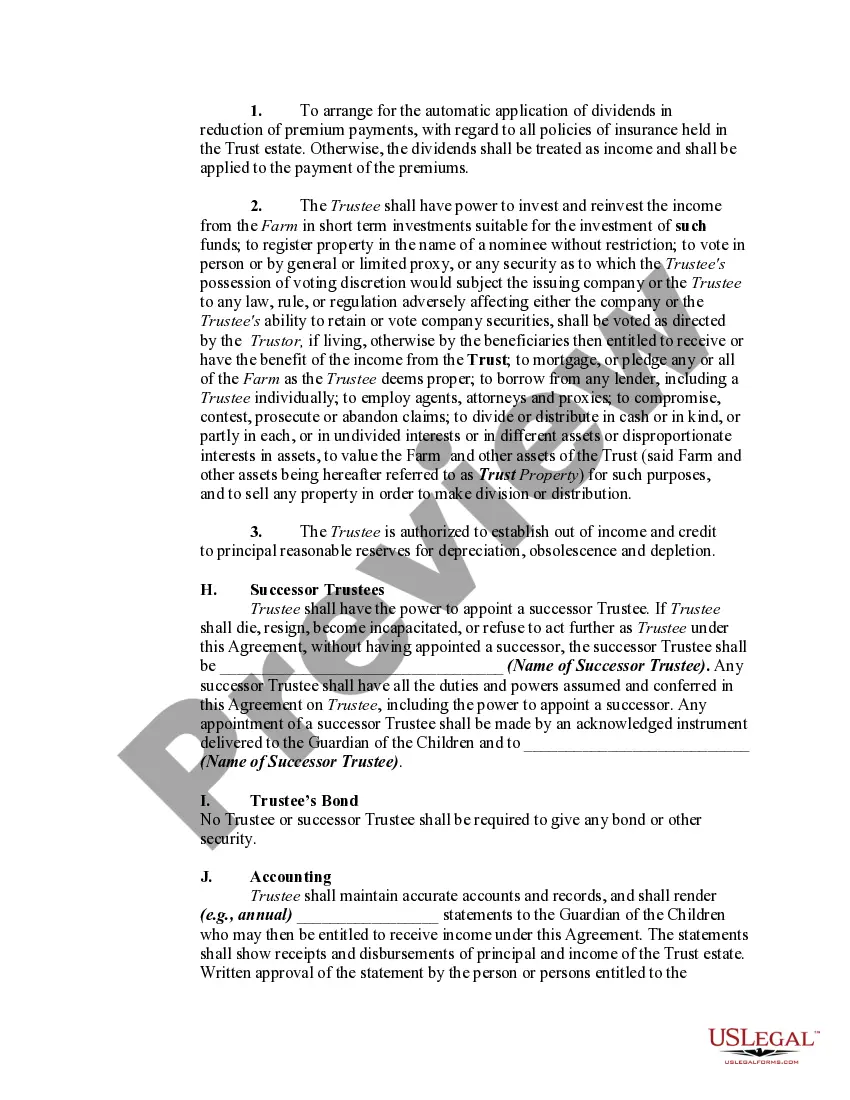
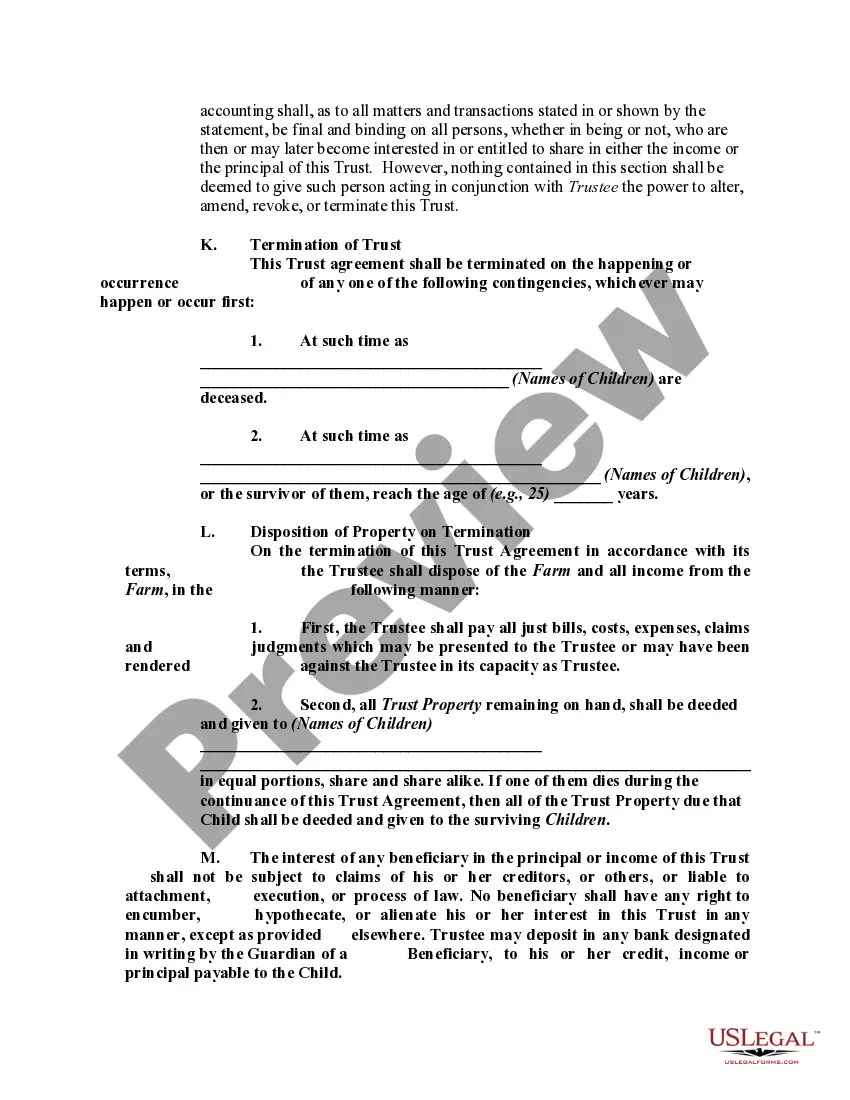
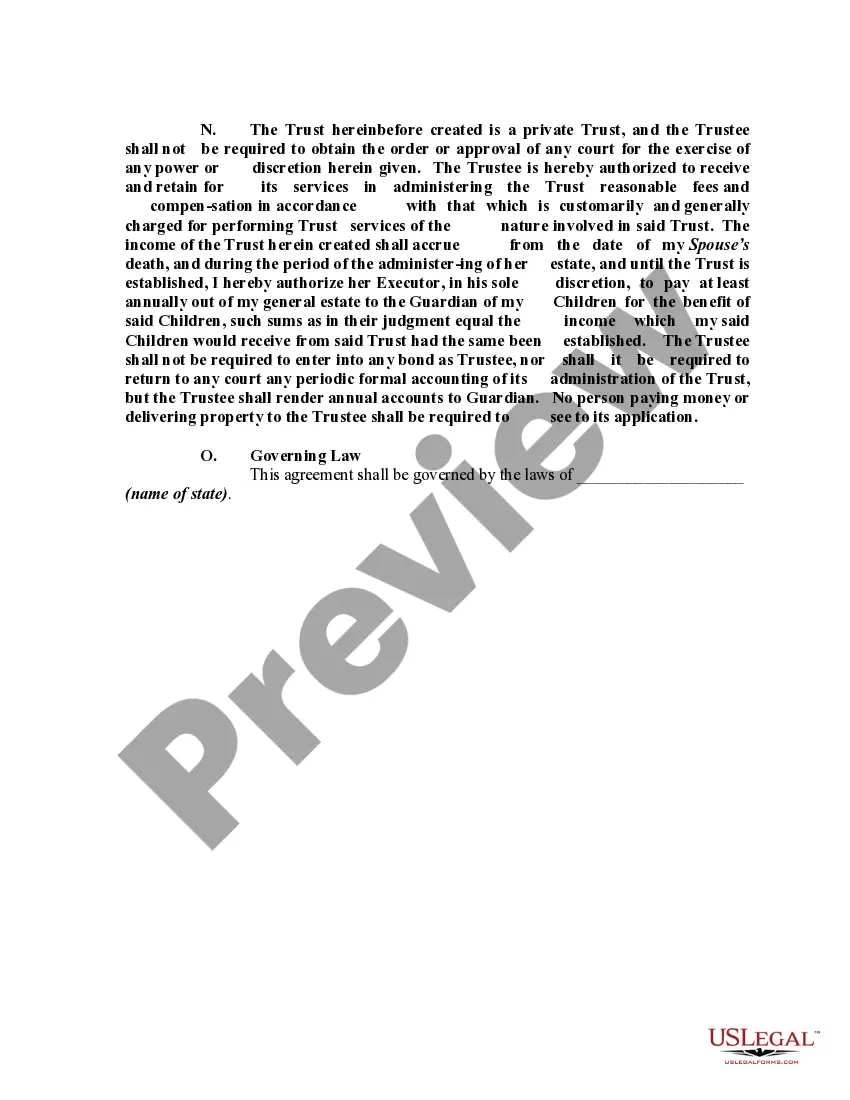
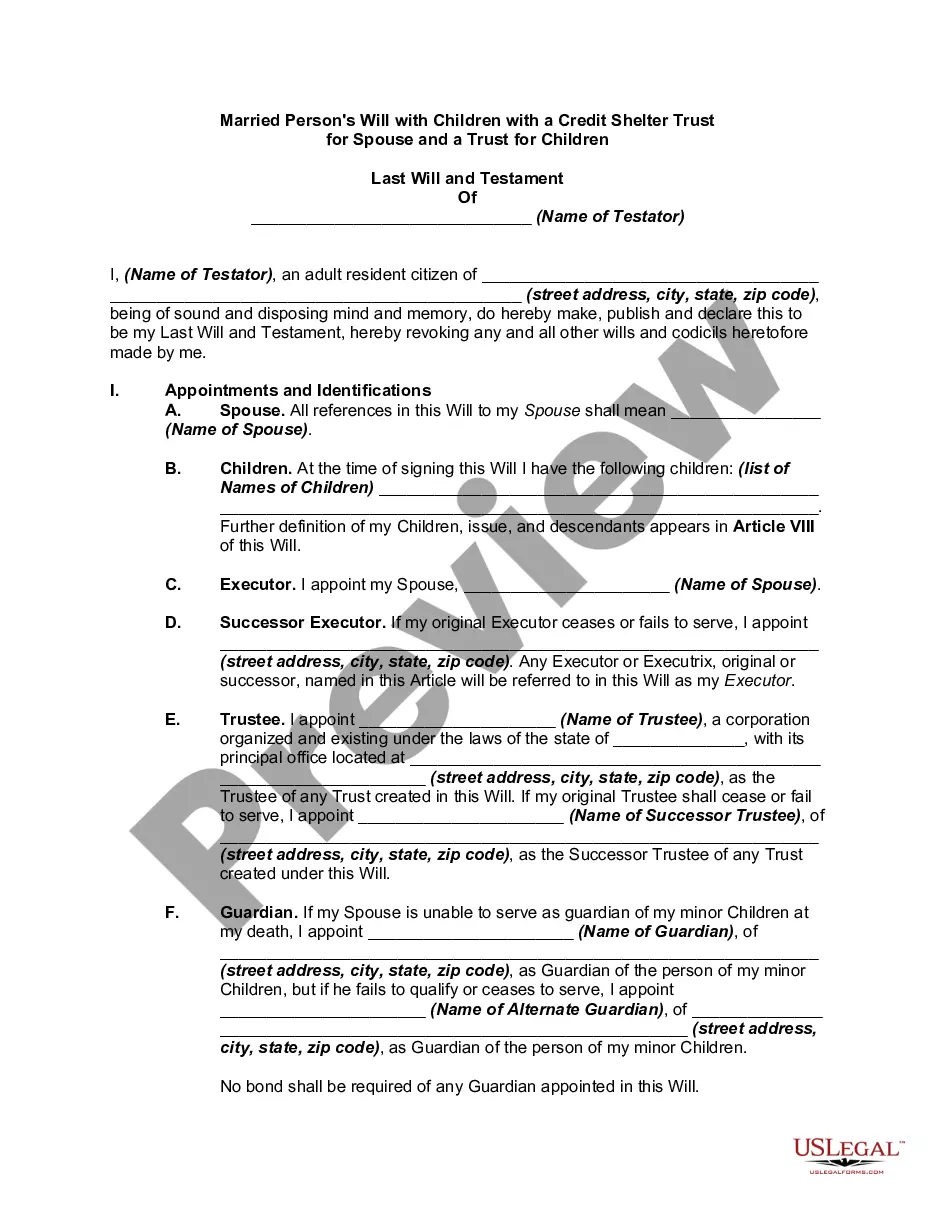
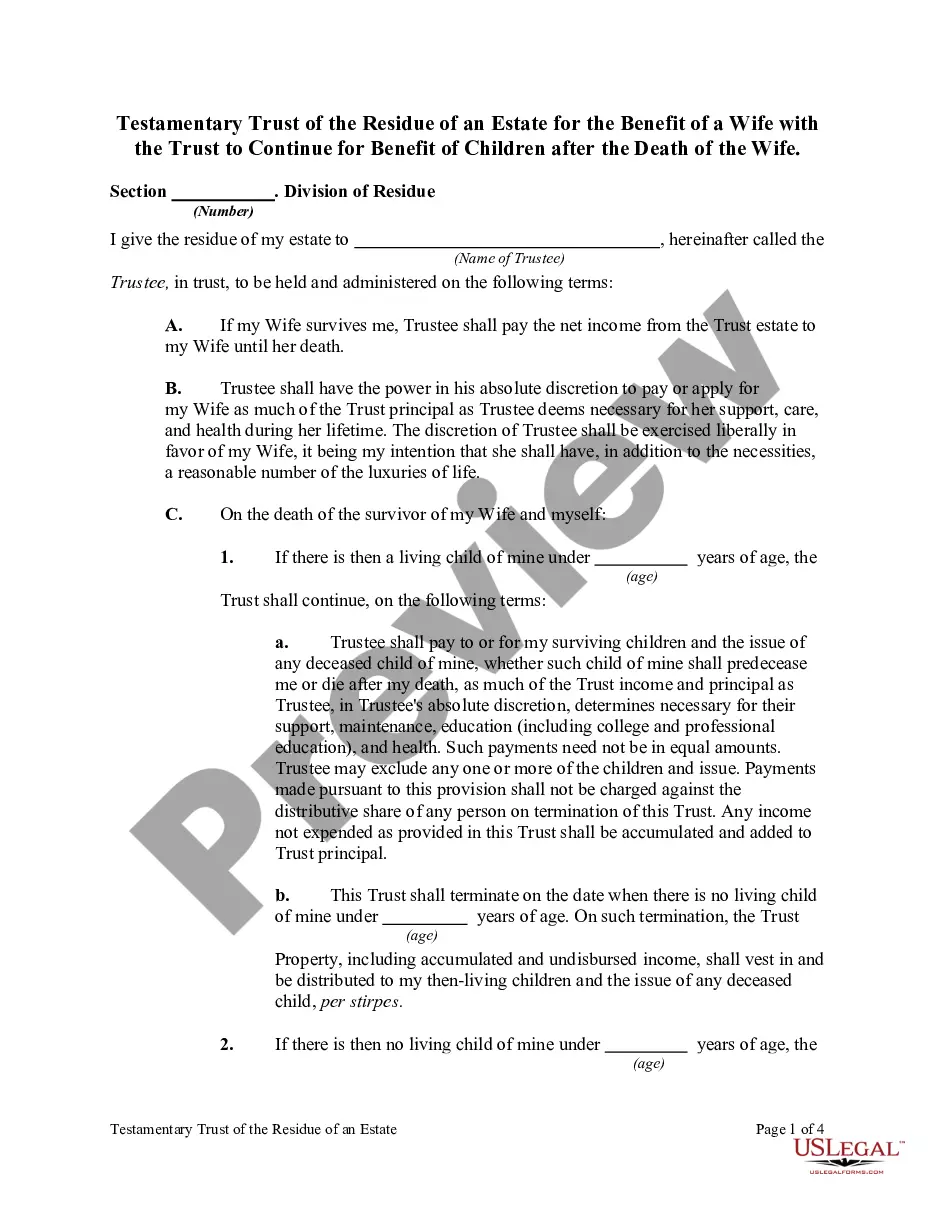

Get your form ready online
Our built-in tools help you complete, sign, share, and store your documents in one place.
Make edits, fill in missing information, and update formatting in US Legal Forms—just like you would in MS Word.
Download a copy, print it, send it by email, or mail it via USPS—whatever works best for your next step.
Sign and collect signatures with our SignNow integration. Send to multiple recipients, set reminders, and more. Go Premium to unlock E-Sign.
If this form requires notarization, complete it online through a secure video call—no need to meet a notary in person or wait for an appointment.
We protect your documents and personal data by following strict security and privacy standards.

Make edits, fill in missing information, and update formatting in US Legal Forms—just like you would in MS Word.

Download a copy, print it, send it by email, or mail it via USPS—whatever works best for your next step.

Sign and collect signatures with our SignNow integration. Send to multiple recipients, set reminders, and more. Go Premium to unlock E-Sign.

If this form requires notarization, complete it online through a secure video call—no need to meet a notary in person or wait for an appointment.

We protect your documents and personal data by following strict security and privacy standards.
Looking for another form?







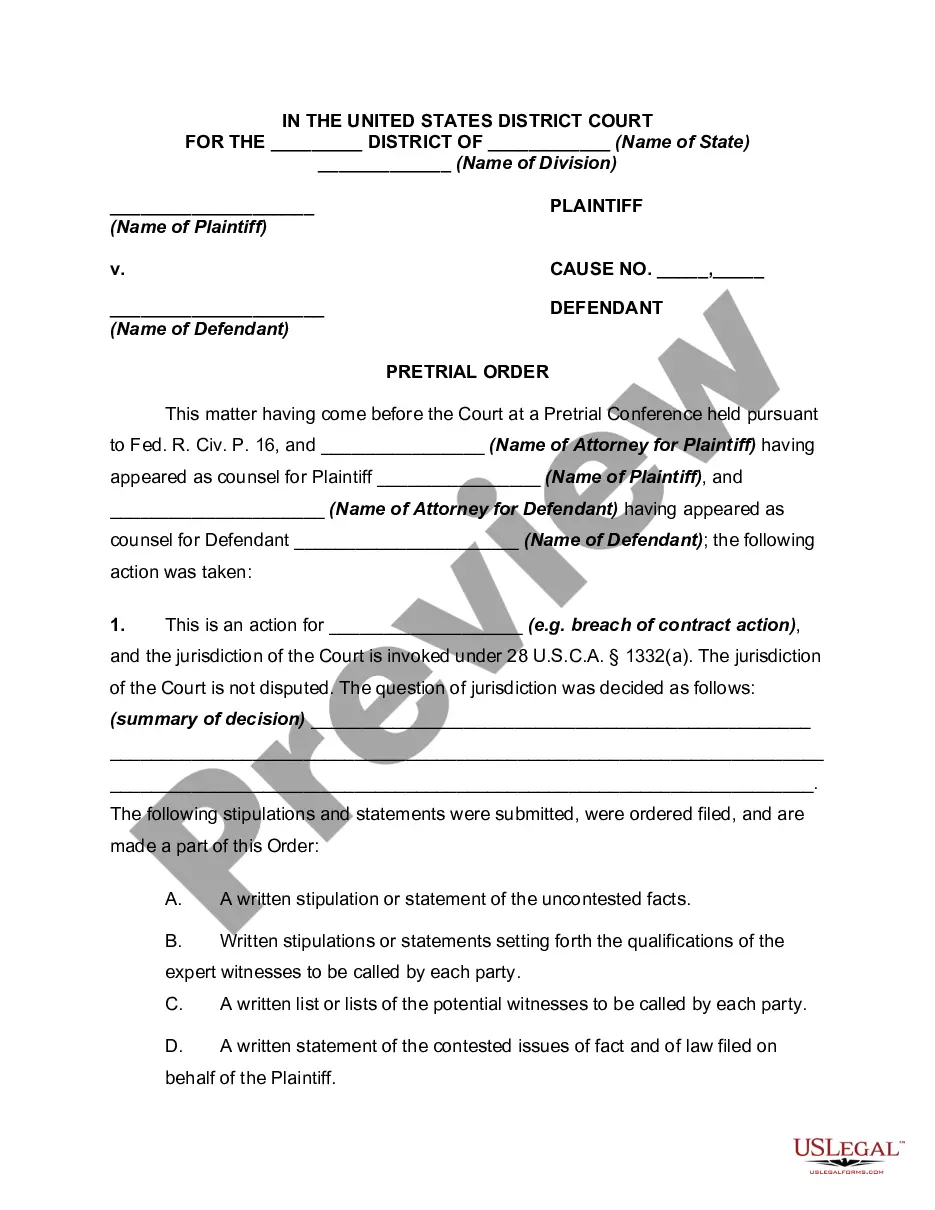
How to fill out Testamentary Trust Provision In Will With Spouse To Receive A Life Estate In Farm Land With Remainder Interest In Land To Pass To Trust For The Benefit Of Children?
- If you’ve previously used the US Legal Forms service, start by logging into your account. Validate your subscription and locate the required form template. Click 'Download' to save it on your device.
- For first-time users, begin by reviewing the available templates in Preview mode. Ensure that your selected form is appropriate and compliant with your local laws.
- If necessary, refine your search using the Search tab to find the ideal document. Confirm the form's relevance before progressing.
- Proceed to purchase the selected document by clicking the 'Buy Now' button. Choose a subscription plan and create an account for access to the extensive library.
- Complete your transaction by entering your payment details or using PayPal. Your subscription will grant you access to premium resources and support.
- Download the form to your device. Access it anytime through the My Forms section of your profile for easy reference.
US Legal Forms empowers users with an extensive library of over 85,000 editable legal documents, designed for ease of use and precision. This service stands out with a diverse form collection and access to expert assistance.
Taking the step to test for testamentary capacity is essential for any estate planning process. Start your journey with US Legal Forms today and ensure your legal documents are properly prepared.
Form popularity
FAQ
To effectively conduct a test for testamentary capacity, several key questions typically arise. First, evaluators may ask whether the individual understands the nature of their assets and how they intend to distribute them. Next, questions often focus on whether the person can perceive the relationships they have with their beneficiaries, recognizing those who will receive their estate. Finally, it is important to inquire if the person can comprehend the effects of their decisions regarding their will, ensuring they have a clear understanding of the consequences. Engaging with experts or utilizing resources, like the ones provided by US Legal Forms, can further clarify these important aspects.
The elements of testamentary capacity include the person's ability to understand the nature of making a will, their knowledge of the property involved, the identity of the beneficiaries, and their capacity to make decisions. Each element must be present for a will to be considered valid. Addressing these components with care ensures you uphold the testator's wishes. For more guidance on testamentary capacity, resources from US Legal Forms can support your needs.
To determine if a client has testamentary capacity, engage them in meaningful conversations about their wishes and assets. Observe their understanding of the process and their ability to make coherent decisions. Documenting your observations will create a clearer picture for any potential legal scrutiny. For assistance in document creation and format, US Legal Forms can be a helpful ally.
The four elements of testamentary capacity consist of understanding the nature of the act, comprehending the extent of one’s property, knowing the intended beneficiaries, and retaining the ability to make rational decisions. These elements provide a framework for evaluating an individual's capacity when creating a will. Knowing these elements can be crucial when questioning capacity. Resources from US Legal Forms can clarify these points further.
A testamentary capacity assessment tool is a resource that helps evaluate whether an individual possesses the necessary mental faculties to create a will. It often includes questionnaires or checklists that focus on understanding, memory, and awareness of one's situation. Using such tools ensures an accurate assessment of capacity. To find a structured assessment tool, visit US Legal Forms for reliable options.
Determining testamentary capacity involves assessing whether an individual understands the nature of their actions and can identify the people they wish to benefit. This judgment often requires a comprehensive evaluation, including interviews, discussions about assets, and overall mental status. It's important to ensure all aspects of capacity are addressed. For detailed guides on this process, explore the tools available at US Legal Forms.
To prove testamentary intent, you must demonstrate that the testator intended to create a will and distribute their assets upon their death. This can be established through the language used in the document, the circumstances surrounding its creation, and the testator's behavior. Documenting all these aspects is vital in any discussions about validity or intent. Consult US Legal Forms for templates that might assist you in articulating this intent properly.
To test for capacity, it’s essential to evaluate whether an individual can understand the consequences of creating a will. This assessment involves discussing the person's awareness of their assets, beneficiaries, and the implications of their decisions. Various assessments can guide you in this process. For complete tools to test for testamentary capacity, check out the resources available on the US Legal Forms platform.
The four major components of a will include the testator's details, the appointment of an executor, the distribution of assets, and the signature of the testator. Each of these components plays a crucial role in ensuring that a will is valid. Understanding these elements helps you prepare effectively. If you're looking to confirm details about these components, consider using US Legal Forms, which offers comprehensive resources.
Yes, someone with dementia can have testamentary capacity, but it depends on the severity of the condition at the time the will is made. If they can understand the nature of making a will, know their property, and recognize their beneficiaries, they may meet the necessary criteria. Assessing testamentary capacity in such cases can be nuanced, so seeking guidance through resources like UsLegalForms is advisable.