Consignment Sales In International Trade
Description

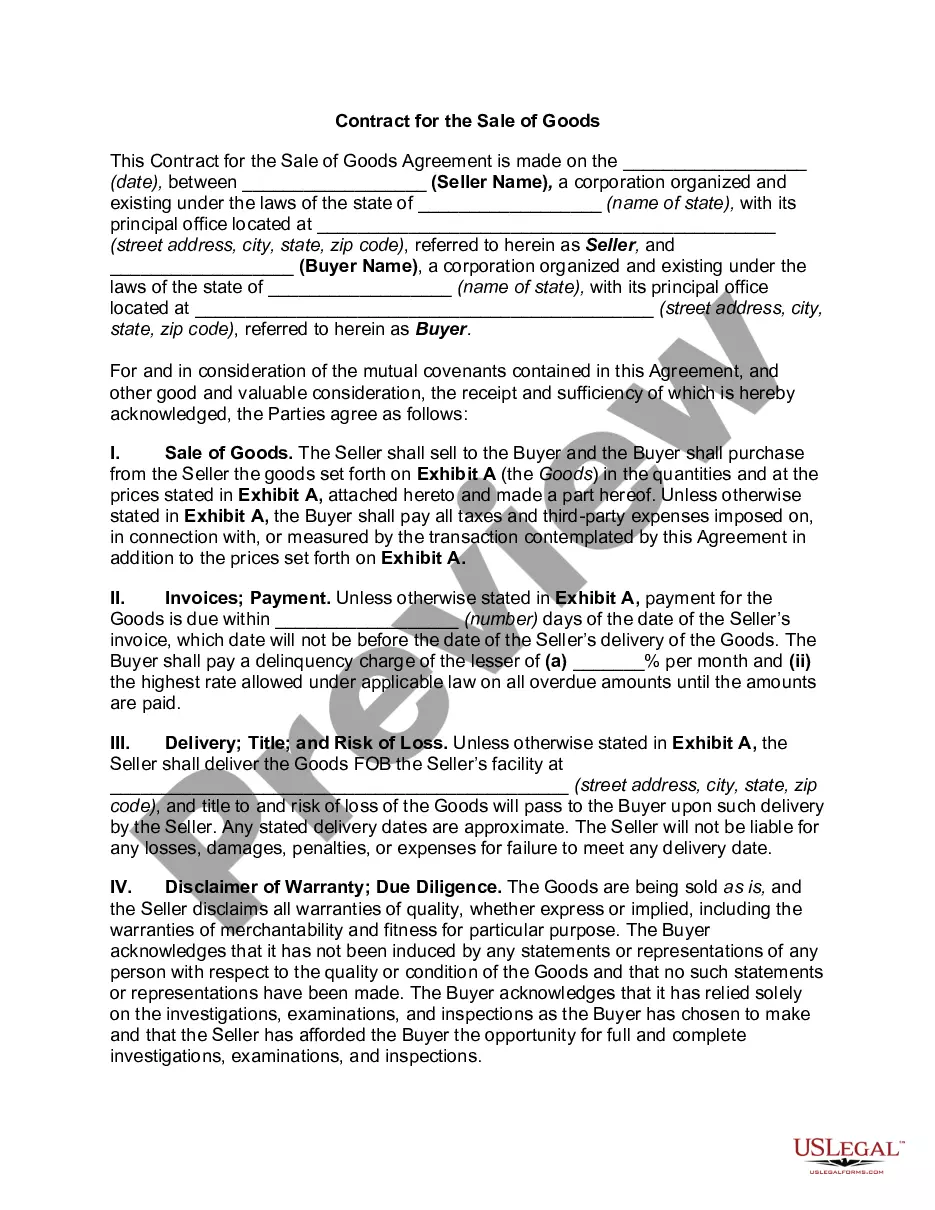
Get your form ready online
Our built-in tools help you complete, sign, share, and store your documents in one place.
Make edits, fill in missing information, and update formatting in US Legal Forms—just like you would in MS Word.
Download a copy, print it, send it by email, or mail it via USPS—whatever works best for your next step.
Sign and collect signatures with our SignNow integration. Send to multiple recipients, set reminders, and more. Go Premium to unlock E-Sign.
If this form requires notarization, complete it online through a secure video call—no need to meet a notary in person or wait for an appointment.
We protect your documents and personal data by following strict security and privacy standards.

Make edits, fill in missing information, and update formatting in US Legal Forms—just like you would in MS Word.

Download a copy, print it, send it by email, or mail it via USPS—whatever works best for your next step.

Sign and collect signatures with our SignNow integration. Send to multiple recipients, set reminders, and more. Go Premium to unlock E-Sign.

If this form requires notarization, complete it online through a secure video call—no need to meet a notary in person or wait for an appointment.

We protect your documents and personal data by following strict security and privacy standards.
Looking for another form?










How to fill out Contract For Sale Of Goods On Consignment?
Whether you handle documents regularly or you occasionally need to submit a legal report, it is essential to secure a source of information where all the samples are pertinent and current.
The primary step you must take with a Consignment Sales In International Trade is to ensure that you have the latest version, as it determines whether it can be submitted.
If you wish to streamline your search for the most recent document samples, look for them on US Legal Forms.
You won't need to spend time either searching for the suitable template or verifying its validity. To obtain a form without an account, take these steps: Use the search menu to locate the form you need. Review the Consignment Sales In International Trade preview and description to ensure it is exactly what you are interested in. After double-checking the form, click Buy Now. Select a subscription package that suits you. Create an account or Log In to your current one. Input your credit card information or PayPal account to complete the purchase. Choose the file format for download and confirm it. Eliminate the uncertainty associated with handling legal documents. All your templates will be organized and validated with an account at US Legal Forms.
- US Legal Forms is a repository of legal forms that encompasses nearly any document example you might seek.
- Search for the templates you need, evaluate their pertinence immediately, and discover more about their application.
- With US Legal Forms, you gain access to over 85,000 form templates across various fields.
- Locate the Consignment Sales In International Trade examples in just a few clicks and save them anytime in your account.
- A US Legal Forms account will enable you to access all the samples you need with ease and minimal hassle.
- Simply click Log In in the website header and navigate to the My documents section to have all the forms you require readily available.
Form popularity
FAQ
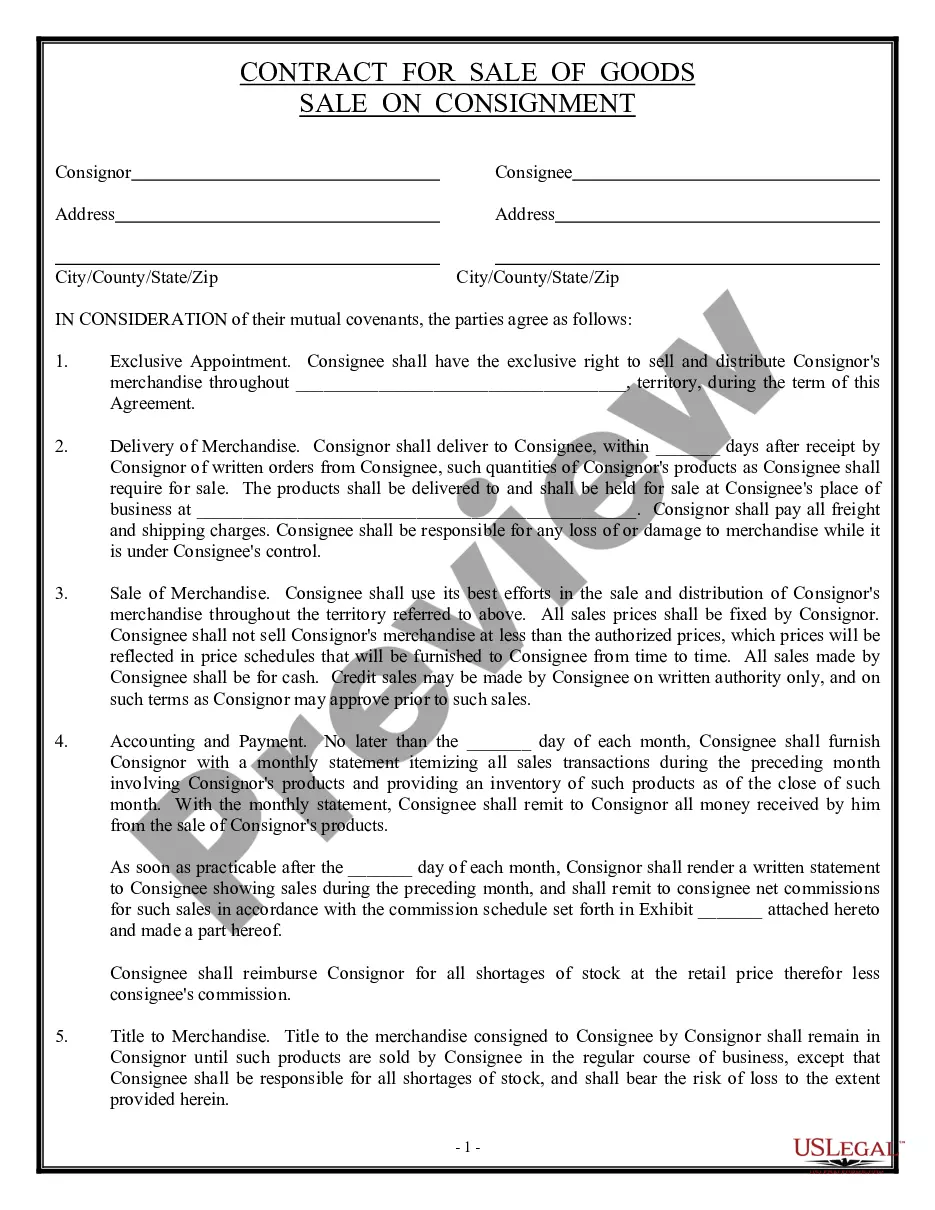
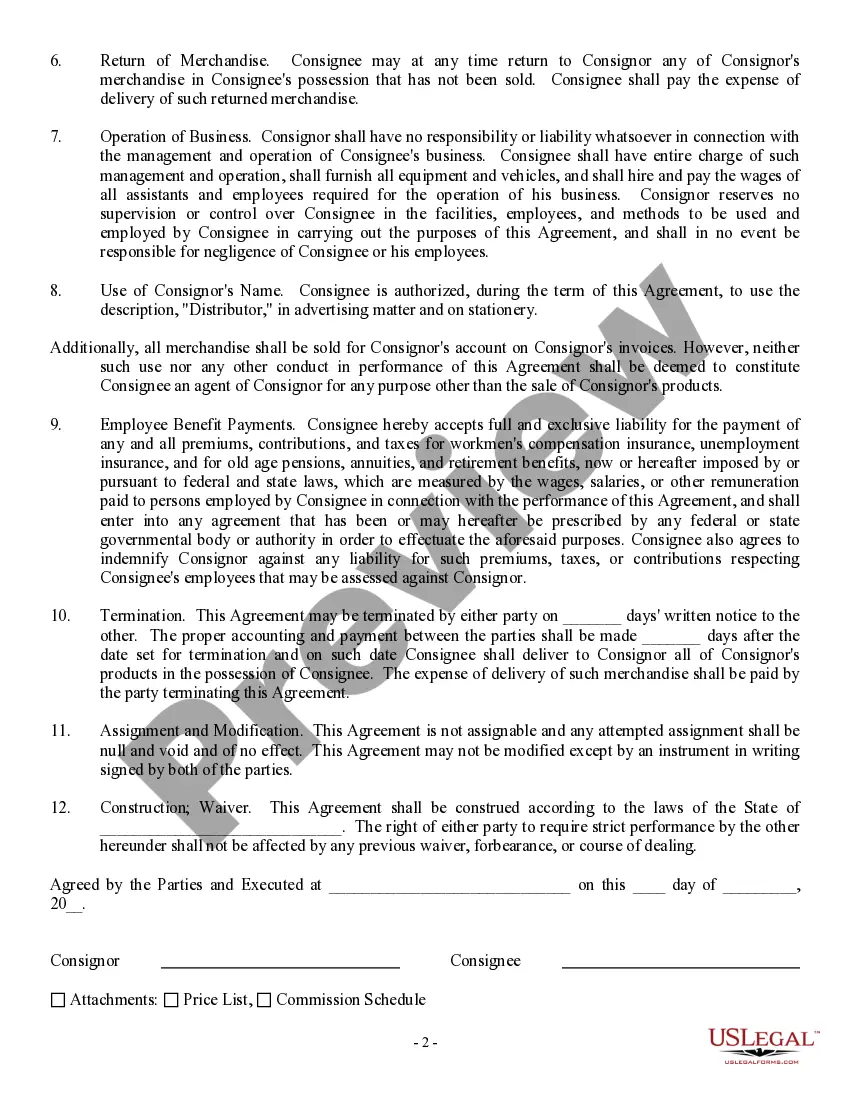
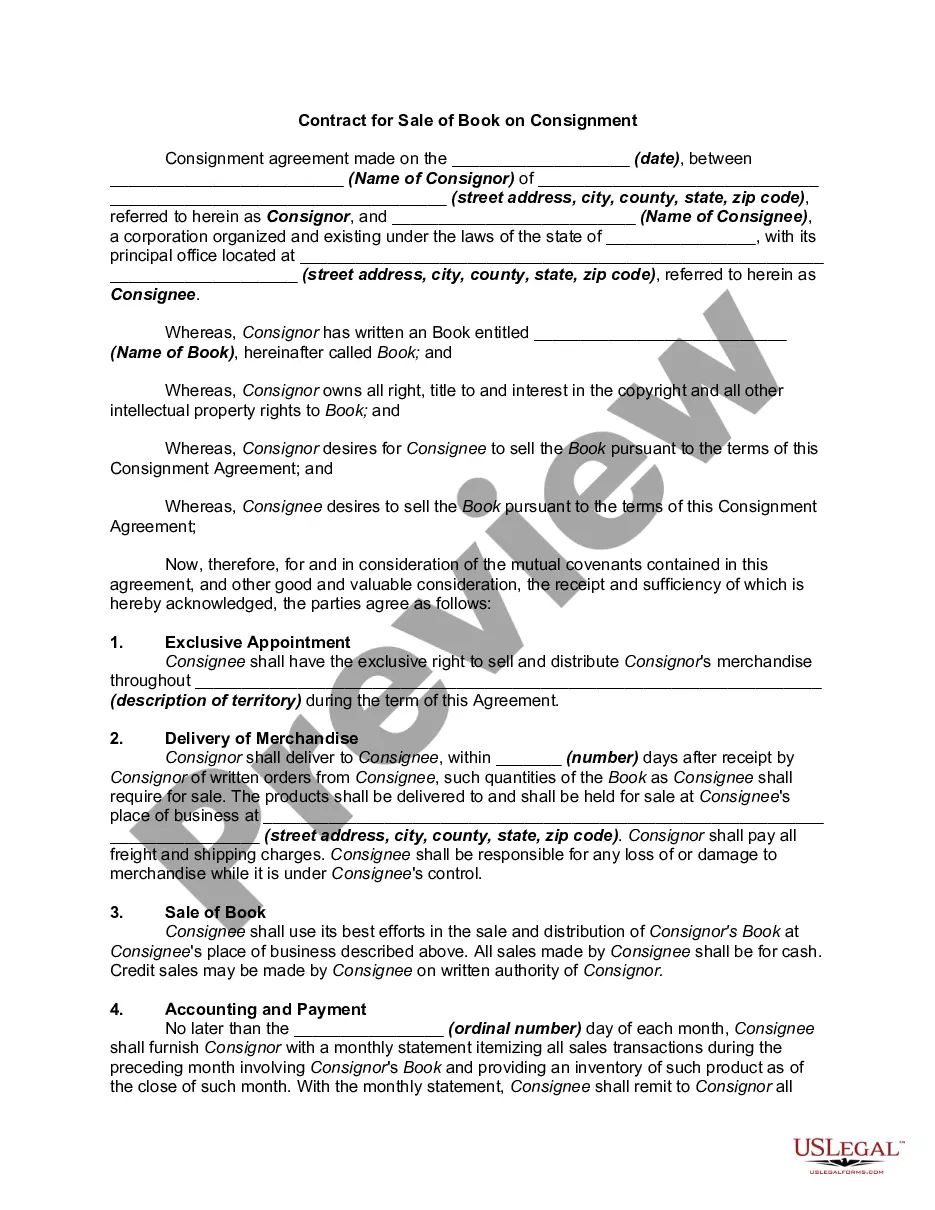
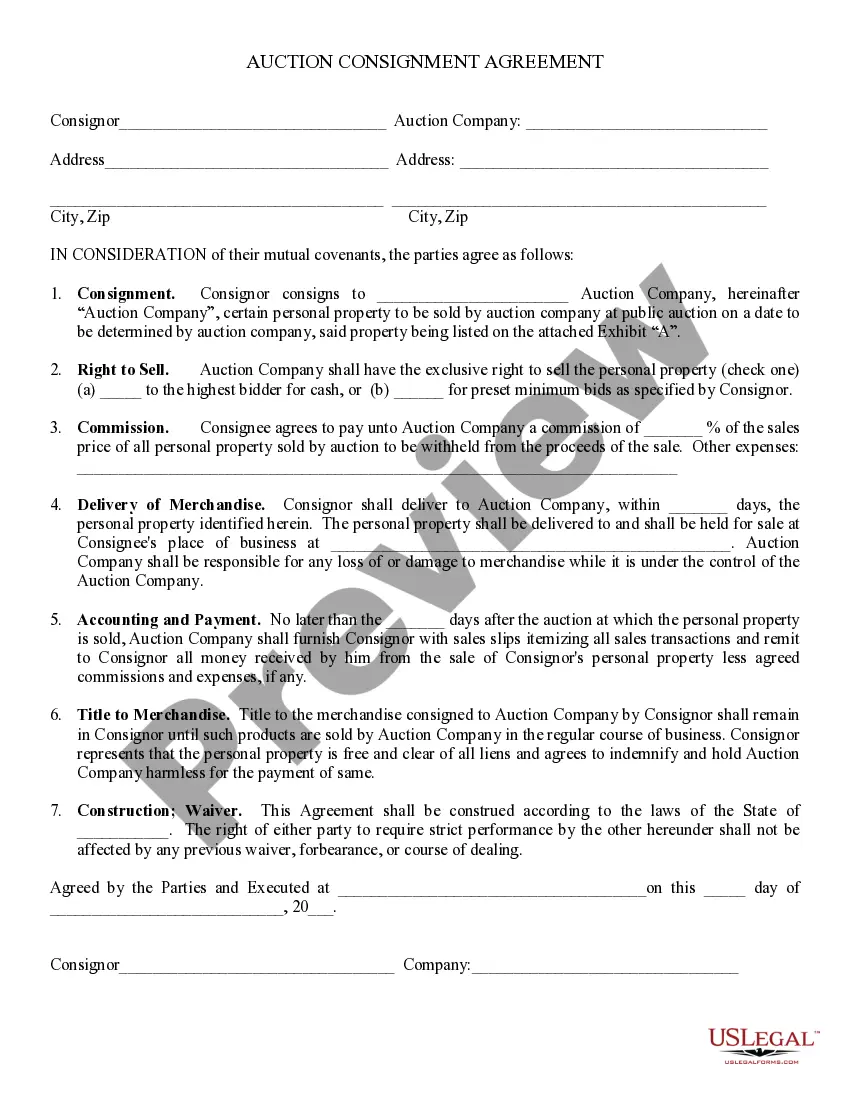
A consignment in export terms refers to goods that are sent to a buyer but remain the property of the seller until sold. In the context of consignment sales in international trade, the seller retains ownership rights, allowing them to minimize risks associated with international shipping. This arrangement benefits sellers by enabling them to access global markets while maintaining control over their goods. Moreover, using platforms like US Legal Forms can help you navigate the legal complexities of consignment agreements efficiently.
An example of a consignment payment occurs when an exporter ships products to a retailer, who sells these items to customers without paying upfront. The retailer then sends payment to the exporter based on the sales made. This arrangement allows both parties to manage financial risks effectively while supporting a steady flow of goods.
Payment on consignment refers to a transaction model where payment is made only after the goods are sold by the consignee. In the context of consignment sales in international trade, the consignee markets the products and pays the consignor based on sales, offering flexibility and reducing financial strain for the buyer.
To record consignment sales in international trade, properly track the inventory and sales transactions between the consignor and consignee. Typically, the consignor retains ownership of the goods until they are sold. Thus, it’s essential to update the inventory records only upon actual sales and transfer the revenue to the consignor at that point.
To account for consignment sales, businesses should recognize the revenue only when the product is sold to the final customer. This approach differentiates revenue recognition in consignment sales in international trade from regular sales transactions. Additionally, it involves tracking inventory levels and sales reports meticulously to ensure accurate accounting and compliance. Platforms like USLegalForms can assist businesses in managing these processes effectively.
The meaning of a consignment sale revolves around a contractual arrangement between a supplier and a buyer, where the latter sells the goods on behalf of the supplier. The supplier retains ownership until sales occur, allowing for a reduced financial burden on the buyer. This practice is essential in consignment sales in international trade, as it facilitates new market entry while minimizing risk for both parties.
Consignment sales indicate a collaborative business model where suppliers and buyers share the risk associated with inventory management. This method reflects trust and partnership, as suppliers provide their products without demanding upfront payment. For businesses engaged in consignment sales in international trade, it can lead to increased sales opportunities while ensuring that inventory is responsive to market demands.
Consignment in international trade is an arrangement where goods are shipped to a buyer, but ownership remains with the supplier until the goods are sold. This method reduces financial risk for buyers, making it an attractive option for introducing new products. Additionally, it helps suppliers expand their market reach without heavy investment in inventory, creating a win-win situation in consignment sales in international trade.
The process of consignment export involves several key steps. First, the supplier ships goods to the buyer but retains ownership until the buyer sells them. Next, the buyer markets and sells the products, often providing regular sales reports to the supplier. Finally, the buyer remits the proceeds from sales back to the supplier, ensuring a smooth flow of transactions in line with the terms agreed upon in the consignment sales in international trade.
A consignment sale in international trade refers to a business transaction where a supplier provides goods to a buyer, who sells these products on behalf of the supplier. The ownership of the goods remains with the supplier until the buyer sells them to end customers. This method can help suppliers penetrate new markets with reduced financial risk while giving buyers access to a broader range of products without upfront costs.
