Foreclosures
Description
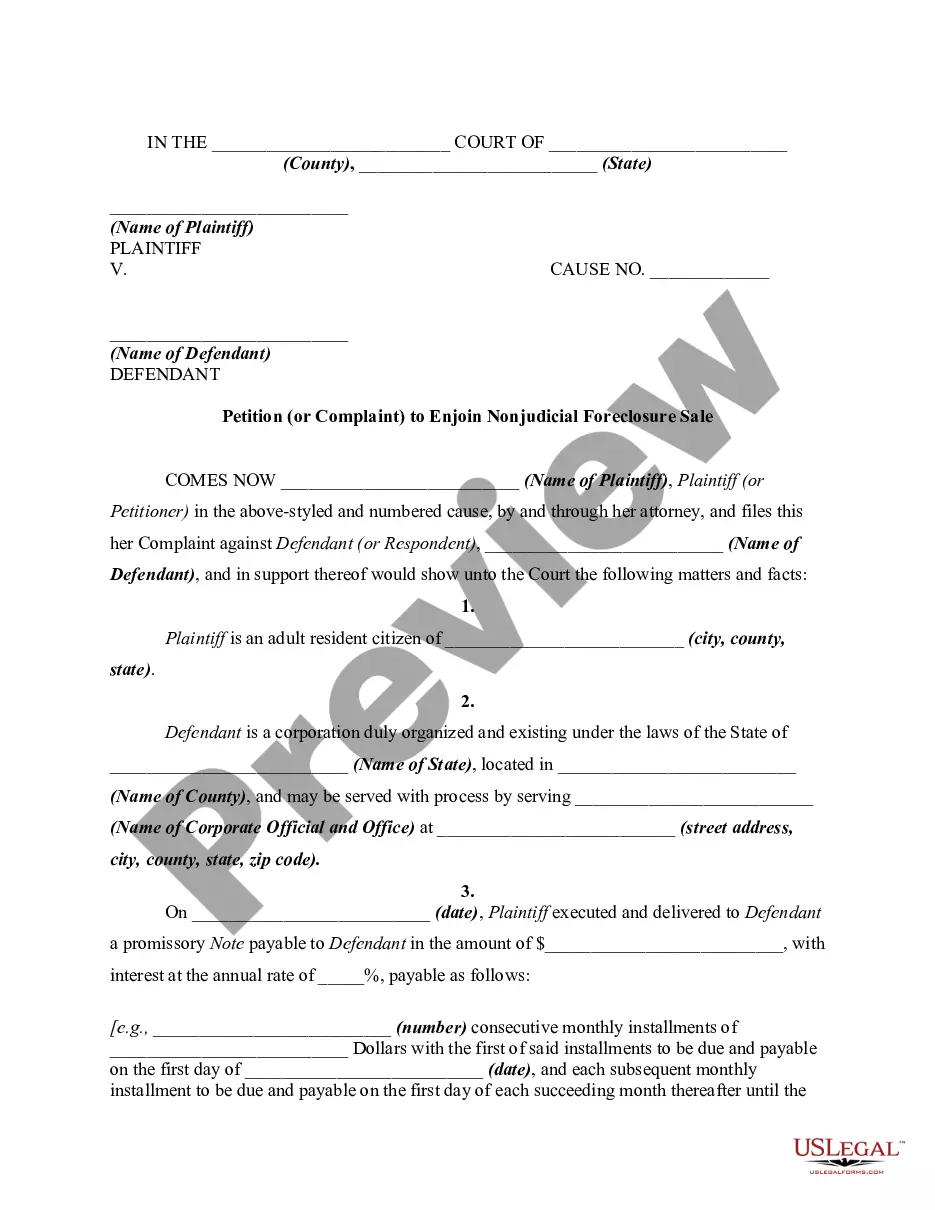
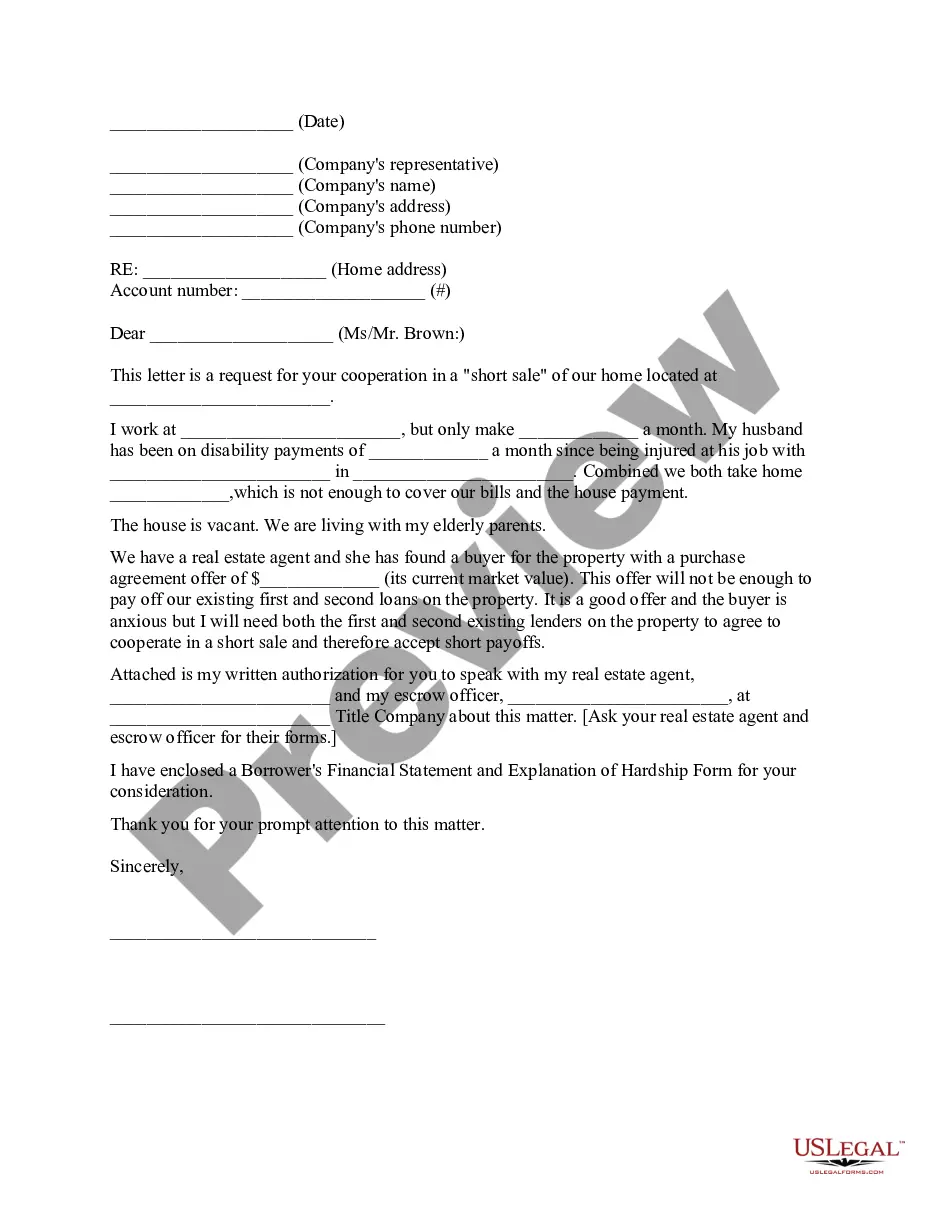
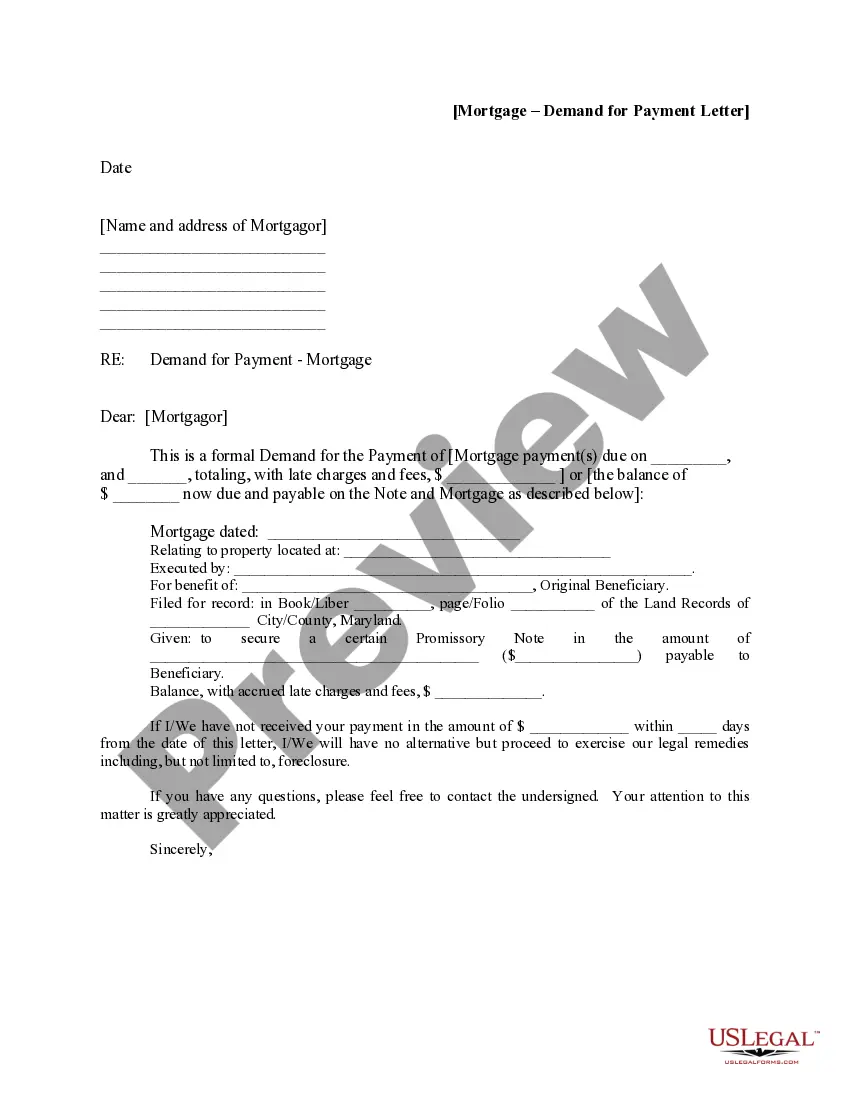
Get your form ready online
Our built-in tools help you complete, sign, share, and store your documents in one place.
Make edits, fill in missing information, and update formatting in US Legal Forms—just like you would in MS Word.
Download a copy, print it, send it by email, or mail it via USPS—whatever works best for your next step.
Sign and collect signatures with our SignNow integration. Send to multiple recipients, set reminders, and more. Go Premium to unlock E-Sign.
If this form requires notarization, complete it online through a secure video call—no need to meet a notary in person or wait for an appointment.
We protect your documents and personal data by following strict security and privacy standards.

Make edits, fill in missing information, and update formatting in US Legal Forms—just like you would in MS Word.

Download a copy, print it, send it by email, or mail it via USPS—whatever works best for your next step.

Sign and collect signatures with our SignNow integration. Send to multiple recipients, set reminders, and more. Go Premium to unlock E-Sign.

If this form requires notarization, complete it online through a secure video call—no need to meet a notary in person or wait for an appointment.

We protect your documents and personal data by following strict security and privacy standards.
Looking for another form?

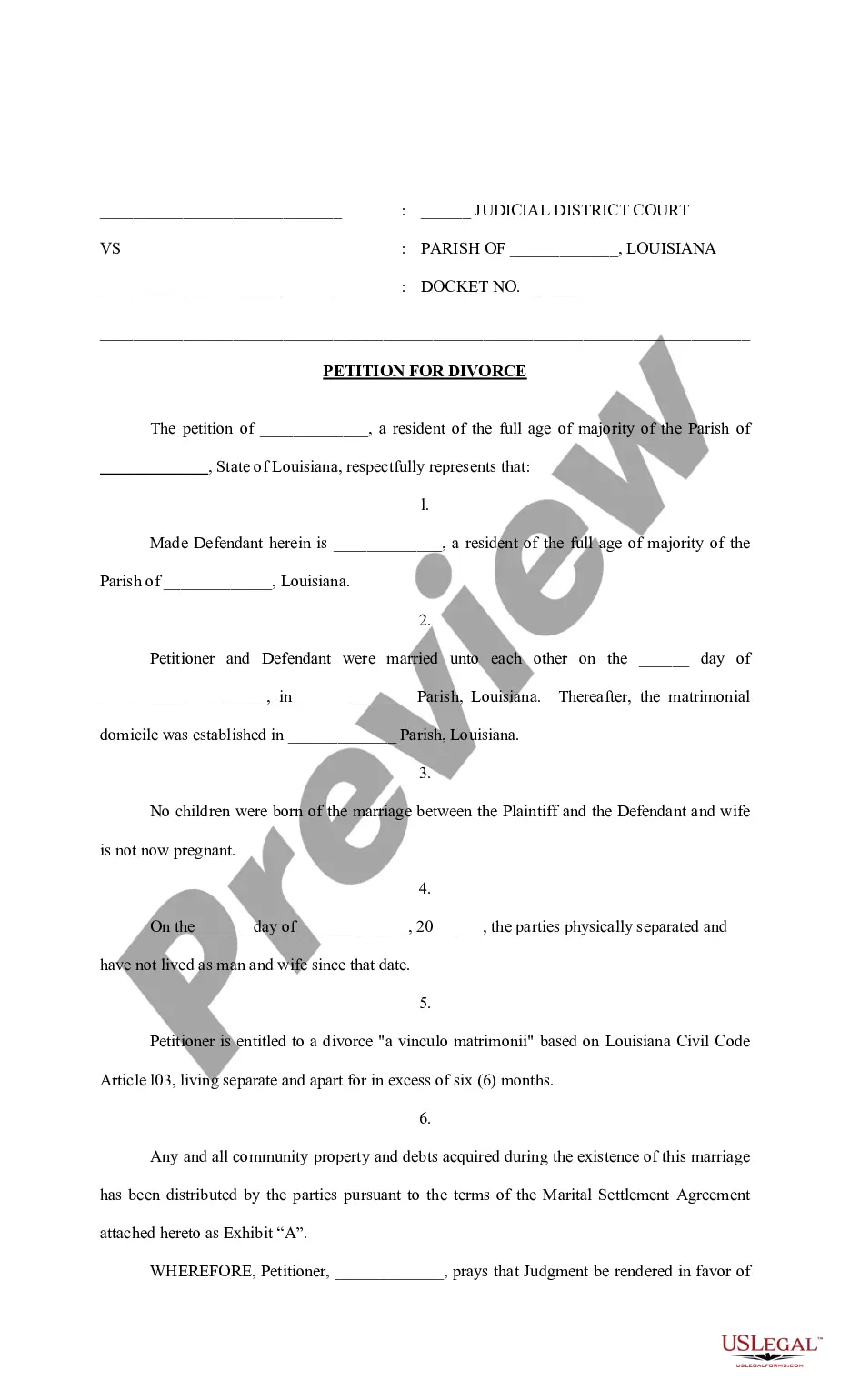

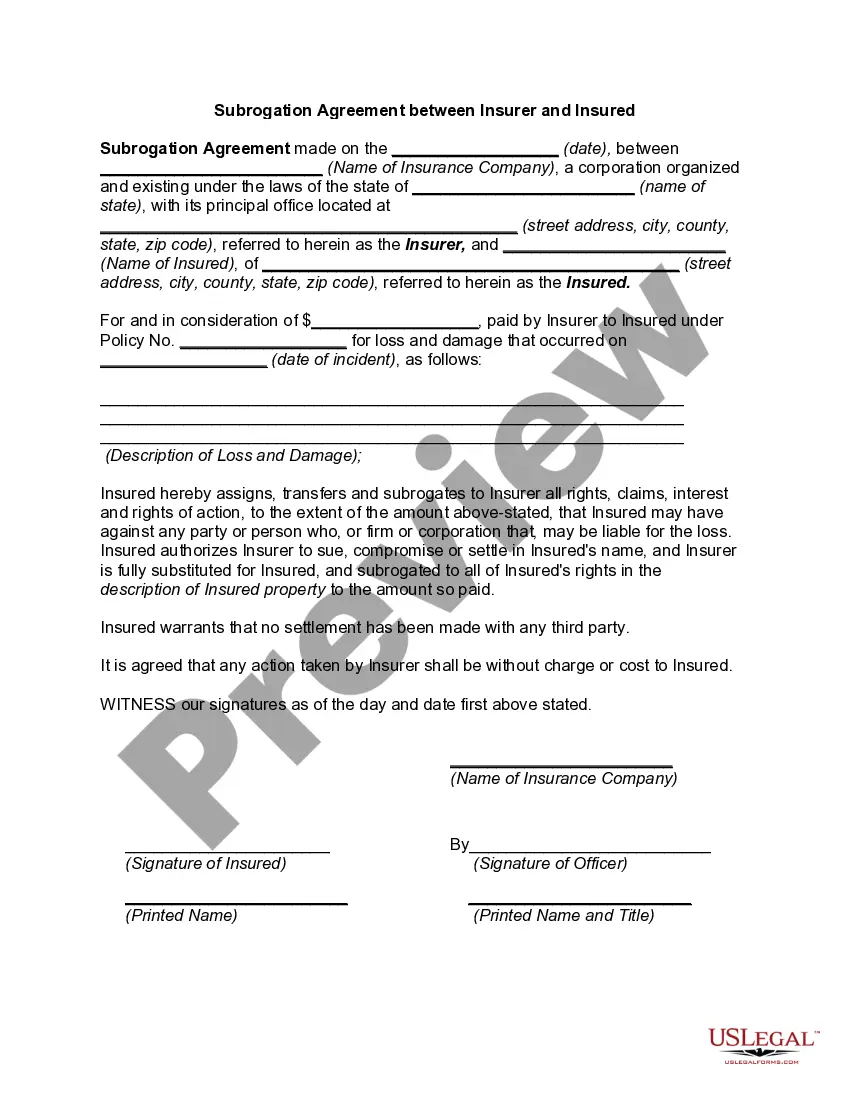
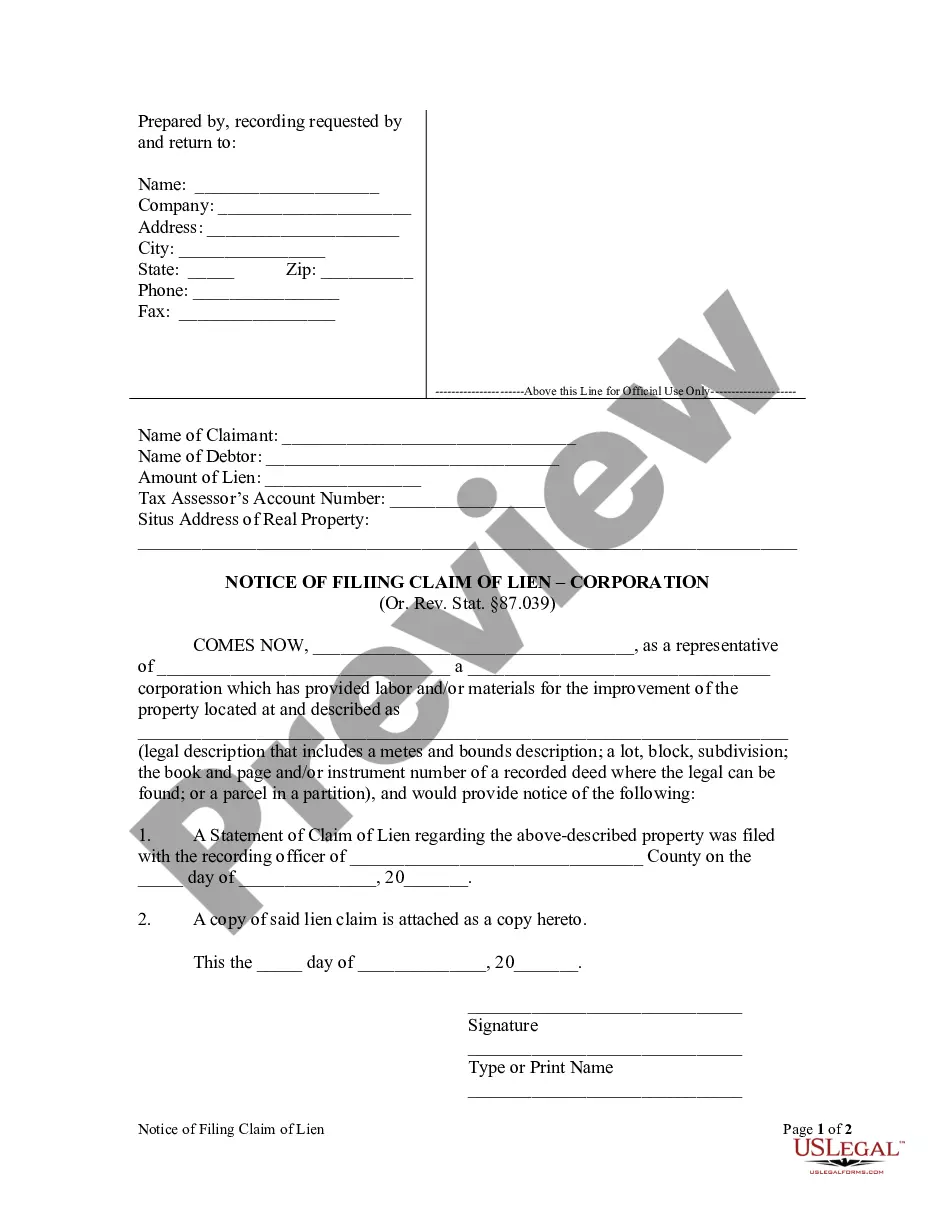
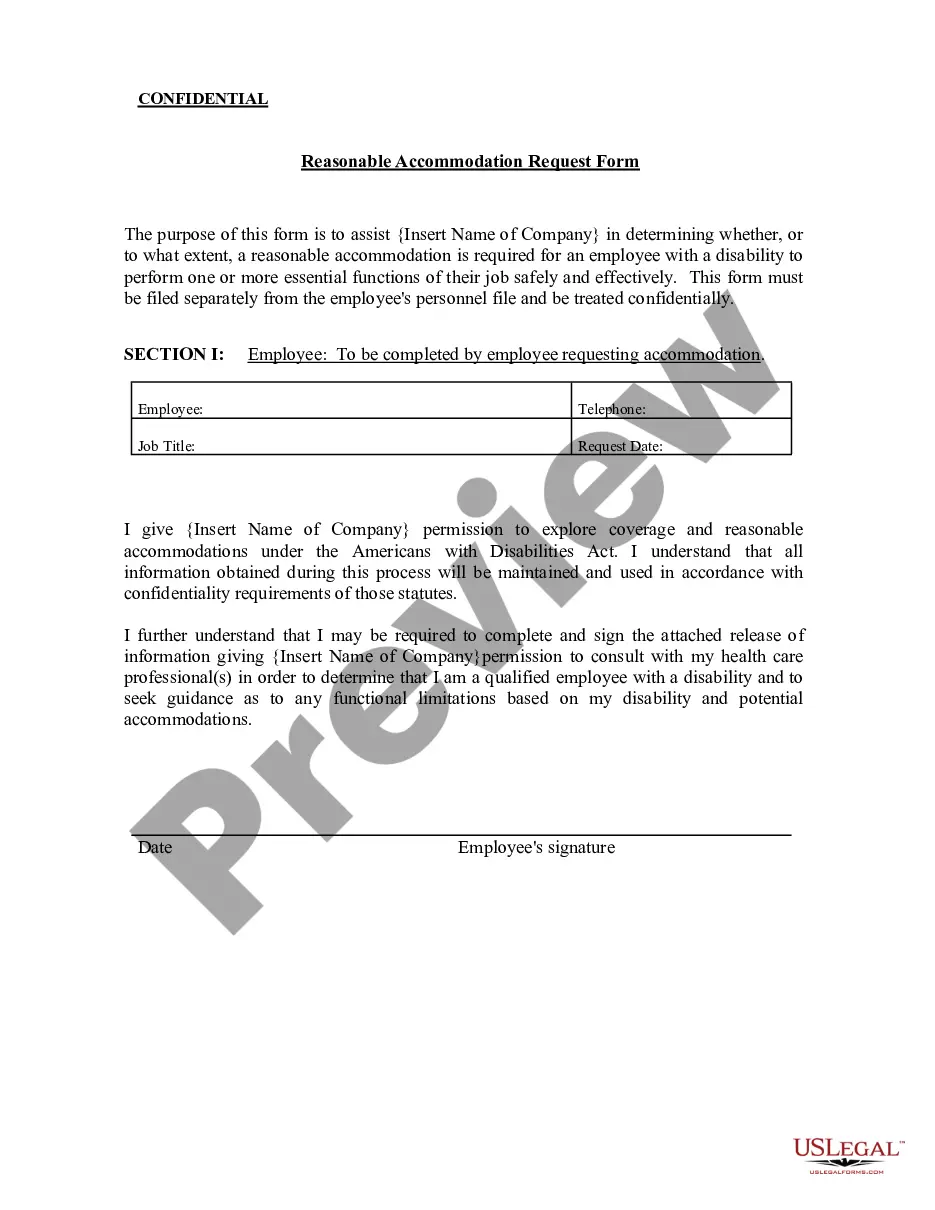
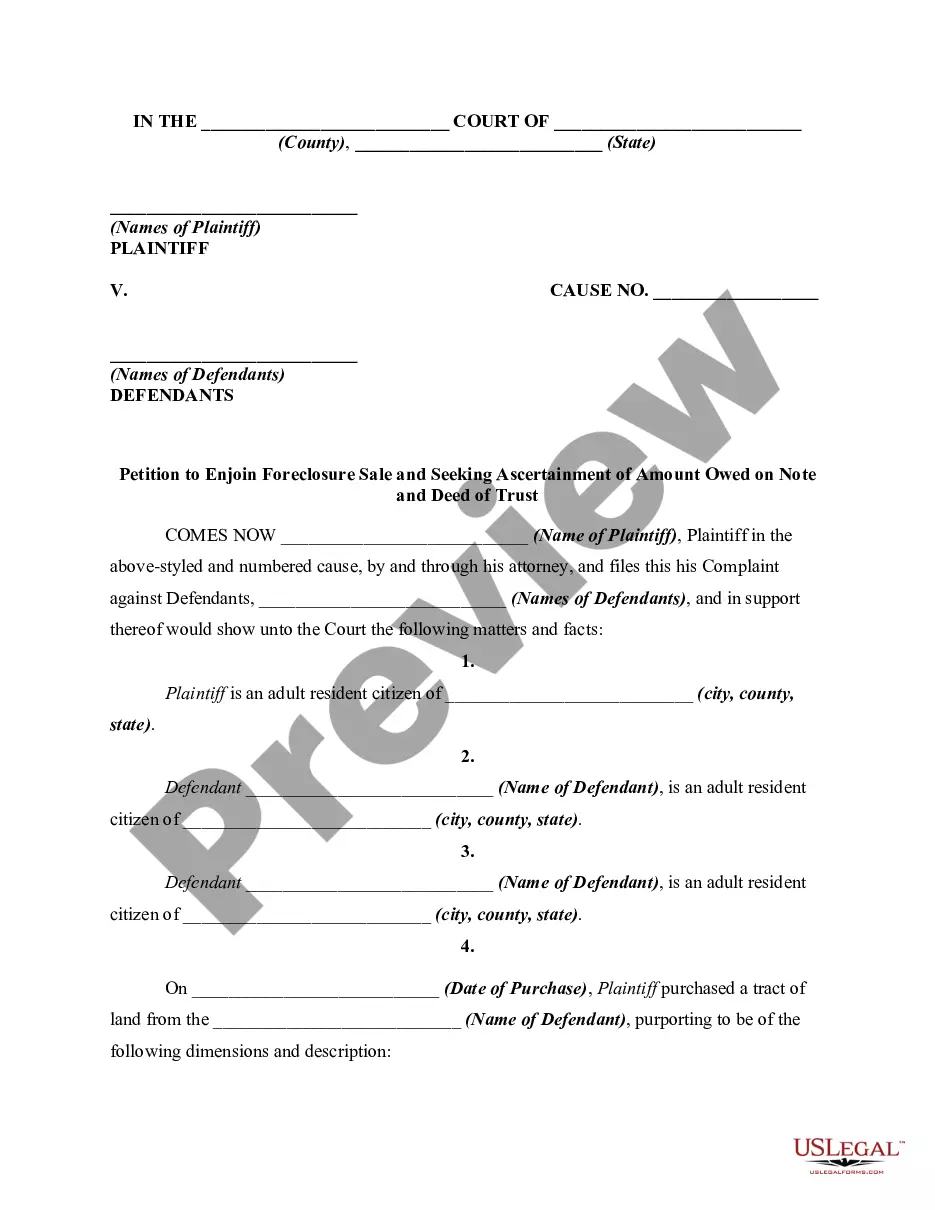
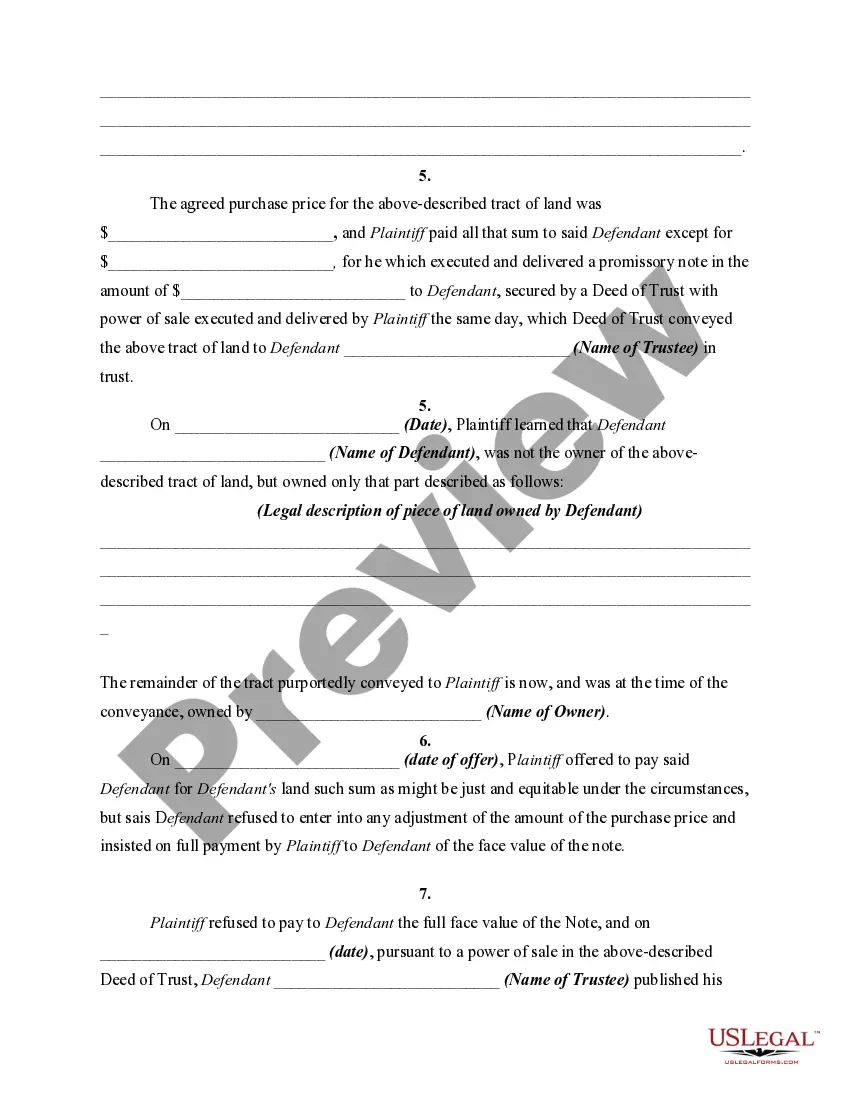
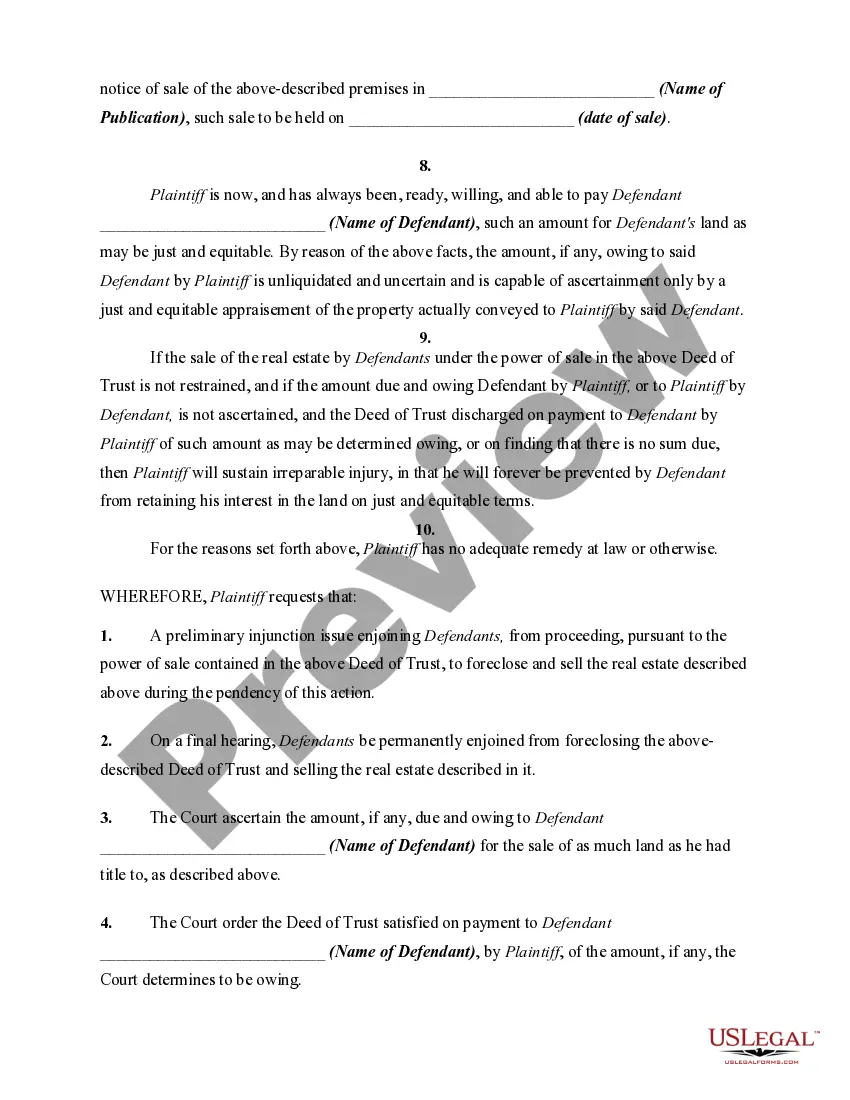
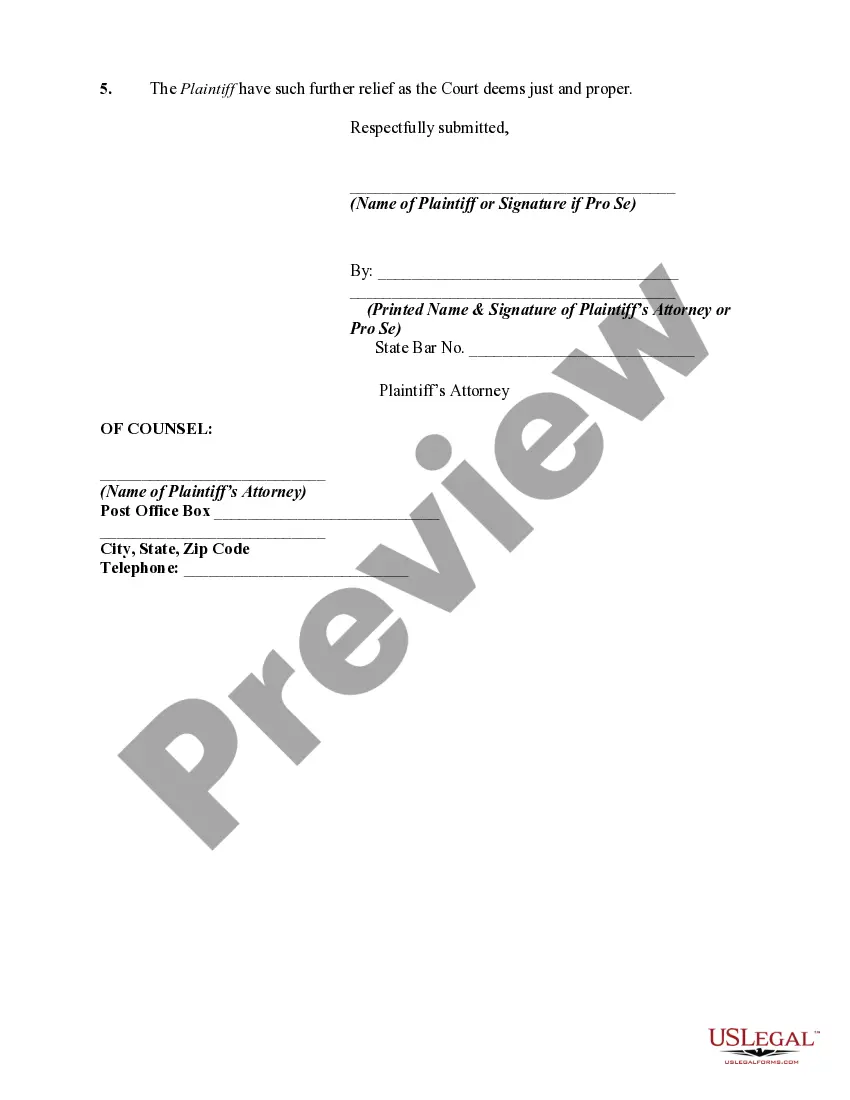
How to fill out Petition To Enjoin Foreclosure Sale And Seeking Ascertainment Of Amount Owed On Note And Deed Of Trust?
- Log in to your US Legal Forms account if you're a returning user. Check your subscription status and renew if necessary.
- For first-time users, start by exploring the preview mode to find a foreclosure form that suits your requirements and adheres to local laws.
- If the perfect form isn’t available, utilize the search feature at the top to find alternative templates.
- Select the desired form and click 'Buy Now' to choose your subscription plan, creating an account if it's your first visit.
- Complete your purchase by entering payment information or using your PayPal account.
- Once payment is processed, download the form to your device and access it anytime from the 'My Forms' section of your profile.
By following these steps, you can easily obtain the legal documents necessary for navigating the foreclosure process. US Legal Forms not only provides a substantial collection of forms but also ensures they are easily fillable and editable.
Don’t wait any longer; get started with US Legal Forms today and enhance your legal document creation experience!
Form popularity
FAQ
Yes, a foreclosed house can be a great investment if you are prepared to handle the associated risks. These properties are often sold at lower prices than typical homes, allowing for potential equity gain. However, ensure that you evaluate the home's condition and any repairs needed. Platforms like USLegalForms can assist you in understanding the legal implications involved in purchasing a foreclosed house.
Accessing foreclosures typically involves several strategies, such as monitoring real estate websites, attending auctions, and working with real estate agents. Many online platforms list foreclosures, providing comprehensive details. Utilizing USLegalForms can also guide you through the legal processes associated with viewing and purchasing foreclosures. It is vital to stay informed about local listings for the best opportunities.
To buy a foreclosed home, you generally need a credit score of at least 620, but some lenders may be more flexible. A higher score, above 700, often results in better financing options. Maintaining a strong credit profile can be beneficial when applying for a mortgage on a foreclosure. Consider using resources like USLegalForms to learn about the specifics of mortgage applications.
Banks typically list foreclosures on their official websites, where you can find a complete inventory of properties they own. Additionally, many financial institutions partner with real estate websites to showcase these listings. You can also check local real estate agents who specialize in foreclosures. Using USLegalForms can help you navigate documents and processes related to purchasing foreclosures.
Foreclosure is a legal process where a lender takes control of a property due to the owner's failure to make mortgage payments. This process can end with the home being sold at auction. Understanding foreclosures helps potential buyers navigate the risks and opportunities in the real estate market. Being informed positions you better for future investments.
You can check public records to see if a property is in foreclosure. Local county offices usually maintain these records, where you can gather valuable information about the status of a home. Additionally, online real estate platforms often provide details on foreclosures. Staying proactive will allow you to find properties before they hit the market.
Foreclosures can be a great opportunity to find homes at lower prices. However, they may come with risks, such as needed repairs, legal issues, or complex purchasing processes. It is crucial to conduct thorough inspections and understand the foreclosure process before making a decision. Educating yourself on foreclosures can help you make an informed choice.
The six phases of foreclosure typically include: 1) Default notice, where the lender notifies the homeowner; 2) Foreclosure filing, where legal action begins; 3) Court hearings or auction scheduling; 4) Auction, where the property is sold; 5) Redemption period, offering the homeowner a chance to retrieve the property; and 6) Eviction, if the property is not redeemed. Understanding these phases is critical, and resources from uslegalforms can help homeowners navigate each step.
While it is technically possible for lenders to start foreclosure proceedings within 60 days of non-payment, most lenders prefer to wait at least 90 to 120 days. This additional time allows for communication and potential negotiation for repayment options. For homeowners, being proactive in addressing missed payments may prevent an expedited path towards foreclosure.
In Tennessee, foreclosures usually follow a non-judicial process, which means lenders can sell the property without court involvement. Once the homeowner defaults, lenders must provide notice and then allow a grace period before auctioning the property, often within about 2 months. Understanding this timeline and the implications of non-payment is crucial for homeowners to avoid unnecessary complications.