Petition Civil Procedure For Dummies
Description
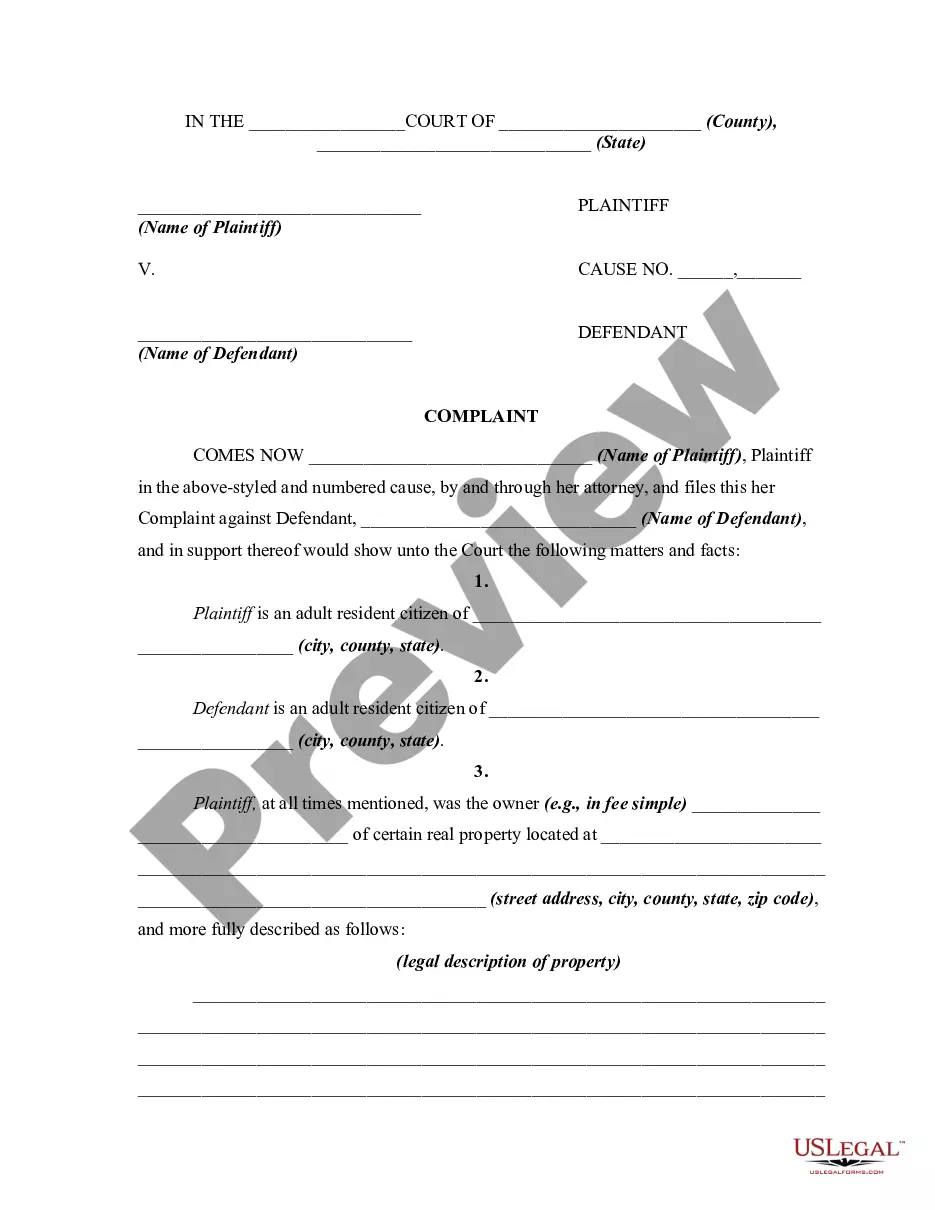
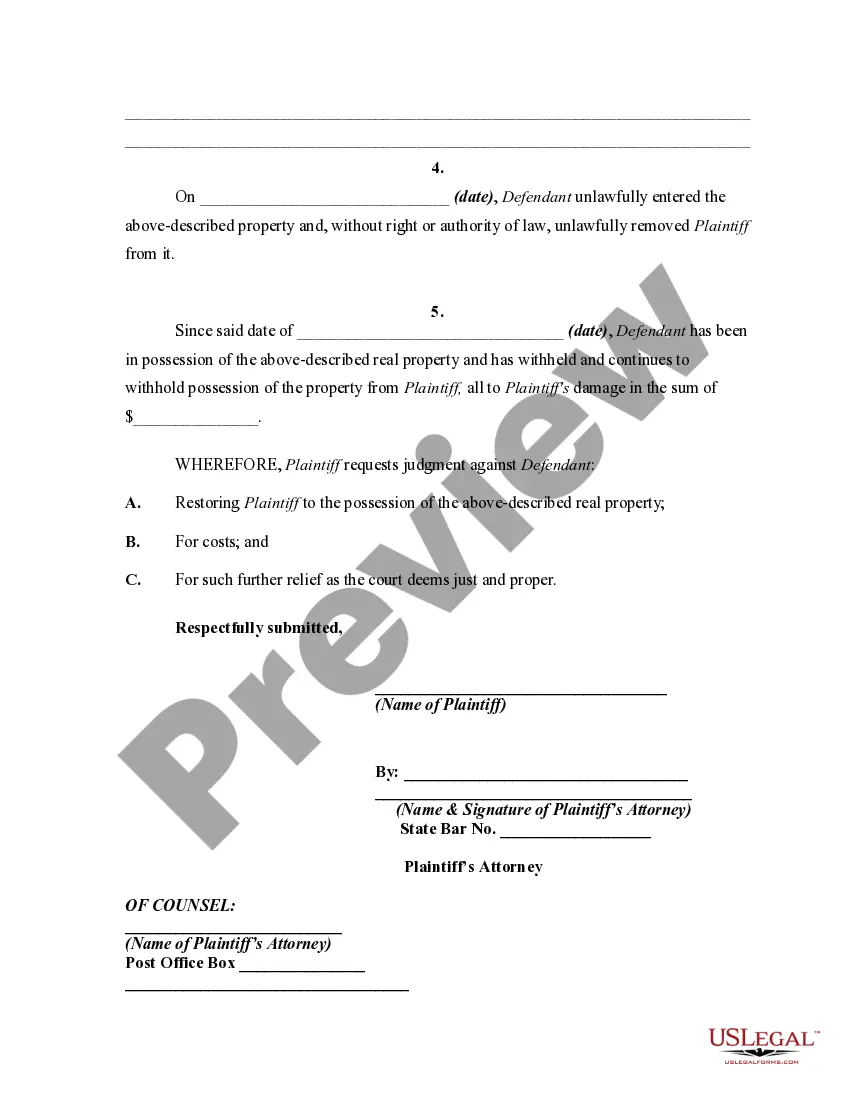
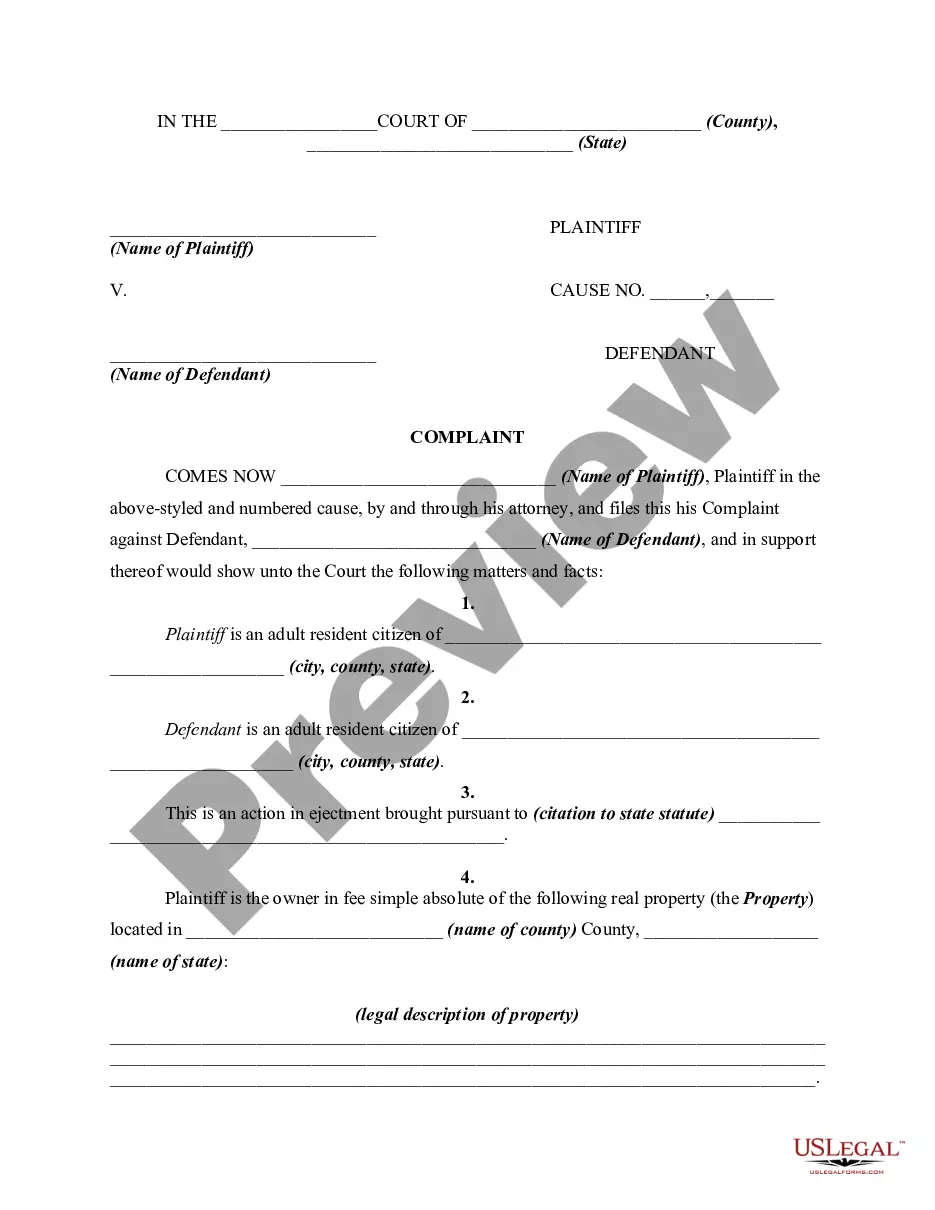
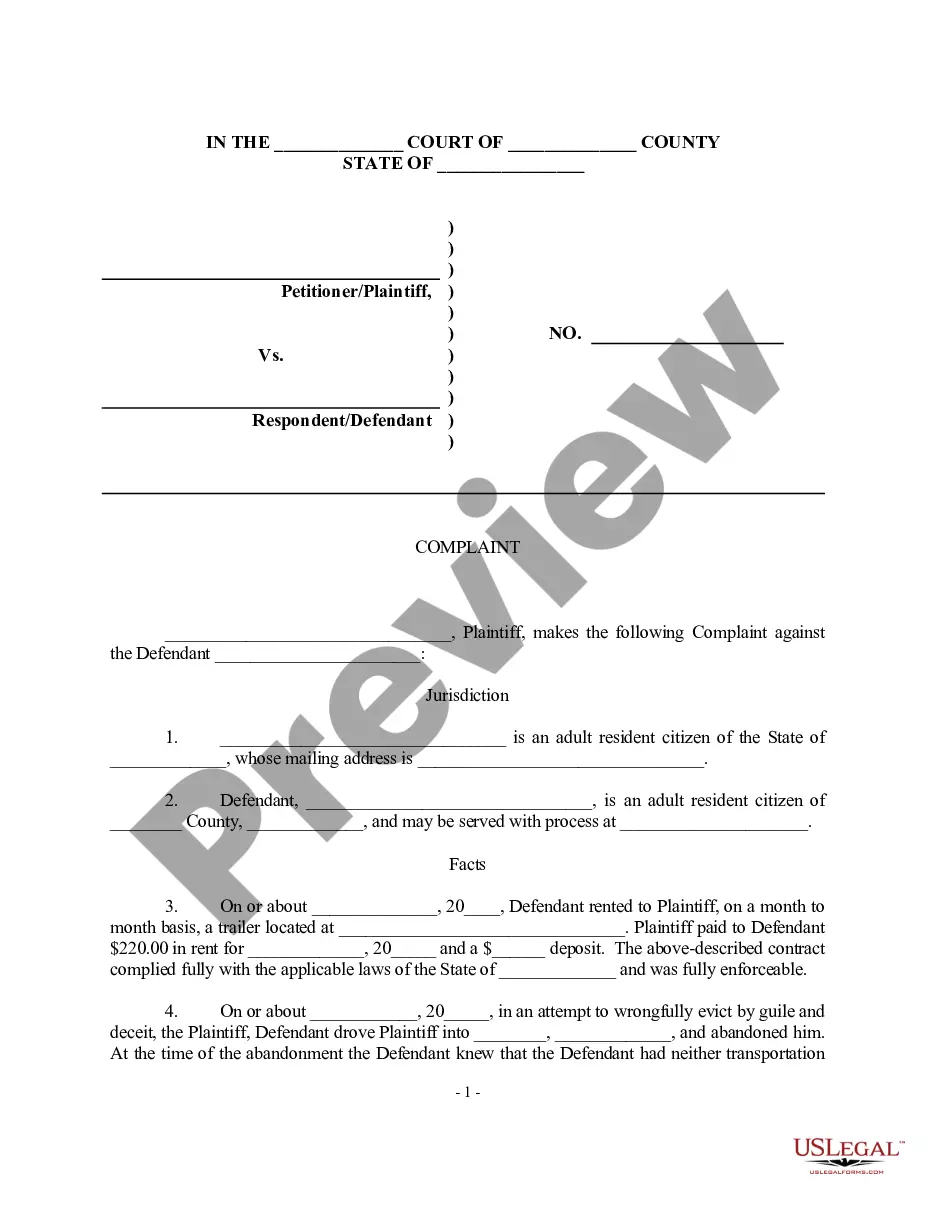
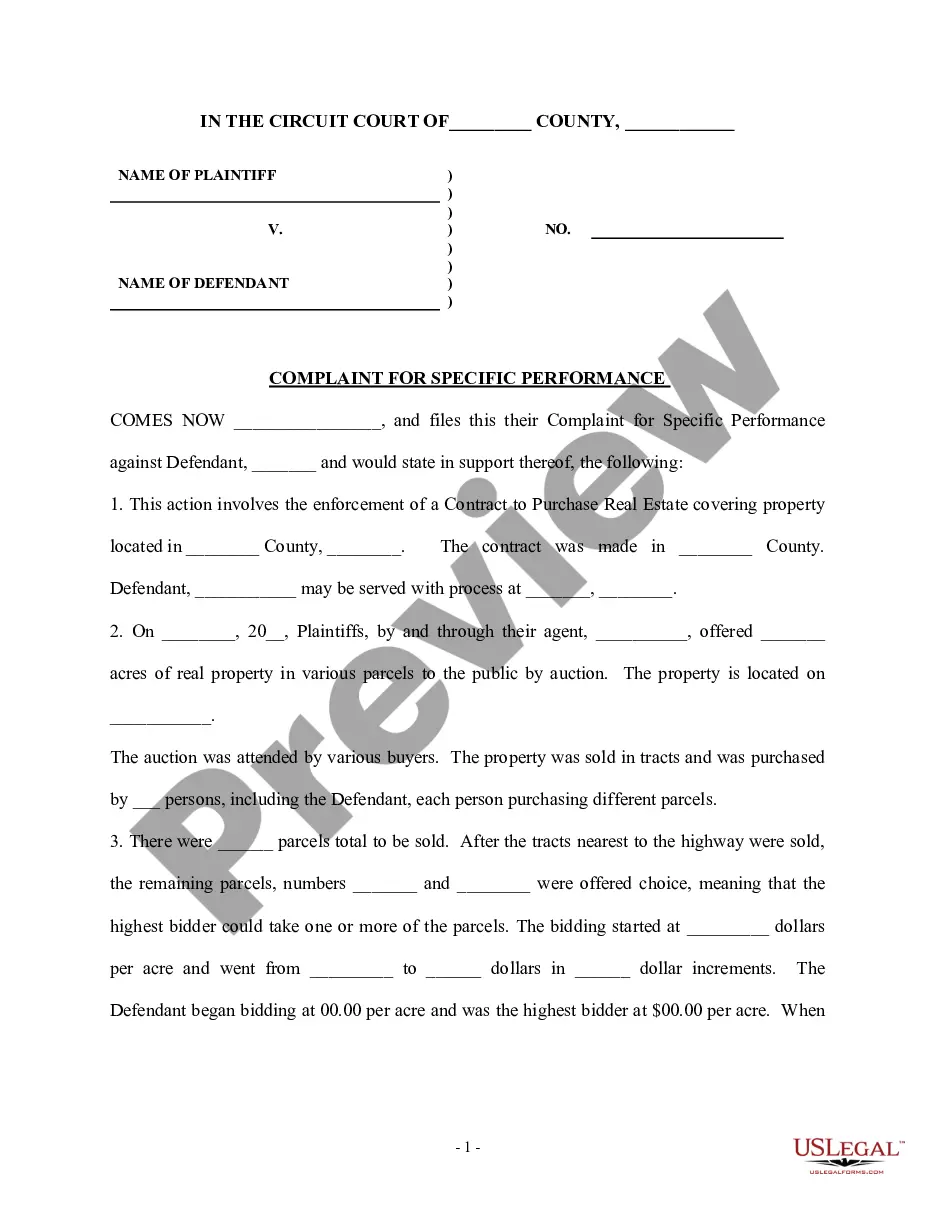
Get your form ready online
Our built-in tools help you complete, sign, share, and store your documents in one place.
Make edits, fill in missing information, and update formatting in US Legal Forms—just like you would in MS Word.
Download a copy, print it, send it by email, or mail it via USPS—whatever works best for your next step.
Sign and collect signatures with our SignNow integration. Send to multiple recipients, set reminders, and more. Go Premium to unlock E-Sign.
If this form requires notarization, complete it online through a secure video call—no need to meet a notary in person or wait for an appointment.
We protect your documents and personal data by following strict security and privacy standards.

Make edits, fill in missing information, and update formatting in US Legal Forms—just like you would in MS Word.

Download a copy, print it, send it by email, or mail it via USPS—whatever works best for your next step.

Sign and collect signatures with our SignNow integration. Send to multiple recipients, set reminders, and more. Go Premium to unlock E-Sign.

If this form requires notarization, complete it online through a secure video call—no need to meet a notary in person or wait for an appointment.

We protect your documents and personal data by following strict security and privacy standards.
Looking for another form?
How to fill out General Form Of Complaint, Petition, Or Declaration For Ejectment?
Managing legal paperwork and processes can be a lengthy addition to your day. Petition Civil Procedure For Dummies and similar forms often necessitate you to look for them and figure out how to fill them out correctly.
Therefore, whether you are attending to financial, legal, or personal issues, having a comprehensive and user-friendly online directory of forms readily available will greatly assist you.
US Legal Forms is the leading online source of legal templates, featuring over 85,000 state-specific forms and a variety of tools to help you finalize your documents swiftly.
Explore the assortment of pertinent documents accessible to you with just a single click.
Then, follow the steps outlined below to complete your form: Ensure you have the correct form using the Review feature and examining the form description. Select Buy Now when ready, and choose the monthly subscription plan that fits your needs. Click Download, then fill out, eSign, and print the form. US Legal Forms boasts twenty-five years of experience aiding users in managing their legal documents. Find the form you need today and simplify any process effortlessly.
- US Legal Forms provides state- and county-specific forms that can be downloaded anytime.
- Safeguard your document management processes with a premium service that enables you to assemble any form in minutes without additional or concealed fees.
- Simply Log In to your account, locate Petition Civil Procedure For Dummies, and obtain it immediately in the My documents section.
- You can also retrieve forms you have previously downloaded.
- Is this your first time using US Legal Forms? Sign up and create an account within a few minutes, granting you access to the form directory and Petition Civil Procedure For Dummies.
Form popularity
FAQ
In many lawsuits there are several causes of action stated separately, such as fraud, breach of contract, and debt, or negligence and intentional destruction of property.
The three most common civil cases are tort claims, contract breaches and landlord/tenant issues. Tort Claim - An act committed by one person that causes harm to another. Tort cases can take many different forms, and can relate to a person's personal safety, safety of their property, and financial security.
In order to properly write a cause of action, several things must be included. The names of the Plaintiff and Defendant. The legal means by which the Plaintiff is bringing the lawsuit. Be sure to only include the facts, not opinions. ... Offer expert opinions and lay out the evidence. ... Request of relief.
Timeline of How to File a Lawsuit Step 1: File a Complaint. Plaintiff files a complaint and summons with the local county court. ... Step 2: Answer Complaint. ... Step 3: Discovery. ... Step 4: Failing to Respond to Discovery. ... Step 5: Conclusion of Lawsuit.
These "joined" heirs are commonly known as ?nominal defendants?. Wrongful death heirs who bring a case can add other heirs by naming them in their lawsuit as a ?nominal defendant?. When served, these nominal defendants must answer and bring their claim as one action with the other wrongful death heirs.