Complaint Civil Procedure For Summary Judgment
Description
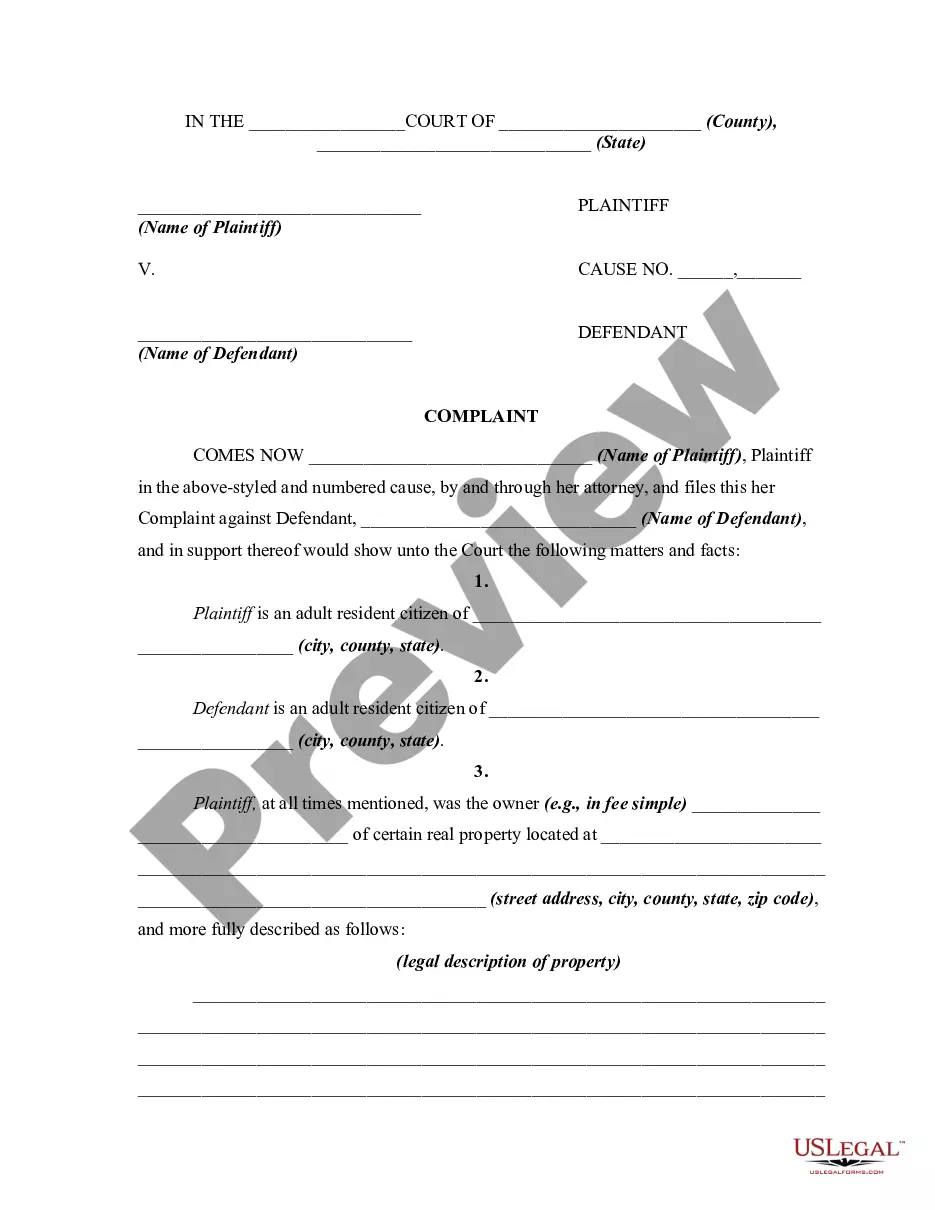
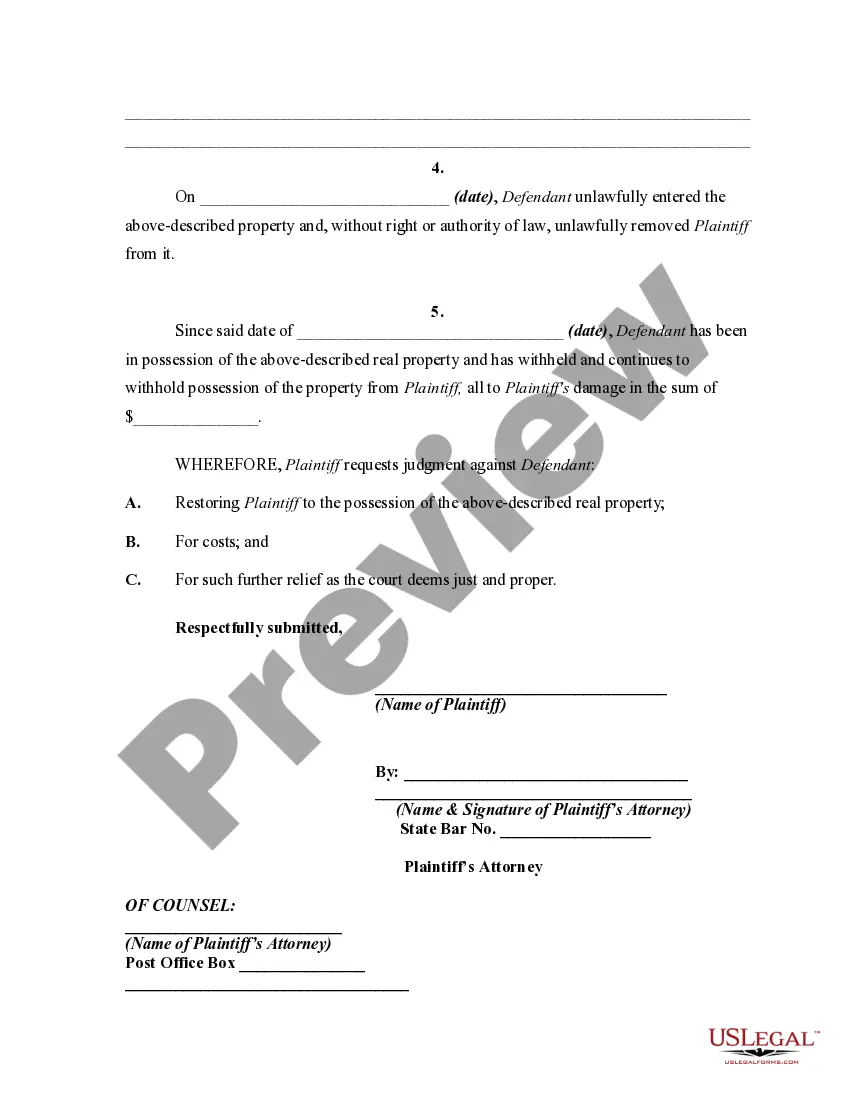

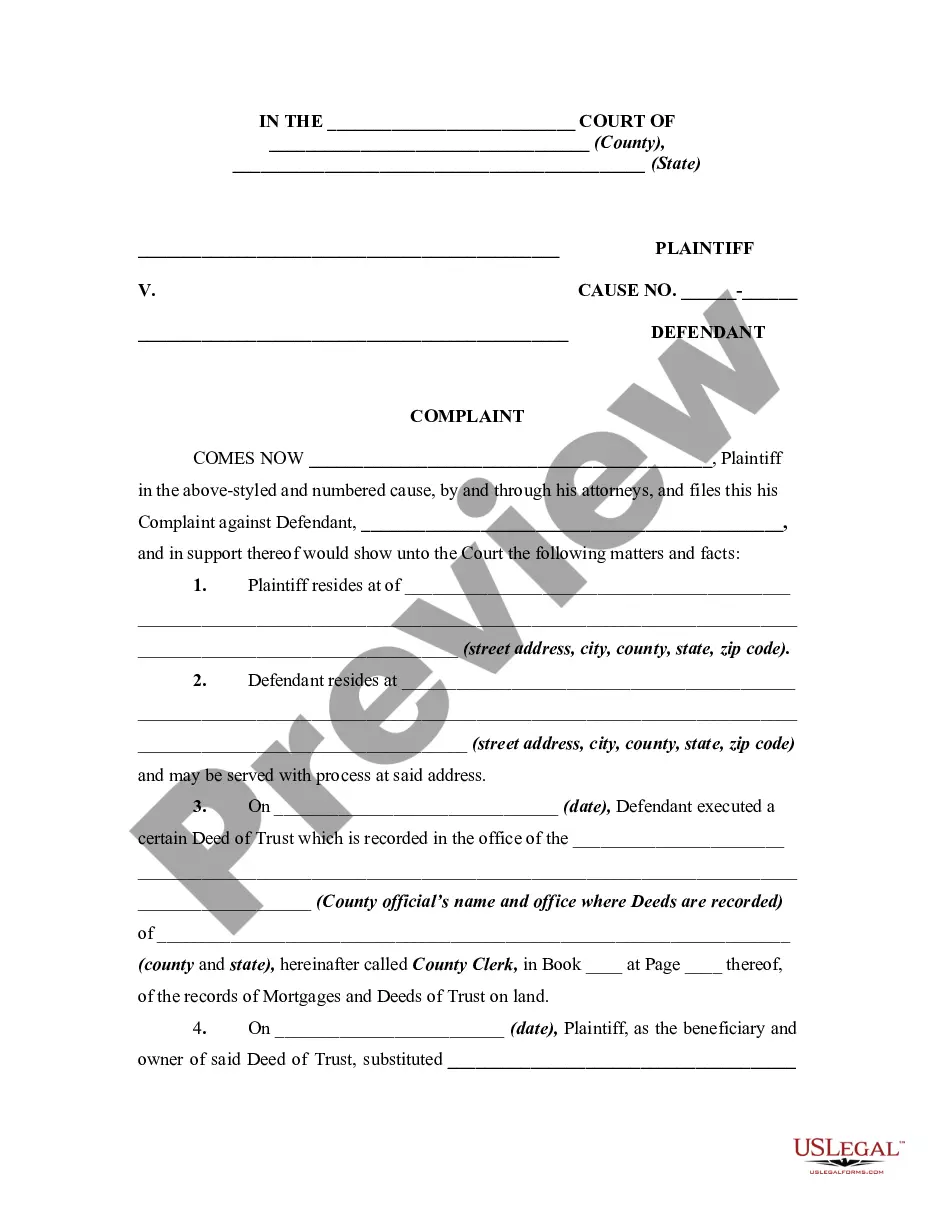
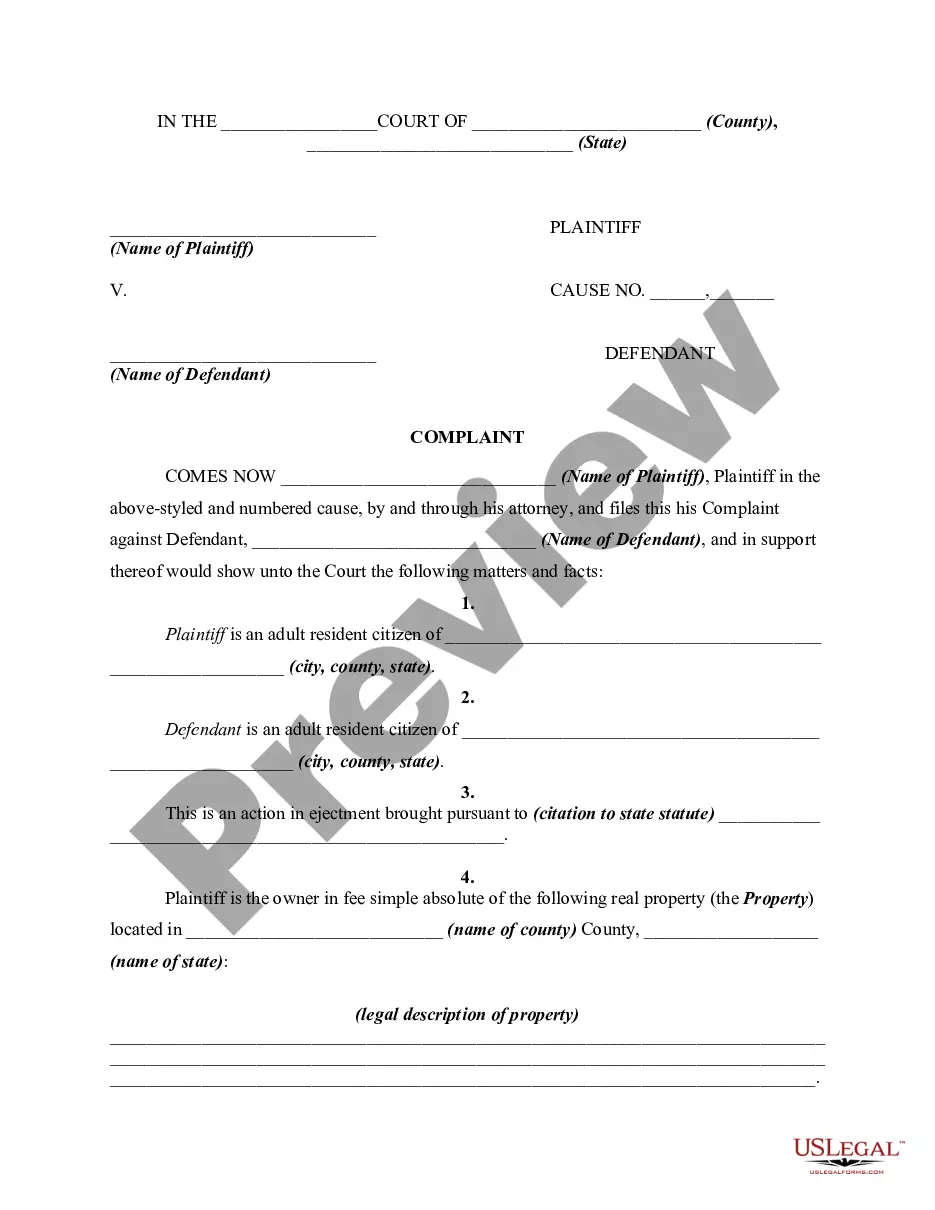
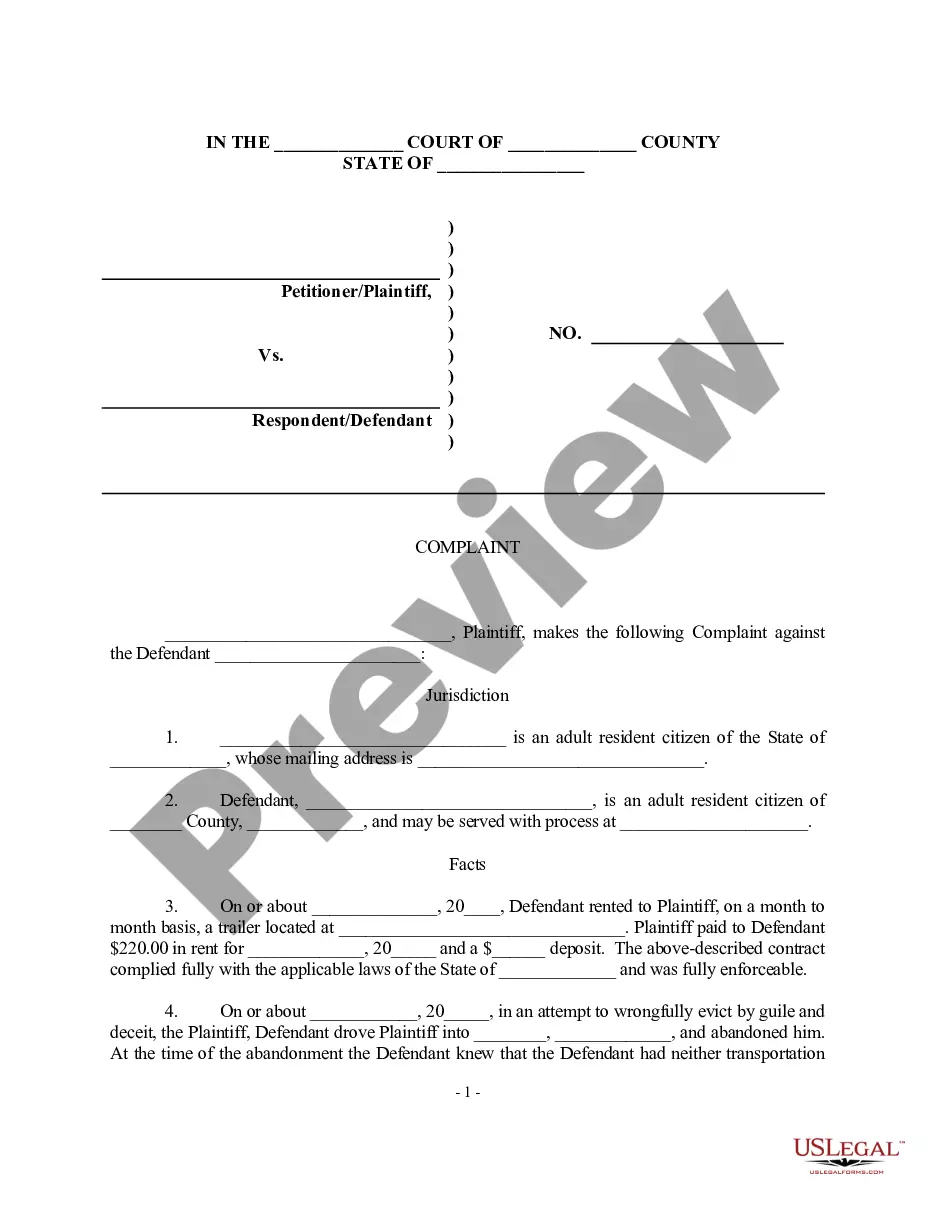
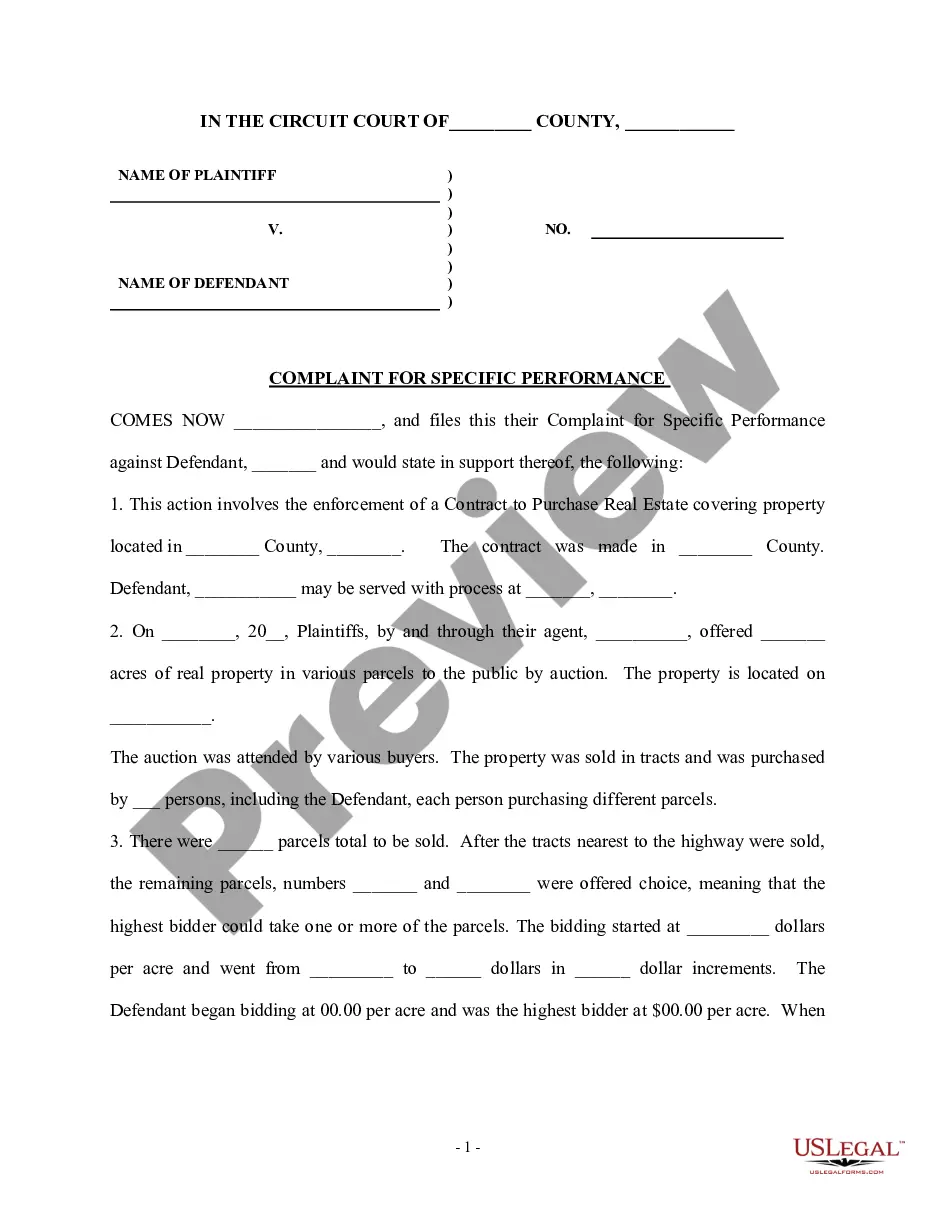
Get your form ready online
Our built-in tools help you complete, sign, share, and store your documents in one place.
Make edits, fill in missing information, and update formatting in US Legal Forms—just like you would in MS Word.
Download a copy, print it, send it by email, or mail it via USPS—whatever works best for your next step.
Sign and collect signatures with our SignNow integration. Send to multiple recipients, set reminders, and more. Go Premium to unlock E-Sign.
If this form requires notarization, complete it online through a secure video call—no need to meet a notary in person or wait for an appointment.
We protect your documents and personal data by following strict security and privacy standards.

Make edits, fill in missing information, and update formatting in US Legal Forms—just like you would in MS Word.

Download a copy, print it, send it by email, or mail it via USPS—whatever works best for your next step.

Sign and collect signatures with our SignNow integration. Send to multiple recipients, set reminders, and more. Go Premium to unlock E-Sign.

If this form requires notarization, complete it online through a secure video call—no need to meet a notary in person or wait for an appointment.

We protect your documents and personal data by following strict security and privacy standards.
Looking for another form?





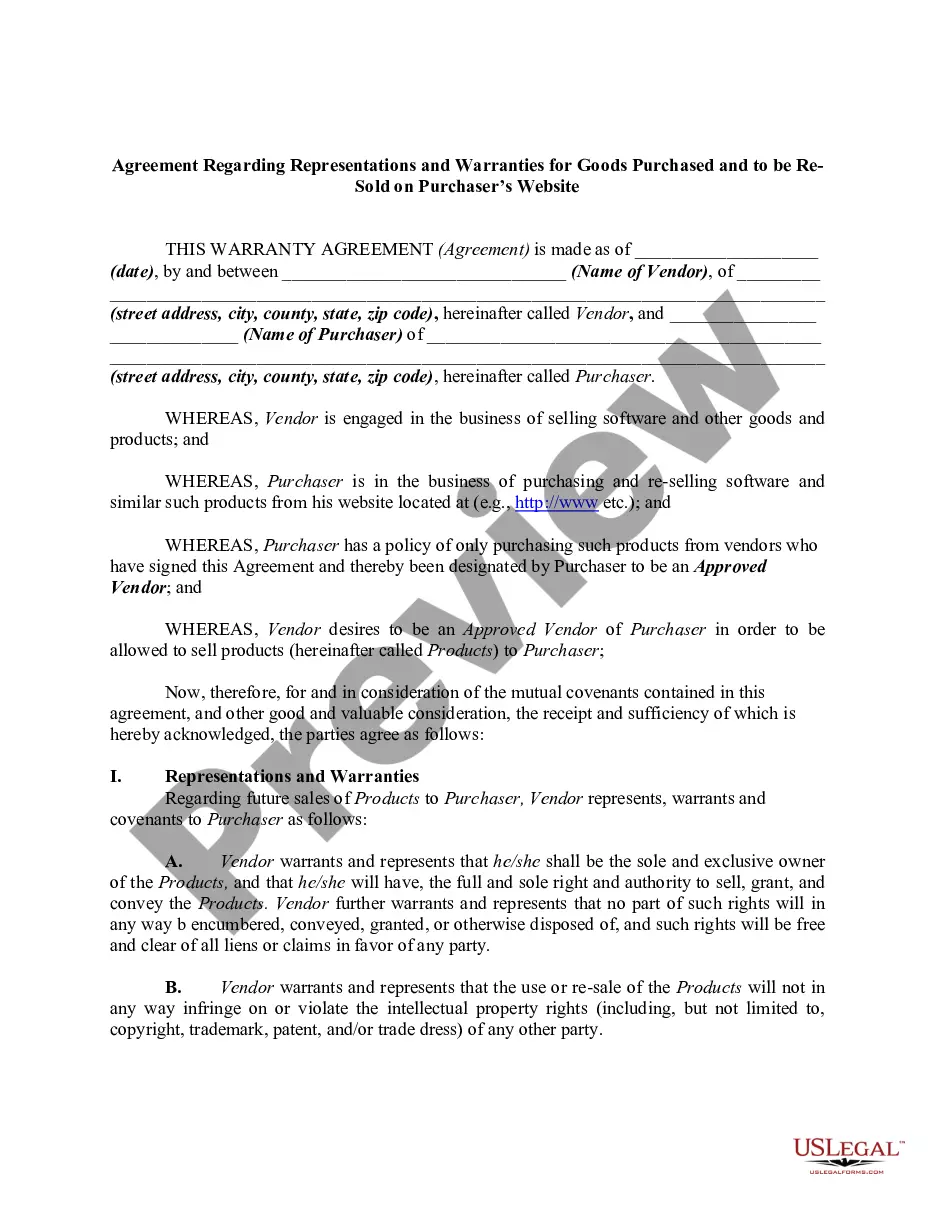

How to fill out General Form Of Complaint, Petition, Or Declaration For Ejectment?
It’s common knowledge that you cannot become a legal authority instantly, nor can you learn to swiftly create Complaint Civil Procedure For Summary Judgment without possessing a specialized skill set.
Drafting legal paperwork is a lengthy endeavor that necessitates specific training and expertise. So why not entrust the creation of the Complaint Civil Procedure For Summary Judgment to the professionals.
With US Legal Forms, one of the most comprehensive legal document repositories, you can find anything from court filings to templates for internal communications. We understand how crucial it is to comply with federal and state laws and regulations.
Create a free account and select a subscription plan to purchase the template.
Click Buy now. Once the purchase is completed, you can retrieve the Complaint Civil Procedure For Summary Judgment, fill it out, print it, and send or deliver it to the relevant individuals or organizations.
- That’s why, on our platform, all templates are tailored to specific locations and are current.
- Here’s how you can begin using our platform and obtain the form you need in just a few minutes.
- Locate the document you require by utilizing the search bar at the top of the page.
- View it (if this option is available) and review the accompanying description to see if Complaint Civil Procedure For Summary Judgment is what you need.
- If you need another template, start your search again.
Form popularity
FAQ
In a summary judgment, one party may contend there are no facts that need to be decided, or the parties may agree on what the facts are. Either side (and sometimes both sides) may bring a motion for summary judgment arguing that they are entitled to a judgment in their favor without a trial.
In India, Rule 3 of Order XIIIA CPC empowers the Court to give a summary judgment. The court is to grant a summary judgement on a claim only if it considers that the plaintiff or the defendant, as the case may be, has no real prospect of succeeding on the claim.
Stated differently, to successfully defend against summary judgment the non-moving party (you) should seek to demonstrate that indeed there are material facts in dispute. Alternatively, the non-moving party (you) can argue that the undisputed facts support a judgment as a matter of law in your favor.
Examples of summary judgement motions John says that Linda ran a red light and caused the crash. John happens to have a video of Linda running the red light and crashing into him. John's attorney files a motion for summary judgment claiming that: There are no material facts that can be reasonably disputed.
While a summary judgment motion is not a substitute for trial, it is a tool that allows courts to weed out cases that do not need a trial to be resolved. It also allows the court to simplify and streamline the case so that trial is more efficient and focused on the areas of actual dispute.