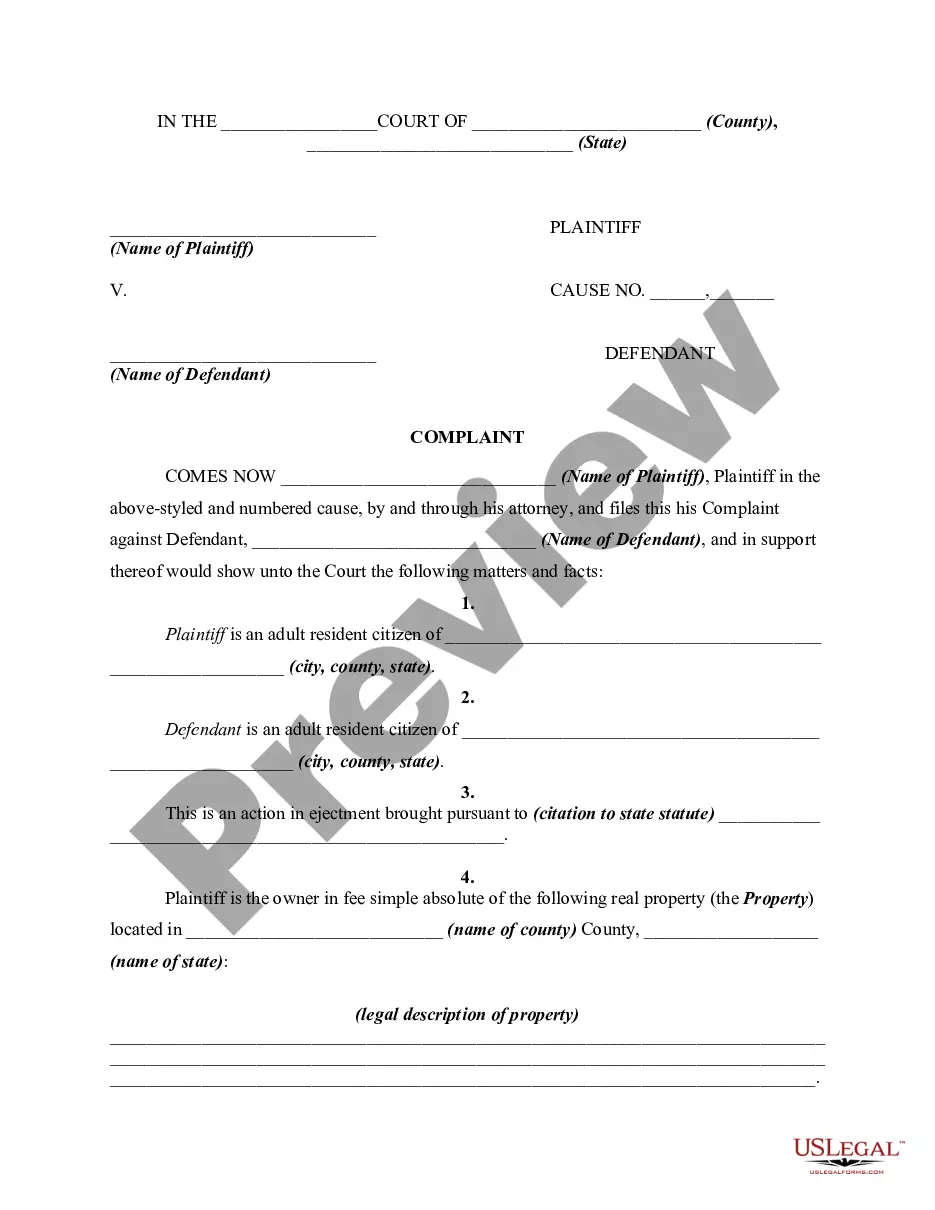
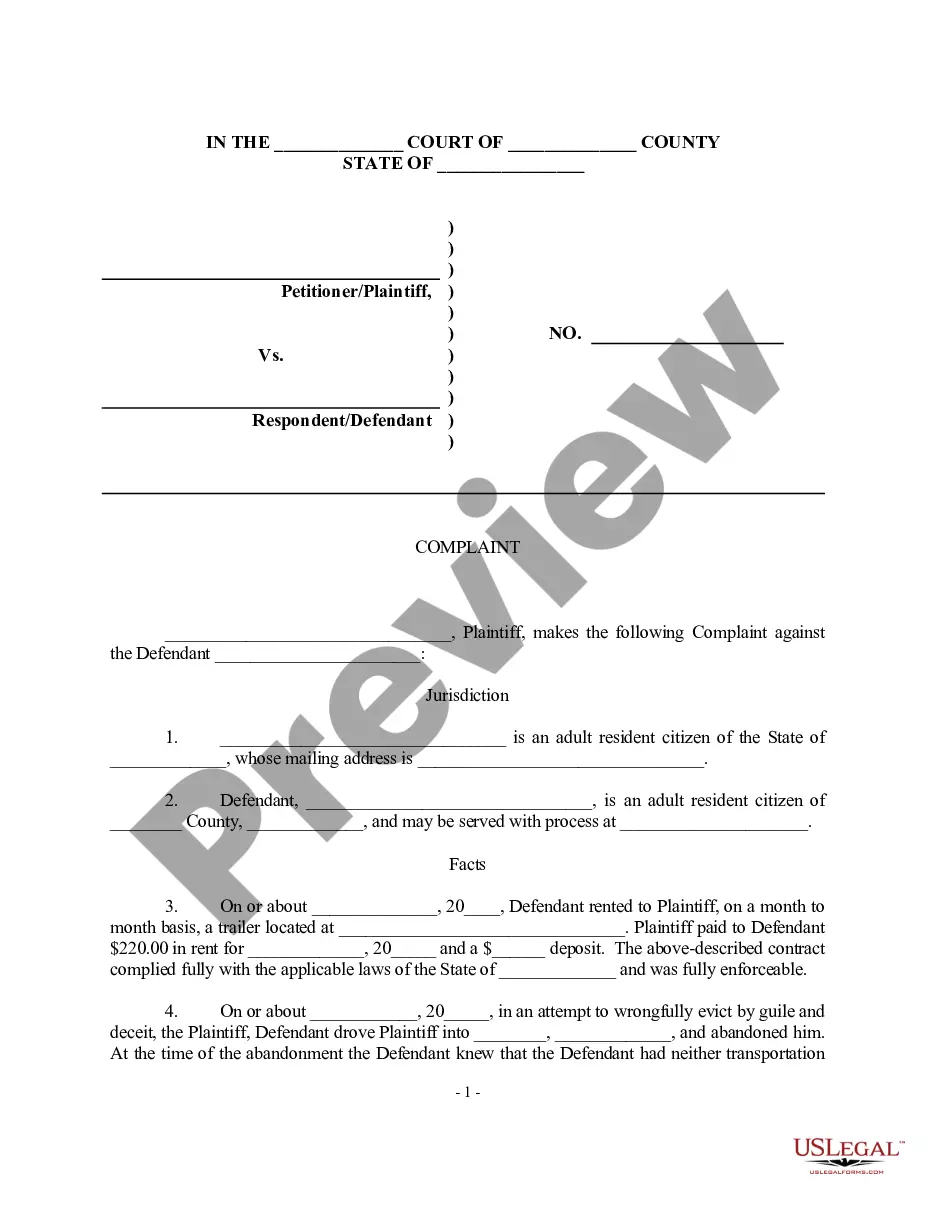
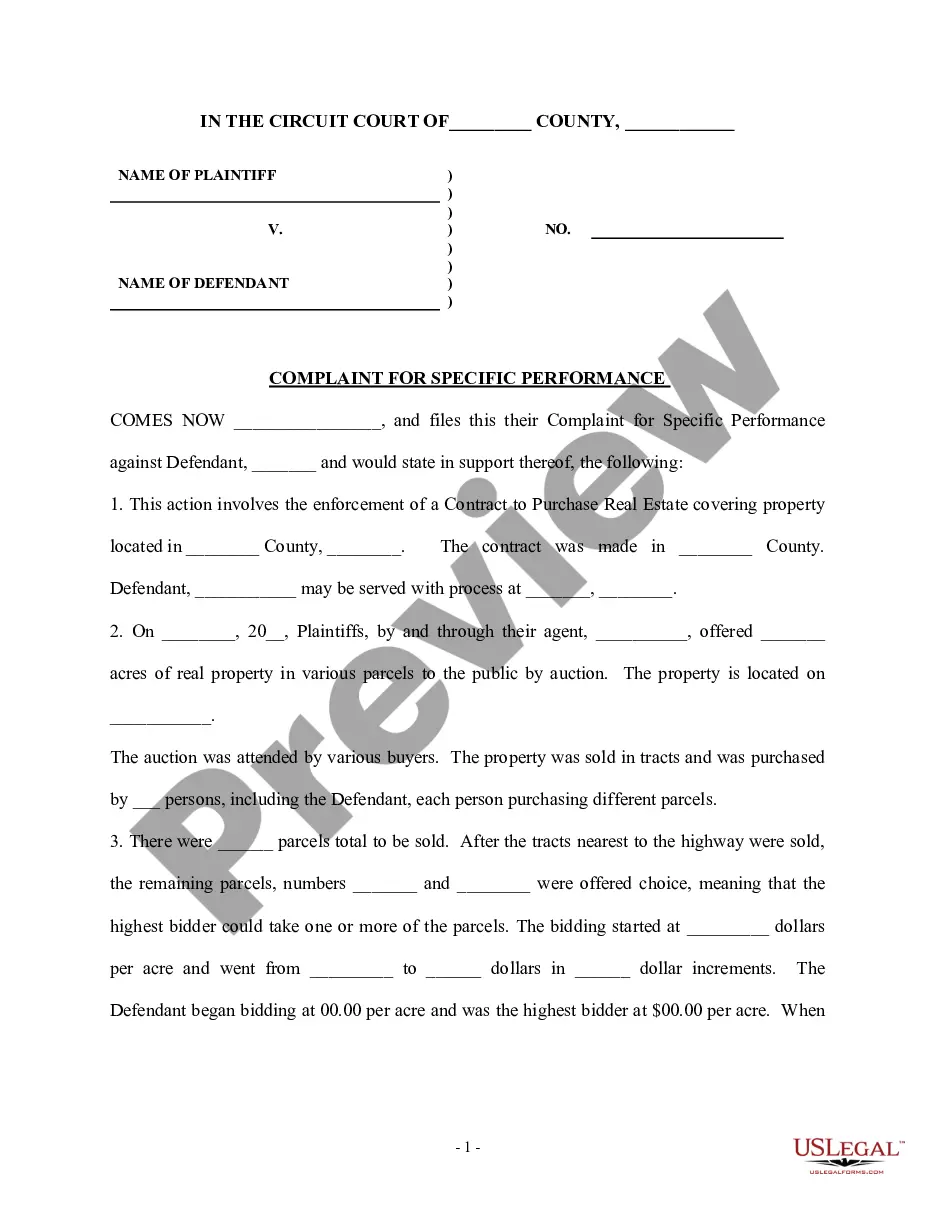
Complaint Civil Procedure For Dummies
Description
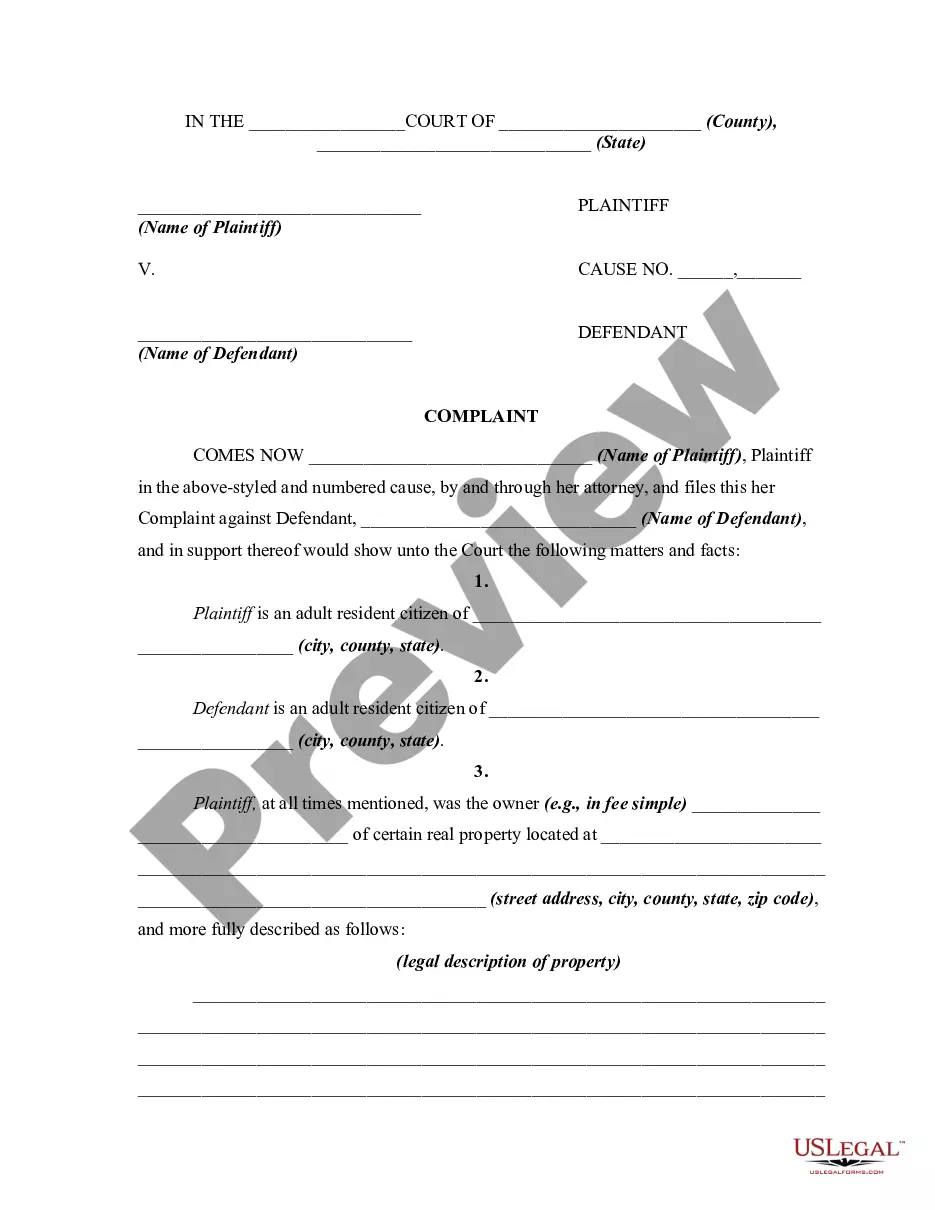
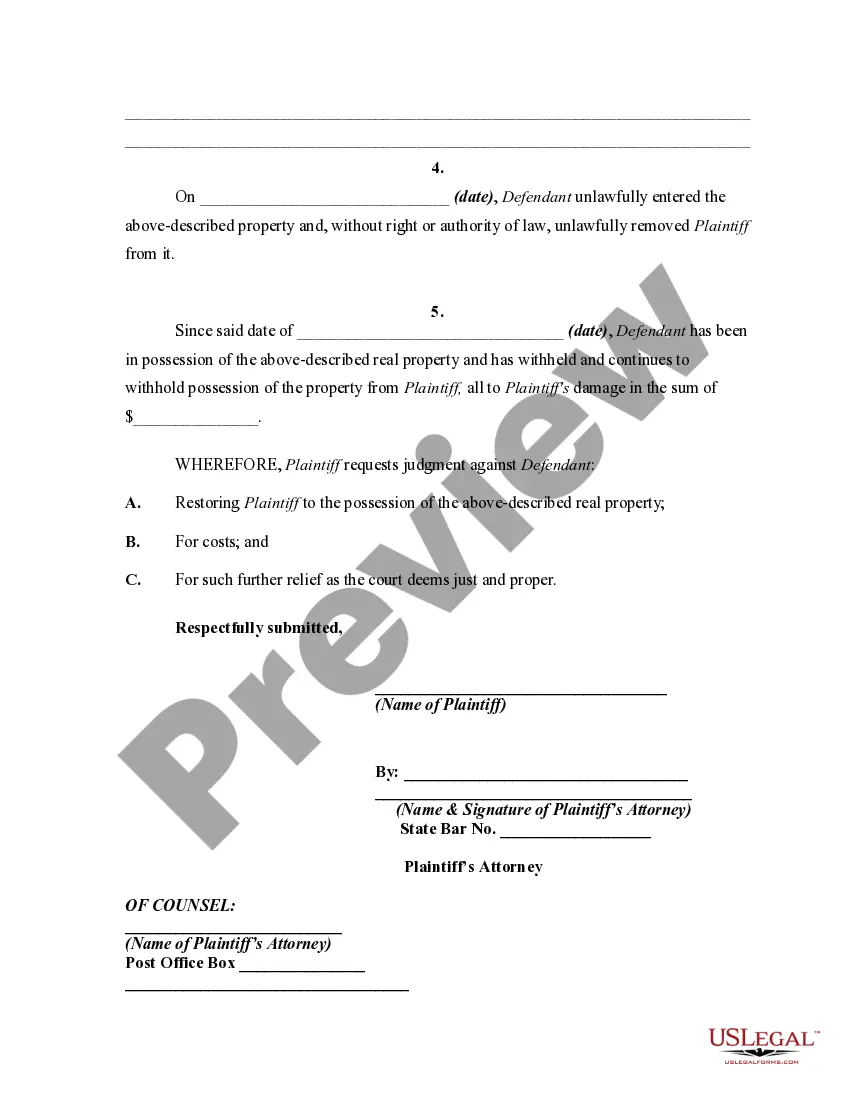
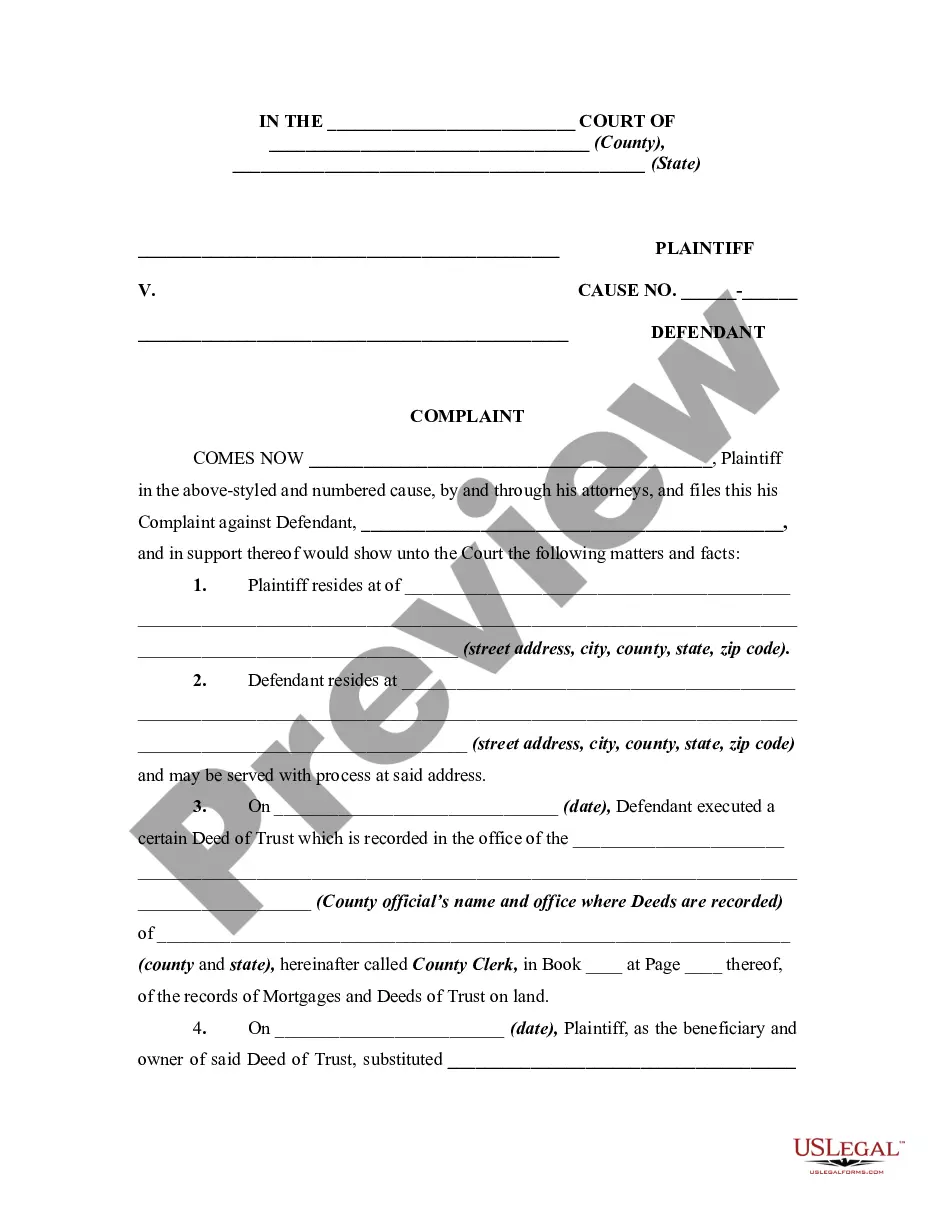
Get your form ready online
Our built-in tools help you complete, sign, share, and store your documents in one place.
Make edits, fill in missing information, and update formatting in US Legal Forms—just like you would in MS Word.
Download a copy, print it, send it by email, or mail it via USPS—whatever works best for your next step.
Sign and collect signatures with our SignNow integration. Send to multiple recipients, set reminders, and more. Go Premium to unlock E-Sign.
If this form requires notarization, complete it online through a secure video call—no need to meet a notary in person or wait for an appointment.
We protect your documents and personal data by following strict security and privacy standards.

Make edits, fill in missing information, and update formatting in US Legal Forms—just like you would in MS Word.

Download a copy, print it, send it by email, or mail it via USPS—whatever works best for your next step.

Sign and collect signatures with our SignNow integration. Send to multiple recipients, set reminders, and more. Go Premium to unlock E-Sign.

If this form requires notarization, complete it online through a secure video call—no need to meet a notary in person or wait for an appointment.

We protect your documents and personal data by following strict security and privacy standards.
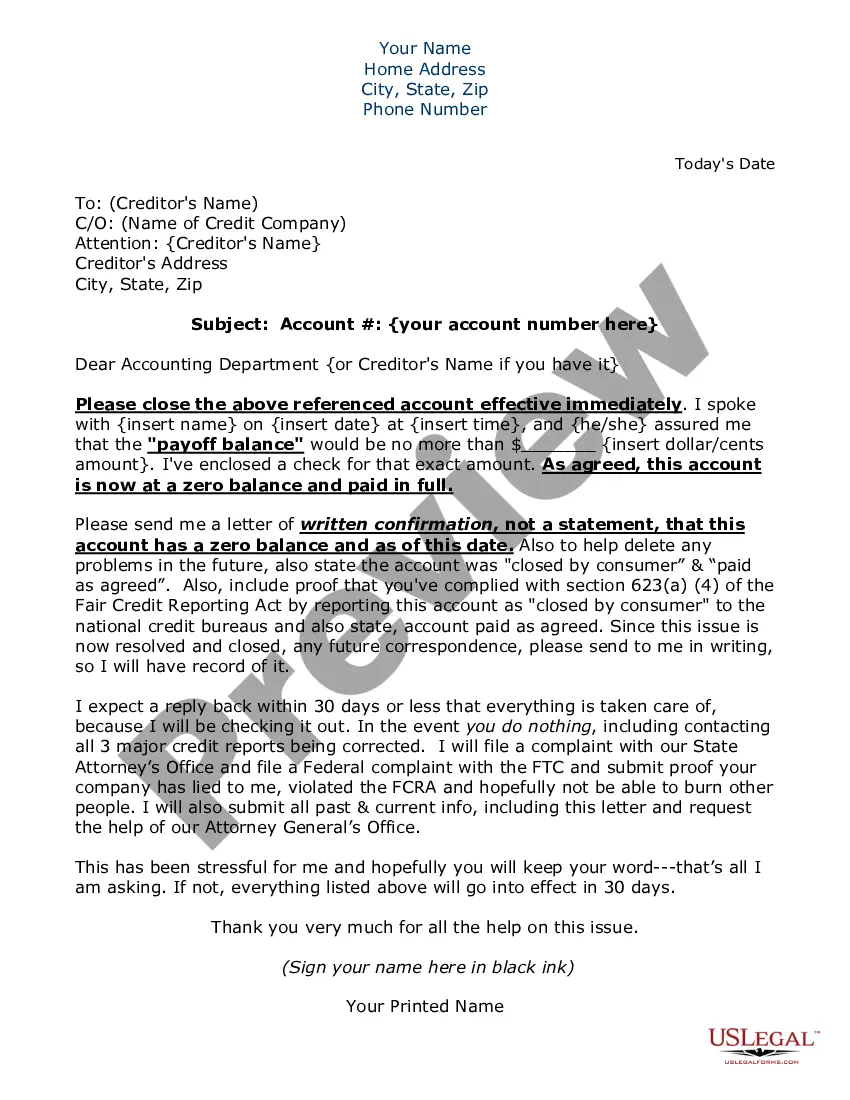
Looking for another form?




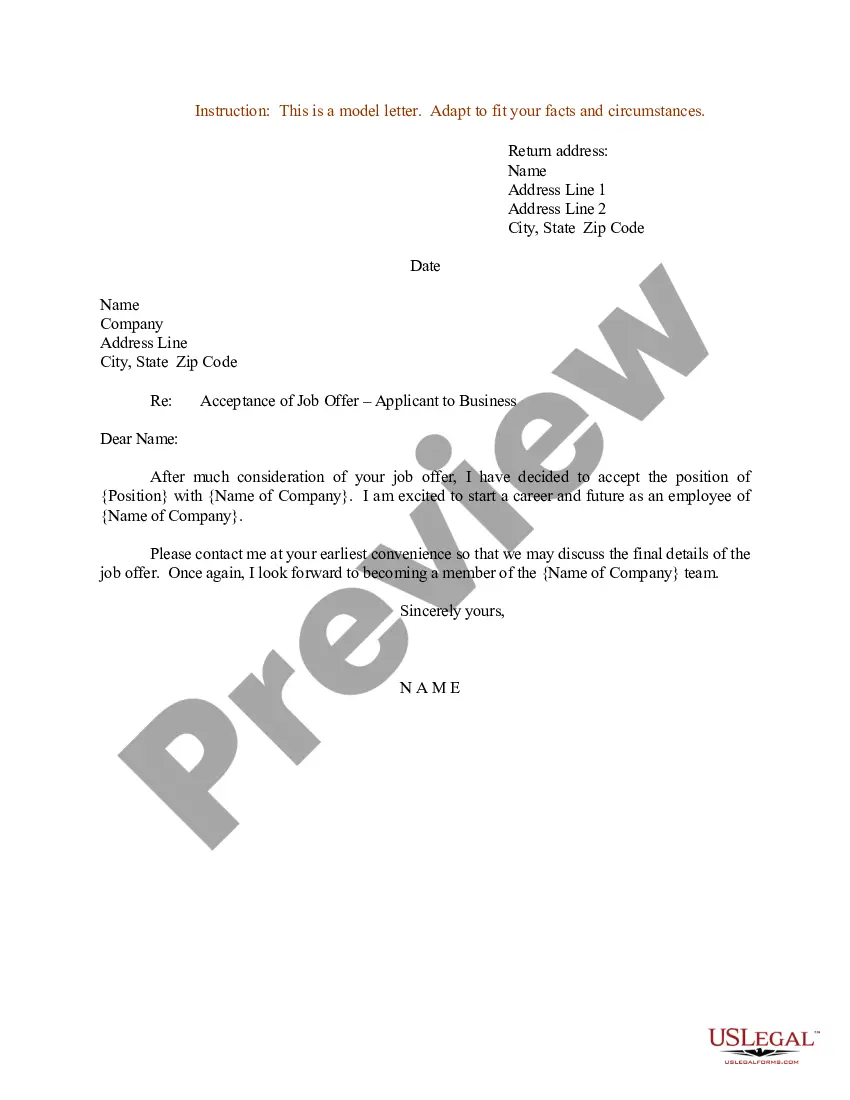


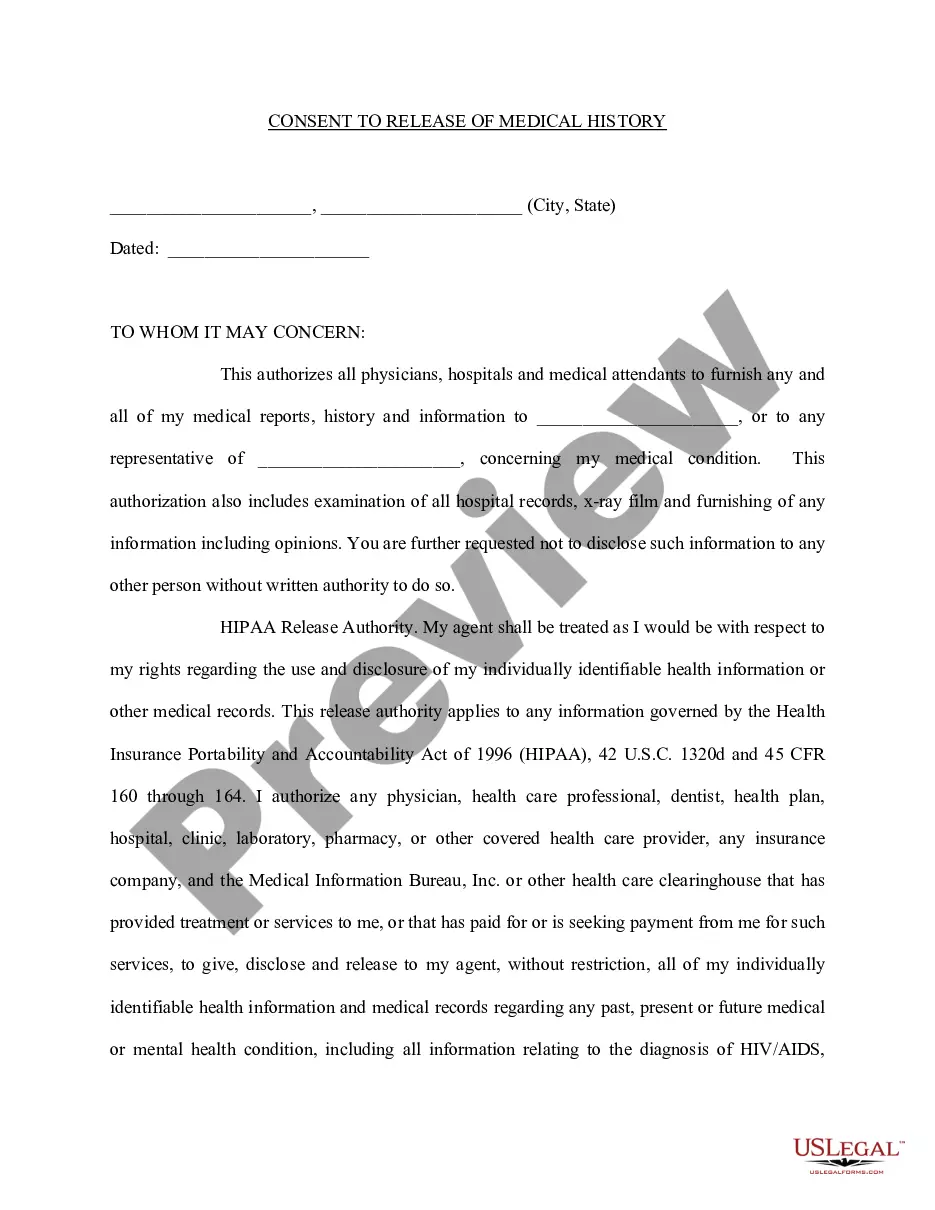
How to fill out General Form Of Complaint, Petition, Or Declaration For Ejectment?
Creating legal documents from the ground up can frequently be daunting.
Certain situations may require extensive research and significant financial investment.
If you seek a more straightforward and budget-friendly method for generating Complaint Civil Procedure For Dummies or other paperwork without unnecessary complications, US Legal Forms is always accessible.
Our online library of over 85,000 current legal forms covers nearly every dimension of your financial, legal, and personal matters. With just a few clicks, you can quickly access state- and county-specific forms meticulously prepared for you by our legal experts.
Review the document preview and descriptions to confirm that you have located the form you are seeking. Verify that the template you select aligns with the laws and regulations of your state and county. Choose the appropriate subscription option to obtain the Complaint Civil Procedure For Dummies. Download the file, then complete, sign, and print it. US Legal Forms boasts a flawless reputation and over 25 years of expertise. Join us today and simplify your document execution process!
- Utilize our platform whenever you require trustworthy and dependable services to swiftly find and download the Complaint Civil Procedure For Dummies.
- If you are familiar with our services and have previously created an account with us, simply Log In to your account, find the form, and download it or re-download it at any time from the My documents section.
- Don’t have an account? No worries. It takes minimal time to establish one and browse the catalog.
- However, before proceeding to download Complaint Civil Procedure For Dummies, heed these suggestions.
Form popularity
FAQ
Answer. An Answer is the most common way to respond to a lawsuit. ... General Denial. A General Denial is a simple response to a lawsuit. ... Demurrer. ... Motion to Quash Service of Summons. ... Motion to Strike. ... Motion to Change Venue or Transfer. ... Cross-Complaints. ... For More Information.
Elements (of a case) The existence of a legal duty that the defendant owed to the plaintiff. The defendant's breach of that duty. The plaintiff's sufferance of an injury. Proof that defendant's breach caused the injury (typically defined through proximate cause)
Comply With the Relevant Federal, State, and Local Rules. ... Research Before Writing. ... Allege Subject Matter Jurisdiction, Personal Jurisdiction, and Venue. ... Jurisdiction. ... Draft Concise and Plain Statement of the Facts. ... Factual Allegations. ... Draft Separate Counts for Each Legal Claim. ... Plead Facts With Particularity Where Necessary.
By definition, lawsuit refers to the legal process (that is, the court case) by which a court of law makes a decision on an alleged wrong (as exhibited in the statement "a complex lawsuit that may take years to resolve"), whereas complaint refers to the initial document, or pleading, submitted by a plaintiff against a ...
File an answer Filing an answer is probably the most common way of responding to a lawsuit. An answer is your opportunity to respond to the complaint's factual allegations and legal claims. It also allows you to assert "affirmative defenses," facts or legal arguments you raise to defeat plaintiff's claim.