Sooner Afford Injunction With The Law
Description
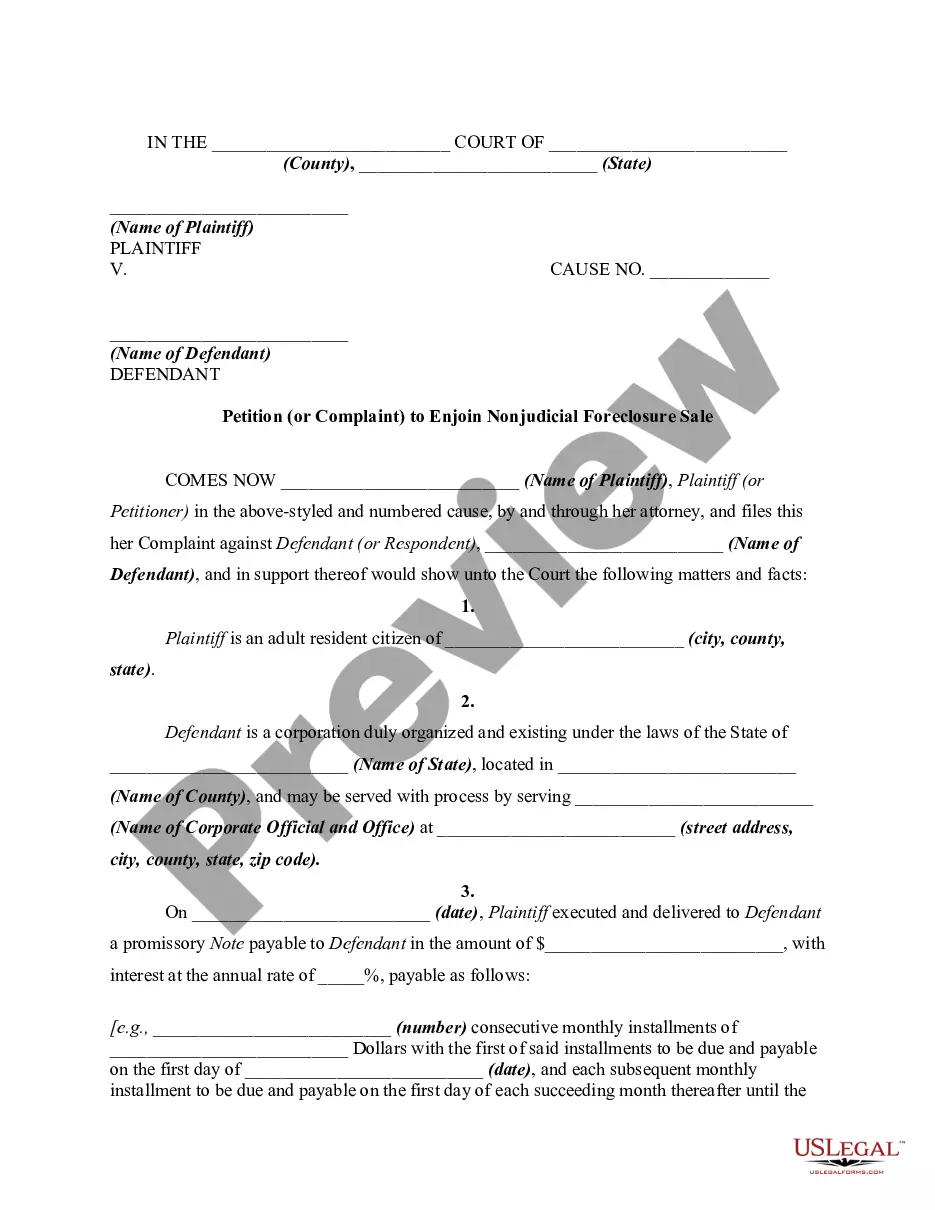
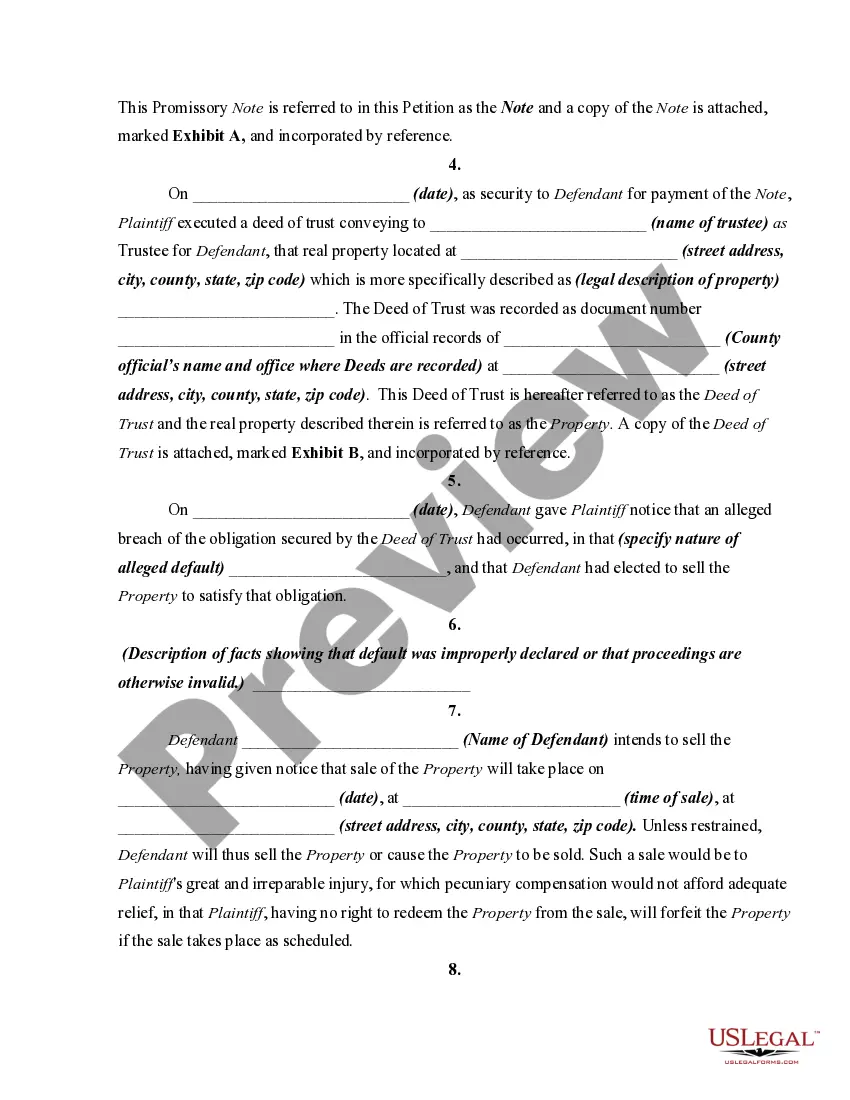
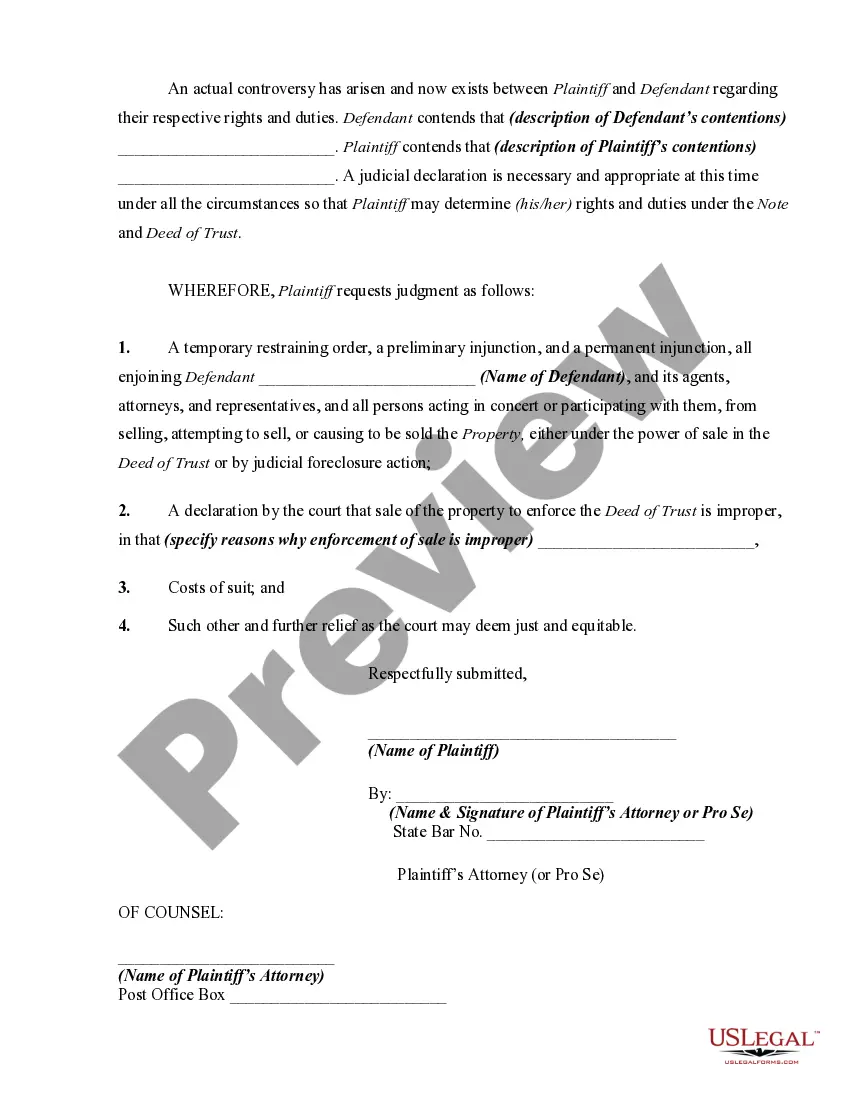
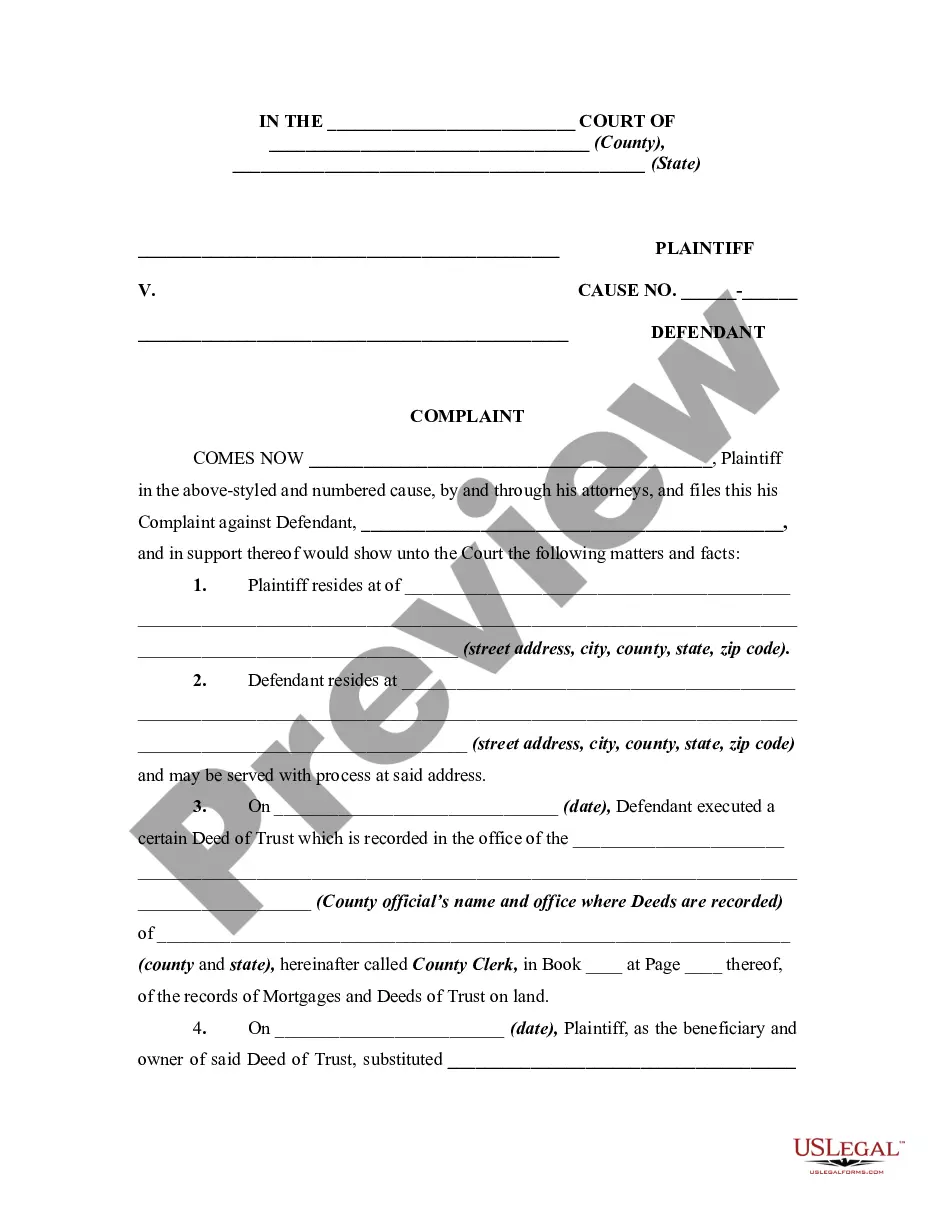
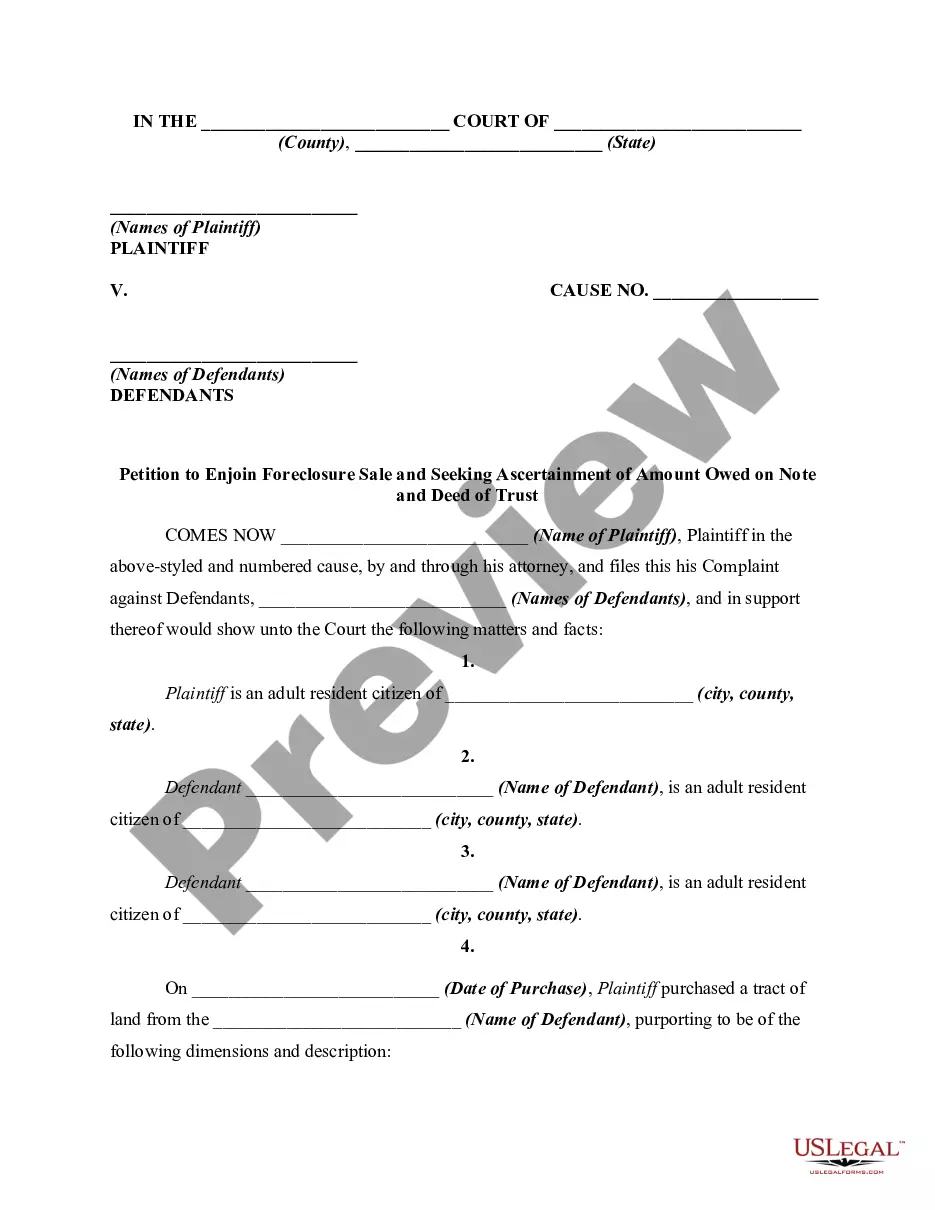
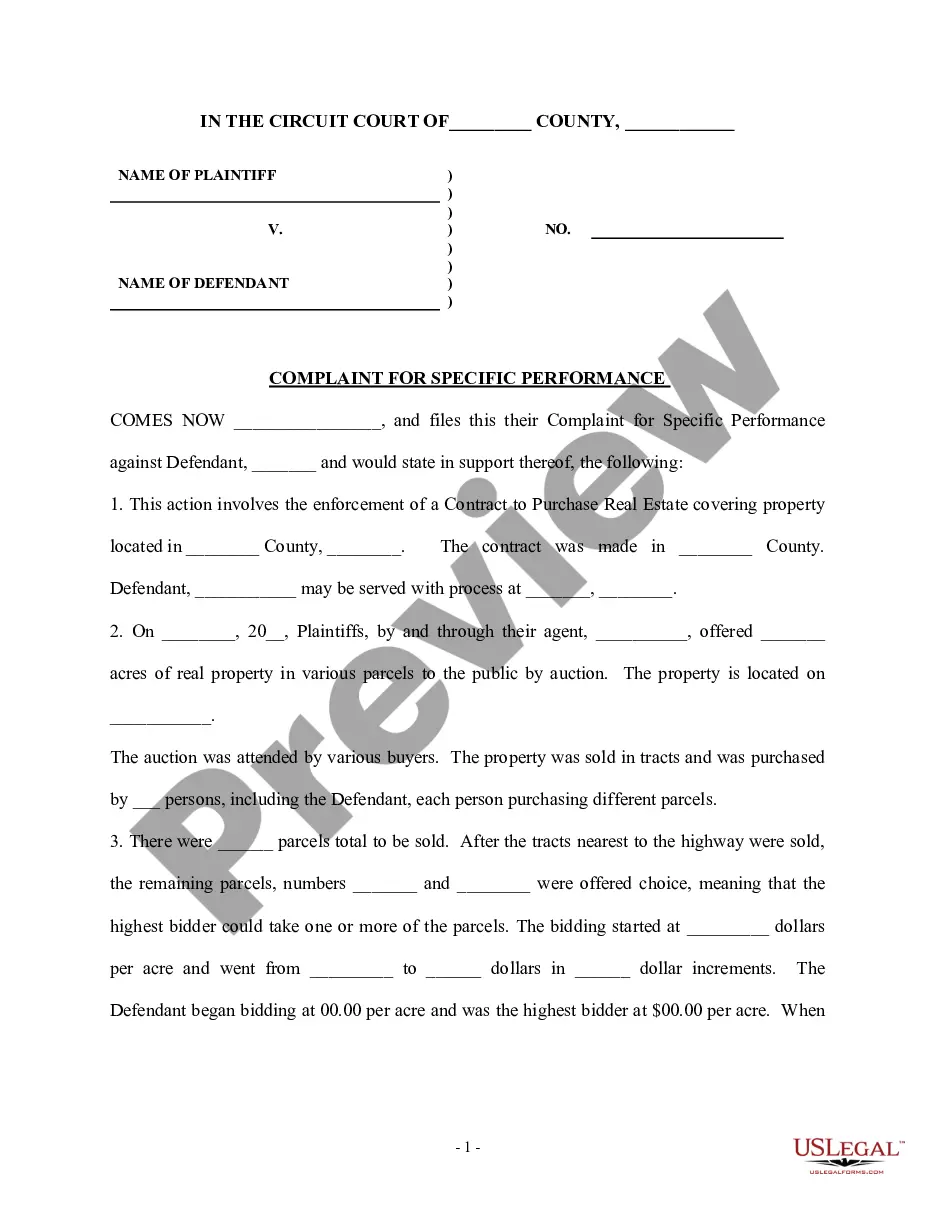
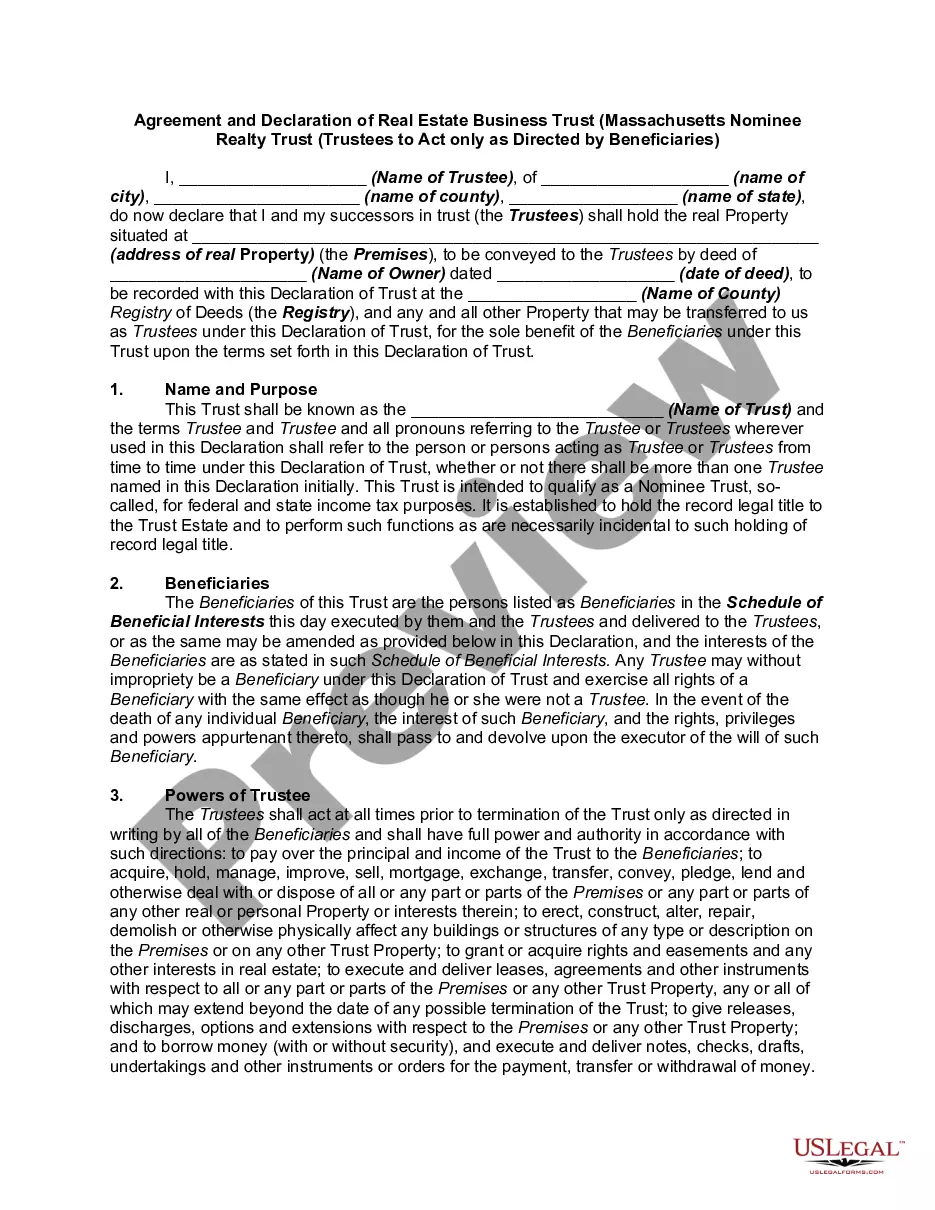
Get your form ready online
Our built-in tools help you complete, sign, share, and store your documents in one place.
Make edits, fill in missing information, and update formatting in US Legal Forms—just like you would in MS Word.
Download a copy, print it, send it by email, or mail it via USPS—whatever works best for your next step.
Sign and collect signatures with our SignNow integration. Send to multiple recipients, set reminders, and more. Go Premium to unlock E-Sign.
If this form requires notarization, complete it online through a secure video call—no need to meet a notary in person or wait for an appointment.
We protect your documents and personal data by following strict security and privacy standards.

Make edits, fill in missing information, and update formatting in US Legal Forms—just like you would in MS Word.

Download a copy, print it, send it by email, or mail it via USPS—whatever works best for your next step.

Sign and collect signatures with our SignNow integration. Send to multiple recipients, set reminders, and more. Go Premium to unlock E-Sign.

If this form requires notarization, complete it online through a secure video call—no need to meet a notary in person or wait for an appointment.

We protect your documents and personal data by following strict security and privacy standards.
Looking for another form?

How to fill out Petition Or Complaint To Enjoin Nonjudicial Foreclosure Sale And For Declaratory Relief?
- Log in to your account if you're a returning user and ensure your subscription is active. If not, renew it based on your payment plan.
- For first-time users, start by checking the preview and description of desired forms to confirm they meet your needs and local jurisdiction.
- If the initial form does not fit, utilize the search feature to explore alternatives until you find the correct document.
- Click the 'Buy Now' button on your selected form and choose a subscription plan that suits your needs, creating an account if prompted.
- Enter your payment details to purchase the subscription and access the form library.
- Download the necessary forms to your device and locate them in the 'My Forms' section of your profile for easy access.
With US Legal Forms, you are empowered to obtain and manage essential legal documents with confidence. Their extensive collection—boasting over 85,000 fillable forms—supports your legal needs seamlessly.
Don’t wait any longer to tackle your legal paperwork. Start benefiting from the extensive library of US Legal Forms today!
Form popularity
FAQ
To write a statement for an injunction, start by clearly defining the reason for the injunction. State the facts that support your case and explain why you need this legal protection. Highlight the potential harm you may face without the injunction, and ensure your statement is concise and focused. With the right resources, such as US Legal Forms, you can soon afford an injunction with the law, making the process easier.
While injunctions offer significant benefits, they also come with disadvantages, such as potential costs and time implications. Enforcing an injunction can require ongoing legal assistance, which can strain resources. However, with the right support, you can sooner afford injunction processes that minimize these drawbacks and maximize your legal standing.
An injunction is a powerful legal order that can enforce compliance and prevent further actions that could lead to harm. Courts issue injunctions to protect individuals or entities from potential losses. By navigating the legal landscape correctly, you can sooner afford injunction options that enhance your protection.
The power of an injunction lies in its ability to compel parties to cease actions that cause harm or risk damage. It serves as a preliminary remedy in legal disputes, providing a way to maintain the status quo. By leveraging the law effectively, you can sooner afford injunctions that safeguard your interests.
An injunction is a significant legal tool that can have lasting impacts on parties involved. It effectively restricts an individual's actions, which can change the course of legal matters. Taking action to understand injunctions can help you sooner afford injunction solutions that align with your goals.
When someone files an injunction, they initiate a legal process that asks the court to stop certain actions or behaviors. The court will review the request and determine whether to grant a temporary hold on the situation while it examines the case. With the right guidance, you can sooner afford injunctions that address urgent matters in your life.
The burden of proof for an injunction requires the petitioner to demonstrate that they are likely to succeed on the merits of their case. This means that they must show sufficient evidence supporting their claim. In the context of the law, understanding this burden can help you sooner afford injunction actions that protect your rights and interests.
The four elements required to obtain an injunction are: a strong likelihood of prevailing in the case, the danger of irreparable harm without the injunction, the balance of hardships favoring your request, and a consideration of public interest. Each element must be sufficiently demonstrated for the court to grant the injunctive relief sought. With proper guidance, you can sooner afford injunction with the law.
The four factors for an injunction include: your likelihood of succeeding in the underlying case, proof of irreparable harm, a balancing of hardships favoring you, and an assessment of the public interest. Each factor has significant implications for the outcome of your case. Being prepared allows you to sooner afford injunction with the law.
The four-factor test for an injunction evaluates: likelihood of success on the merits, irreparable harm, balance of harms, and public interest considerations. Courts examine these factors to decide whether to grant the injunction. By understanding and effectively addressing these factors, you position yourself to sooner afford injunction with the law.