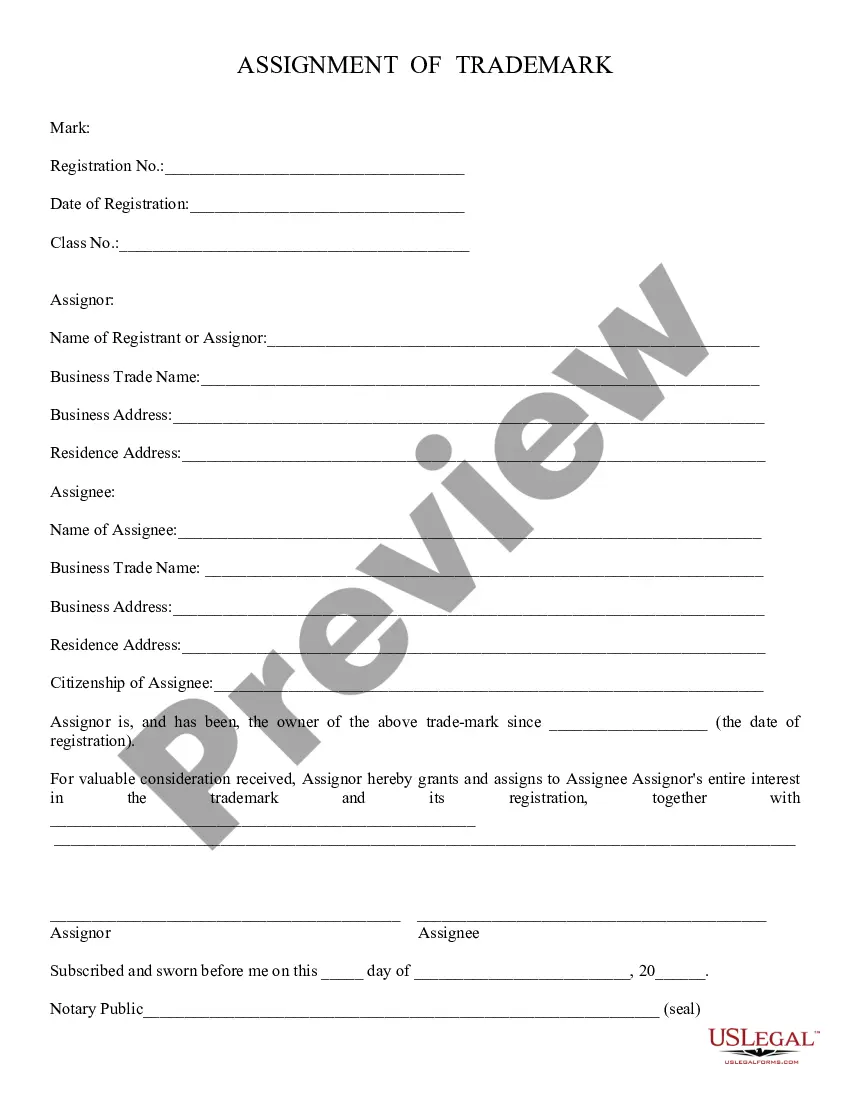
Trademark Copyright Patent For Ai
Description
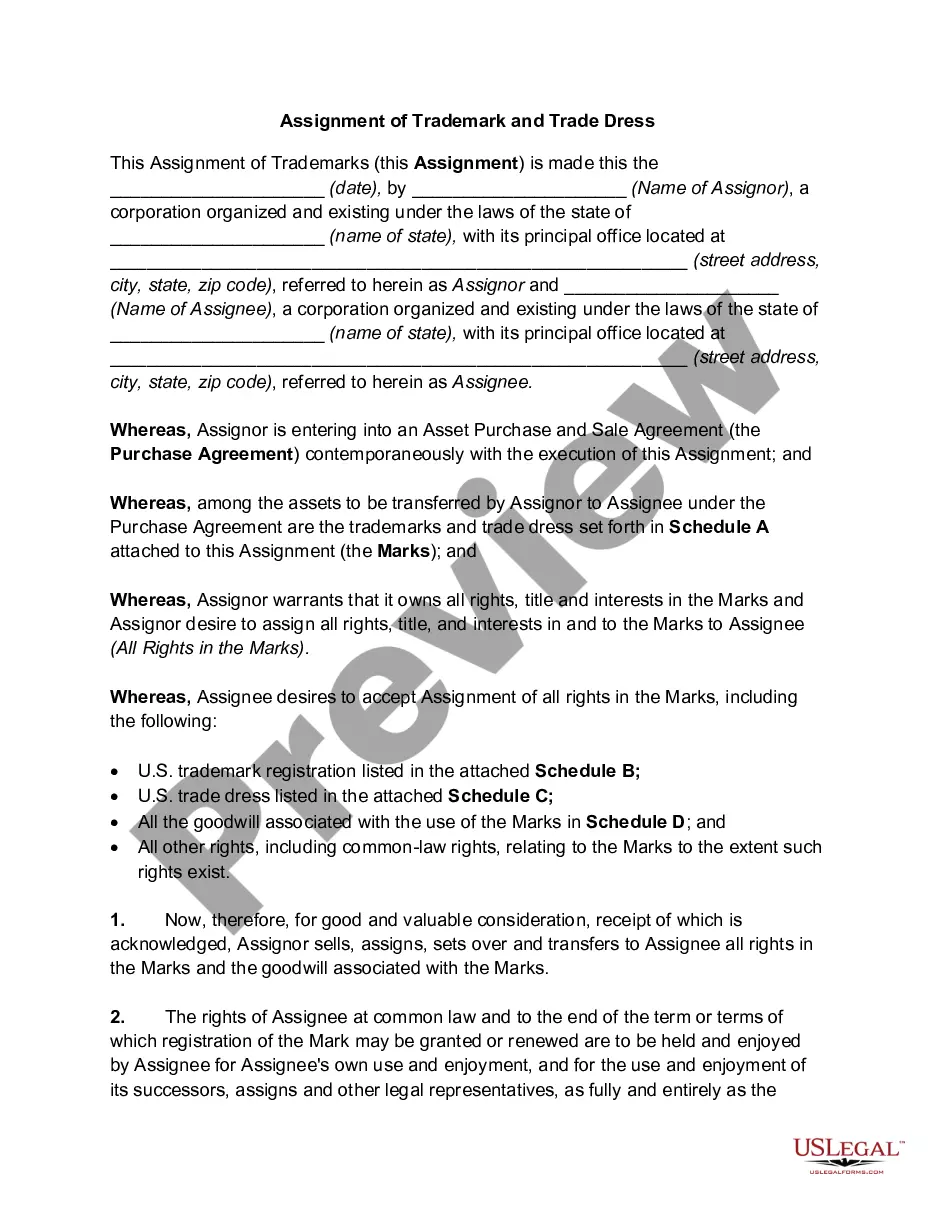
Get your form ready online
Our built-in tools help you complete, sign, share, and store your documents in one place.
Make edits, fill in missing information, and update formatting in US Legal Forms—just like you would in MS Word.
Download a copy, print it, send it by email, or mail it via USPS—whatever works best for your next step.
Sign and collect signatures with our SignNow integration. Send to multiple recipients, set reminders, and more. Go Premium to unlock E-Sign.
If this form requires notarization, complete it online through a secure video call—no need to meet a notary in person or wait for an appointment.
We protect your documents and personal data by following strict security and privacy standards.

Make edits, fill in missing information, and update formatting in US Legal Forms—just like you would in MS Word.

Download a copy, print it, send it by email, or mail it via USPS—whatever works best for your next step.

Sign and collect signatures with our SignNow integration. Send to multiple recipients, set reminders, and more. Go Premium to unlock E-Sign.

If this form requires notarization, complete it online through a secure video call—no need to meet a notary in person or wait for an appointment.

We protect your documents and personal data by following strict security and privacy standards.
Looking for another form?
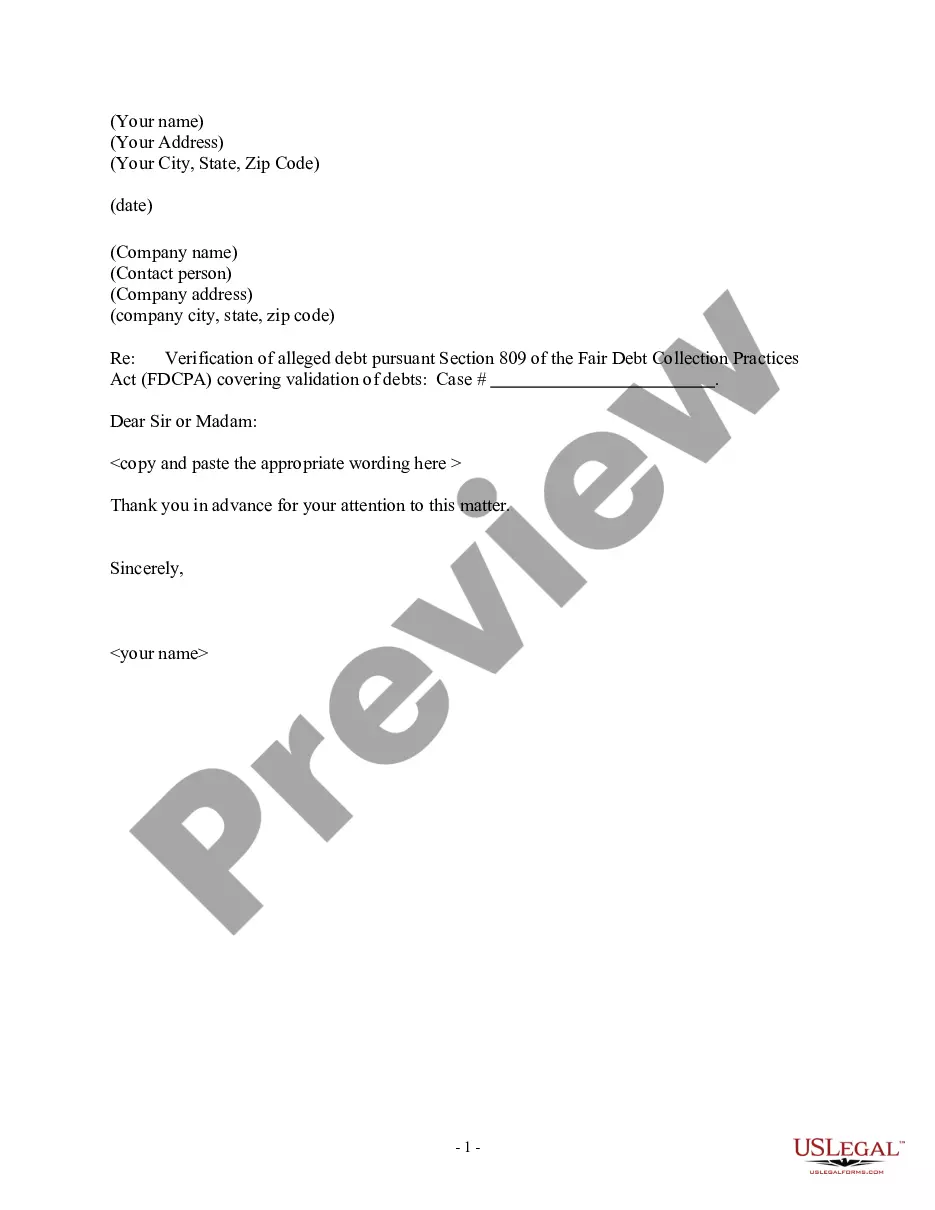







How to fill out Assignment Of Trademark?
Whether for commercial reasons or personal matters, everyone must confront legal issues at some stage in their life.
Completing legal paperwork requires meticulous care, starting with selecting the right form template.
Avoid altering or removing any HTML tags. Only synonymize plain text outside of the HTML tags.
- For example, if you choose an incorrect version of the Trademark Copyright Patent For Ai, it will be declined upon submission.
- Thus, it is vital to have a trustworthy source of legal documents like US Legal Forms.
- If you need to acquire a Trademark Copyright Patent For Ai template, follow these straightforward steps.
- Locate the template you require using the search bar or catalog browsing.
- Review the form’s description to ensure it aligns with your circumstances, state, and county.
- Click on the form’s preview to inspect it.
- If it is not the correct form, return to the search feature to find the Trademark Copyright Patent For Ai template you need.
- Obtain the template when it corresponds with your specifications.
- If you already possess a US Legal Forms account, simply click Log in to access previously saved templates in My documents.
- If you do not yet have an account, you can download the form by clicking Buy now.
- Select the appropriate pricing option.
- Complete the account registration form.
- Choose your payment method: you may use a credit card or PayPal account.
- Select the document format you desire and download the Trademark Copyright Patent For Ai.
- After it is saved, you can fill out the form using editing software or print it and complete it by hand.
- With an extensive US Legal Forms catalog available, you do not have to waste time searching for the right sample online.
- Use the library’s straightforward navigation to find the suitable template for any circumstance.
Form popularity
FAQ
Last year, in the case of Thaler v. Vidal, the Federal Circuit affirmed that only natural persons (i.e., human beings) can be named inventors on U.S. patents, thereby excluding artificial intelligence from being listed as an inventor per se.
Using AI Responsibly Today There is no doubt that AI drafting tools can already provide significant advantages in patent application preparation and prosecution, including rapid generation of content-rich output written in natural language text that is similar to what a human might write.
No ? AI content and any works created solely by AI cannot be copyrighted in the United States.
Aug 21 (Reuters) - A work of art created by artificial intelligence without any human input cannot be copyrighted under U.S. law, a U.S. court in Washington, D.C., has ruled.
Ing to the policy statement, works created by AI without human intervention or involvement still cannot be copyrighted, as they fail to meet the human authorship requirement.