Revocable Living Trust With Pour Over Will
Description
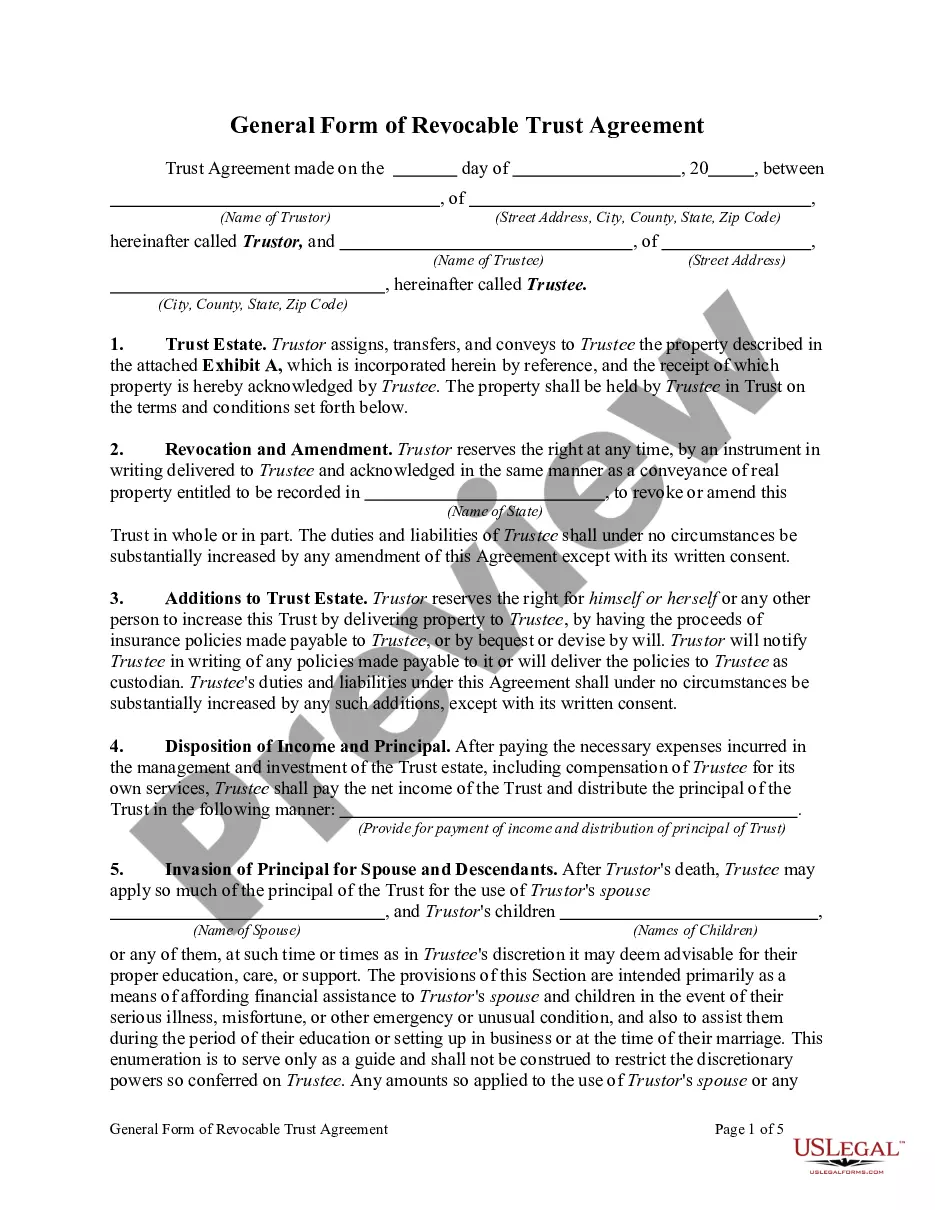
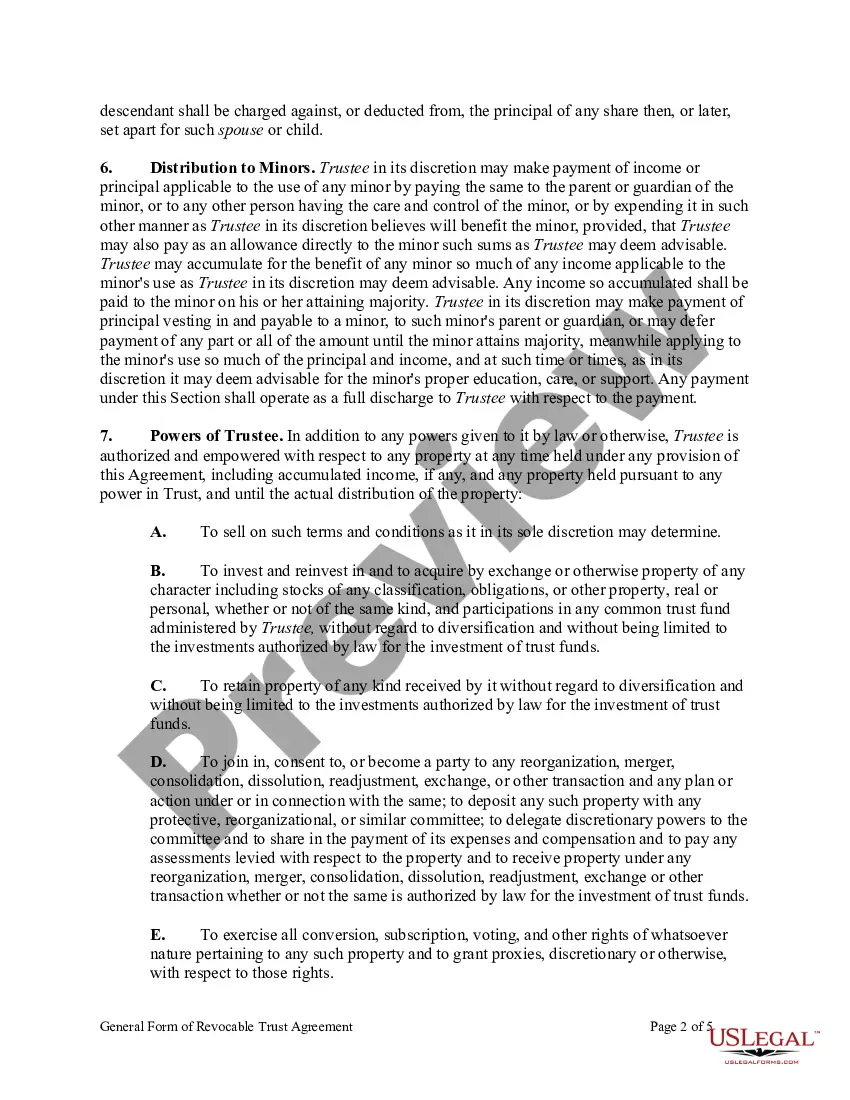
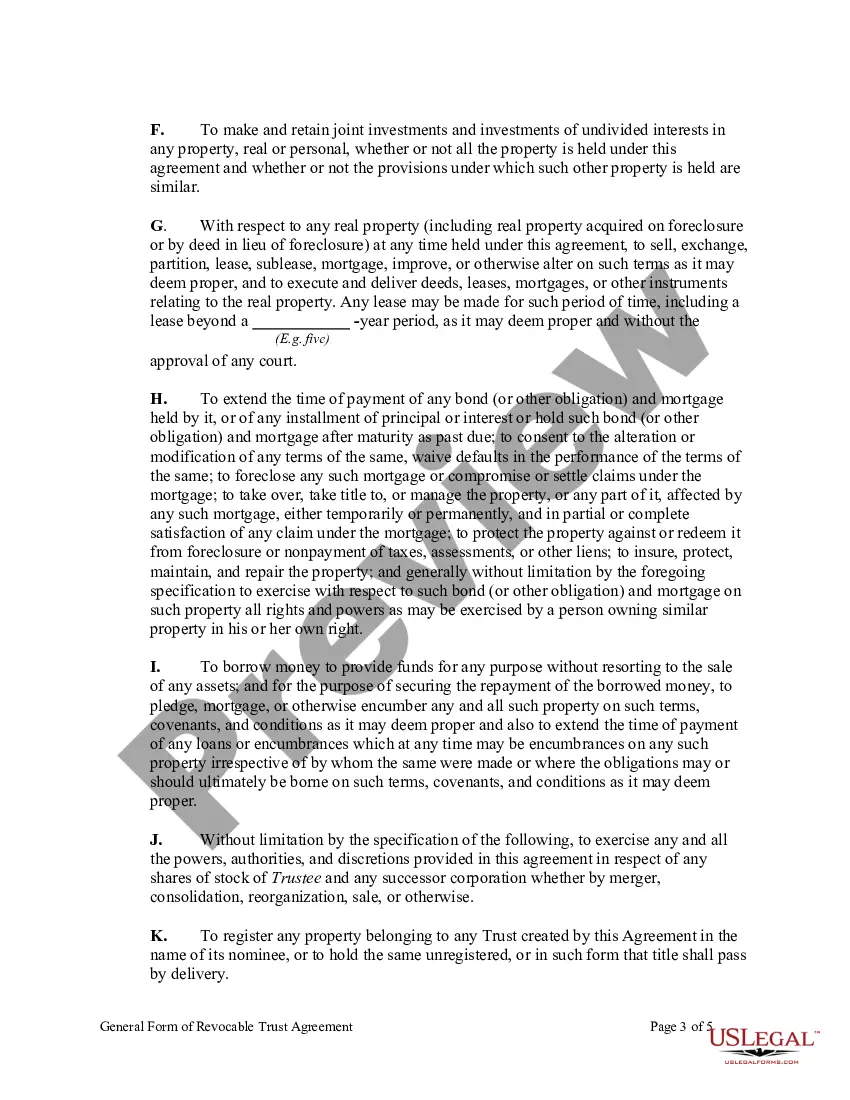
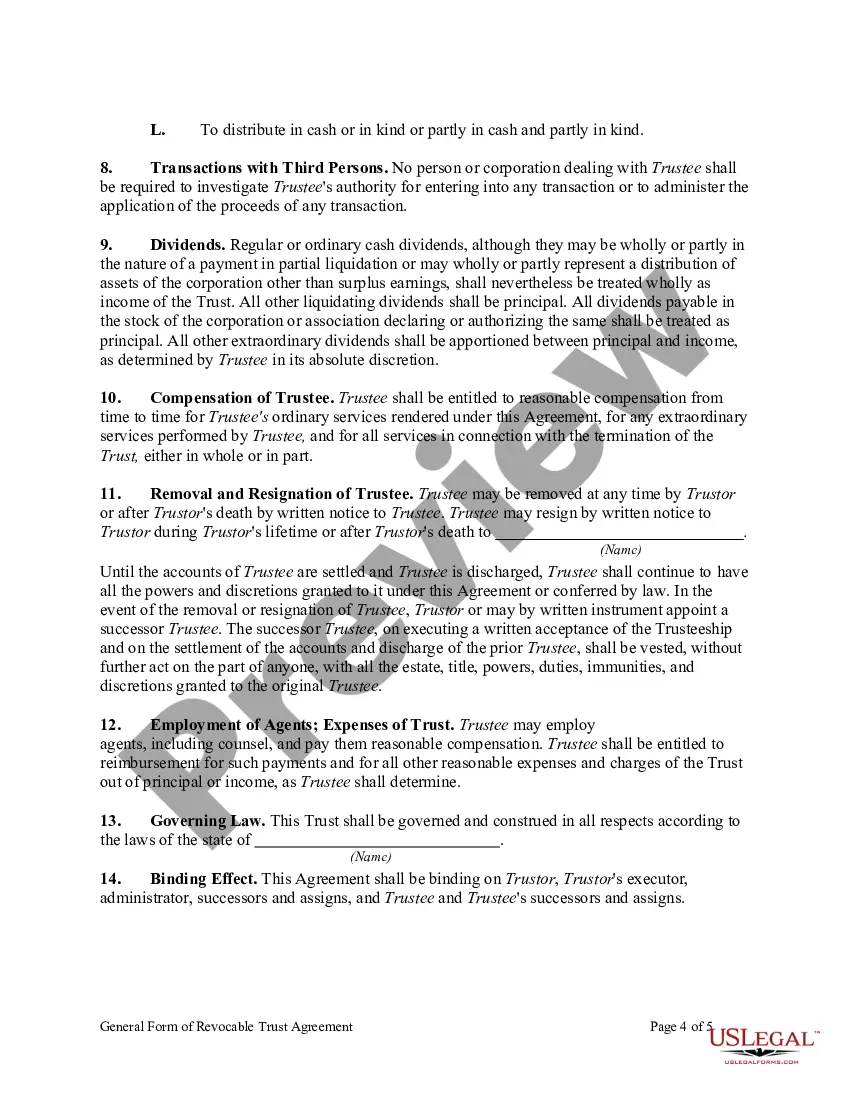
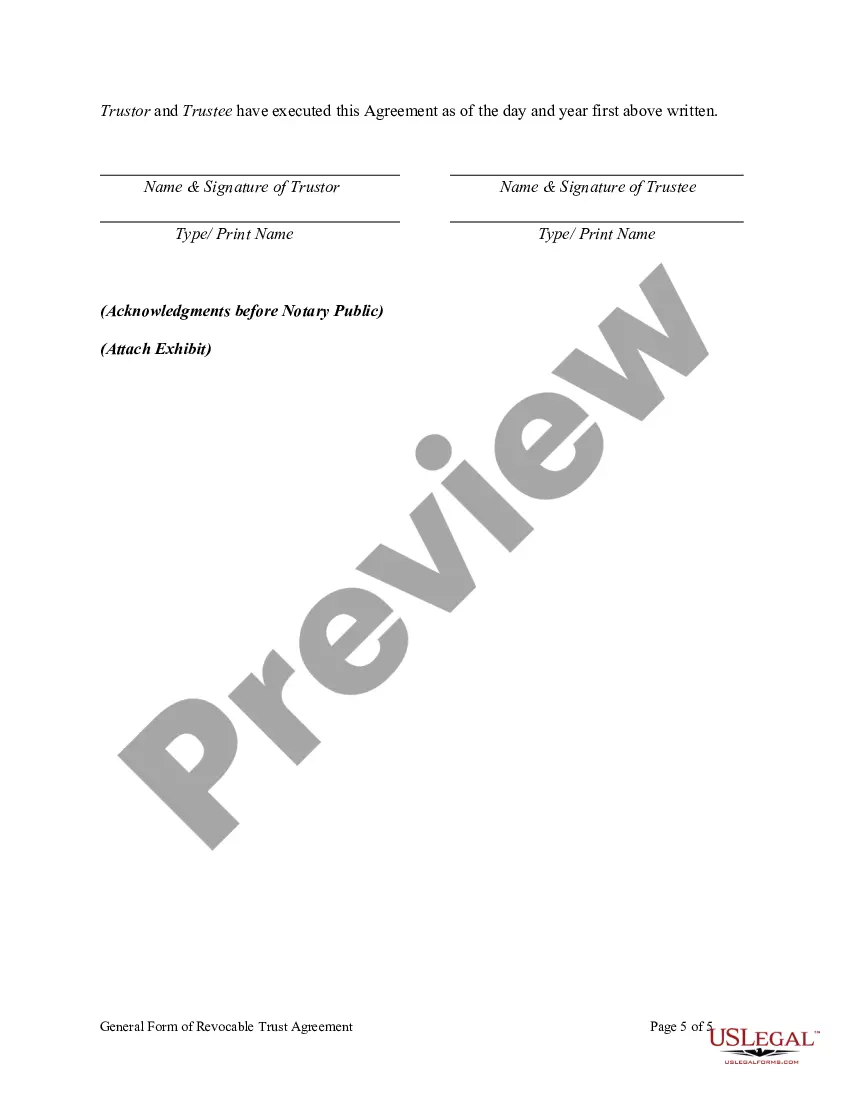
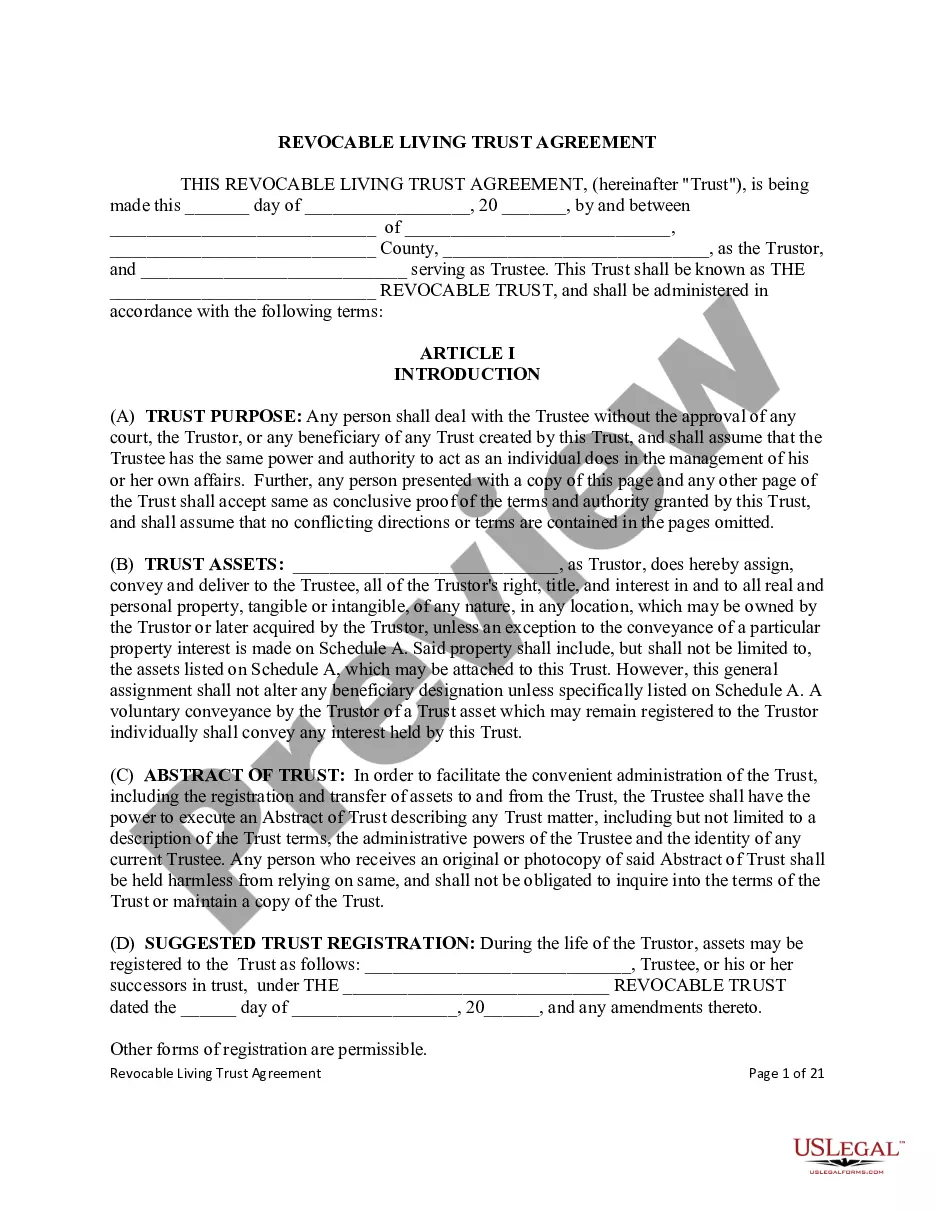
Get your form ready online
Our built-in tools help you complete, sign, share, and store your documents in one place.
Make edits, fill in missing information, and update formatting in US Legal Forms—just like you would in MS Word.
Download a copy, print it, send it by email, or mail it via USPS—whatever works best for your next step.
Sign and collect signatures with our SignNow integration. Send to multiple recipients, set reminders, and more. Go Premium to unlock E-Sign.
If this form requires notarization, complete it online through a secure video call—no need to meet a notary in person or wait for an appointment.
We protect your documents and personal data by following strict security and privacy standards.

Make edits, fill in missing information, and update formatting in US Legal Forms—just like you would in MS Word.

Download a copy, print it, send it by email, or mail it via USPS—whatever works best for your next step.

Sign and collect signatures with our SignNow integration. Send to multiple recipients, set reminders, and more. Go Premium to unlock E-Sign.

If this form requires notarization, complete it online through a secure video call—no need to meet a notary in person or wait for an appointment.

We protect your documents and personal data by following strict security and privacy standards.
Looking for another form?








How to fill out Revocable Trust For Asset Protection?
- If you are an existing user, log in to your account and download the template by clicking the Download button. Verify that your subscription is active and renew if necessary.
- For new users, start by reviewing the form preview and description to ensure it fits your requirements and complies with your local jurisdiction.
- If you need a different template, use the Search tab to find alternatives that may better suit your needs.
- Once you have selected the correct document, click the Buy Now button and choose the subscription plan that works best for you. You will need to create an account to access the library.
- Complete your purchase using your credit card or PayPal. This will grant you immediate access to your chosen forms.
- Download your form to your device. You can find it anytime in the My Forms section of your profile.
With US Legal Forms, not only do you access an extensive collection of over 85,000 legal forms, but you also benefit from expert assistance in completing them correctly.
Take control of your estate planning today. Visit US Legal Forms to get started on your revocable living trust with a pour over will!
Form popularity
FAQ
A revocable living trust with pour over will is generally considered more powerful than a will alone. Trusts provide more privacy, as they do not go through public probate like wills do. Additionally, trusts can manage your affairs during your lifetime, offering greater control over your assets. By choosing a trust, you can simplify the distribution of your estate and maintain privacy regarding your financial matters.
In general, a revocable living trust with pour over will takes precedence over a will. Trusts control assets placed within them, while a will only manages assets that remain outside of any trust. As a result, if you have a trust, the instructions outlined in that trust will be followed first, ensuring your chosen beneficiaries receive their inheritance seamlessly. This ensures your estate is handled according to your wishes and can help avoid potential legal disputes.
Yes, a revocable living trust with pour over will can supersede a will in many circumstances. When you create a trust, you transfer ownership of your assets to that trust. If you pass away, the assets in the trust do not go through probate and are distributed according to the trust's instructions, rather than the will. This setup can streamline the estate distribution process, providing clarity and efficiency.
The downside of putting assets in a revocable living trust with pour over will may include the administrative responsibilities and potential costs tied to managing the trust. Moreover, there can be legal obligations regarding transparency and record-keeping. However, weighing these against the advantages of avoiding probate can provide clarity. Platforms like uslegalforms can assist in navigating these specific legal requirements.
One drawback of a family trust, such as a revocable living trust with pour over will, is the potential lack of asset protection. Unlike irrevocable trusts, revocable trusts do not shield assets from creditors. Another consideration is the ongoing administration and paperwork that requires regular attention. Understanding these aspects helps you make informed decisions.
Yes, you can certainly have a pour-over will alongside a revocable living trust with pour over will. This combination ensures that any assets not placed in the trust during your lifetime will automatically transfer into the trust upon your death. It acts as a safety net for unaccounted assets, allowing for a smoother transition. This structure enhances your estate planning efficiency.
Whether your parents should place their assets in a revocable living trust with pour over will depends on their financial situation and goals. This approach can provide clearer estate management and avoid probate, which can be time-consuming and costly. Ultimately, family discussions and professional advice can guide this decision effectively.
A common mistake parents make when setting up a revocable living trust with pour over will is not funding the trust adequately. If assets are not transferred into the trust, they may end up in probate, defeating the purpose of the trust. Additionally, failing to communicate with heirs can lead to misunderstandings and disputes later. Consulting with professionals can help you avoid these pitfalls.
In general, a will does not override a revocable living trust with pour over will, but the specifics depend on your estate planning. If you place assets in your trust, they will be managed according to the trust's terms after your passing. However, any assets outside the trust may still pass through your will. It's essential to understand how these documents interact to ensure your wishes are met.
Yes, a revocable trust can have a pour-over will, and this combination is quite beneficial. The revocable living trust with pour over will works together to ensure your assets are allocated according to your desires, both during your lifetime and after. This type of arrangement safeguards your estate planning and provides peace of mind, knowing that your assets are secured and handled properly, even if they weren't originally placed in the trust.