Commercial Real Estate Disclosures In California
Description
Get your form ready online
Our built-in tools help you complete, sign, share, and store your documents in one place.
Make edits, fill in missing information, and update formatting in US Legal Forms—just like you would in MS Word.
Download a copy, print it, send it by email, or mail it via USPS—whatever works best for your next step.
Sign and collect signatures with our SignNow integration. Send to multiple recipients, set reminders, and more. Go Premium to unlock E-Sign.
If this form requires notarization, complete it online through a secure video call—no need to meet a notary in person or wait for an appointment.
We protect your documents and personal data by following strict security and privacy standards.

Make edits, fill in missing information, and update formatting in US Legal Forms—just like you would in MS Word.

Download a copy, print it, send it by email, or mail it via USPS—whatever works best for your next step.

Sign and collect signatures with our SignNow integration. Send to multiple recipients, set reminders, and more. Go Premium to unlock E-Sign.

If this form requires notarization, complete it online through a secure video call—no need to meet a notary in person or wait for an appointment.

We protect your documents and personal data by following strict security and privacy standards.
Looking for another form?
How to fill out Seller's Real Estate Disclosure Statement?
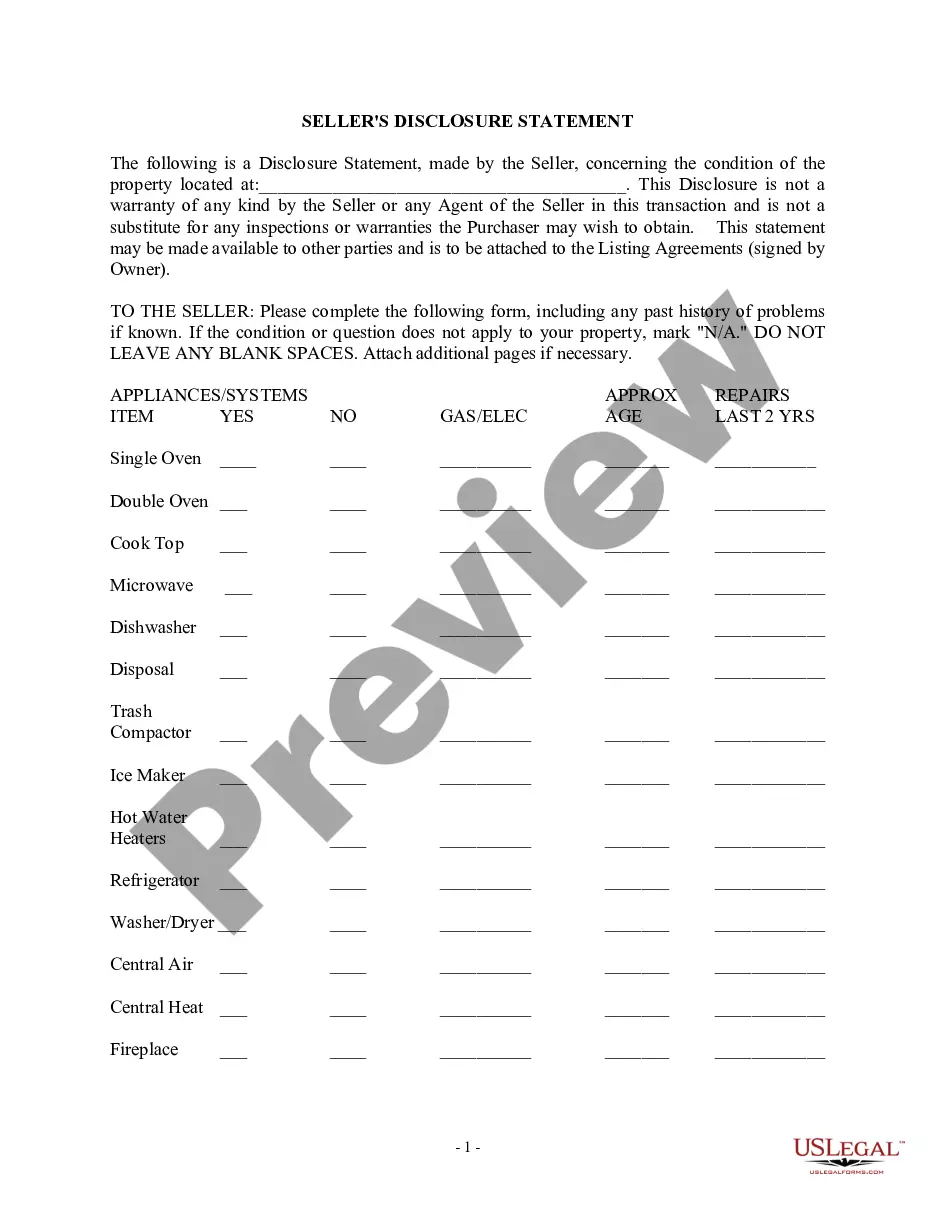
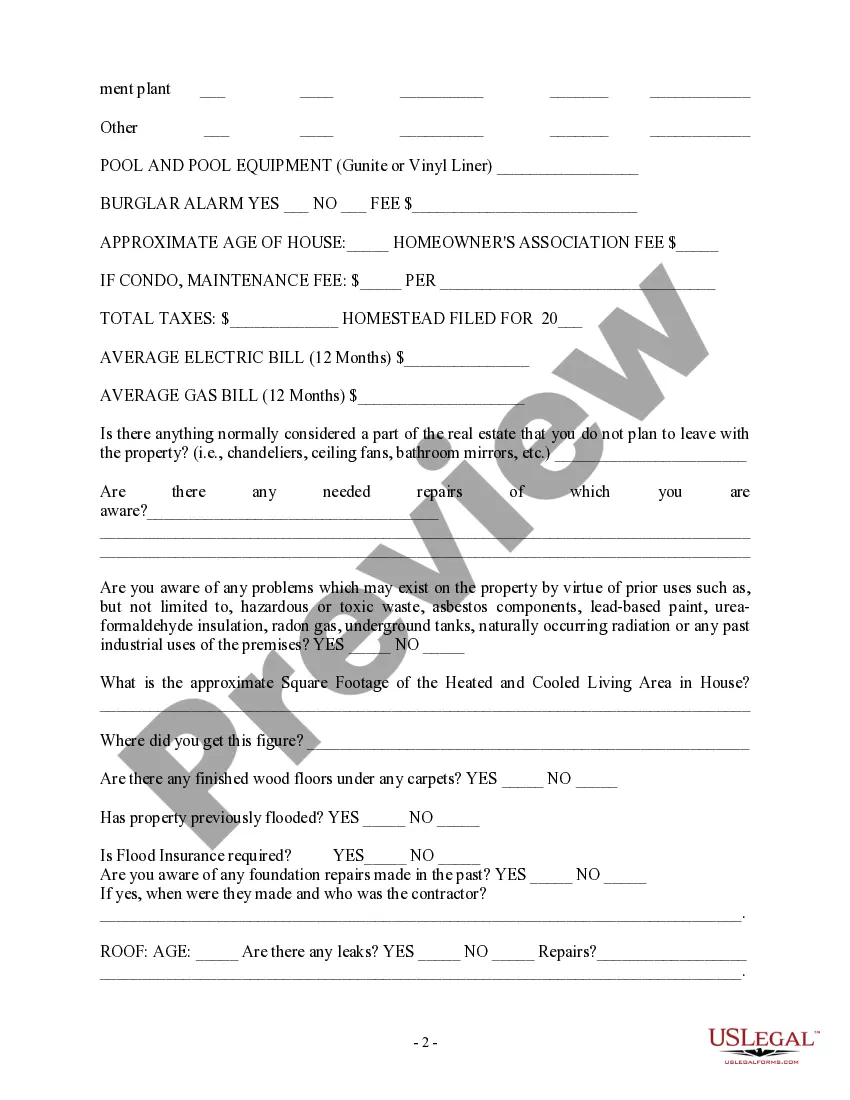
The Commercial Property Disclosure Documents In California displayed on this page is a reusable legal framework crafted by experienced attorneys in line with federal and state laws.
For over 25 years, US Legal Forms has supplied individuals, companies, and legal experts with more than 85,000 authenticated, state-specific documents for any professional and personal circumstance. It’s the fastest, easiest, and most dependable method to acquire the forms you require, as the service ensures bank-grade data security and anti-malware safeguards.
Download your documents again whenever needed. Access the My documents tab in your profile to redownload any previously saved forms. Enroll in US Legal Forms to have verified legal templates for all of life's situations readily available.
- Search for the document you need and verify it.
- Browse through the sample you sought and preview it or examine the form description to confirm it meets your needs. If it does not, utilize the search feature to locate the appropriate one. Click Buy Now once you have found the template you require.
- Choose and register.
- Select the pricing plan that fits you and set up an account. Use PayPal or a credit card for a swift payment. If you already possess an account, Log In and review your subscription to proceed.
- Acquire the editable template.
- Select the format you desire for your Commercial Property Disclosure Documents In California (PDF, Word, RTF) and save the document on your device.
- Complete and authorize the document.
- Print the template to fill it out manually. Alternatively, employ an online versatile PDF editor to quickly and accurately complete and sign your document with a legally-binding electronic signature.
Form popularity
FAQ
Most commercial real estate sales are indeed public records. When a property is sold, the transaction details become part of public real estate disclosure records in California. This information is accessible to anyone interested, which aids transparency in the market. Checking these records helps prospective buyers make well-informed choices.
Yes, in general, real estate disclosures are considered public records. This transparency is essential for potential buyers looking for commercial real estate disclosures in California. However, the specific details and availability can vary by county or municipality. It is advisable to check with local government offices or consult your real estate agent for accurate information.
Getting disclosures from the MLS typically requires using a licensed real estate professional. Agents can access listings that include commercial real estate disclosures in California and present this information to you. It saves time and ensures you receive formatted and comprehensive disclosures. Be sure to ask your agent for these documents as they are critical for your due diligence.
To obtain a MLS report, you usually need to work with a licensed real estate agent. They can provide you with access to Multiple Listing Service data, which includes a wealth of information on commercial real estate disclosures in California. This report helps you understand the market and make informed purchasing decisions. Always consult an expert to navigate this process efficiently.
You can access seller disclosures through various channels. Typically, these documents are available through your real estate agent or directly from the seller. For commercial properties, consider using platforms like USLegalForms to streamline the process of obtaining commercial real estate disclosures in California. Transparency is crucial to making an informed decision.
If there is no seller disclosure, it can raise concerns for buyers. Without commercial real estate disclosures in California, buyers may unknowingly enter into a transaction with undisclosed issues. This lack of transparency can lead to costly repairs down the line. It's wise for buyers to seek properties with full disclosures to avoid surprises.
Yes, California is a mandatory disclosure state. Sellers are required to provide certain disclosures to buyers, particularly when it comes to commercial real estate disclosures in California. This process helps inform buyers about potential issues with the property. Accurate disclosures build trust and protect all parties involved.
Best practices for disclosures in real estate transactions in California include providing accurate and timely information, ensuring clarity in the language used, and verifying that all parties sign the necessary documents. Regularly updating disclosures as new information arises is also critical. Using platforms like USLegalForms can greatly help in obtaining the right forms and guidance. By following these practices, you can successfully navigate the complexities of commercial real estate disclosures in California.
The agency disclosure form typically includes details about the agency relationship, such as whether the agent represents the buyer, seller, or both parties. It also outlines the responsibilities of the agent towards their client and any potential conflicts of interest. Understanding what is included in this form is vital for assuring compliance with commercial real estate disclosures in California. This information guides clients in making informed decisions.
The three steps of agency disclosure are: first, the agent must disclose the agency relationship to the client. Next, the agent needs to provide the client with the written disclosure forms describing their duties. Finally, the agent must have the client acknowledge receipt of these disclosures. Following these steps is essential for compliance with commercial real estate disclosures in California.