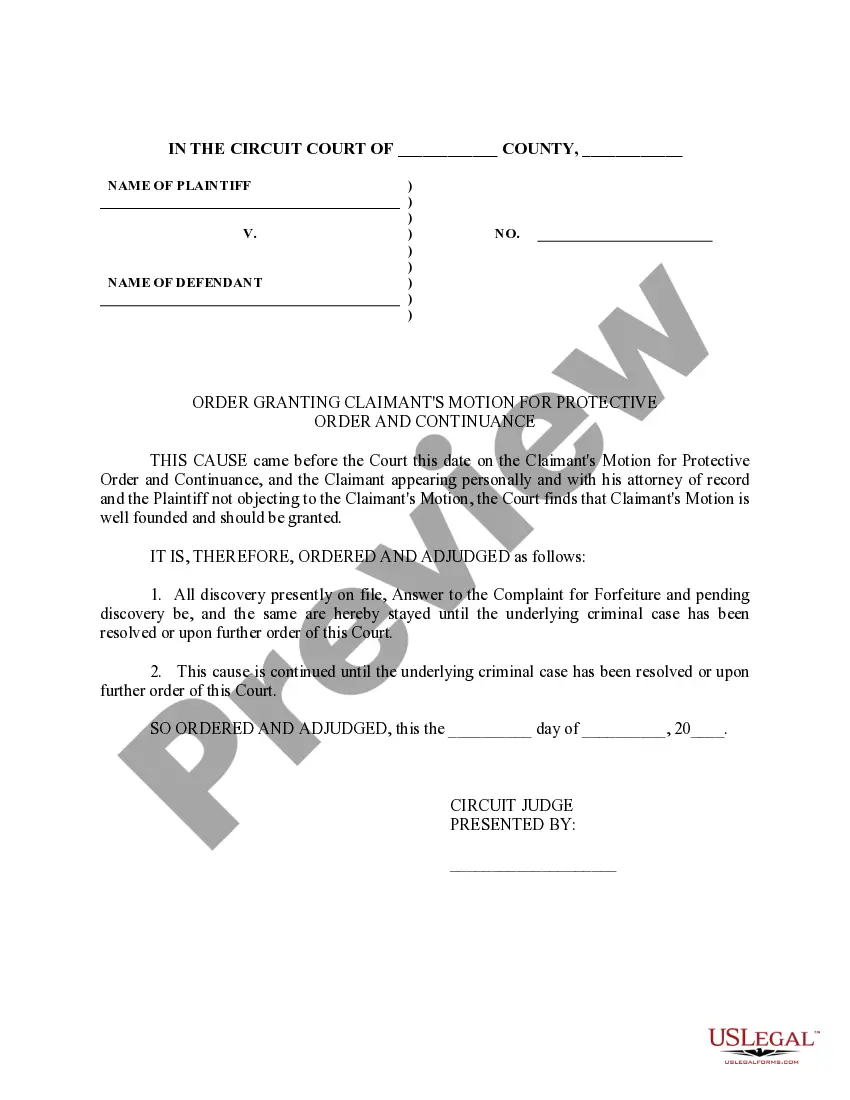
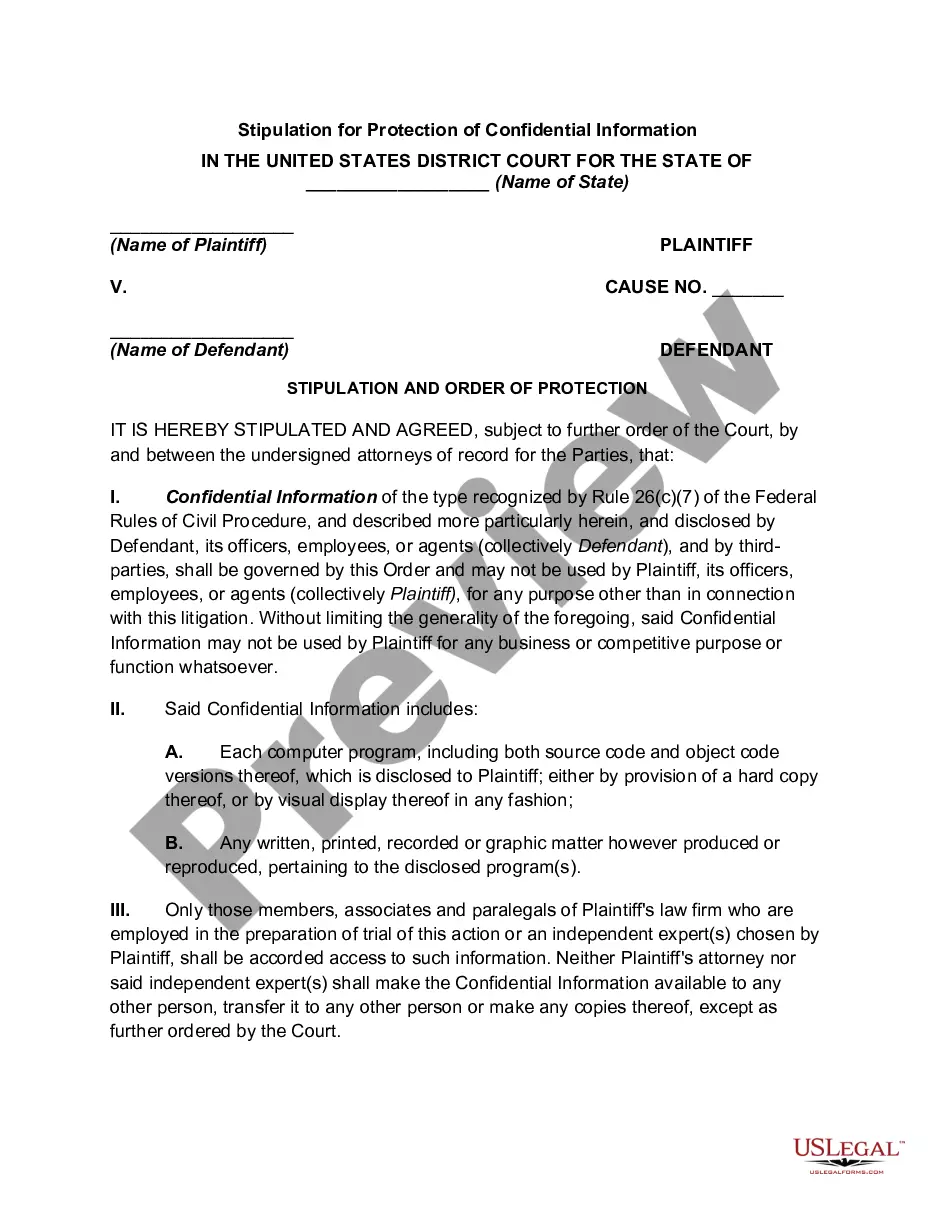
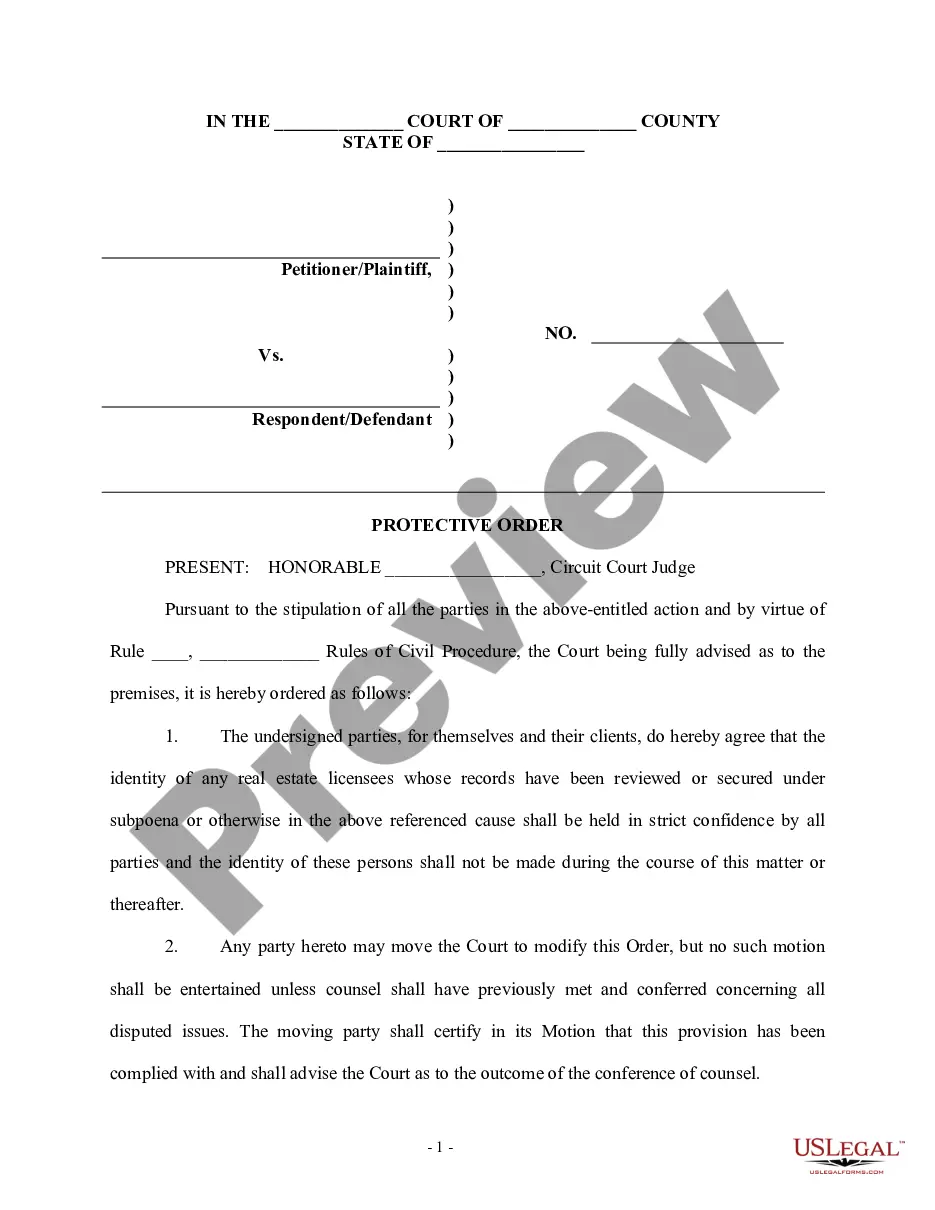
Protection Order For Emotional Abuse
Description
Get your form ready online
Our built-in tools help you complete, sign, share, and store your documents in one place.
Make edits, fill in missing information, and update formatting in US Legal Forms—just like you would in MS Word.
Download a copy, print it, send it by email, or mail it via USPS—whatever works best for your next step.
Sign and collect signatures with our SignNow integration. Send to multiple recipients, set reminders, and more. Go Premium to unlock E-Sign.
If this form requires notarization, complete it online through a secure video call—no need to meet a notary in person or wait for an appointment.
We protect your documents and personal data by following strict security and privacy standards.

Make edits, fill in missing information, and update formatting in US Legal Forms—just like you would in MS Word.

Download a copy, print it, send it by email, or mail it via USPS—whatever works best for your next step.

Sign and collect signatures with our SignNow integration. Send to multiple recipients, set reminders, and more. Go Premium to unlock E-Sign.

If this form requires notarization, complete it online through a secure video call—no need to meet a notary in person or wait for an appointment.

We protect your documents and personal data by following strict security and privacy standards.
Looking for another form?

How to fill out Order Granting Protective Order?
Managing legal documents can be daunting, even for seasoned experts. When you're in need of a Protection Order For Emotional Abuse and lack the time to search for the correct and current version, the processes can become overwhelming. A robust online form repository can transform the experience for anyone looking to navigate these circumstances efficiently.
US Legal Forms stands as a frontrunner in online legal documentation, featuring over 85,000 state-specific legal forms accessible at any moment.
Tap into a valuable repository of articles, guides, and materials pertinent to your circumstances and needs.
Save time and energy searching for the documents you require, and utilize US Legal Forms’ enhanced search and Preview feature to find and obtain the Protection Order For Emotional Abuse. If you have a subscription, Log In to your US Legal Forms account, search for the form, and download it. Check out the My documents tab to view the documents you've previously saved and manage your folders as needed.
Experience the US Legal Forms online library, supported by 25 years of expertise and trustworthiness. Transform your routine document management into a seamless and user-friendly process today.
- Confirm it is the correct form by previewing it and reviewing its details.
- Ensure that the template is accepted in your state or county.
- Click Buy Now when you're ready.
- Choose a subscription plan.
- Select the format you need, and Download, fill out, sign, print, and send your documents.
- Access state- or county-specific legal and organizational documents.
- US Legal Forms caters to any needs you may have, from personal to business paperwork, all in one place.
- Utilize advanced tools to complete and manage your Protection Order For Emotional Abuse.
Form popularity
FAQ
Building a case for emotional abuse requires careful documentation and support. Keep a journal of abusive incidents, noting specific behaviors and their impact on your mental health. Seek advice from a legal professional who can assist you in filing a protection order for emotional abuse. Platforms like uslegalforms can provide essential resources and guidance to help you navigate the legal process effectively.
Reporting an emotional abuser involves contacting local authorities or seeking legal assistance. Begin by documenting all incidents of abuse and gathering any evidence you have. You can then approach law enforcement or a legal professional who can guide you through filing a protection order for emotional abuse. Remember, you do not have to face this alone; resources are available to help you.
To secure a protection order for emotional abuse, you need to gather specific evidence. Start by documenting incidents, including dates, times, and descriptions of abusive behavior. Collect text messages, emails, or any communication that illustrates the emotional abuse. Witness statements from friends or family can also strengthen your case.
Yes, you can sue for emotional abuse. Attorneys across the United States recognize emotional abuse as a cause of action, allowing families of those victims of emotional abuse in nursing homes to sue in response to their loved ones' mistreatment.
In addition, many of the domestic violence laws make reporting emotional abuse mandatory in some cases. If an individual is in a situation where they are being emotionally abused or if an individual knows of a person who is suffering from emotional abuse, they should investigate resources for domestic violence.
Emotional abuse is a valid form of domestic violence in California, and while it's difficult to prove, it can still result in criminal convictions and jail time.
Finally, emotional abuse is most often reported along with concerns of other types of abuse; any child who is being physically abused, sexually abused, or neglected is also being emotionally abused. Reporting laws require a report be made when a mandated reporter has a ?reasonable suspicion? of abuse.
3 Things Never to Say to Verbal and Emotional Abuse Survivors "Are you sure you're being abused?" It's a big deal to accuse someone of verbal or emotional abuse and it's not an accusation we make lightly. ... "I don't want to hear about it." ... "You need to move on."